
 Image 1 of 7
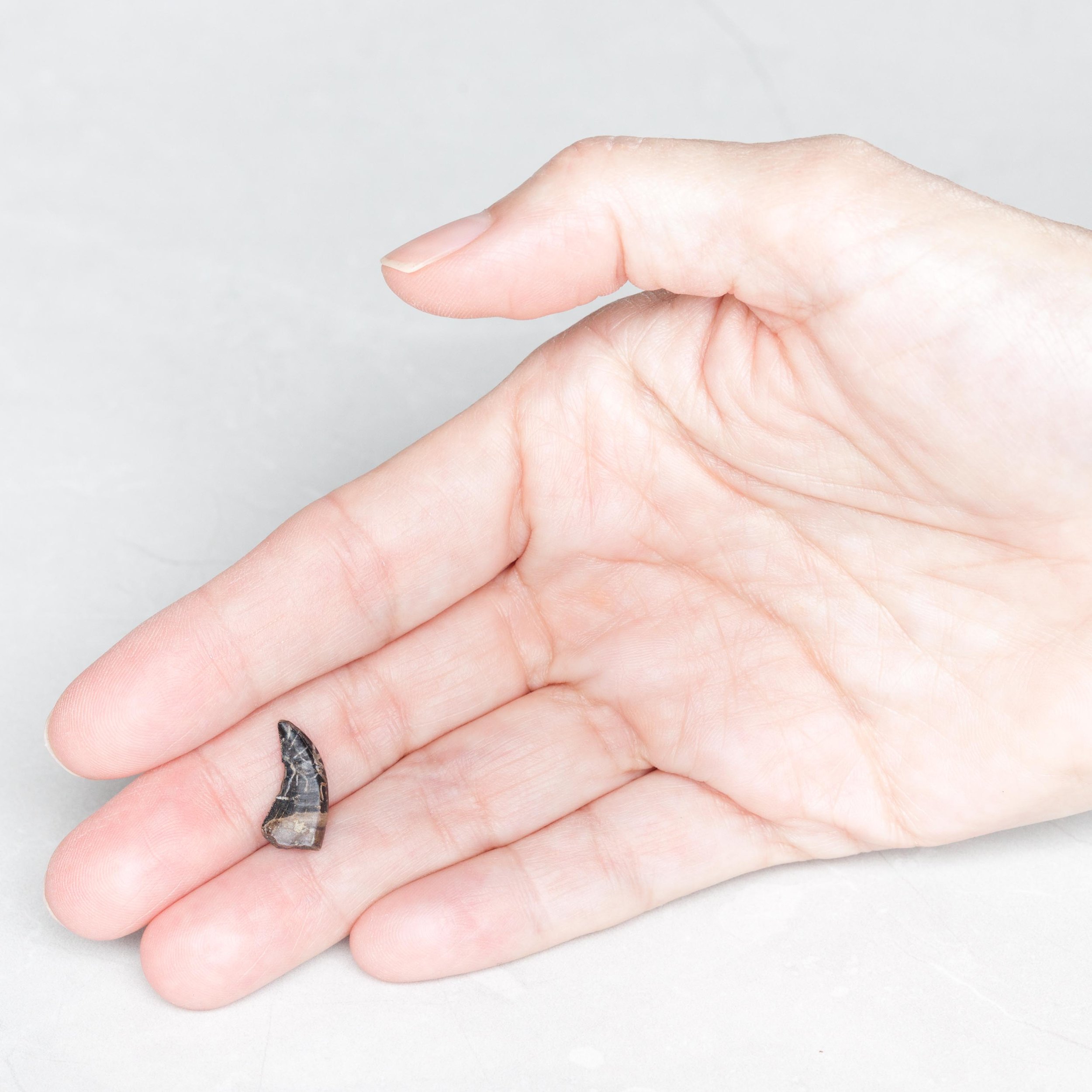 Image 2 of 7
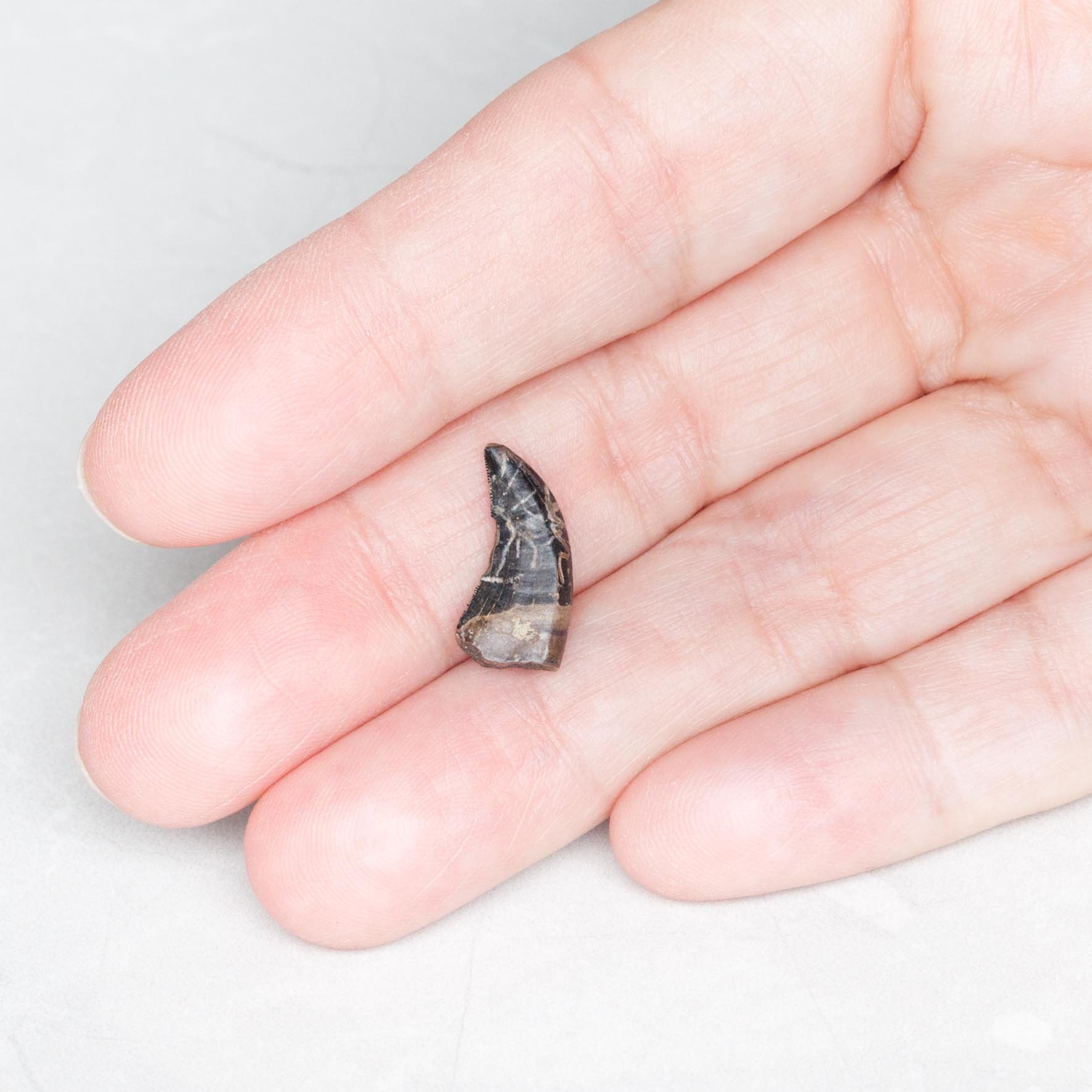 Image 3 of 7
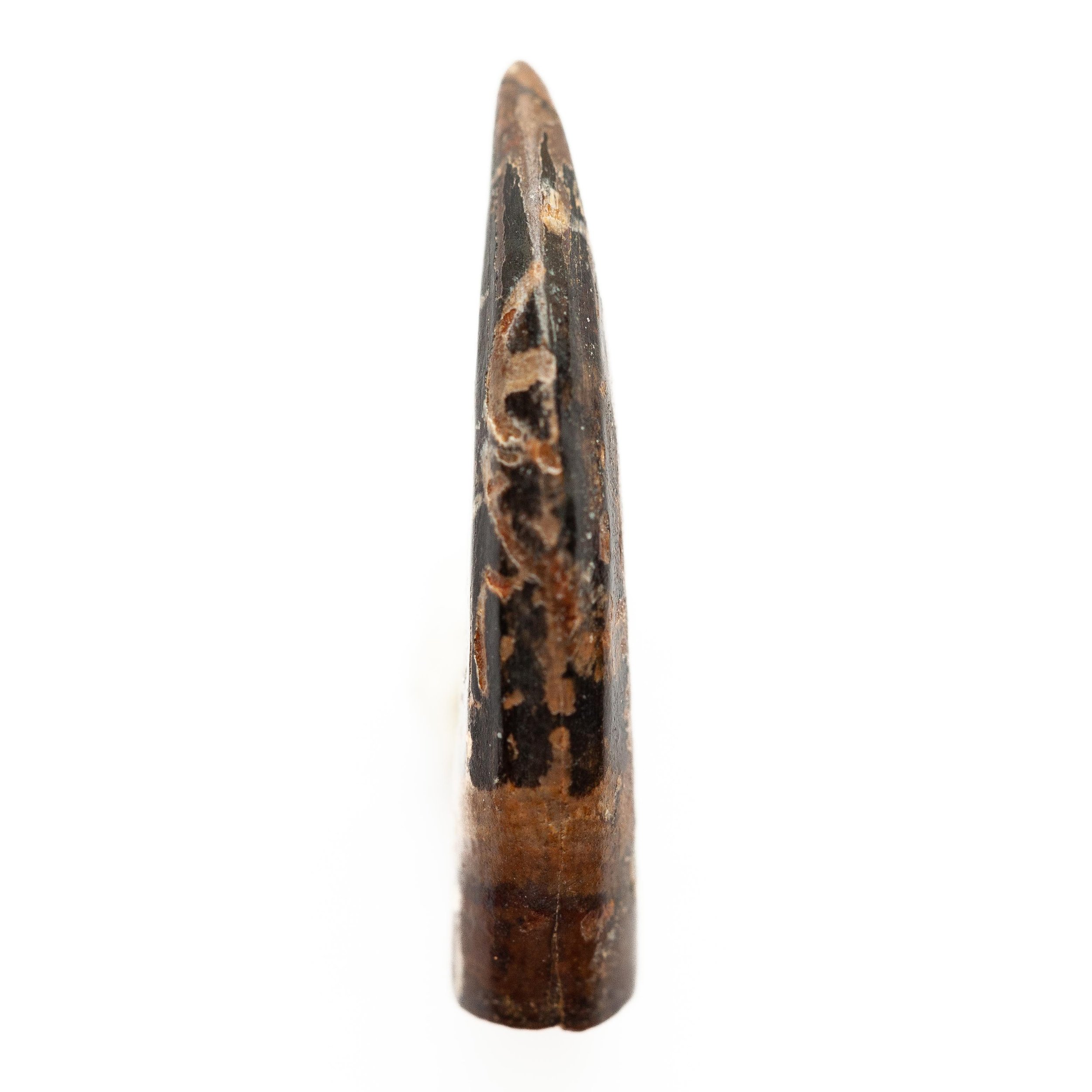 Image 4 of 7
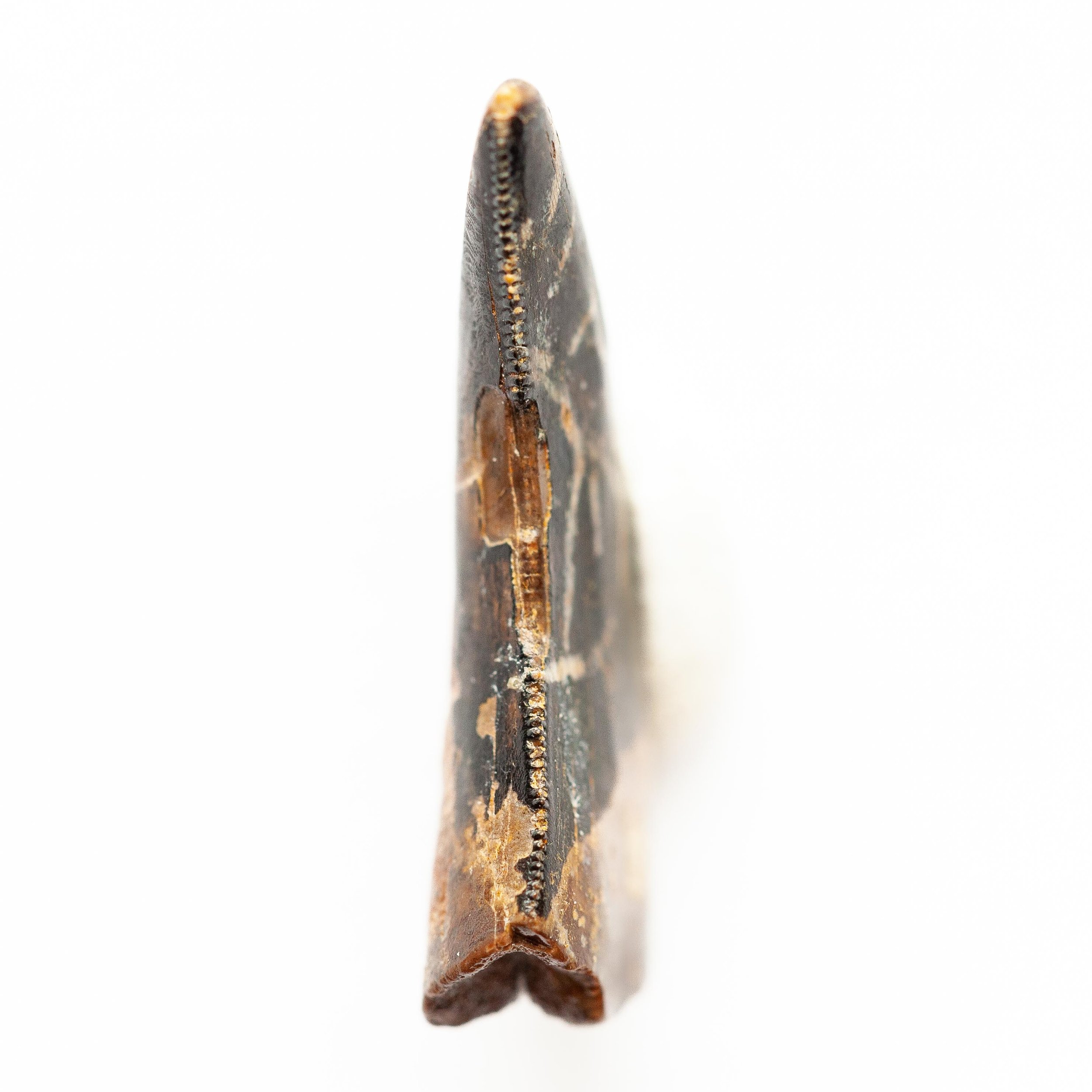 Image 5 of 7
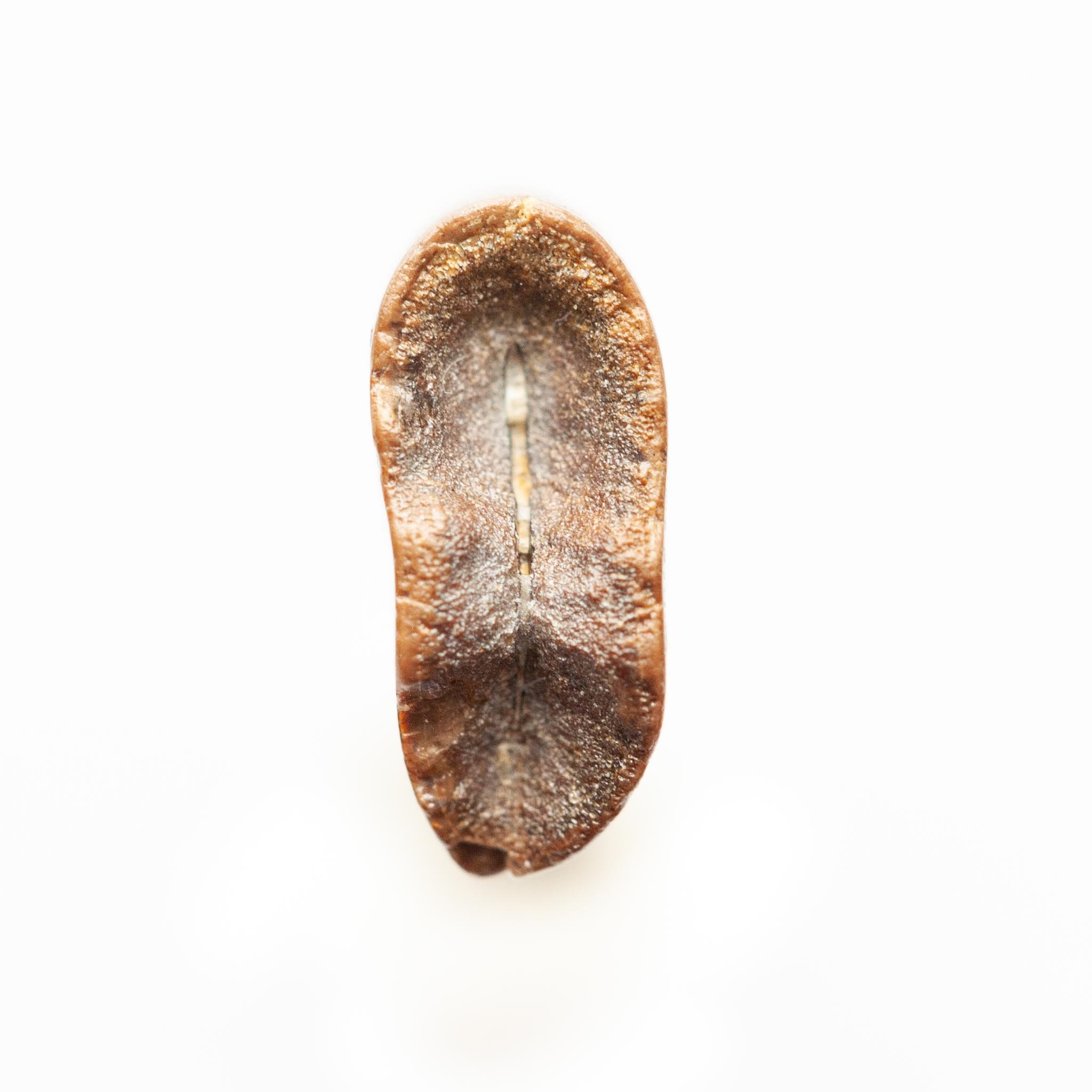 Image 6 of 7
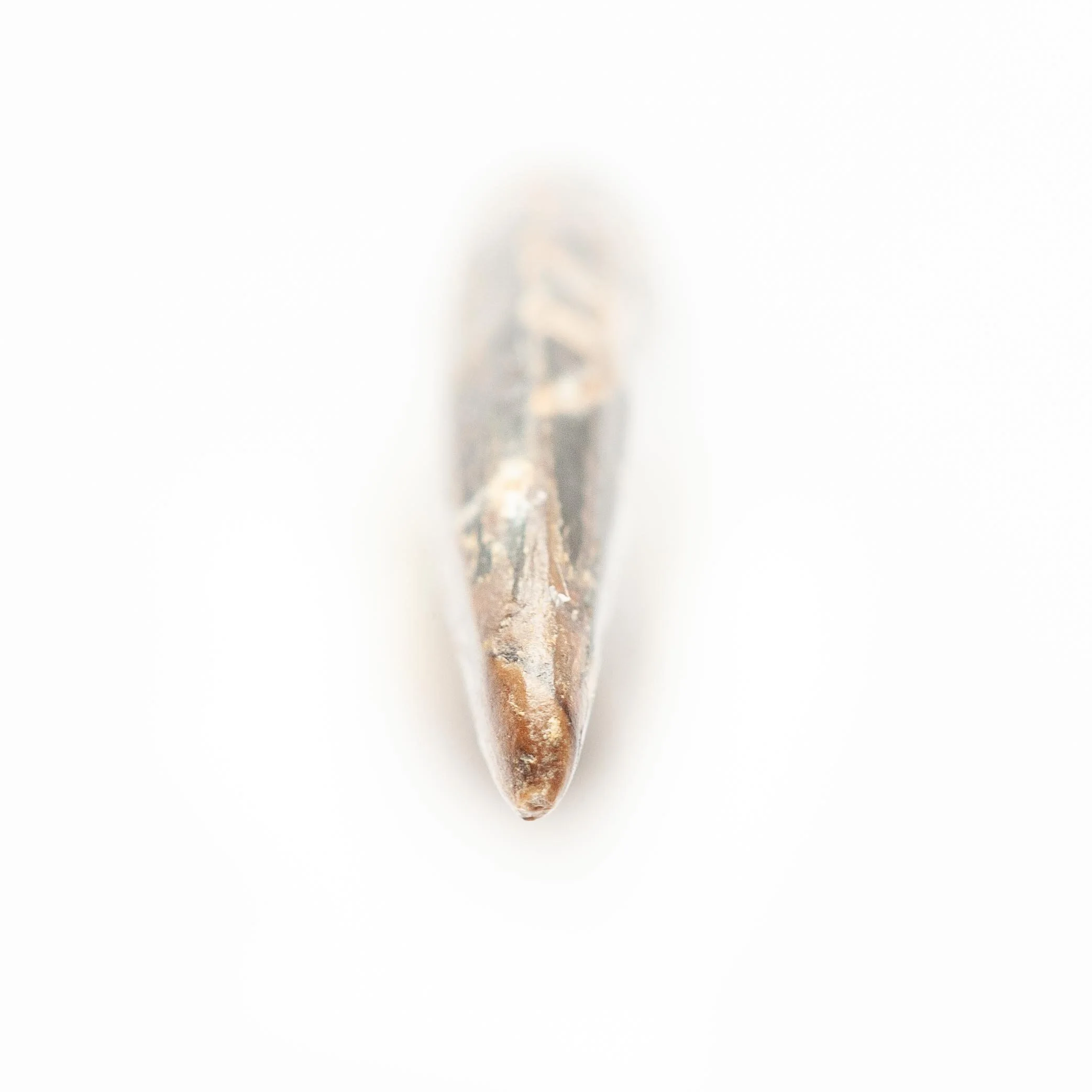 Image 7 of 7

Additional Information
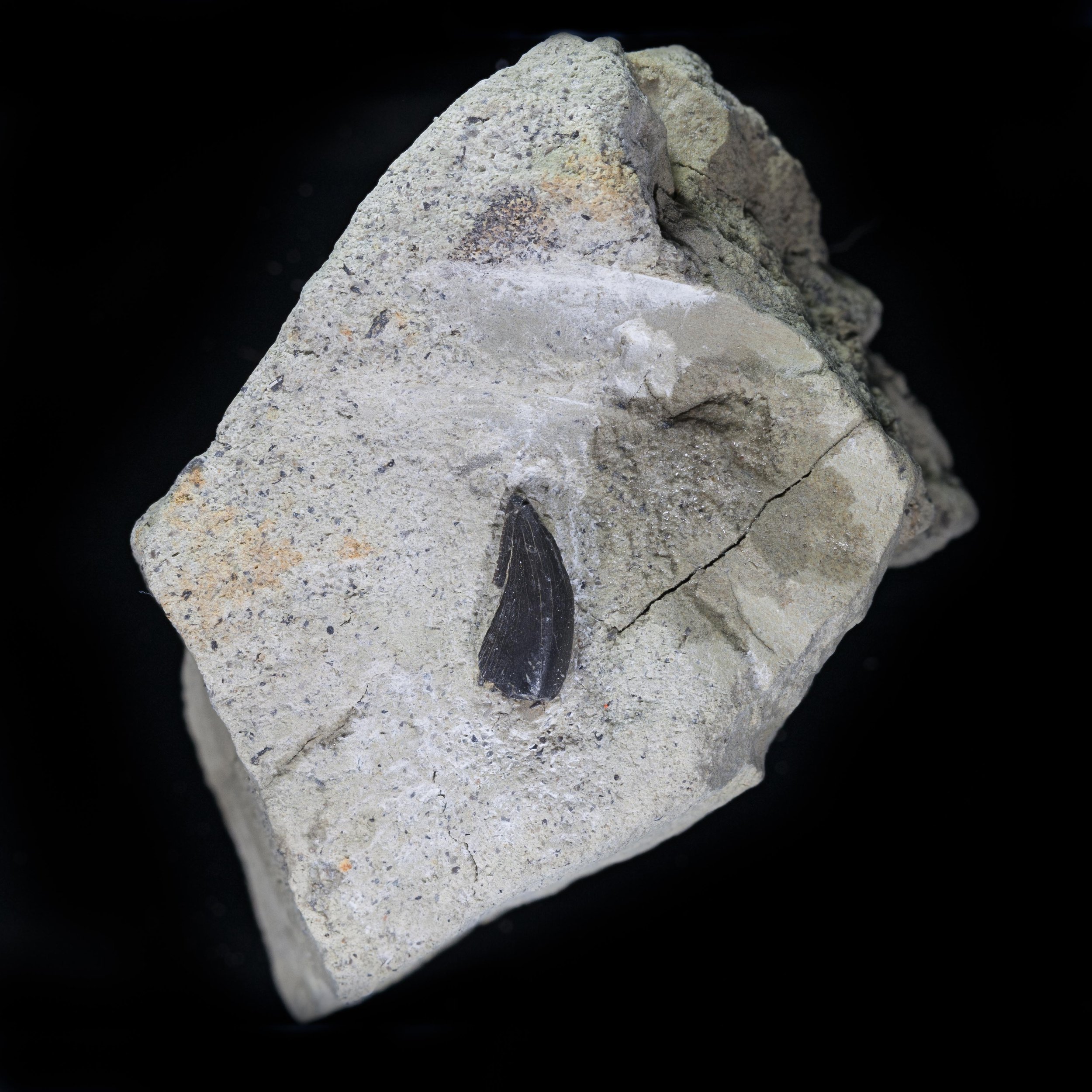
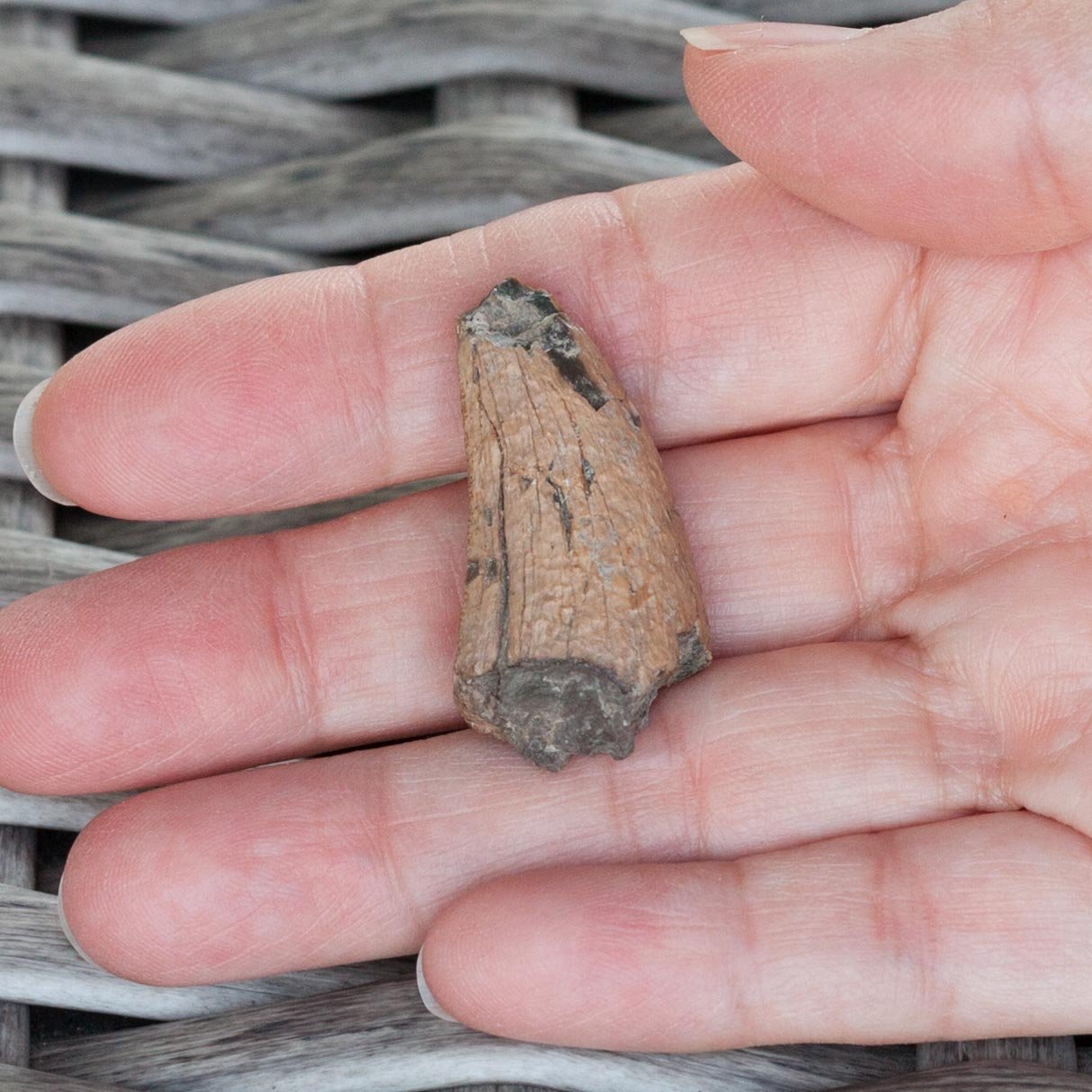
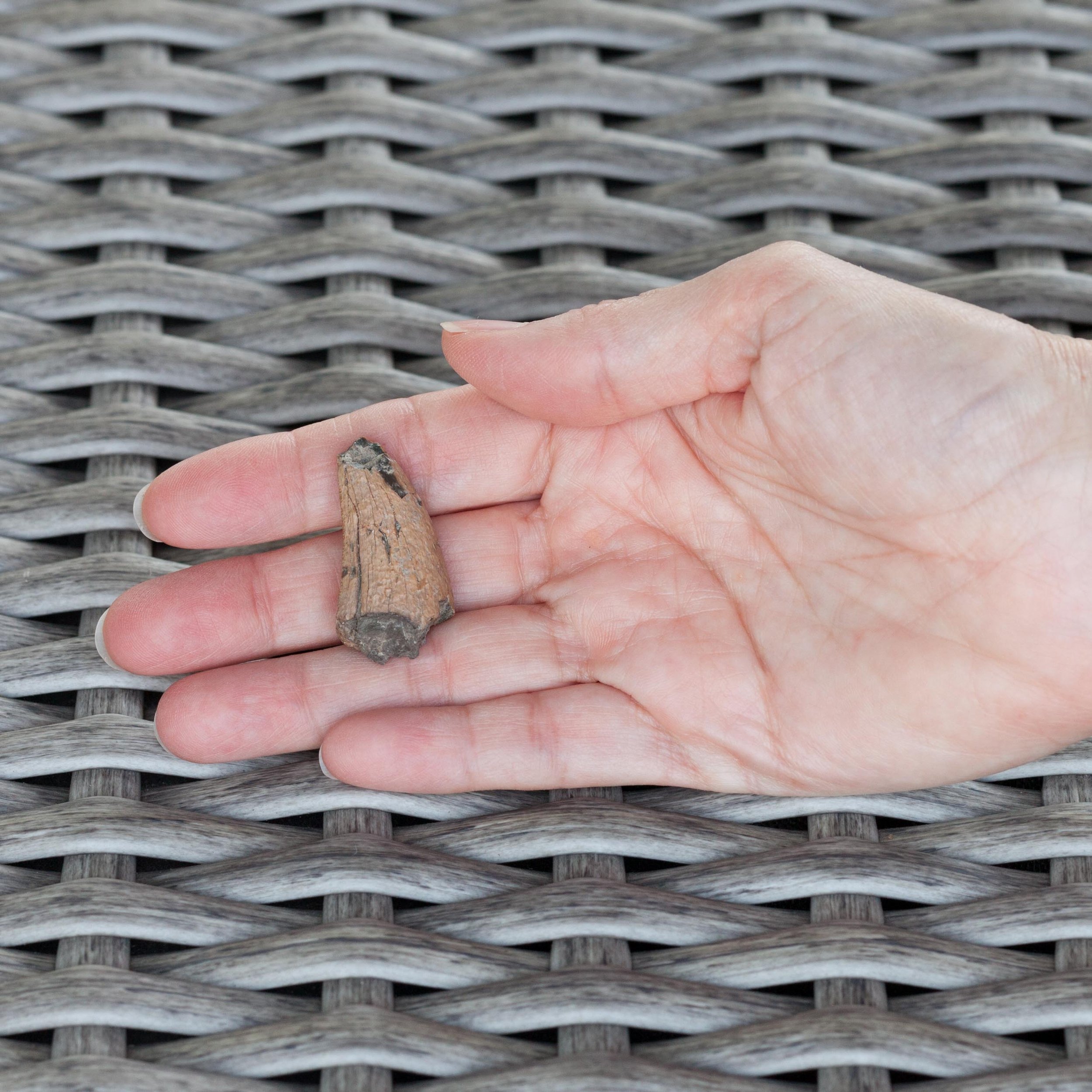
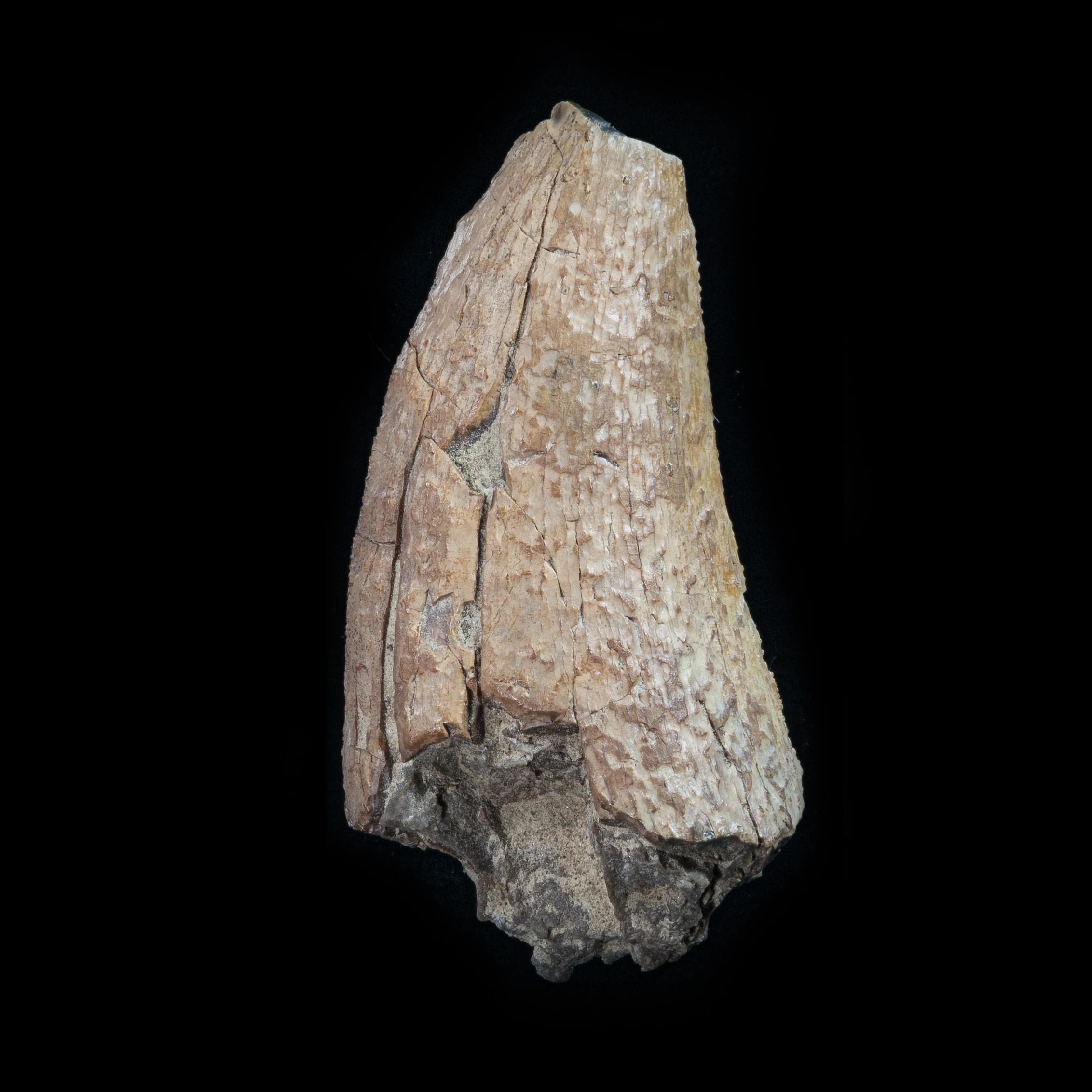
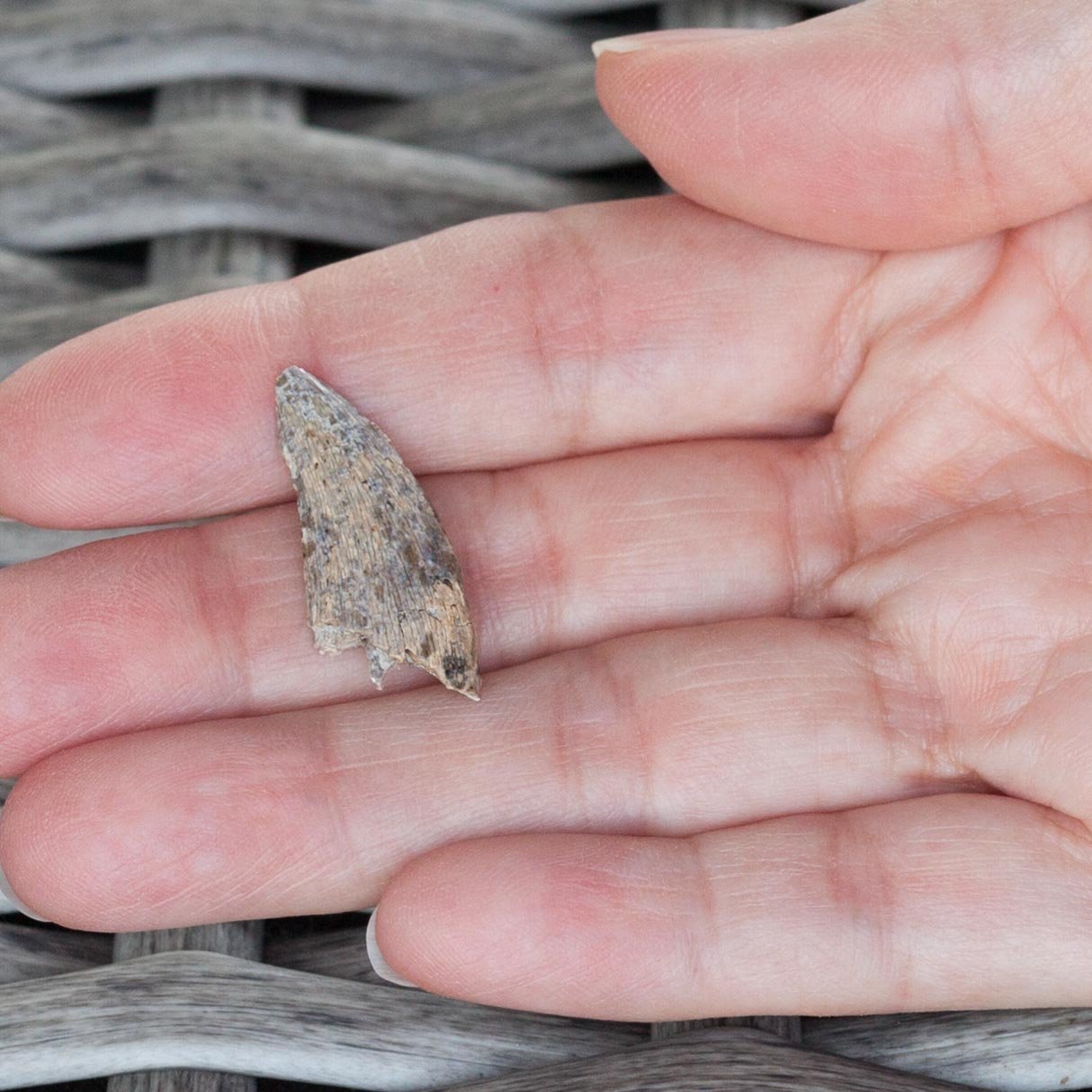
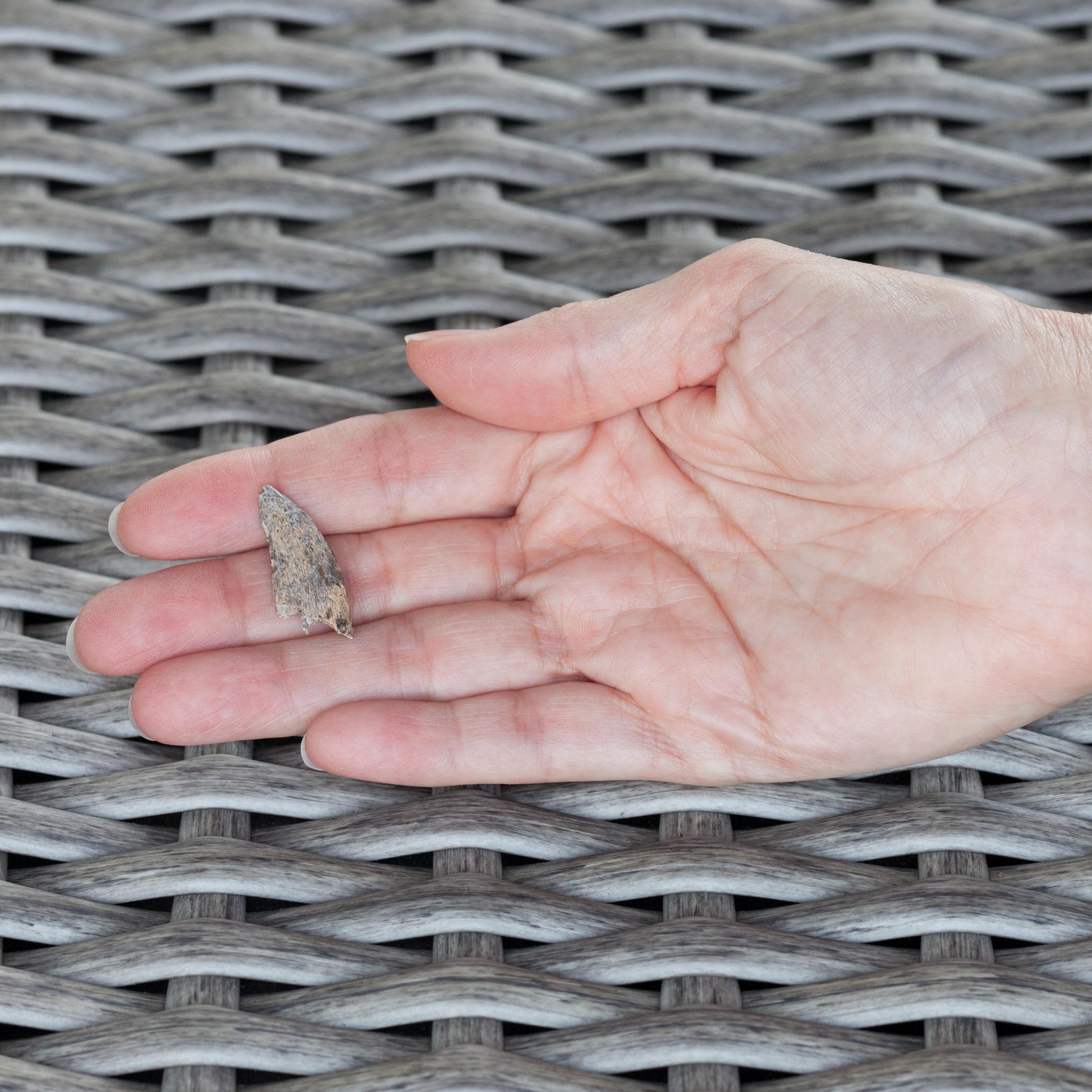
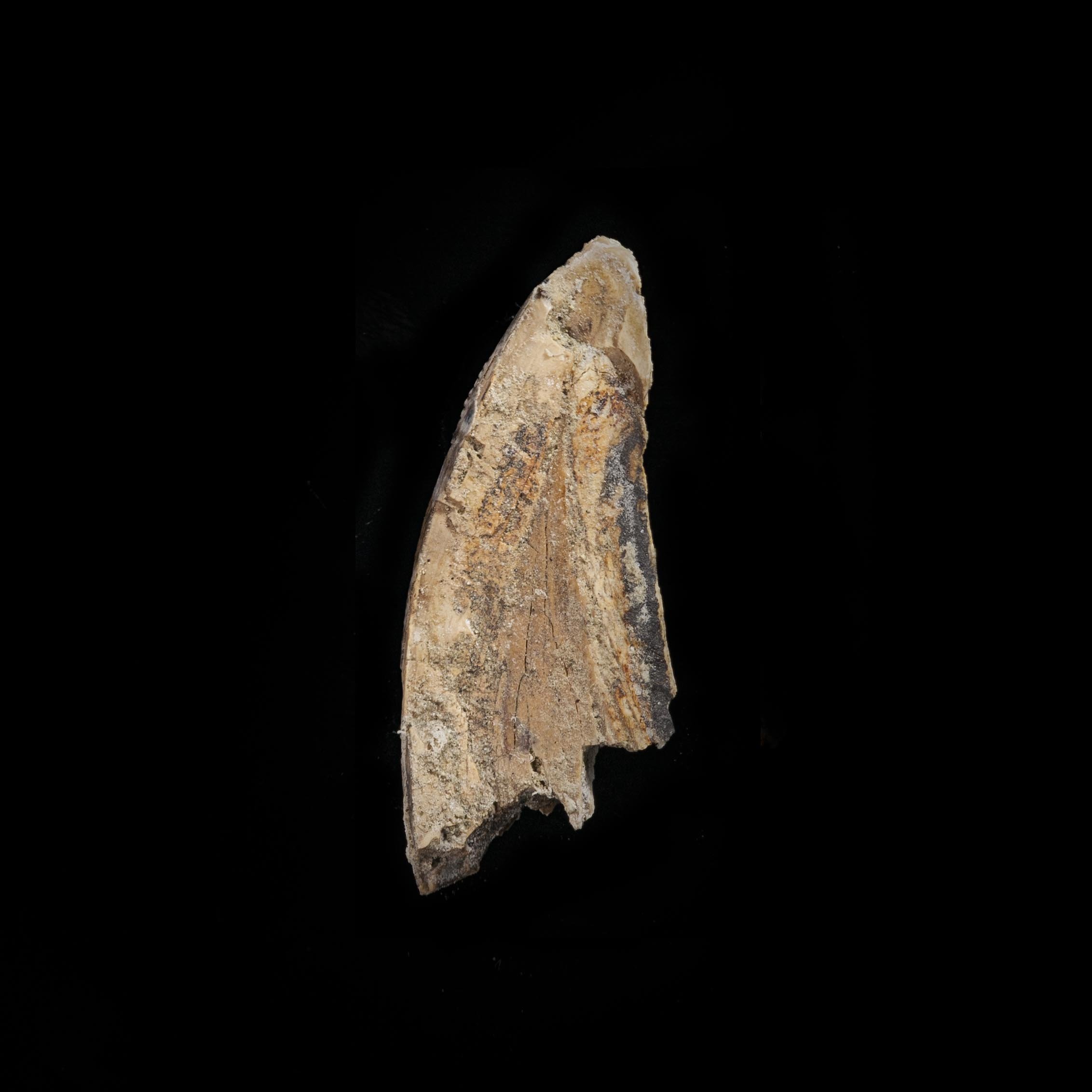
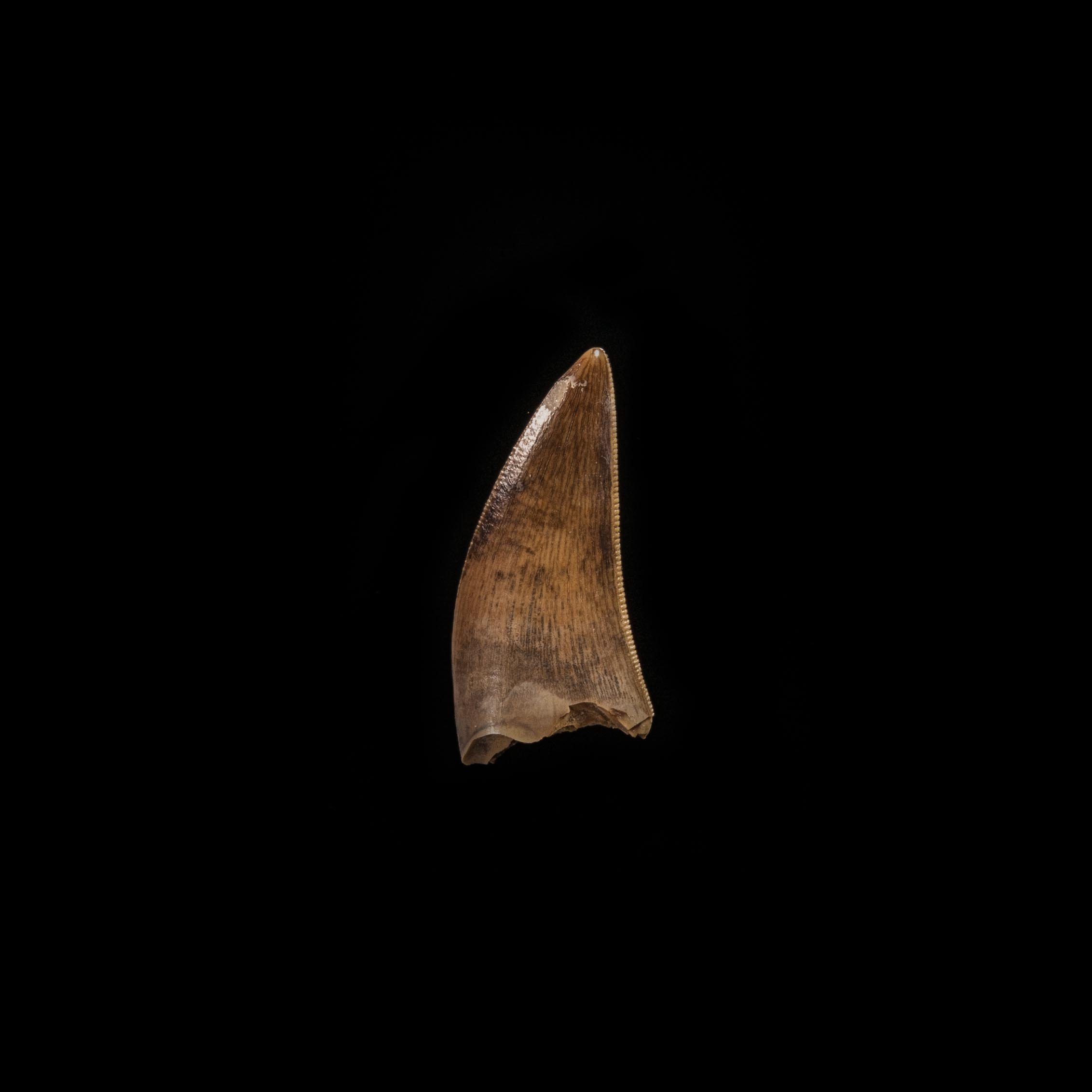
Dromaeosaurs were therapod dinosaurs from the Late Cretaceous, around 67 million years ago. These theropods are from the family Dromaeosauridae, otherwise known as the feathered dinosaurs.
In 2005, paleontologist Robert DePalma in Harding County, South Dakota discovered a fluvial bonebed bearing the remains of a variety of dinosaurian and non-dinosaurian remains, which yielded a partial skeleton attributed by DePalma to a large dromaeosaurid. Subsequently, the same site produced additional dromaeosaurid remains. In 2015, the type species Dakotaraptor steini was named and described by Robert A. DePalma, David A. Burnham, Larry Dean Martin, Peter Lars Larson and Robert Thomas Bakker.
The Hell Creek Formation is a series of fresh and brackish-water clays, mudstones, and sandstones deposited during the Maastrichtian and Danian (respectively, the end of the Cretaceous period and the beginning of the Paleogene) by fluvial activity in fluctuating river channels and deltas and very occasional peaty swamp deposits along the low-lying eastern continental margin fronting the late Cretaceous Western Interior Seaway.
References:
Gondwana - The break-up of Pangaea
Dromaeosauridae
Dakotaraptor
Hell Creek formation



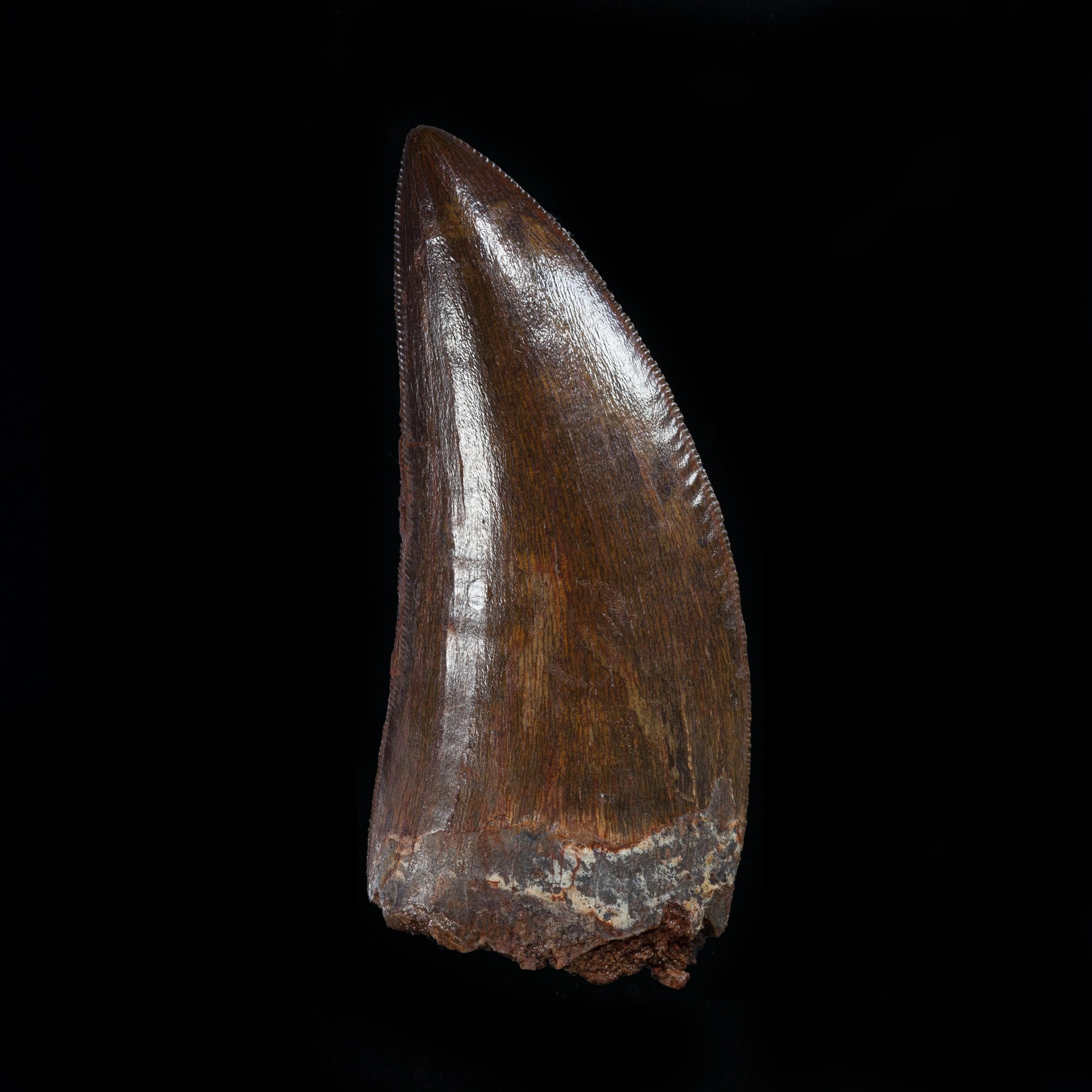
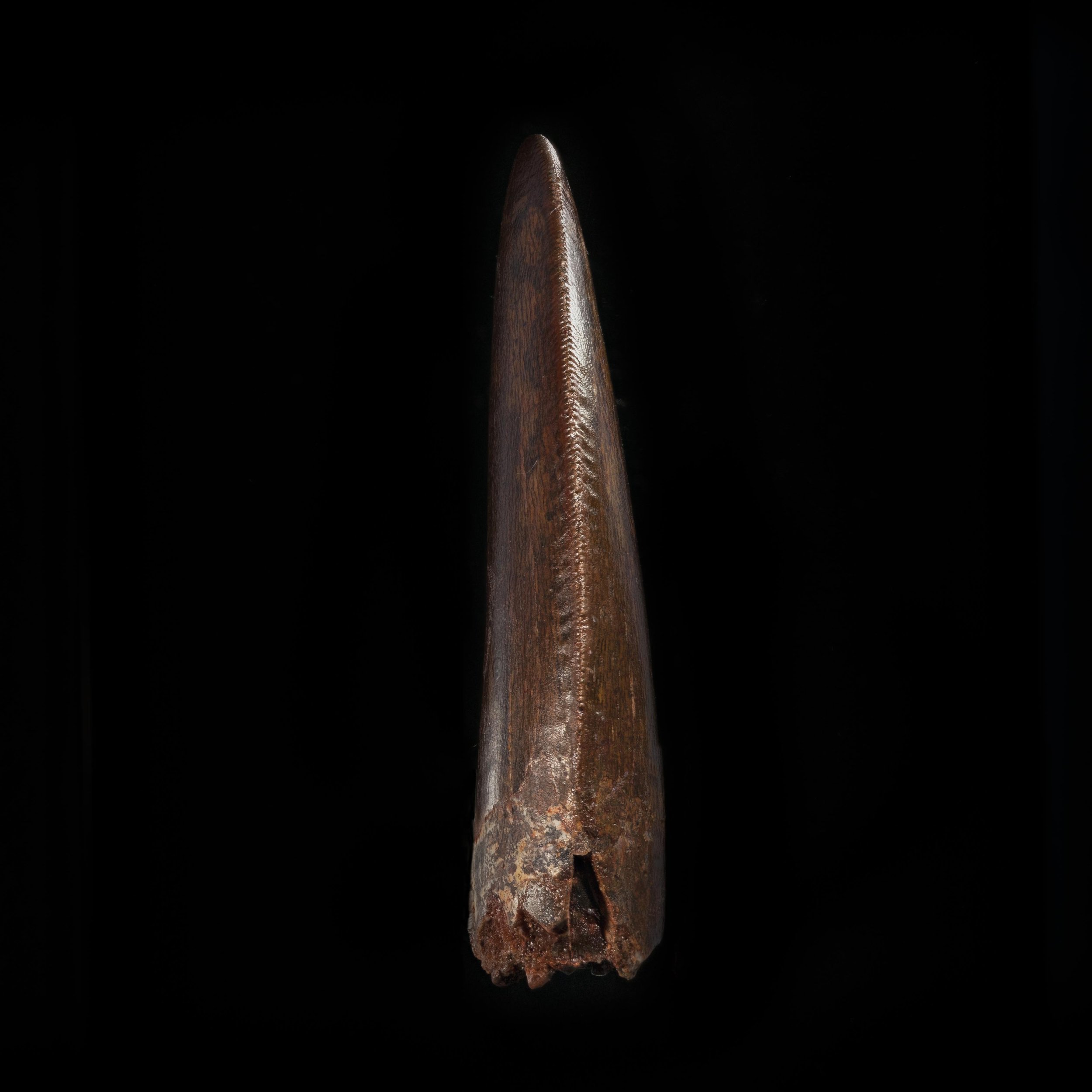
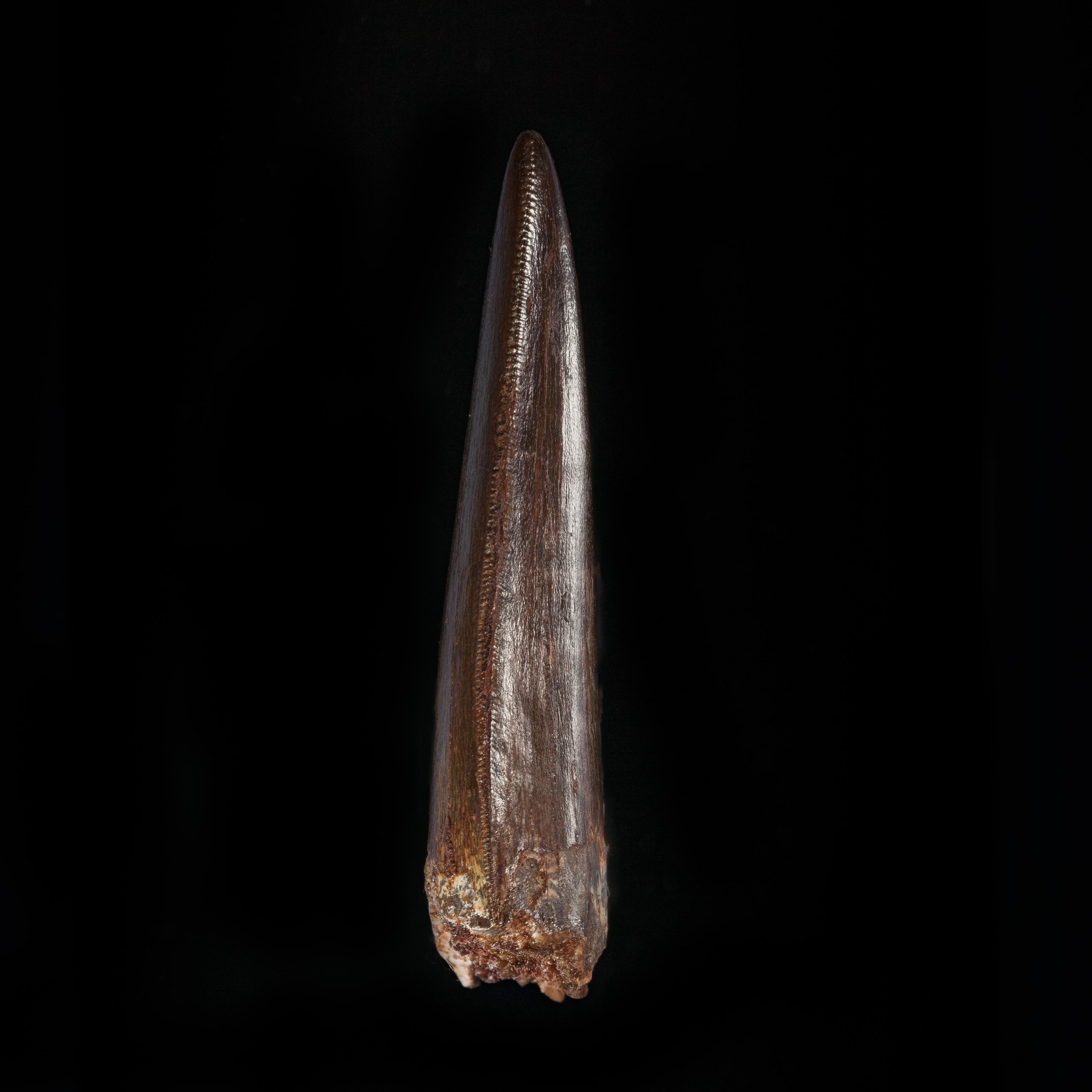
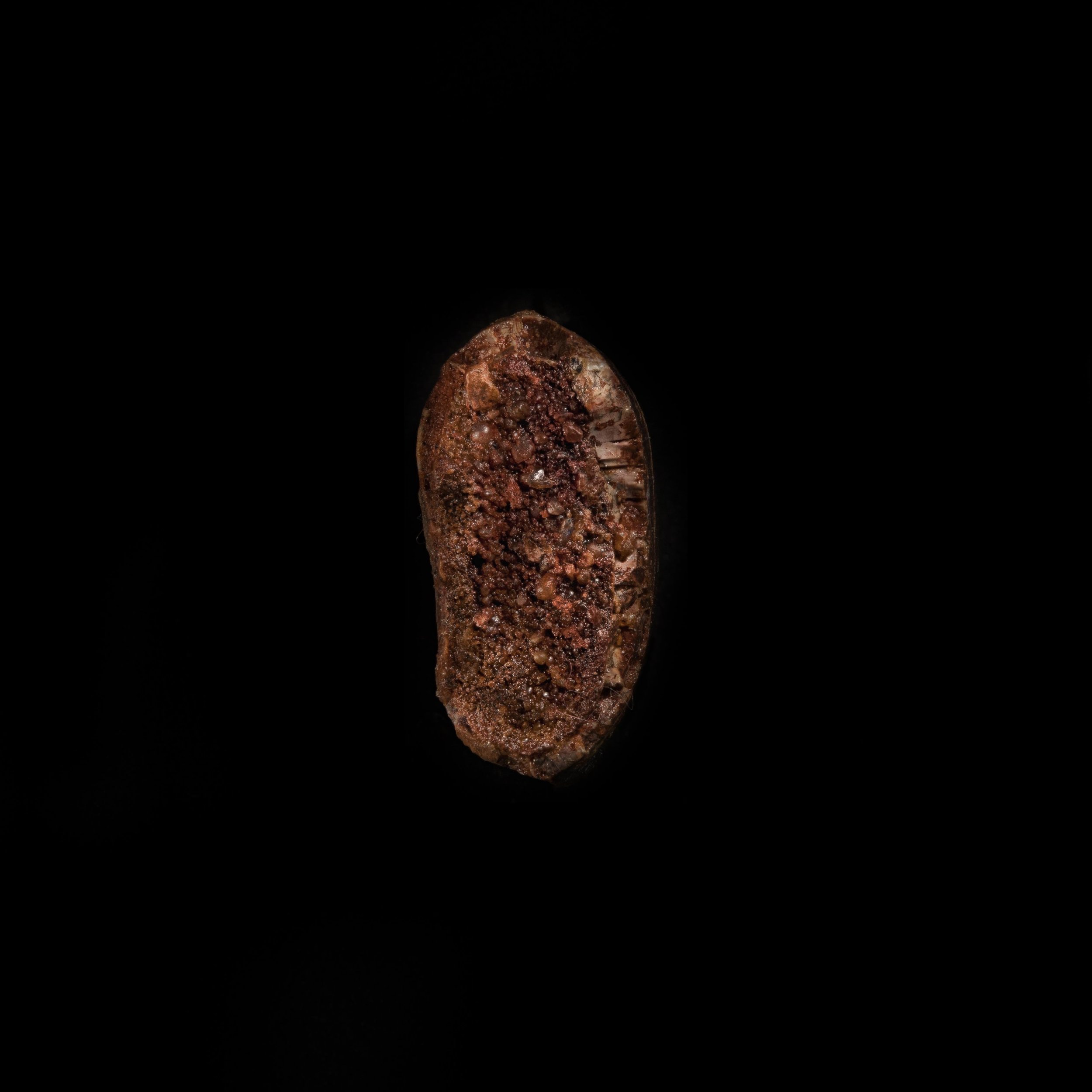
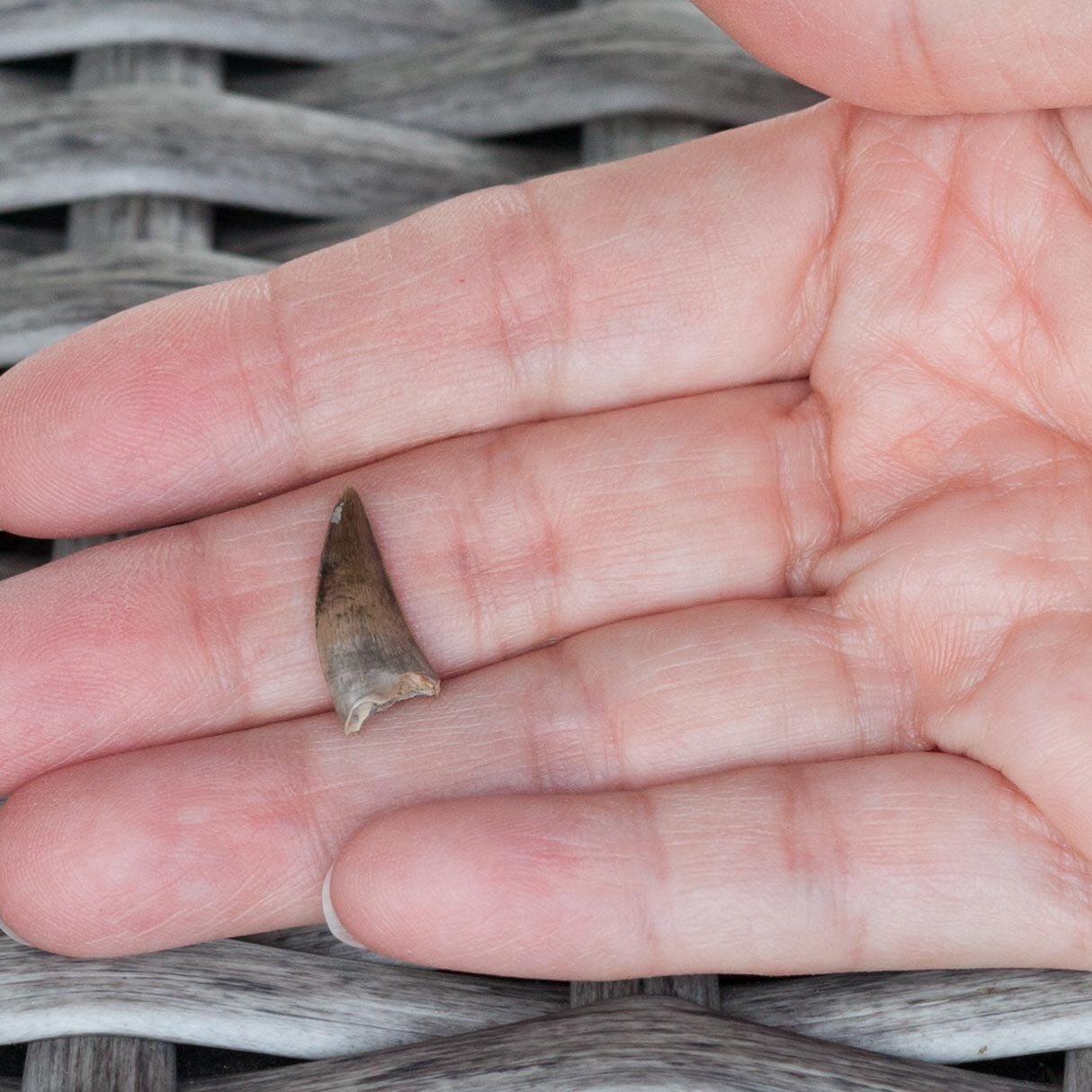
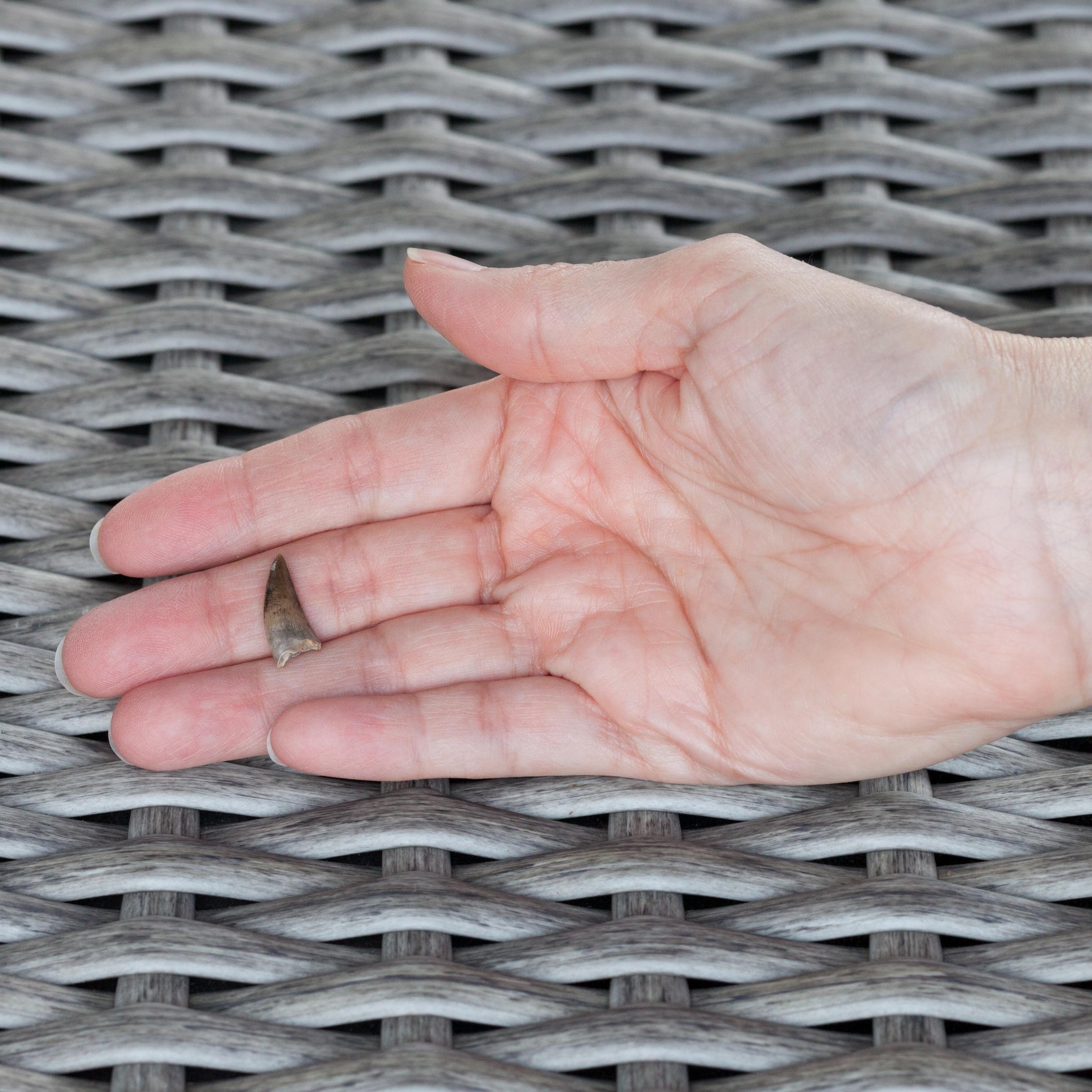
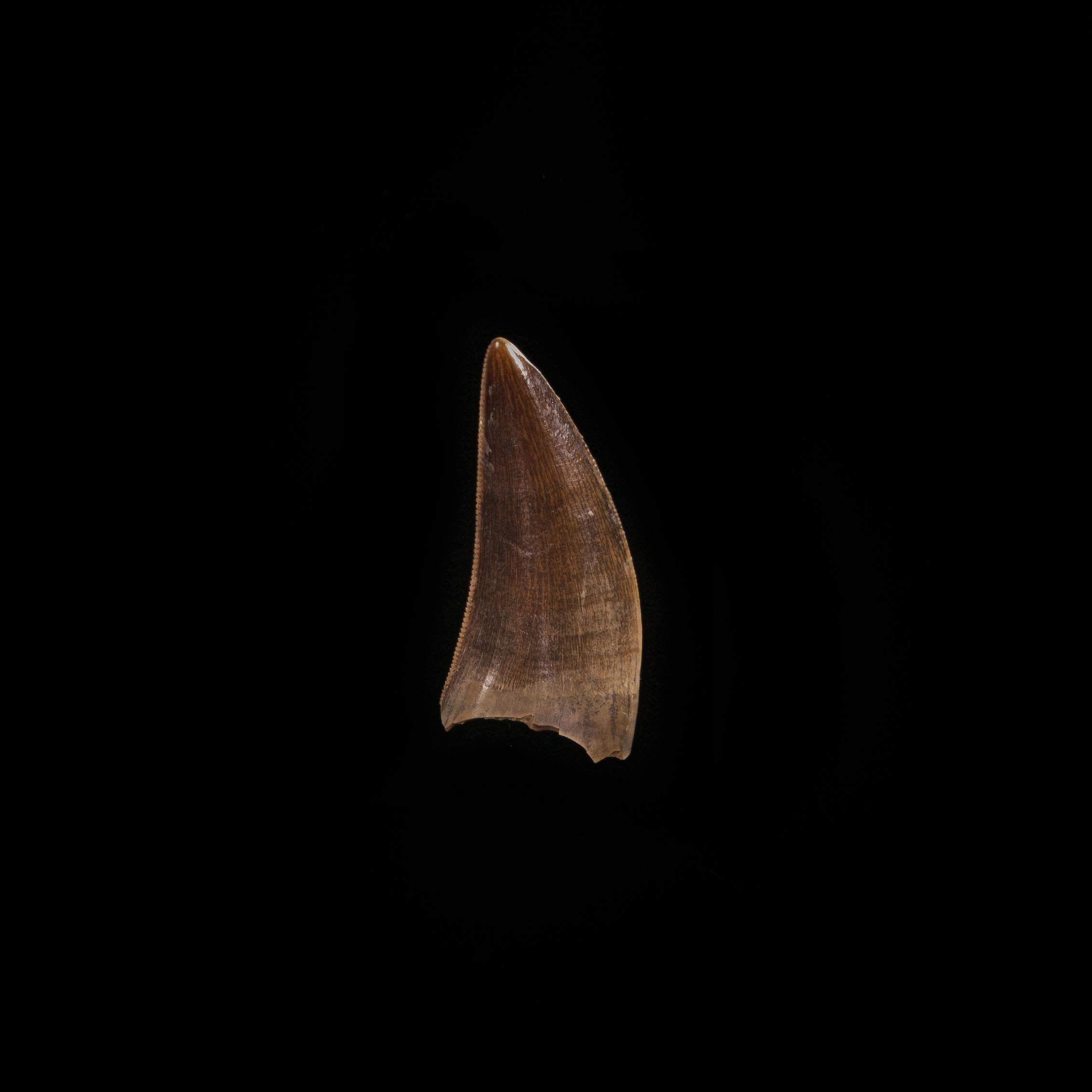
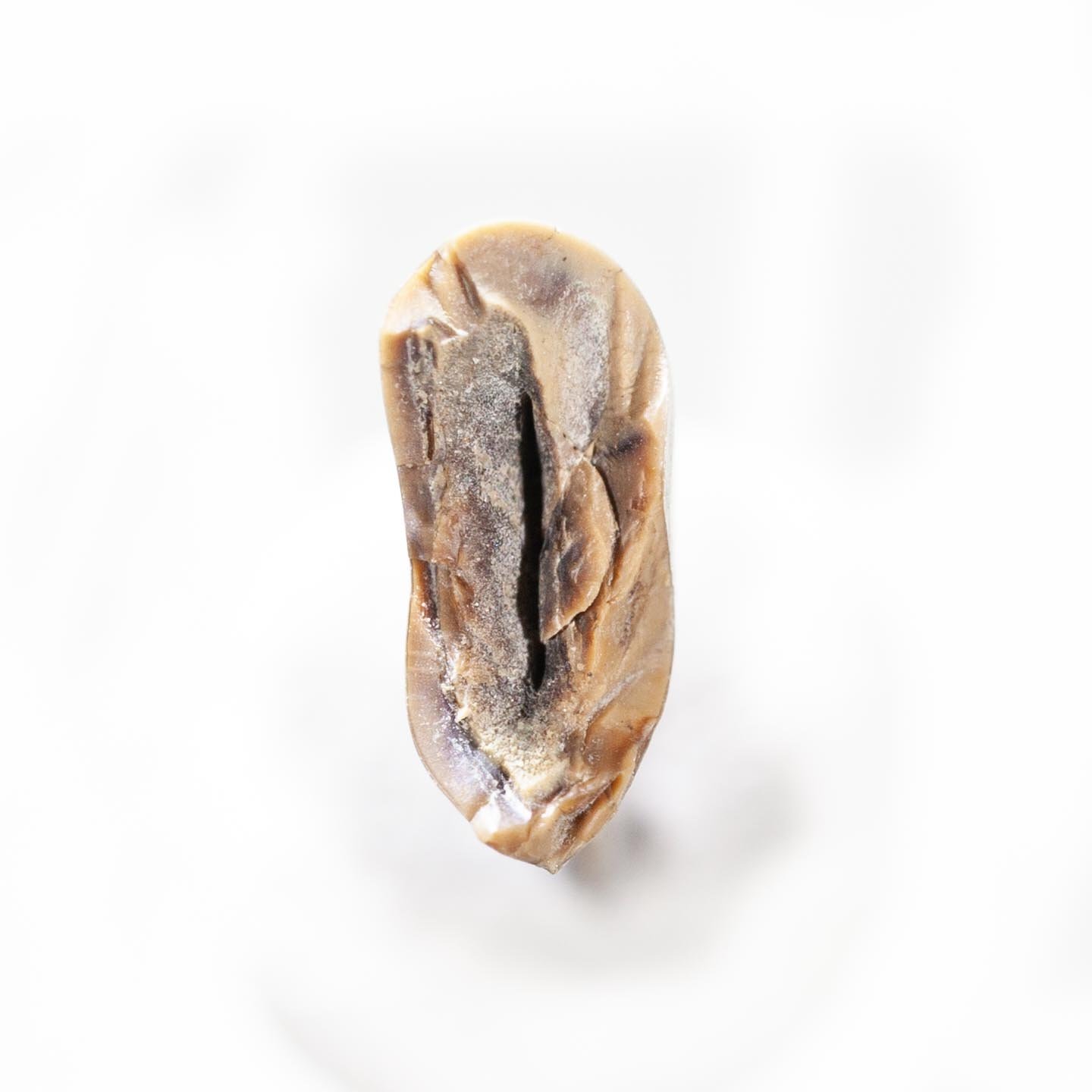
Vendor: Fossil Soup
SKU Number: SQ0761050
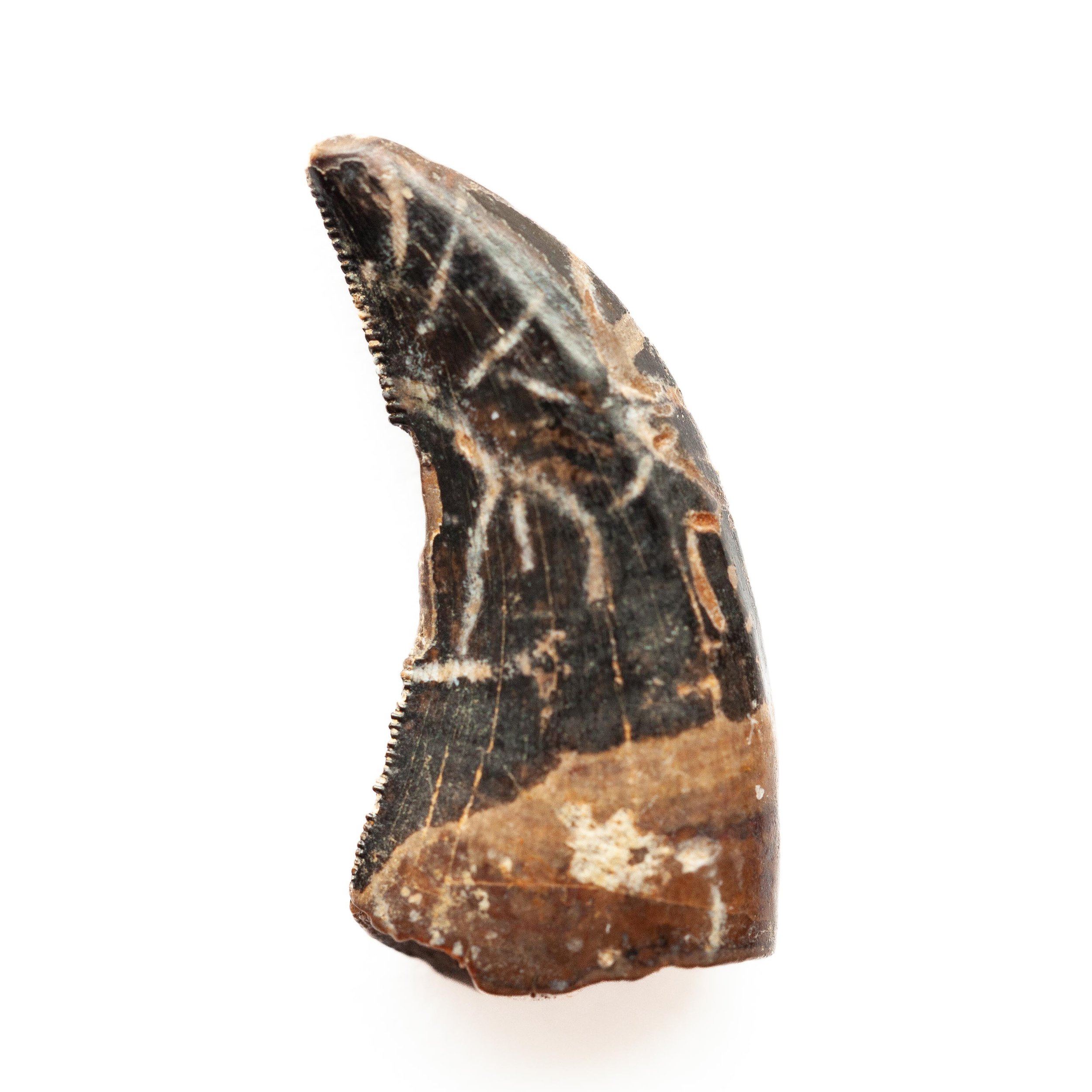
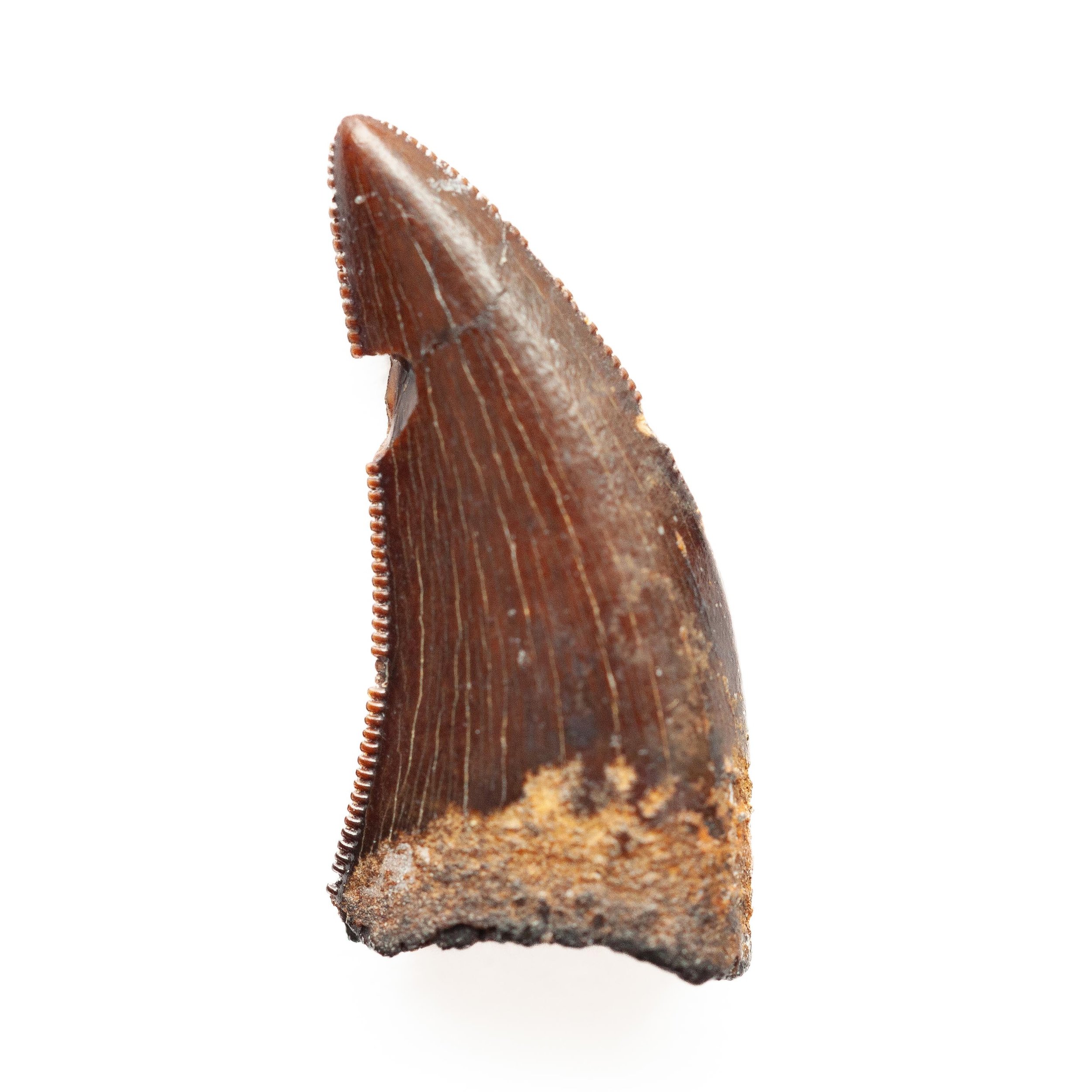
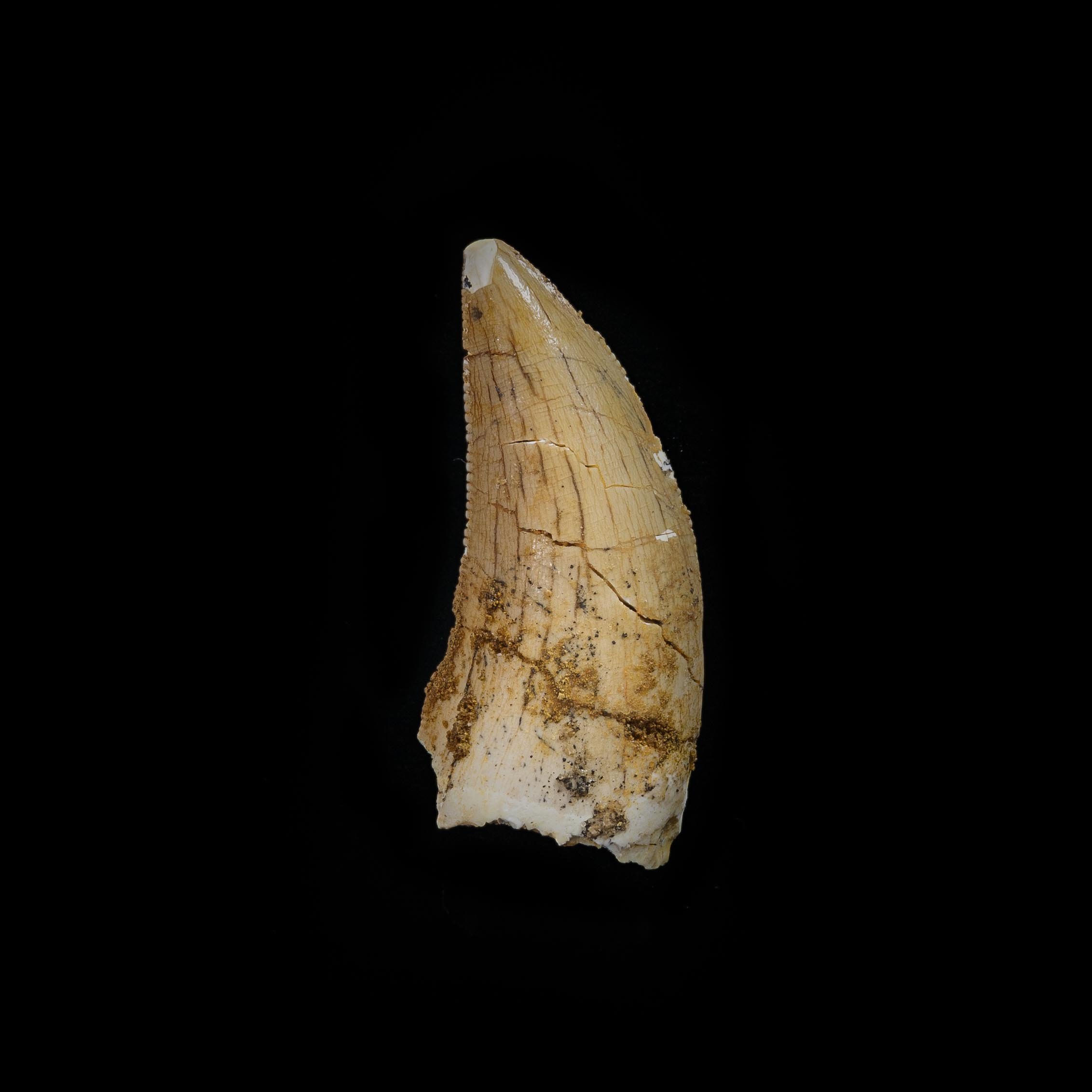
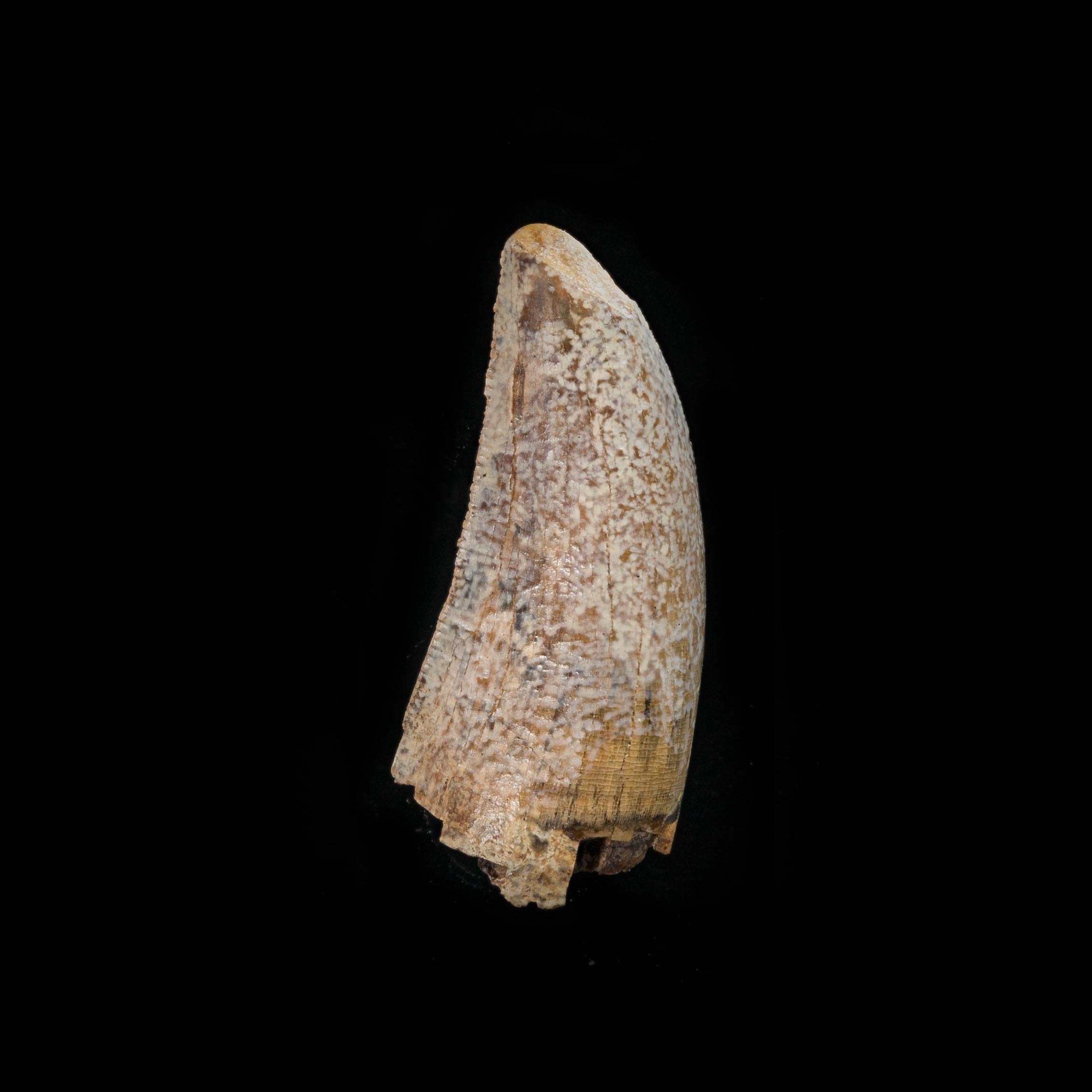
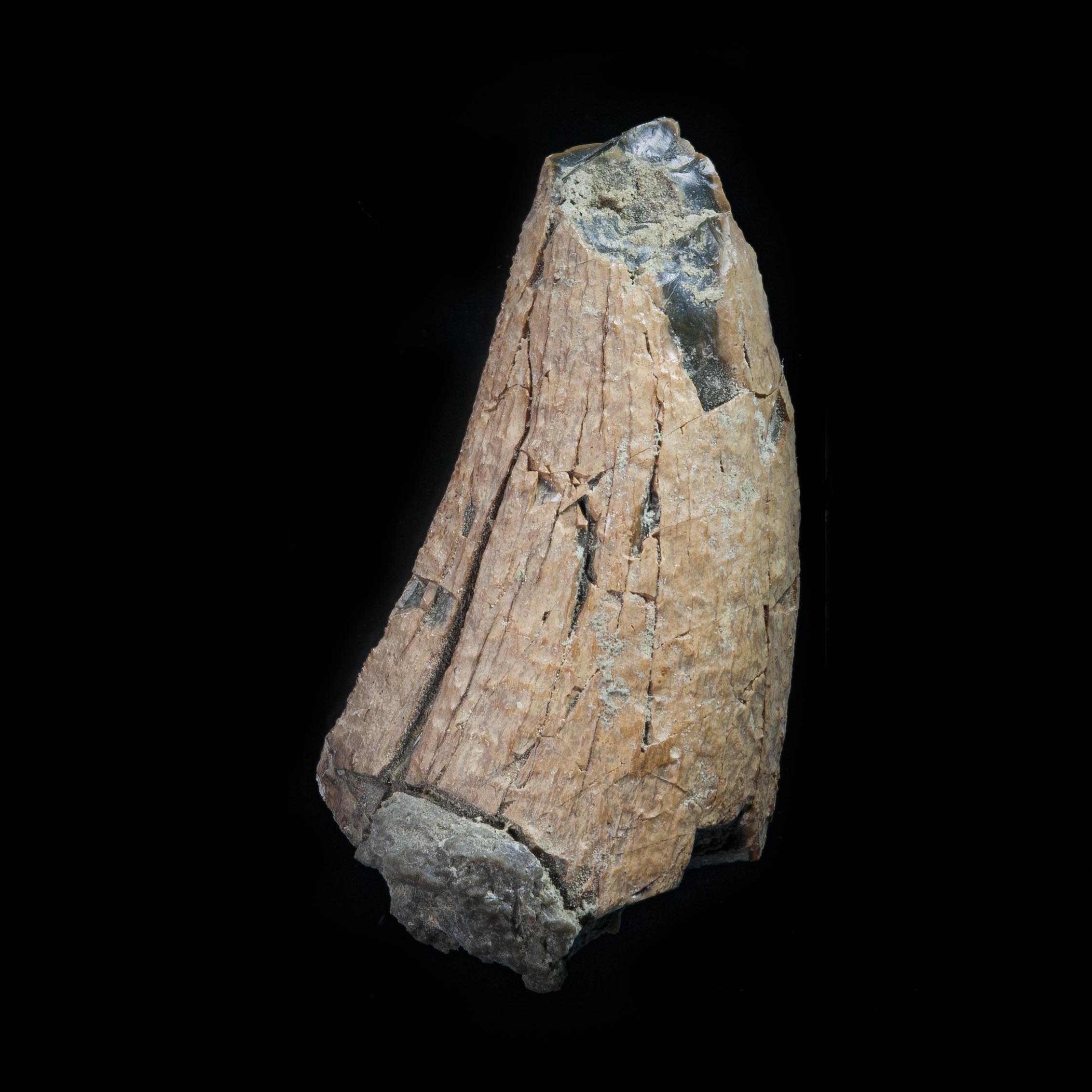
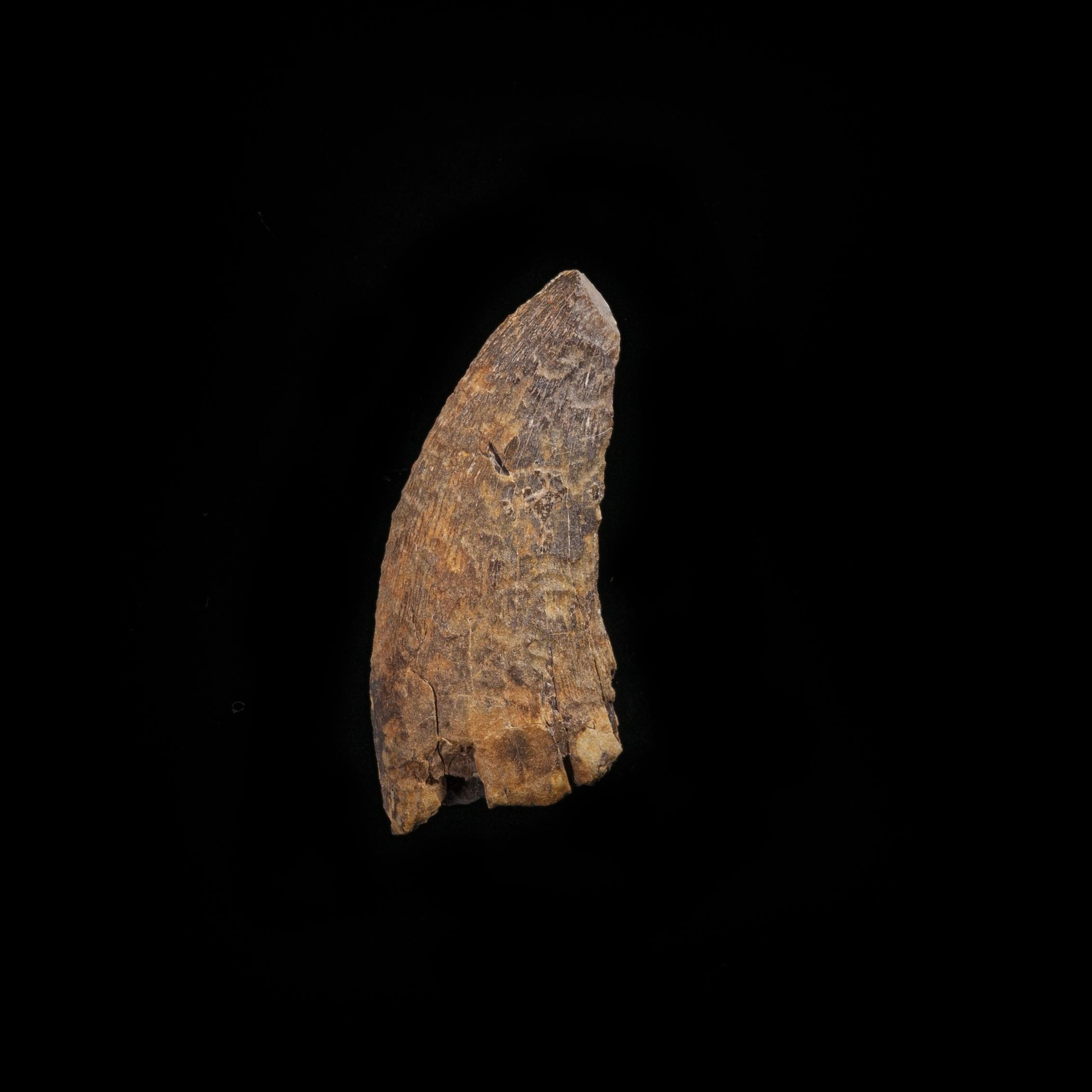
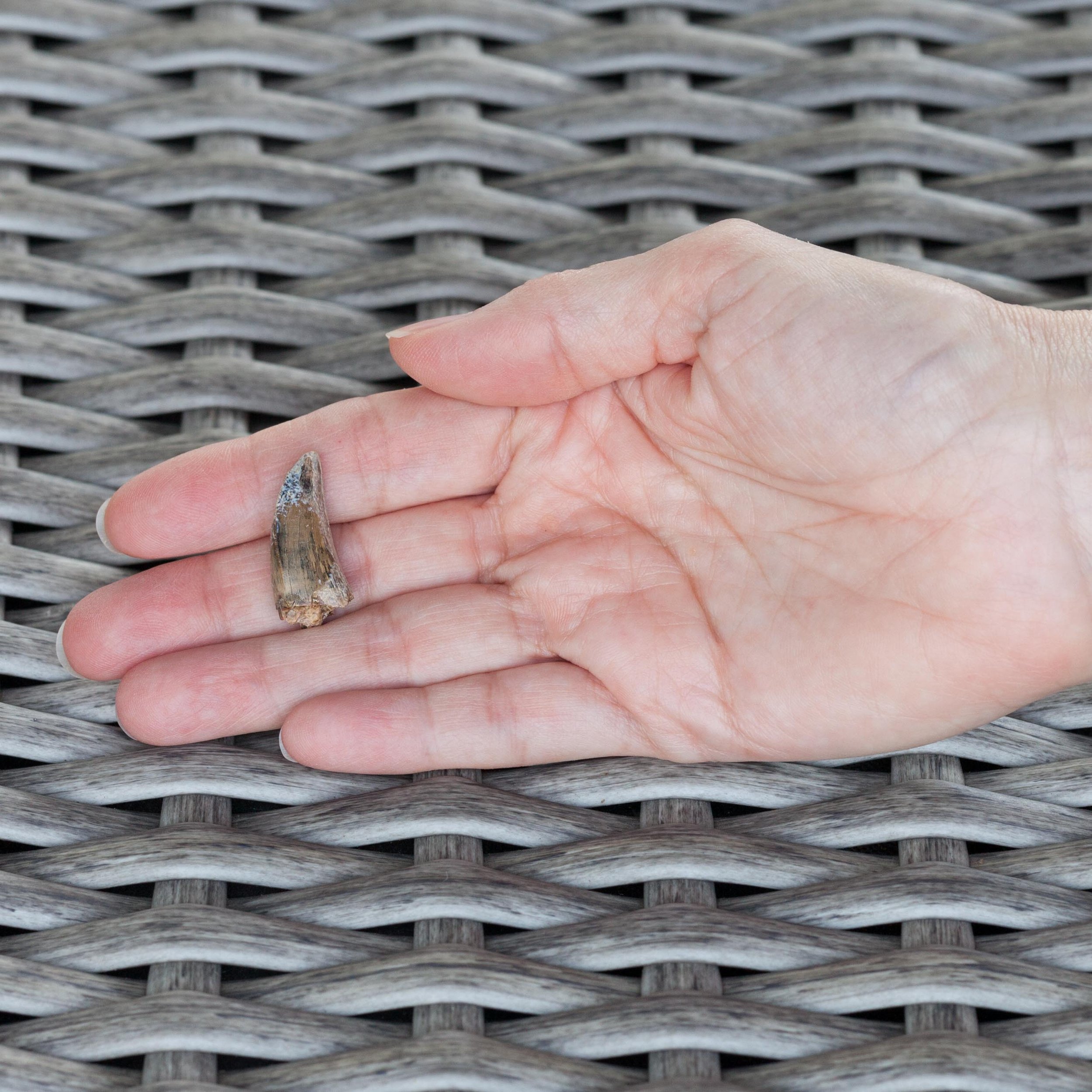
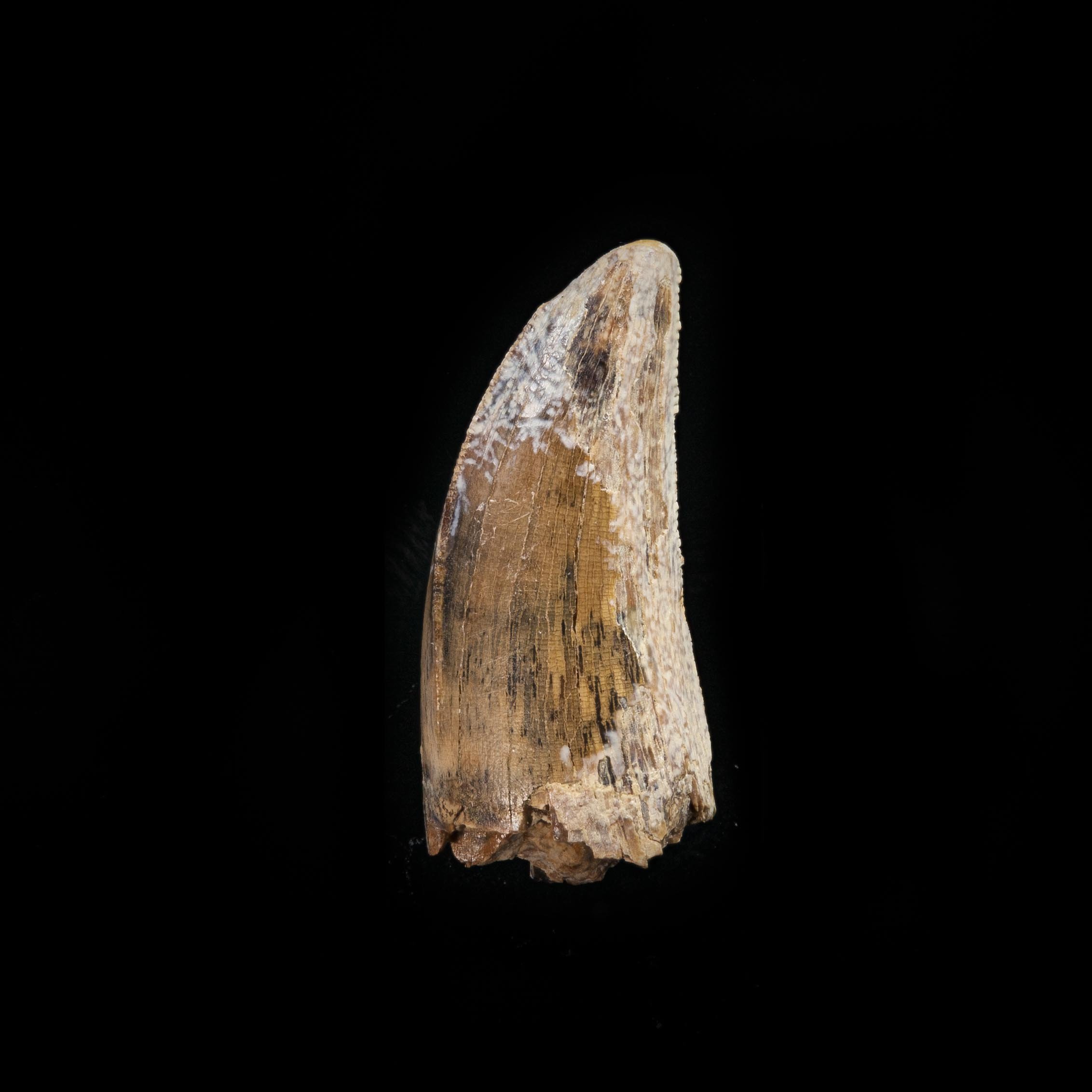
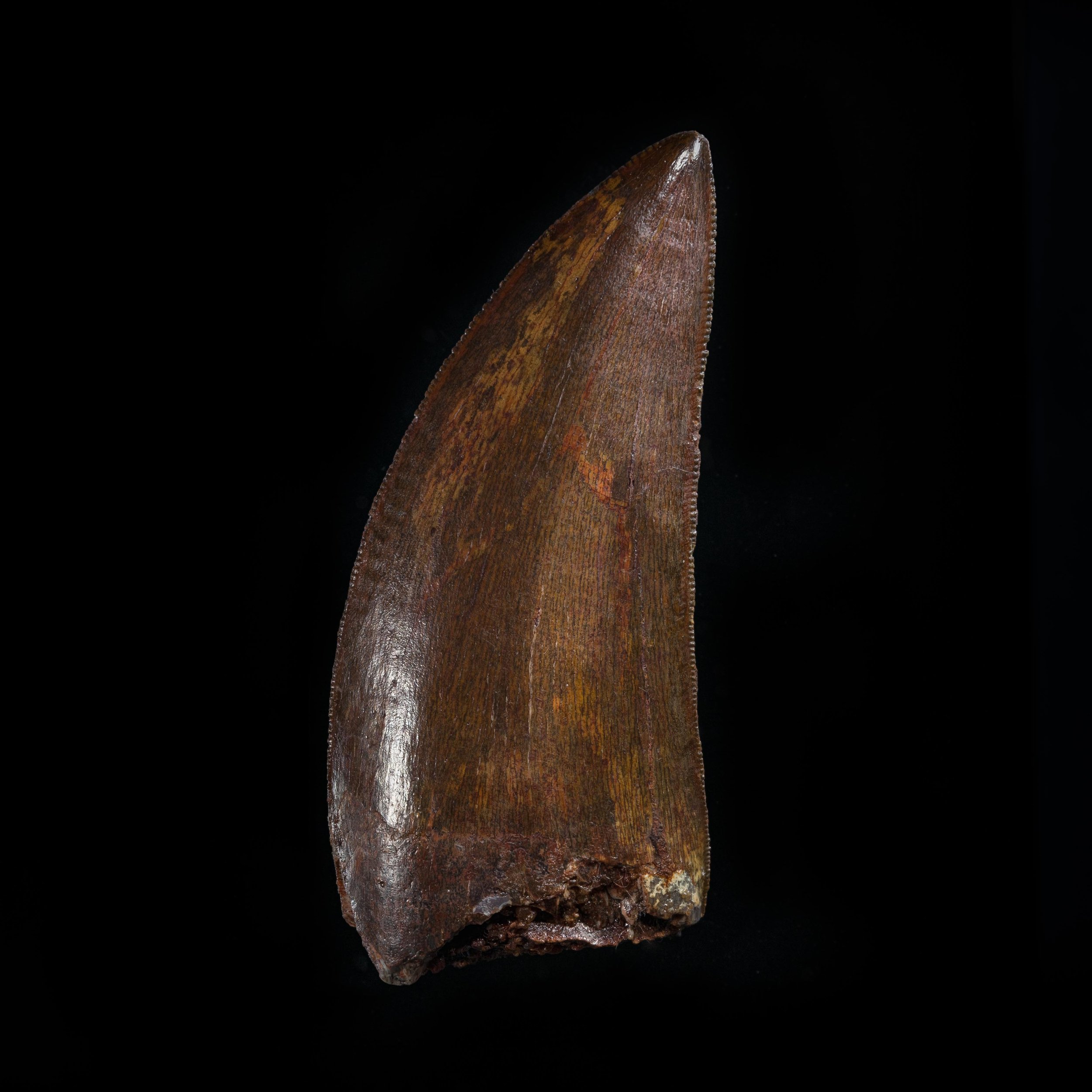
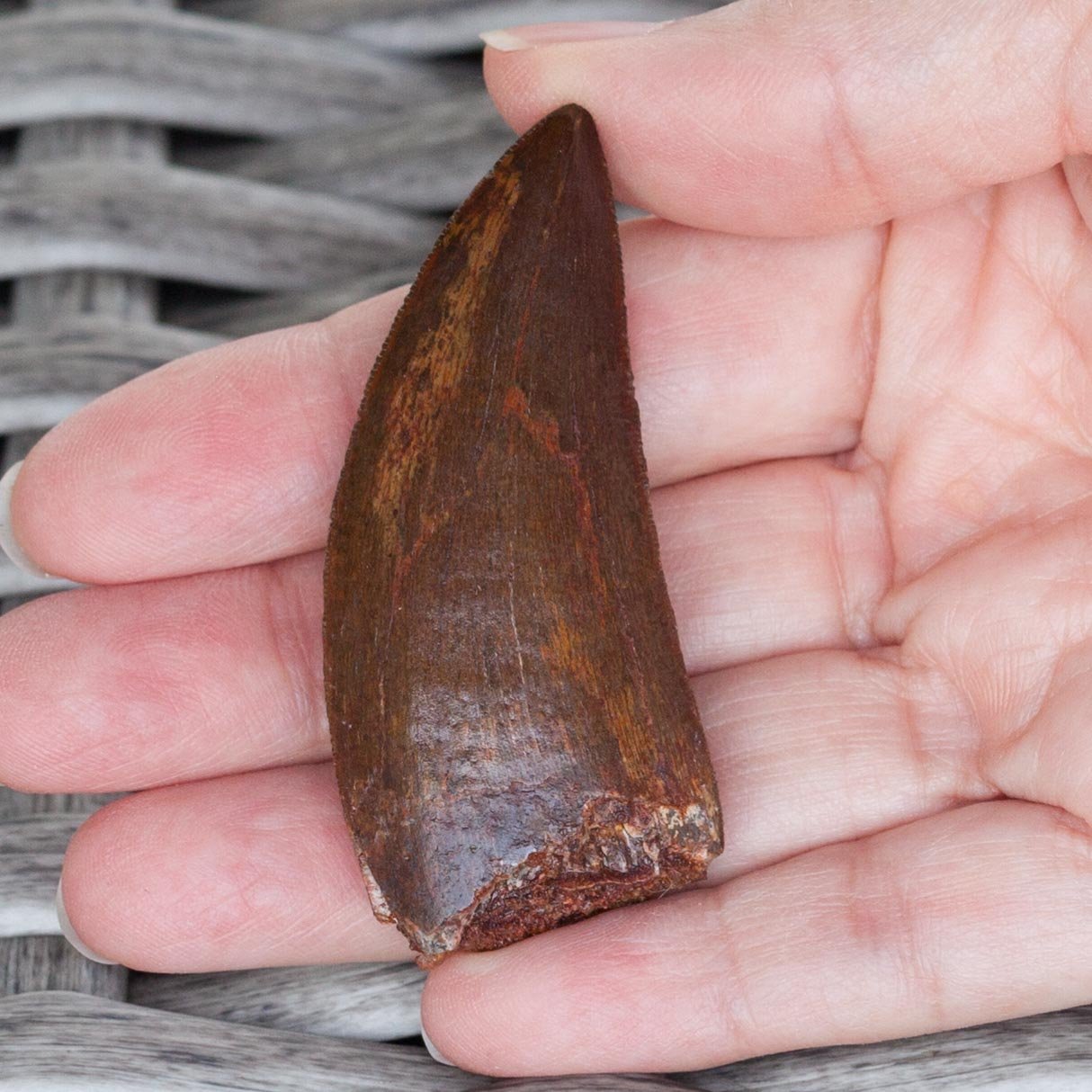
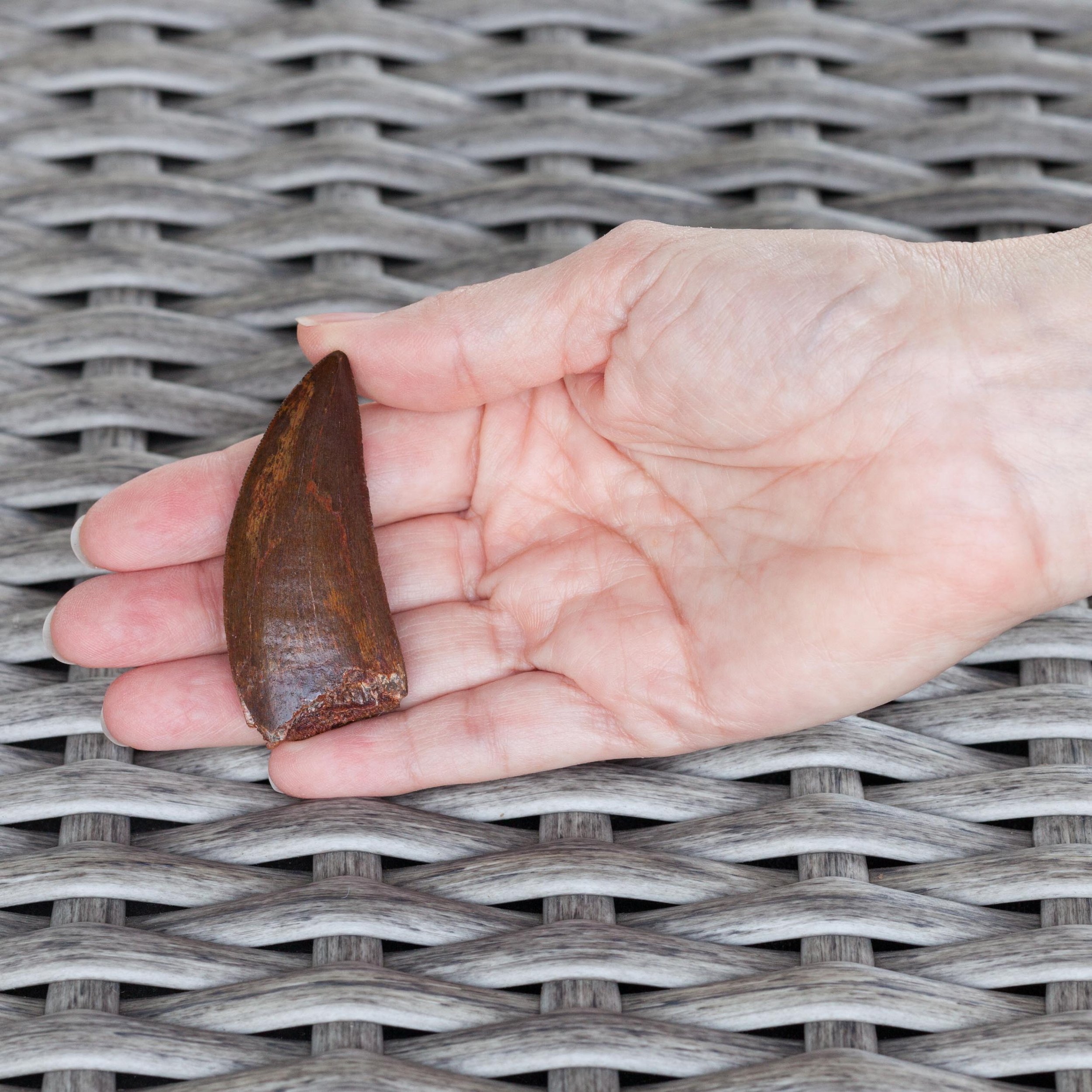
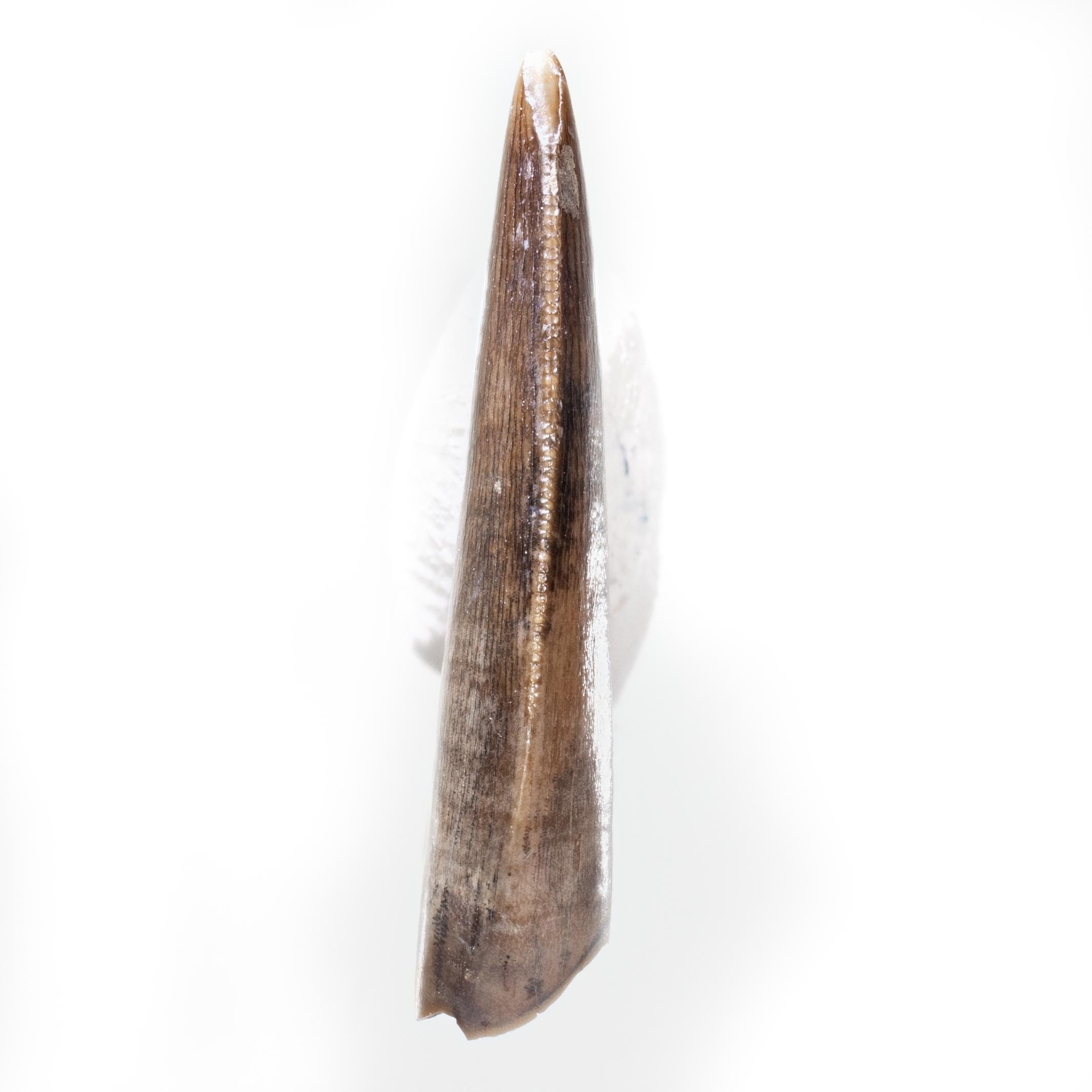
Carcharodontosaurus saharicus is a carnivorous theropod from Morocco that is popularly referred to as the African T-Rex. This is a high quality example of a lateral maxillary or dentary (upper or lower jaw) tooth with very well defined distal and mesial carinae (forward and backward facing serrated edges) that exhibit minor wear to the denticles. There is a high gloss, dark brown to red patina and no natural wear on the apex of the crown. There does not appear to have been any repair or restoration to the tooth.
It should be noted that it is very difficult to determine tooth position based on the inspection of isolated examples. Therefore we use certain morphological features to suggest general location. A morphological diagram is provided further down the page.
Full dimensions are listed below.