
 Image 1 of 4
 Image 2 of 4
 Image 3 of 4
 Image 4 of 4
Specimen Details
Matrix Dimensions
Specimen Dimensions
Shipping Dimensions

Additional Information
Description:
Yuganotheca elegans gen. et sp. nov. is an intriguing tubular fossil from the early Cambrian period, specifically found in the Chengjiang Lagerstätte in Yunnan, China. This organism displays a unique combination of features reminiscent of phoronids, brachiopods, and tommotiids. Notably, it possesses a pair of unmineralized, agglutinated valves enclosing a horseshoe-shaped lophophore, and is supported by a lower bipartite tubular attachment structure. The discovery of Yuganotheca elegans has significant implications for understanding the early evolution of lophotrochozoans, shedding light on the origin of the brachiopod body plan and the development of their bivalved structure prior to shell valve biomineralization.
Vendor: fossil soup - ZZ
SKU Number: SQ5388284
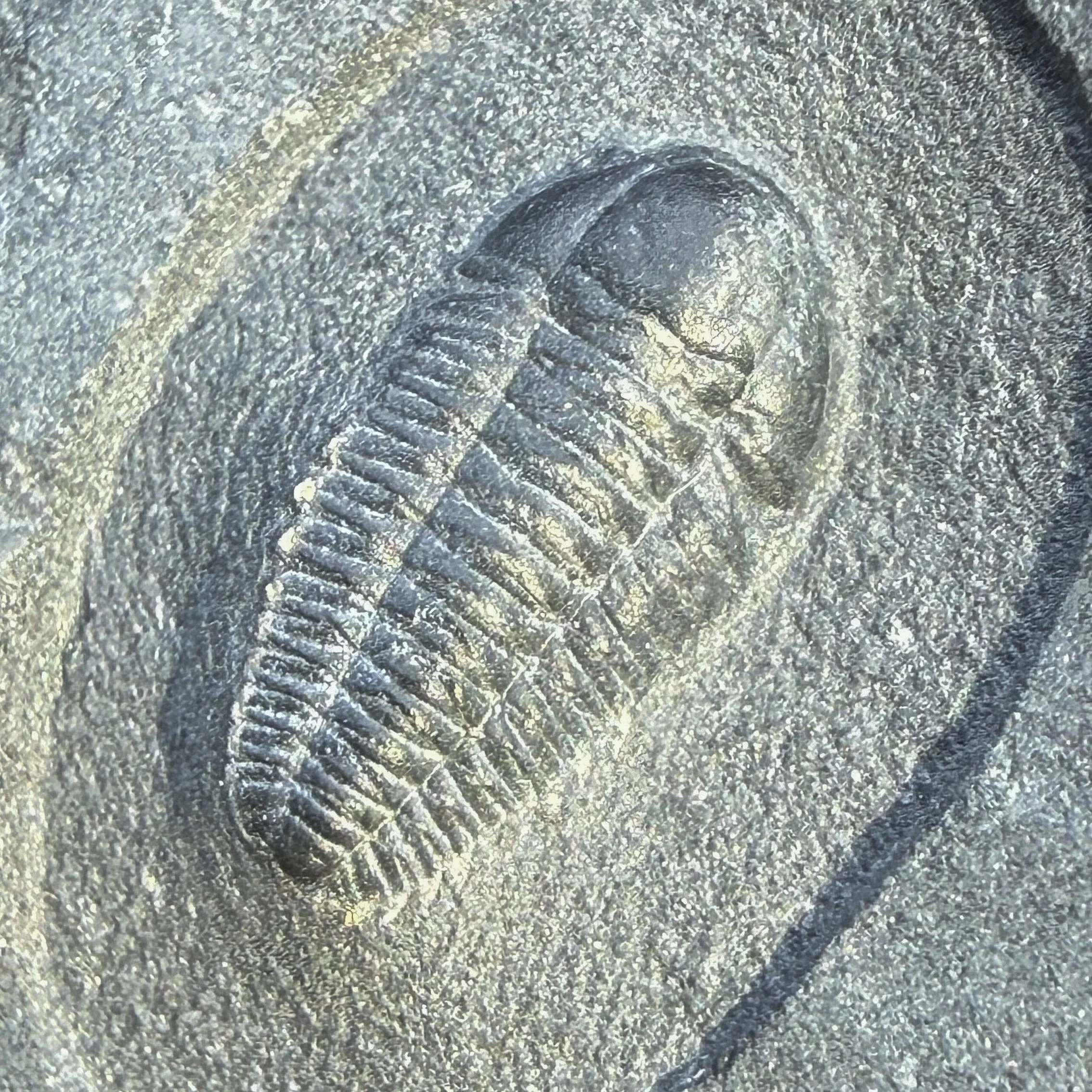
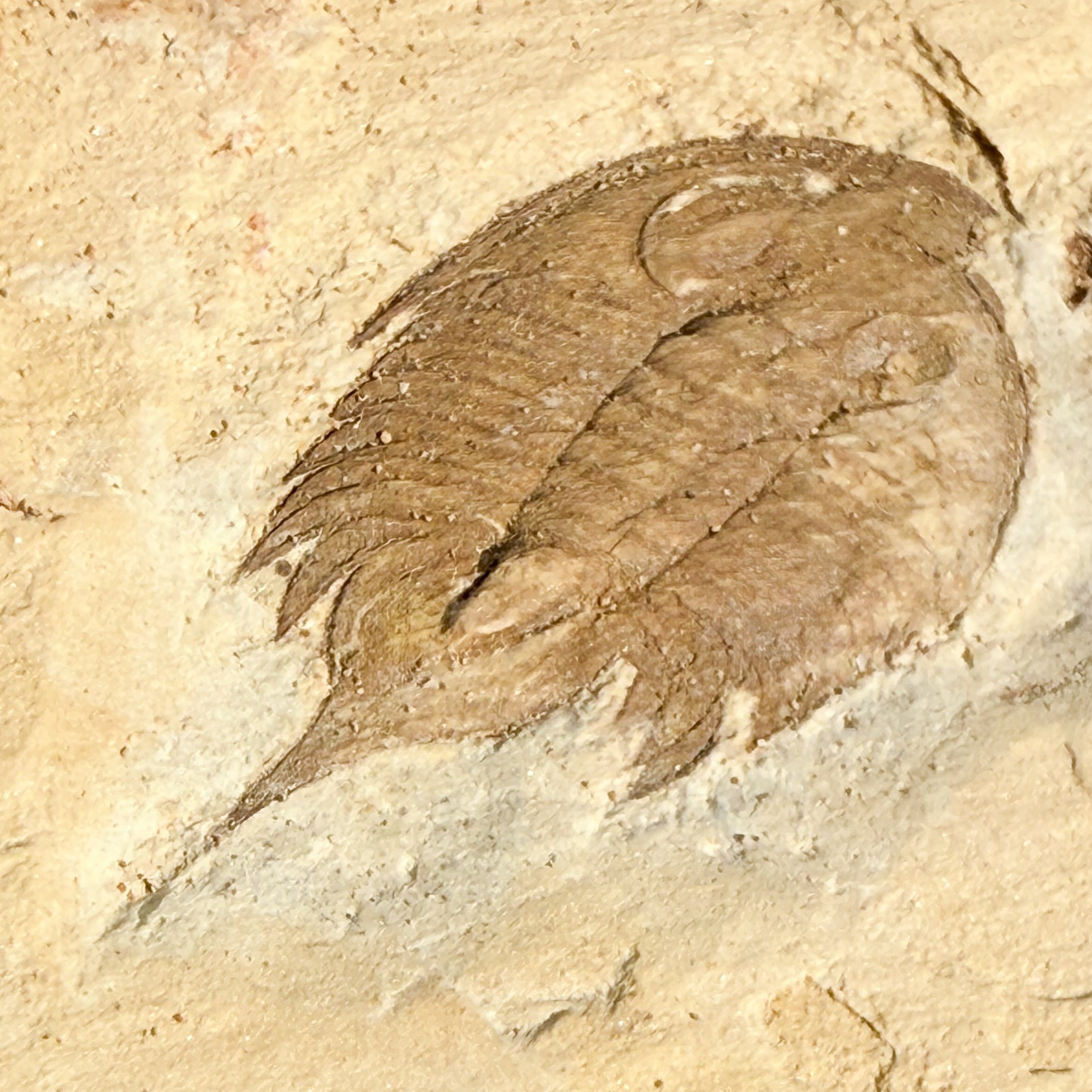
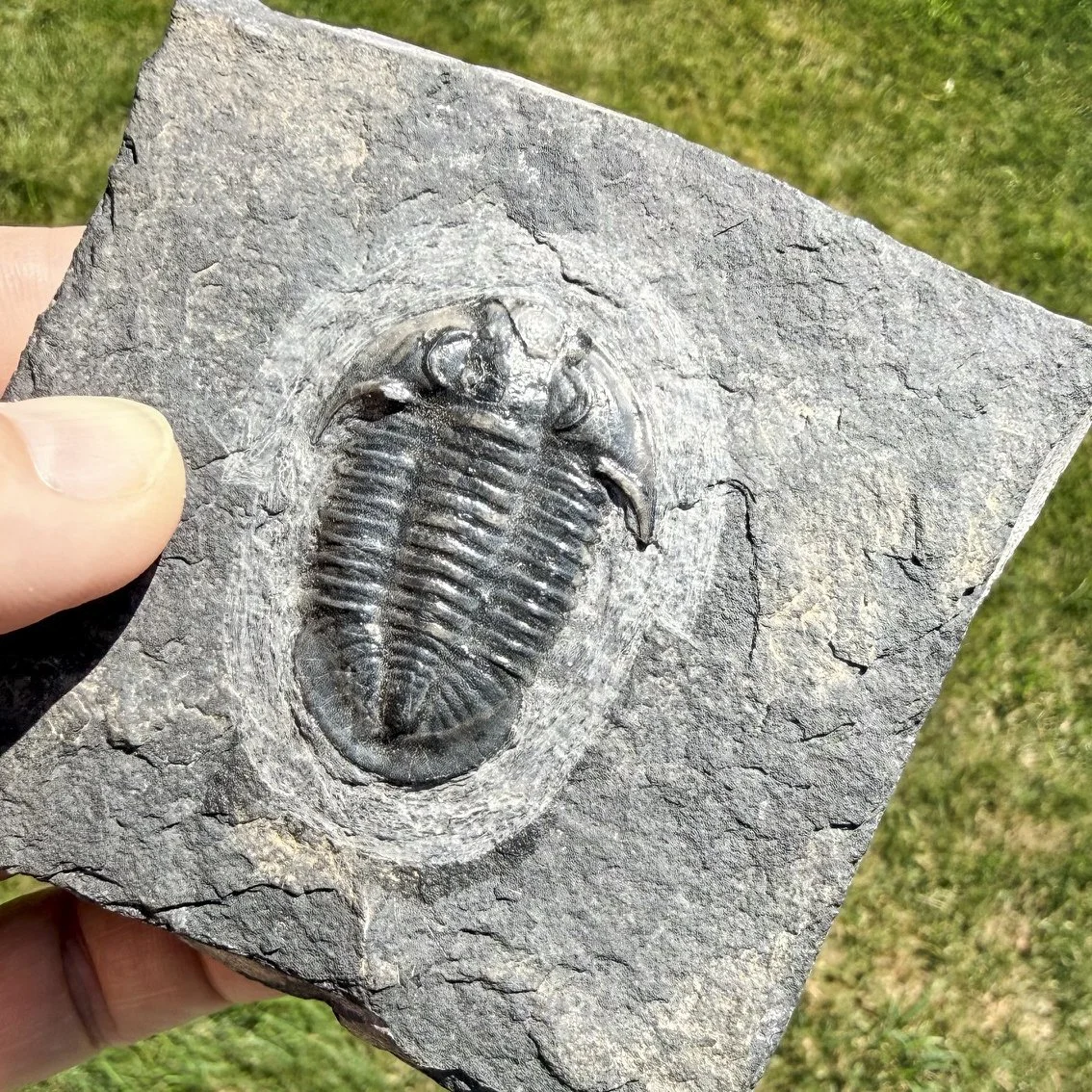
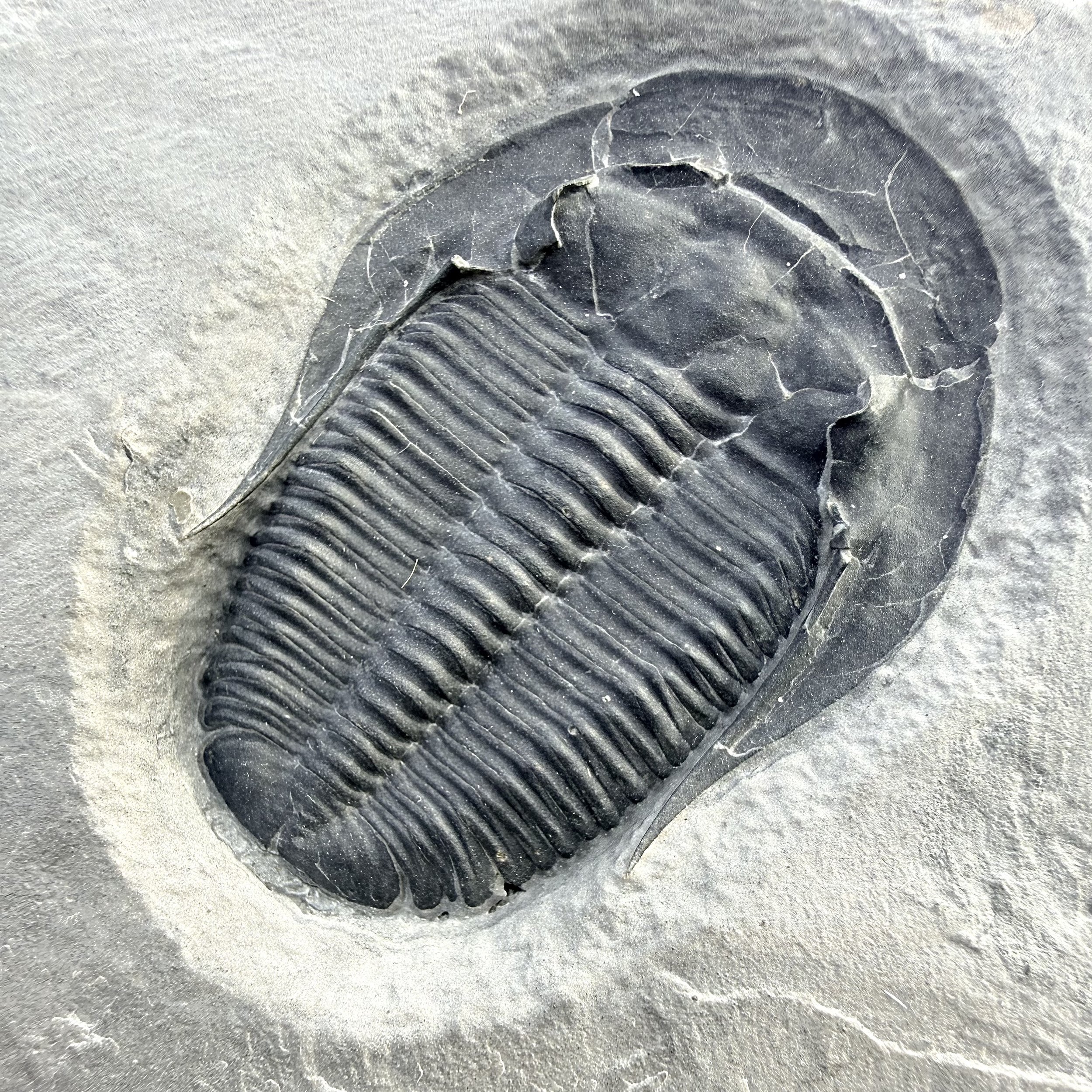
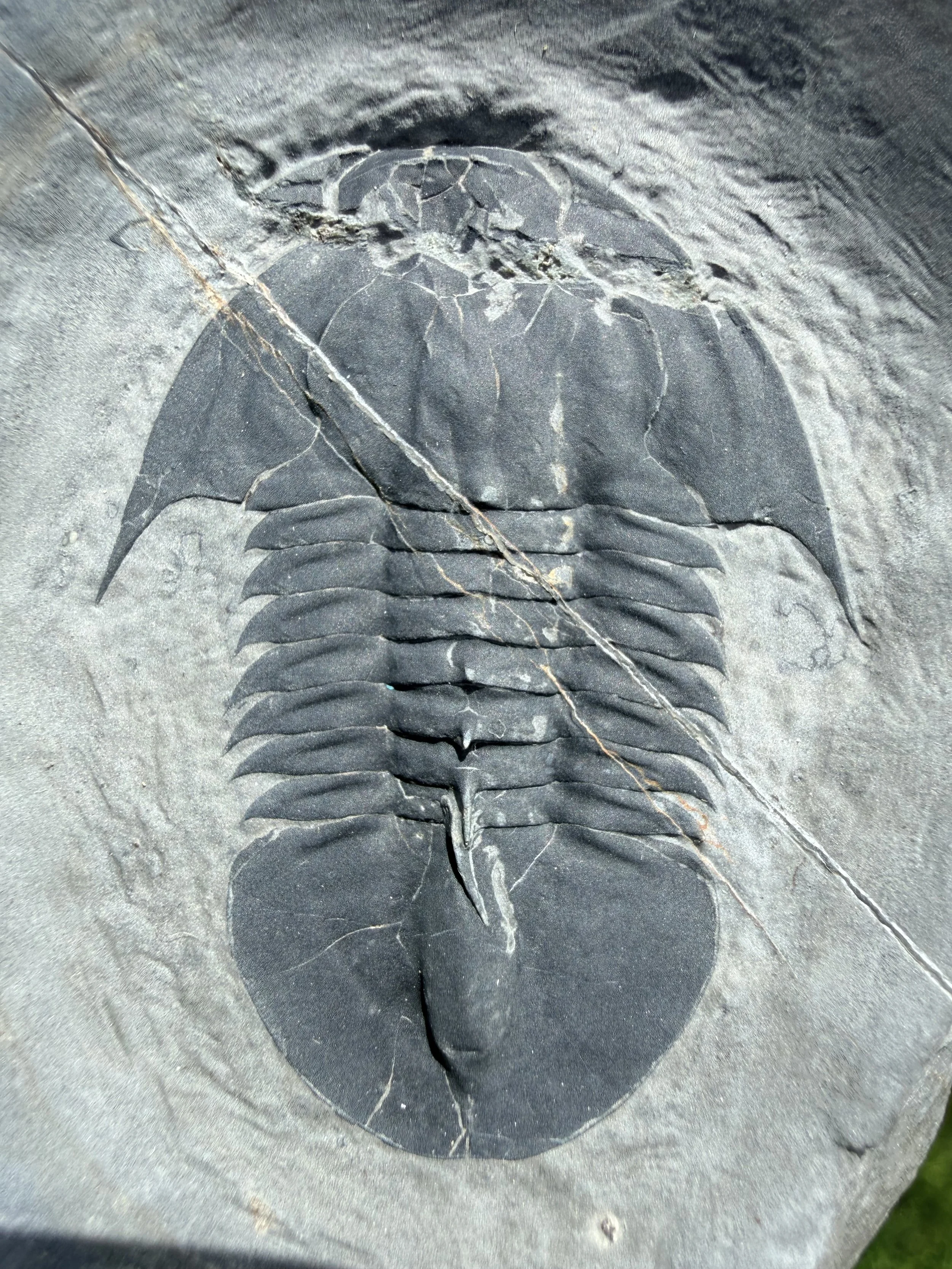
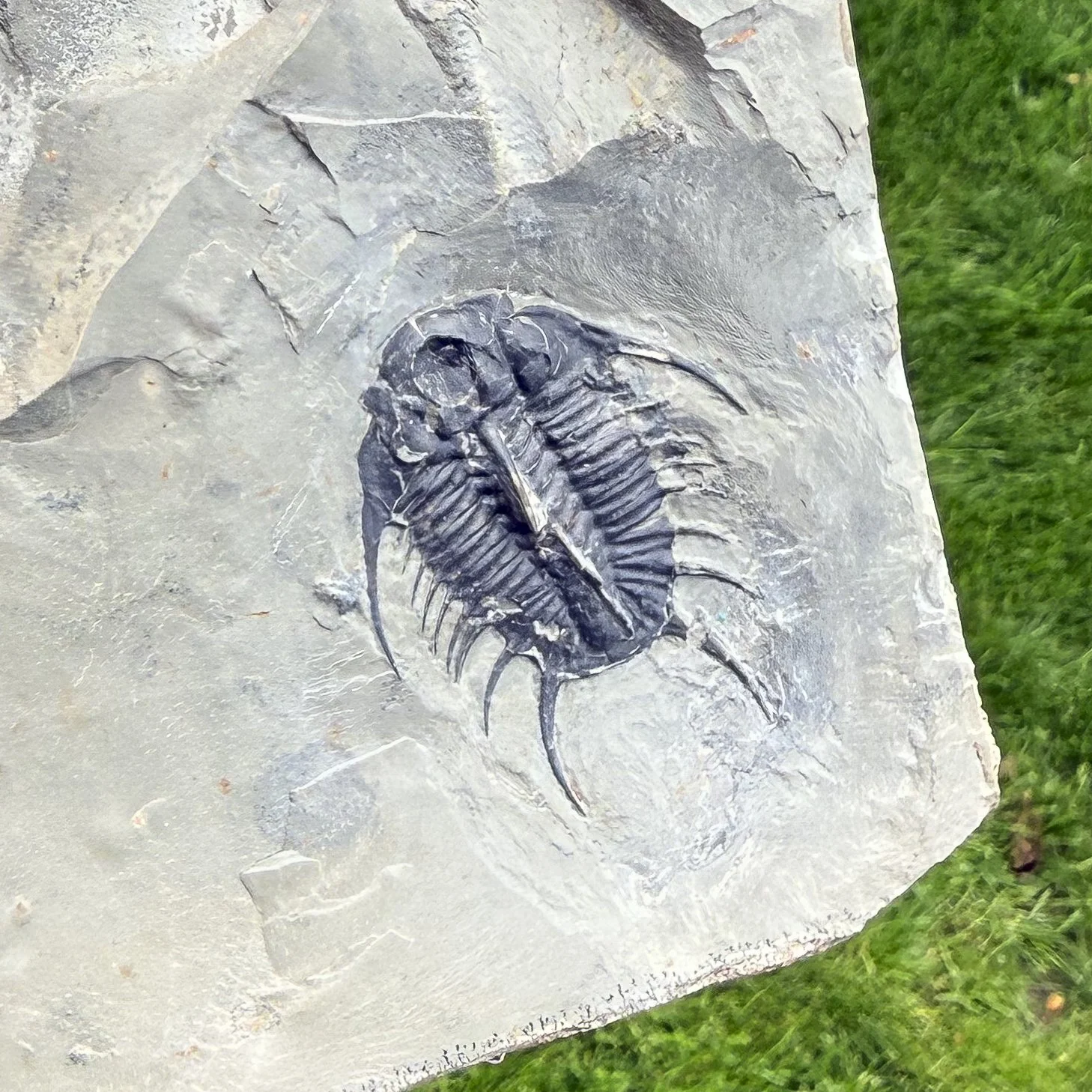
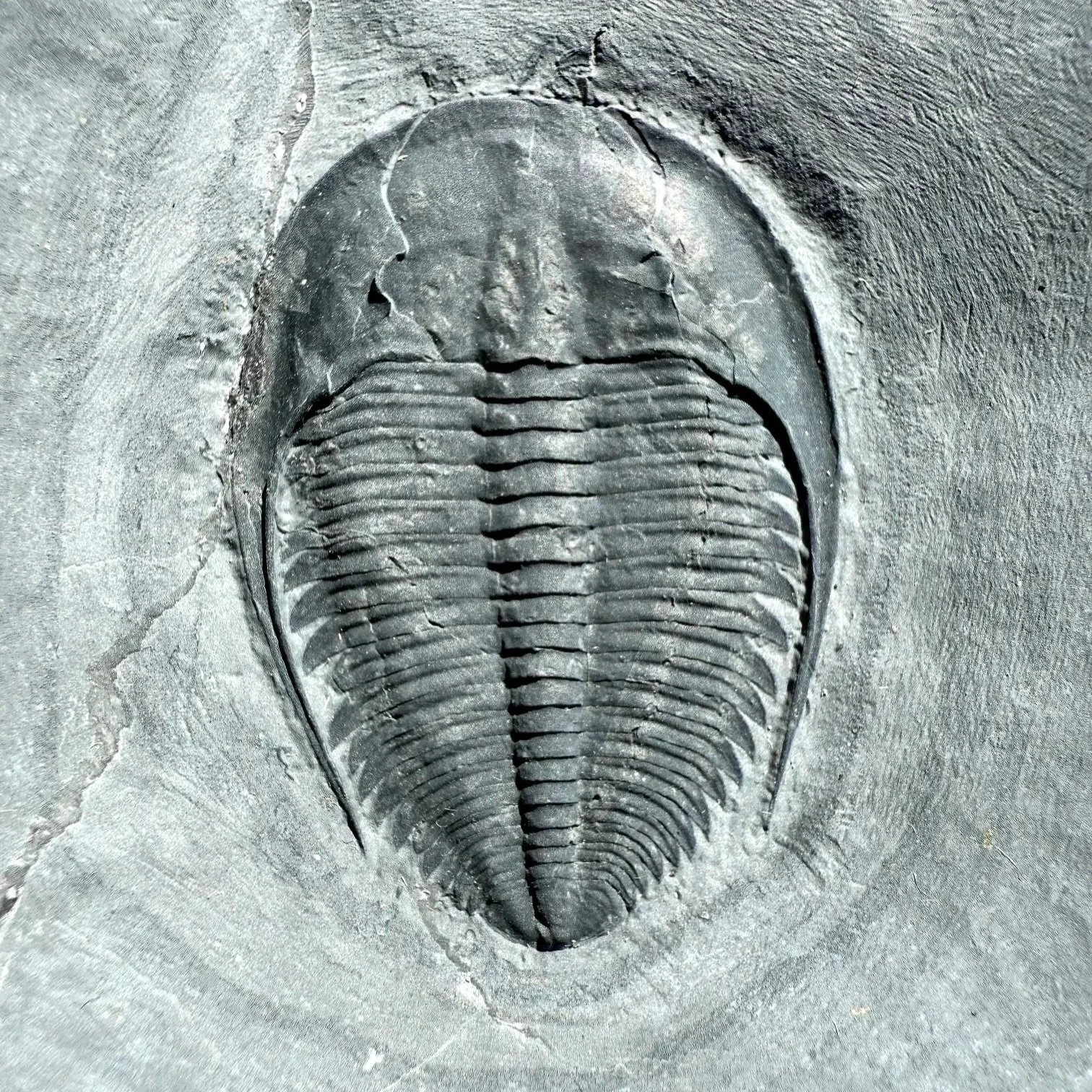
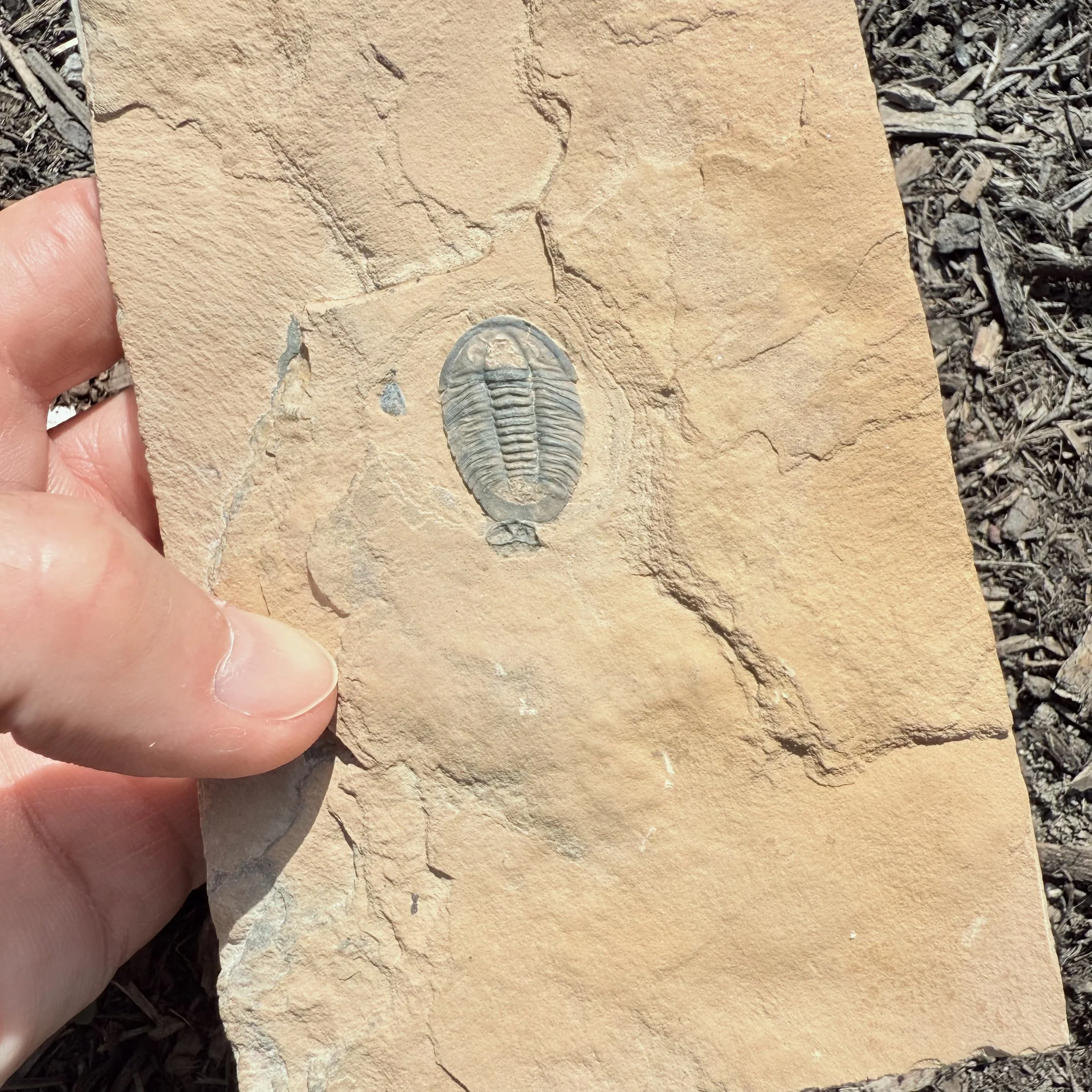
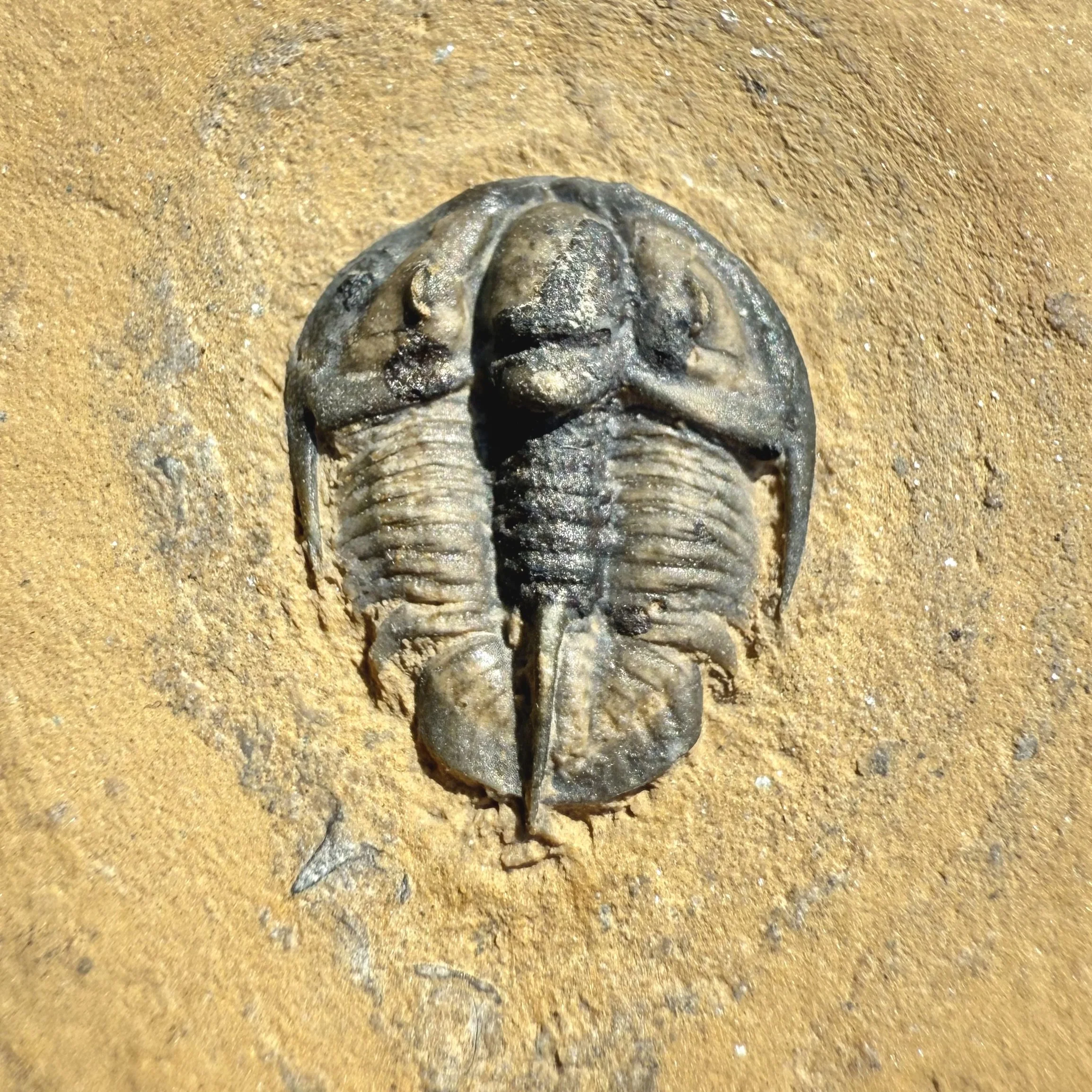
Rhombampyx yii trilobite from the Middle Ordovician, Meitan Formation, Zunyi, Guizhou, China.
The distinct oval/rhomboid dome where the anterior needle spine meets the head is the highly inflated glabella. It is slightly compressed but shows the distinctive bulbous shape unique to raphiophorids.
You can clearly see a thin, straight line pointing straight up from the top of the glabella. This is the base of the median snout spine.
The two elongated cheek spines can be seen on either side of the body. In life, these spines flared outward to stabilize the animal or deter predators, but post-mortem movement or burial compaction has curved it around the cephalon.
Full dimensions are listed below.