
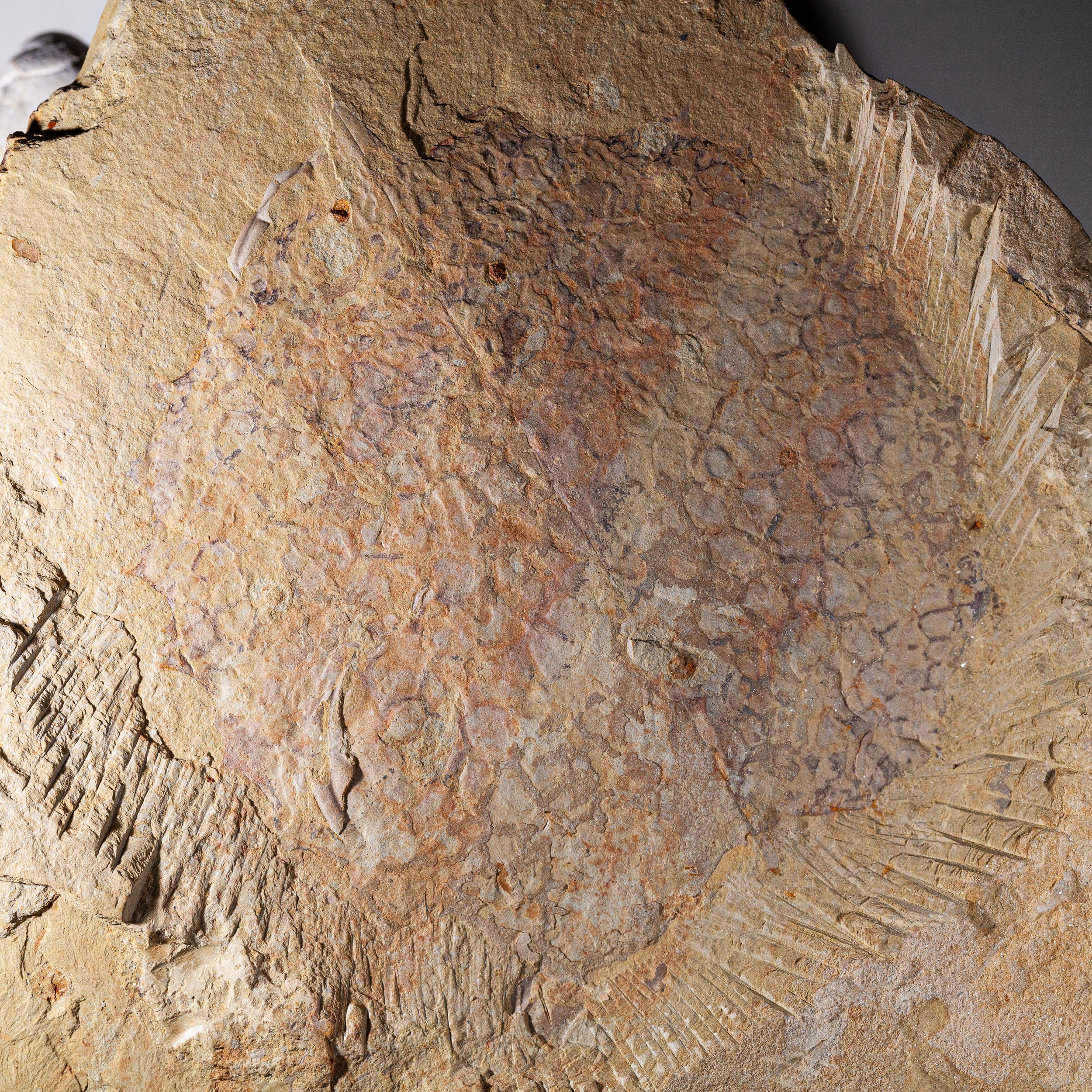
 Image 1 of 3
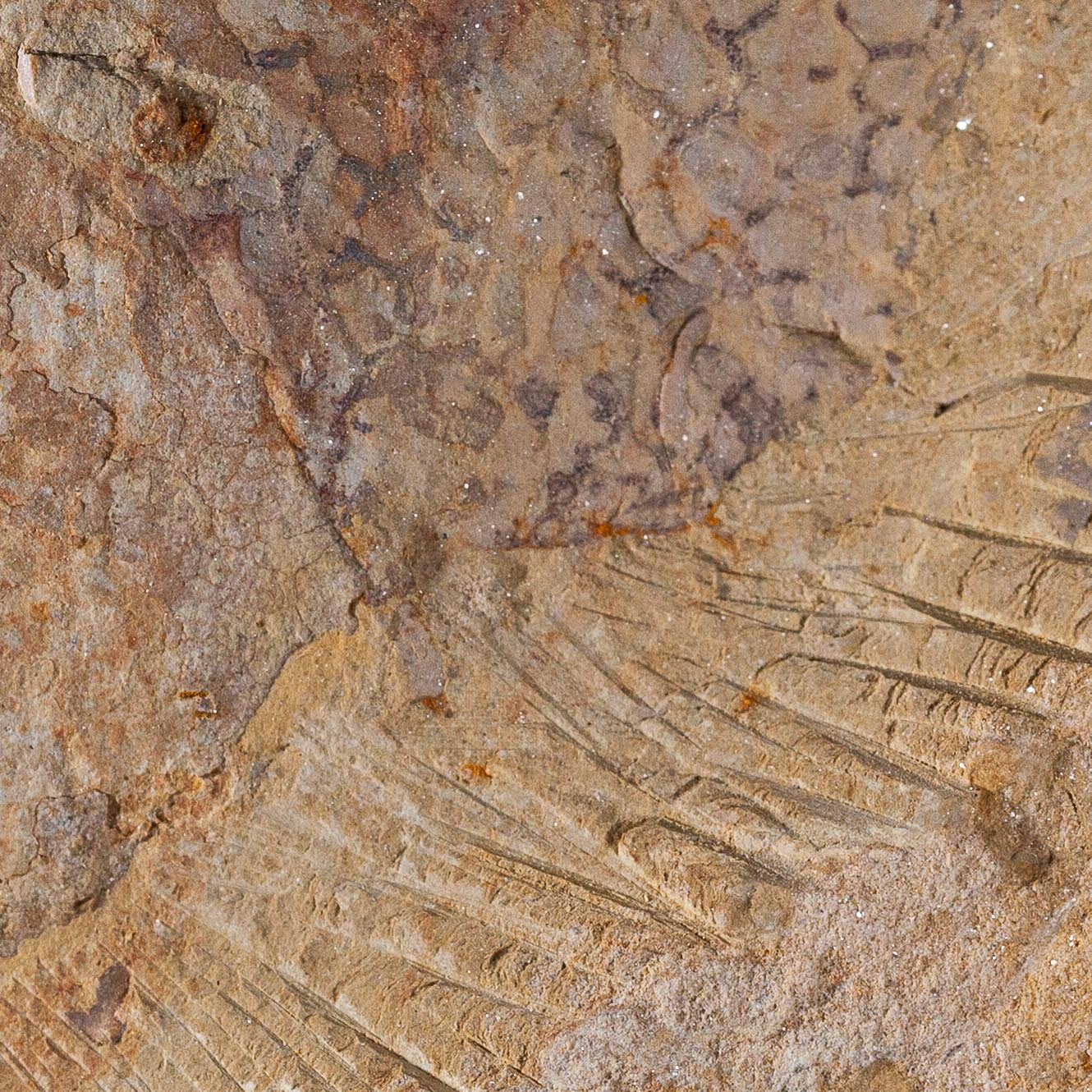 Image 2 of 3
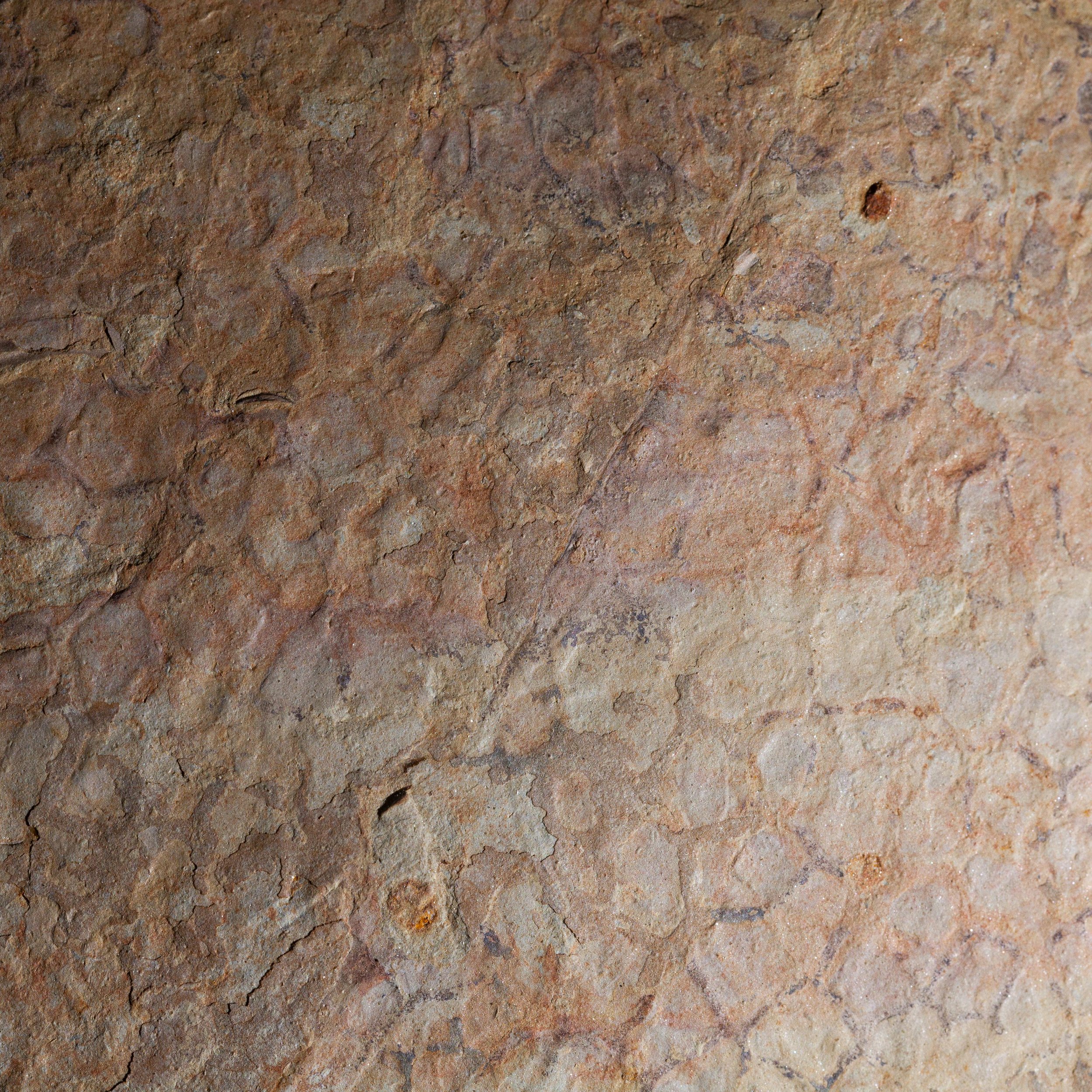 Image 3 of 3

Additional Information
Description:
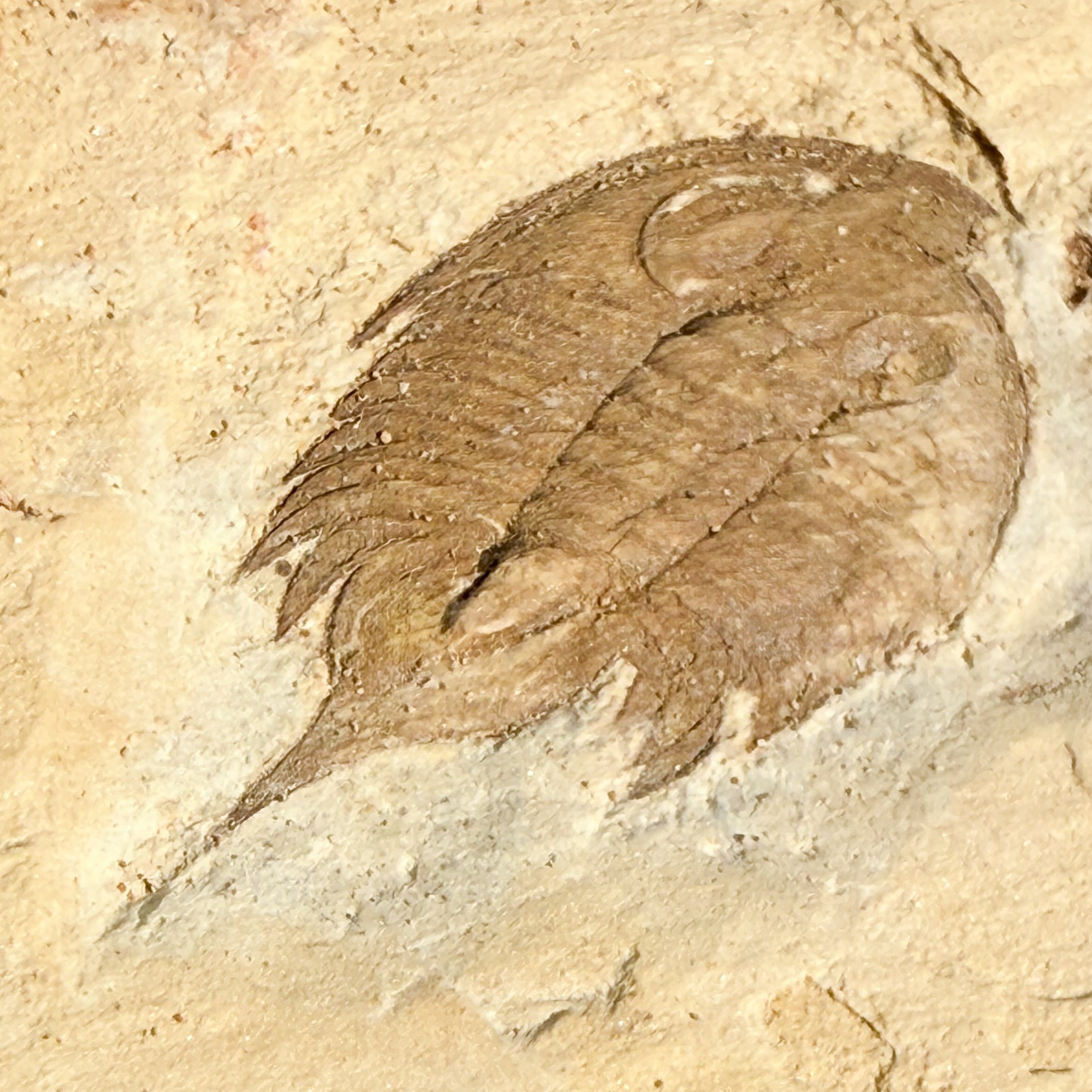
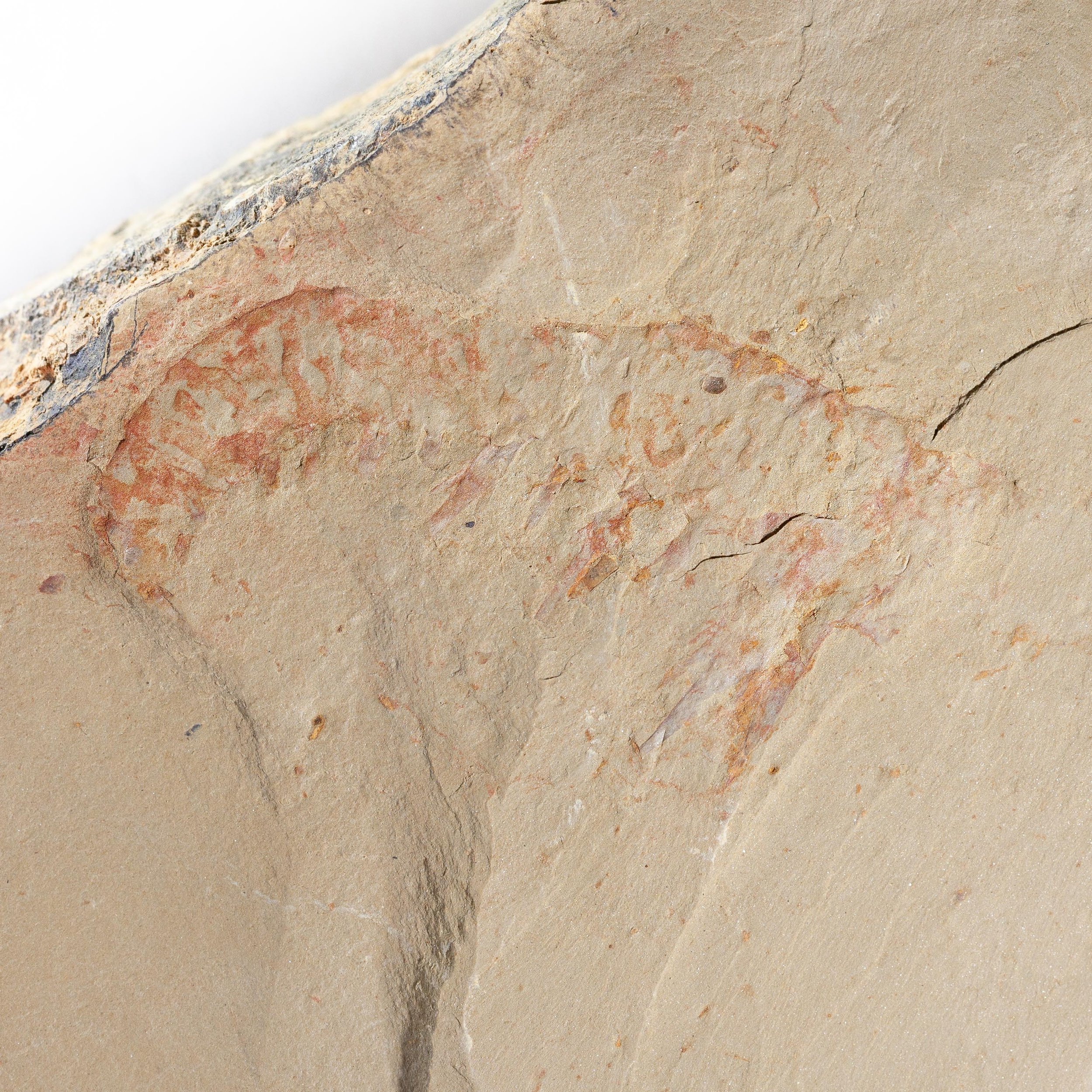
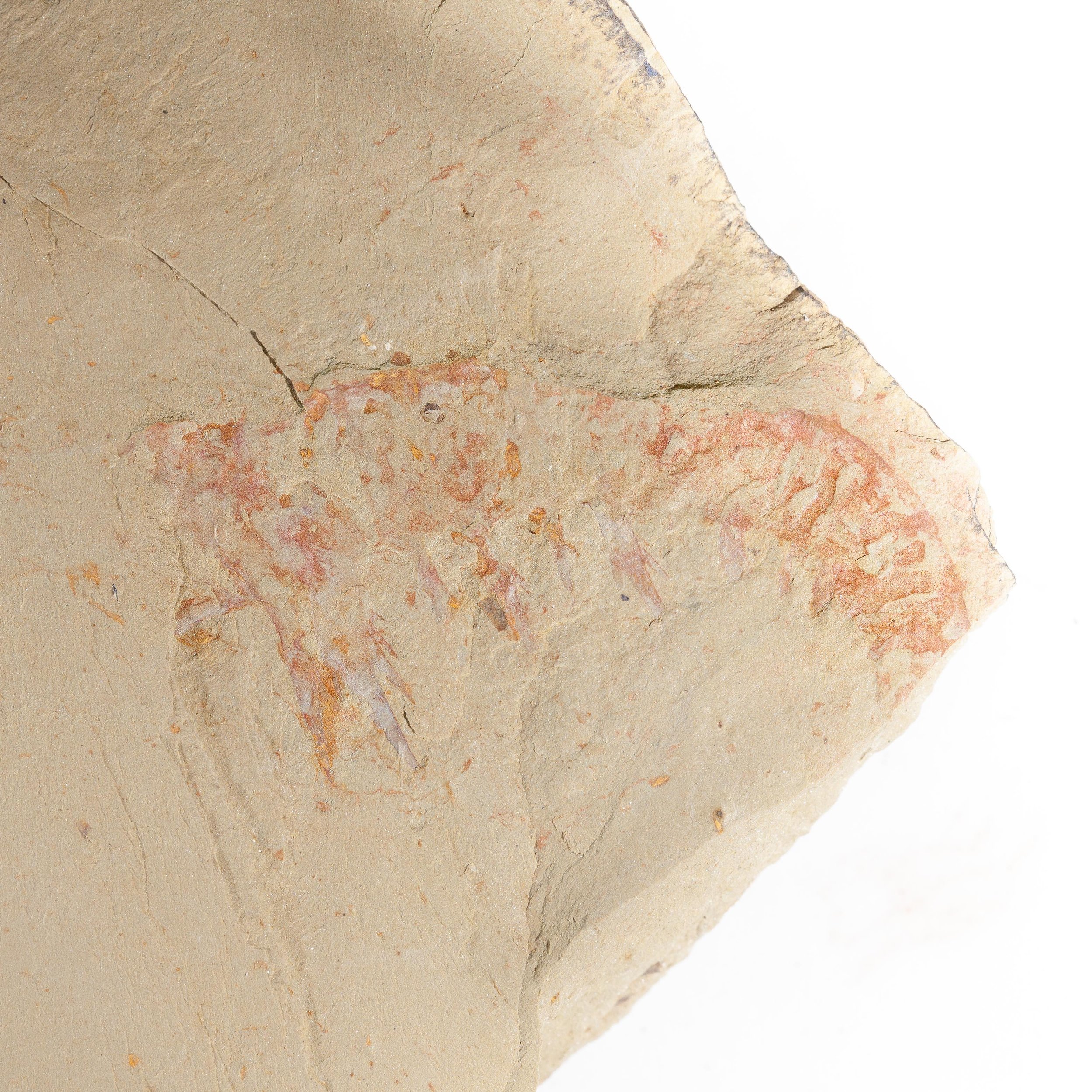
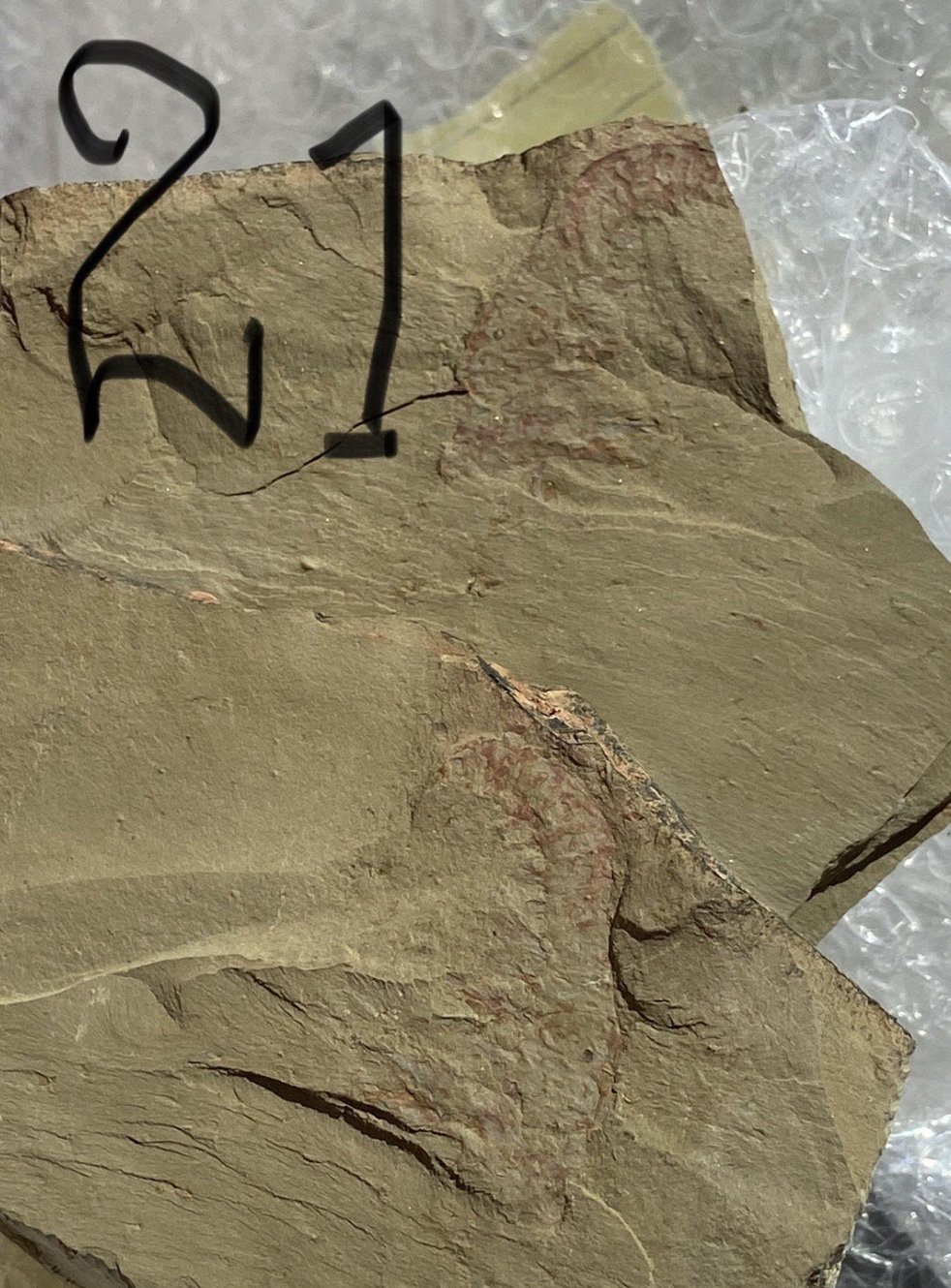
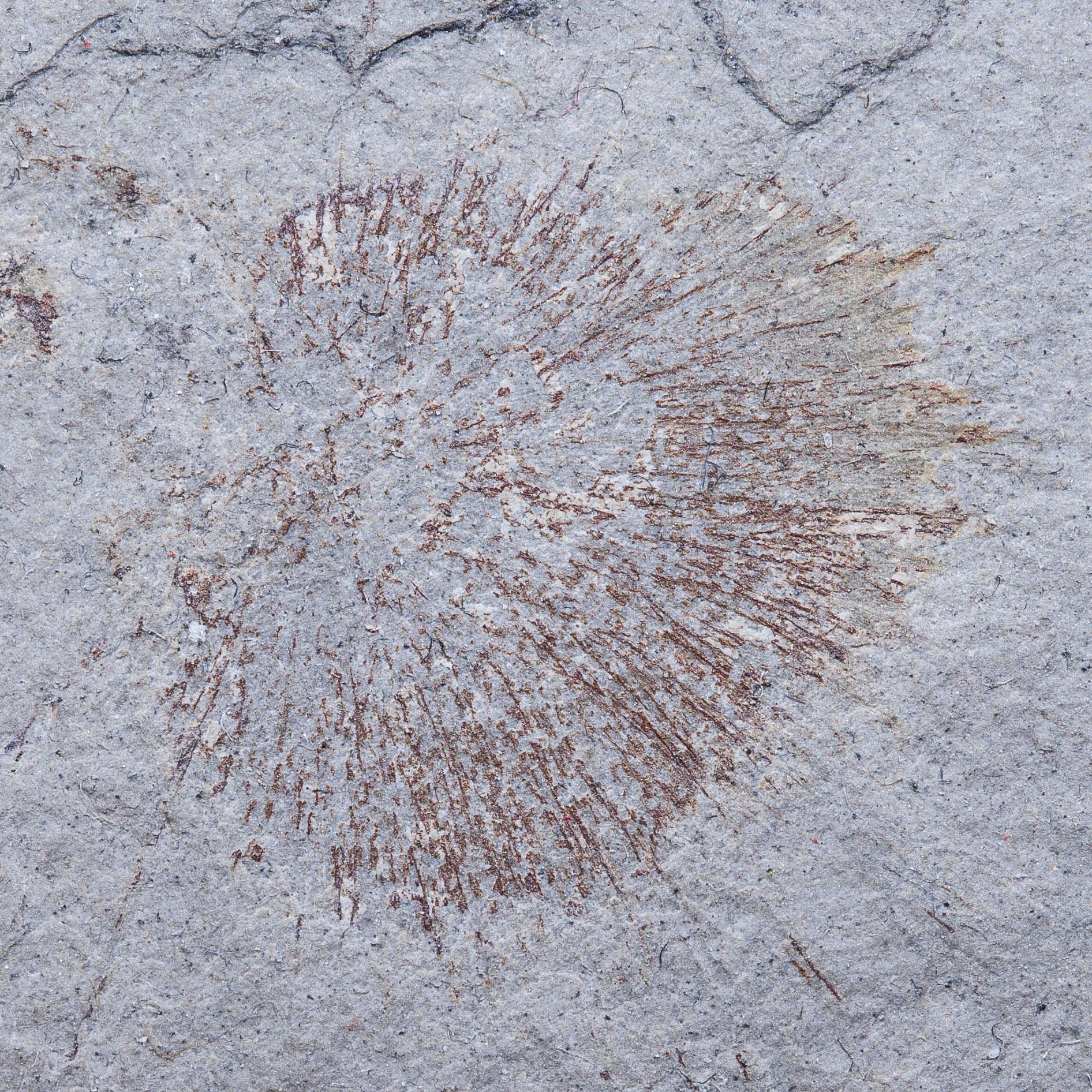
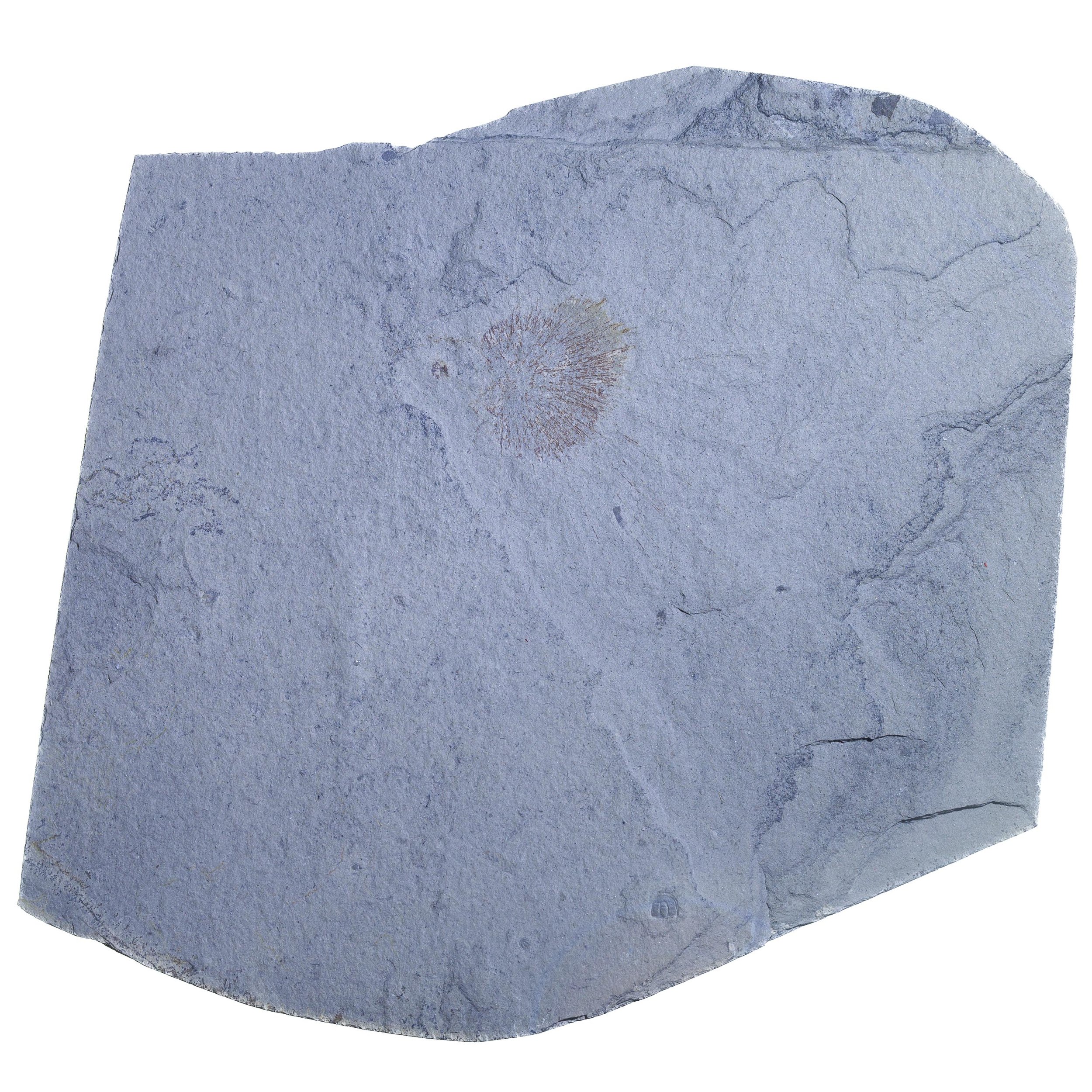
Tuzoia sinensis is a small Early Cambrian bivalved arthropod.
Arthropods are invertebrate animals with an exoskeleton, a segmented body, and paired jointed appendages. Arthropods form the phylum Arthropoda. They are distinguished by their jointed limbs and cuticle made of chitin, often mineralised with calcium carbonate. The arthropod body plan consists of segments, each with a pair of appendages. Arthropods are bilaterally symmetrical and their body possesses an external skeleton. In order to keep growing, they must go through stages of moulting, a process by which they shed their exoskeleton to reveal a new one. Some species have wings. They are an extremely diverse group, with up to 10 million species.
uzoia was likely an actively swimming organism. It had historically been considered a pelagic organism, due to their wide distribution. However, the soft tissues described in 2022 suggest an alternative interpretation as an animal that swam close to the seafloor (nektobenthic) as a predator or a scavenger. Tuzoia was likely capable of walking along the seafloor with the carpace flexing outwards to allow the legs to contact the substrate.
References:
Book Reference: The Cambrian Fossils of Chengjiang, China. ISBN: 9781118896389
https://www.frontiersin.org/articles/10.3389/feart.2022.862679/full
Tuzoia - Wikipedia








Vendor: fossil soup - ZZ
SKU Number: SQ5388284
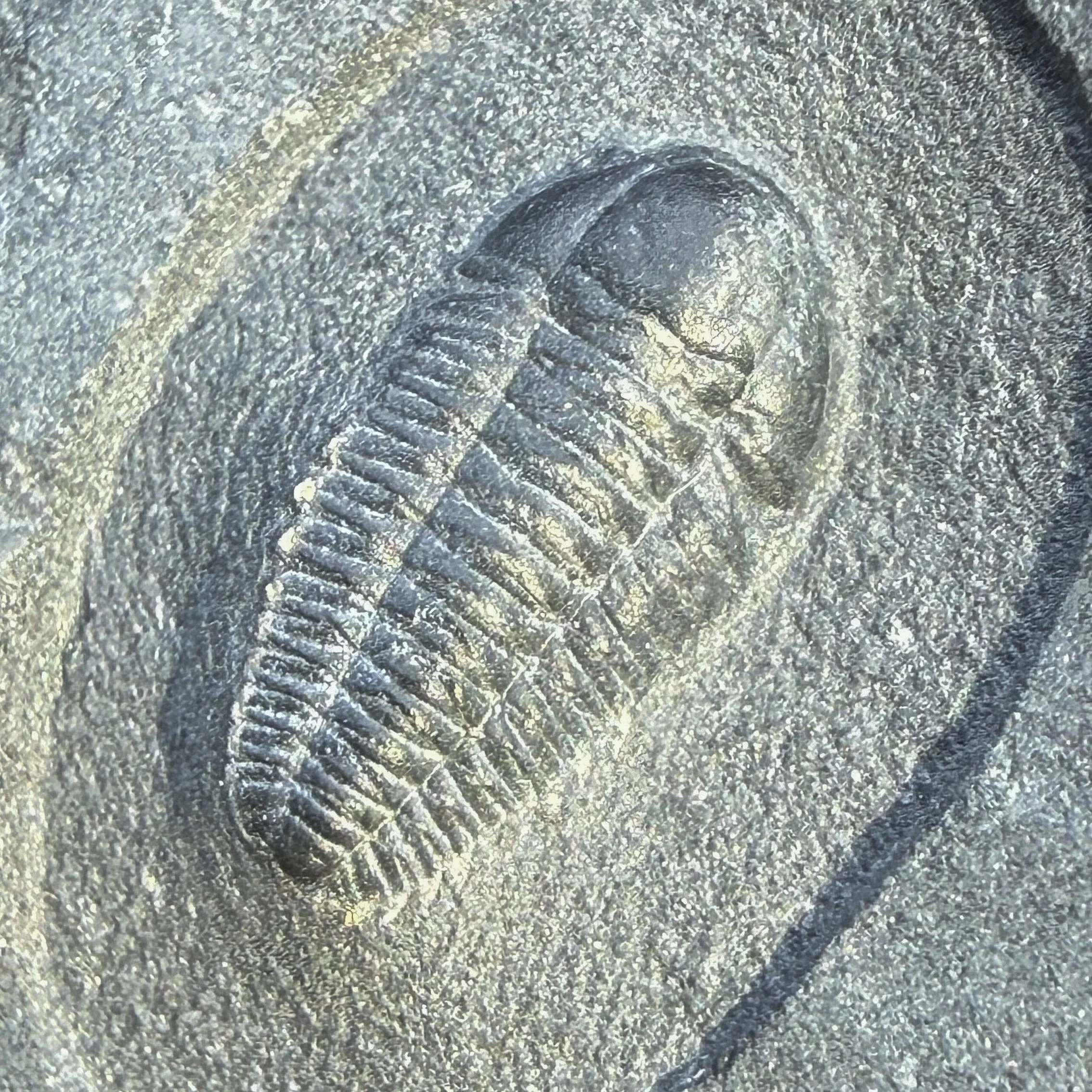
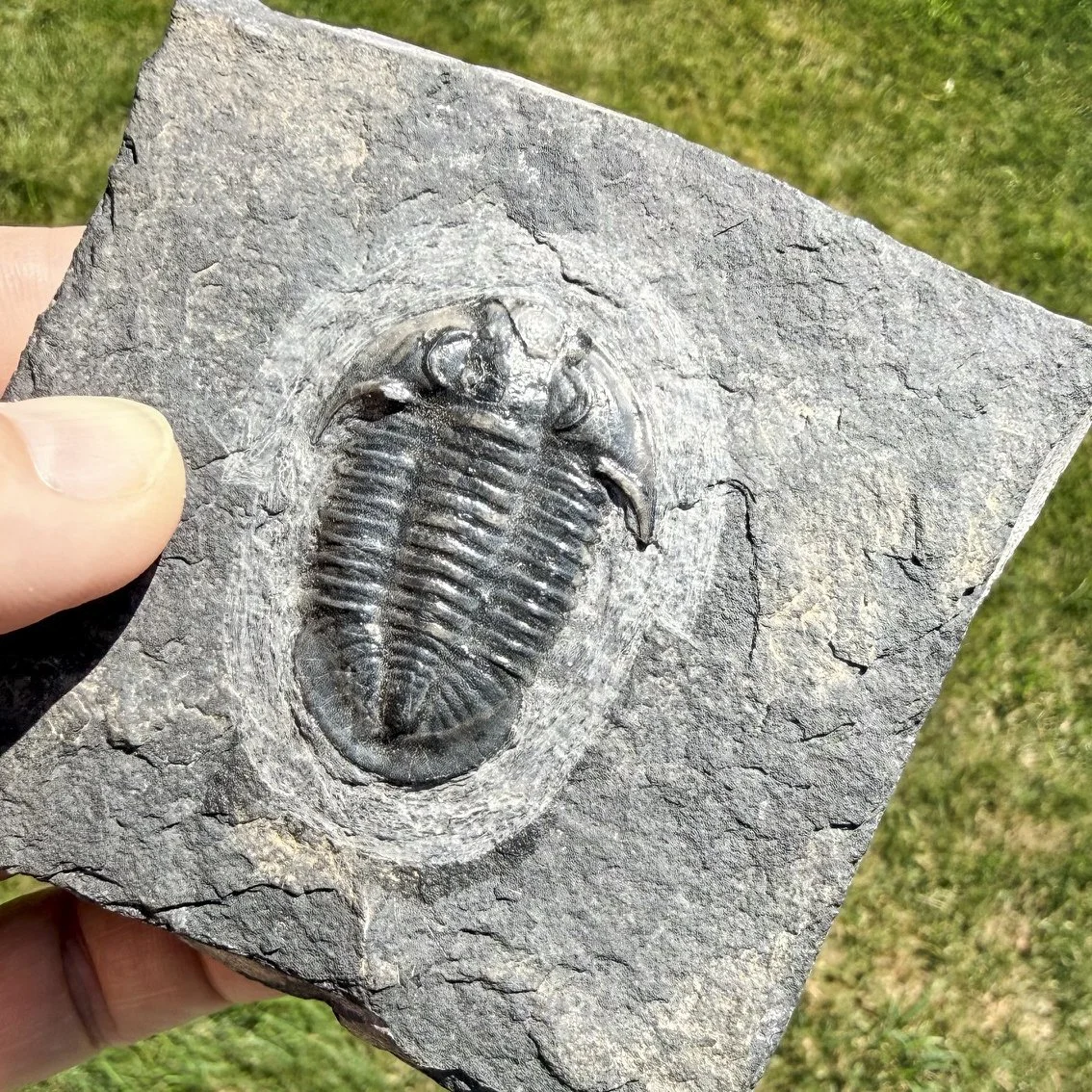
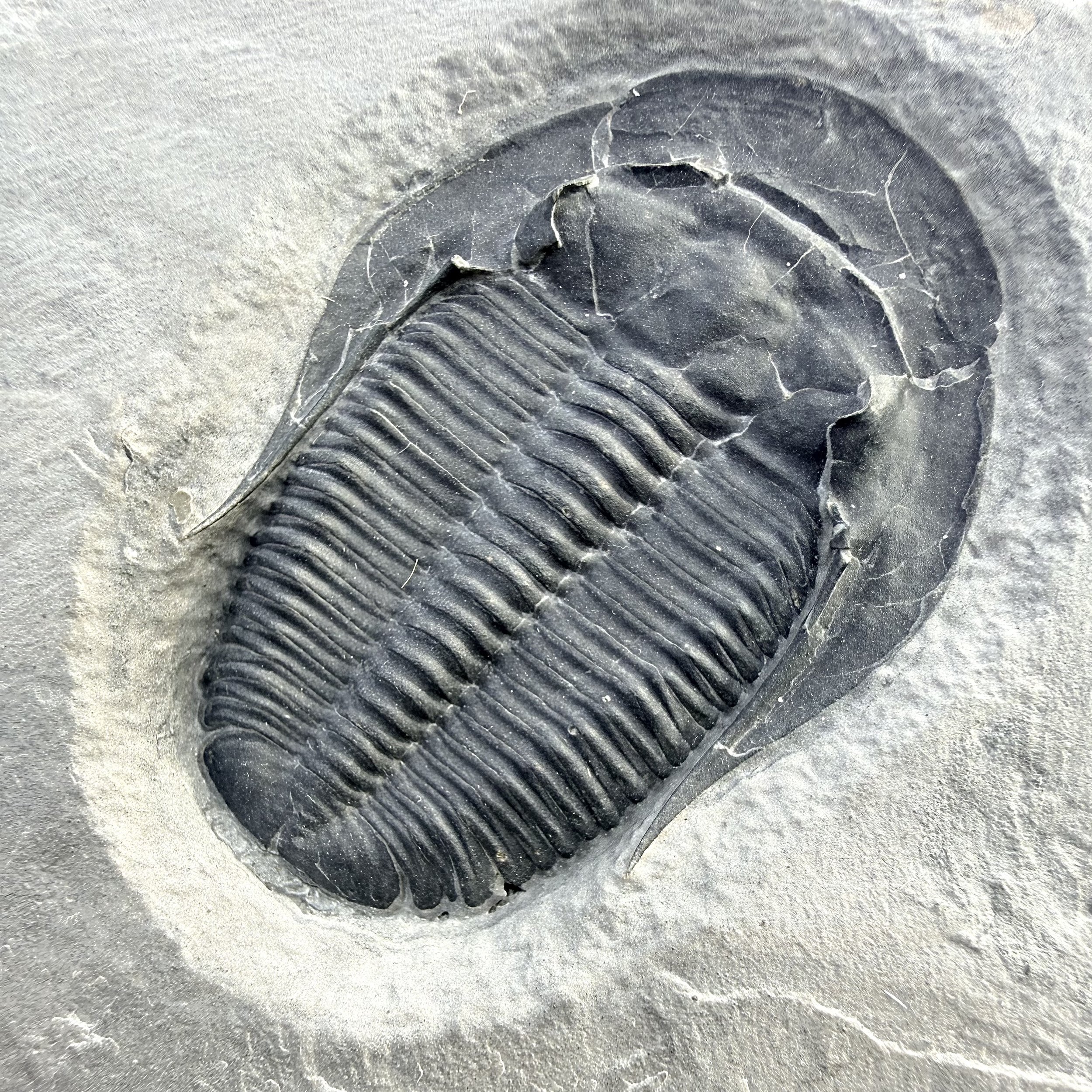
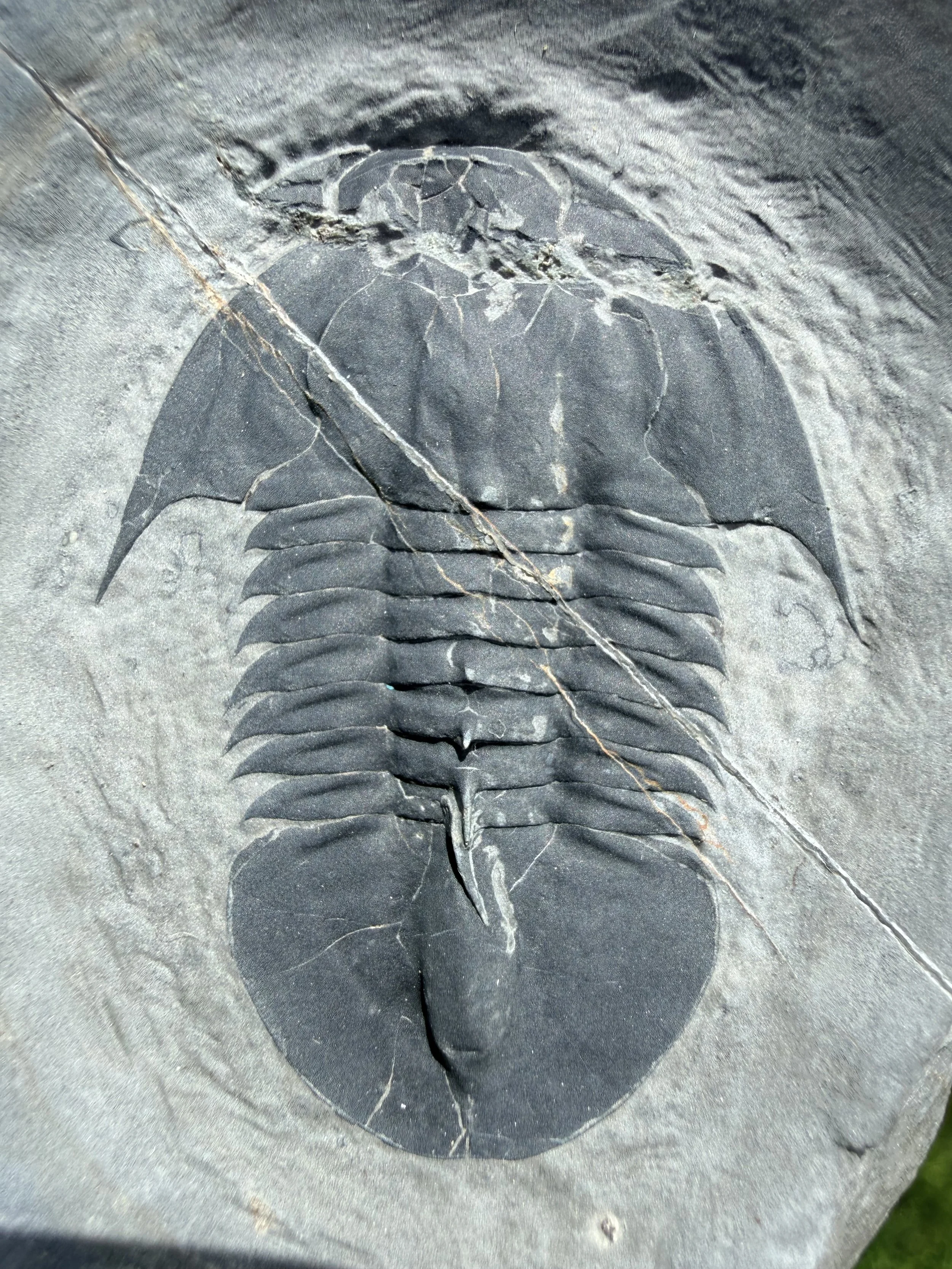
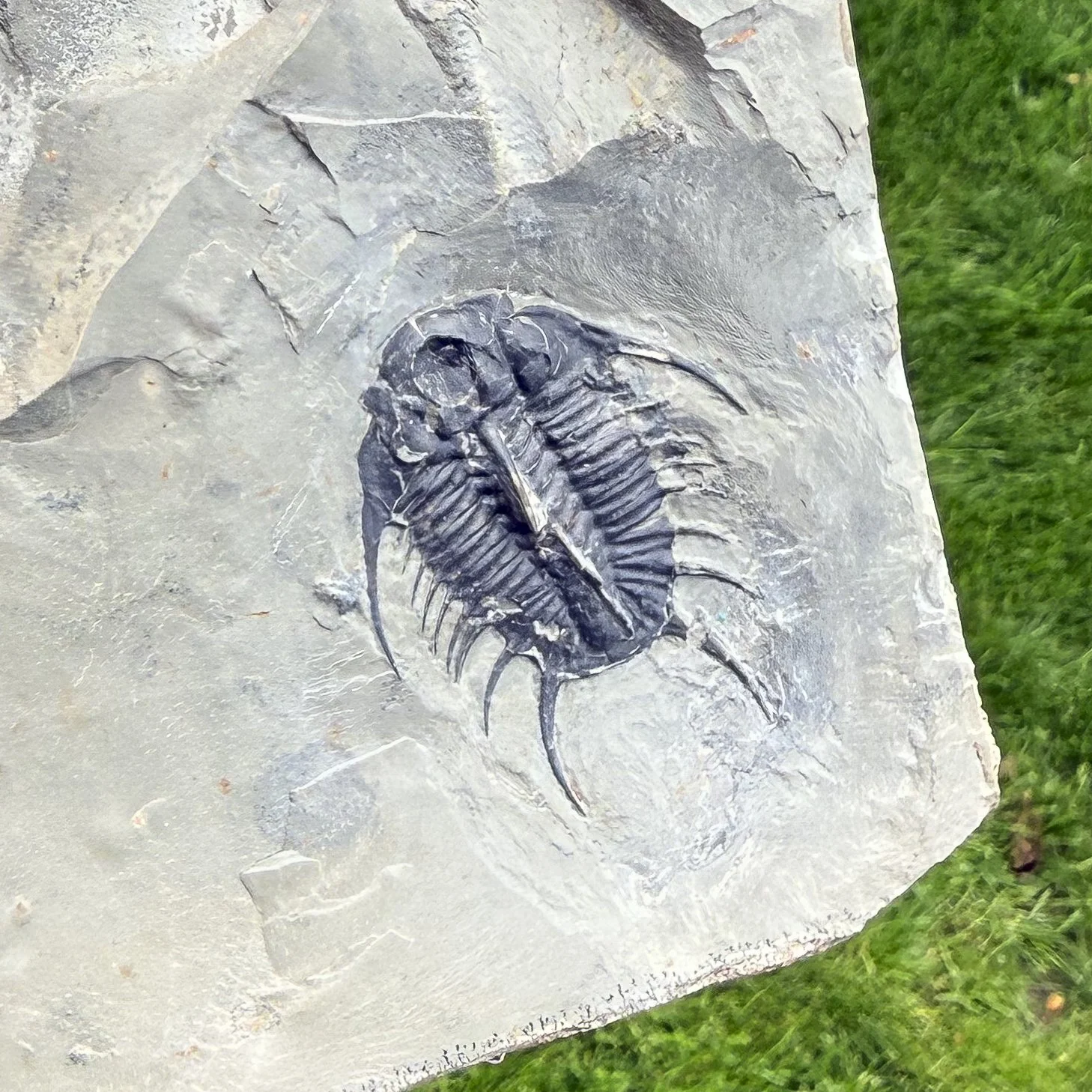
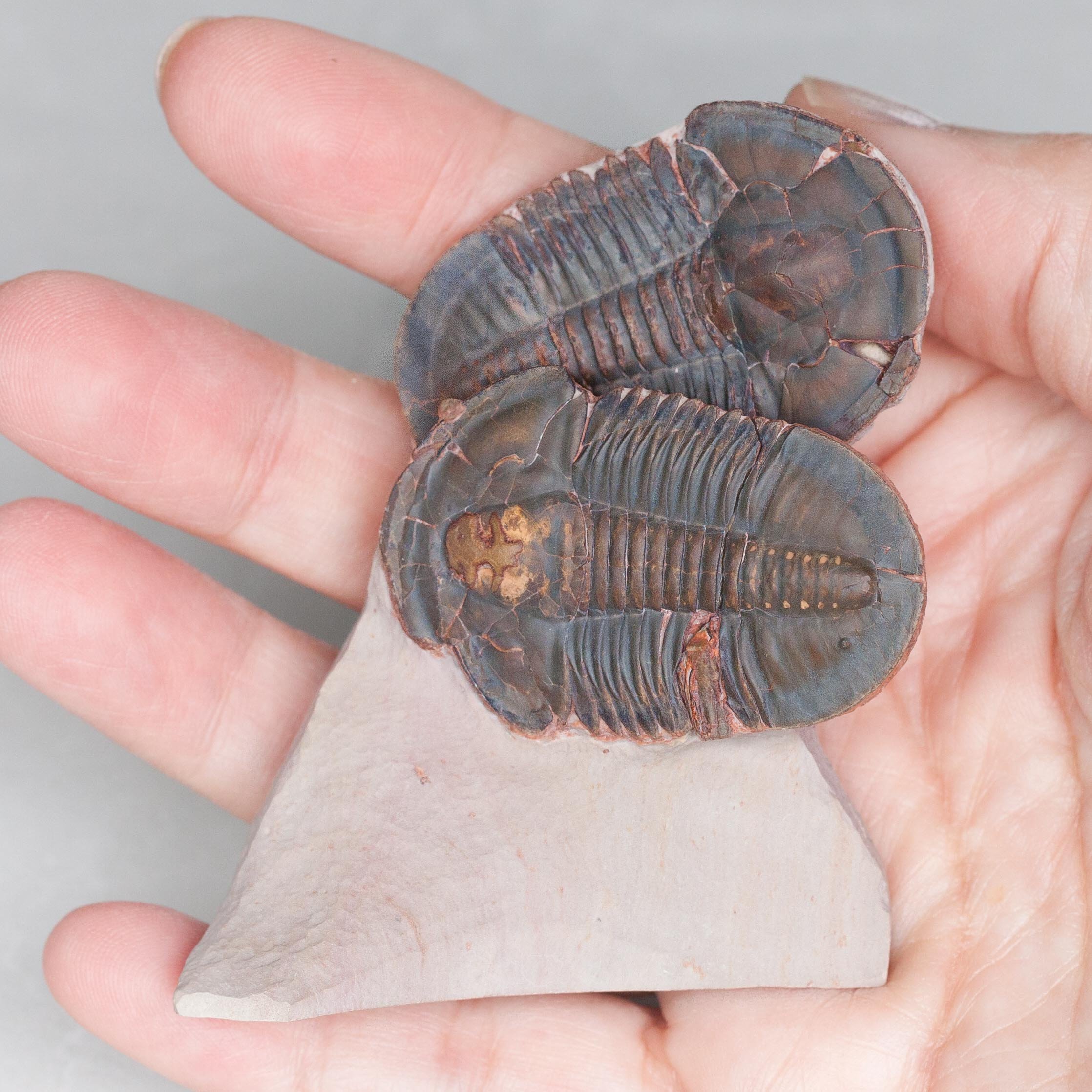
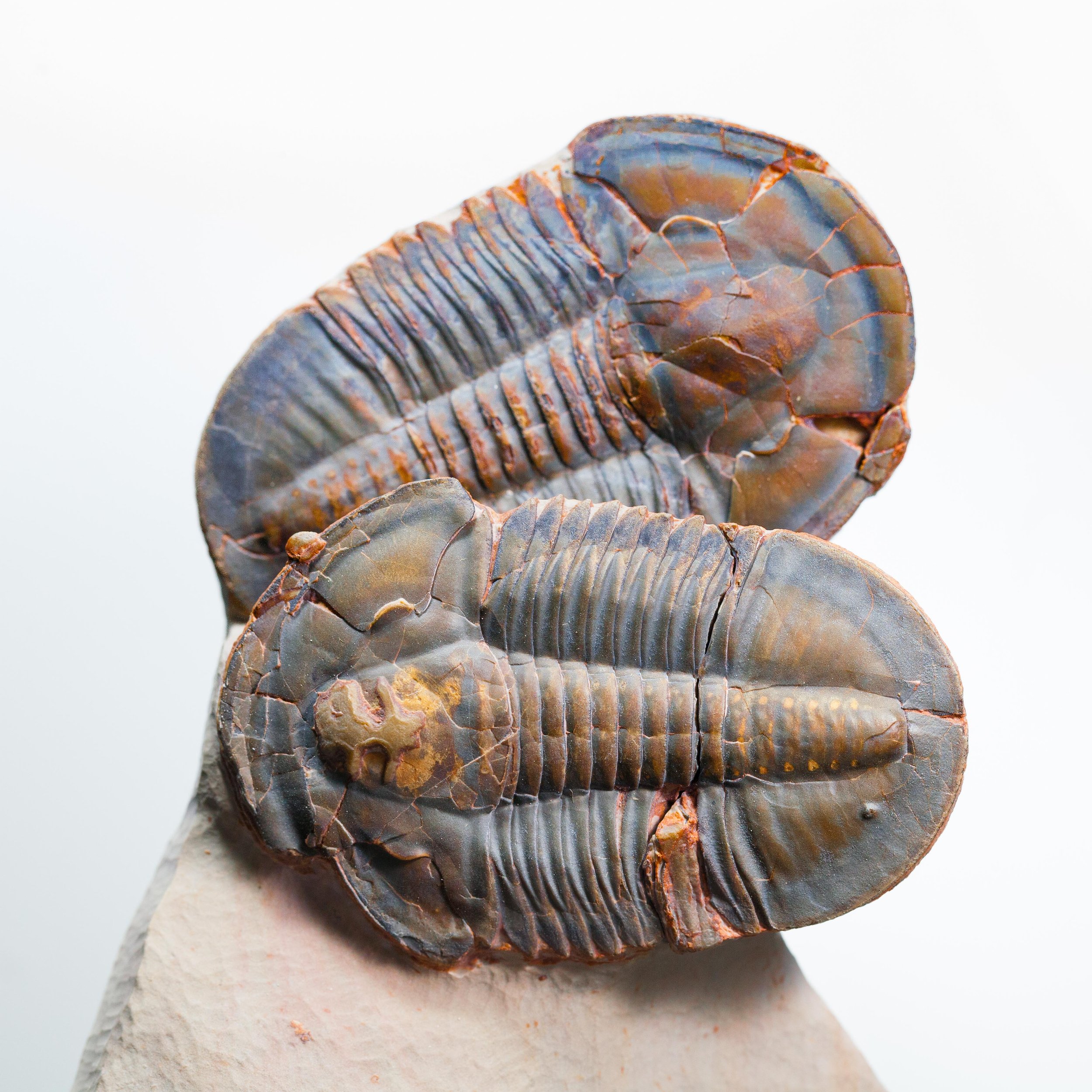
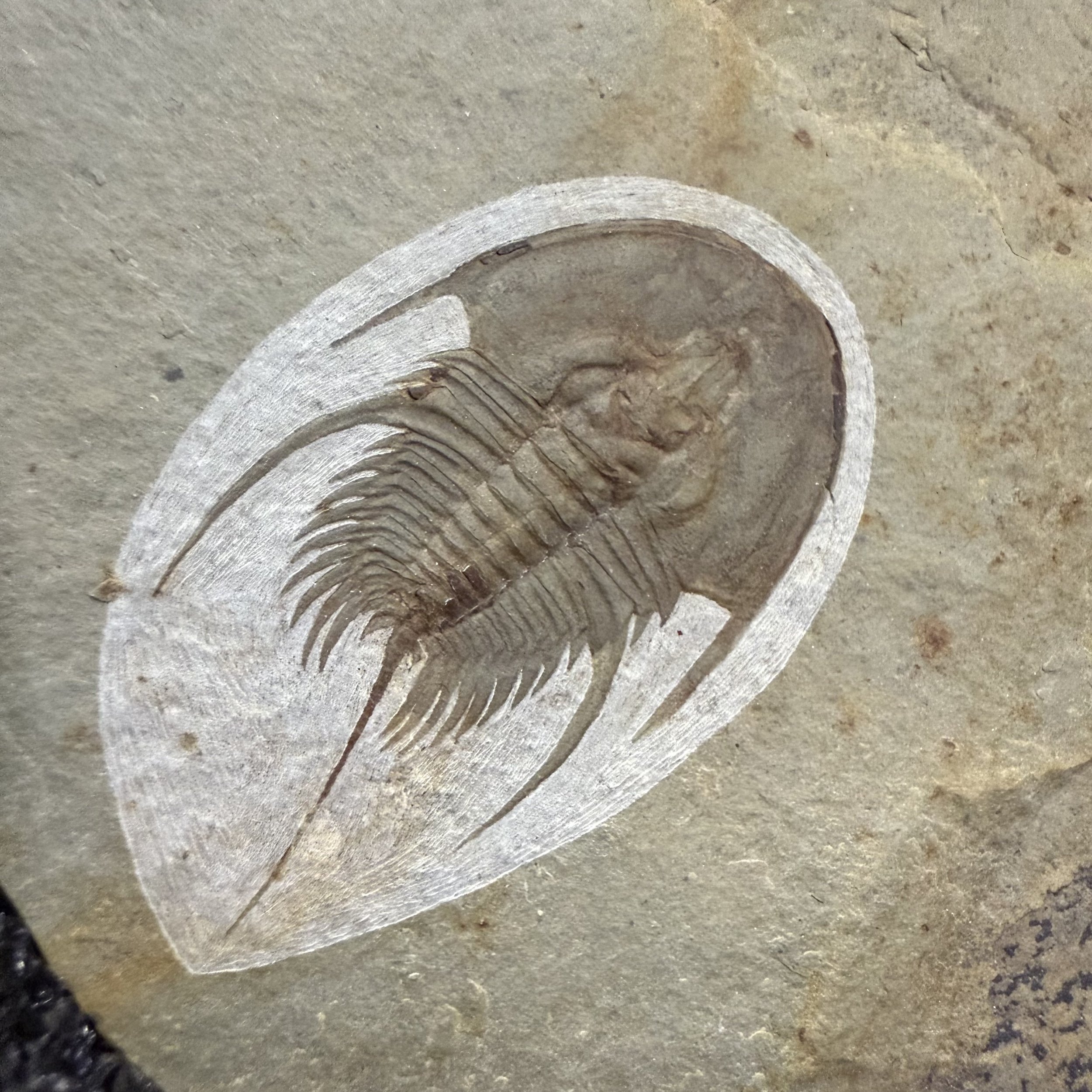
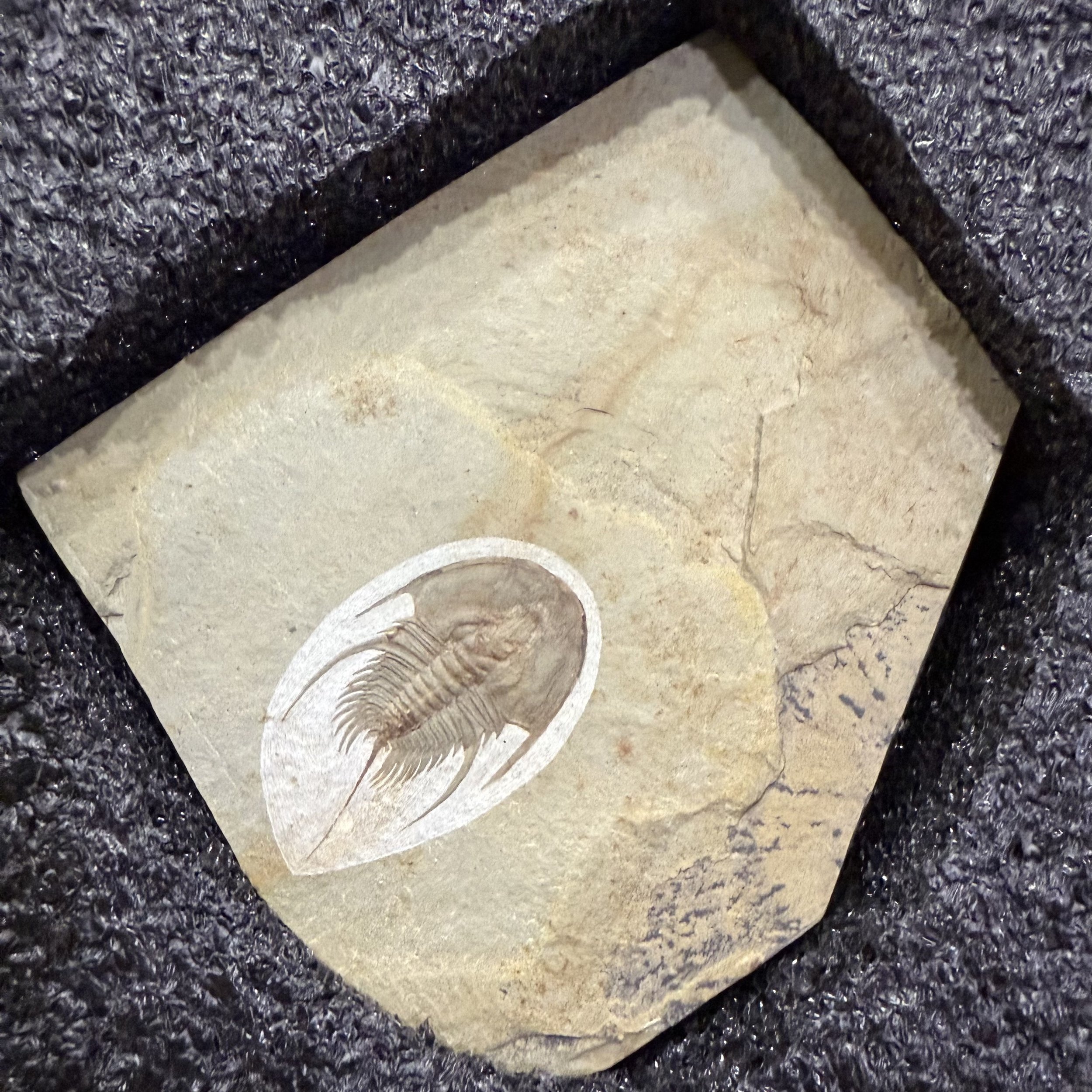
Rhombampyx yii trilobite from the Middle Ordovician, Meitan Formation, Zunyi, Guizhou, China.
The distinct oval/rhomboid dome where the anterior needle spine meets the head is the highly inflated glabella. It is slightly compressed but shows the distinctive bulbous shape unique to raphiophorids.
You can clearly see a thin, straight line pointing straight up from the top of the glabella. This is the base of the median snout spine.
The two elongated cheek spines can be seen on either side of the body. In life, these spines flared outward to stabilize the animal or deter predators, but post-mortem movement or burial compaction has curved it around the cephalon.
Full dimensions are listed below.