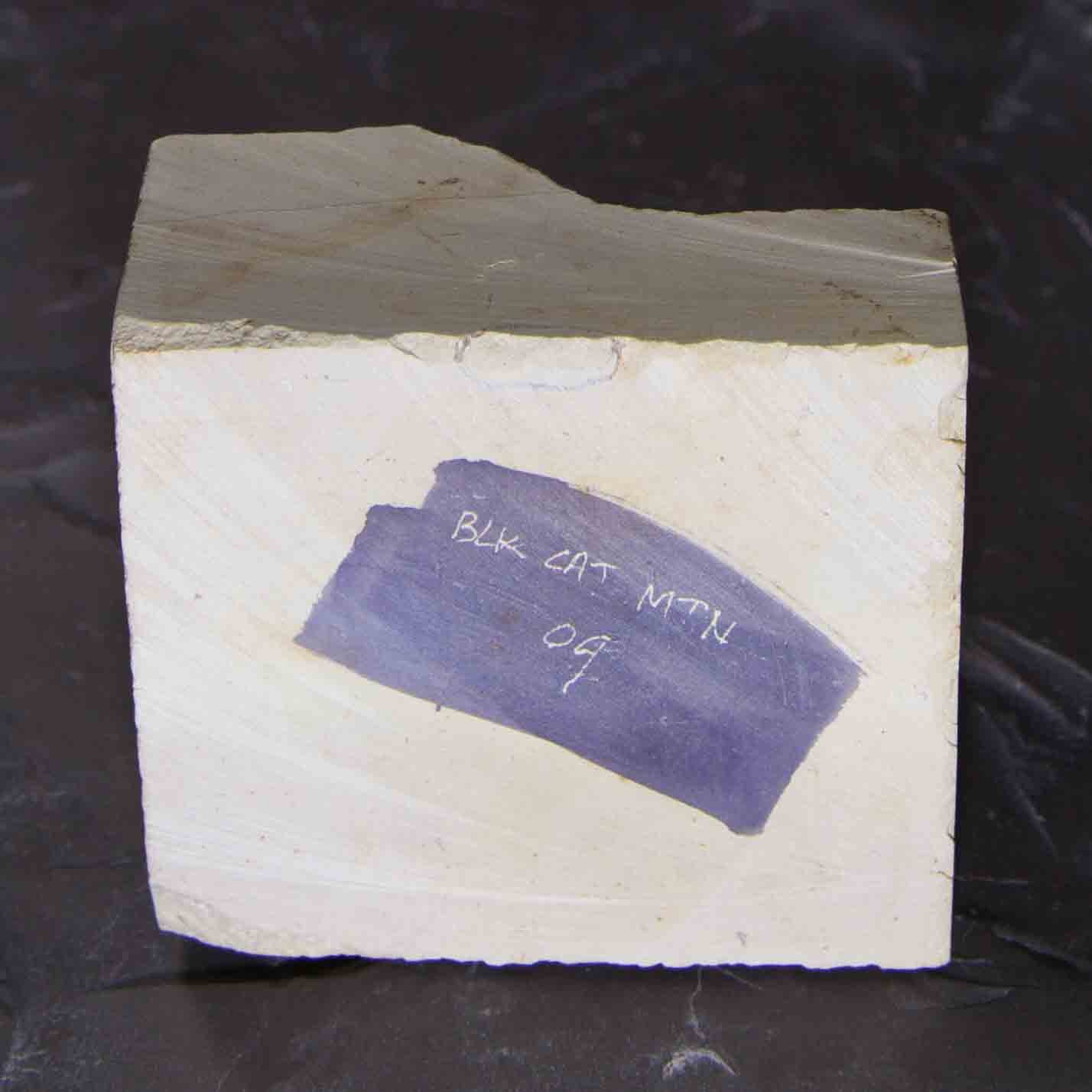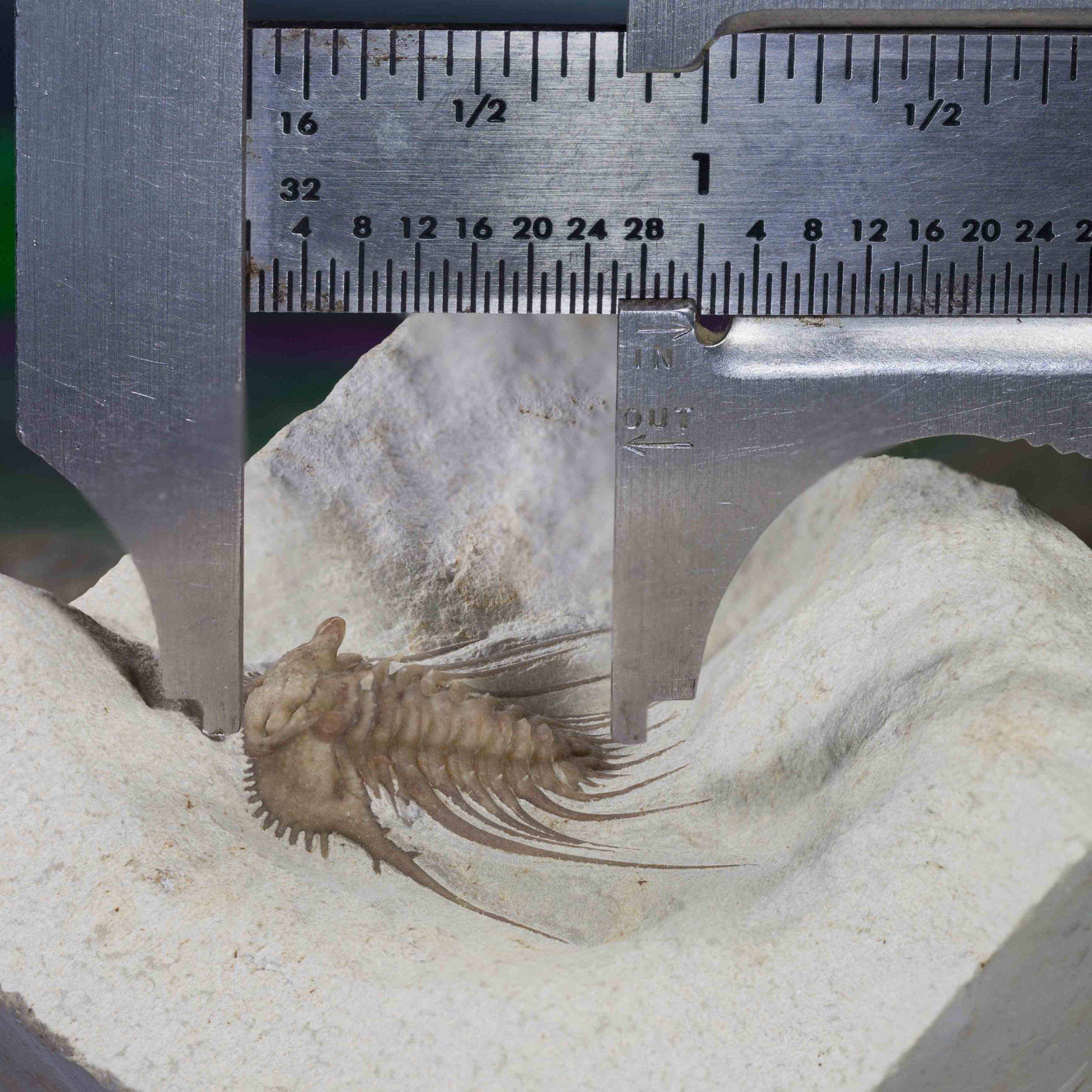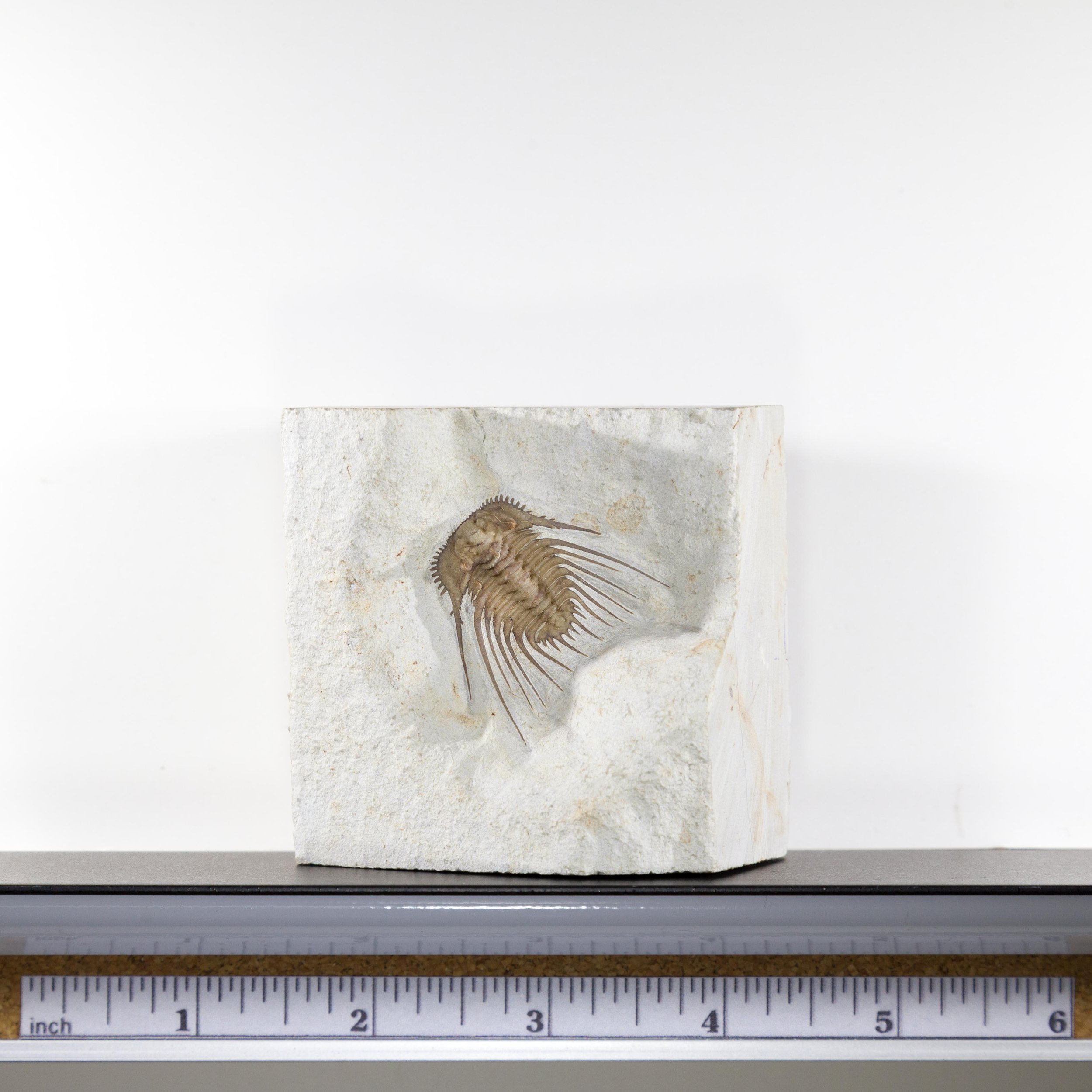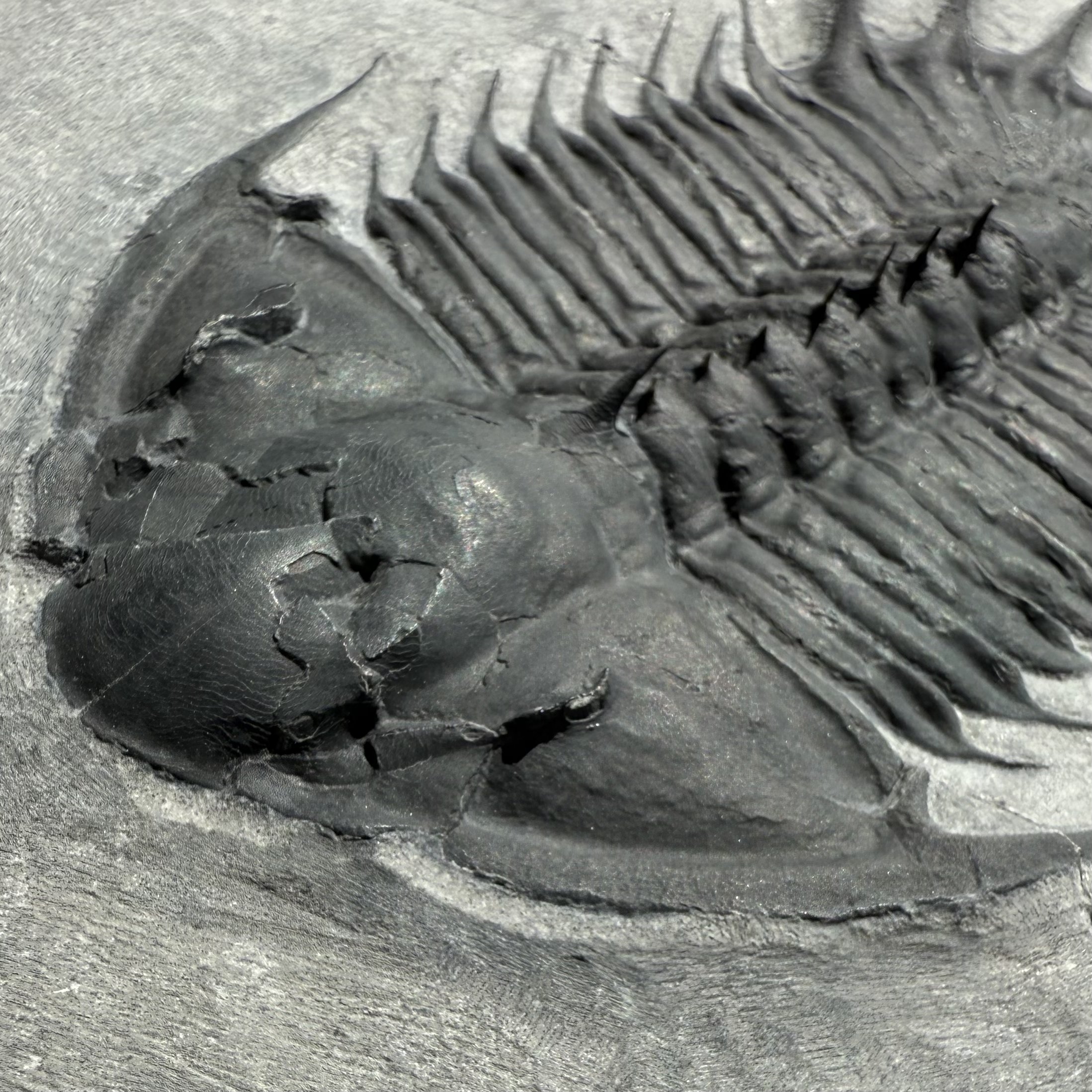
Image 1 of 7
Image 2 of 7
Image 3 of 7
Image 4 of 7
Image 5 of 7
Image 6 of 7
Image 7 of 7
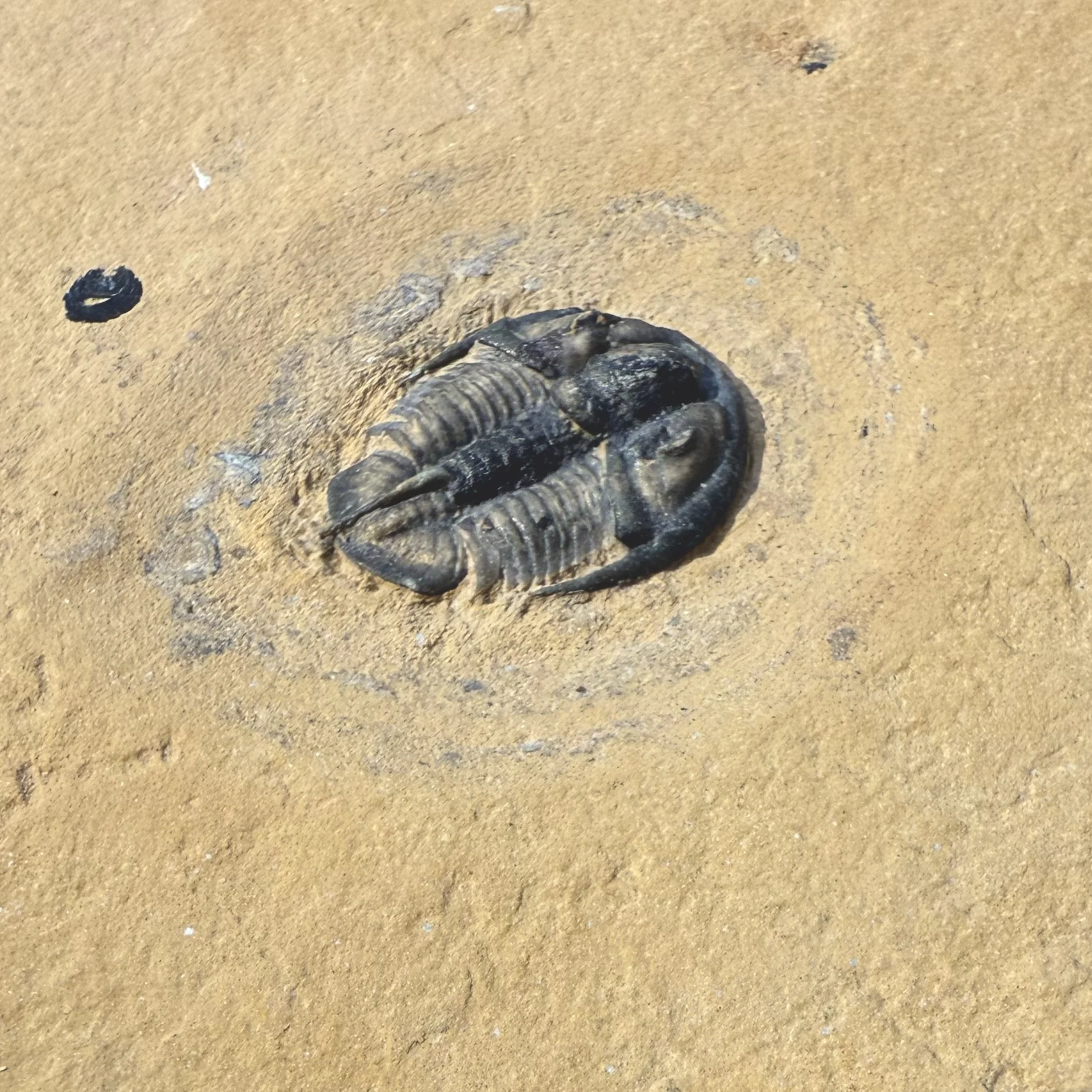
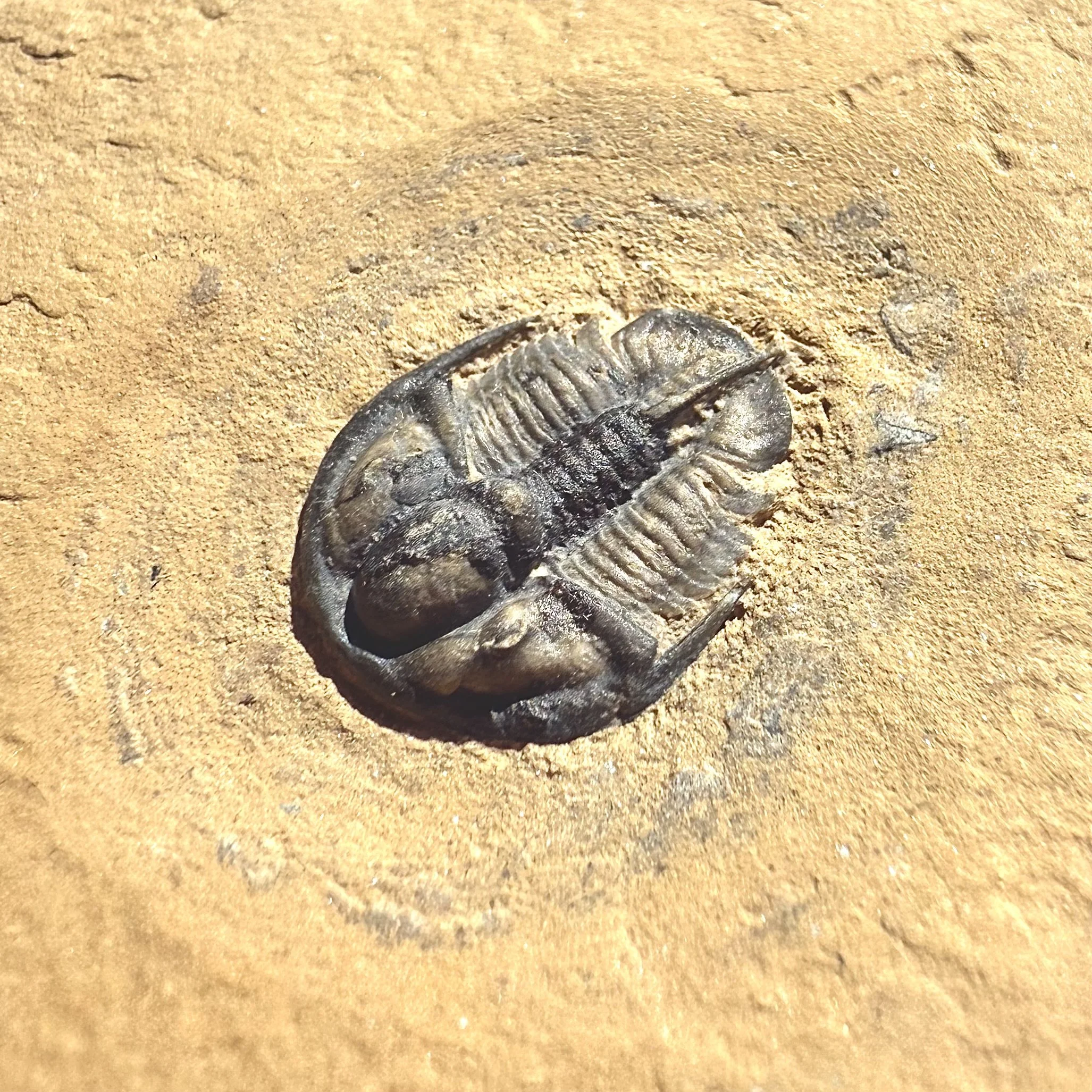
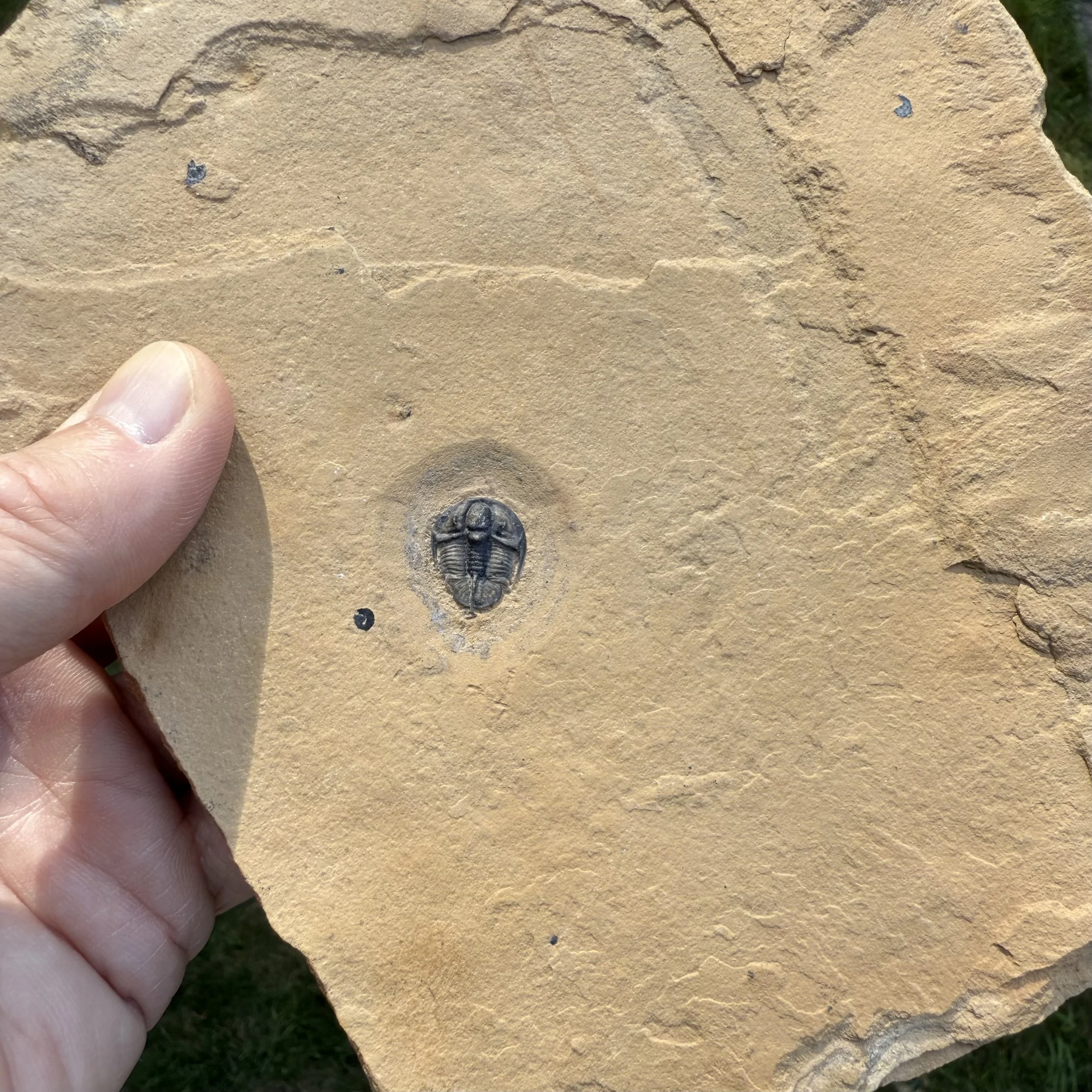
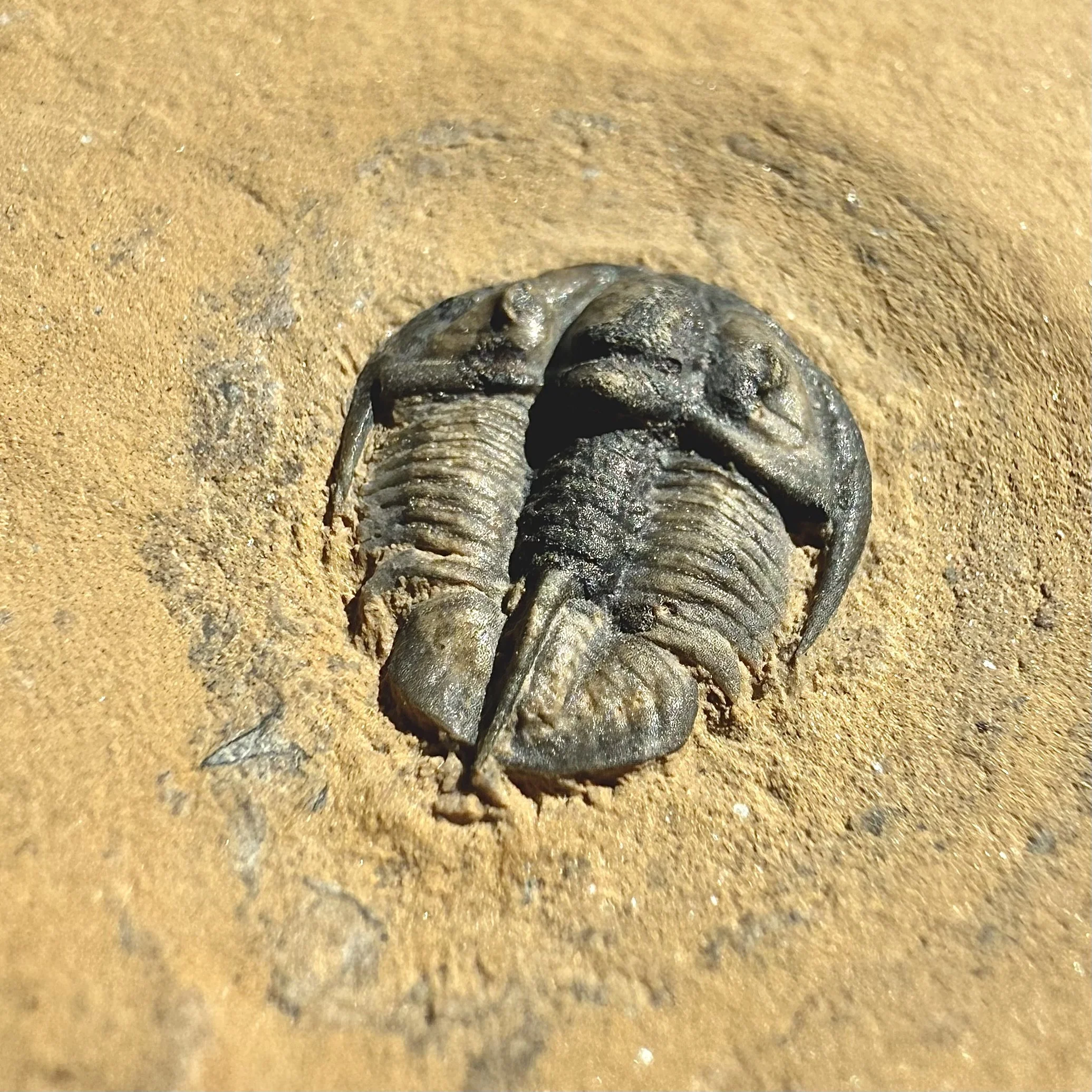
Quadrops flexuosa
Vendor: Fossil Soup
SKU Number: SQ7741316
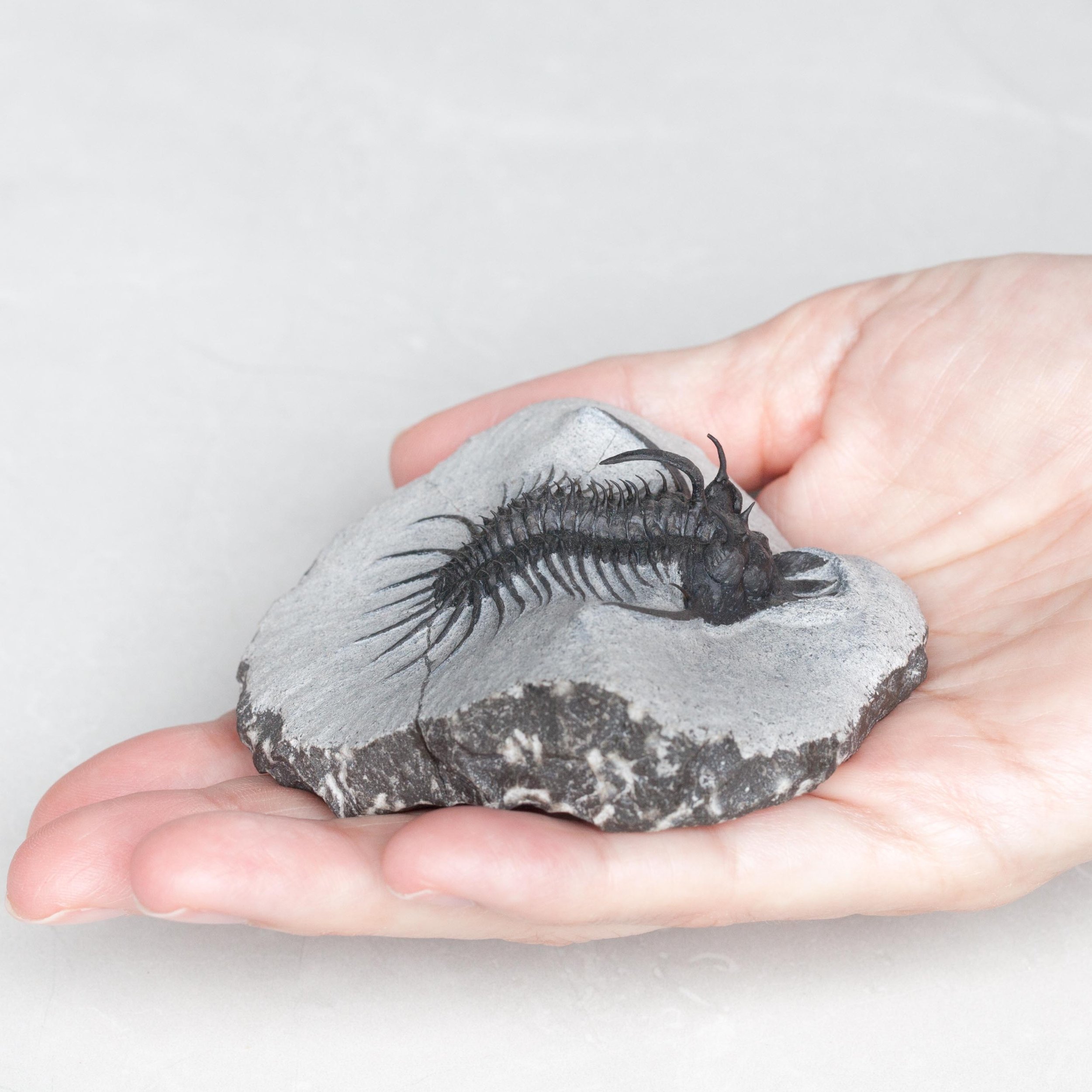
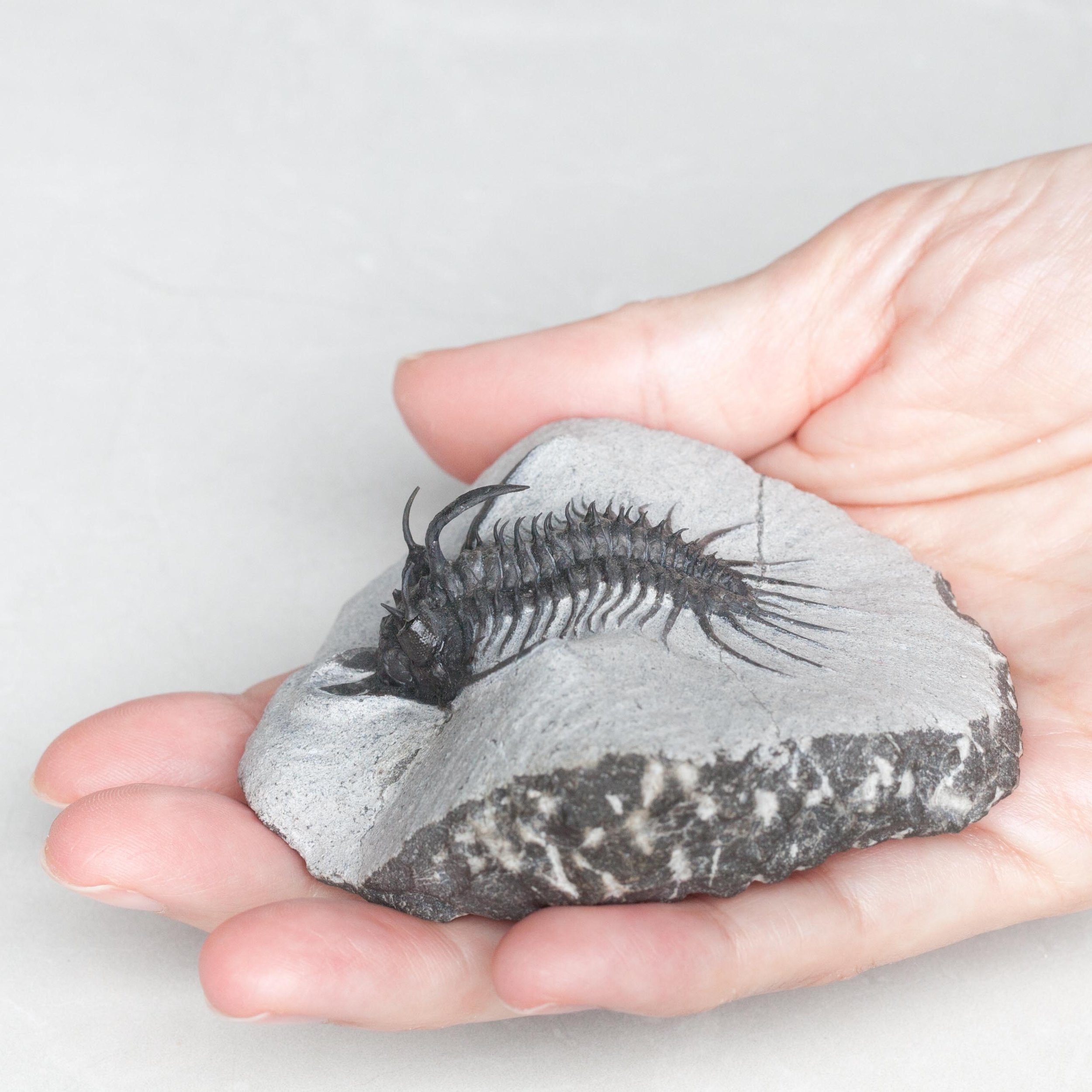
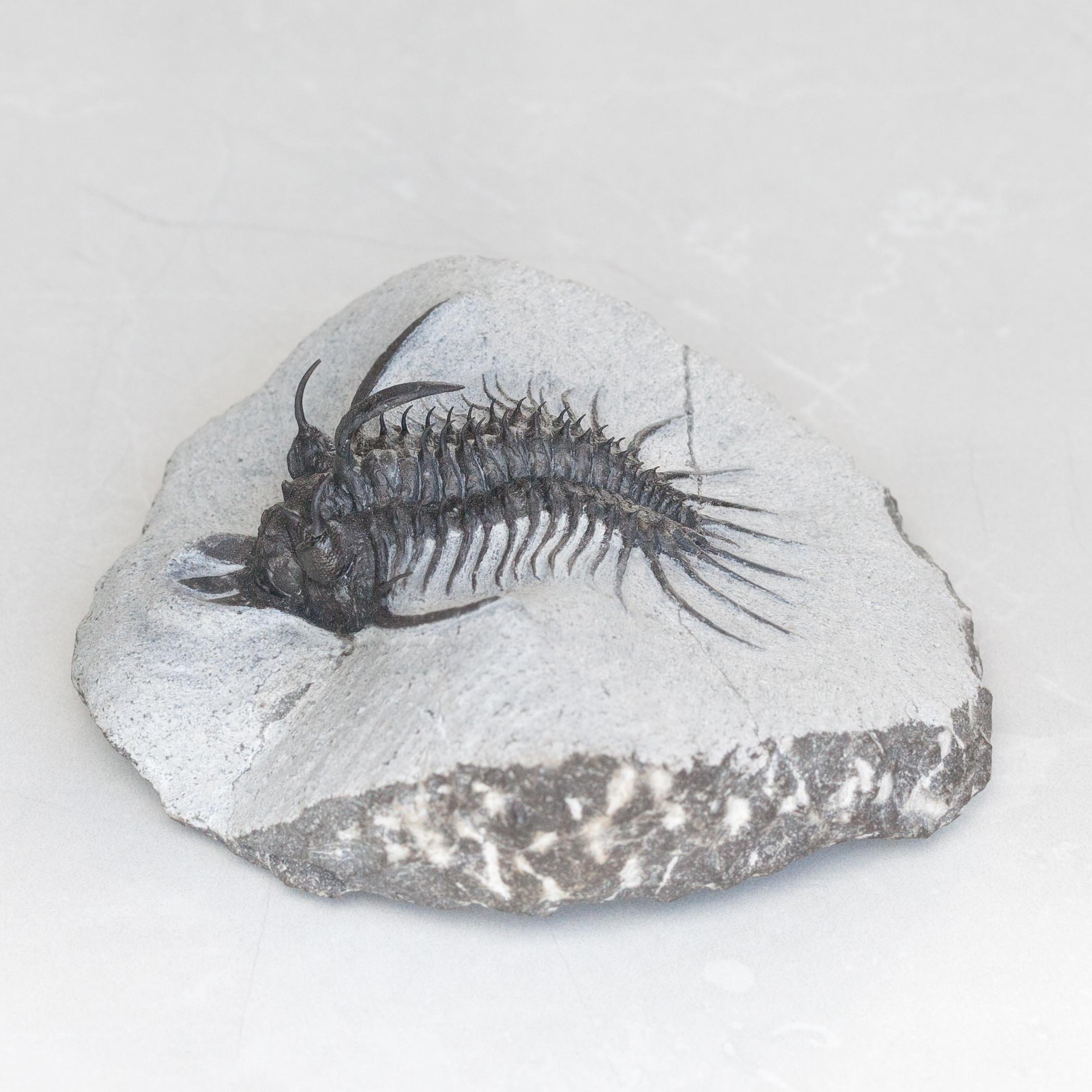
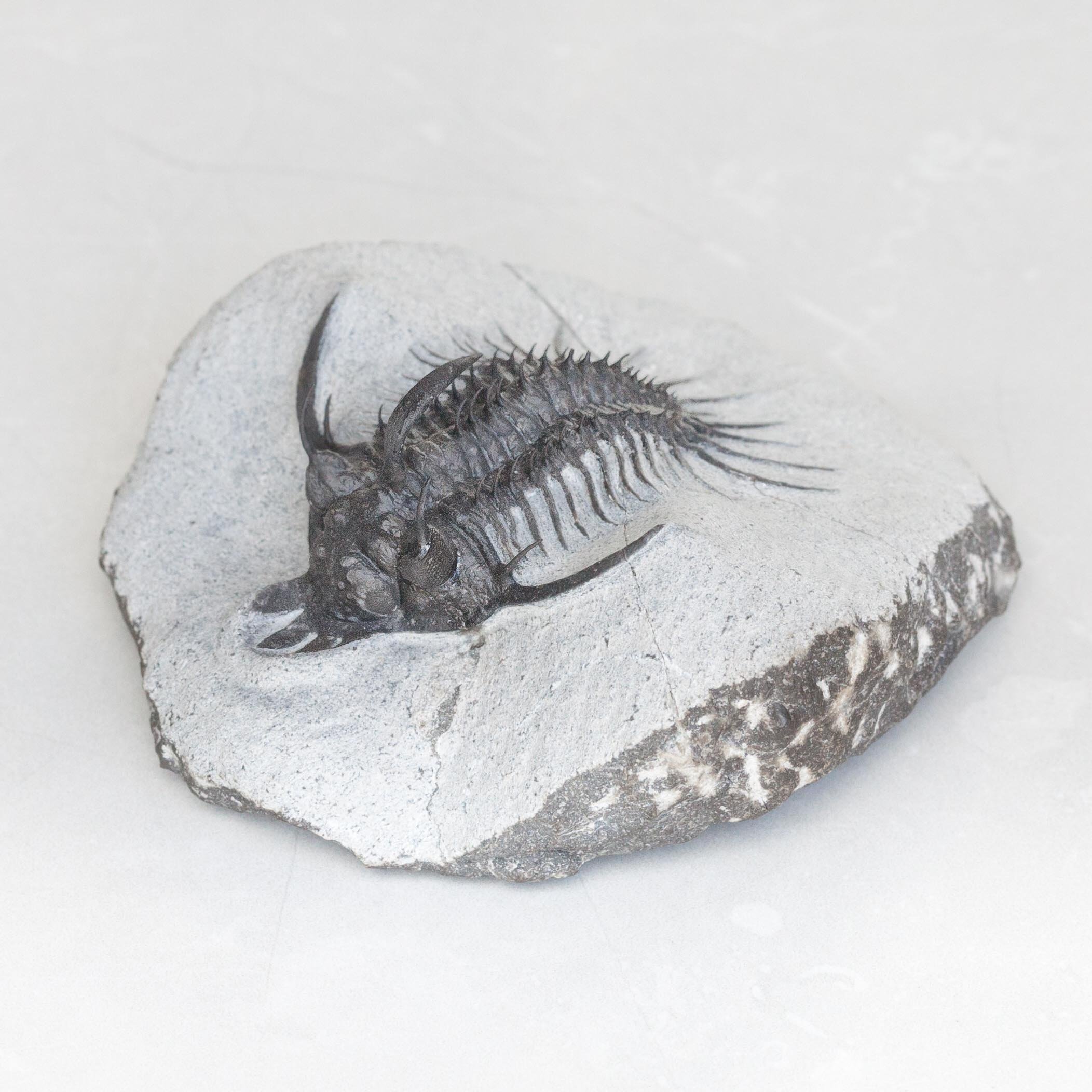
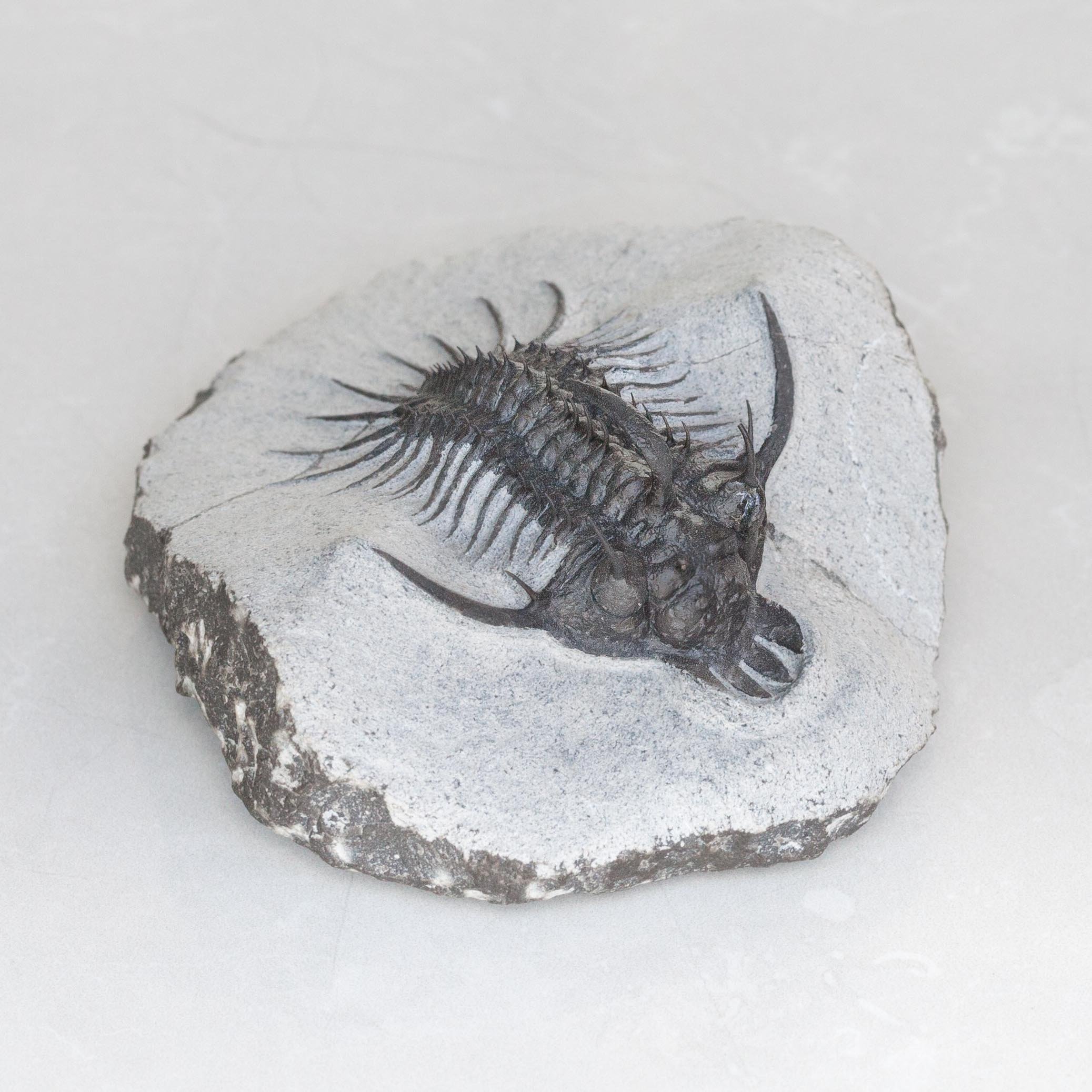
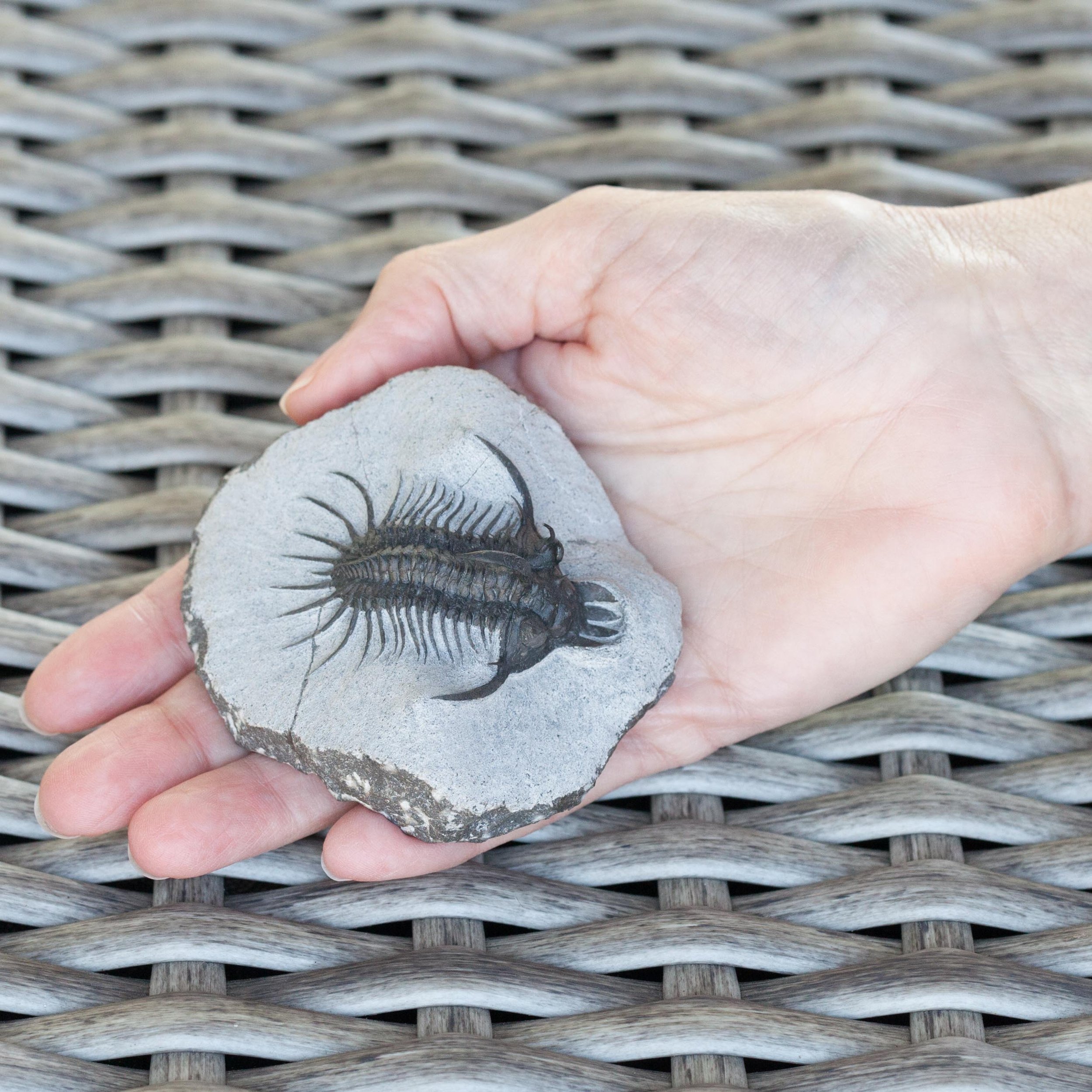
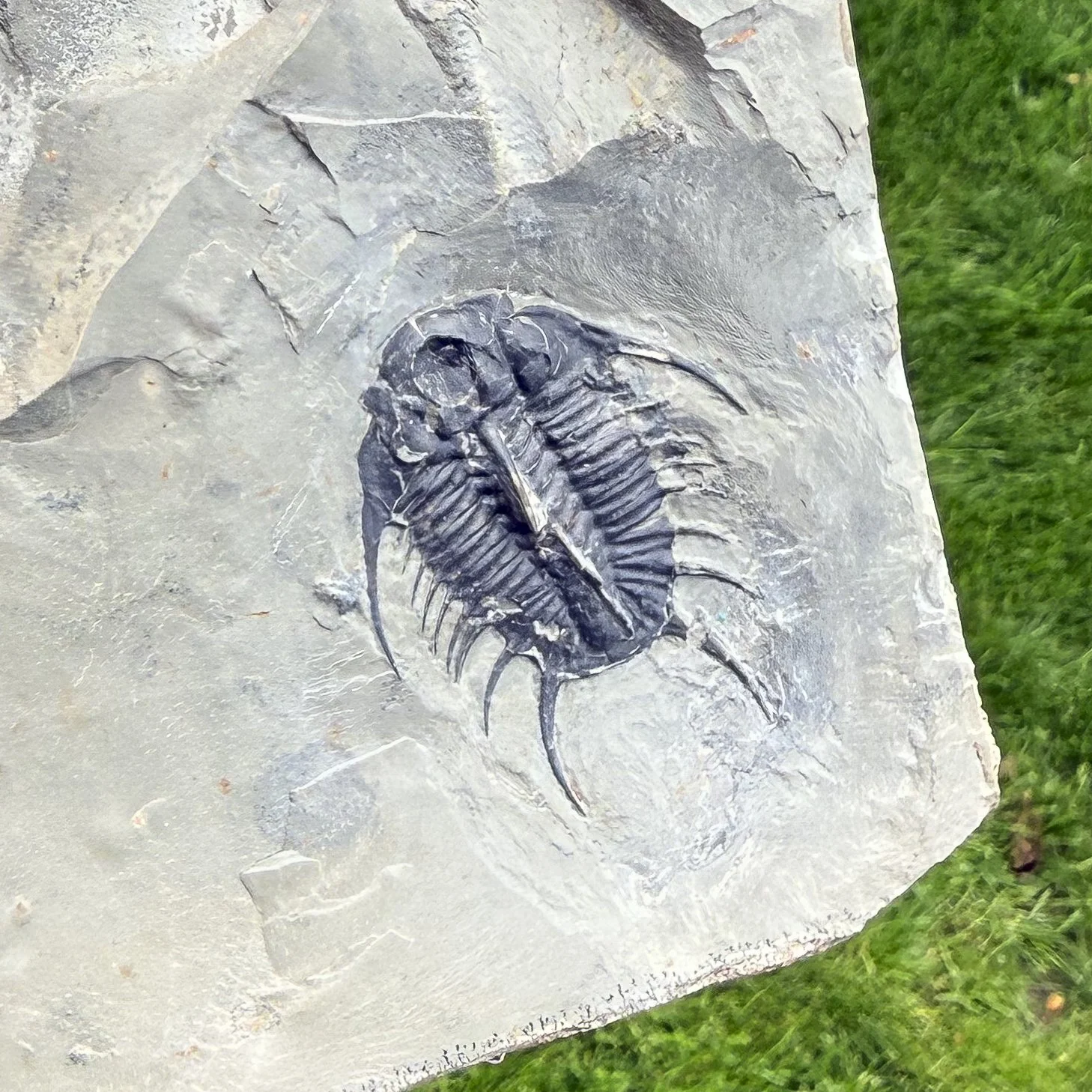
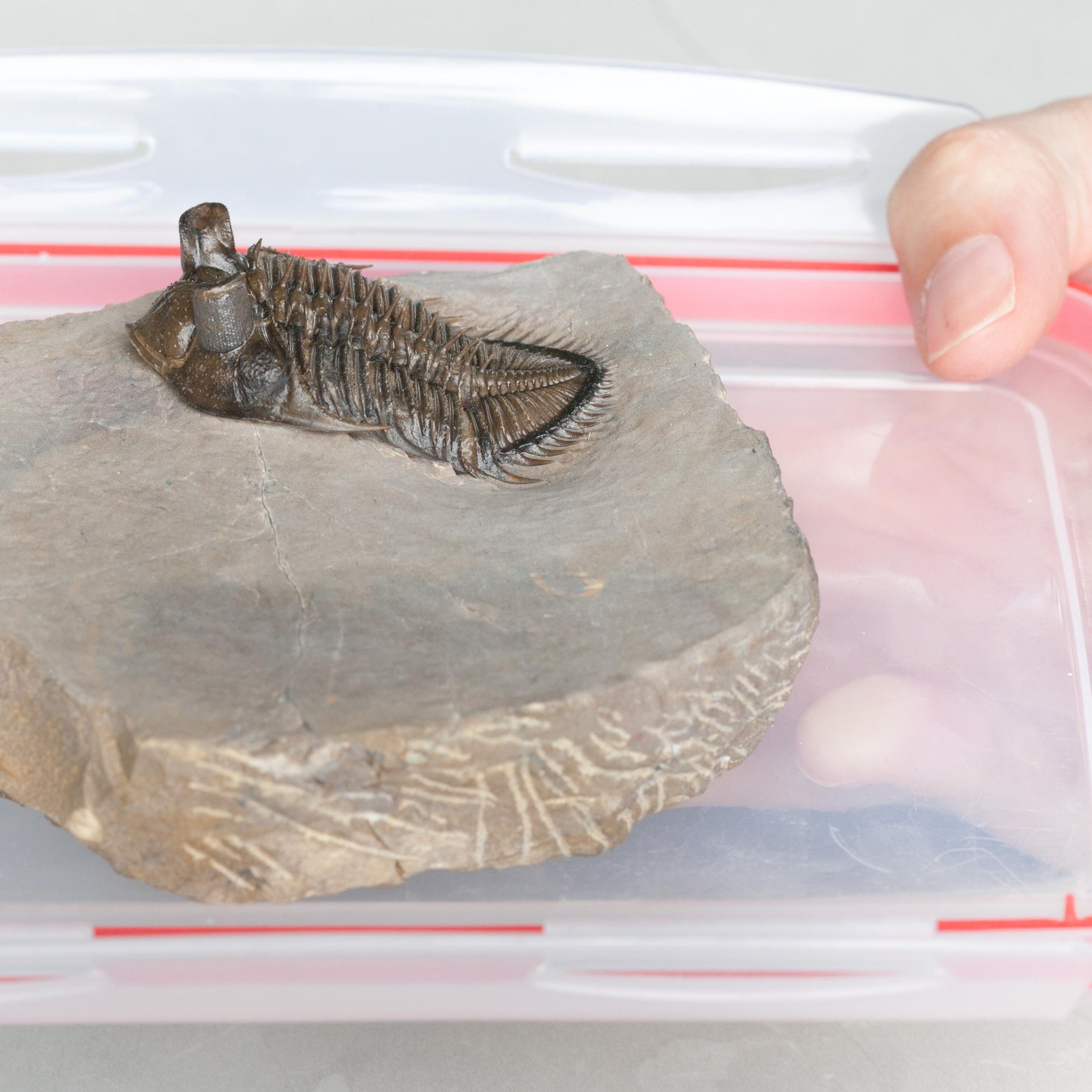
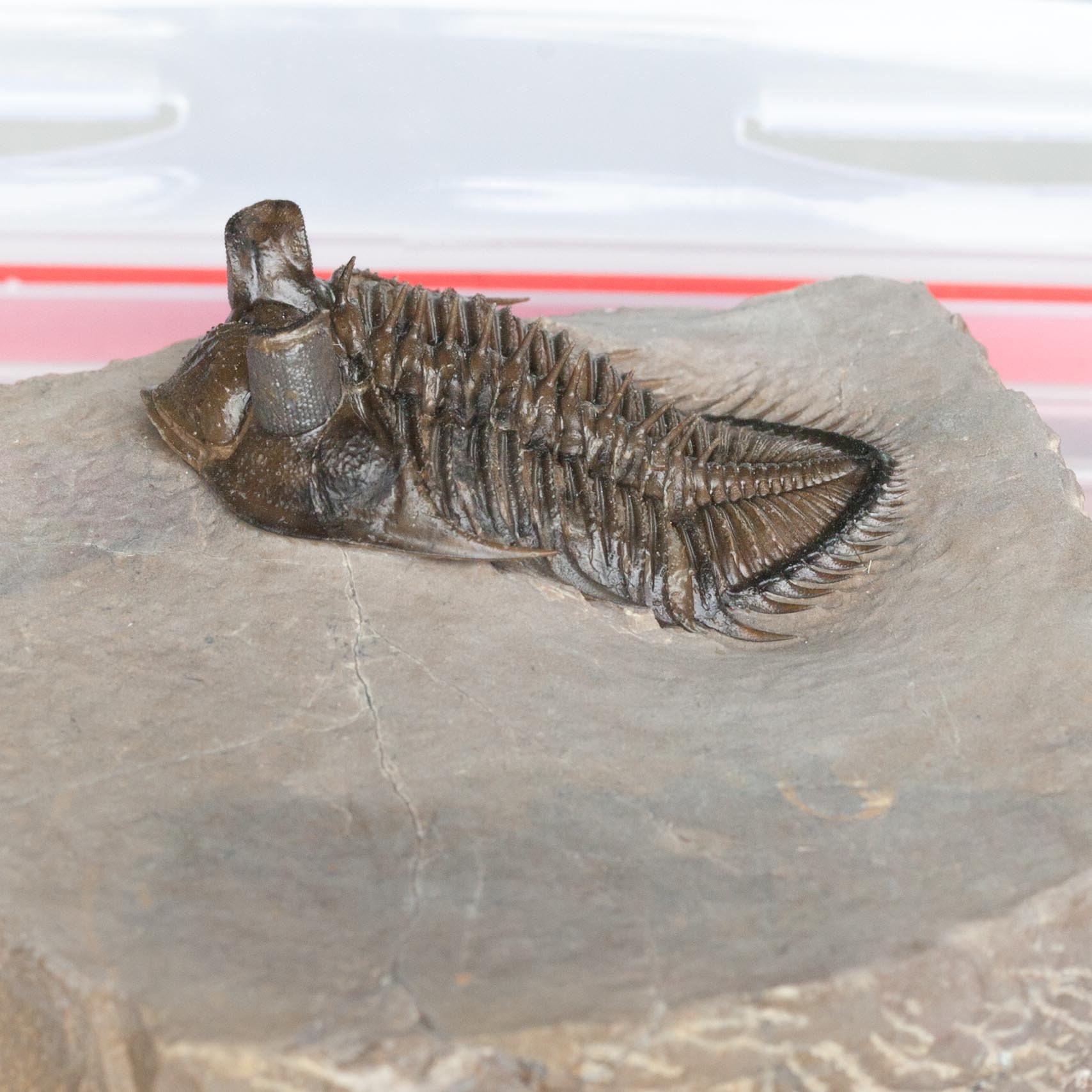
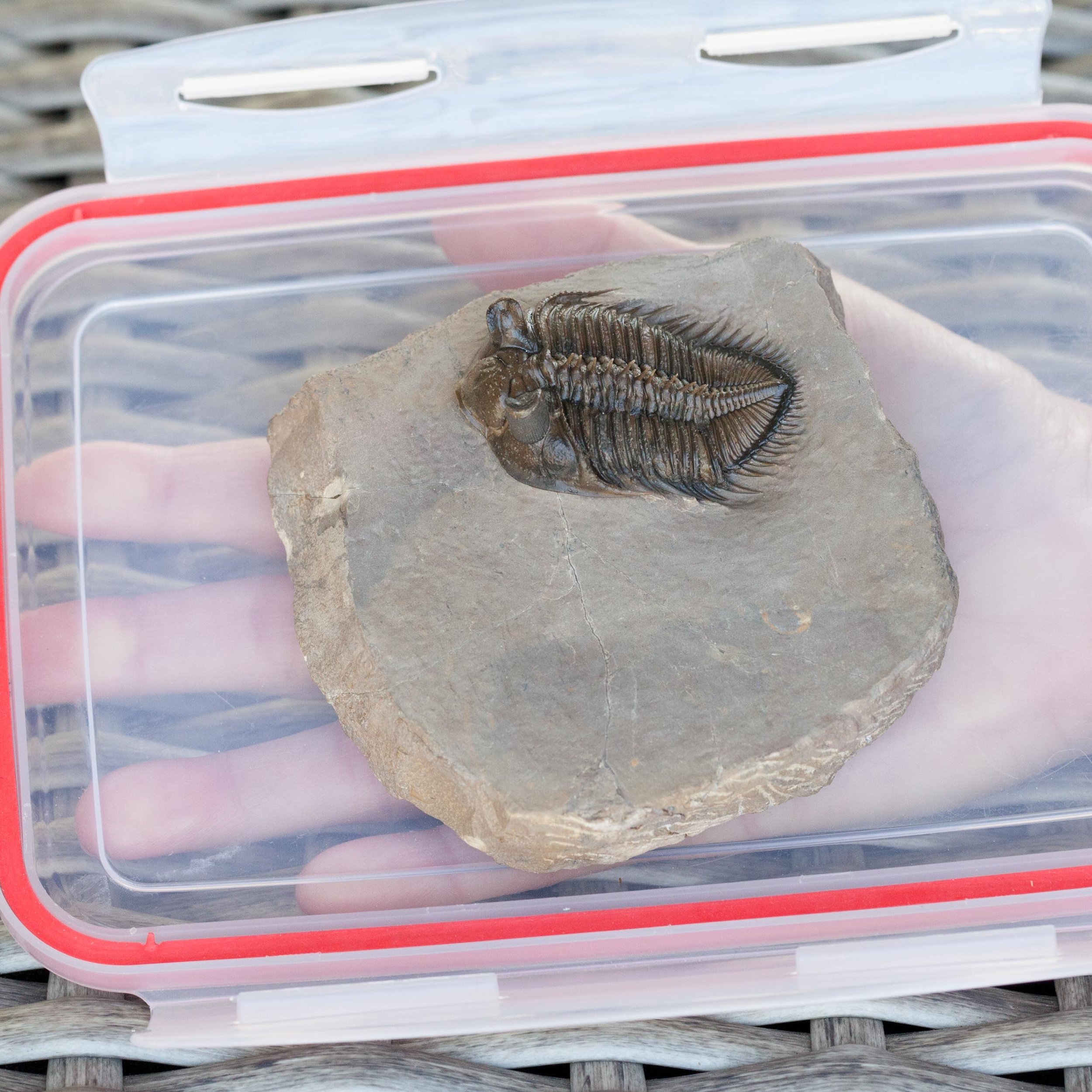
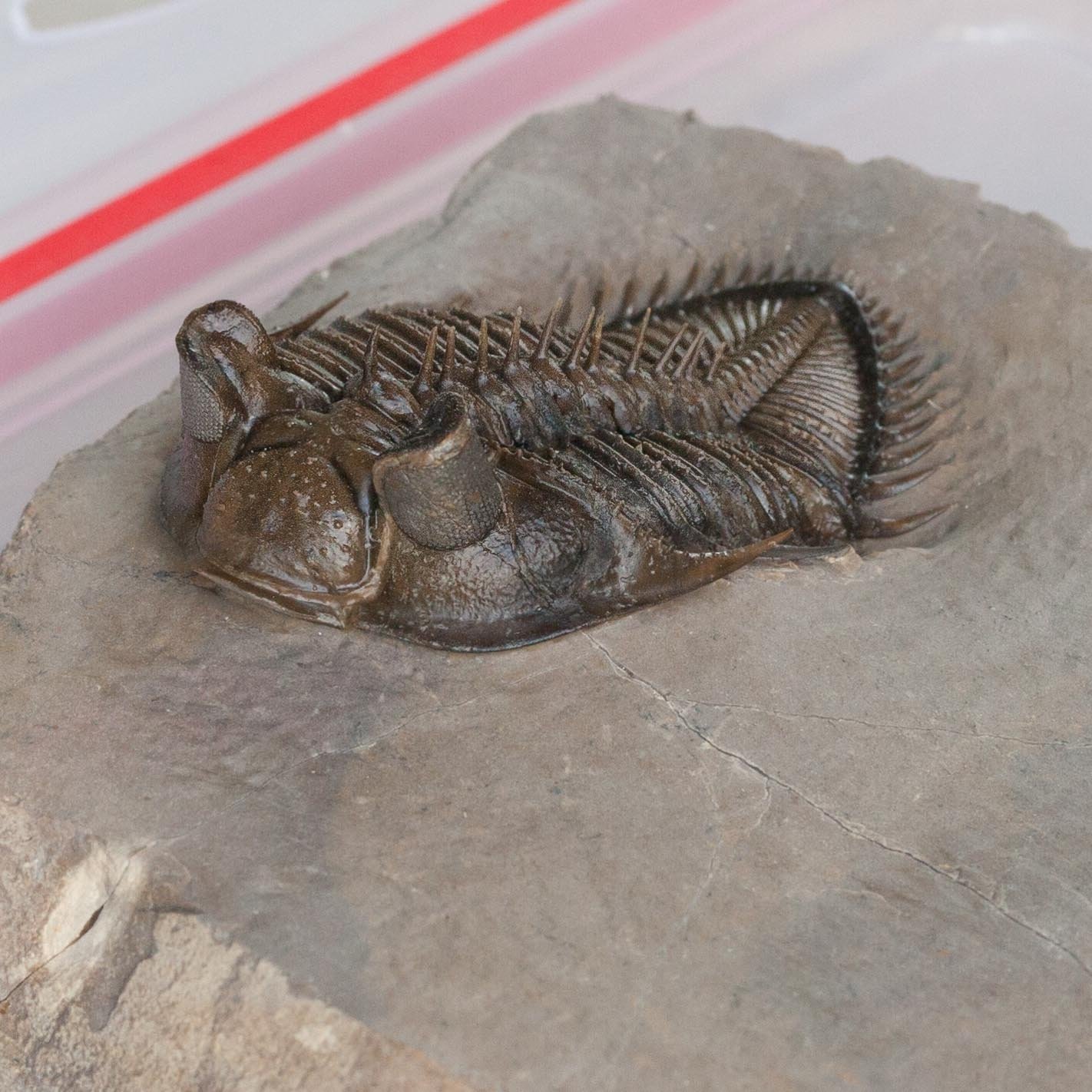
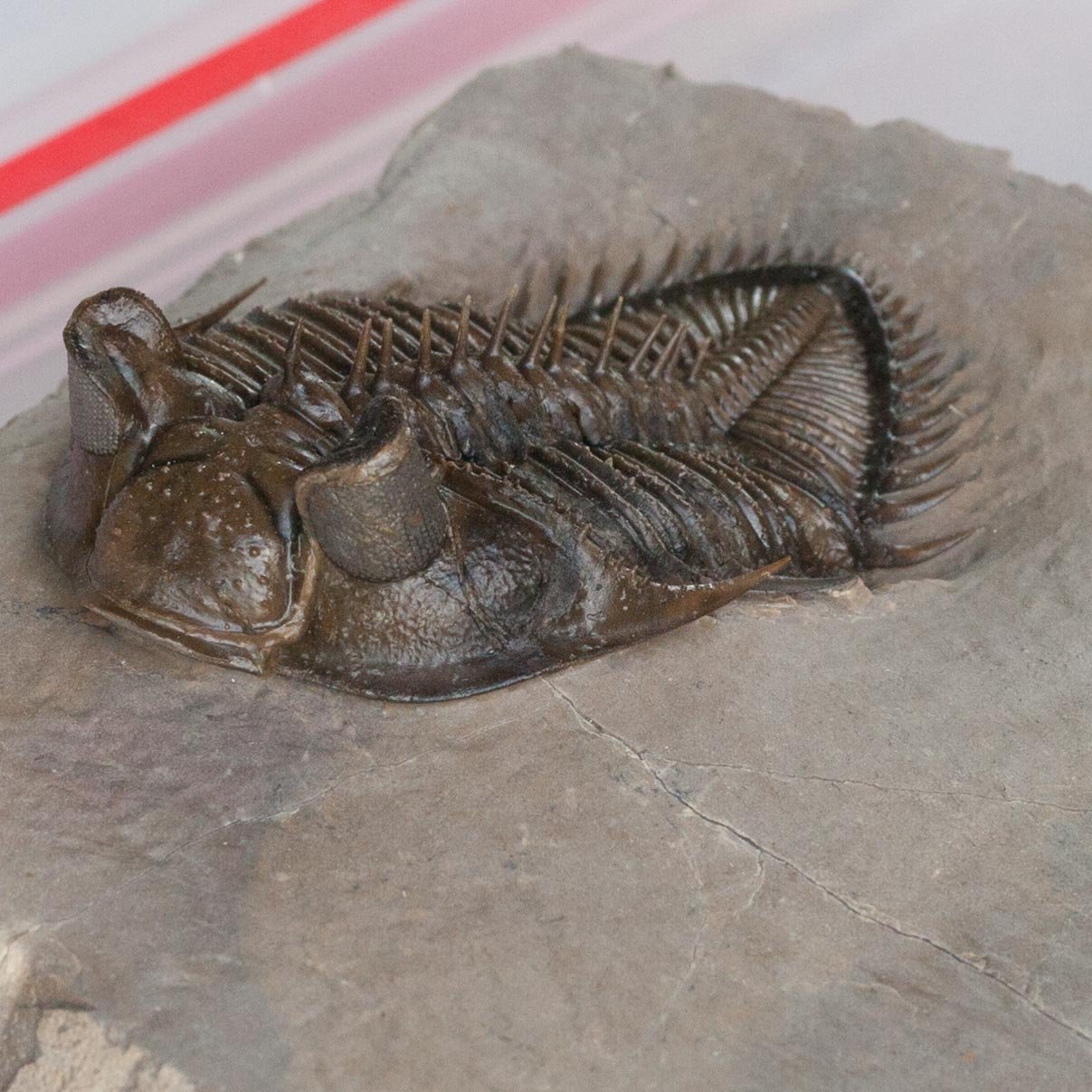
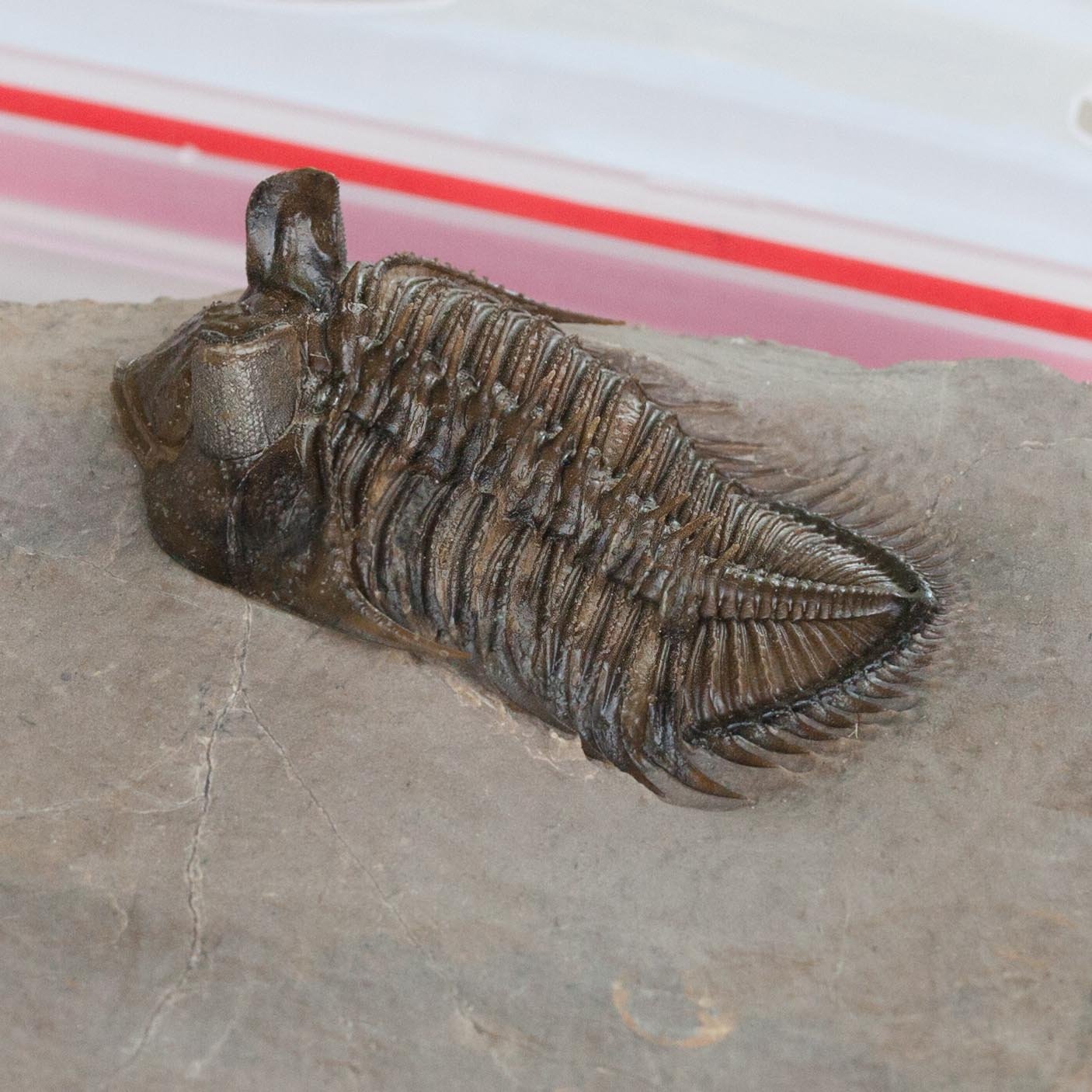
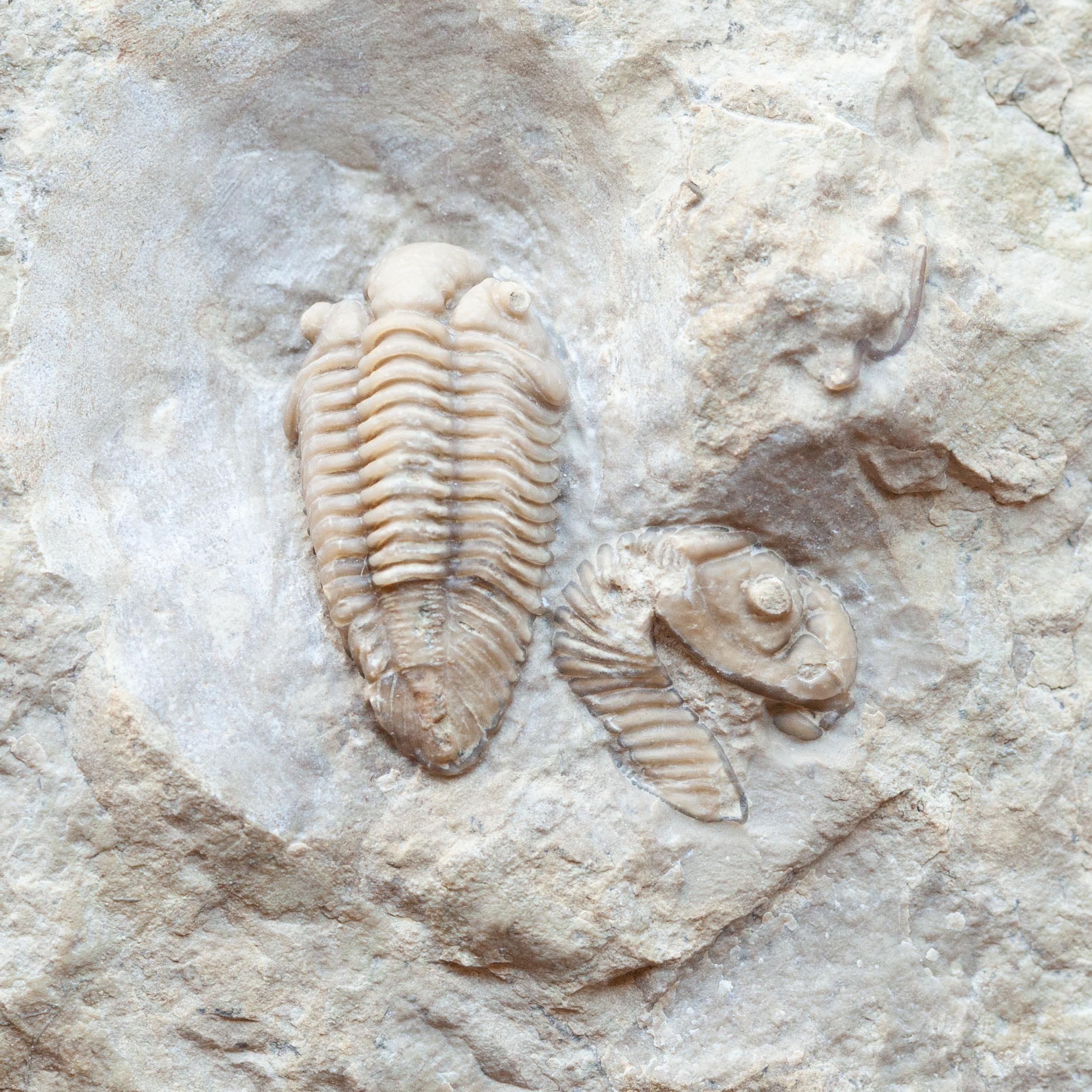
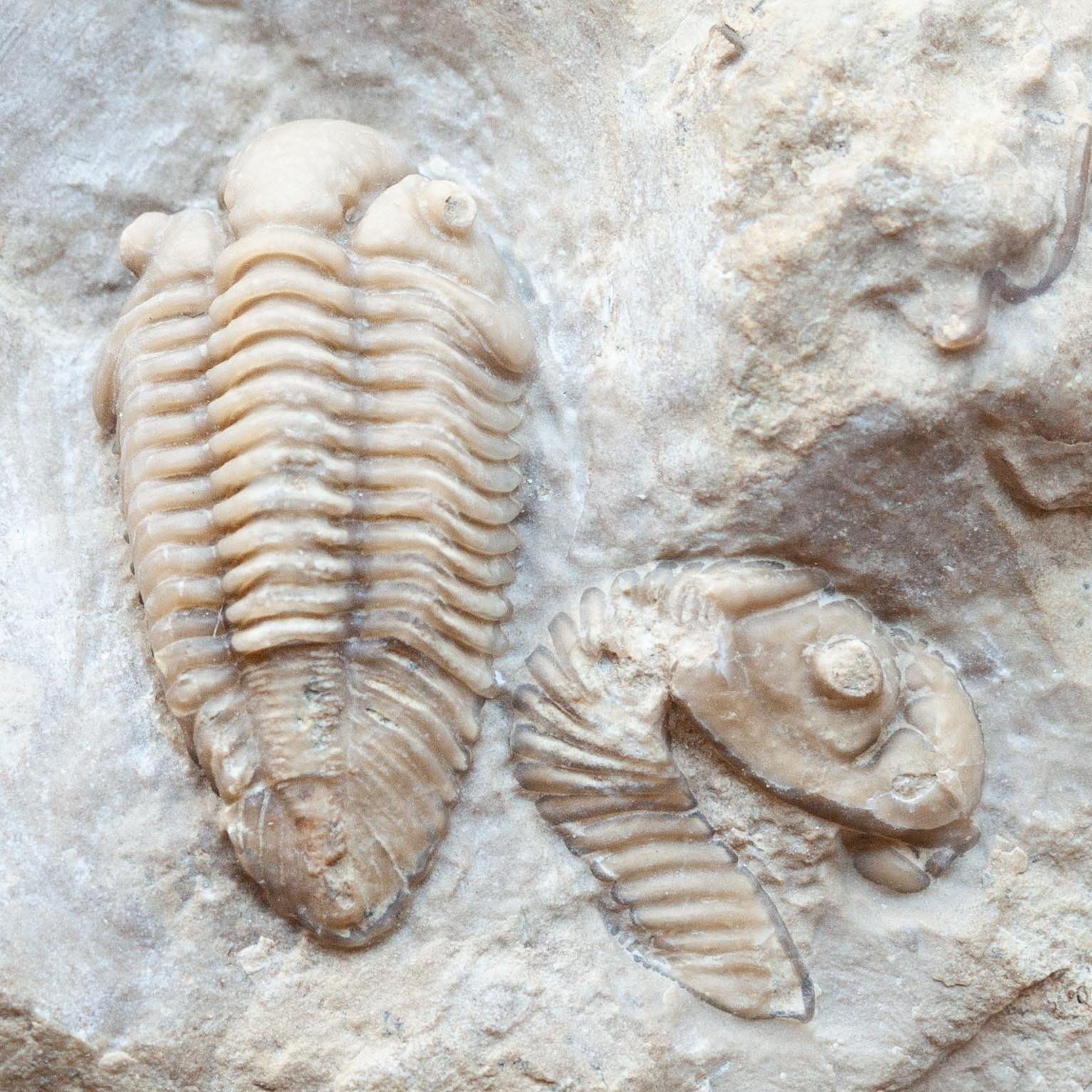
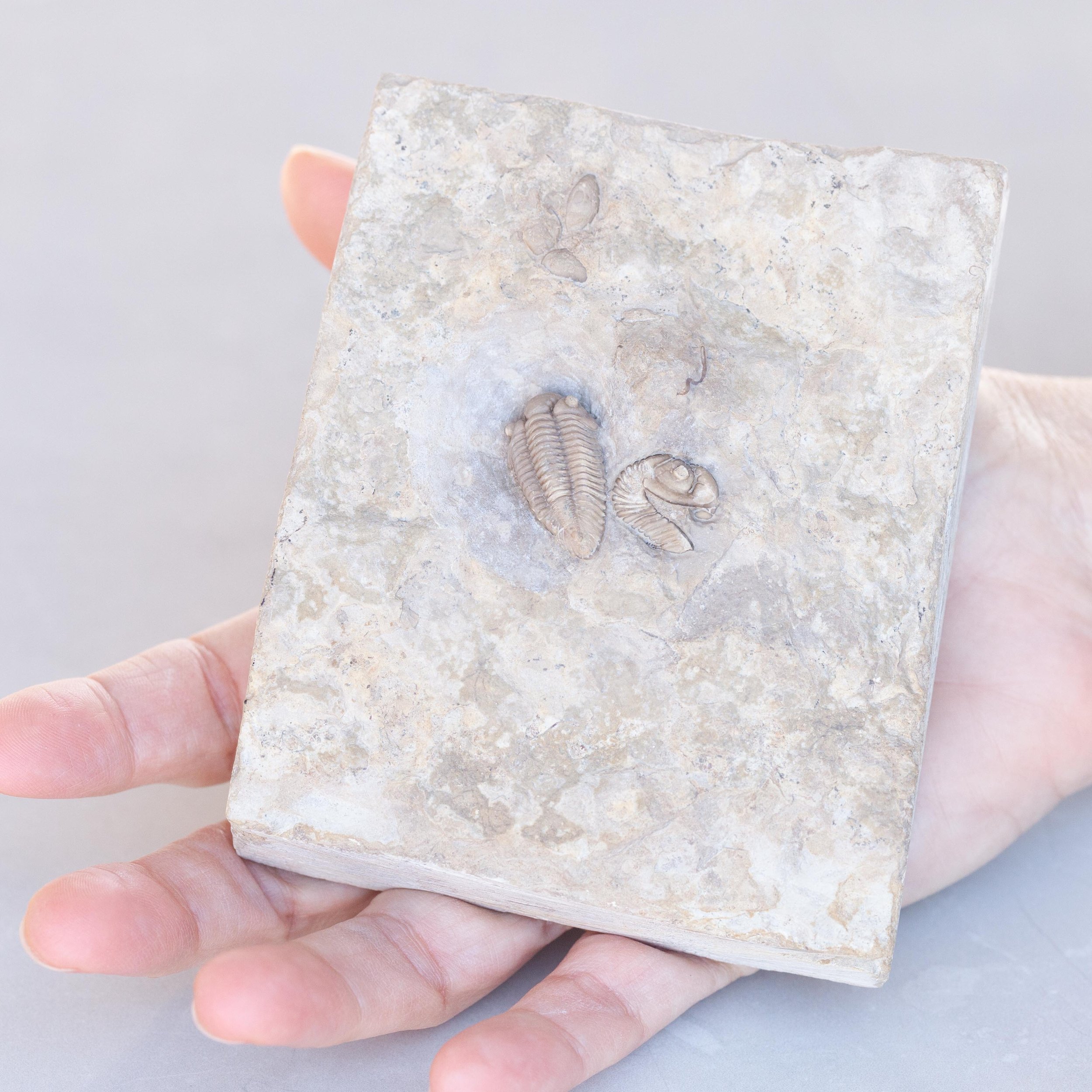
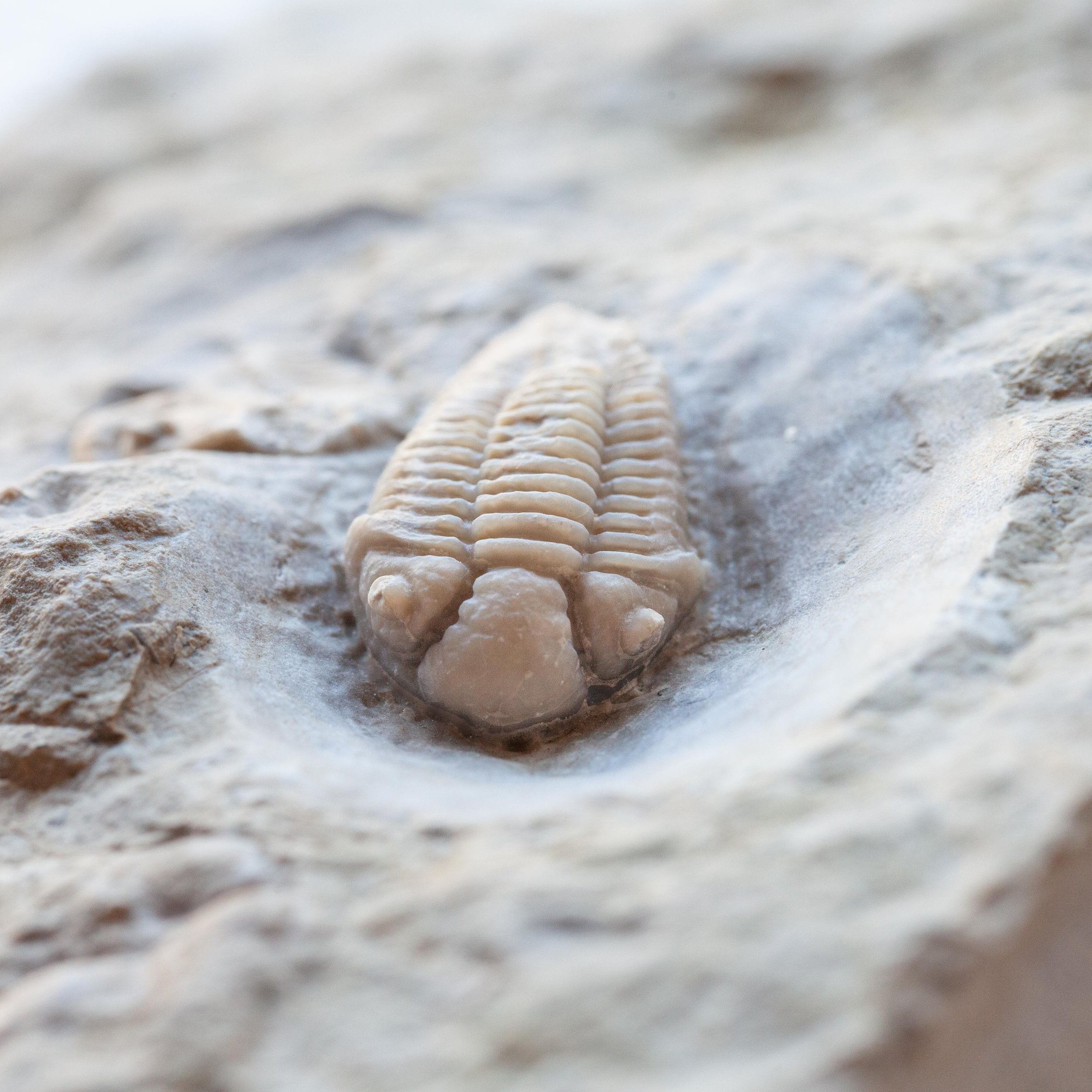
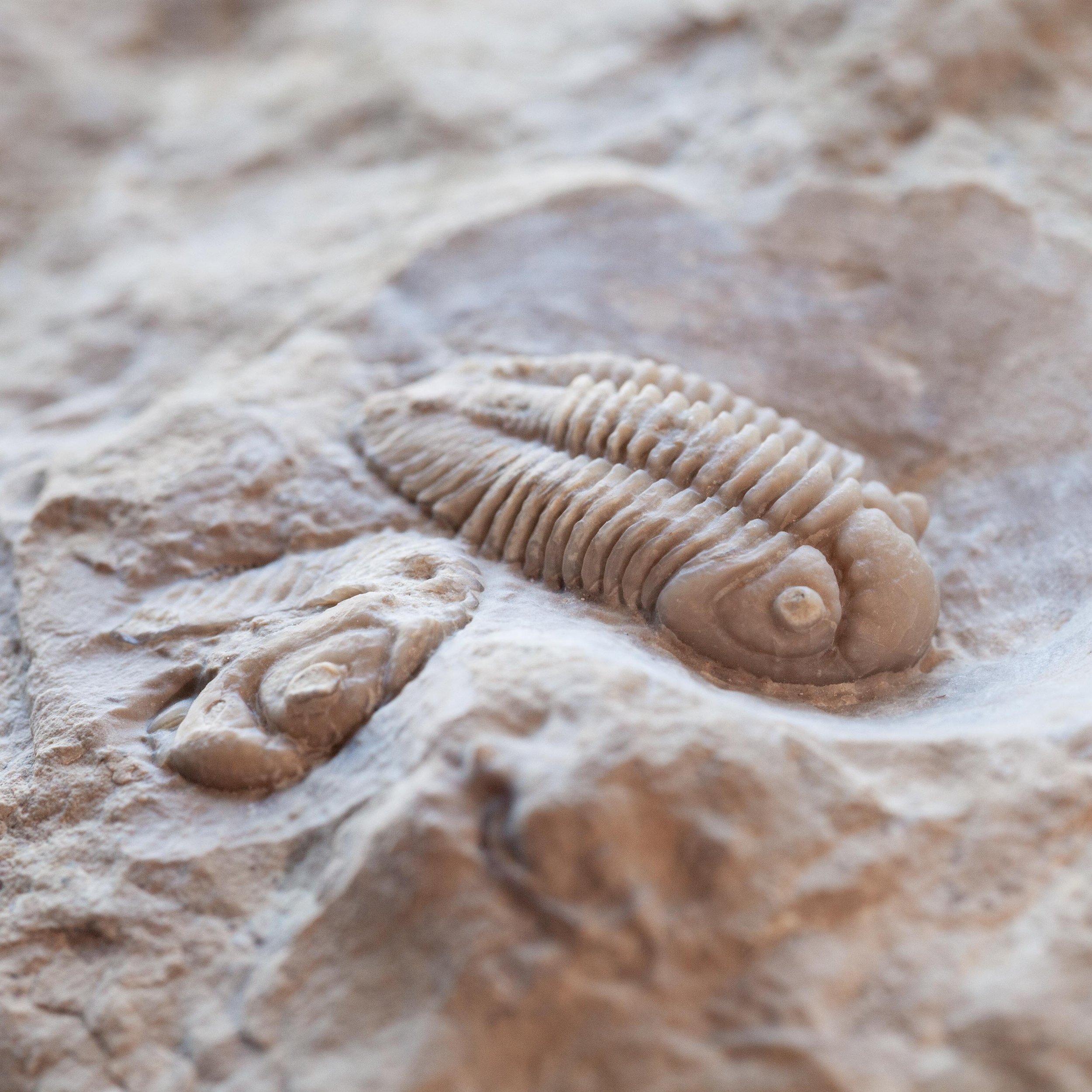
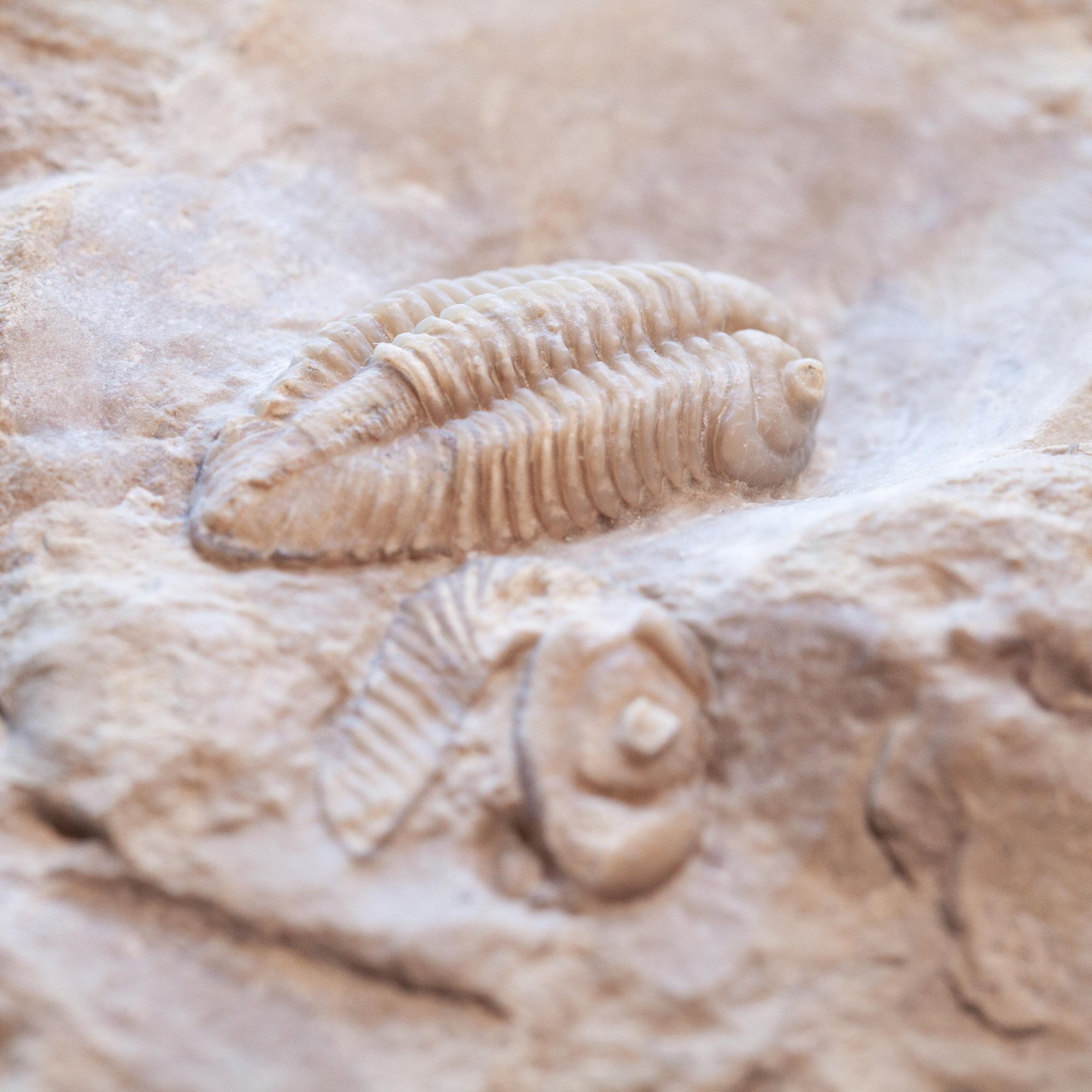
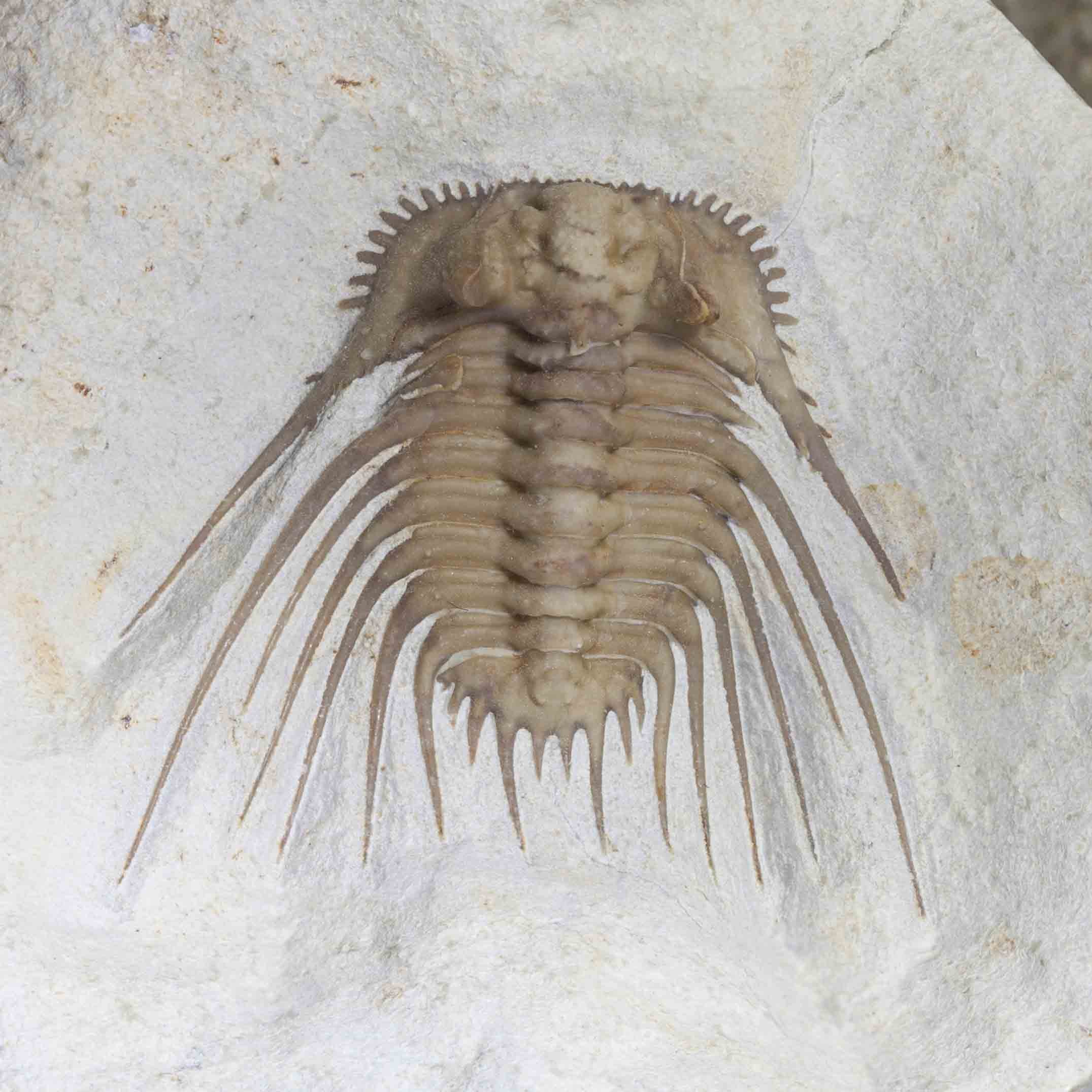
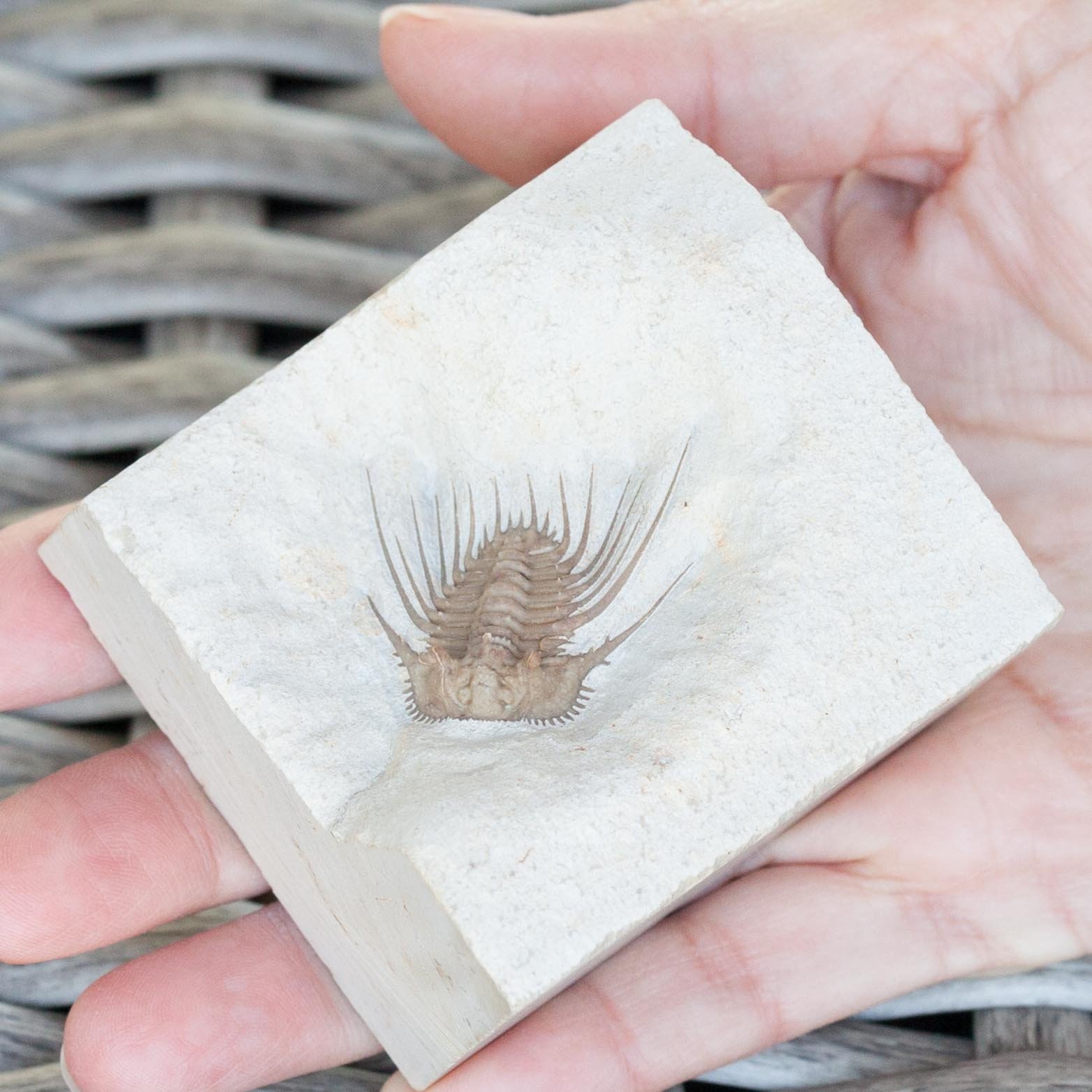
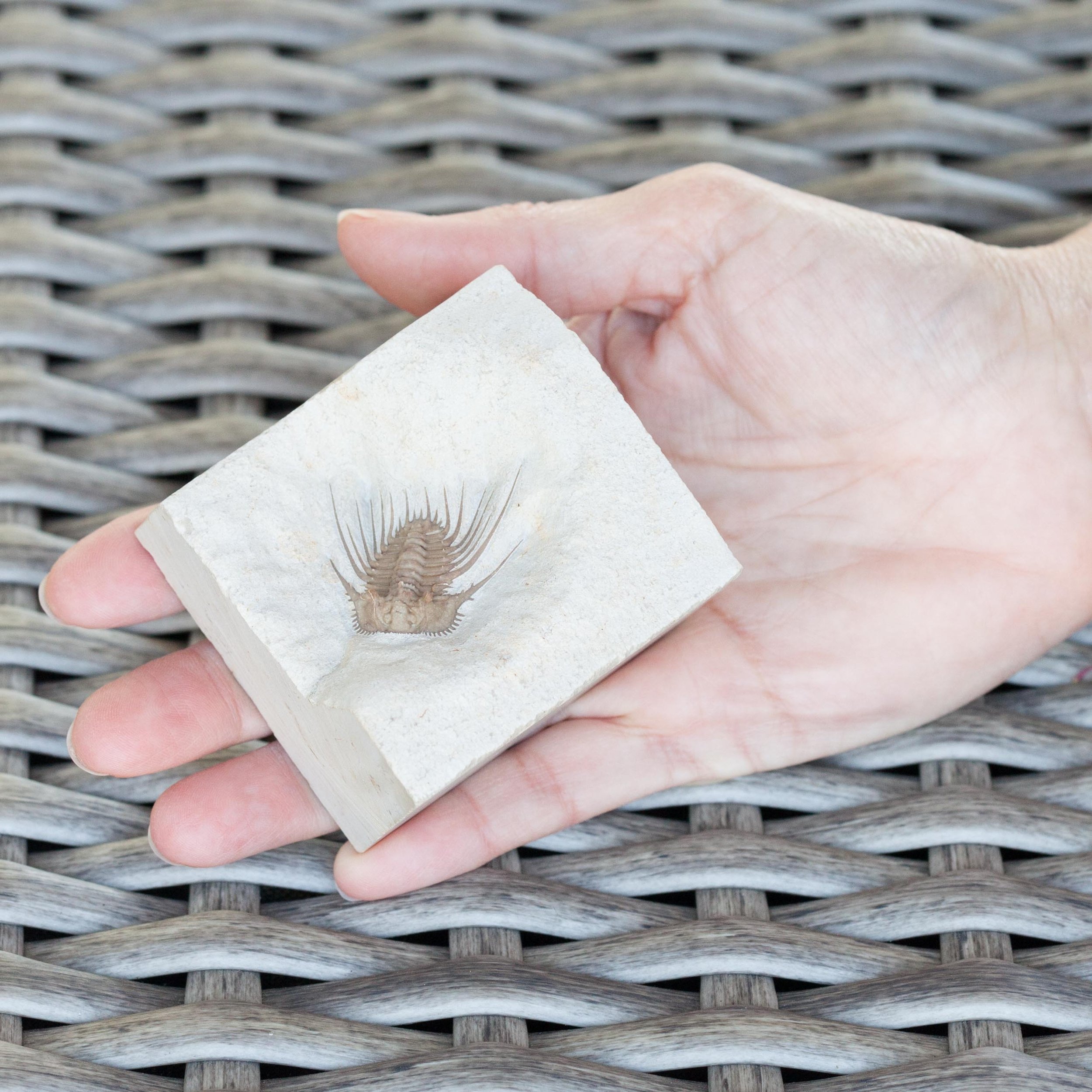
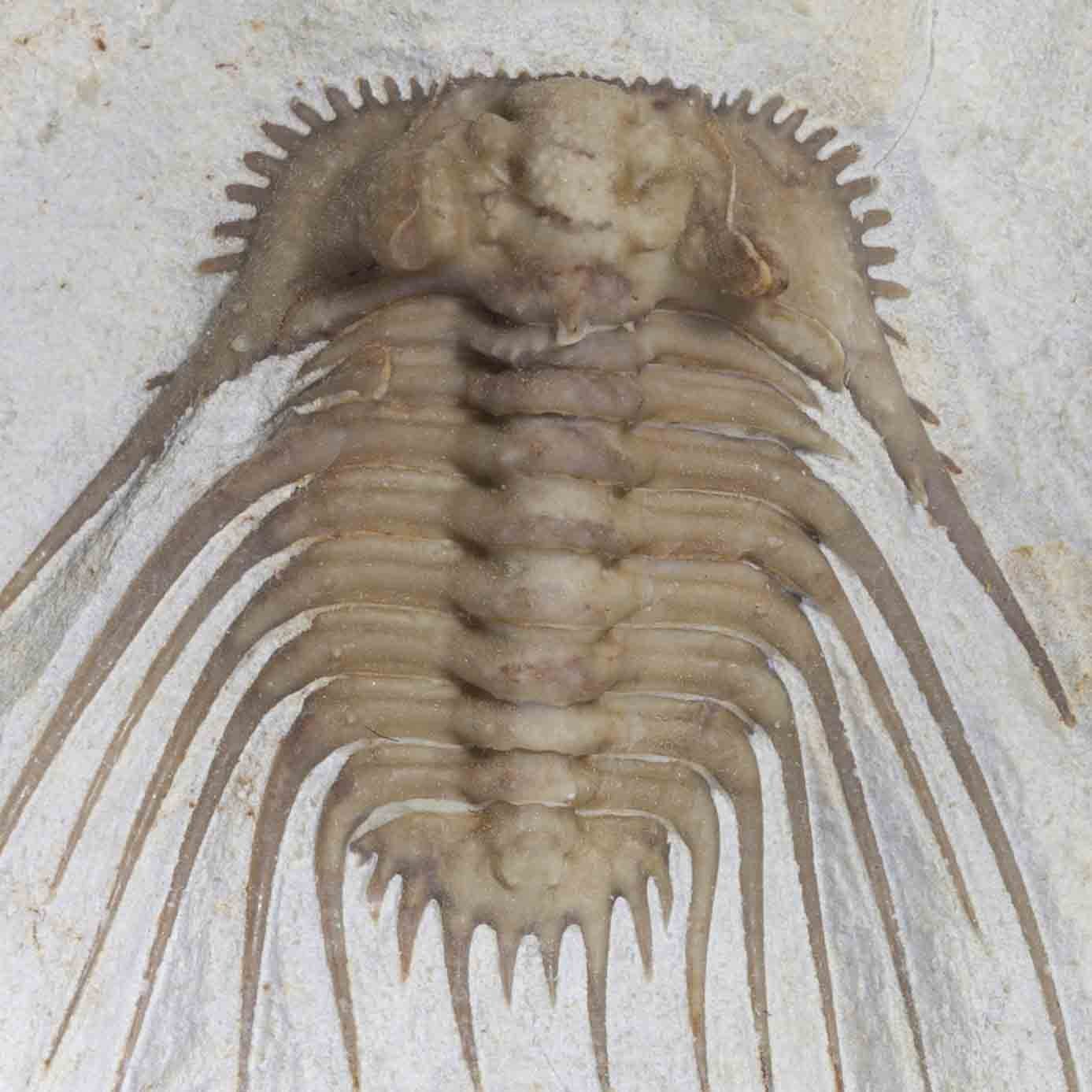
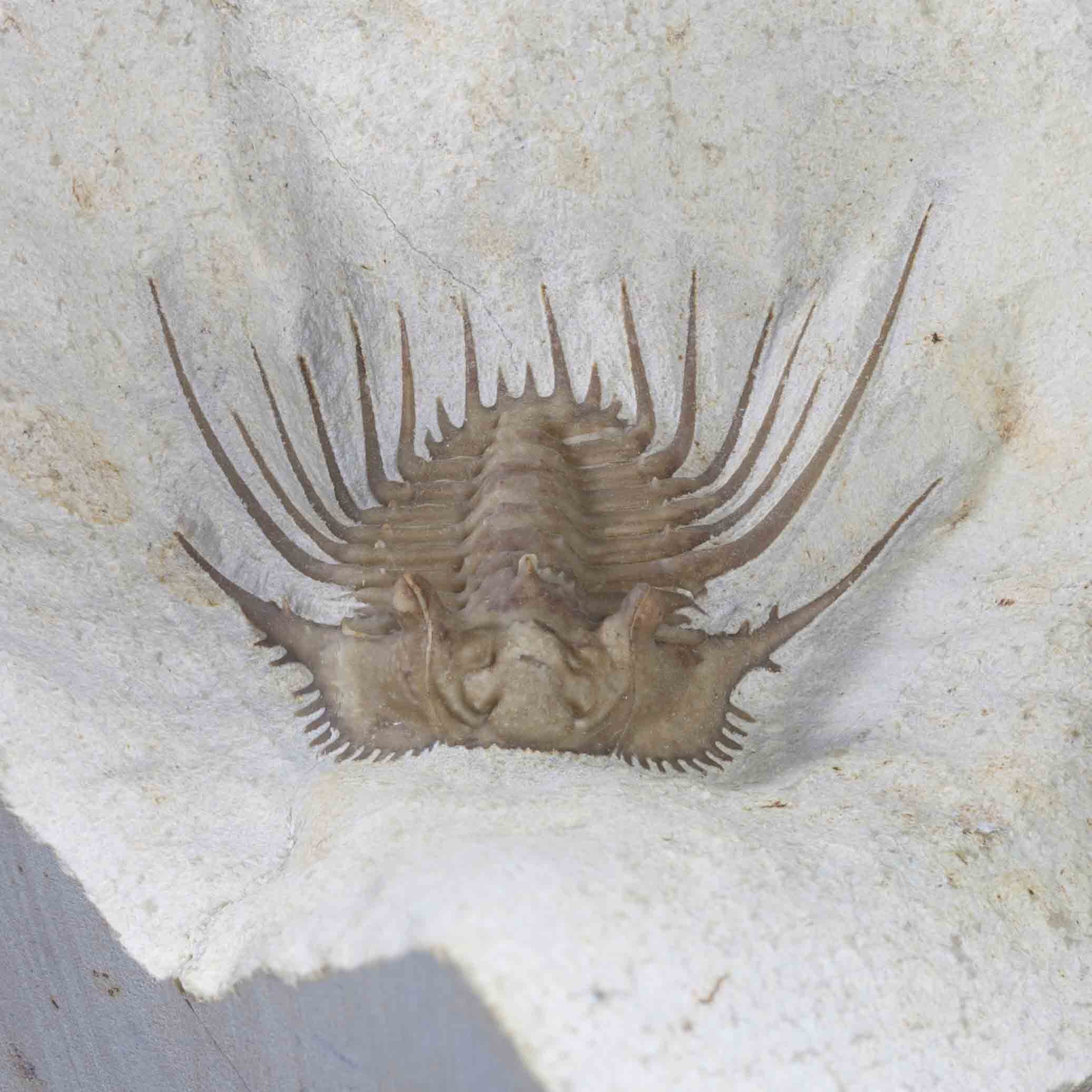
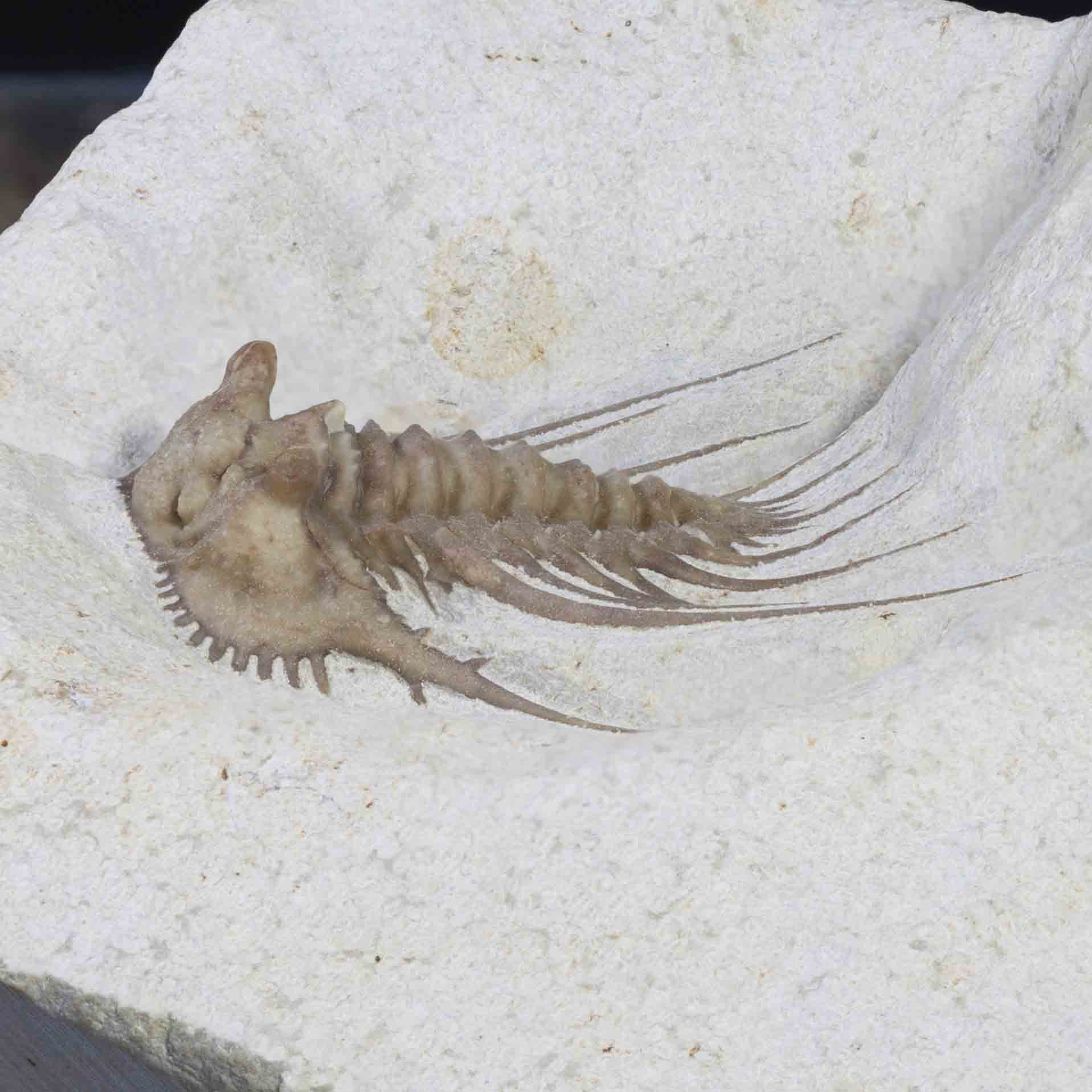
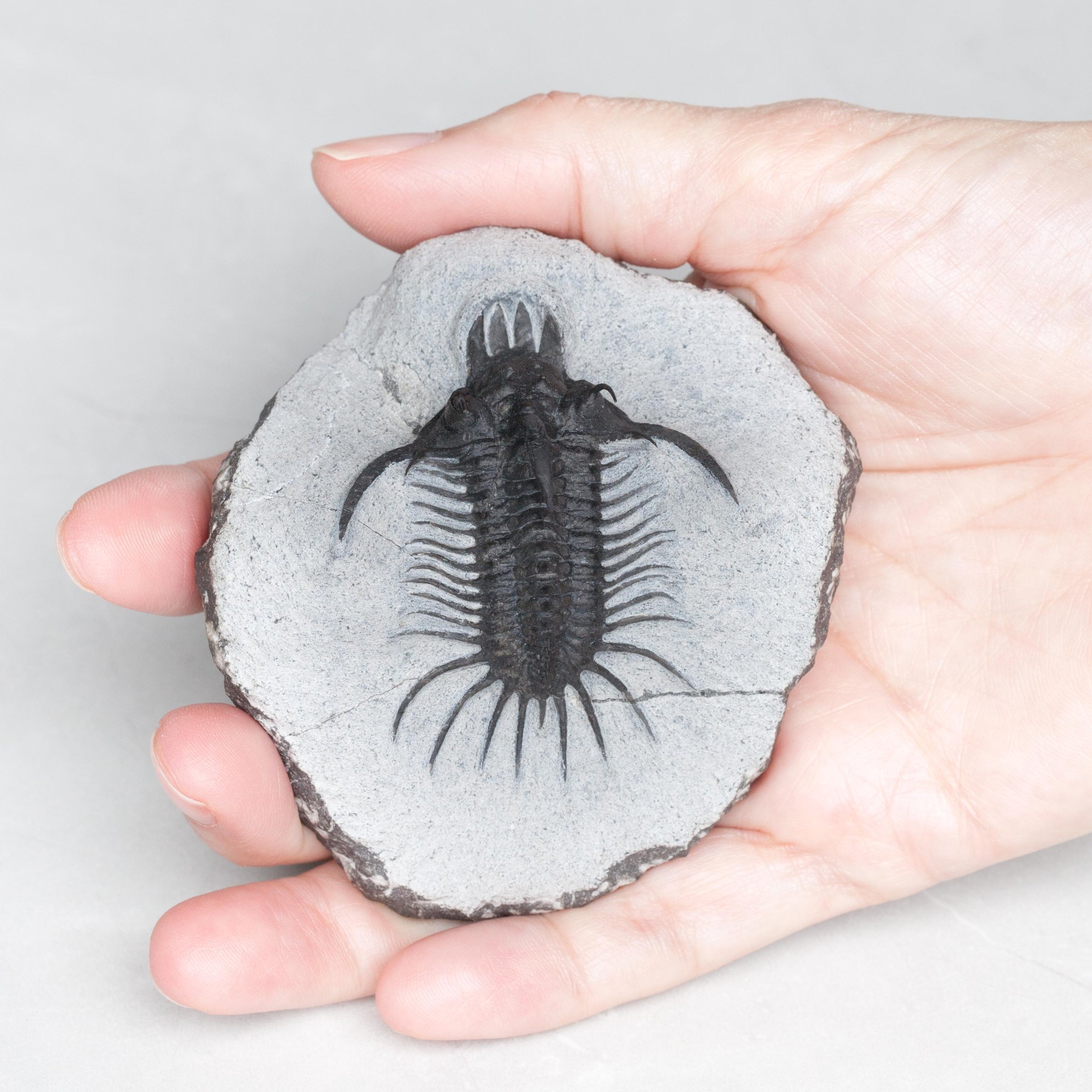
An exquisite example of Quadrops flexuosa from the Middle Devonian, El Oftal Formation of Ofaten , Morocco.
The name of this genus fittingly comes from the quadripartite rostrum at the front of the cephalon. These Middle Devonian trilobites exhibit a large number of fine spines over the whole carapace that aided in the defense of the trilobite from predators.
This specimen was prepared in Morocco using pneumatic tools and many hours of work under a microscope. Like all trilobites from this region, and almost every other locality in the world, these fossils are found by cracking rock and exposing the contents on either side of the break. It is a function of the process that these fossils are split into 2 parts during their collection and must be glued back together prior to preparation. Although considered a “repair”, It is also a characteristic you should expect to see and an aid in determining authenticity. The lack of a repair in the rock would lead to us to question the legitimacy of the fossil.
From our observations we were not able to see any indications of restoration. This fossil comes in the usual hard plastic container and is screwed to the base of the container by a fixture on the underside of the rock. This is the usual method for these delicate fossils. We ship these fossils well wrapped in bubble wrap and in larger padded boxes to ensure protection during transport. Rest assured that your purchase will arrive in perfect condition or we will offer a complete refund.
Full dimensions are listed below.
Vendor: Fossil Soup
SKU Number: SQ7741316
An exquisite example of Quadrops flexuosa from the Middle Devonian, El Oftal Formation of Ofaten , Morocco.
The name of this genus fittingly comes from the quadripartite rostrum at the front of the cephalon. These Middle Devonian trilobites exhibit a large number of fine spines over the whole carapace that aided in the defense of the trilobite from predators.
This specimen was prepared in Morocco using pneumatic tools and many hours of work under a microscope. Like all trilobites from this region, and almost every other locality in the world, these fossils are found by cracking rock and exposing the contents on either side of the break. It is a function of the process that these fossils are split into 2 parts during their collection and must be glued back together prior to preparation. Although considered a “repair”, It is also a characteristic you should expect to see and an aid in determining authenticity. The lack of a repair in the rock would lead to us to question the legitimacy of the fossil.
From our observations we were not able to see any indications of restoration. This fossil comes in the usual hard plastic container and is screwed to the base of the container by a fixture on the underside of the rock. This is the usual method for these delicate fossils. We ship these fossils well wrapped in bubble wrap and in larger padded boxes to ensure protection during transport. Rest assured that your purchase will arrive in perfect condition or we will offer a complete refund.
Full dimensions are listed below.
Additional Information
Quadrops is a Middle Devonian trilobite from Morocco that is easily identified by the presence of a four pronged rostrum at the anterior of the cephalon.
There are a large number of spines on almost every surface of Quadrops, including spines that extend vertically from the axial and pleural lobes, the shields above the eyes and elsewhere on the cephalon. Spines also extend horizontally from the ends of the pleura and pygidium. The genal spines are long and there is a central swept back spine where the occipital lobe is located.
Trilobites developed defense mechanisms to protect them against an ever growing number of predators in the oceans. In response to the growing danger they developed rudimentary spines reasonably early in the Cambrian period, but the proliferation of larger and more imposing spines reached its apex in the Devonian.
References:
Vendor: fossil soup - ZZ
SKU Number: SQ7345666
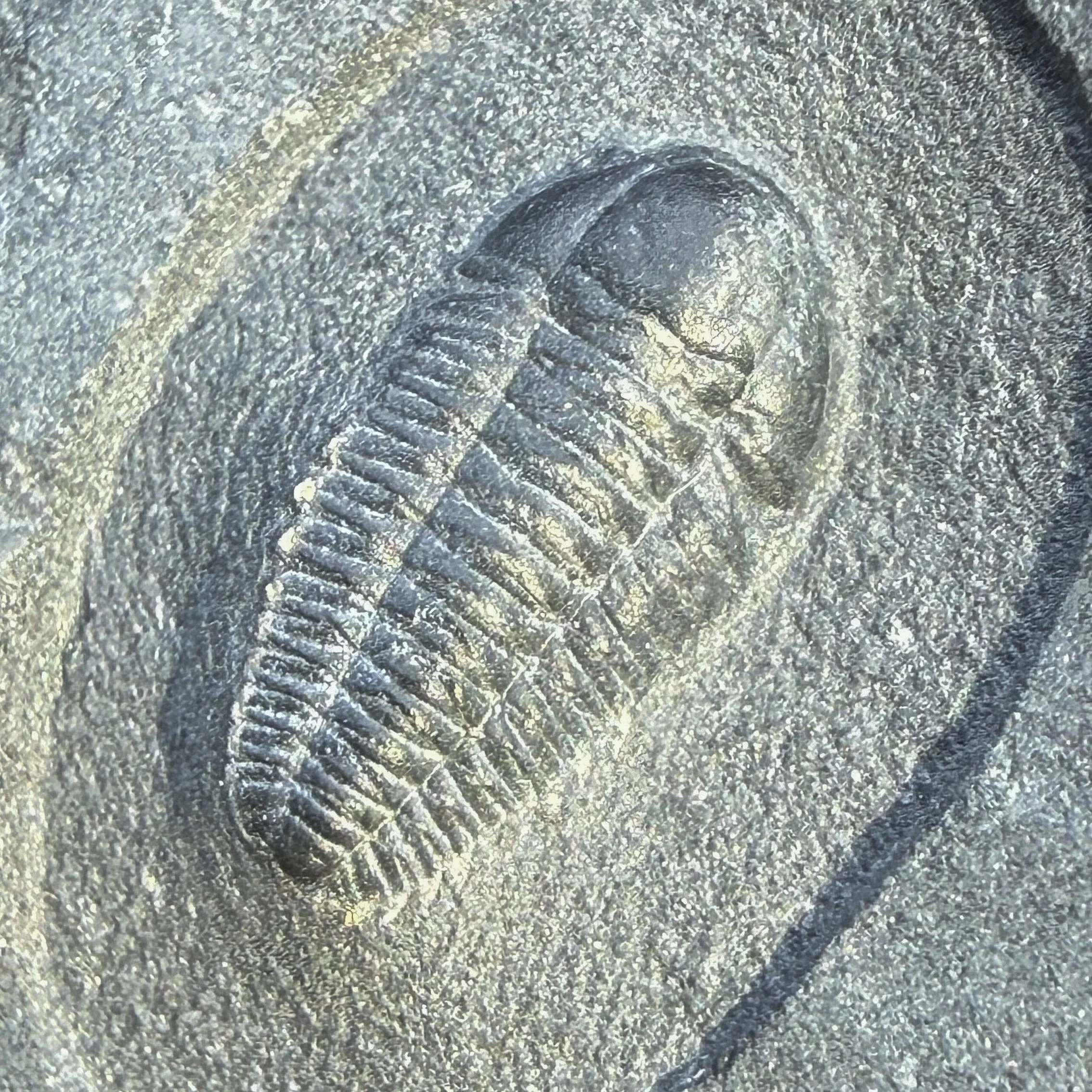
Peltura scarabaeoides trilobite from the Late Cambrian, Alum Shale Formation, Norway.
Peltura is a genus of trilobite of the order Ptychopariida, family Olenidae. This is a complete and beautiful example of the species.
Full dimensions are listed below.
Vendor: fossil soup - ZZ
SKU Number: SQ4605500
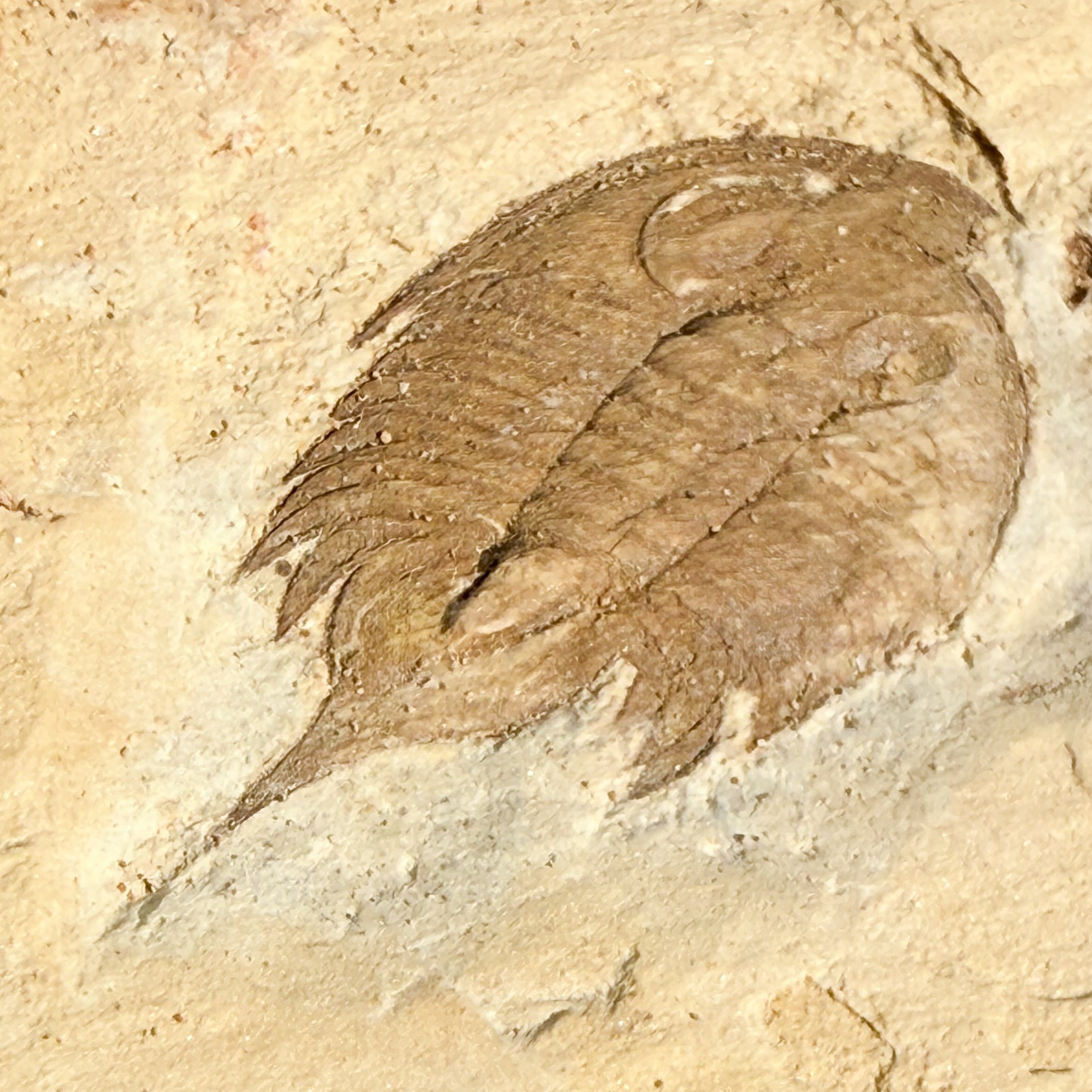
Macropyge (Promacropyge) sp. trilobite from the Late Cambrian - Early Ordovician, Guotang Formation, Luxi, Hunan, China.
Macropyge, subgenera: Promacropyge, are an extremely rare genus of trilobite of the Order: Asaphida, Family: Ceratopygidae
Full dimensions are listed below.
Vendor: Lagerstätte Land
SKU Number: SQ2135343
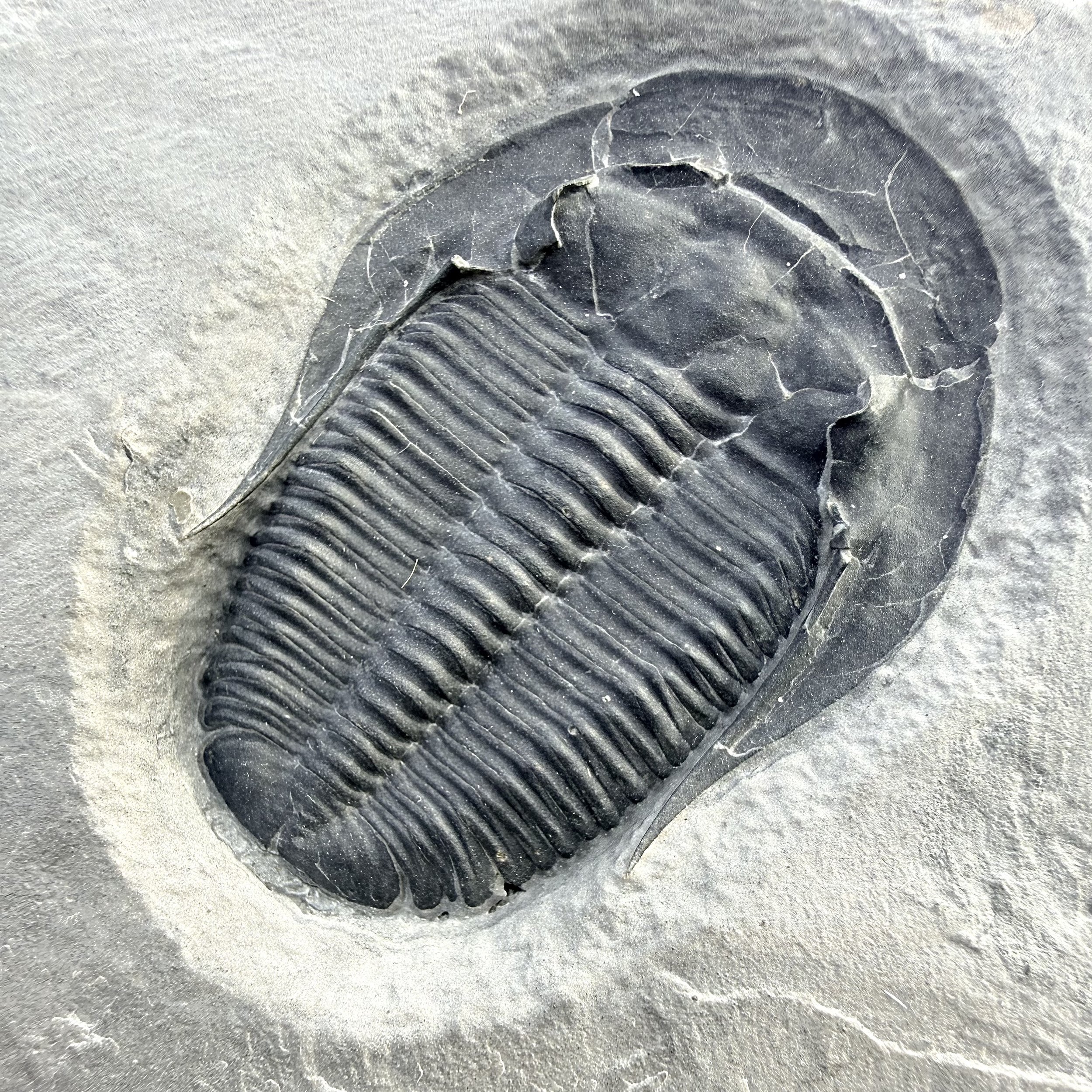
Annamitella liexiensis trilobite from the Lower Ordovician, Liexi biota, Xiangxi, Hunan, China.
A nice example of this genus. There is a small amount of damage to the front of the cephalon which is reflected in the price.
Full dimensions are listed below.
Vendor: FS-JS
SKU Number: SQ5615228
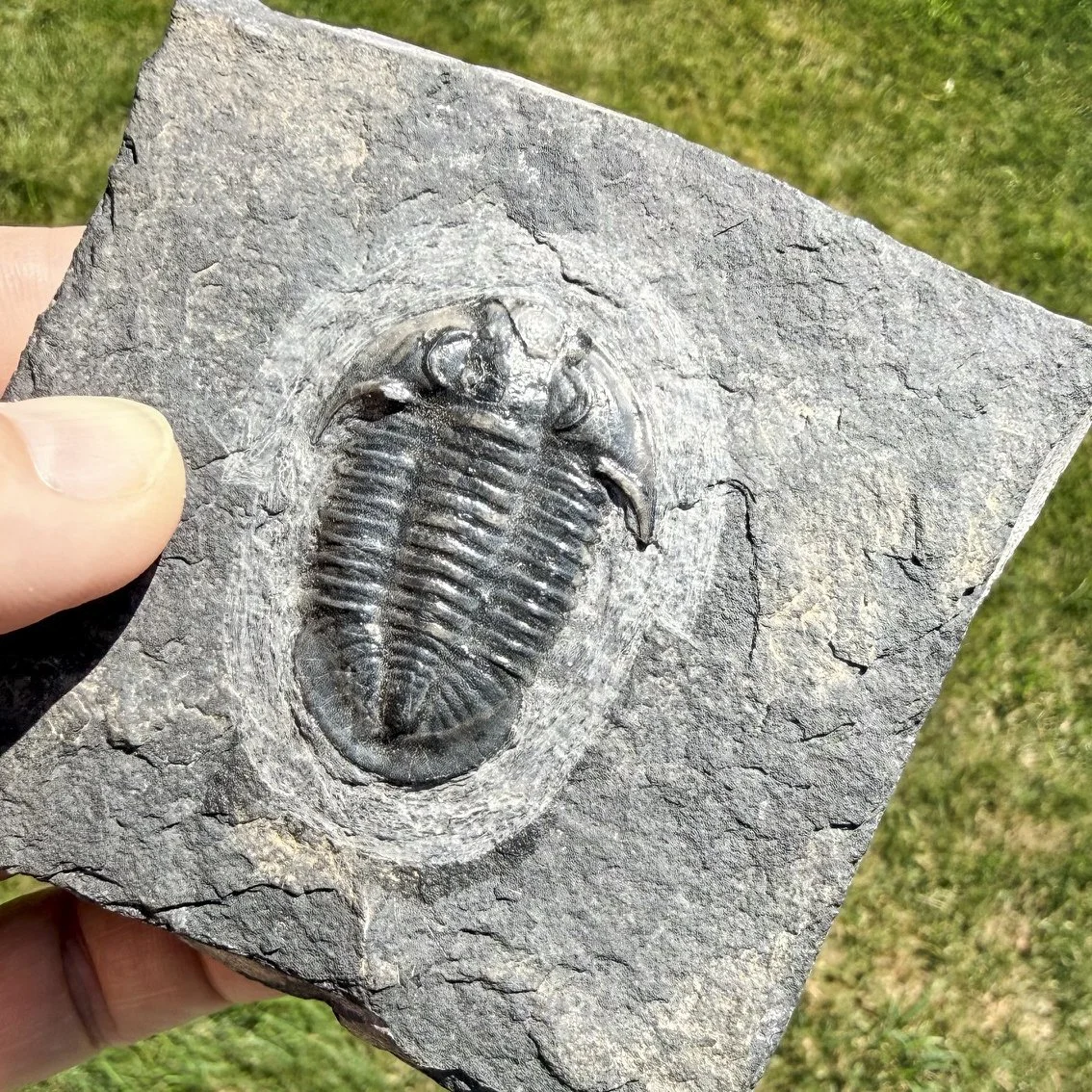
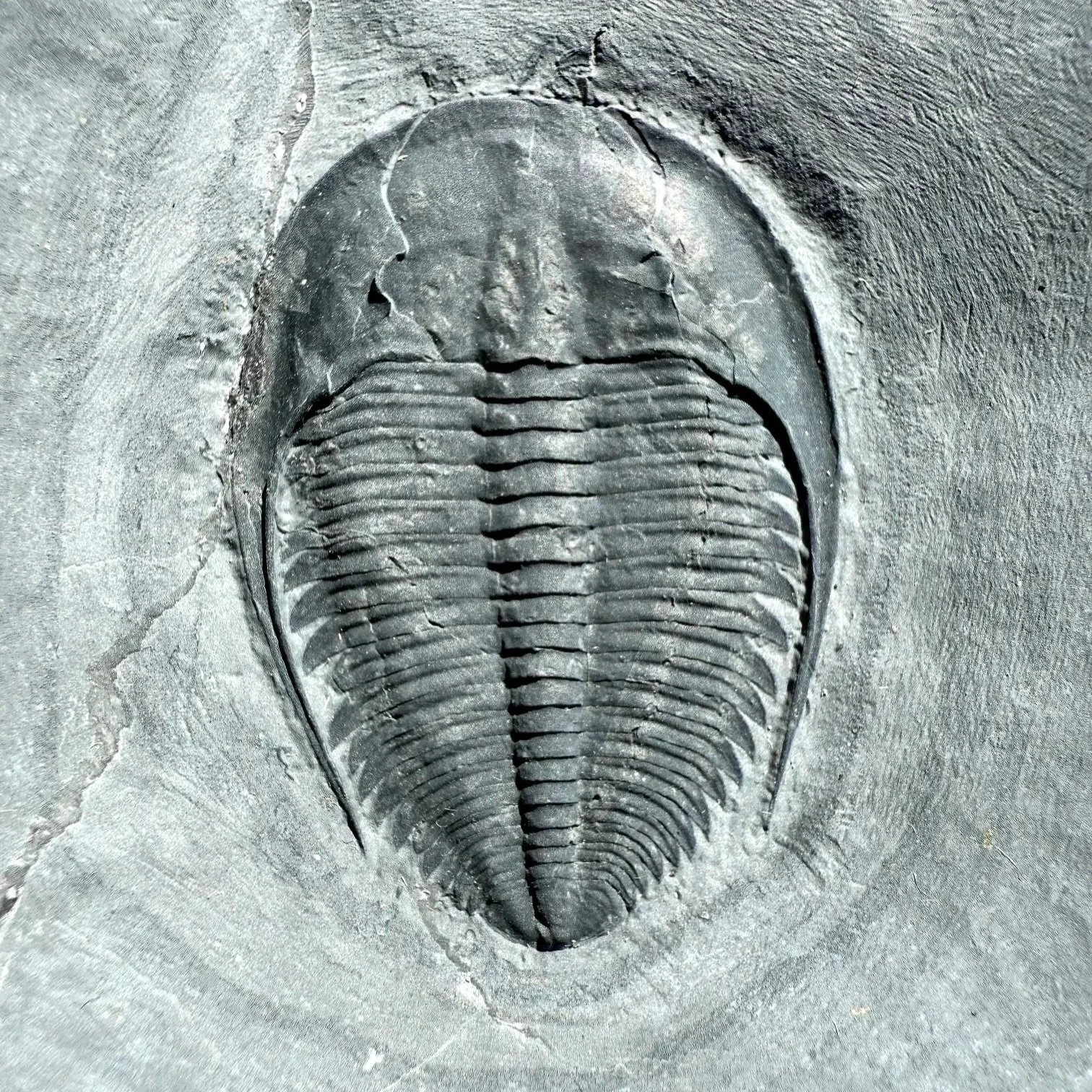
Amecephalus laticaudum from the Middle Cambrian, Spence Shale, Wellsvilles Mtns, Box Elder Co., Utah.
A very rare and complete trilobite.
Full dimensions are listed below.
Vendor: FS-JS
SKU Number: SQ0372157
Glossopleura packi from the Middle Cambrian, Spence Shale, Wellsvilles Mtns, Box Elder Co., Utah.
A nice rare trilobite at a reasonable price.
Full dimensions are listed below.
Vendor: Fossil Soup
SKU Number: SQ6474620
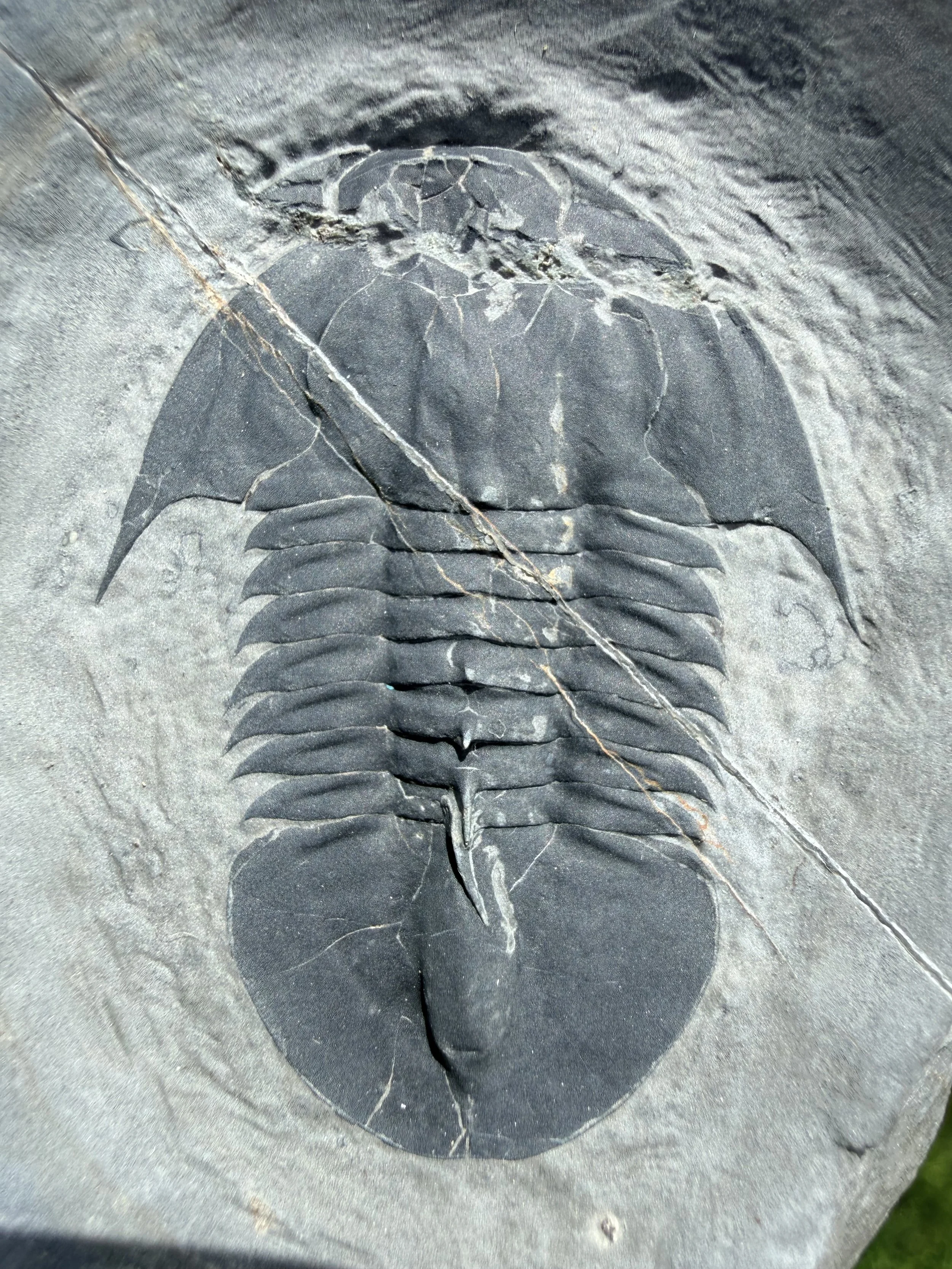
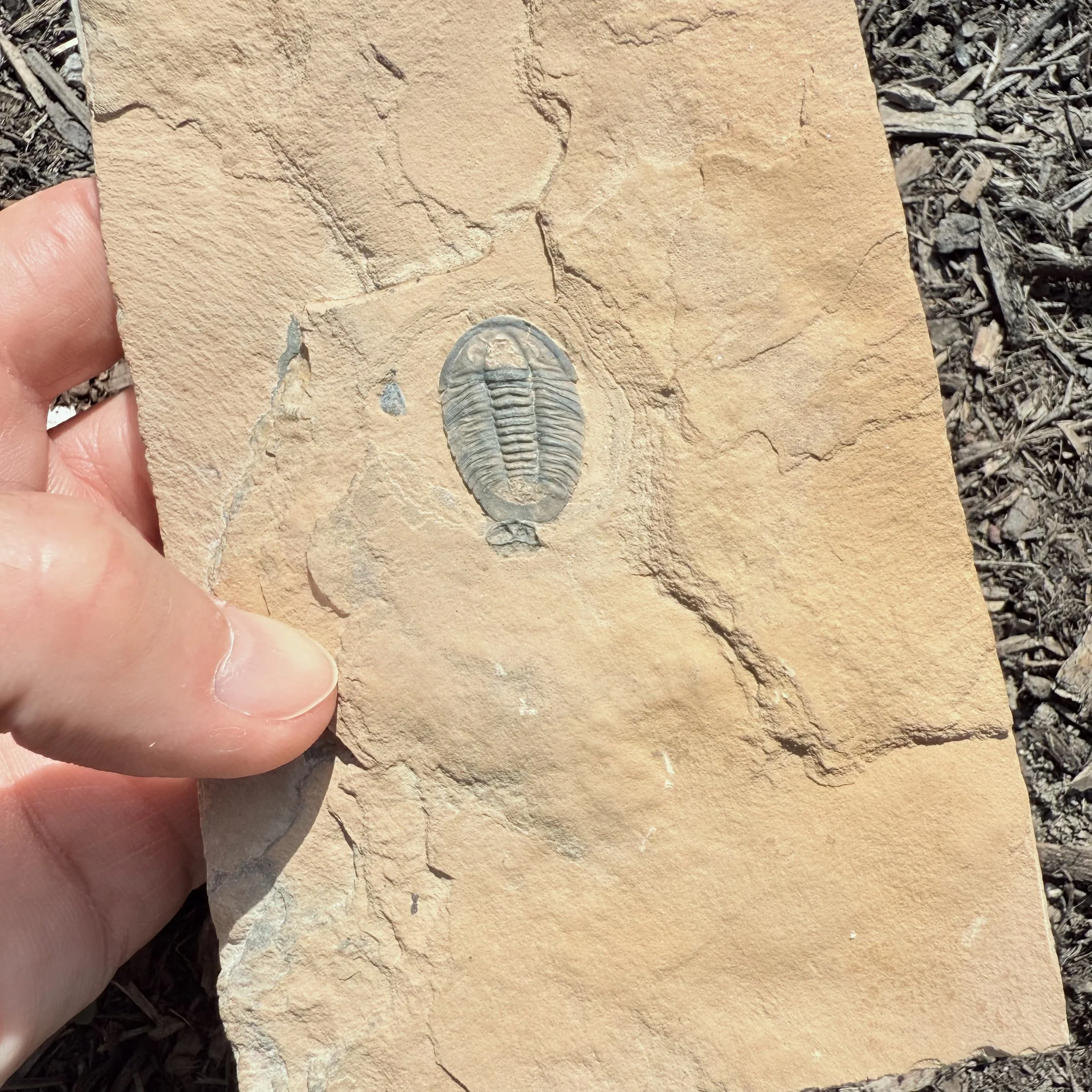
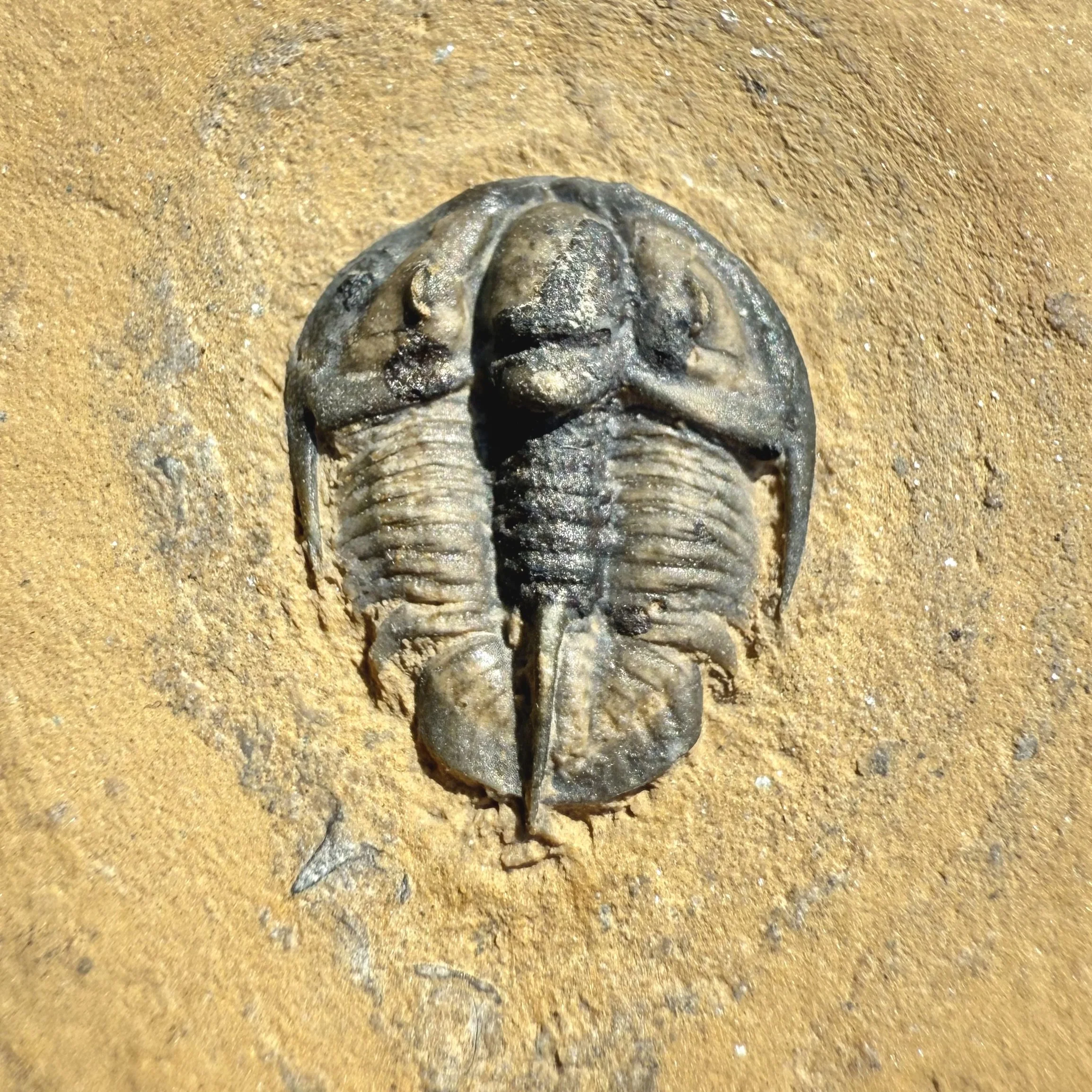
Olenoides vali Middle Cambrian, Wheeler Shale, Millard County, Utah.
This is an extremely rare and spiny trilobite that is very rarely available on the market. The spines are large and free standing with the occipital spine curving back towards the axial lobe.
This is a very high-end trilobite for the very discerning collector. Very likely the only one currently being offered on the open market!!!
Due to some damage, this trilobite is being offered at a very reasonable price. You won’t find another one available anywhere, or at a price anywhere close to this! Sure to go quickly!
Full dimensions are listed below.
5cm in length
4 cm wide (measured at each tip of the left and right genal spines)
Vendor: FS-JS
SKU Number: SQ4125048
Amecephalus sp., from the Middle Cambrian, Spence Shale, Wellsvilles Mtns, Box Elder Co., Utah.
A very large rare and complete trilobite.
Full dimensions are listed below.
Vendor: Fossil Soup
SKU Number: SQ5182164
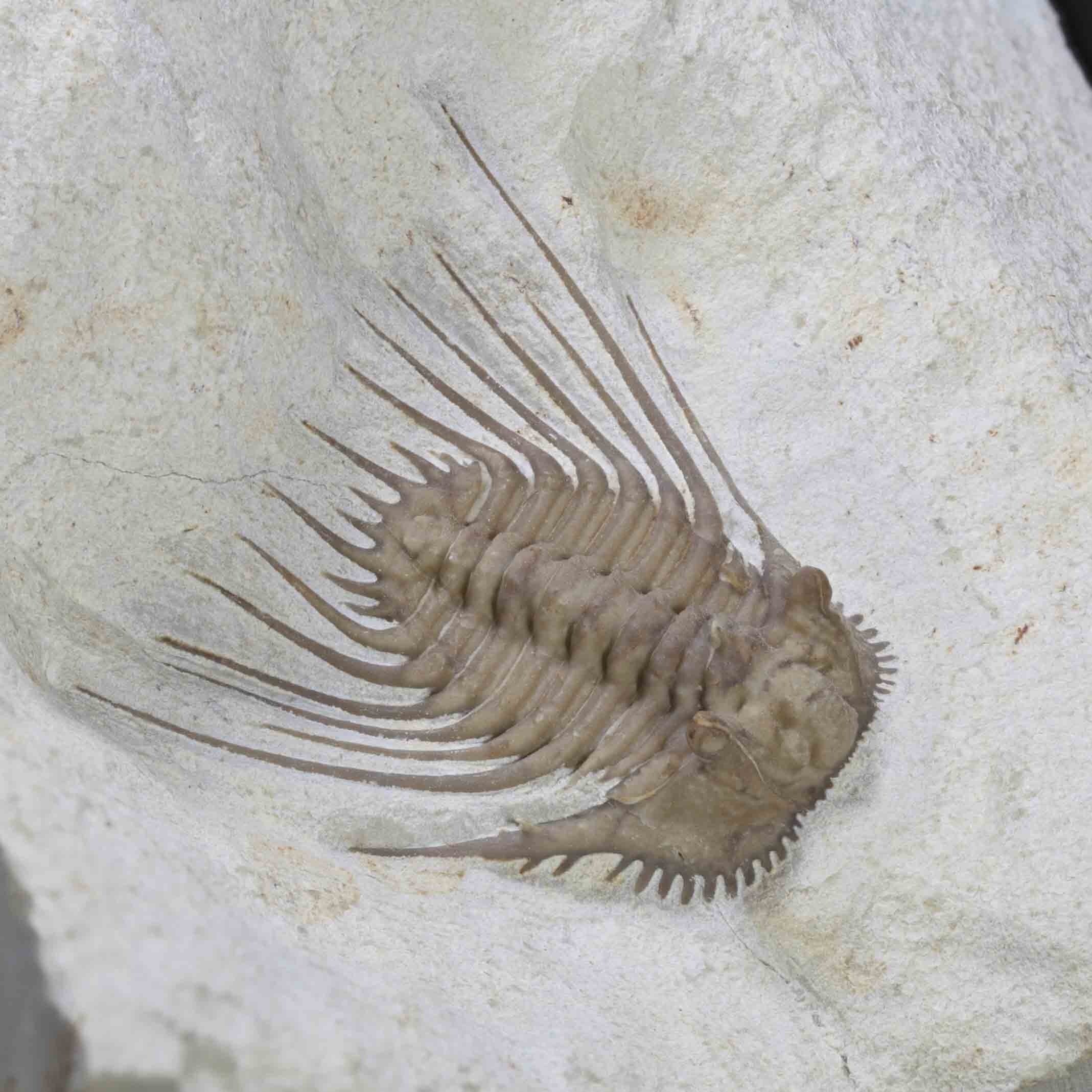
Coosella rieri from the Middle Cambrian, Weeks Formation, House Range, Millard County, Utah.
Like many of the trilobites from the Weeks Formation, this is a rarely seen trilobite. This example is quite large at over 2 cm. Coosella trilobites are characterized by opisthoparian facial sutures, which is the most common suture type in trilobites. The suture runs from the front of the cephalon to the posterior margin.
Fossil size:
Length: 2.4 cm
Width: 1.5 cm
Height: 0.1 cm
Matrix size:
Length: 24.0 cm
Width: 15.0 cm
Height: 1.0 cm
Full dimensions are listed below.
Vendor: Fossil Soup
SKU Number: SQ3736217
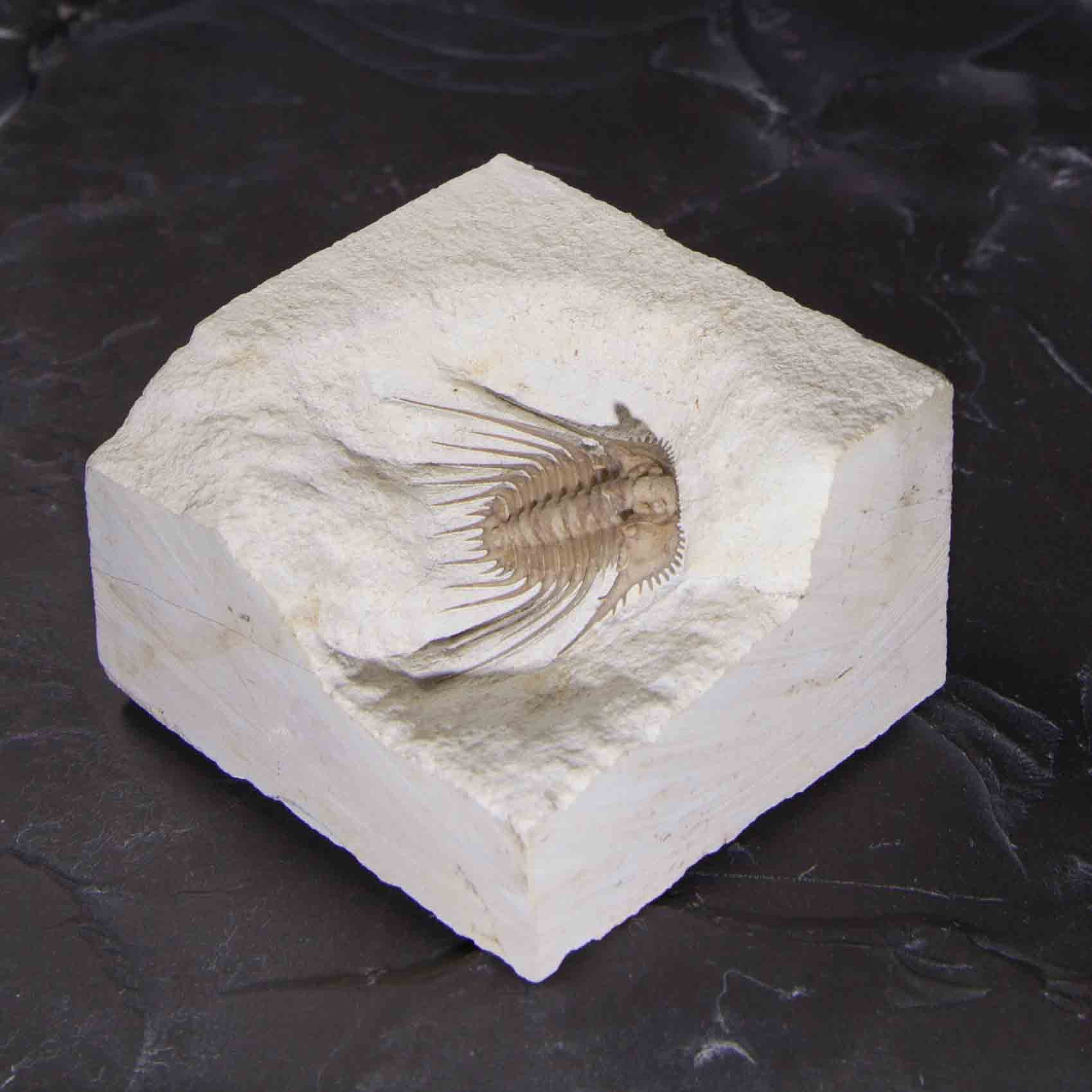
Genevievella granulatus from the Middle Cambrian, Weeks Formation, House Range, Millard County, Utah.
This is a rare example that is not often found available on the open market. This is a very inflated trilobite with small slightly stalked eyes and a large cephalon with long genal spines.
Fossil size:
Length: 1.5 cm
Width: 1.2 cm
Height: 0.3 cm
Matrix size:
Length: 24.0 cm
Width: 15.0 cm
Height: 1.0 cm
This is a very high-end trilobite for the very discerning collector. Very likely the only one currently being offered!!!
Full dimensions are listed below.
Vendor: fossil soup - ZZ
SKU Number: SQ5388284
Rhombampyx yii trilobite from the Middle Ordovician, Meitan Formation, Zunyi, Guizhou, China.
The distinct oval/rhomboid dome where the anterior needle spine meets the head is the highly inflated glabella. It is slightly compressed but shows the distinctive bulbous shape unique to raphiophorids.
You can clearly see a thin, straight line pointing straight up from the top of the glabella. This is the base of the median snout spine.
The two elongated cheek spines can be seen on either side of the body. In life, these spines flared outward to stabilize the animal or deter predators, but post-mortem movement or burial compaction has curved it around the cephalon.
Full dimensions are listed below.