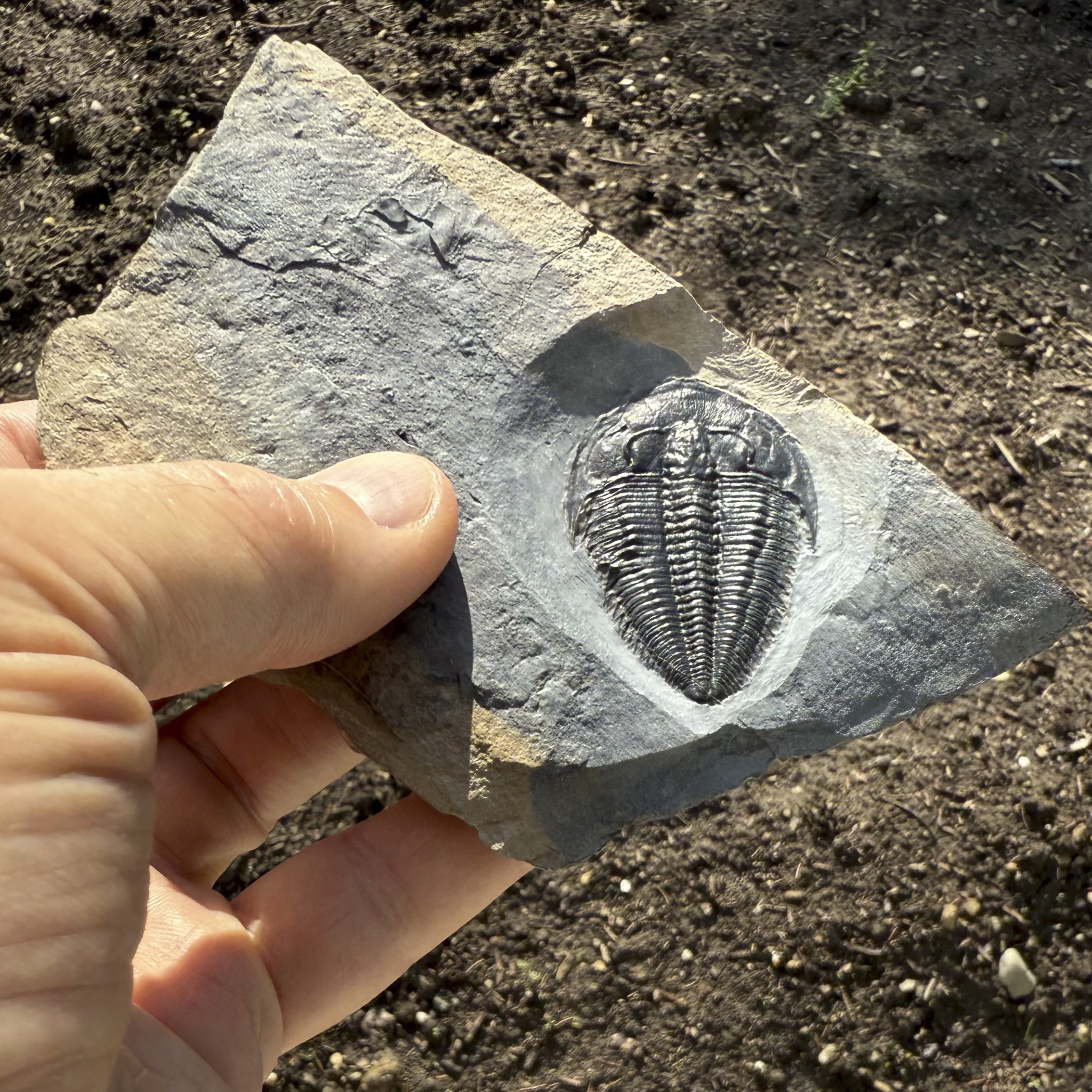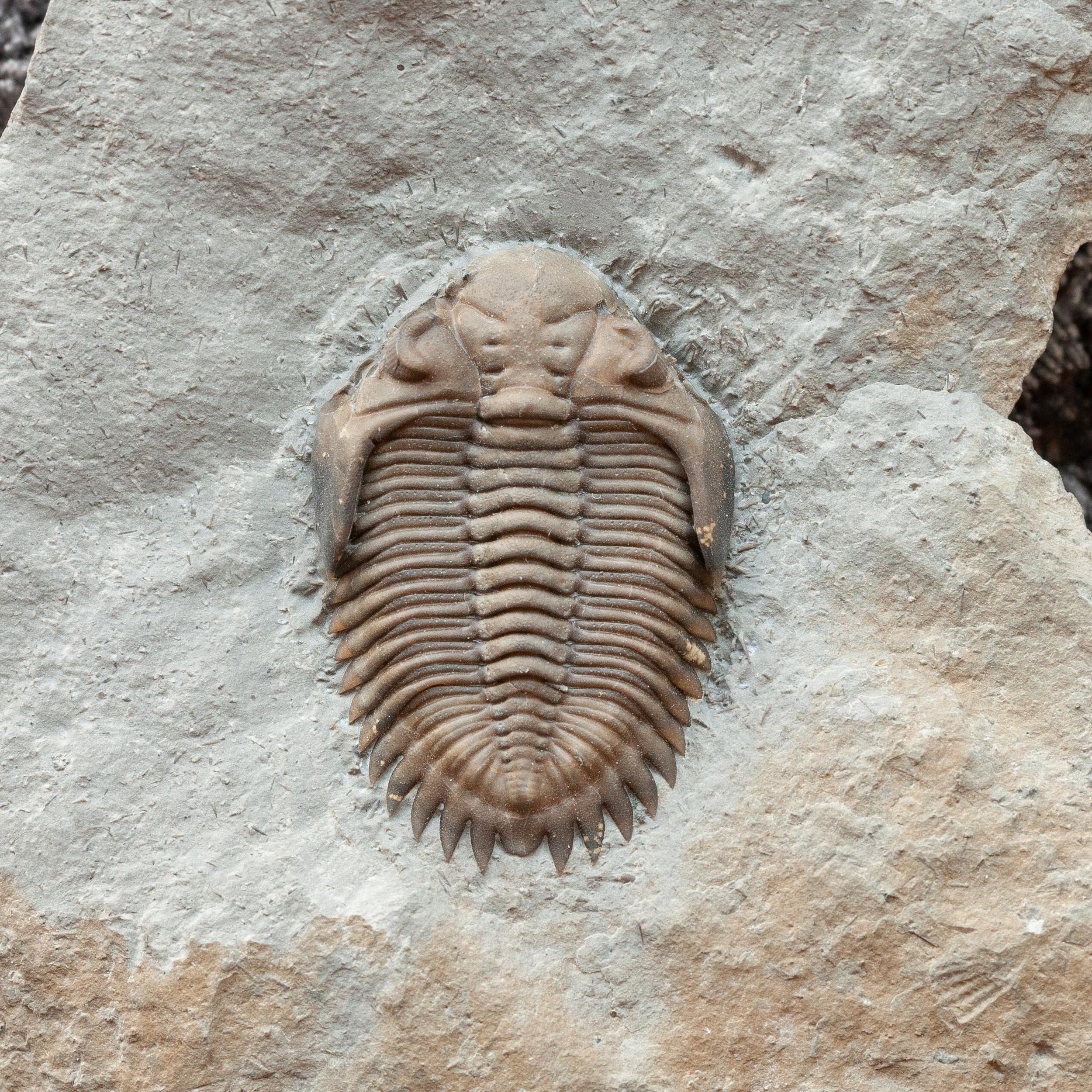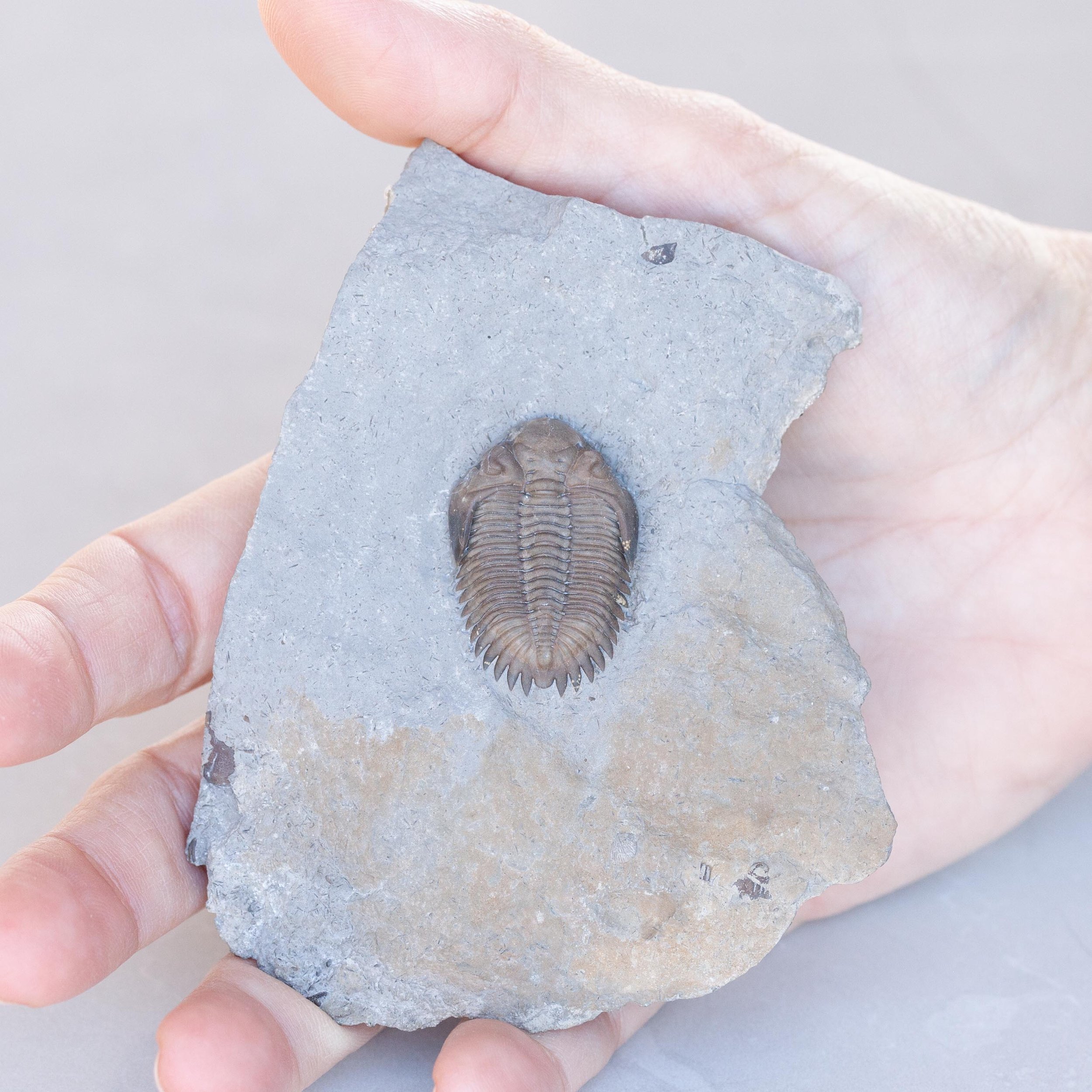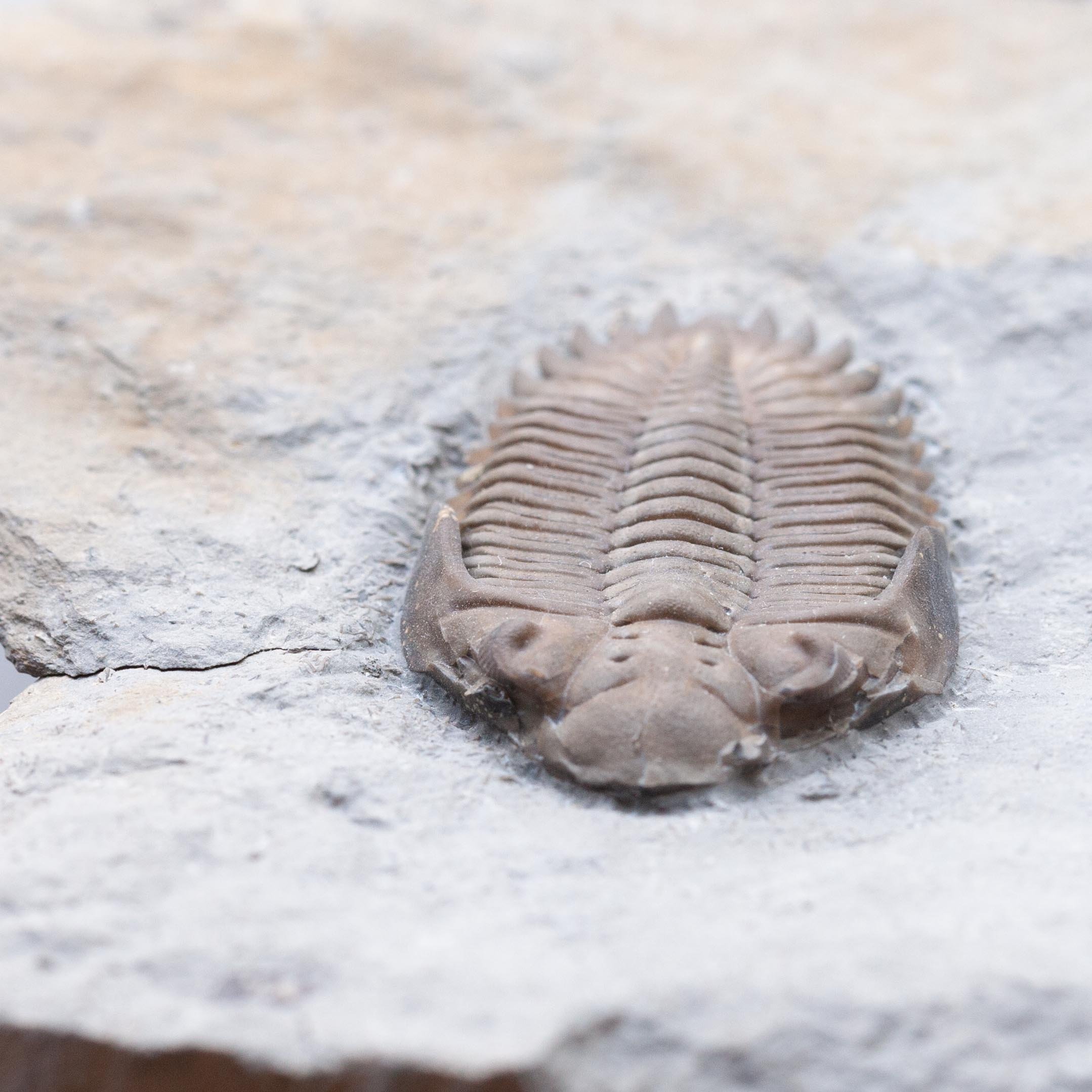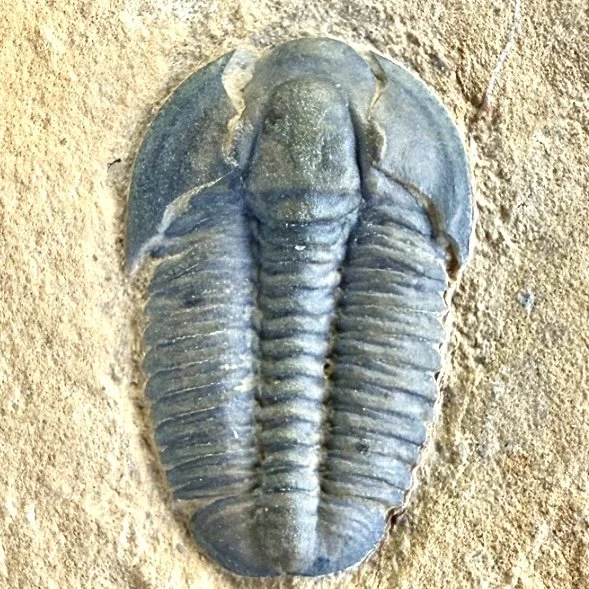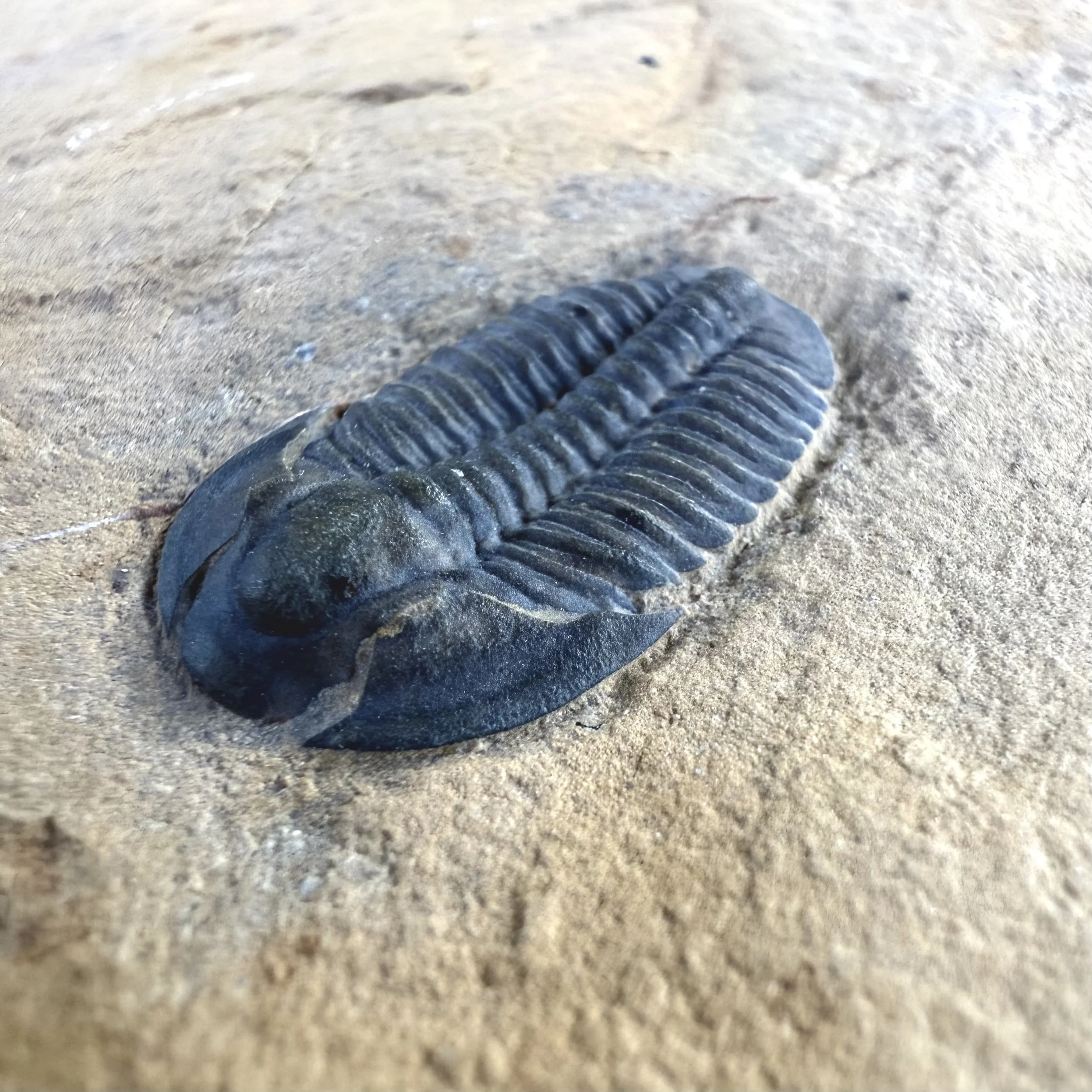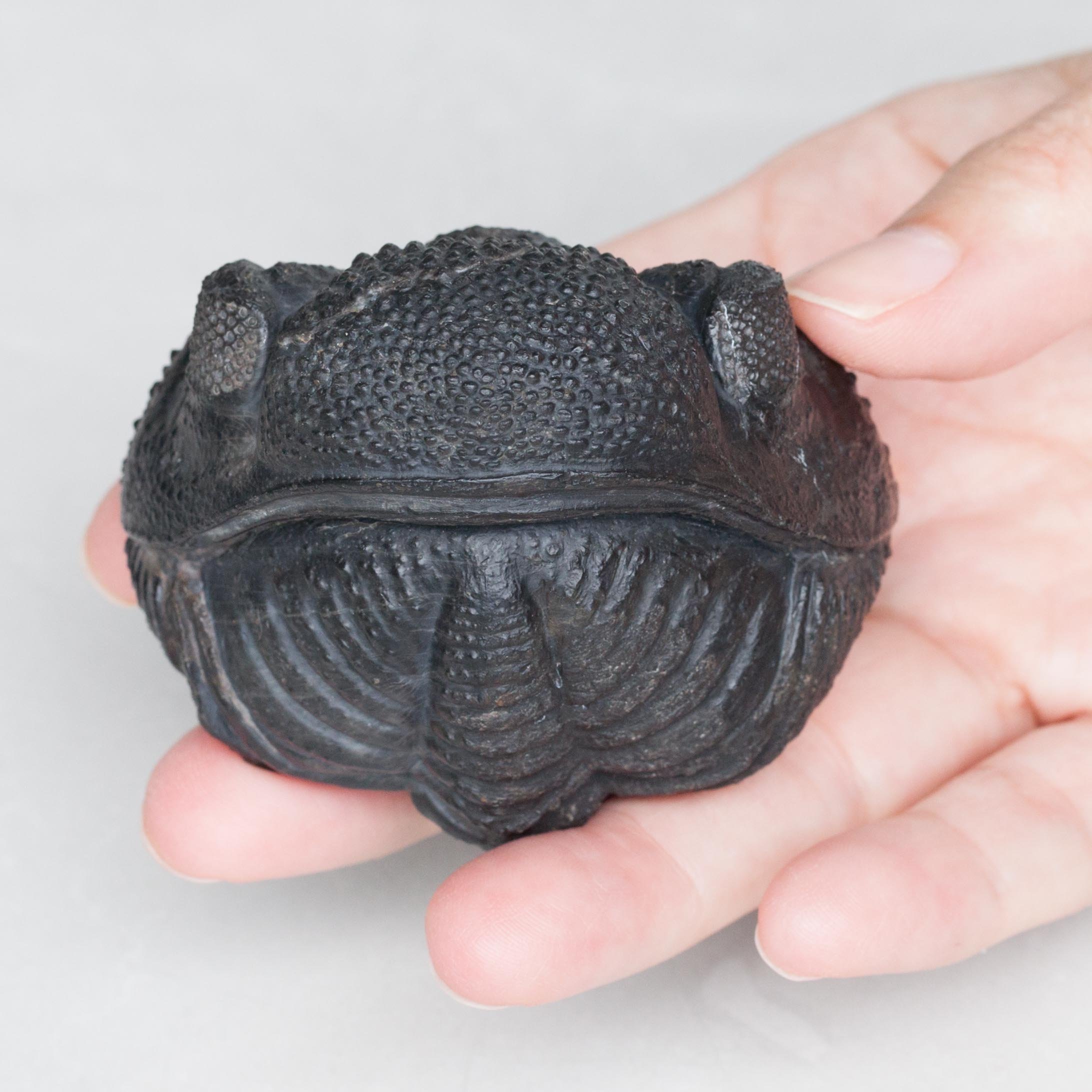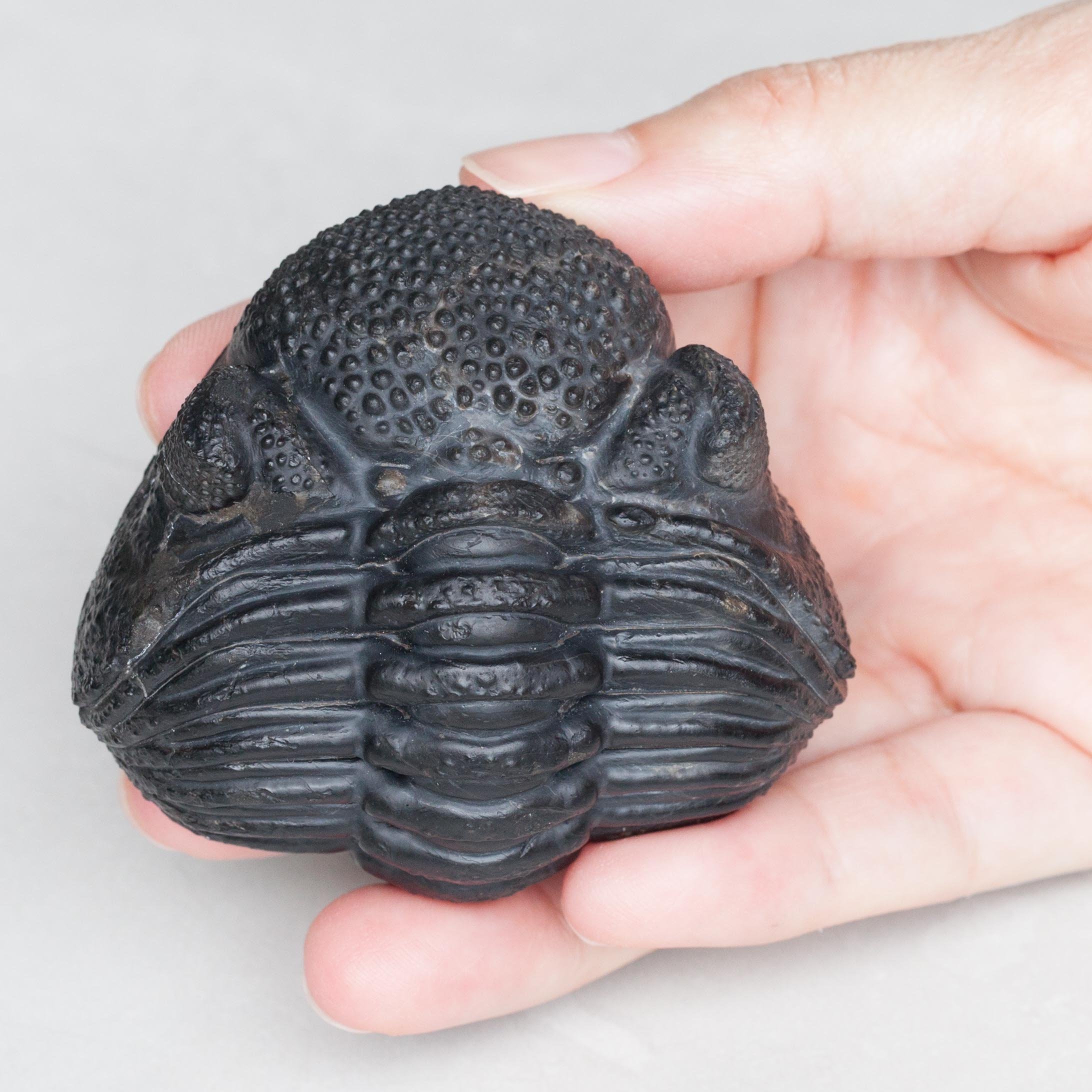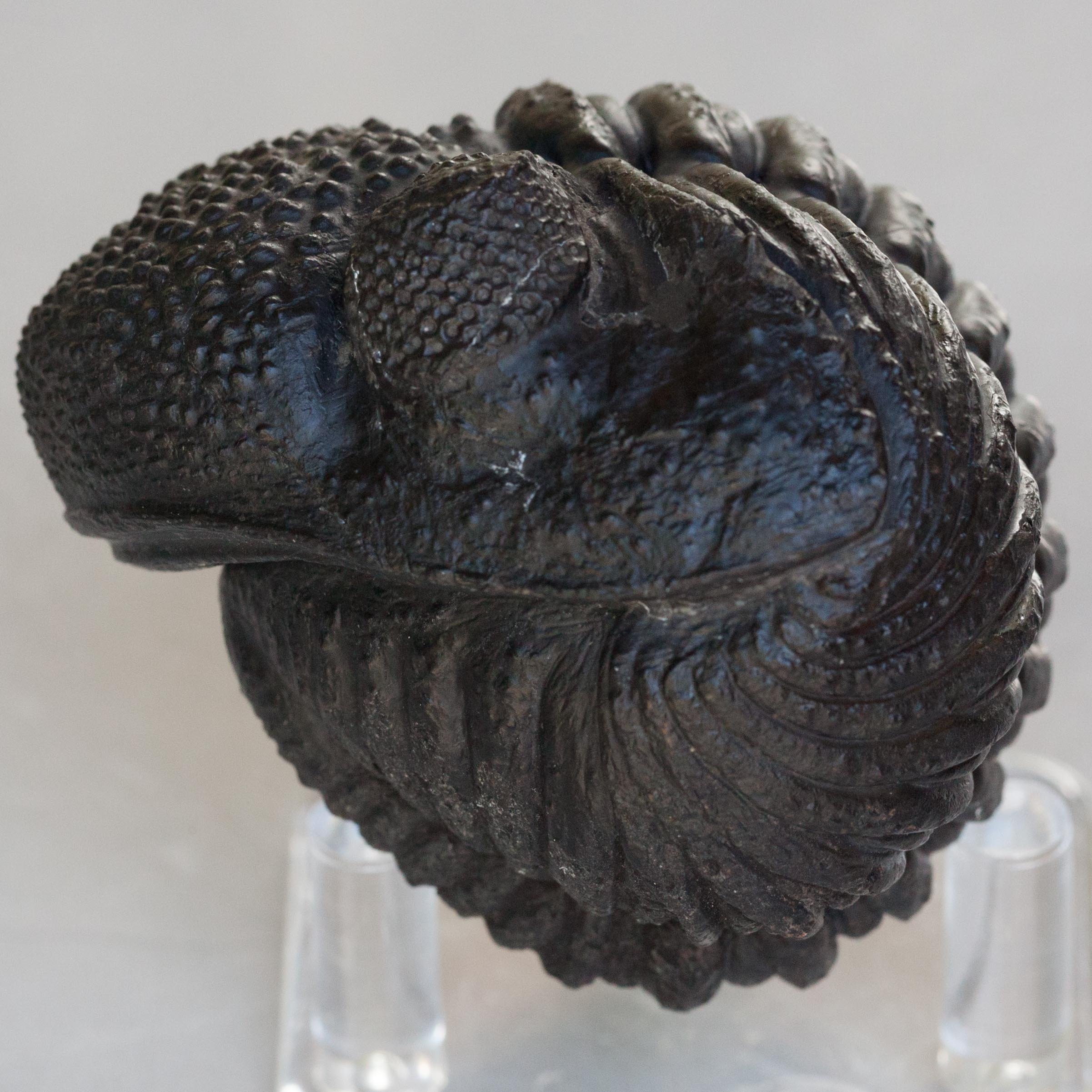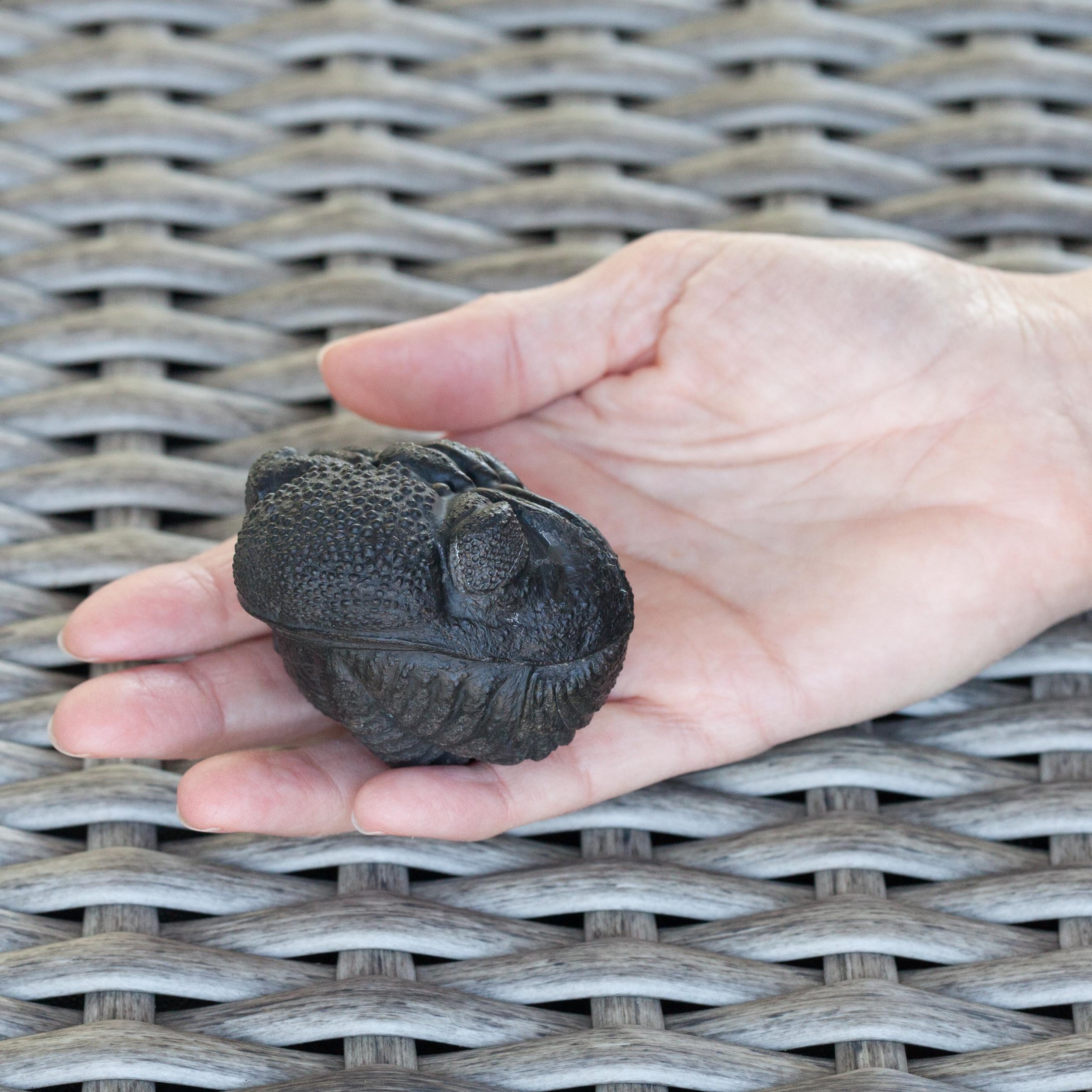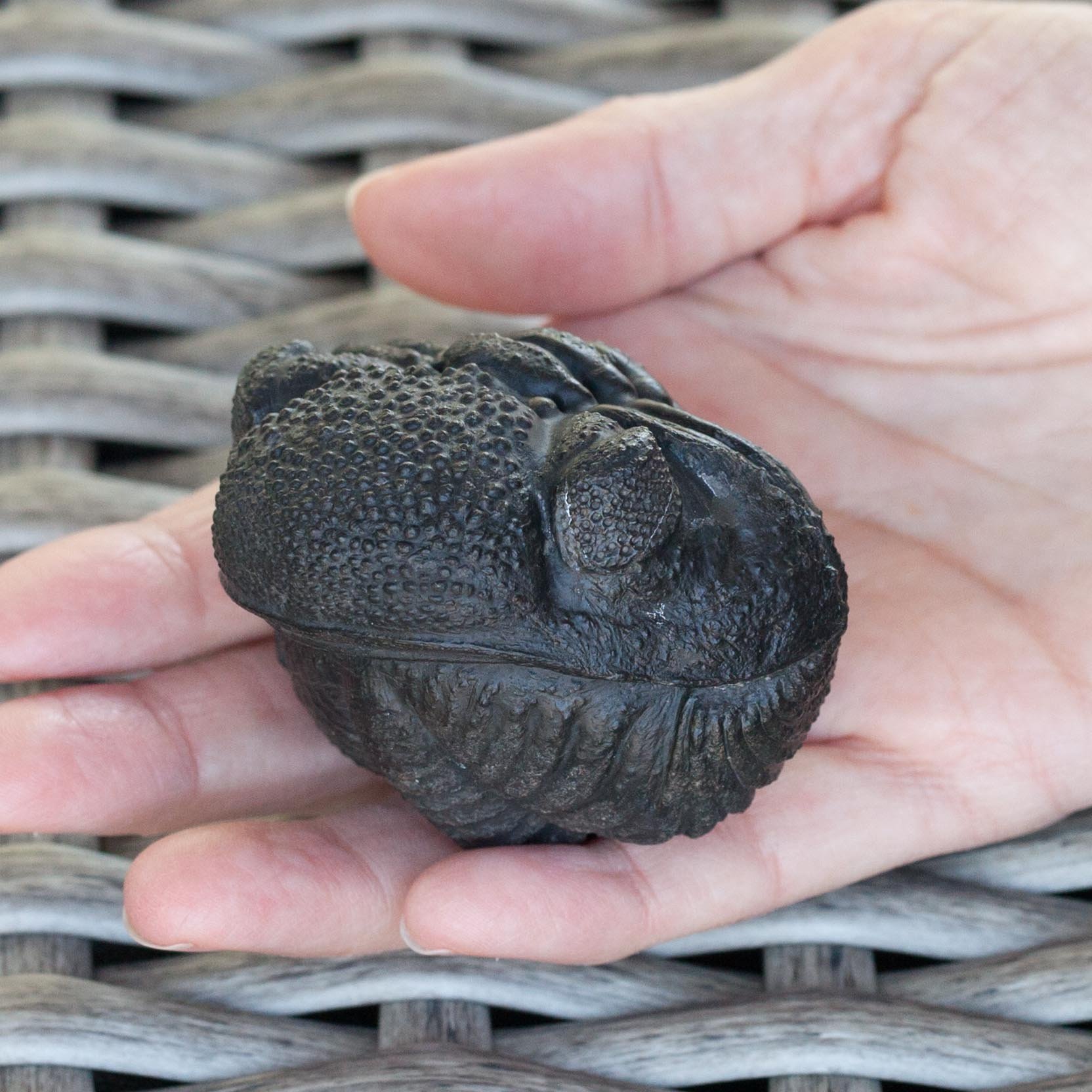
Asteroceras obtusum

$0.00
Sold

Vendor: Fossil Soup

SKU Number: SQ6457064

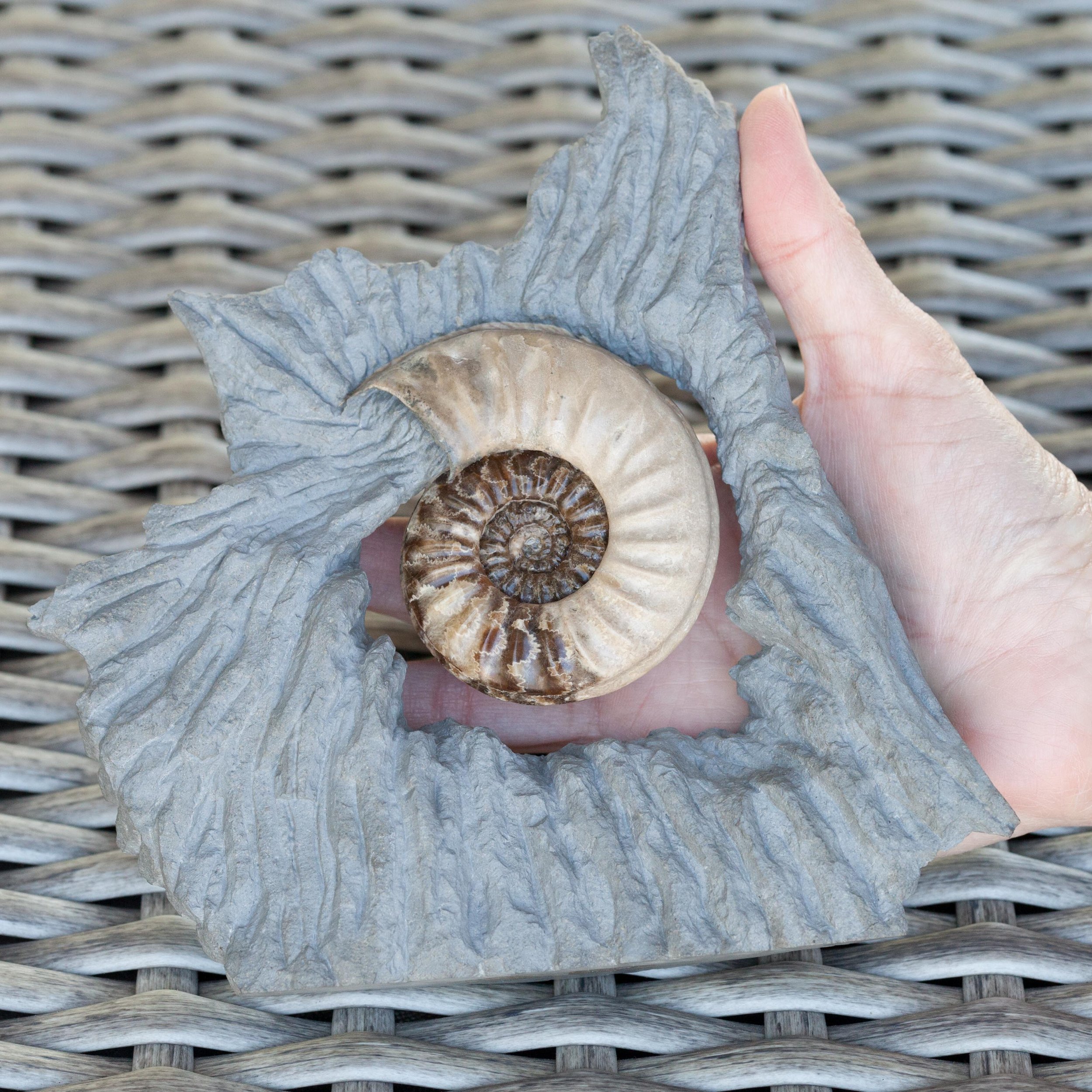
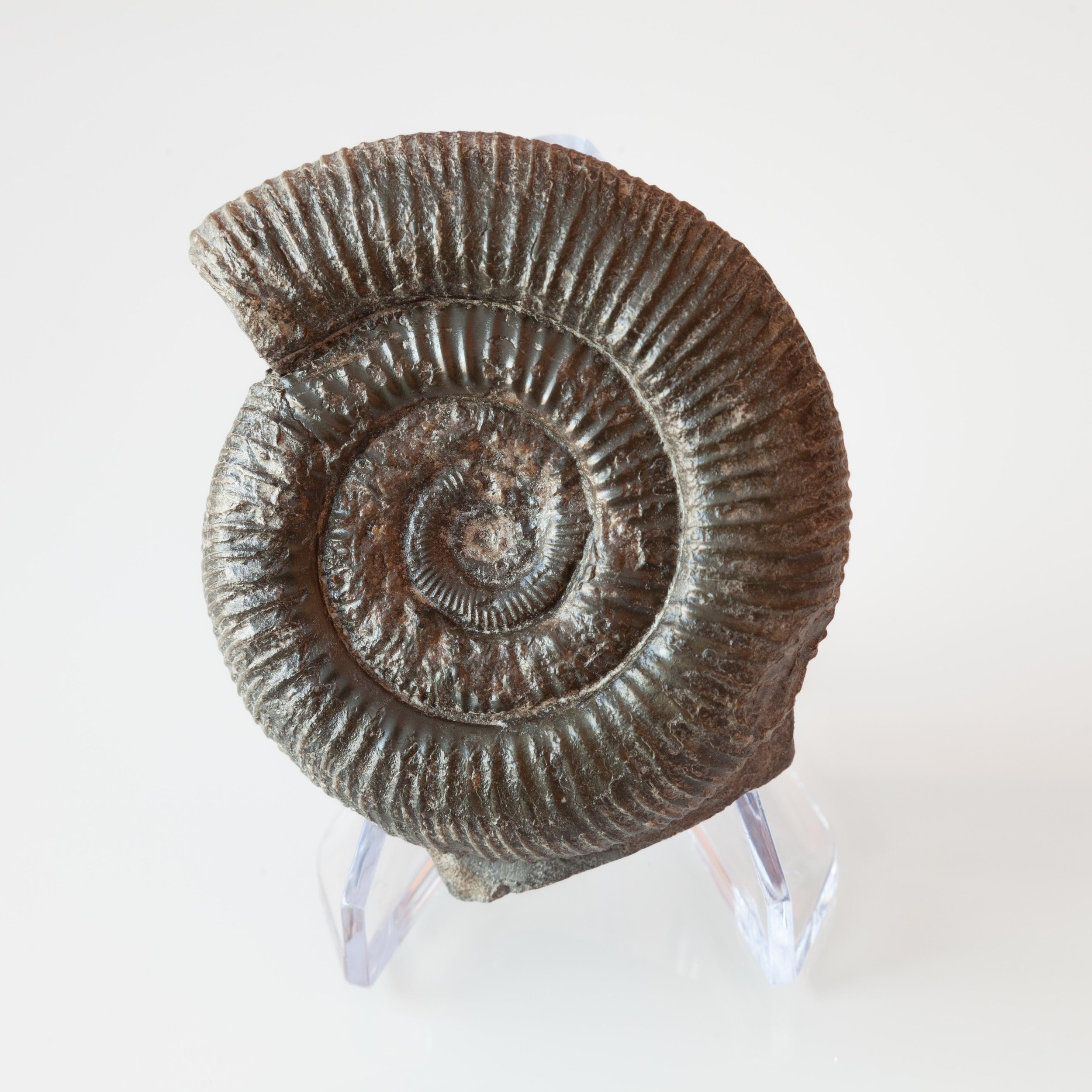
An exceptional example of a sought after ammonite from the celebrated Charmouth / Lyme Regis locality in Dorset, South West England. This locality was made famous by Mary Anning, a victorian paleontologist, who discovered the fossilized remains of many large marine reptiles that are now on display in the Natural History Museum in London.

These ammonites are generally found in nodules of sedimentary rock on the foreshore at low tide. The nodules are broken open to reveal the fossil inside. After collection the rock is further abraded from the ammonite using pneumatic tools to reveal the whole fossil.

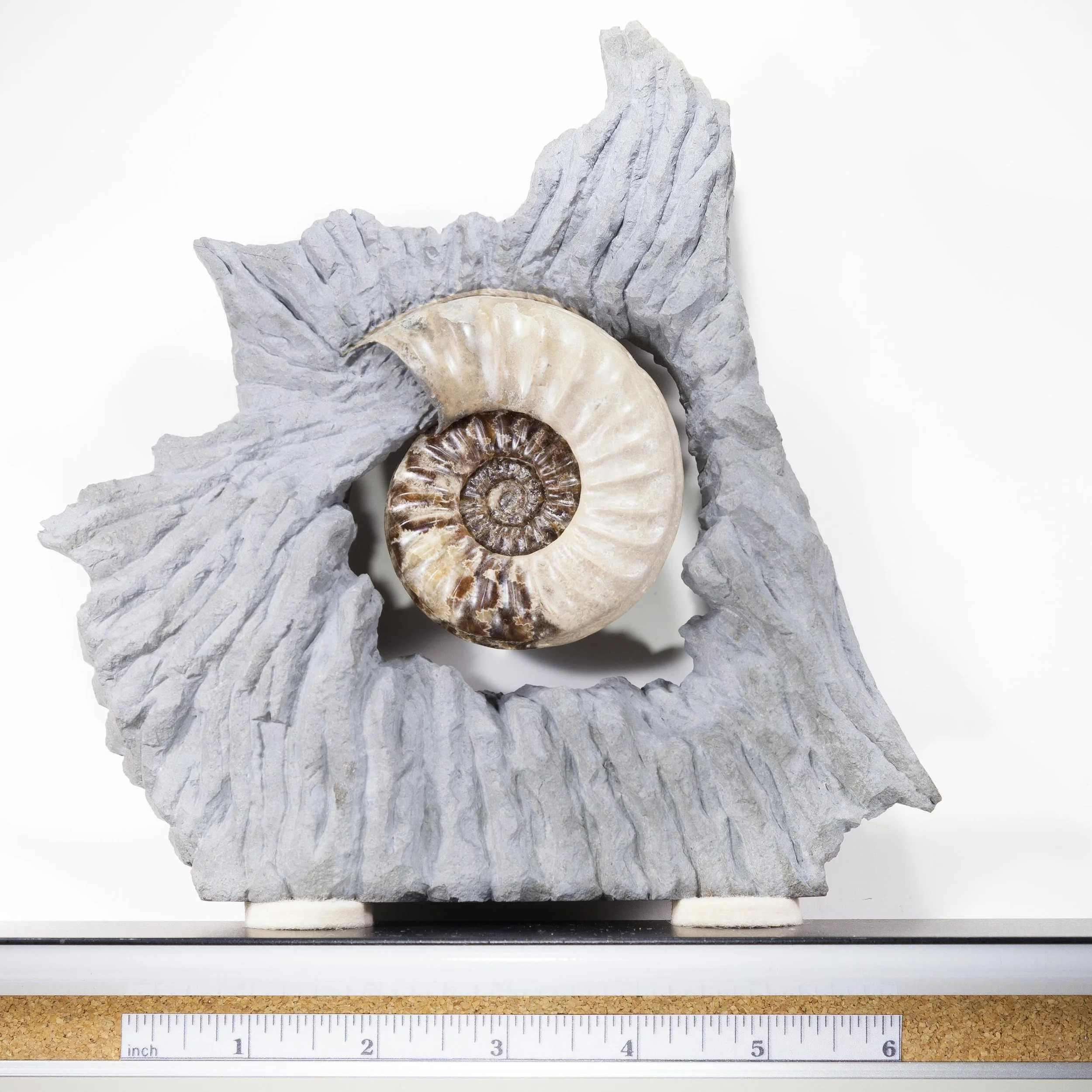
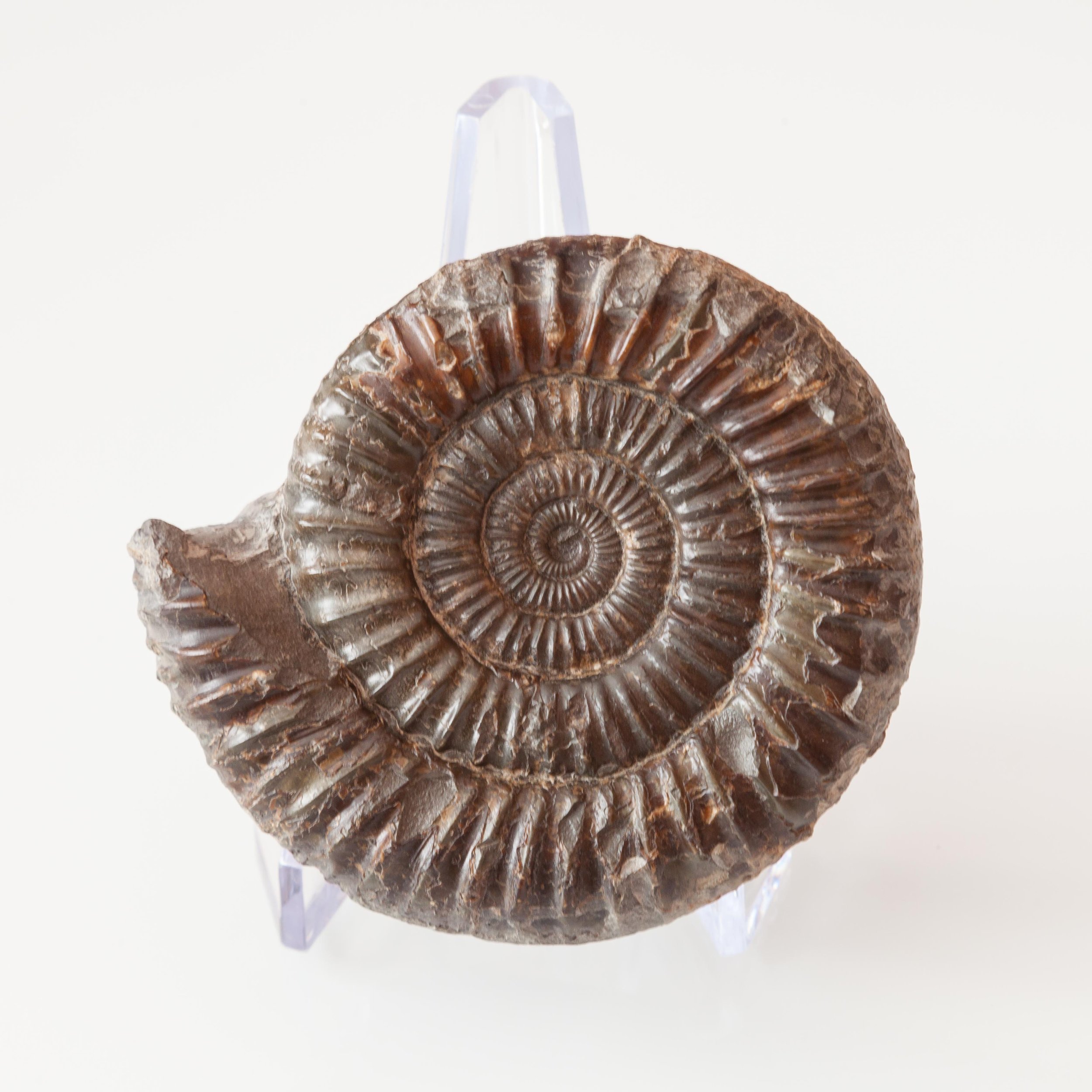
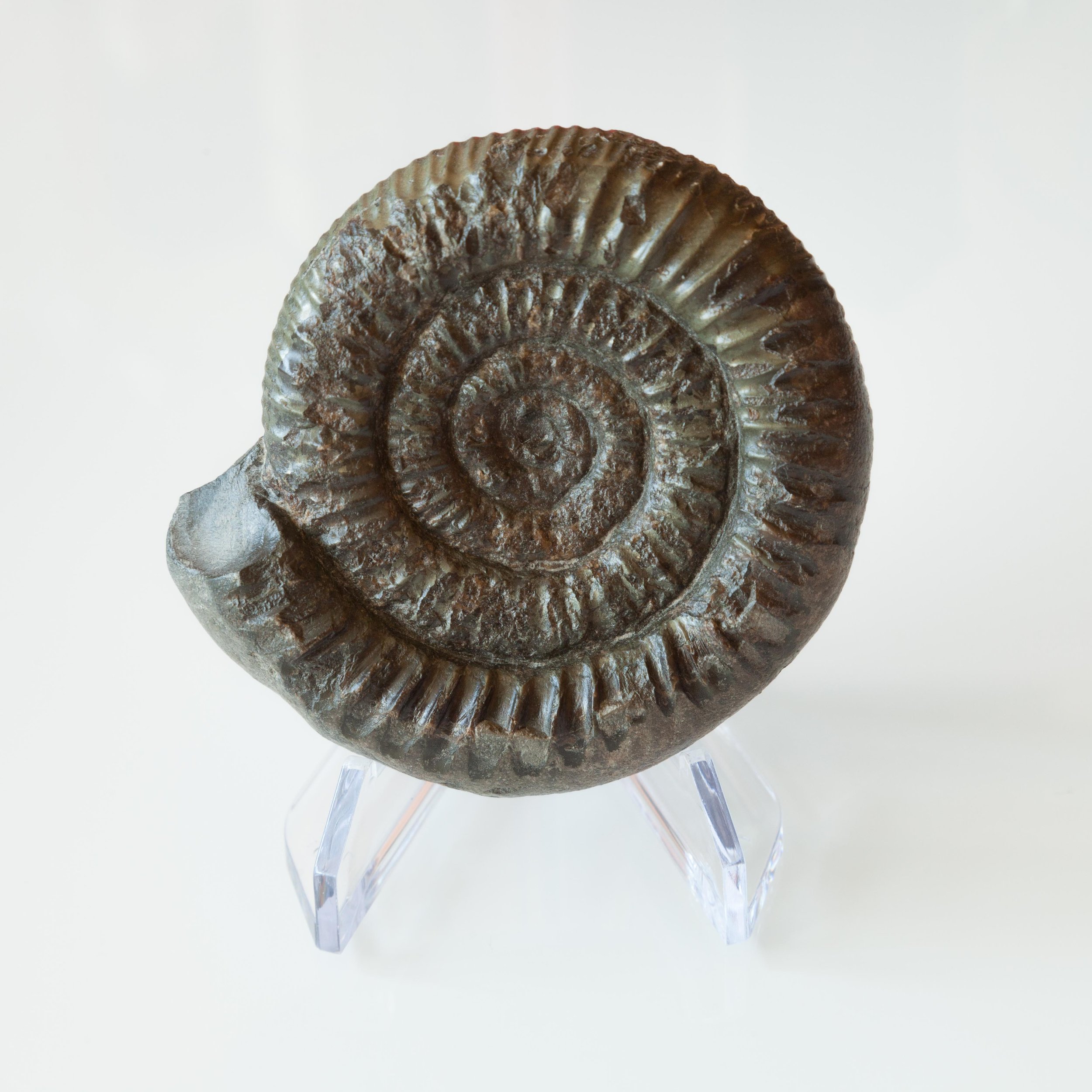
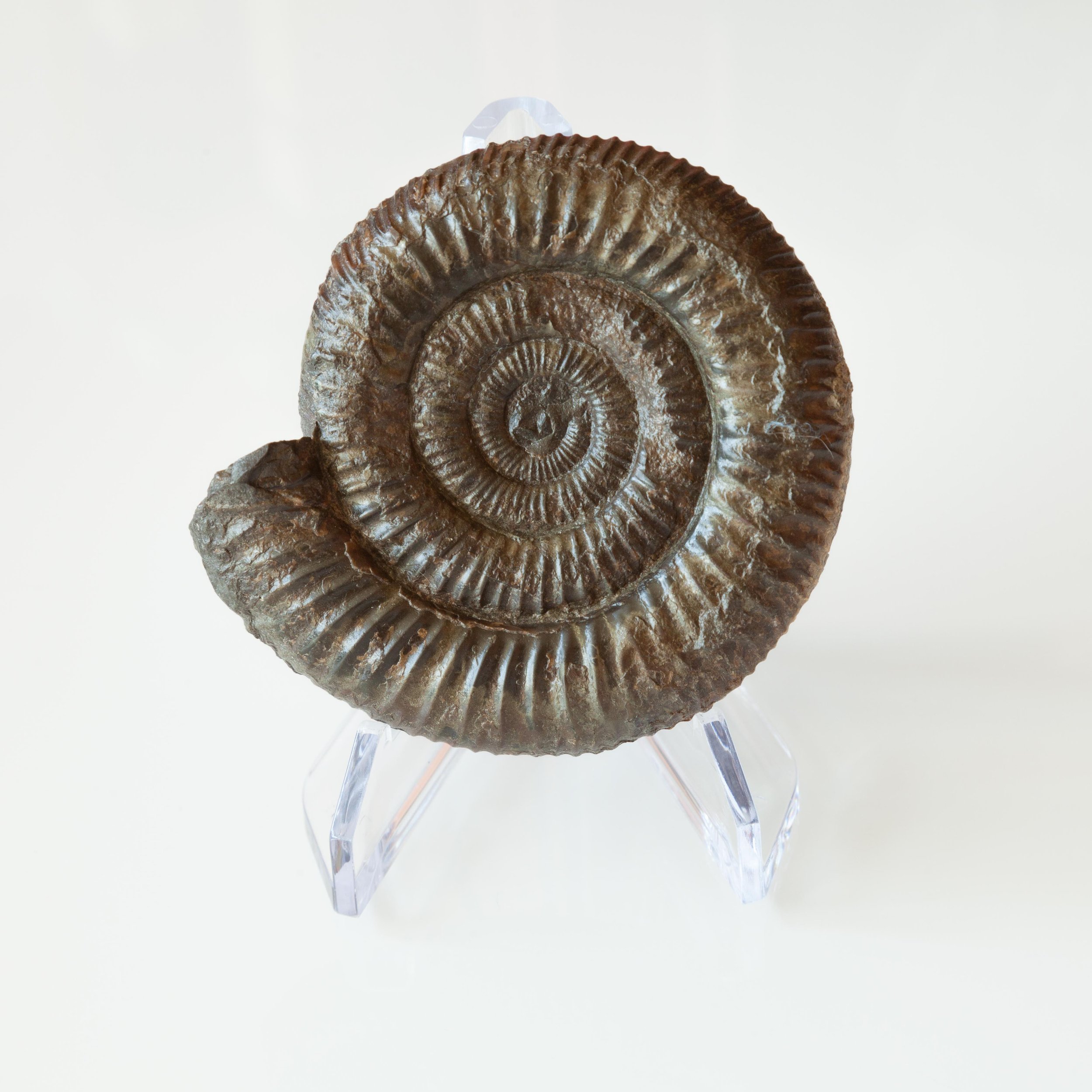
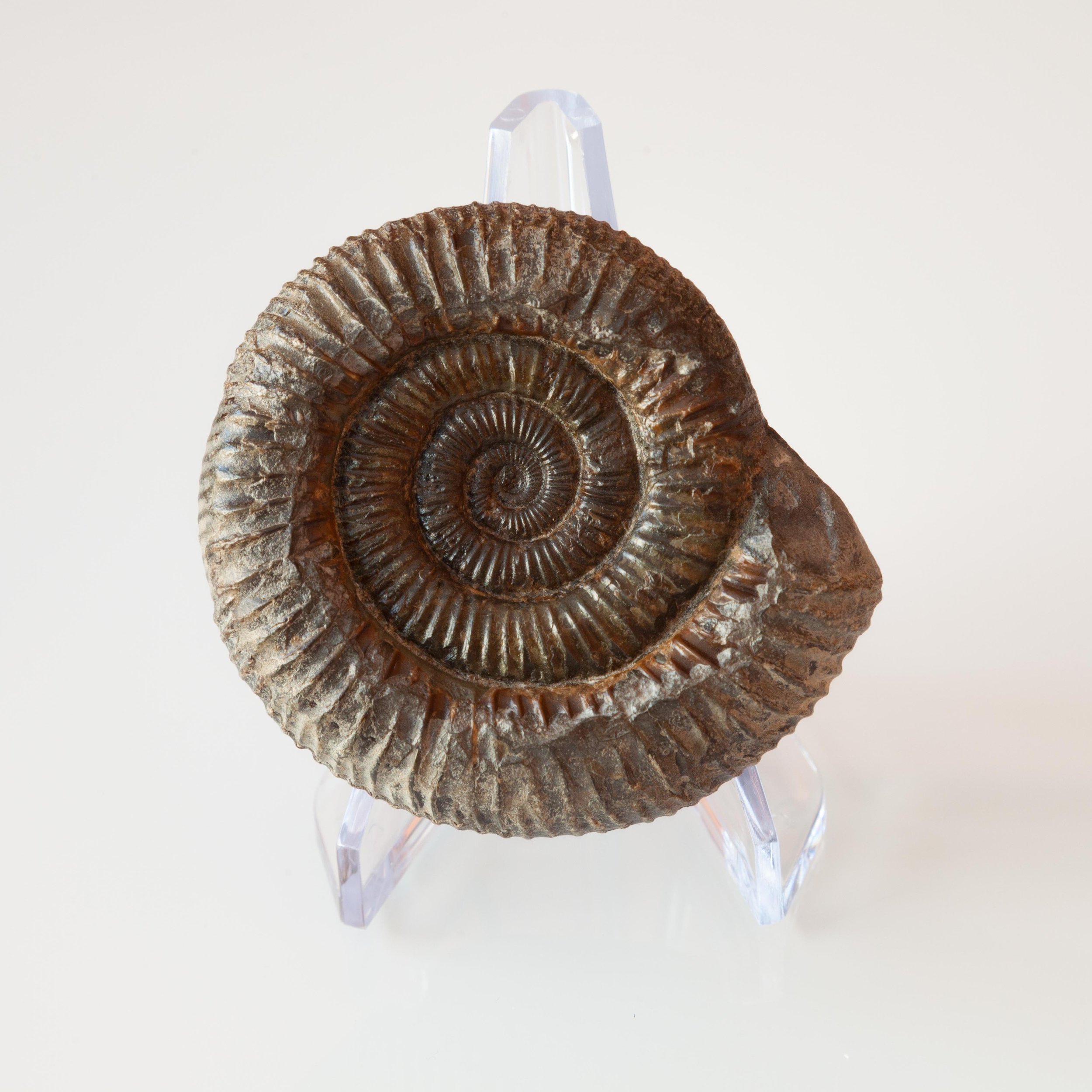
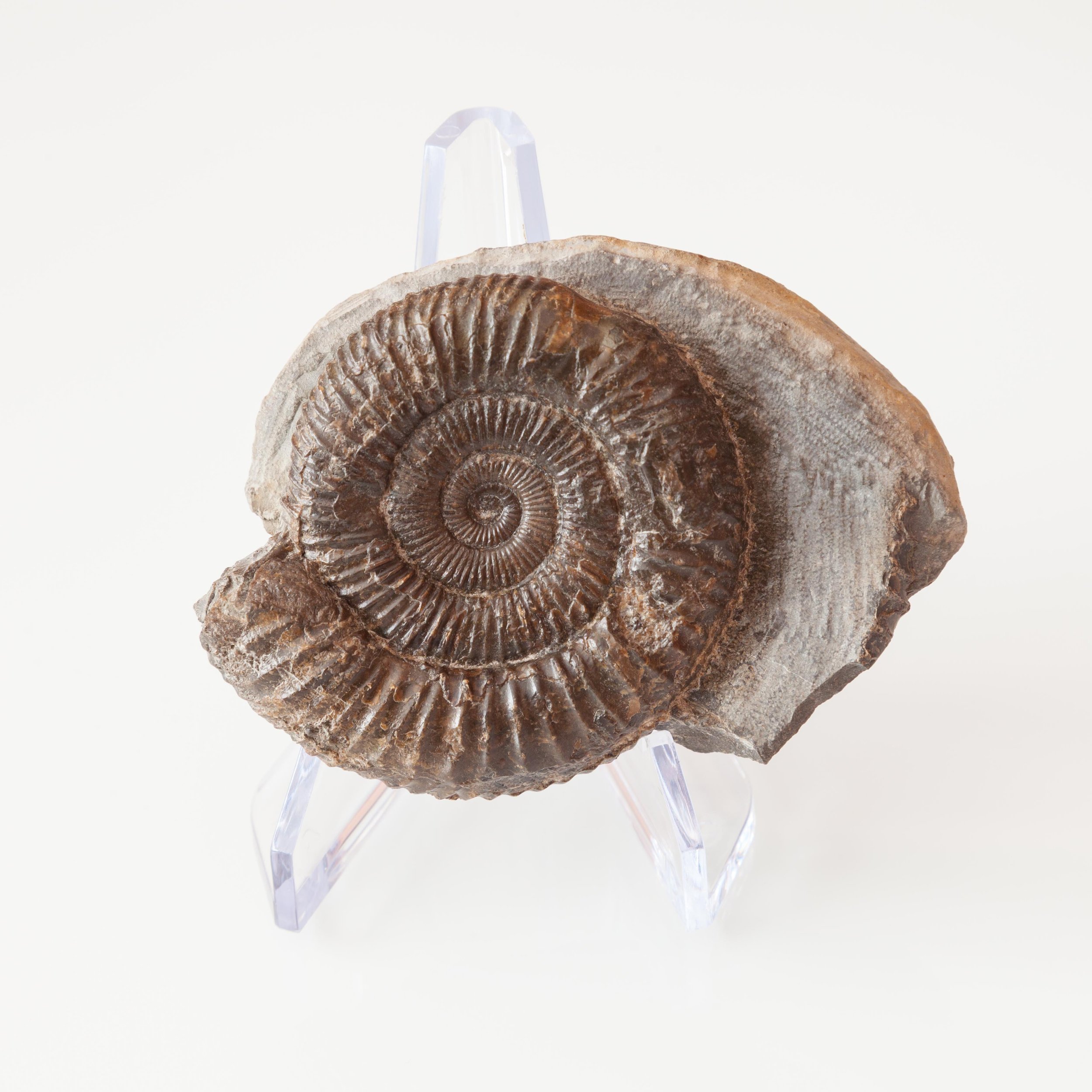
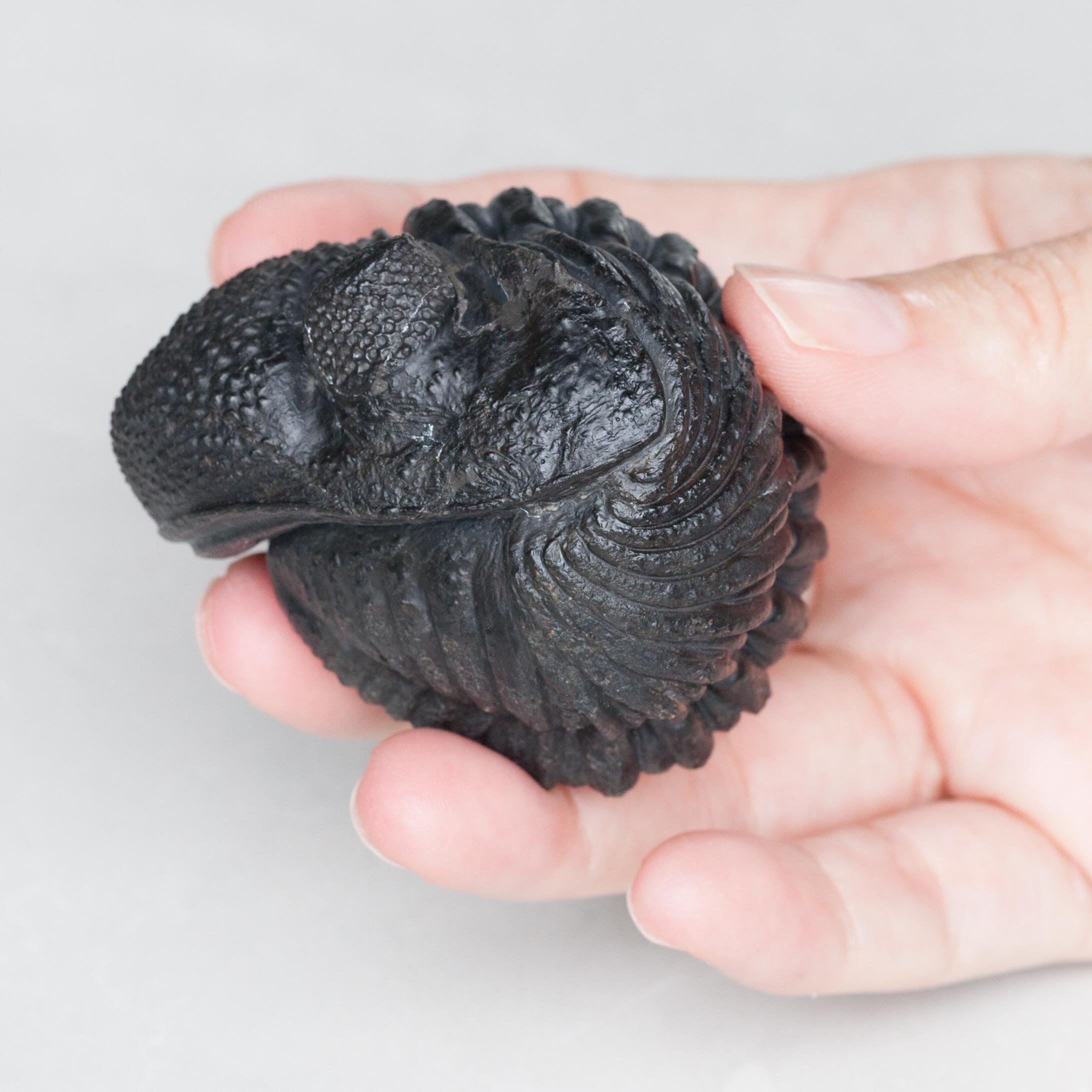
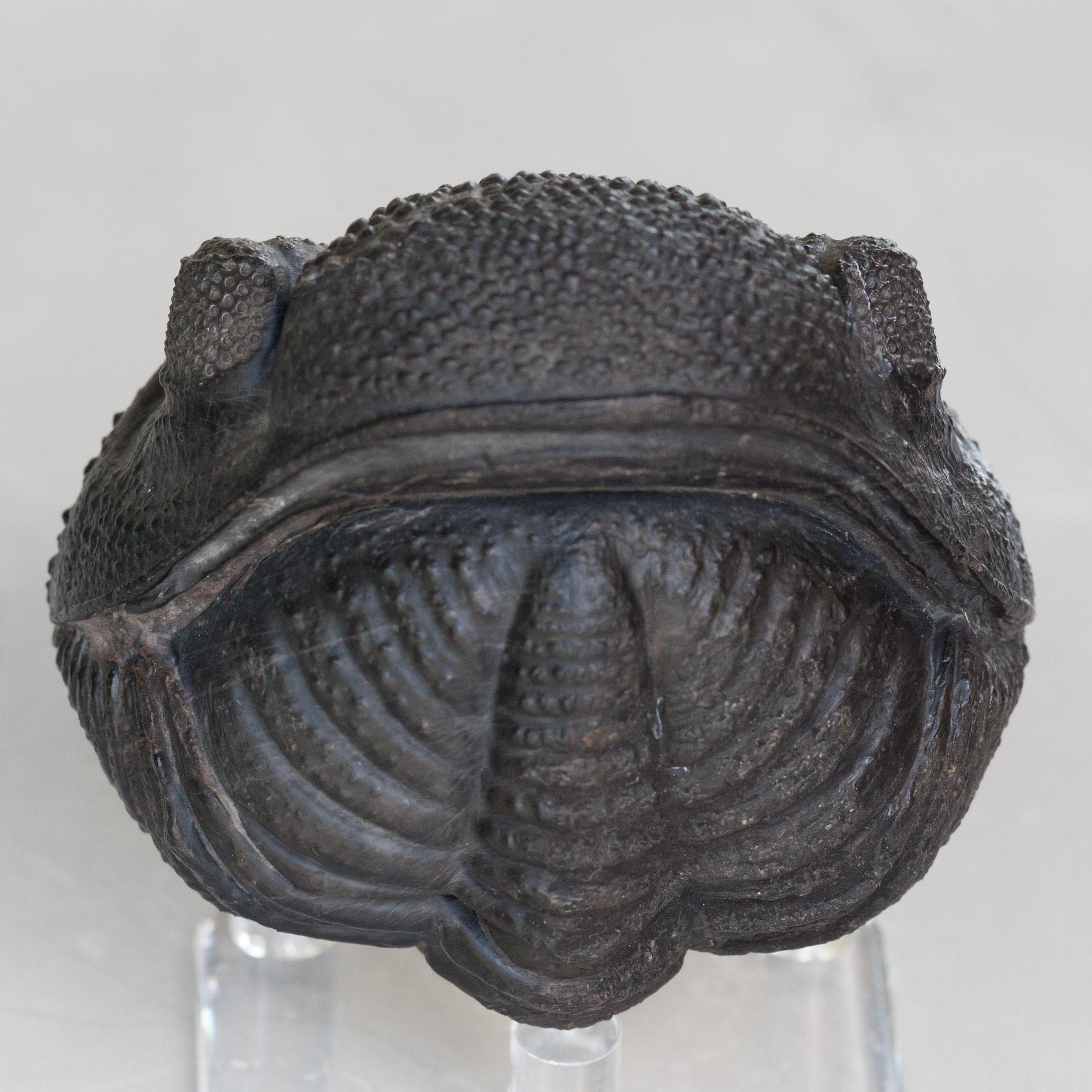
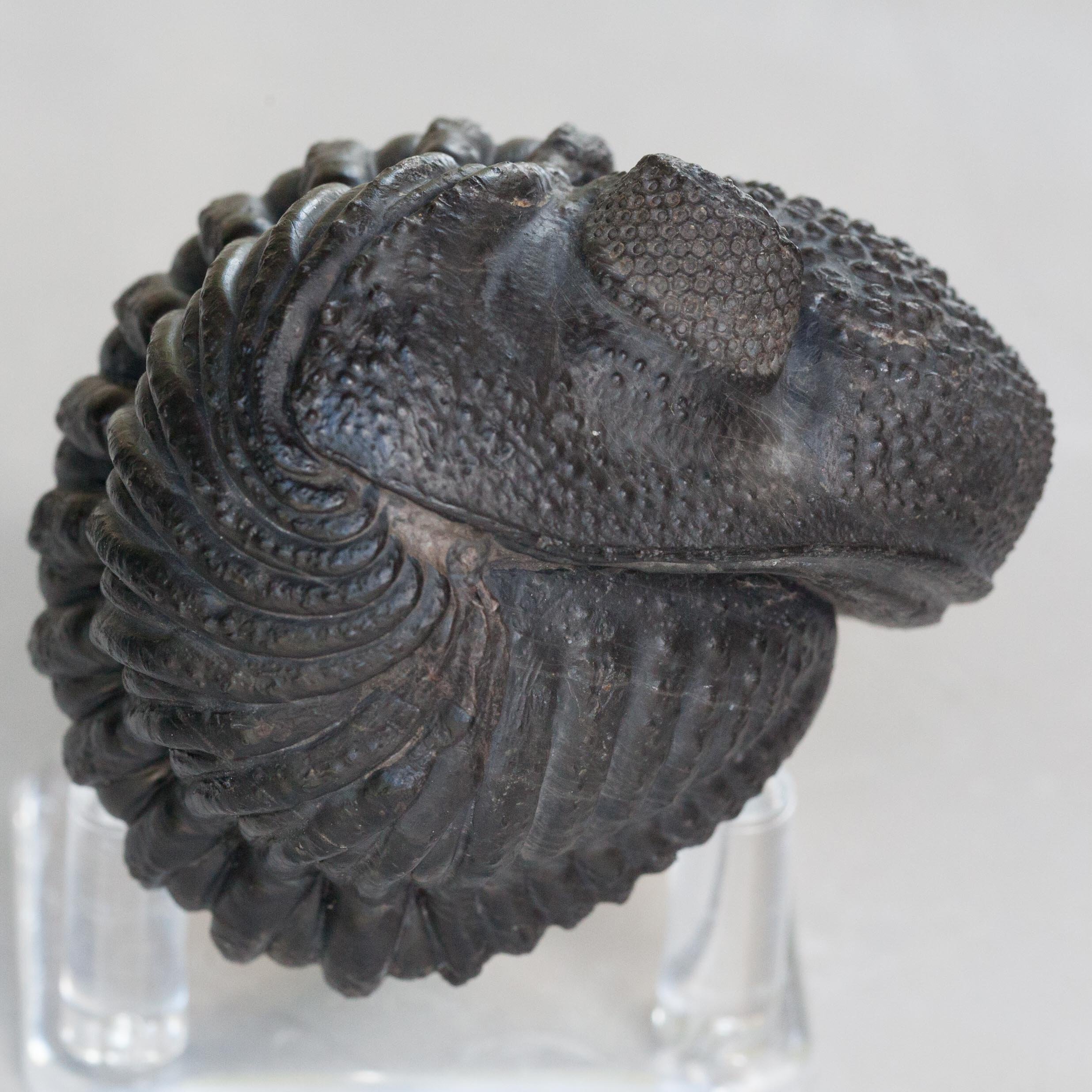
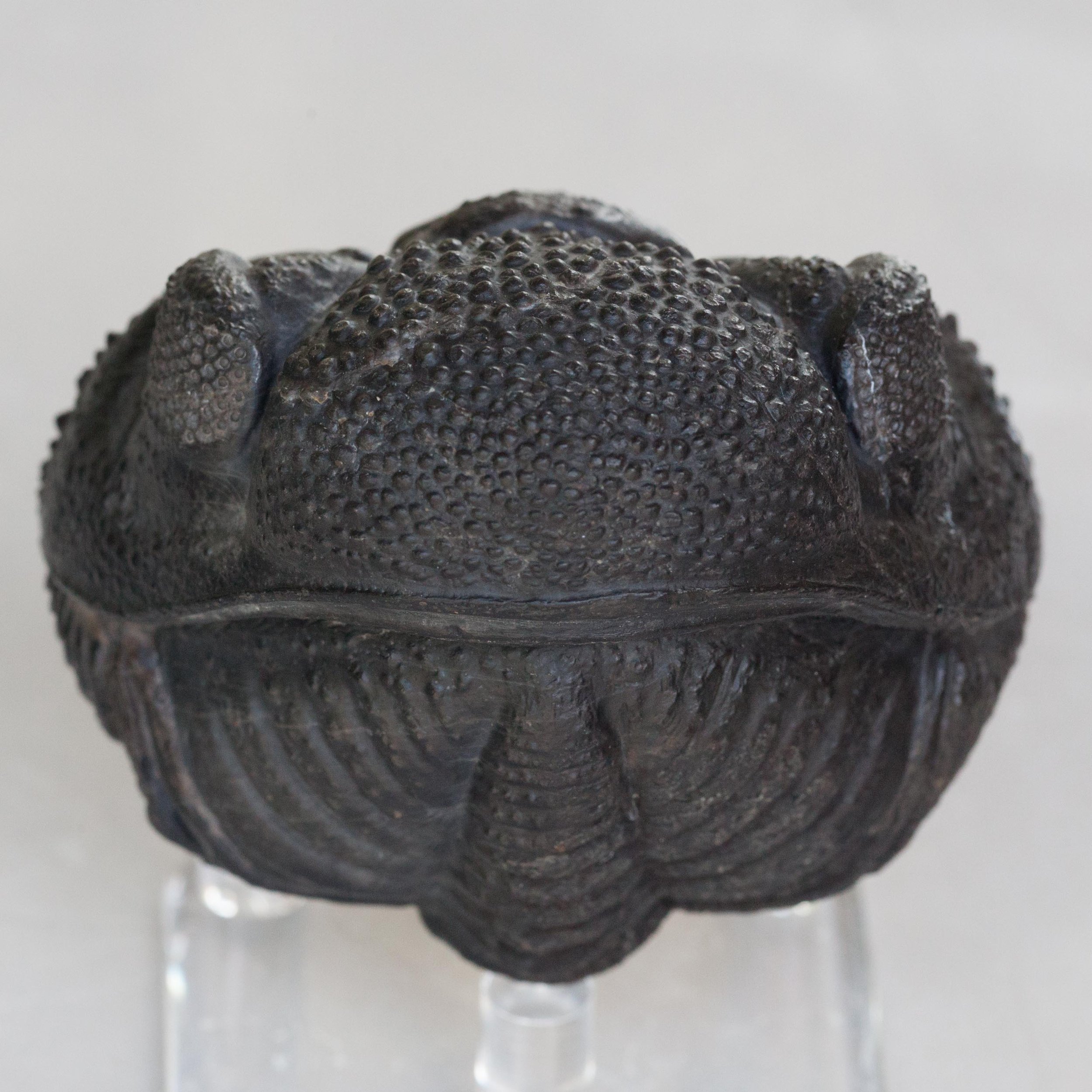
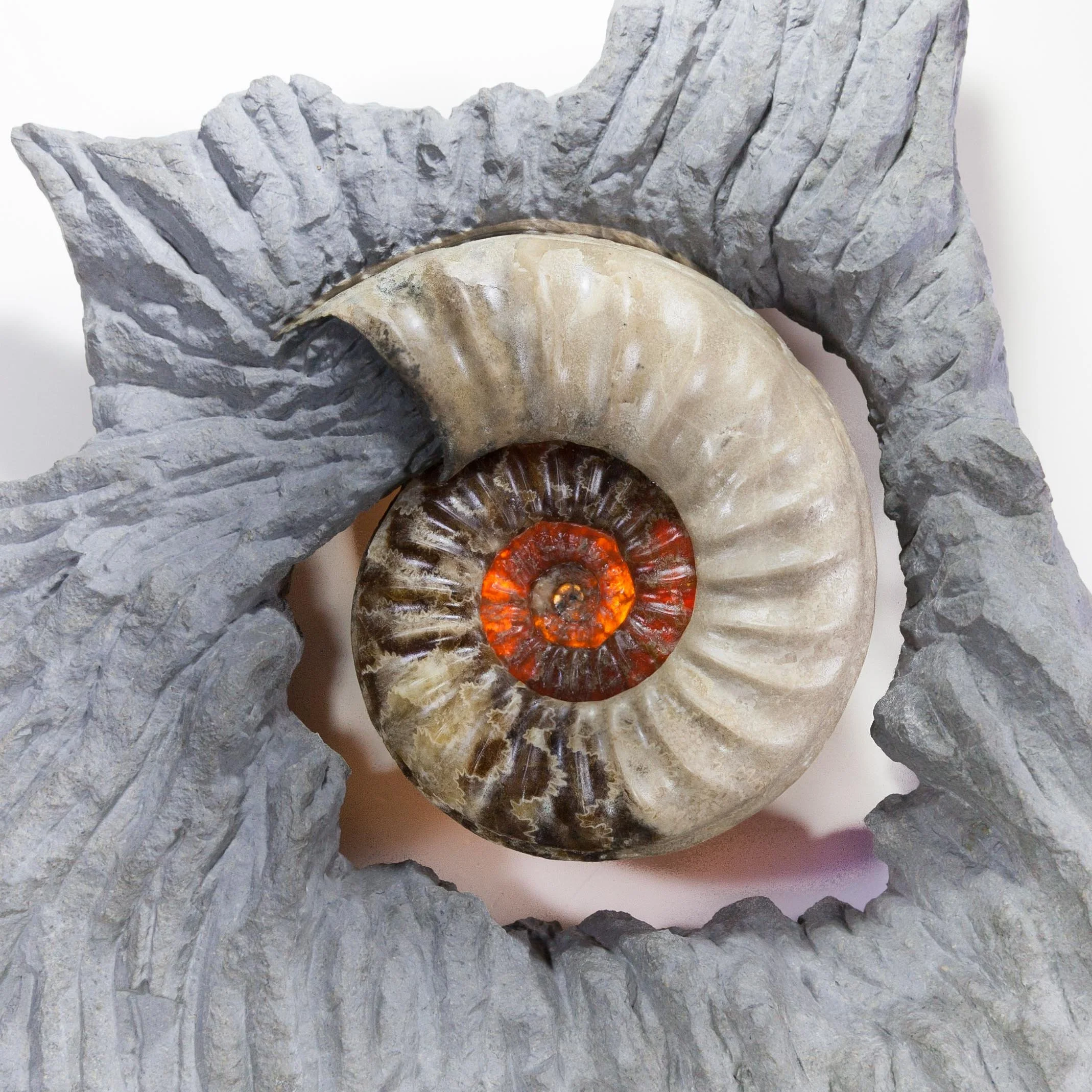
This 200 million year old early Jurassic (Lower Lias) age Asteroceras obtusum has undergone mineralization, and the original shell was replaced by calcite during fossilization. The ammonite is fully 3 dimensional with well defined rib ornamentation.

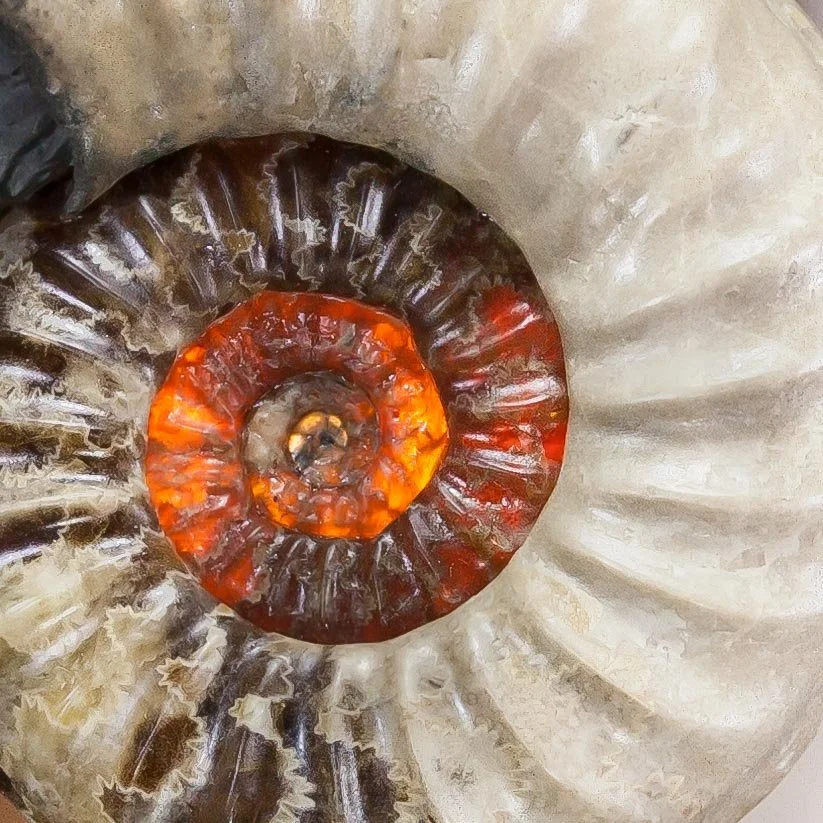
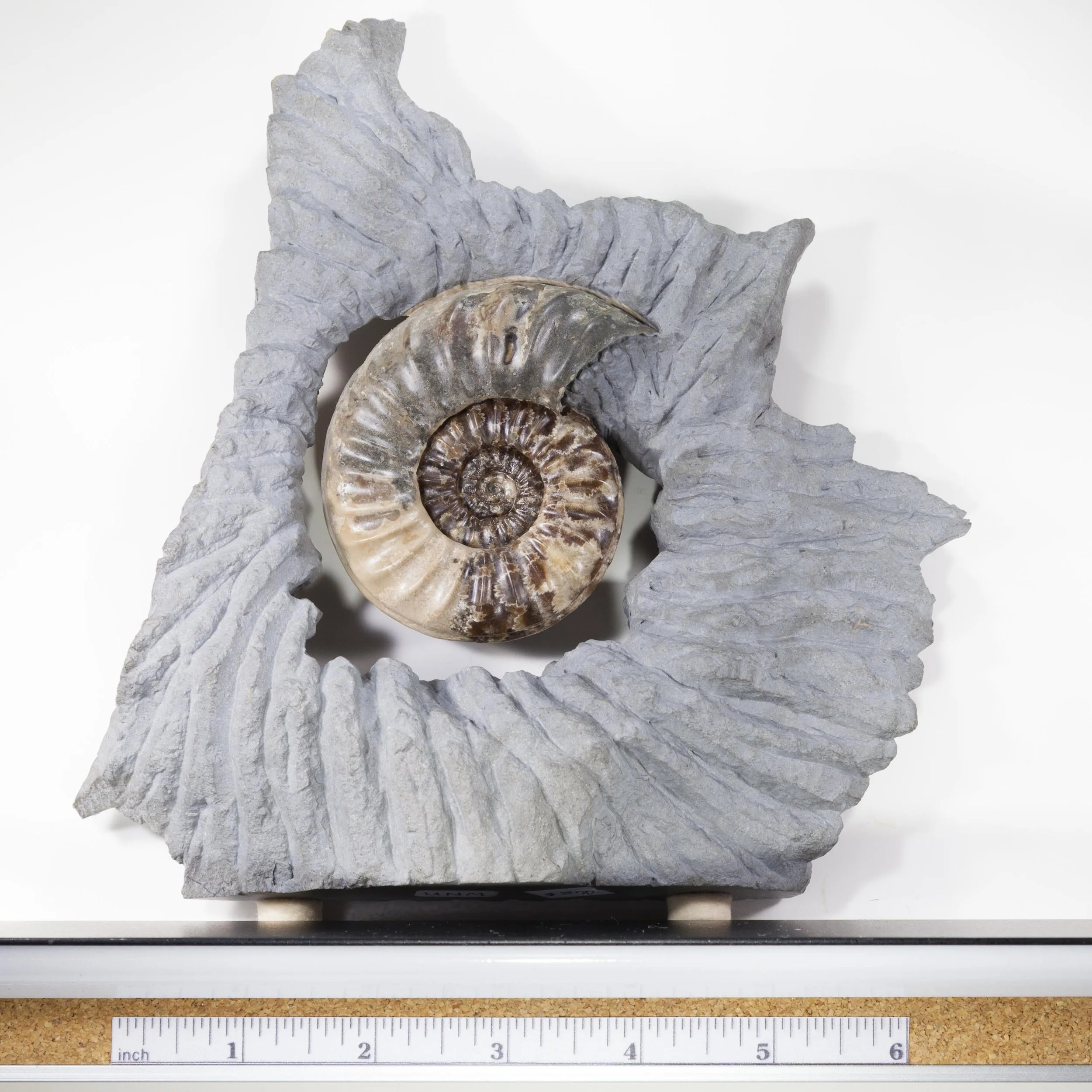
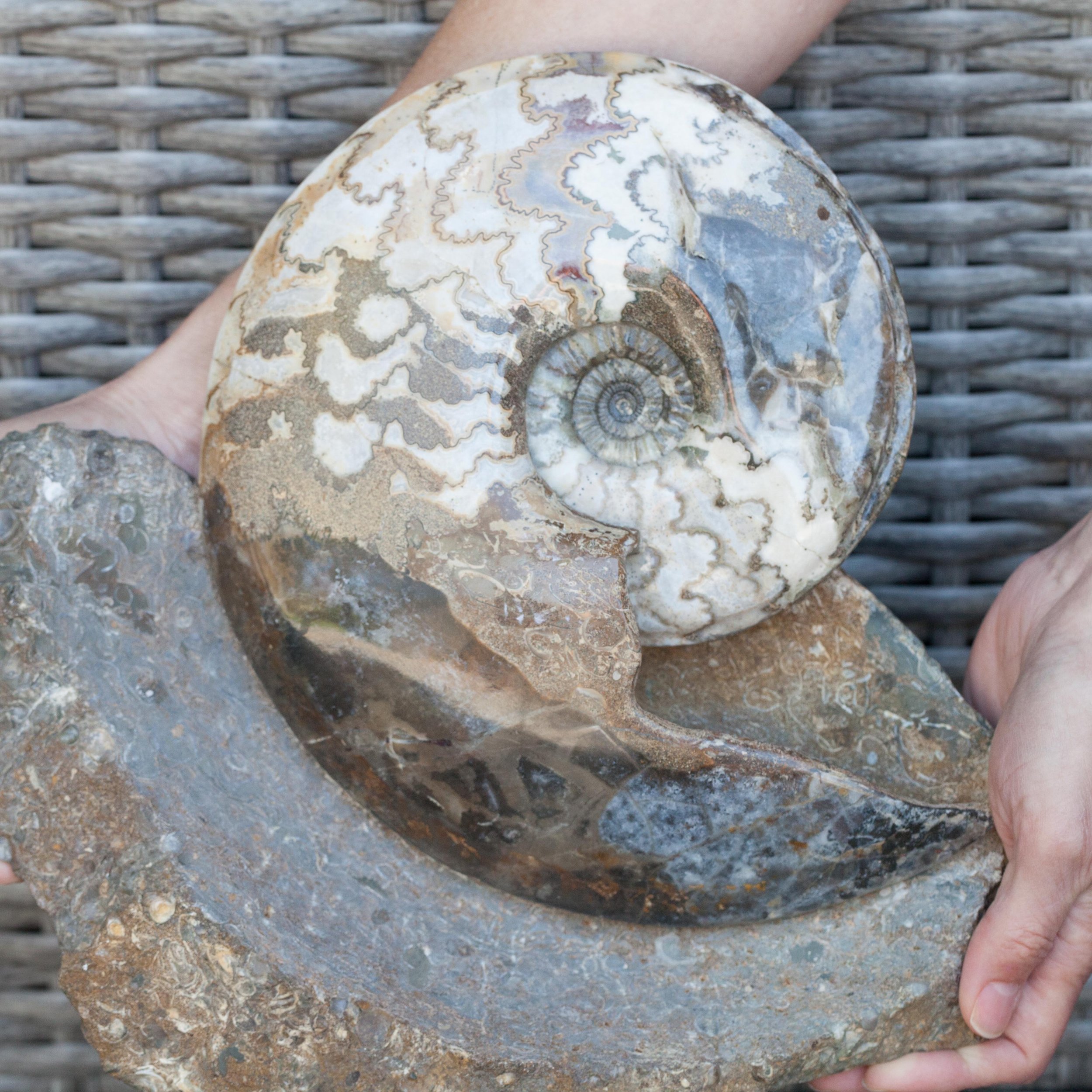
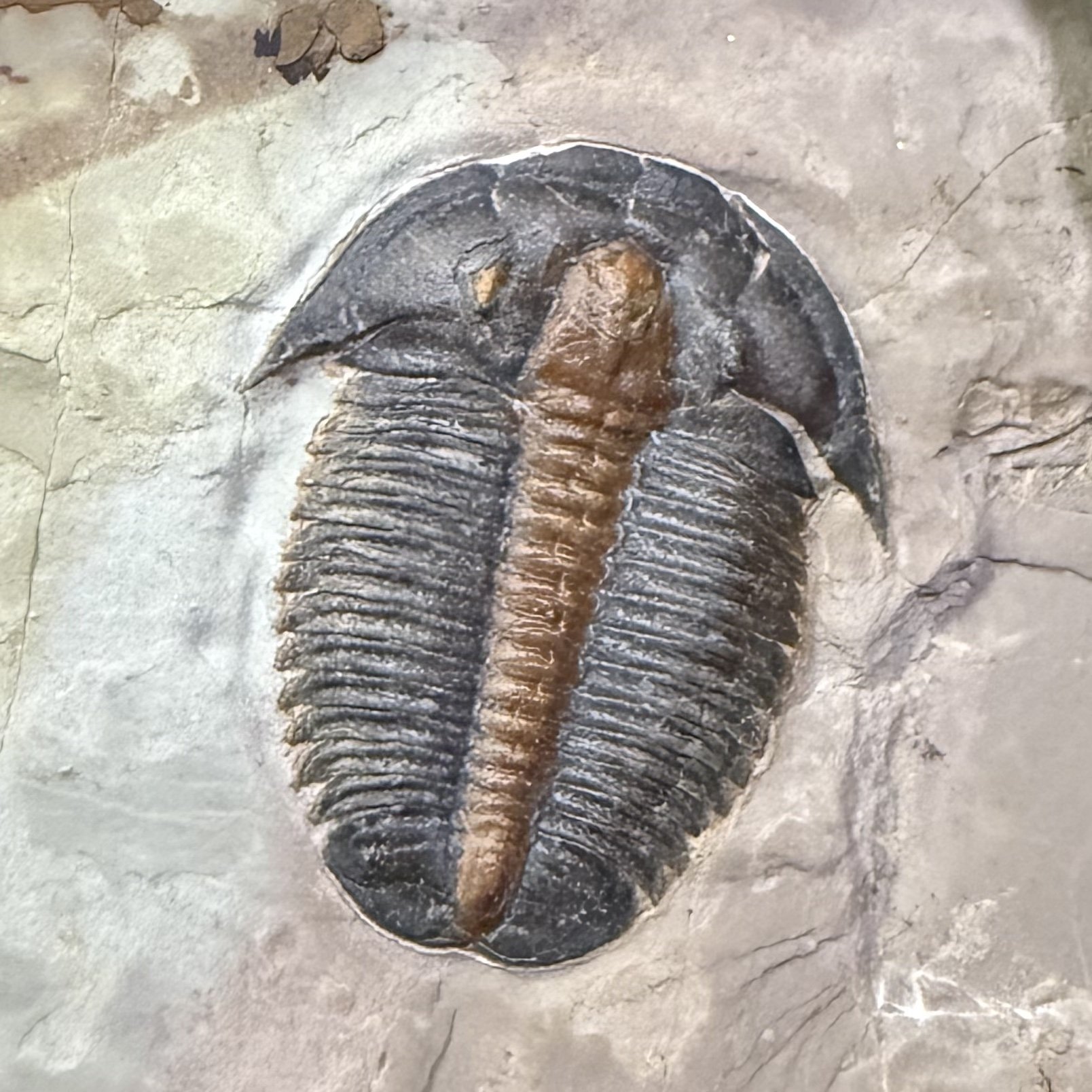
The rare perfection of this ammonite has enabled it to be prepared on both sides to reveal the beauty of the colors given off by the translucency of the calcite as light passes through it. The sutures of the individual chambers created during growth are also clearly visible. An acrylic stand is included.

Some of the photos have been backlit with an orange light to show the translucency of the ammonite. It is rare to find a piece that can be worked to the level of detail on both sides as this ammonite has been. A truly beautiful display piece.

Vendor: Fossil Soup

SKU Number: SQ6457064

An exceptional example of a sought after ammonite from the celebrated Charmouth / Lyme Regis locality in Dorset, South West England. This locality was made famous by Mary Anning, a victorian paleontologist, who discovered the fossilized remains of many large marine reptiles that are now on display in the Natural History Museum in London.

These ammonites are generally found in nodules of sedimentary rock on the foreshore at low tide. The nodules are broken open to reveal the fossil inside. After collection the rock is further abraded from the ammonite using pneumatic tools to reveal the whole fossil.

This 200 million year old early Jurassic (Lower Lias) age Asteroceras obtusum has undergone mineralization, and the original shell was replaced by calcite during fossilization. The ammonite is fully 3 dimensional with well defined rib ornamentation.

The rare perfection of this ammonite has enabled it to be prepared on both sides to reveal the beauty of the colors given off by the translucency of the calcite as light passes through it. The sutures of the individual chambers created during growth are also clearly visible. An acrylic stand is included.

Some of the photos have been backlit with an orange light to show the translucency of the ammonite. It is rare to find a piece that can be worked to the level of detail on both sides as this ammonite has been. A truly beautiful display piece.

Specimen Details
Species Name: Asteroceras obtusum Order / Family: Ammonitida / Arietitidae Age: Lower Lias, Lower Jurassic Locality: Charmouth, Dorset, England Formation: Obtusum Zone
Matrix Dimensions
Dimensions: In Centimeters Length: 17.8 cm Width: 17.6 cm Height: 2.81 cm Weight: N/A
Specimen Dimensions
Dimensions: In Centimeters Length: 7.79 cm Width: 6.02 cm Height: 2.73 cm Weight: N/A
Shipping Dimensions
Dimensions: In Inches Length: 11.25 inches Width: 8.75 inches Height: 6.00 inches Weight: N/A
Satisfaction Guarantee

          Have a question?

Click here. (Please include the SKU number in your message.)

Additional Information

Ammonites are a group of extinct marine mollusks that occupy the same class that includes octopuses, squids, and nautiluses. The group Cephalopoda is divided into three subgroups: coleoids (including squids, octopuses and cuttlefishes), nautiloids (the nautiluses) and ammonites.

During their long history, ammonites survived three mass extinctions—most notably the Permian extinction, a global warming that was brought on by volcanic activity about 252 million years ago, and that killed 96 percent of the planet’s marine species. While many species of ammonites died out in that extinction event, scientists believe the survivors diversified explosively in the million years that followed. Ammonites hunted the planet’s seas until they were entirely wiped out by the same cataclysm that claimed the non-avian dinosaurs about 66 million years ago.

References:

Asteroceras
Order Ammonoidea
National Geographic Ammonte Facts