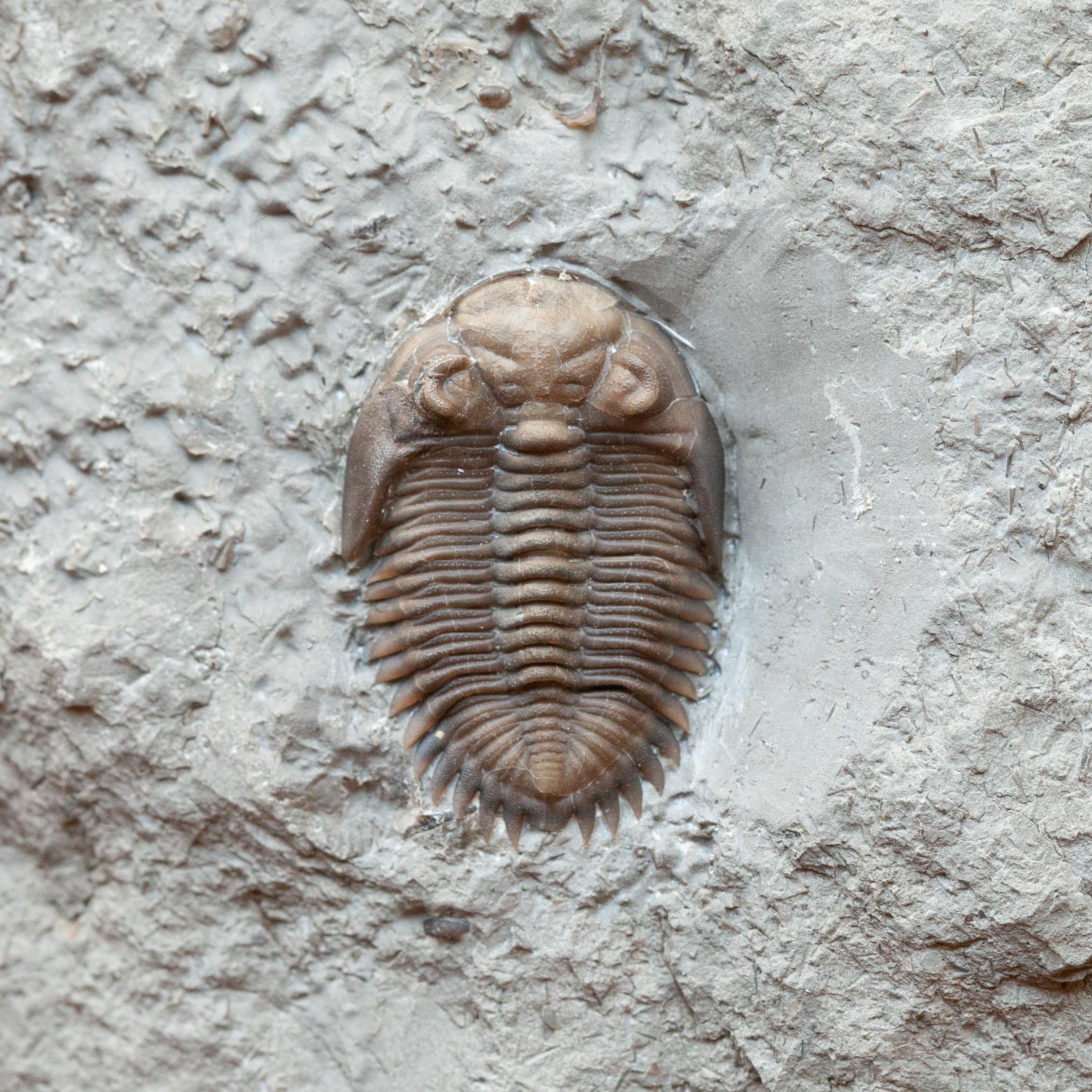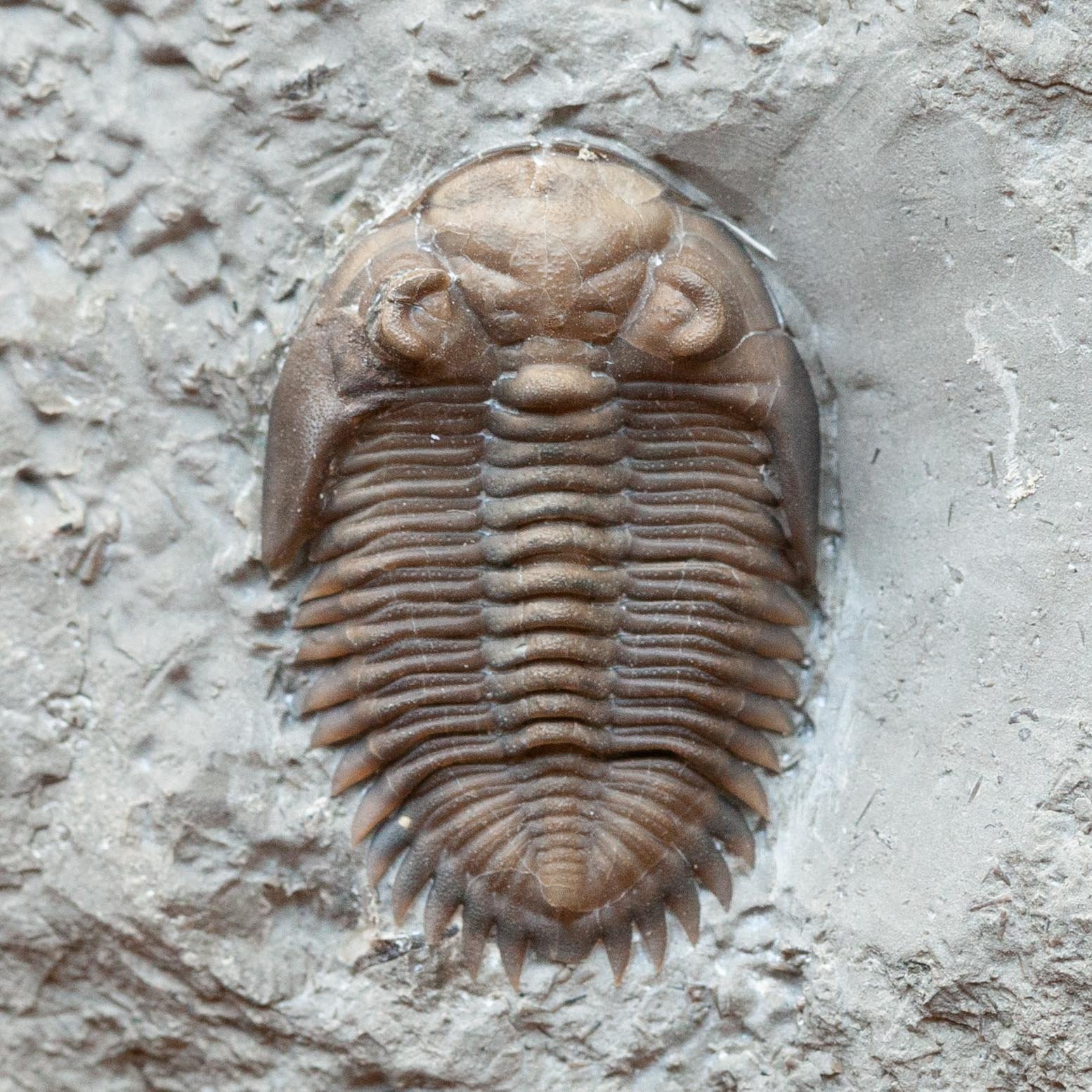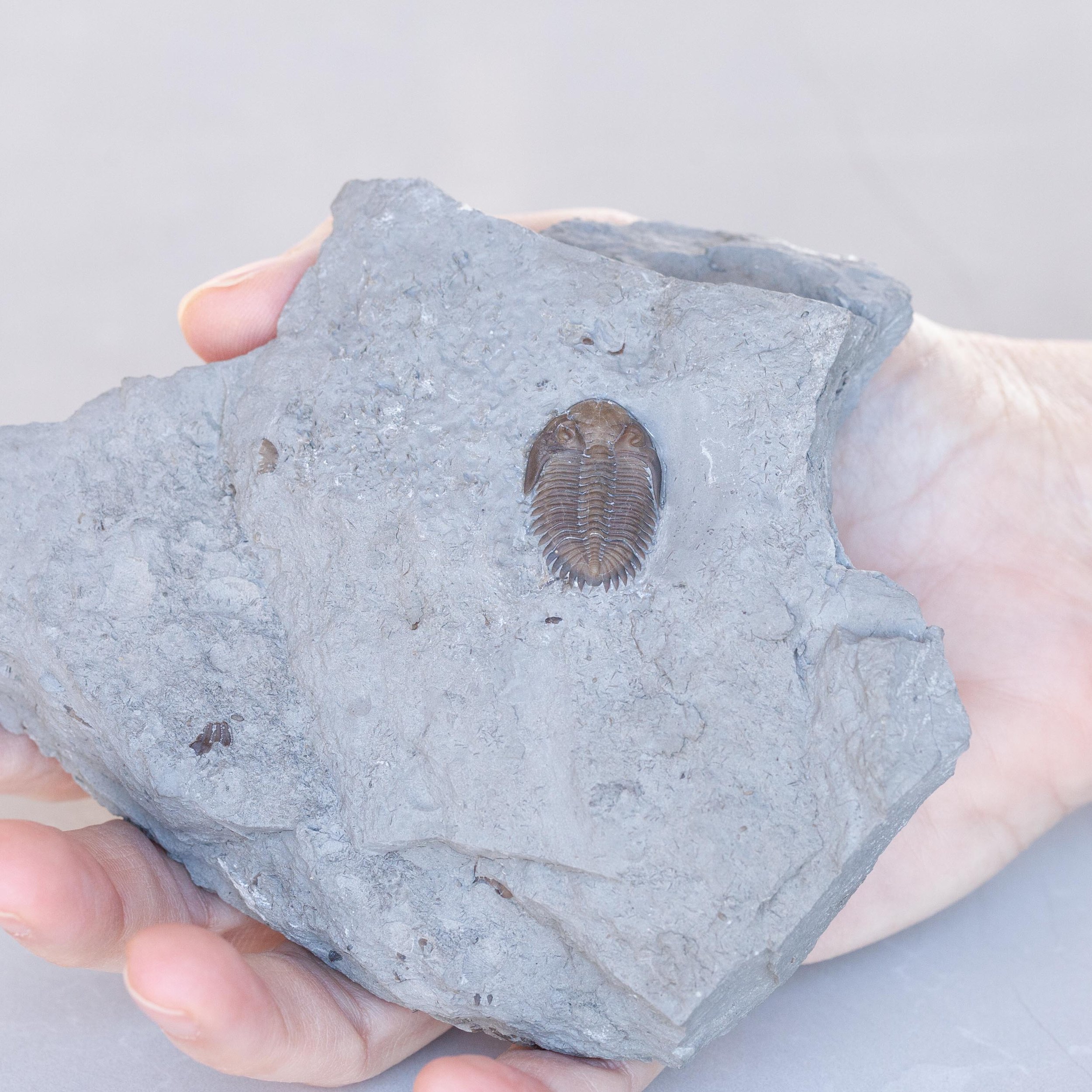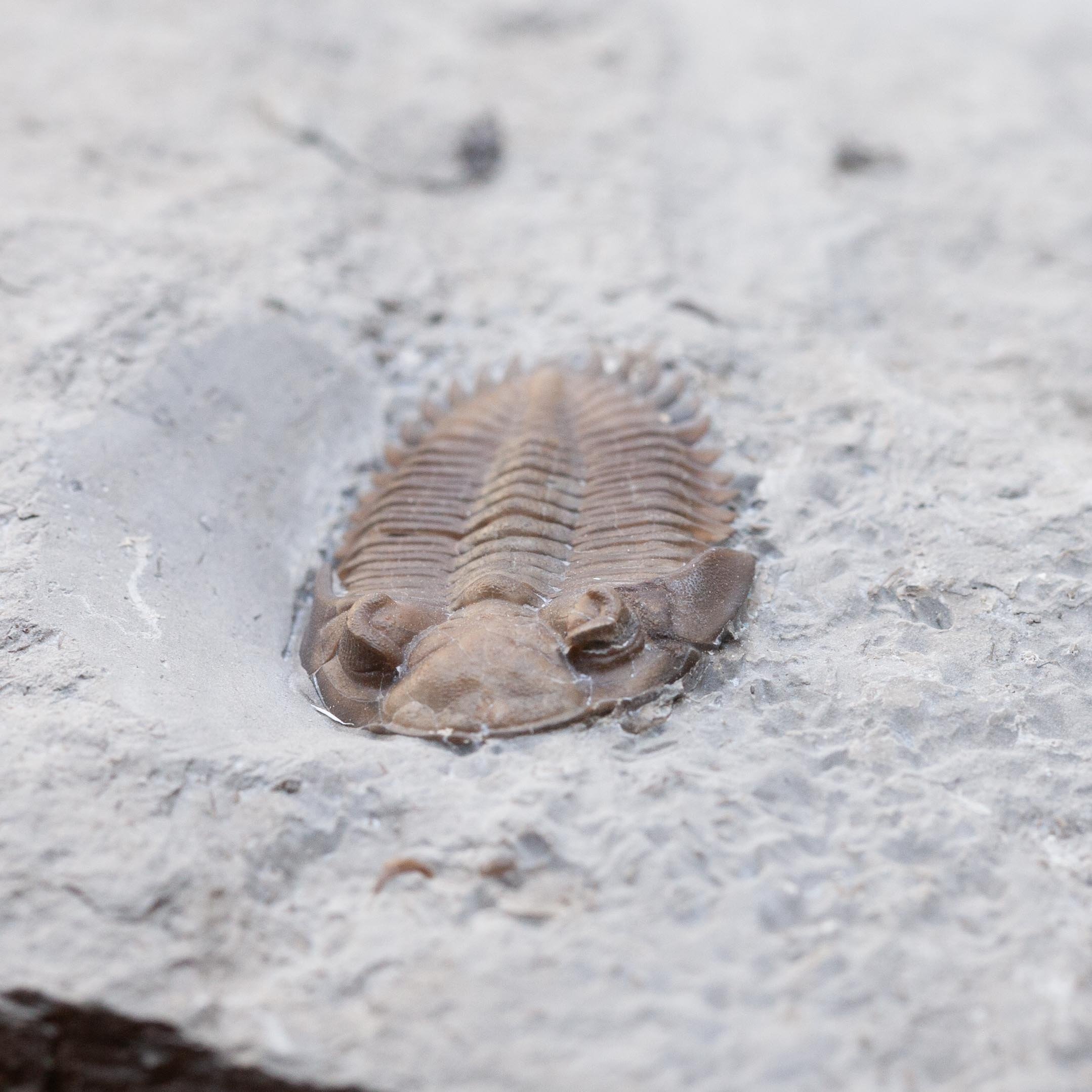
Image 1 of 2
Image 2 of 2
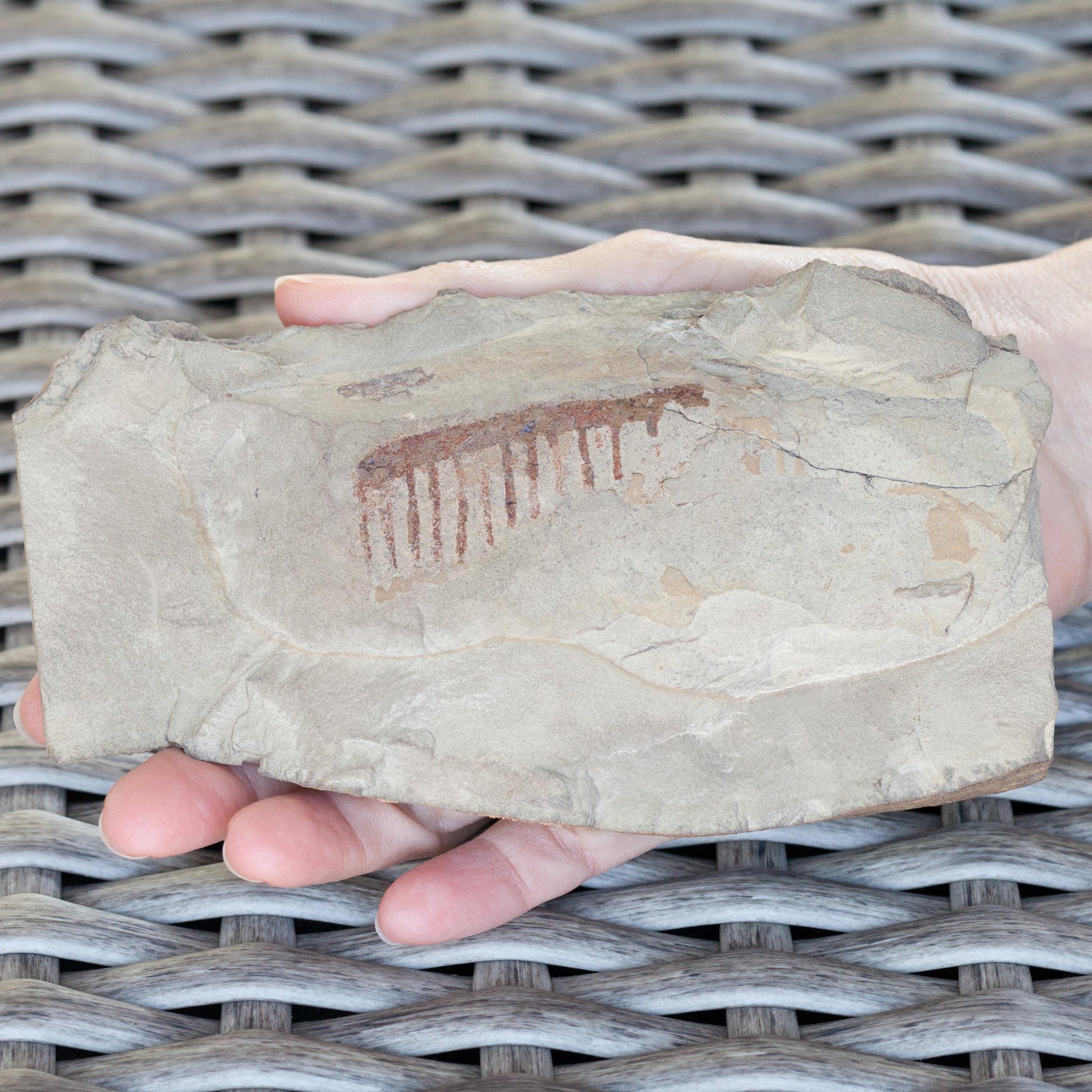
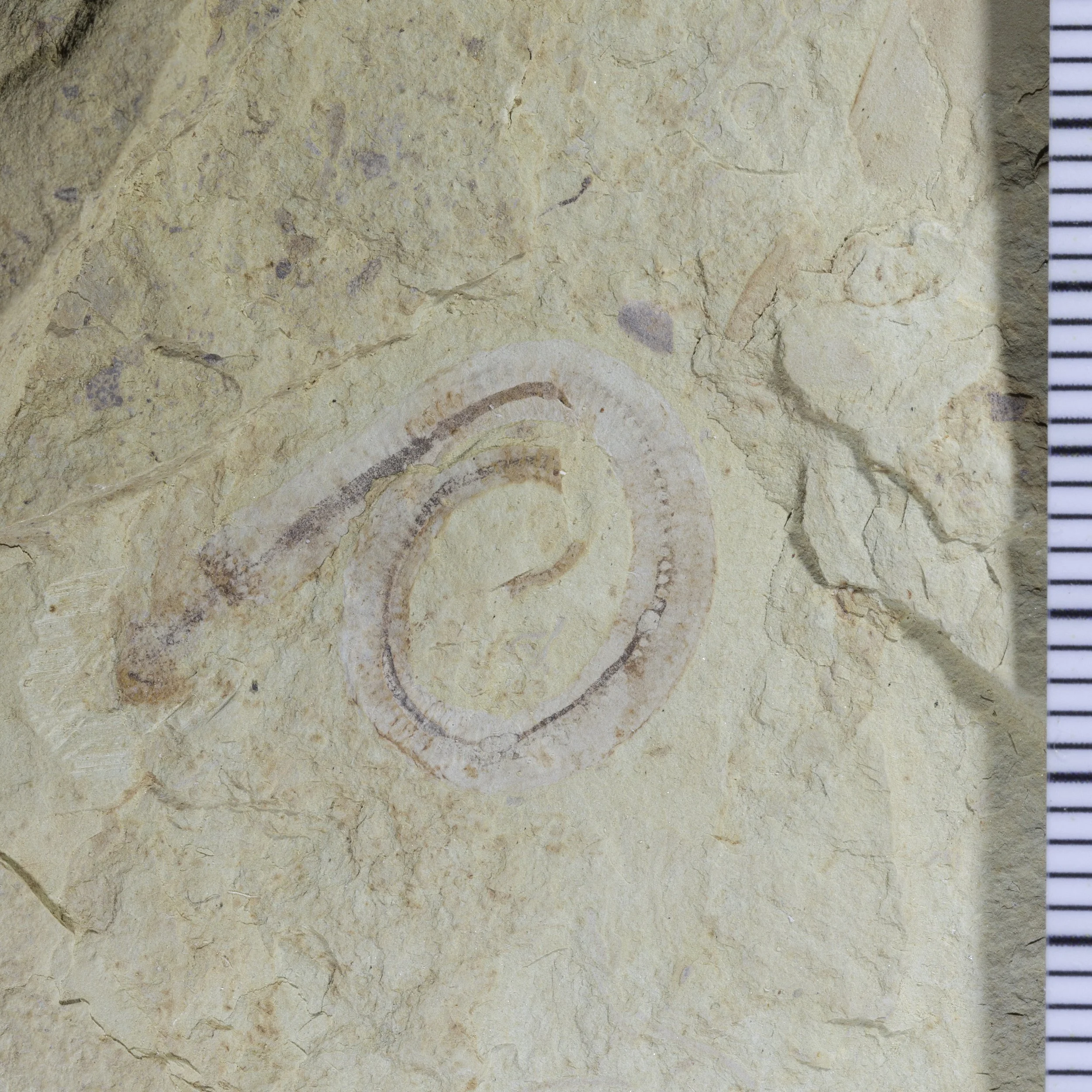
Anomalocarid appendage
Vendor: Fossil Soup
SKU Number: SQ5344151
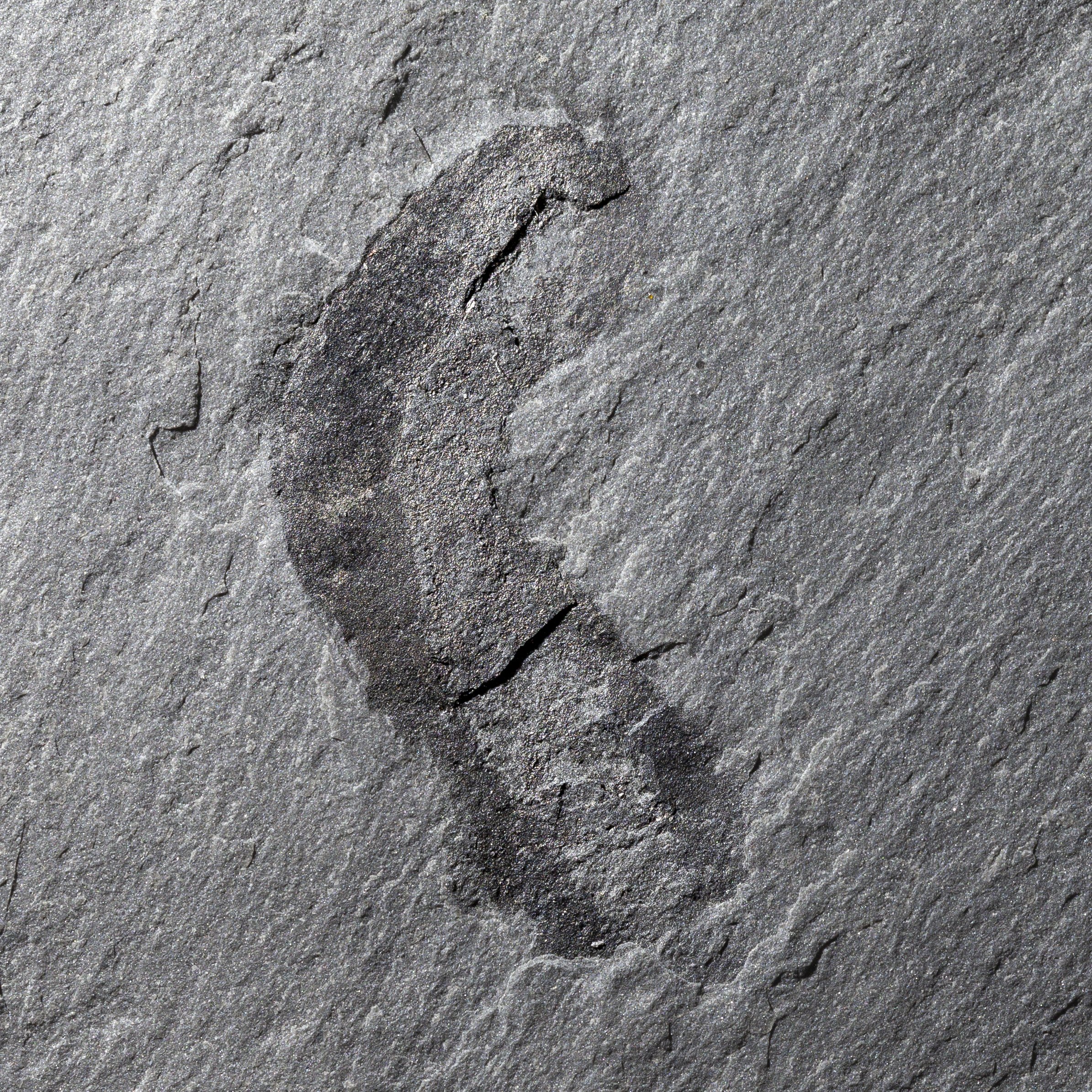
Portion of a radiodont appendage from the Early Ordovician, Upper Fezouata Formation, Morocco. These Radiodonts were filter feeders that evolved from the earlier predatory Anomalocarids of the Cambrian period.
This piece may be a filter-feeding appendage from Aegirocassis benmoulai. A nice addition to any radiodont collection, and one that is rarely available on the market.
Full dimensions are listed below.
Vendor: Fossil Soup
SKU Number: SQ5344151
Portion of a radiodont appendage from the Early Ordovician, Upper Fezouata Formation, Morocco. These Radiodonts were filter feeders that evolved from the earlier predatory Anomalocarids of the Cambrian period.
This piece may be a filter-feeding appendage from Aegirocassis benmoulai. A nice addition to any radiodont collection, and one that is rarely available on the market.
Full dimensions are listed below.
Additional Information
Radiodonta are an extinct order of arthropods with paired fore-limbs adapted for specific use in feeding. They appeared early in the Cambrian and would have been the first free-swimming raptorial predators, a role subsequently taken on by animals such as Sharks, Fish, Squid, and marine Tetrapods, which appeared to place them firmly at the top of the Cambrian food-chain. These Radiodonts had rather complex exoskeletons, which tended to become disarticulated before being preserved.
Recently, large Radiodonts from the early Cambrian have been discovered that have feeding organs adapted not for raptorial predation but for filter feeding. Filter feeders fed on microscopic organisms floating near the ocean surface. It has been suggested that the first planktonic animals in the Cambrian initiated the biological pump, which, in turn, fueled the diversification of complex animal communities on the seafloor. Filter feeding has repeatedly appeared in the largest members of other groups of raptorial marine predators, including Sharks, Whales and several types of Fish, making this a predictable occurrence in large raptorial Radiodonts, a view that was supported by the discovery of a second such species, the two meter long Aegirocassis from the Early Ordovician.
References:
Vendor: FS-JS
SKU Number: SQ0372157
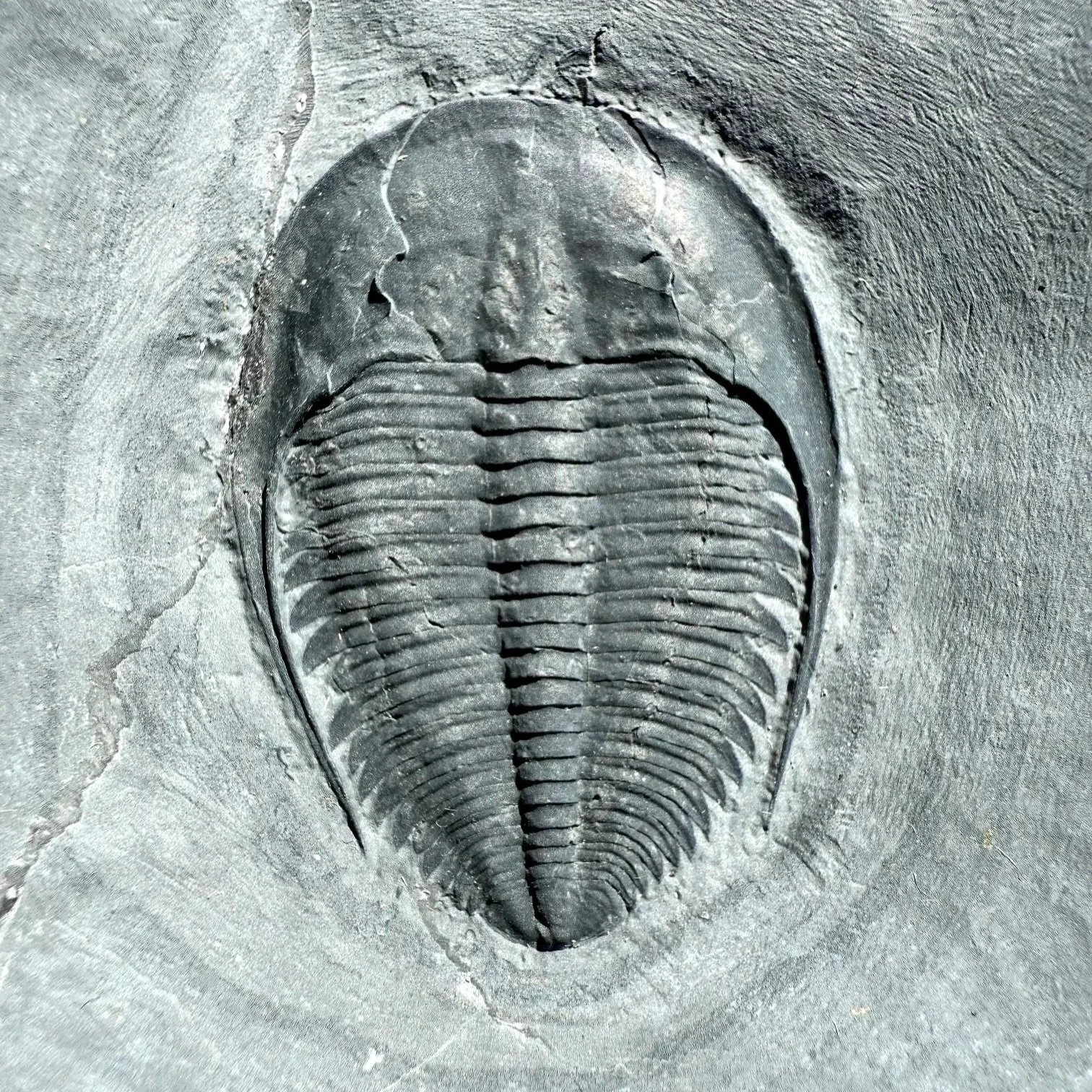
Glossopleura packi from the Middle Cambrian, Spence Shale, Wellsvilles Mtns, Box Elder Co., Utah.
A nice rare trilobite at a reasonable price.
Full dimensions are listed below.
Vendor: FS-JS
SKU Number: SQ4125048
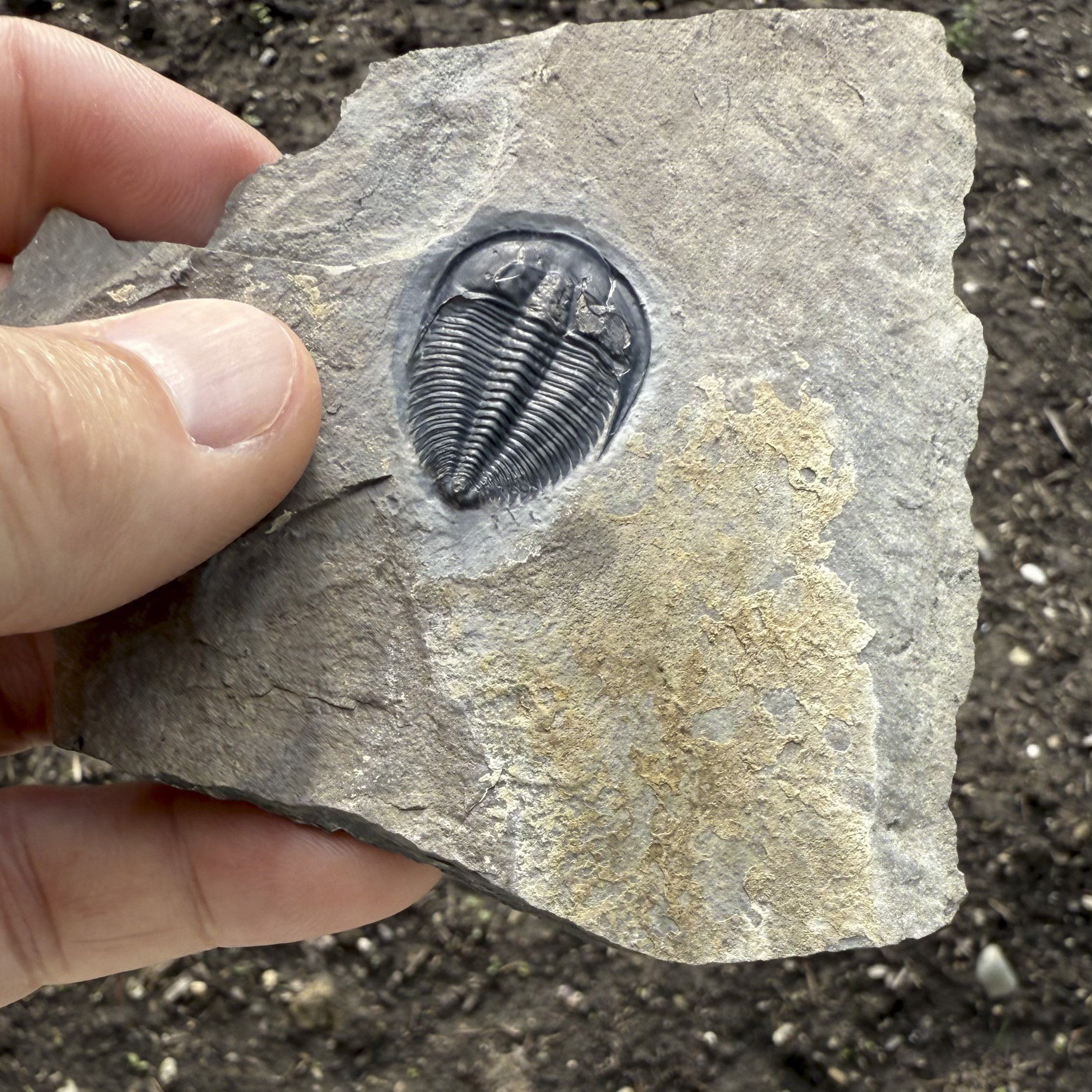
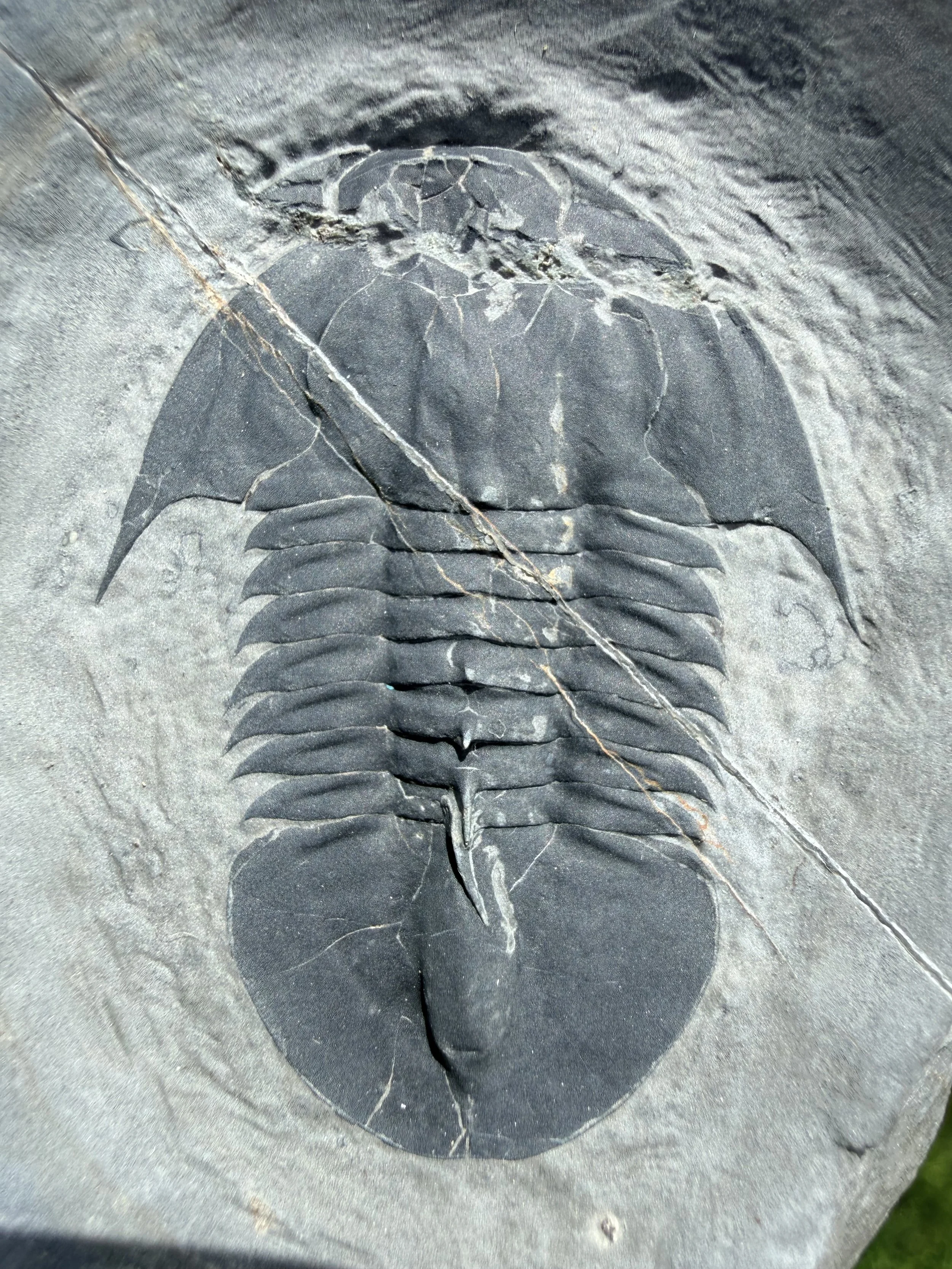
Amecephalus sp., from the Middle Cambrian, Spence Shale, Wellsvilles Mtns, Box Elder Co., Utah.
A very large rare and complete trilobite.
Full dimensions are listed below.
Vendor: FS-JS
SKU Number: SQ1164807
Kootenia spencei from the Middle Cambrian, Spence Shale, Wellsville Mtns, Box Elder Co., Utah.
A very rare and complete trilobite with free standing Occipital, thoracic spines.
Full dimensions are listed below.
Vendor: FS-JS
SKU Number: SQ1863833
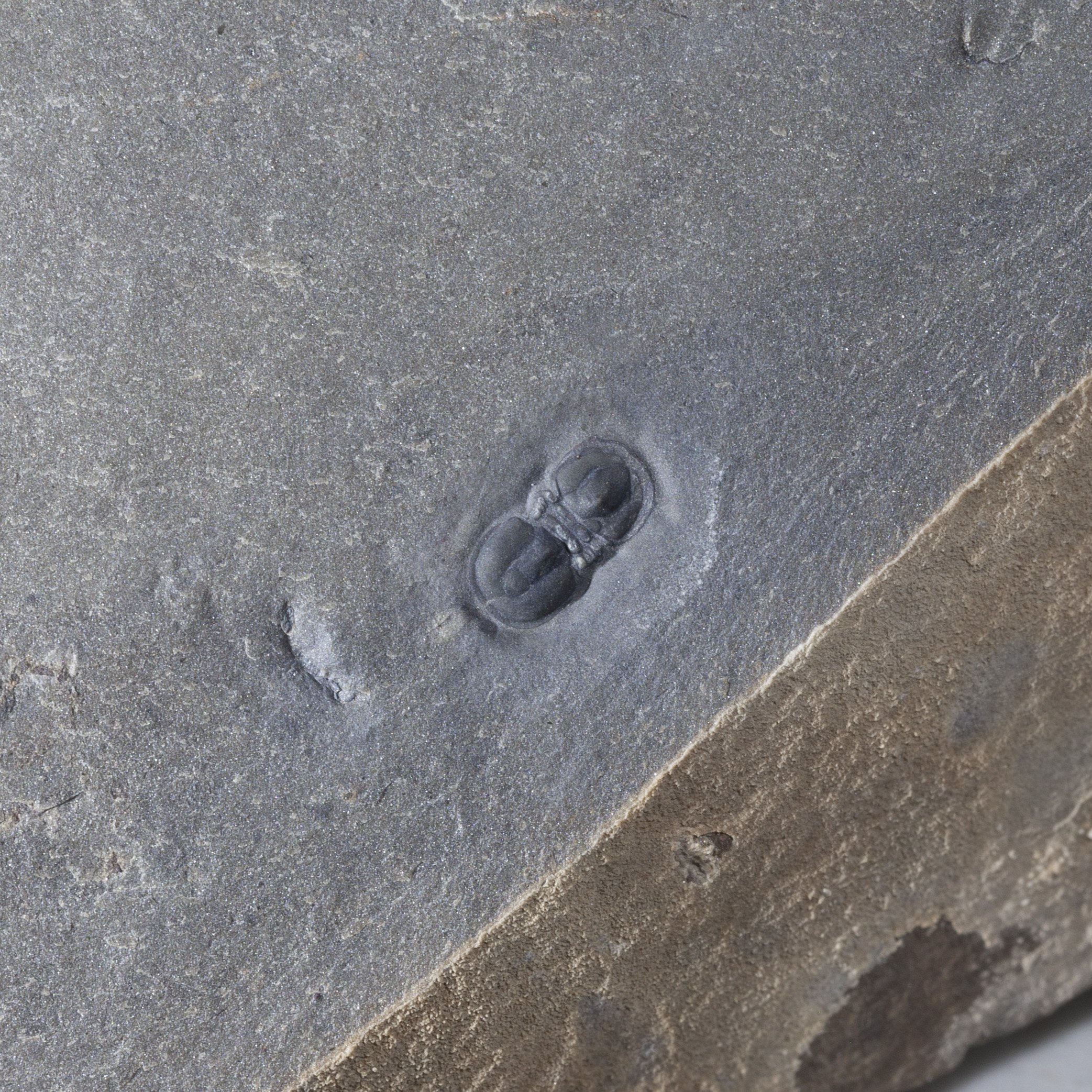
Perenopsis brighamensis, from the Middle Cambrian, Spence Shale, Wellsville Mtns, Box Elder Co., Utah.
A nice little trilobite.
Full dimensions are listed below.
Vendor: FS-JS
SKU Number: SQ7426041
Amecephalus sp., from the Middle Cambrian, Spence Shale, Wellsvilles Mtns, Box Elder Co., Utah.
A very rare and complete trilobite.
Full dimensions are listed below.
Vendor: FS-JS
SKU Number: SQ2503766
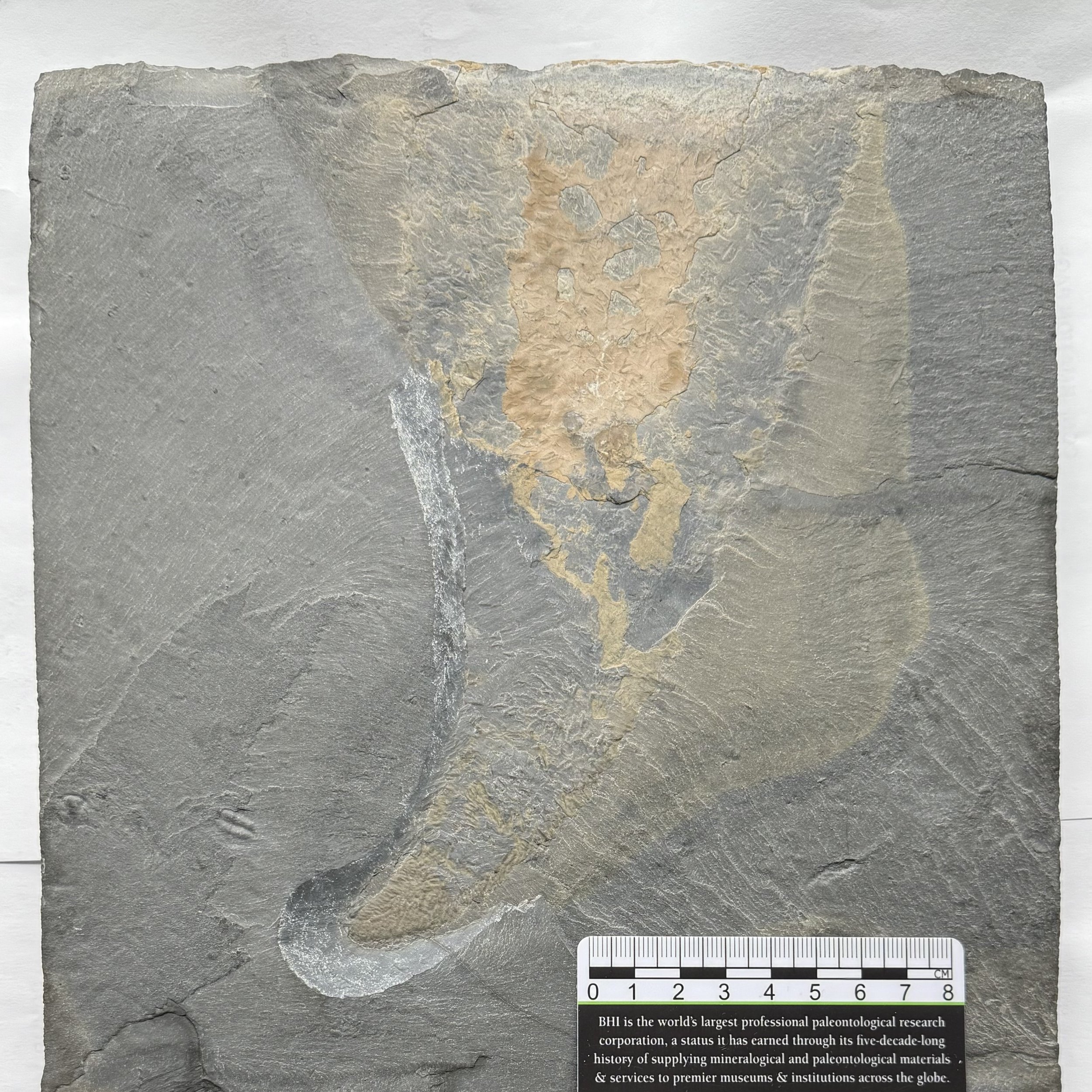
Armilimax pauljamisoni from the Middle Cambrian, Spence Shale, Wellsville Mtns, Box Elder Co., Utah.
Armilimax pauljamisoni is the first shell-bearing animal of its kind from the Great Basin and extends the diversity of body plans in the Spence Shale Fossil-Lagerstätte.
The morphology of Armilimax is ambiguous; it bears a seemingly U-shaped gut and, at the opposite end of its body, a shell without an apex. It has been tentatively interpreted as resembling Halkieria, but it does not contain sclerites. It is the first of its kind in the Great Basin. Only one species is known: Armilimax pauljamisoni.
Also on the piece of shale are Acrothele subsidua and Micromitra modesta, which are two genus of brachiopods. Thee are also impressions of Rusophycus, an ichnogenus of trace fossil.
Full dimensions are listed below.
Vendor: FS-JS
SKU Number: SQ8715284
Giant Sponge from the Middle Cambrian, Spence Shale, Wellsvilles Mtns, Box Elder Co., Utah.
This is by far one of the largest sponges from the Cambrian we have seen. The detail is amazing.
Full dimensions are listed below.
Vendor: FS-JS
SKU Number: SQ4811601
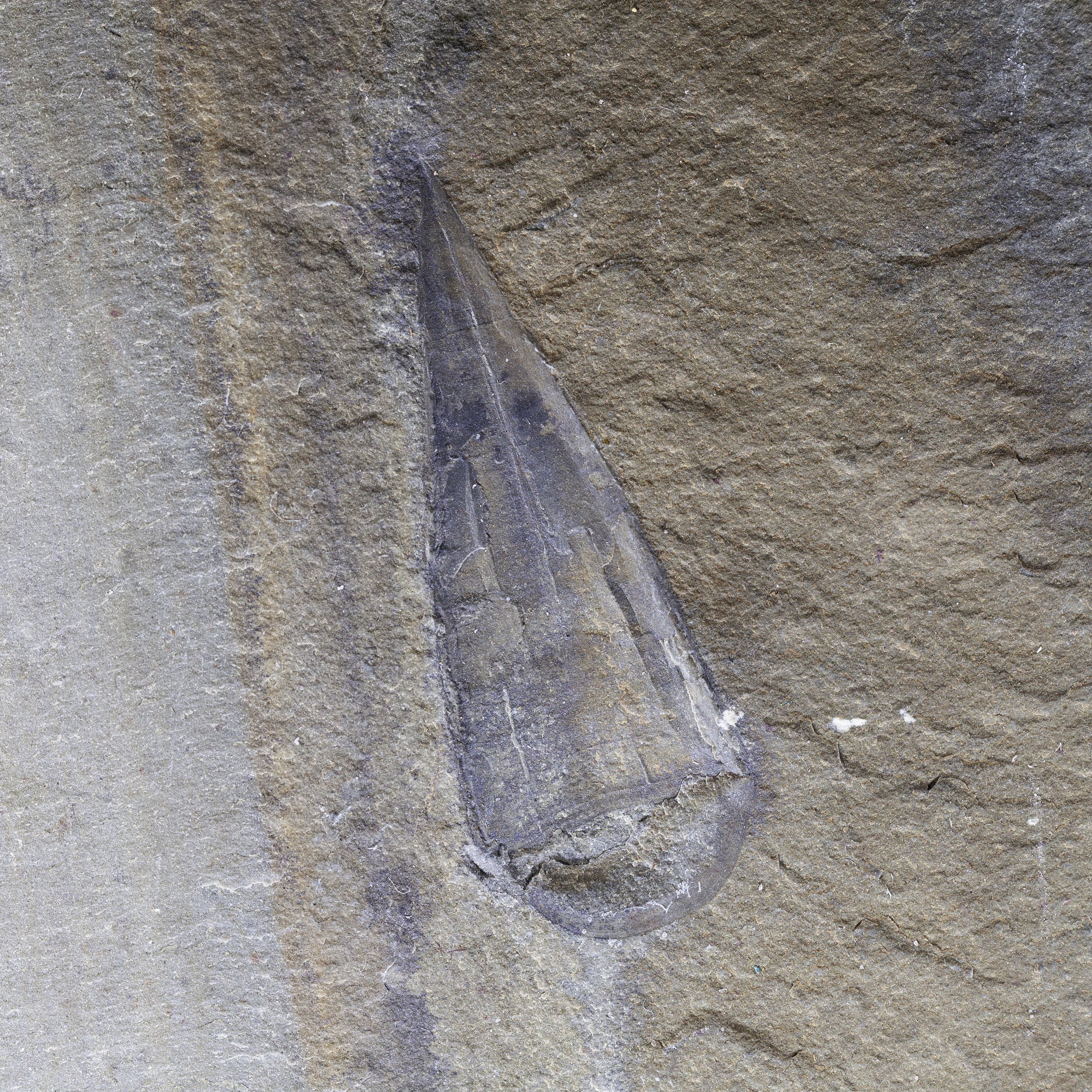
Haplophrentis reesei from the Middle Cambrian, Spence Shale, Wellsvilles Mtns, Box Elder Co., Utah.
A beautiful and large Haplophrentis reesei. Recent studies have suggested affinities to hyoliths, a group of extinct cone-shaped animals with a distinctive operculum covering the opening.
This specimen is in association with a Bythicheilus typicum trilobite - this specimen is ventrally repserved.
Full dimensions are listed below.
Vendor: FS-JS
SKU Number: SQ3310344
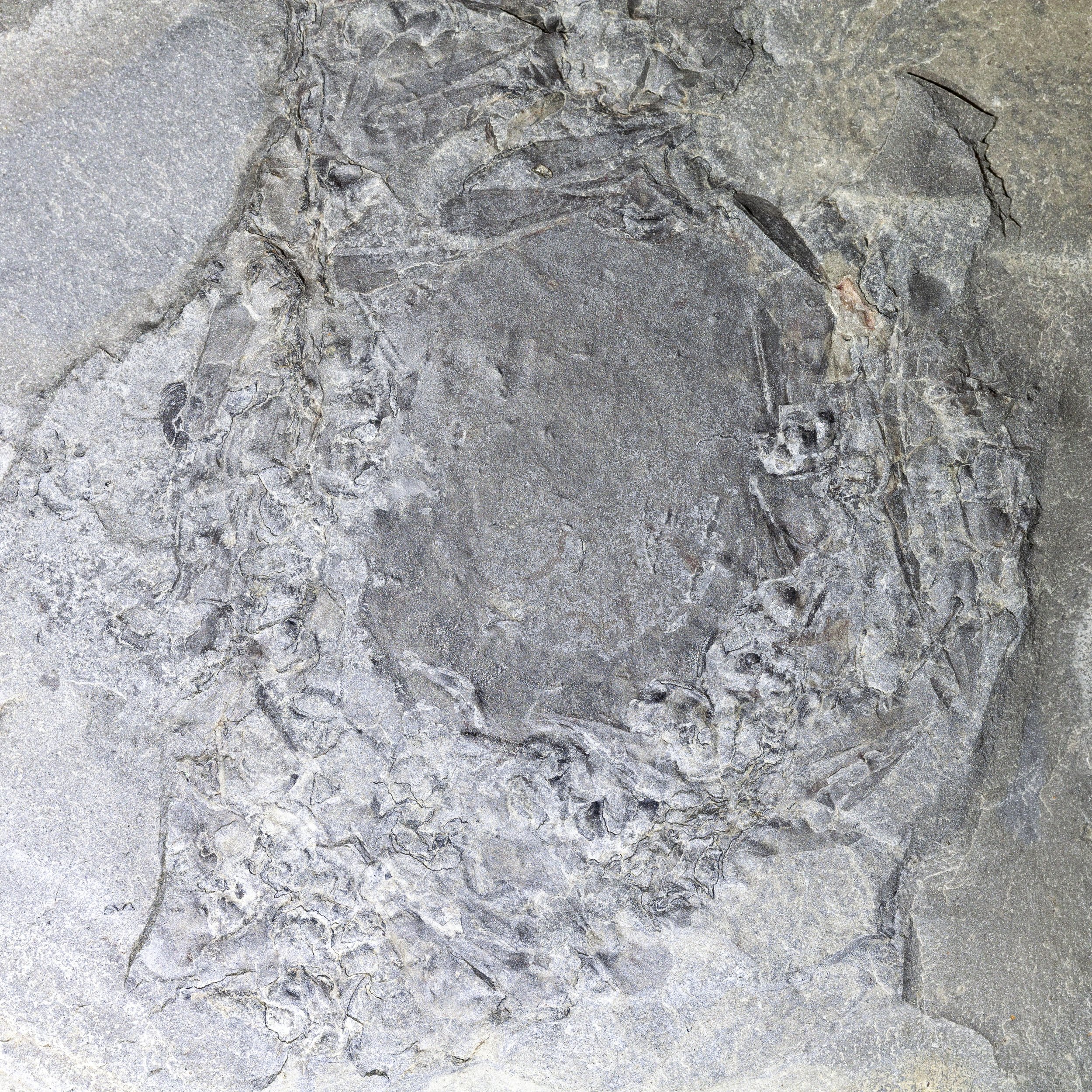
Eldonia ludwigi and a Zacanthoides serratus from the Middle Cambrian, Spence Shale, Wellsvilles Mtns., Box Elder Co., Utah.
Eldonia ludwigi is an enigmatic, disc-shaped fossil organism primarily known from the Middle Cambrian Burgess Shale of British Columbia. Its soft-bodied nature and unusual morphology, featuring a radiating pattern and a coiled gut, have made its classification challenging for paleontologists.
Full dimensions are listed below.
Vendor: FS-JS
SKU Number: SQ5615228
Amecephalus laticaudum from the Middle Cambrian, Spence Shale, Wellsvilles Mtns, Box Elder Co., Utah.
A very rare and complete trilobite.
Full dimensions are listed below.