Image 1 of 3
Image 2 of 3
Image 3 of 3
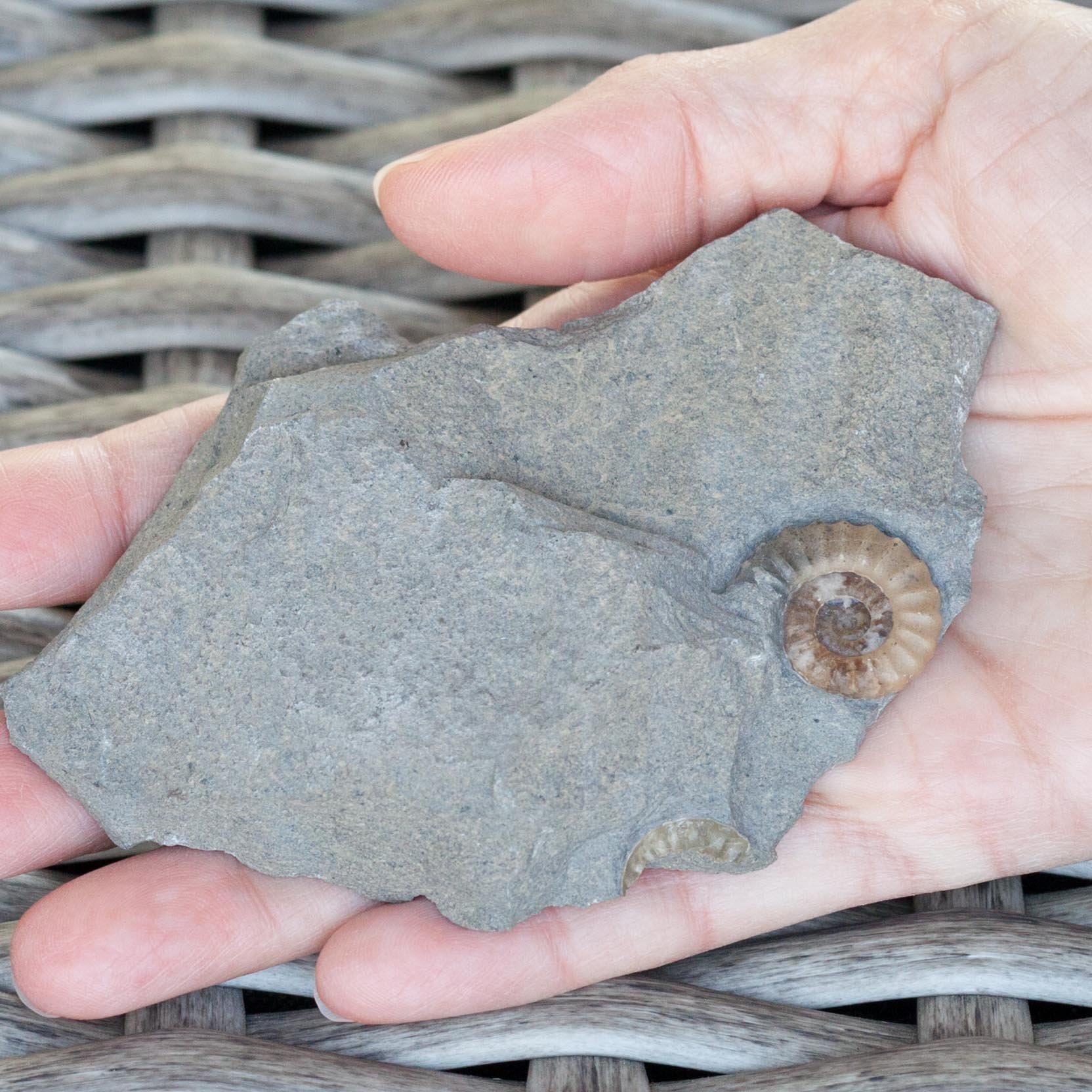
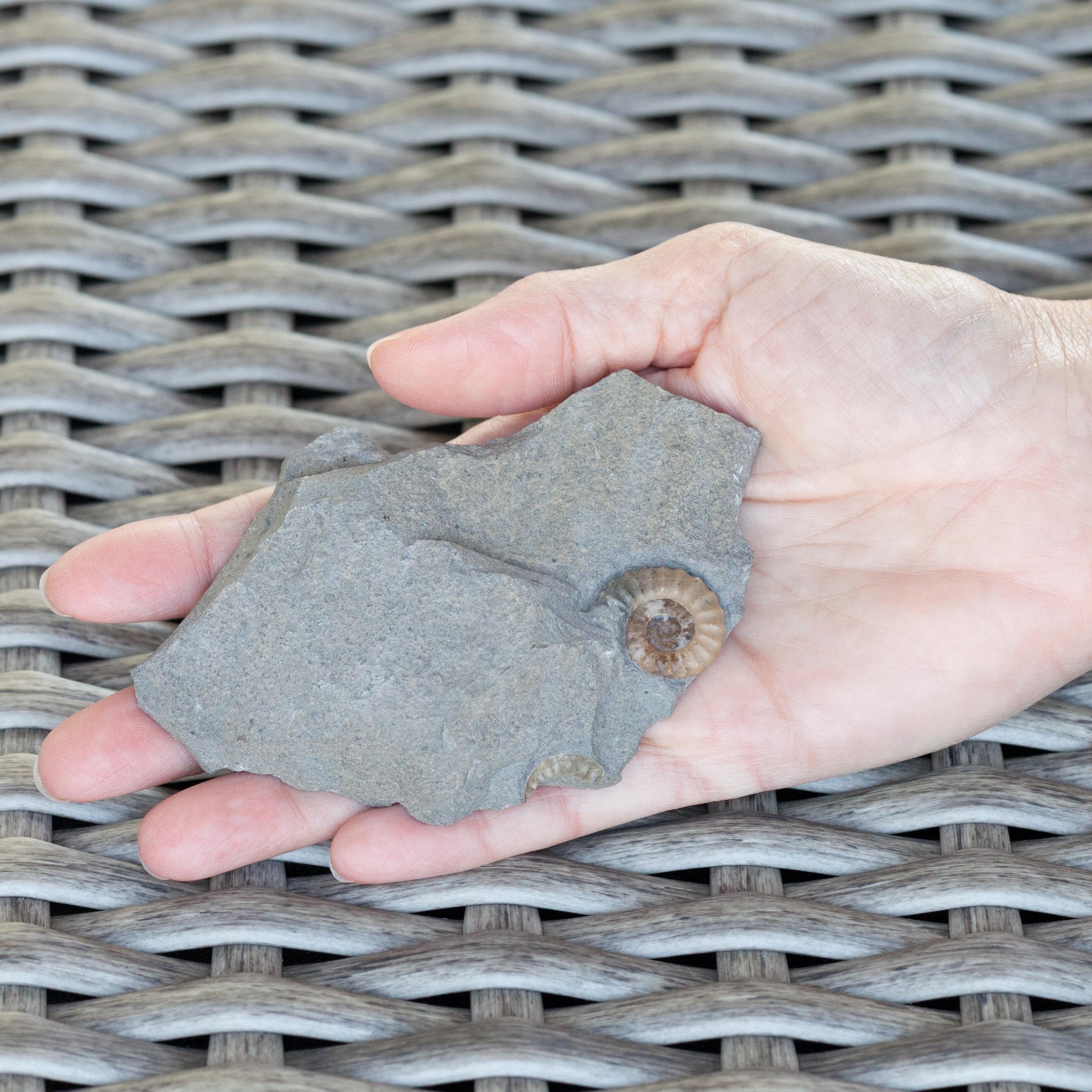
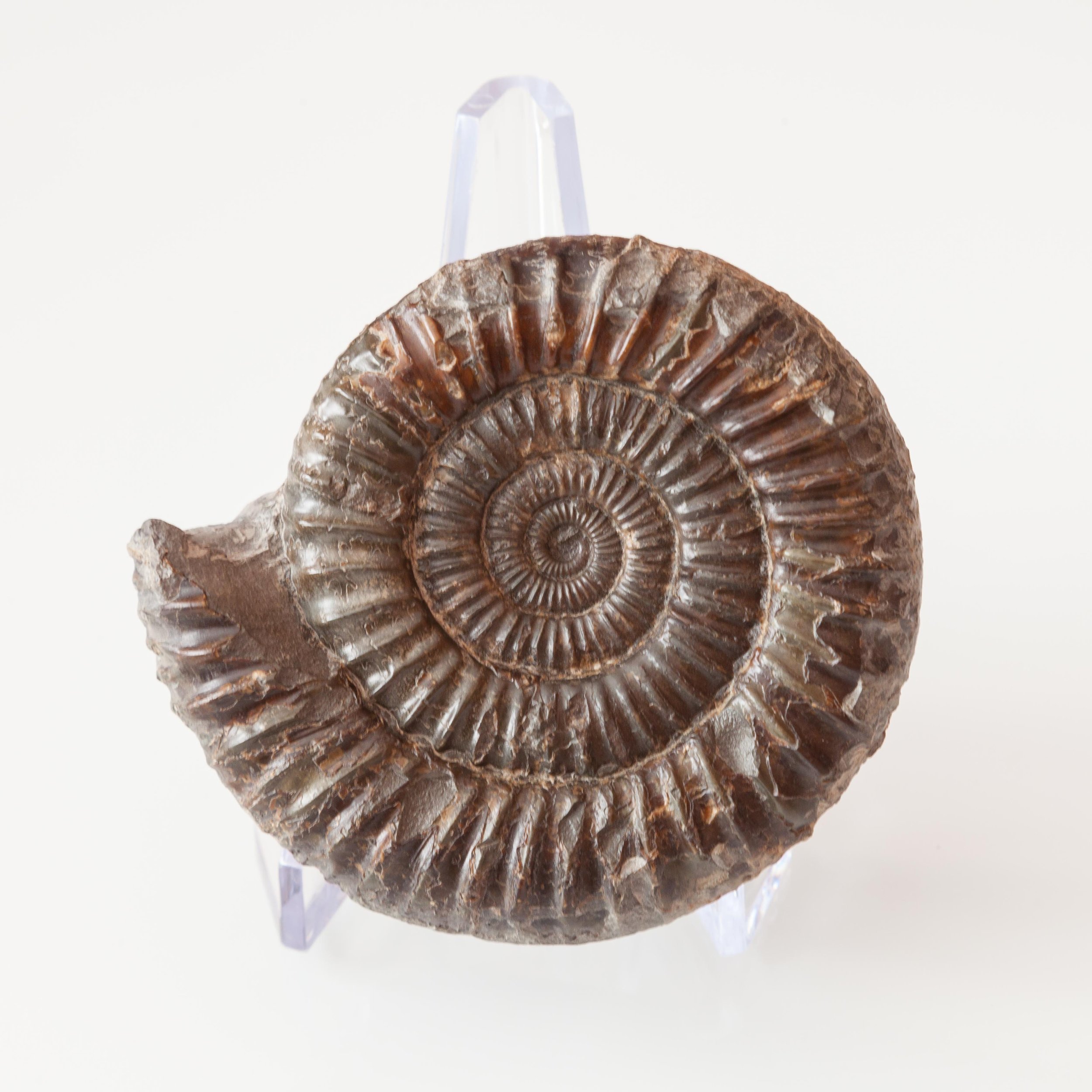
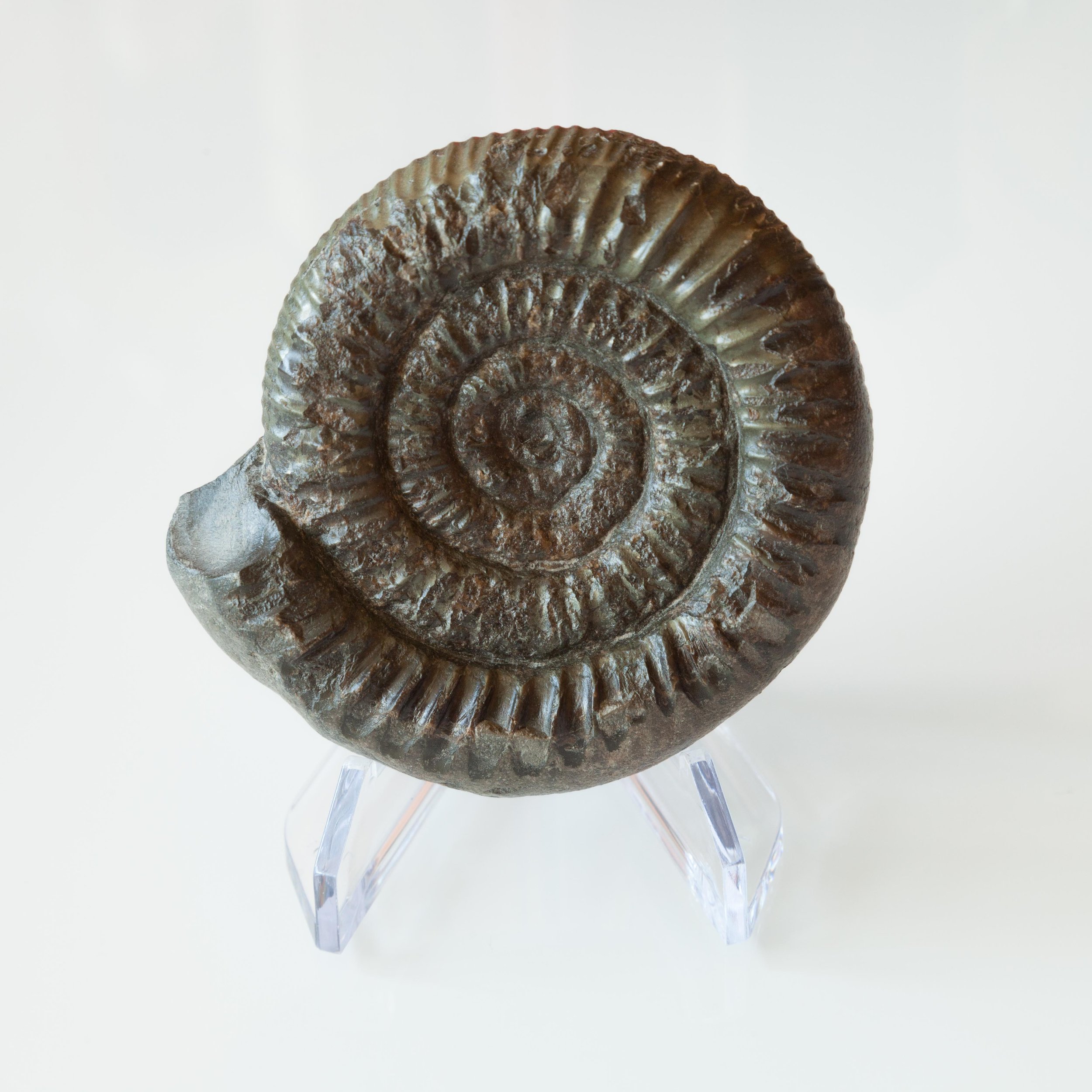
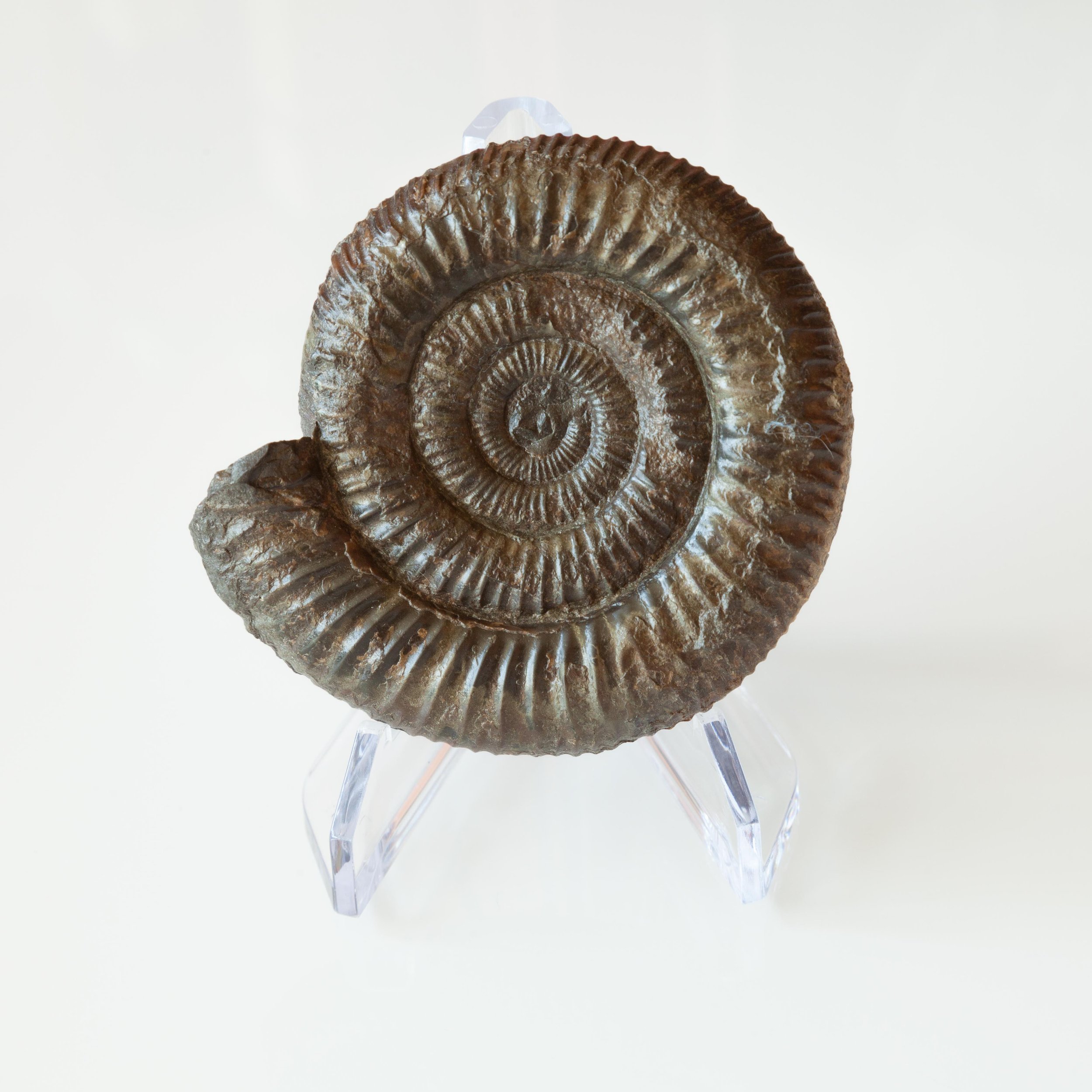
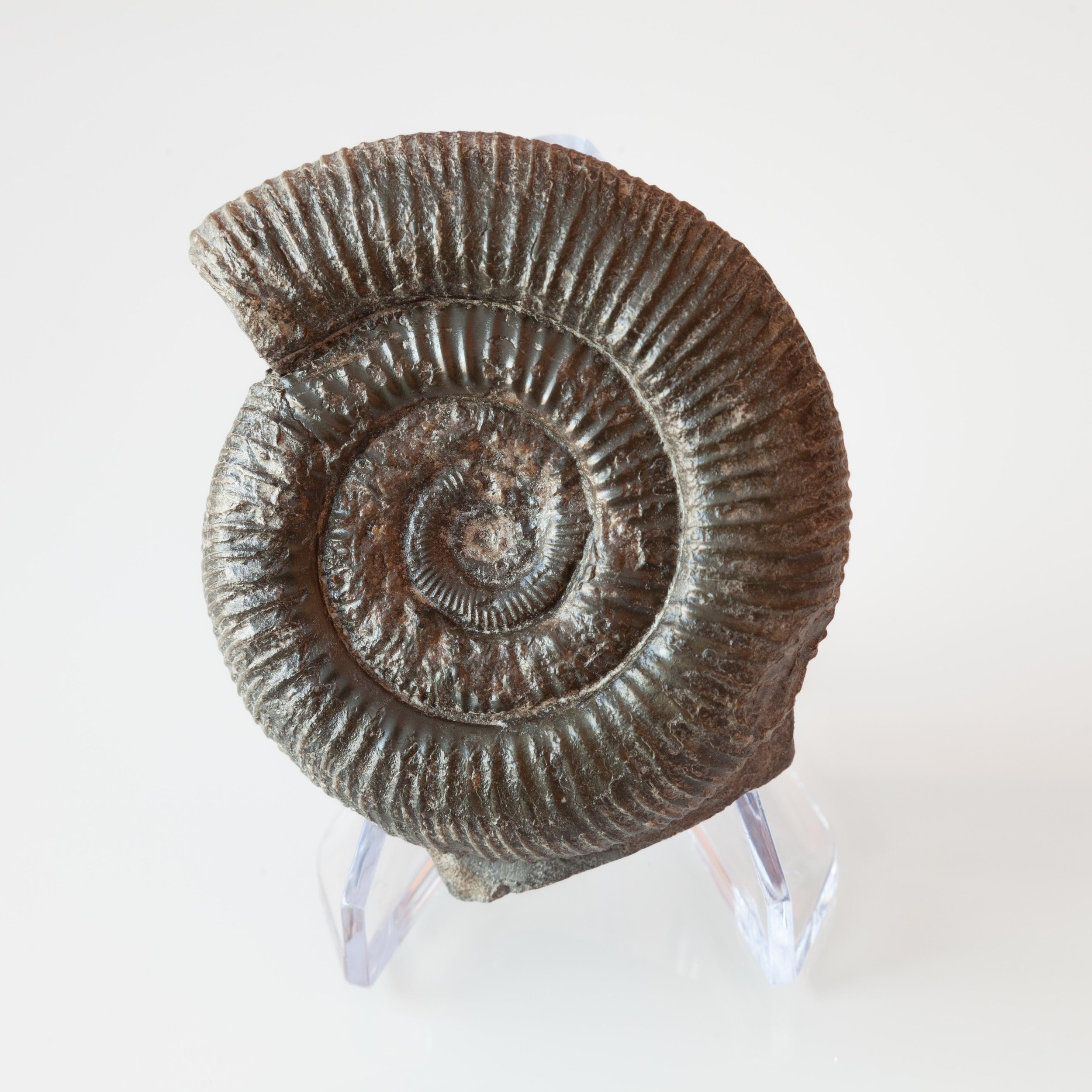
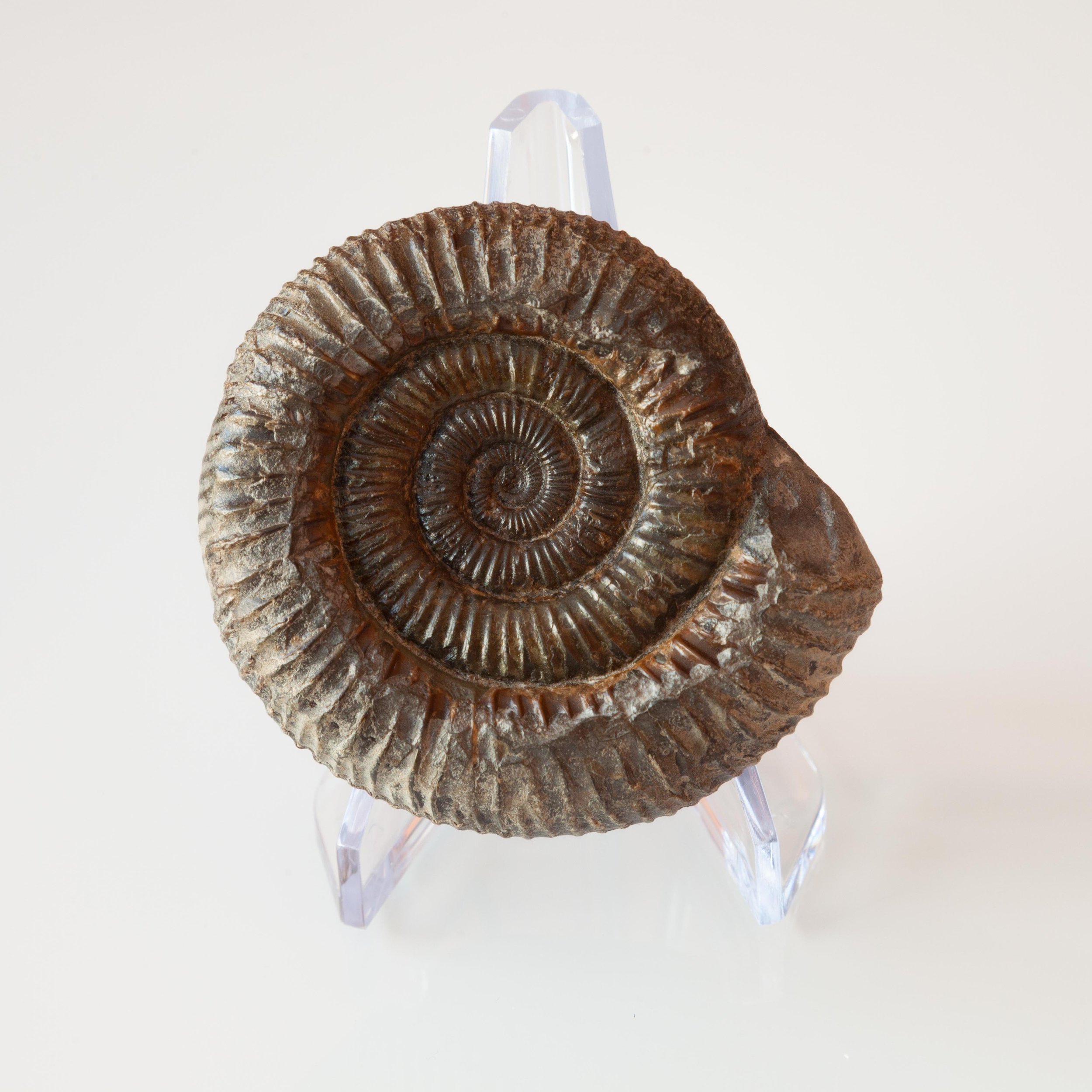
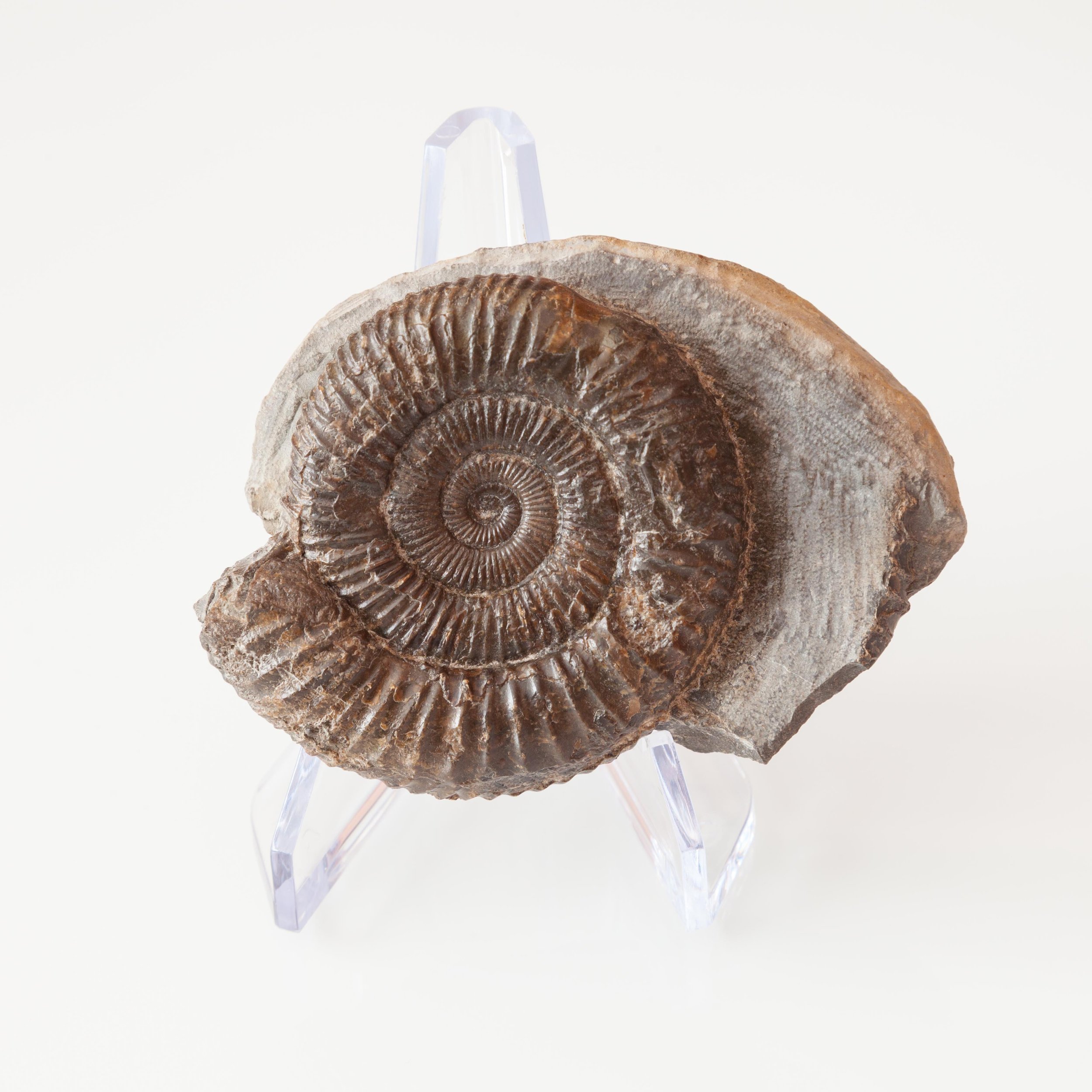
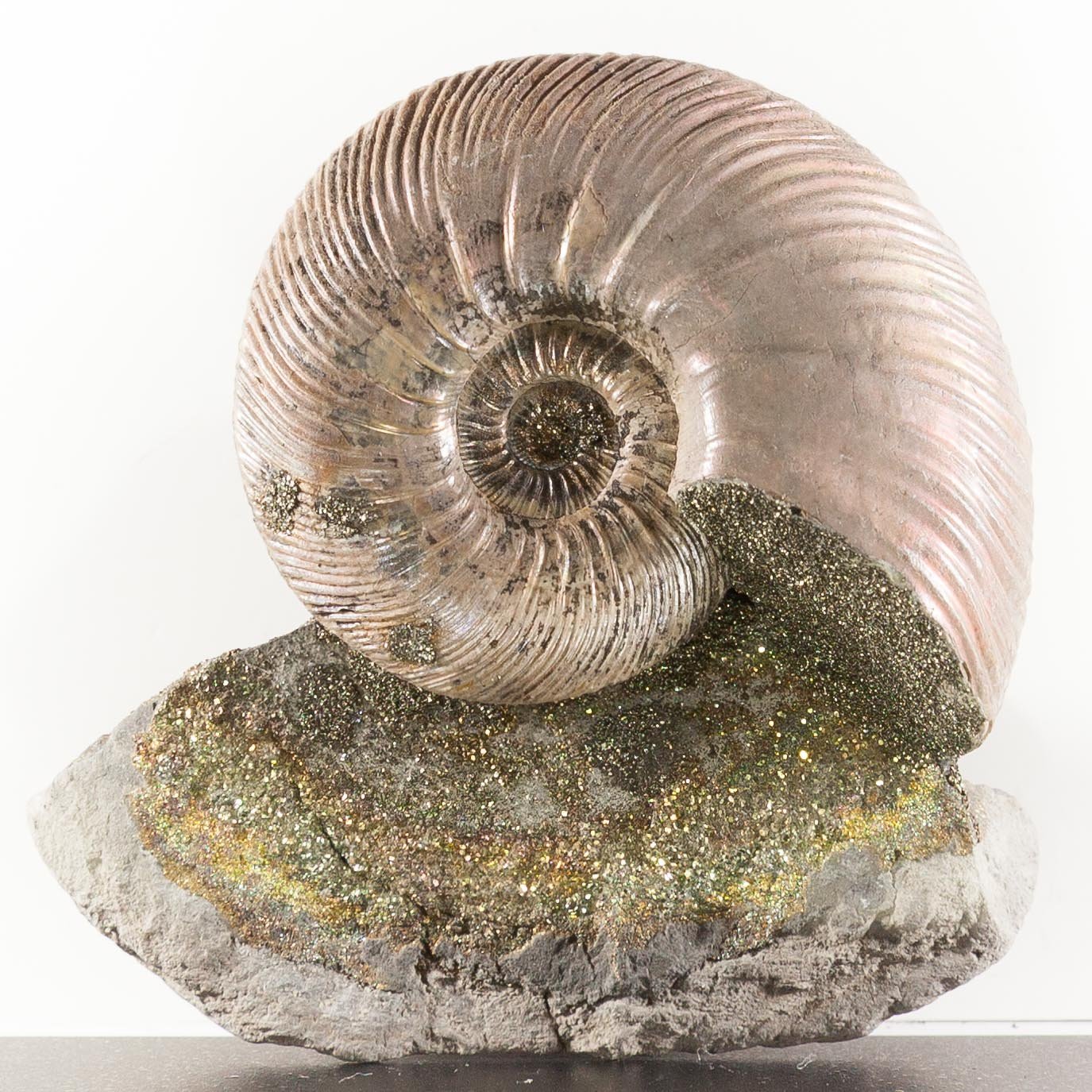
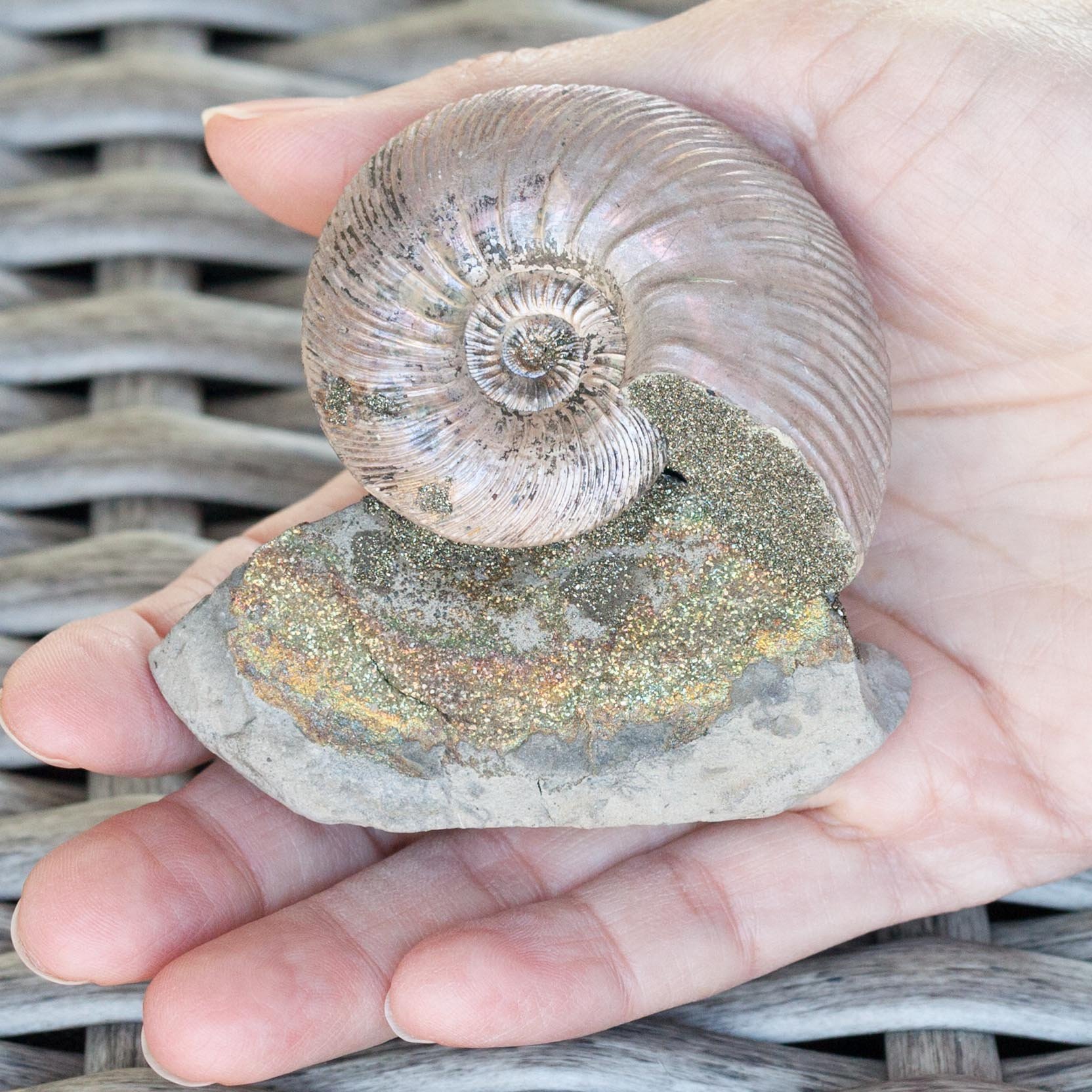
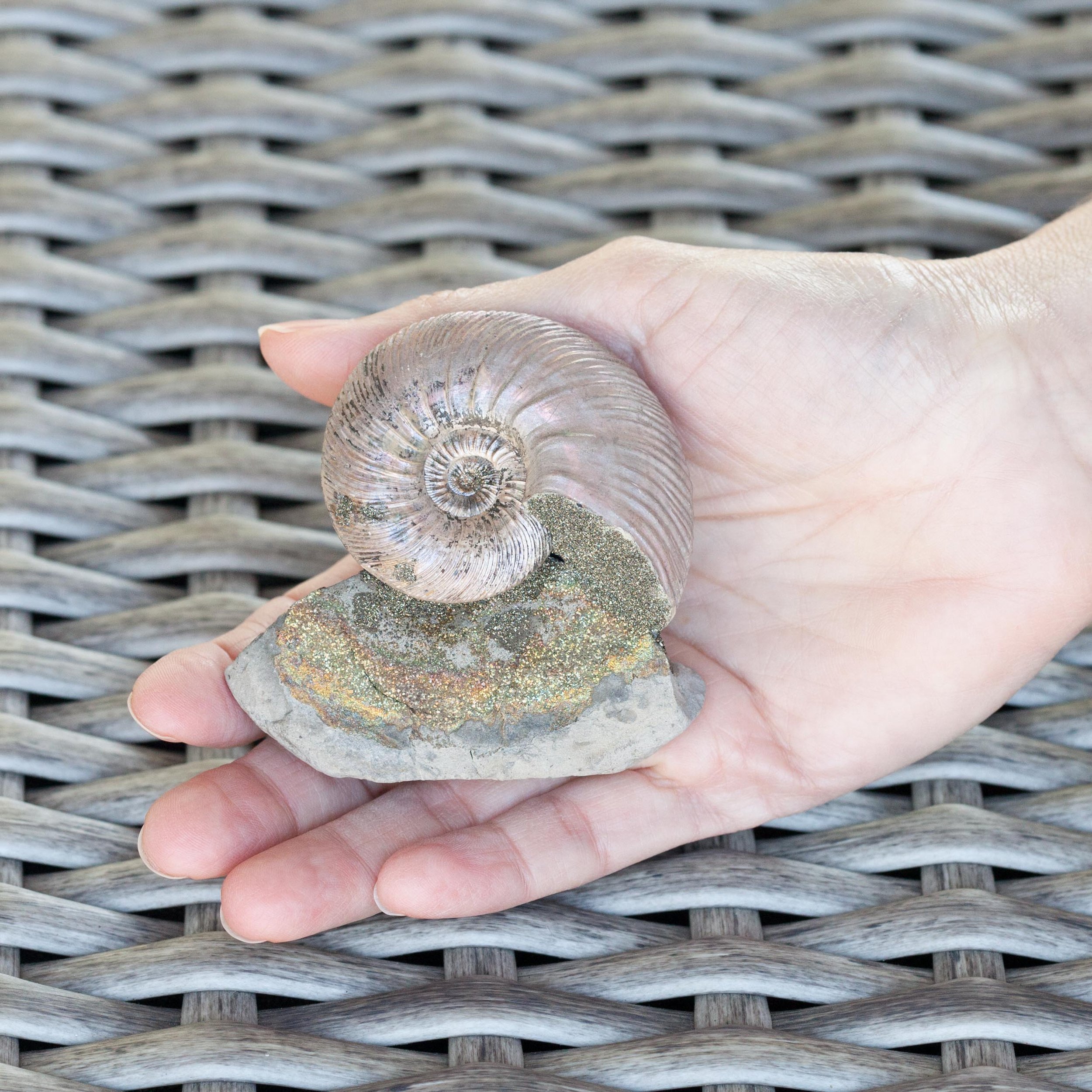
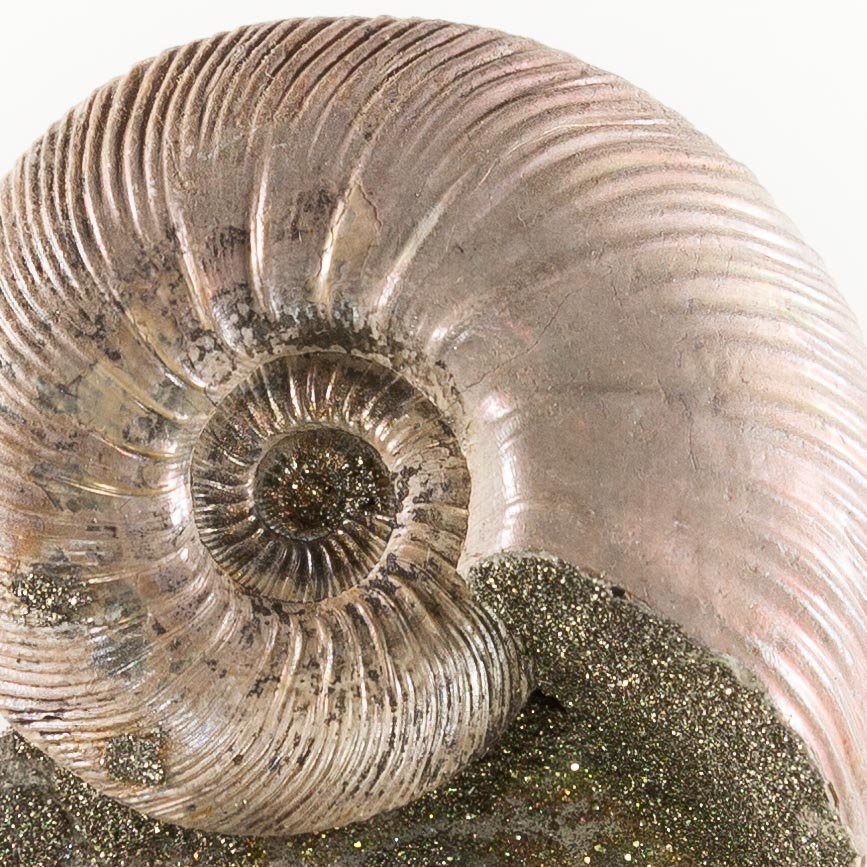
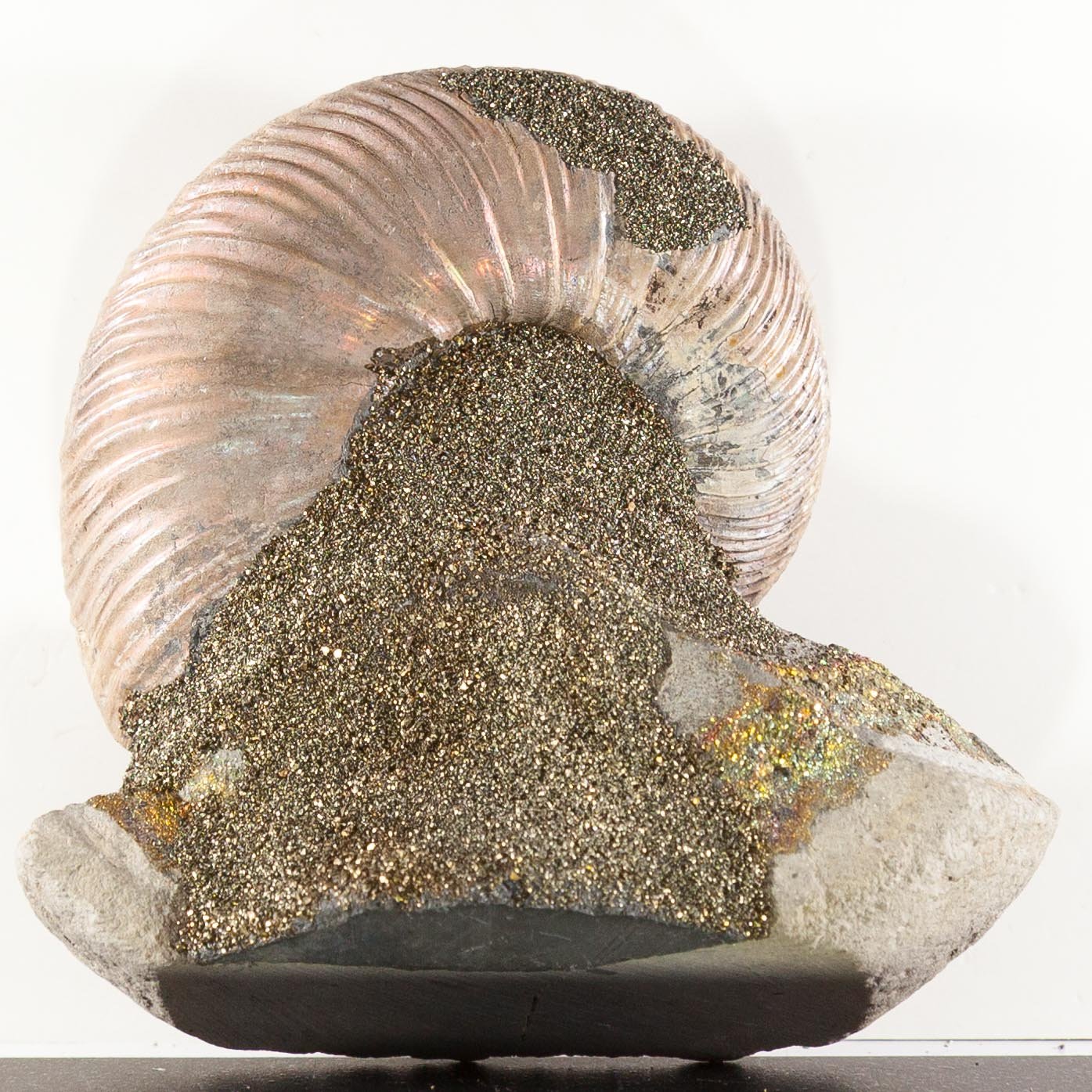
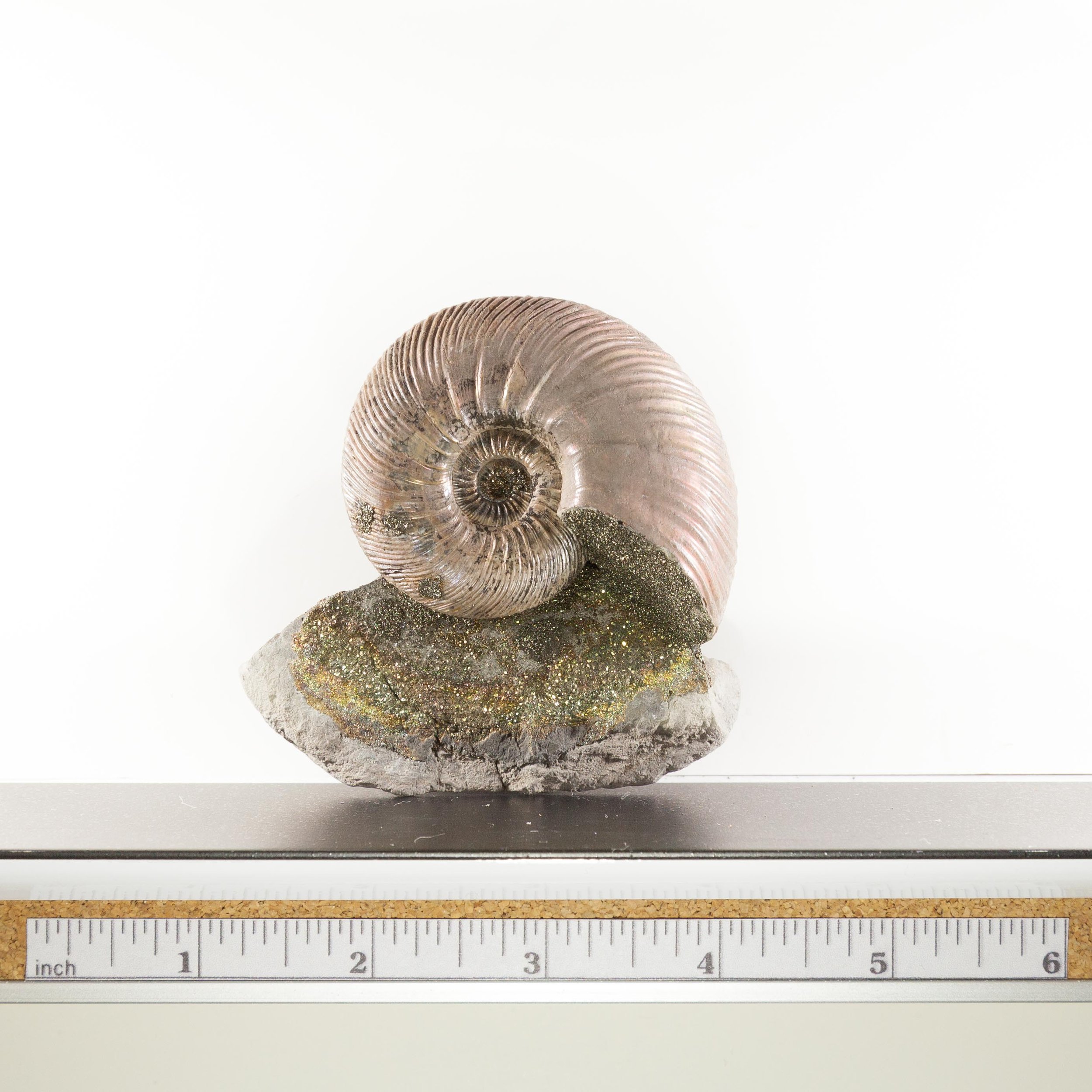
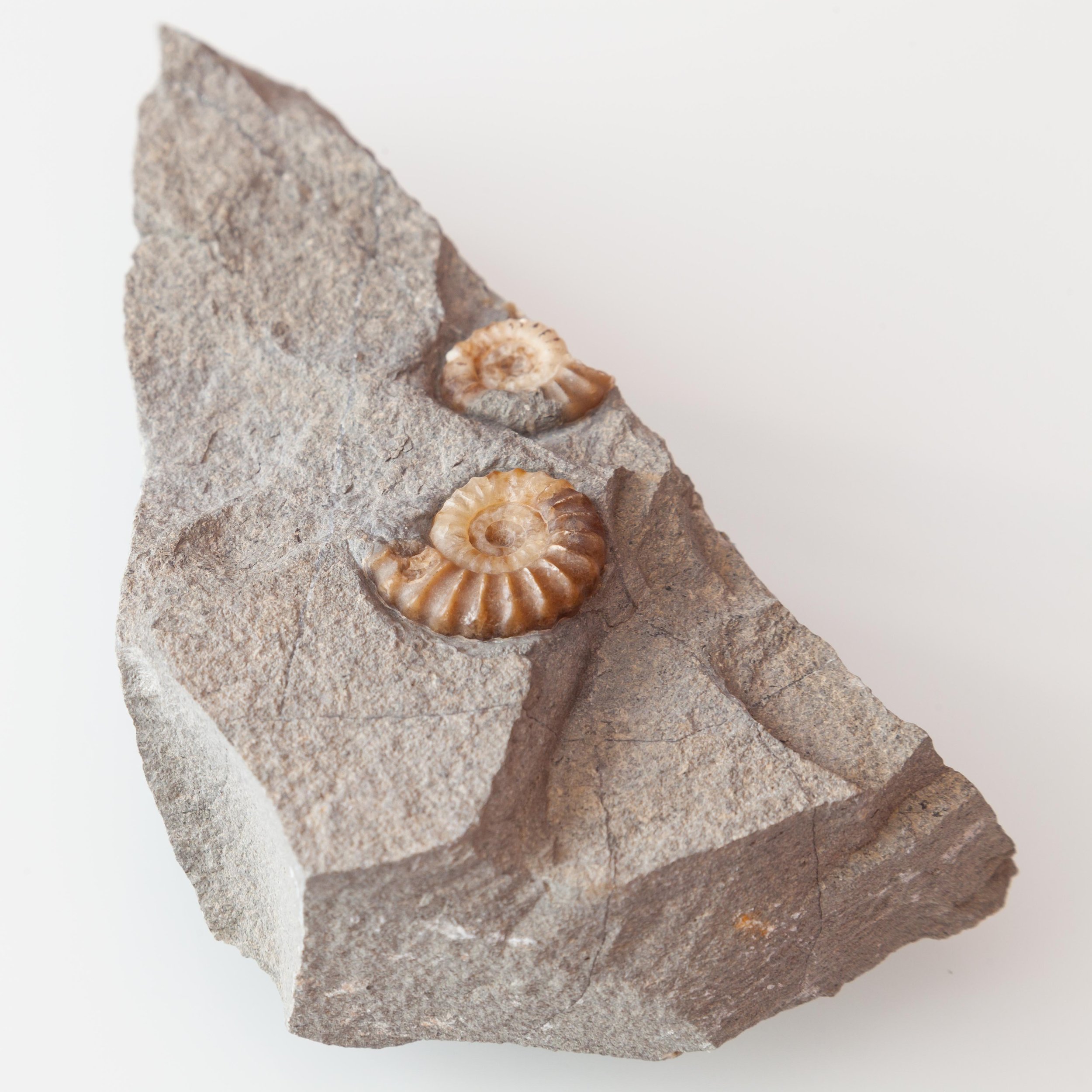
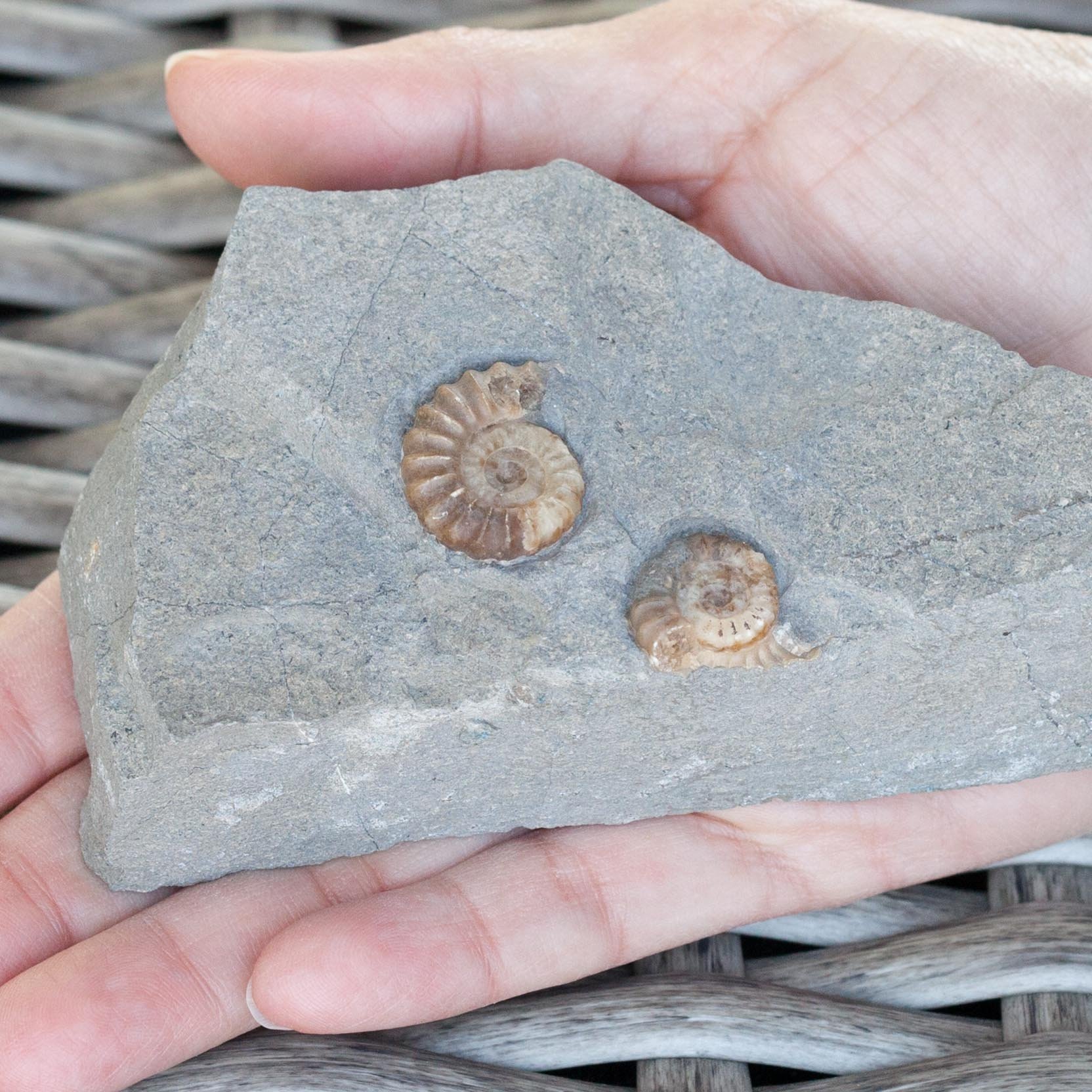
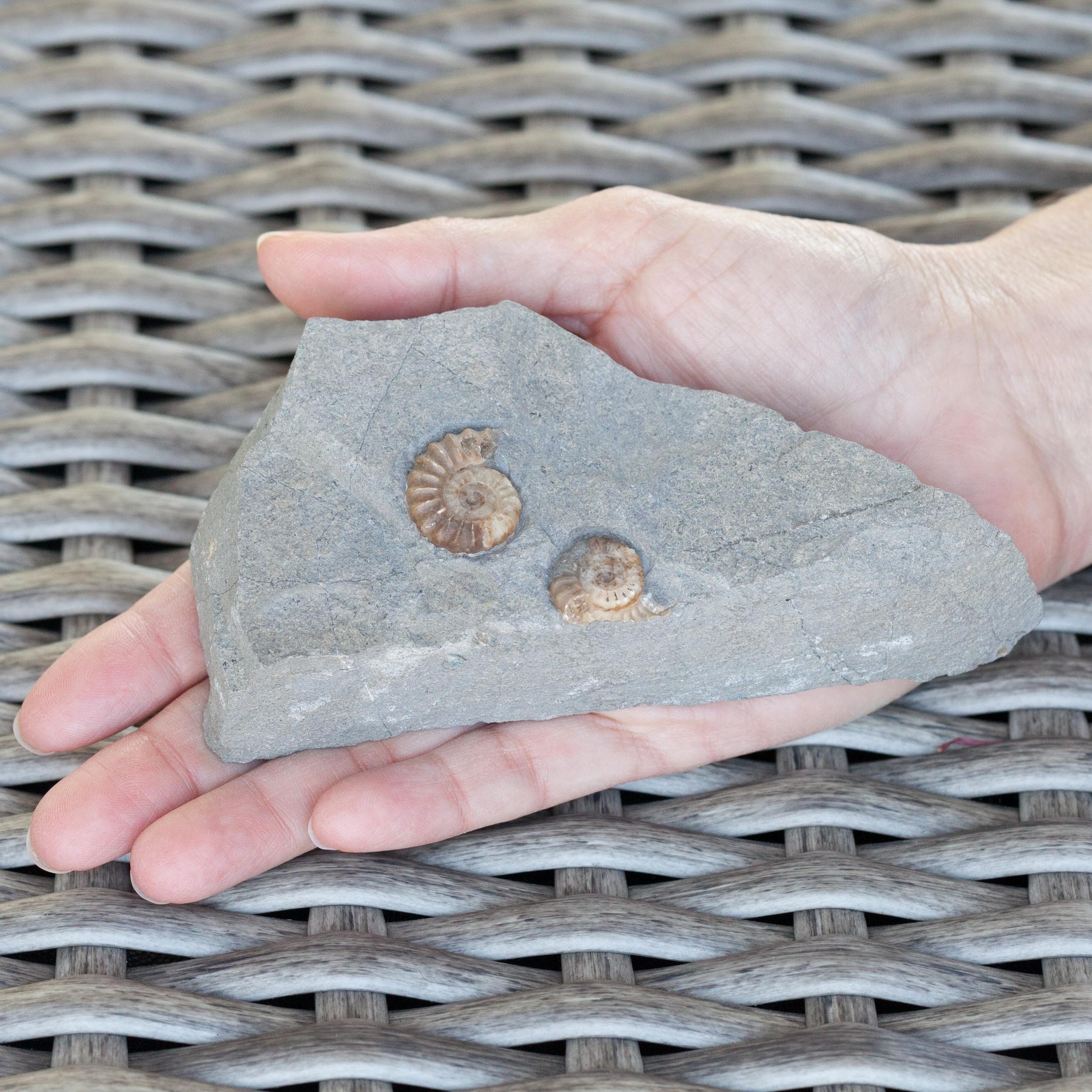
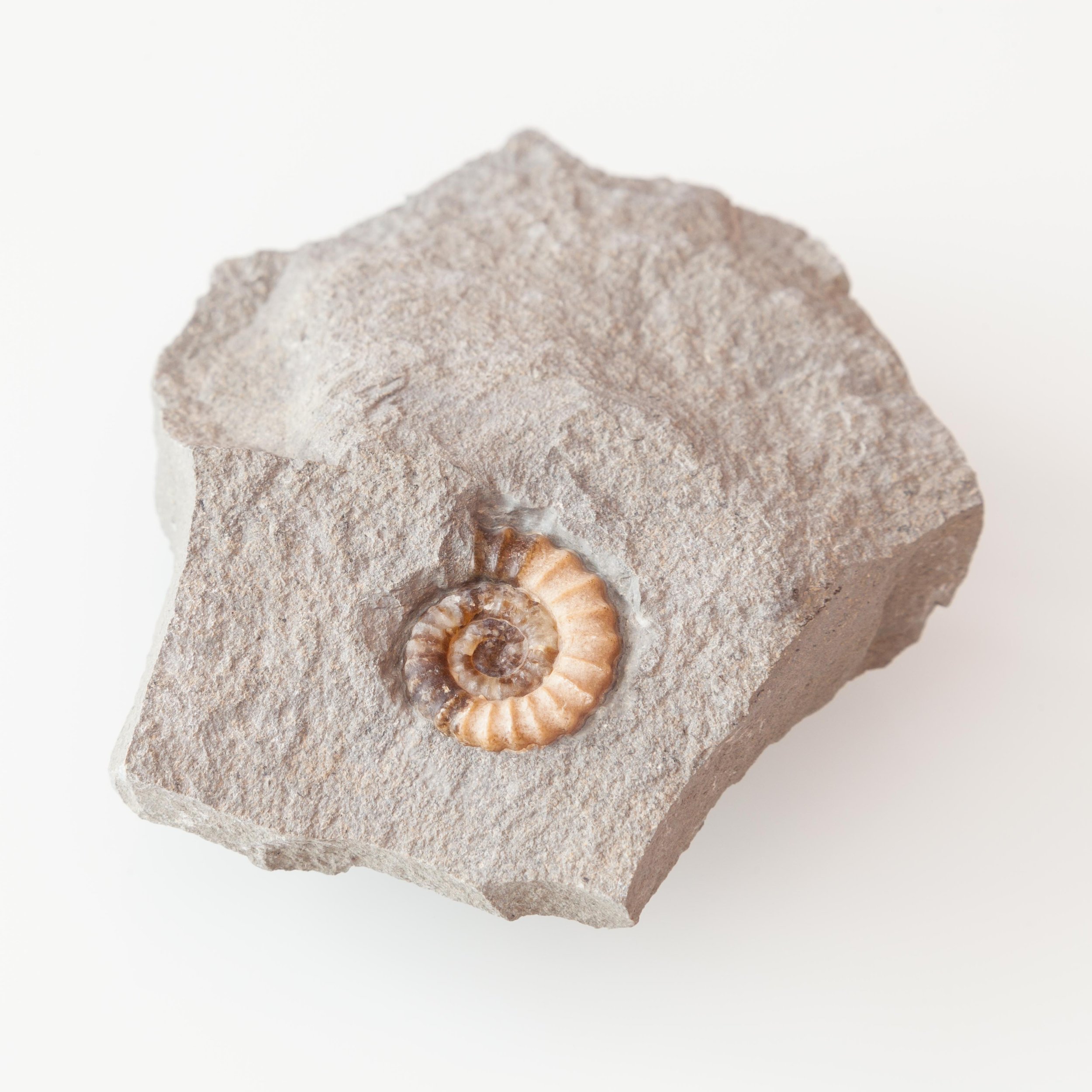
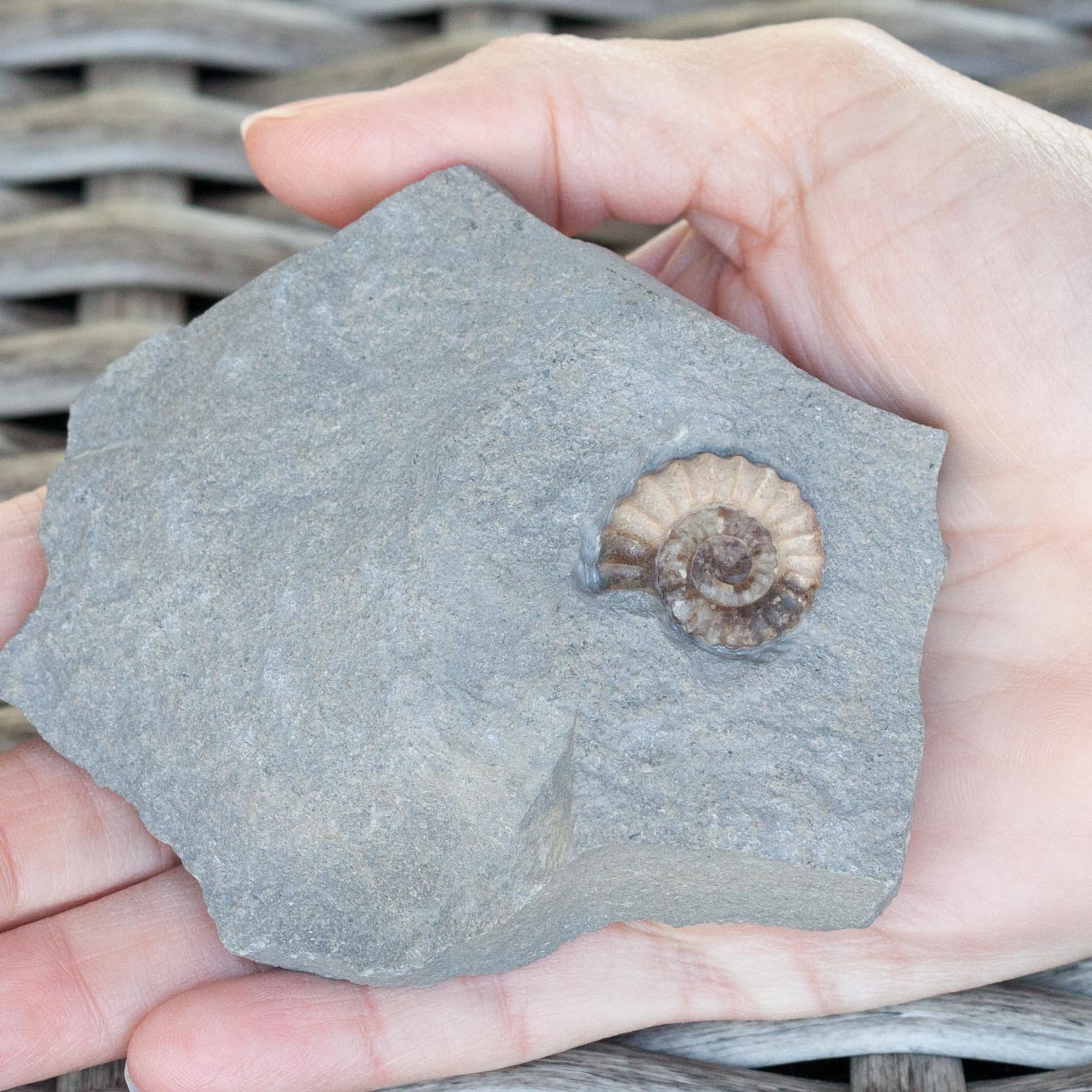
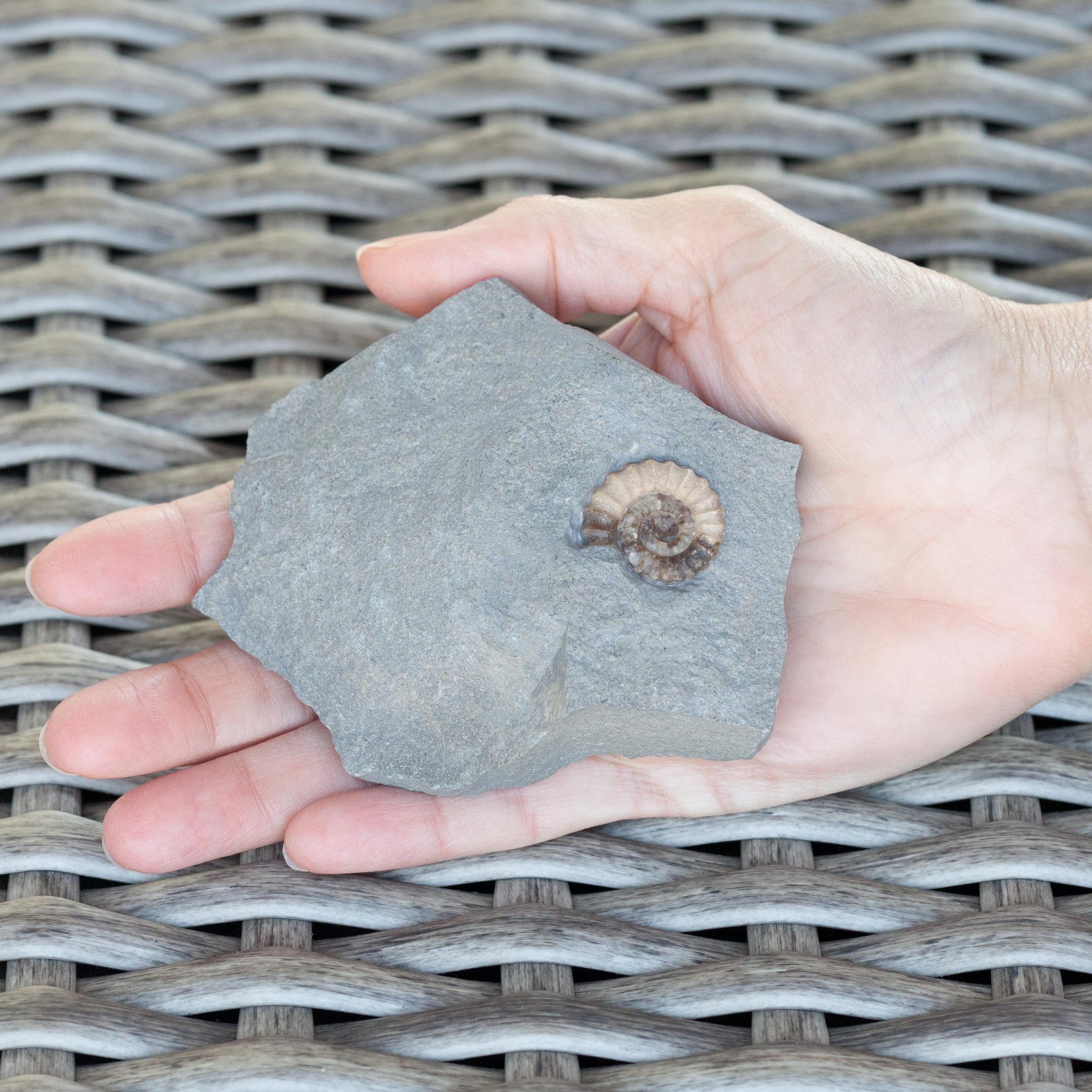
Promicroceras planicosta
Vendor: Fossil Soup
SKU Number: SQ5171831
A Well preserved example of the ammonite species Promicroceras planicosta from the celebrated Charmouth / Lyme Regis locality in Dorset, South West England. This locality was made famous by Mary Anning, a victorian paleontologist, who discovered the fossilized remains of many large marine reptiles that are now on display in the Natural History Museum in London.
These ammonites are generally found in nodules of sedimentary rock on the foreshore at low tide. The nodules are broken open to reveal the fossil inside. After collection the rock is further abraded from the ammonite using pneumatic tools to reveal the whole fossil.
This 200 million year old early Jurassic (Lower Lias) age P. planicosta has undergone mineralization and the original shell was replaced by calcite during fossilization. The ammonite is fully 3 dimensional with well defined rib ornamentation. An acrylic stand is included.
Full dimensions are listed below.
Vendor: Fossil Soup
SKU Number: SQ5171831
A Well preserved example of the ammonite species Promicroceras planicosta from the celebrated Charmouth / Lyme Regis locality in Dorset, South West England. This locality was made famous by Mary Anning, a victorian paleontologist, who discovered the fossilized remains of many large marine reptiles that are now on display in the Natural History Museum in London.
These ammonites are generally found in nodules of sedimentary rock on the foreshore at low tide. The nodules are broken open to reveal the fossil inside. After collection the rock is further abraded from the ammonite using pneumatic tools to reveal the whole fossil.
This 200 million year old early Jurassic (Lower Lias) age P. planicosta has undergone mineralization and the original shell was replaced by calcite during fossilization. The ammonite is fully 3 dimensional with well defined rib ornamentation. An acrylic stand is included.
Full dimensions are listed below.
Additional Information
Ammonites are a group of extinct marine mollusks that occupy the same class that includes octopuses, squids, and nautiluses.
The group Cephalopoda is divided into three subgroups: coleoids (including squids, octopuses and cuttlefishes), nautiloids (the nautiluses) and ammonites.
During their long history, ammonites survived three mass extinctions—most notably the Permian extinction, a global warming that was brought on by volcanic activity about 252 million years ago, and that killed 96 percent of the planet’s marine species. While many species of ammonites died out in that extinction event, scientists believe the survivors diversified explosively in the million years that followed. Ammonites hunted the planet’s seas until they were entirely wiped out by the same cataclysm that claimed the non-avian dinosaurs about 66 million years ago.
References:
Promicroceras
Order Ammonoidea
National Geographic Ammonte Facts
Vendor: Fossil Soup
SKU Number: SQ5324401
Dimorphoplites biblicatus, Lower Gault Clay, Bed V, Euhoplites nitidus subzone, Lower Cretaceous, Folkestone, Kent, England.
The Gault Clay ammonites from Folkestone, Kent, England are famous for their pearlescent, shimmering, lustrous glow. This is a very nice example of this species at approx. 4 cm.
Vendor: Fossil Soup
SKU Number: SQ6367215
Euhoplites opalinus, Lower Gault Clay, Bed VII, Anahoplites daviesi subzone, Lower Cretaceous, Folkestone, Kent, England.
The Gault Clay ammonites from Folkestone, Kent, England are famous for their pearlescent, shimmering, lustrous glow. This is a very nice example of this species at approx. 4 cm.
Vendor: Lagerstätte Land
SKU Number: SQ8840487
Blanfordiceras sp. ammonite from the Upper Jurassic, Gucuoyi formation. Gucuo village, Nyalam County, Shigatse prefecture, Tibet, China
This specimen ha both sides of the nodule.
Full dimensions are listed below.
Vendor: Fossil Soup
SKU Number: SQ1461173
Eparietites impendens from the Frodingham Ironstone Formation, Obtusum Zone, Lower Jurassic, Conesby Quarry, Scunthorpe, North Lincolnshire, England.
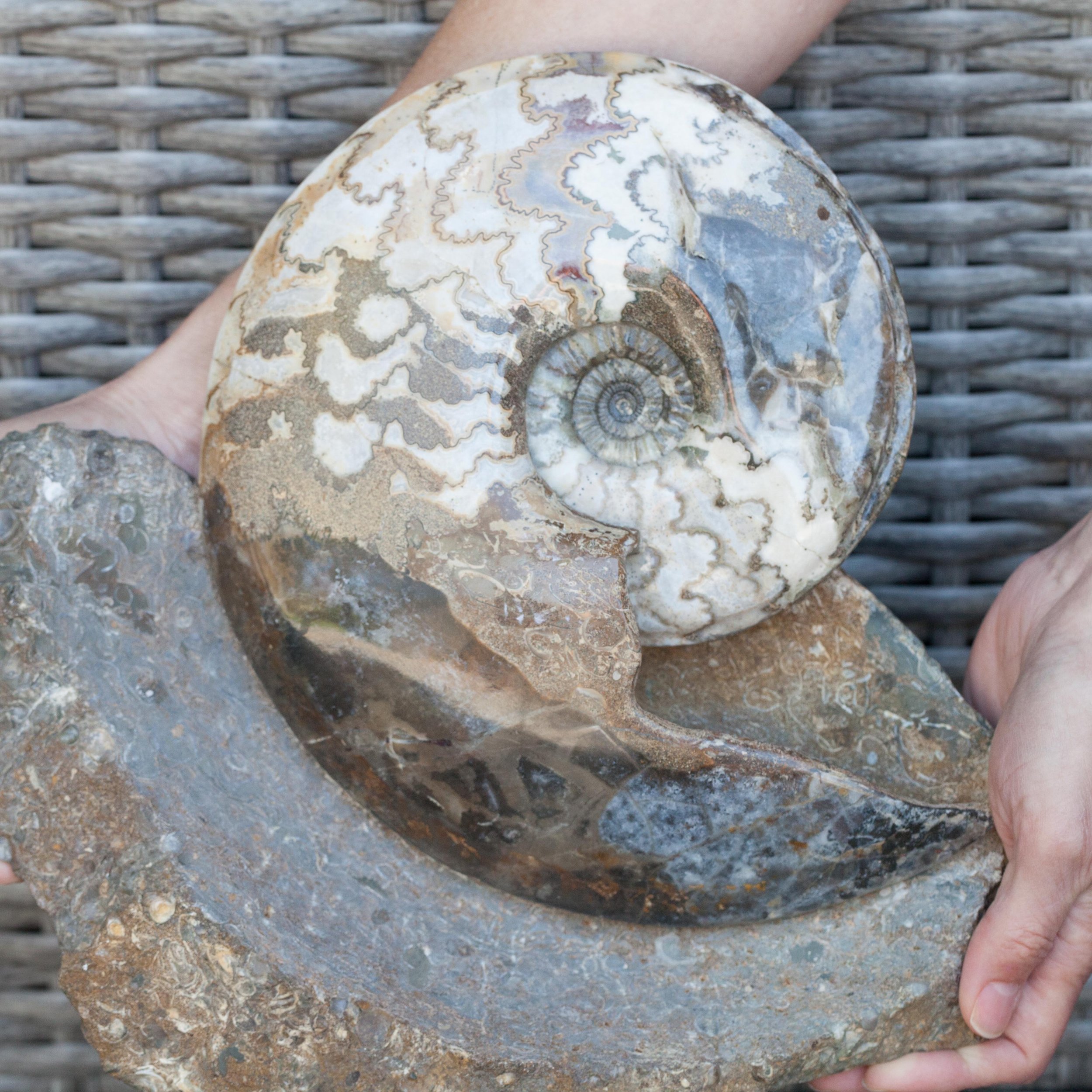
This Large 25 cm - almost 10 inch ammonite is a beautiful example of a now very rare polished British fossil from the Lower Jurassic rocks of Northern England.
The fossil orientation that was chosen during preparation, has created a very aesthetically pleasing display piece that stands proud of the Ironstone base.
Both sides of the ammonite have been professionally exposed from the rock and then polished to a high sheen. This showcases in great detail each of the suture lines between the chambers of the ammonite. The final, larger body chamber, has been "scooped out", which really helps add to the overall appeal of this fossil.
Full dimensions are listed below.
Vendor: Fossil Soup
SKU Number: SQ4374268
A well preserved example of this classic British ammonite within the original rock matrix.
Found in the Bifrons Zone, Toarcian, Upper Lias, Lower Jurassic, Port Mulgrave, Whitby, North Yorkshire, England. Age:- 180 Million Years Old
Vendor: Fossil Soup
SKU Number: SQ4633316
Promicroceras planicosta calcified ammonite from the Lower Jurassic, Lower Lias, Lyme Regis, Dorset, England.
Promicroceras planicosta was a species of ammonite that existed during the Early Jurassic period. These extinct cephalopods are characterized by their evolute shells with an open umbilicus and strong, flattened ribbing. Promicroceras planicosta fossils are commonly found in Lower Lias deposits, particularly in regions like Lyme Regis, Dorset, England. Their well-preserved remains contribute to our understanding of Early Jurassic paleontology and the diversity of ammonites during that time.
Dimensions are given below.
Vendor: Fossil Soup
SKU Number: SQ5540715
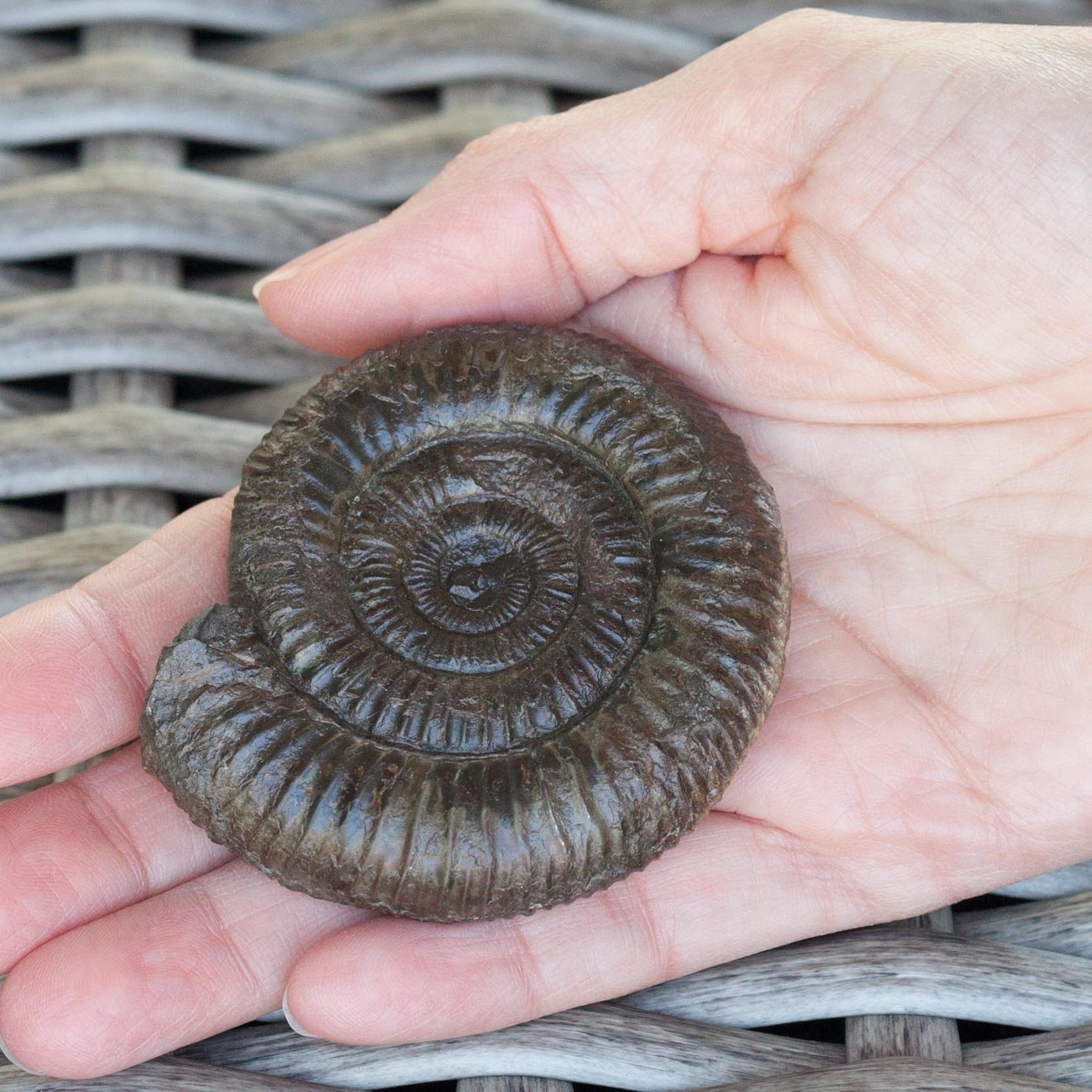
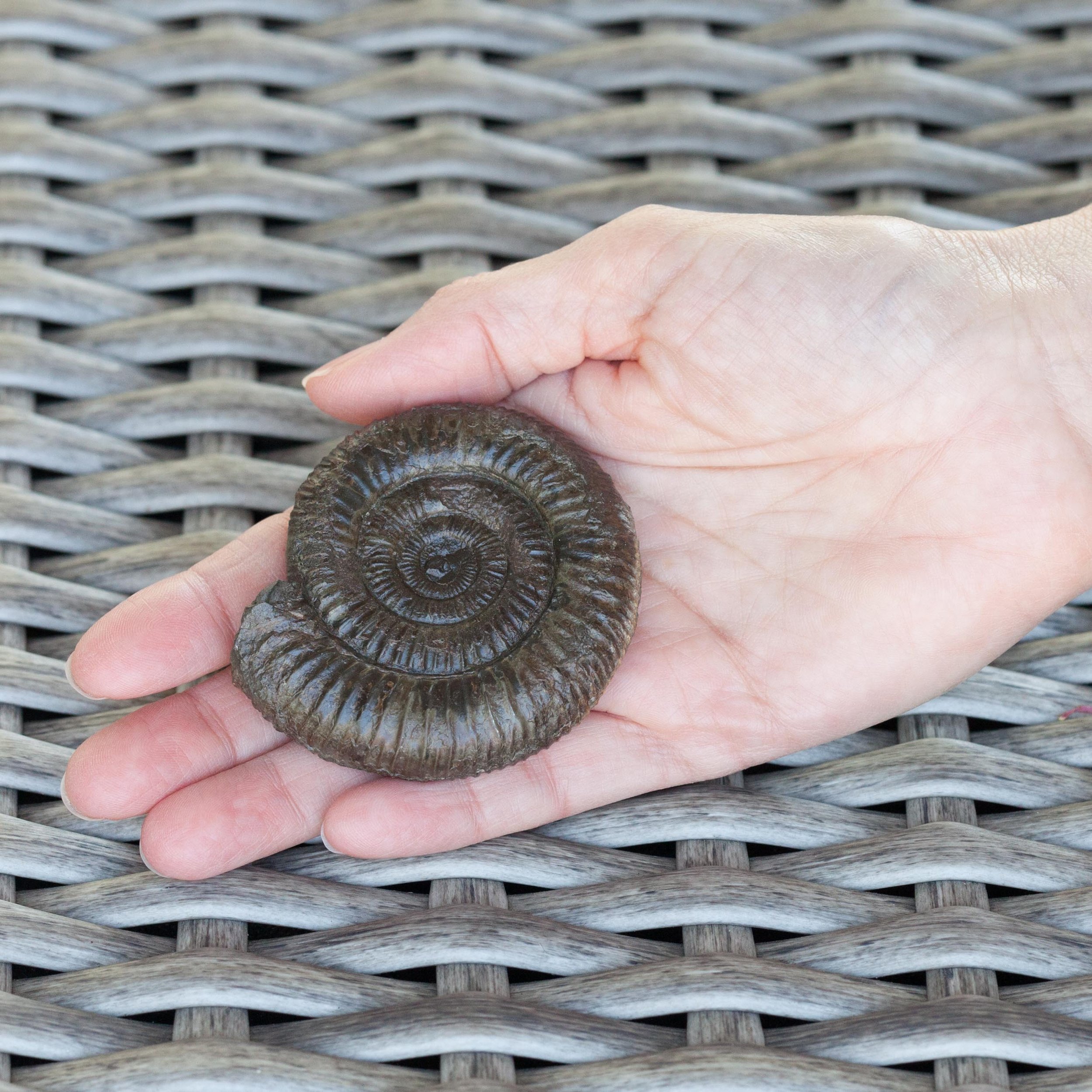
A nicely preserved example of the ammonite species Dactylioceras commune from the famous Whitby locality in North Yorkshire, England. These ammonites are found as concretions in sedimentary rocks on the foreshore at low tide. The outer whorl of the ammonite is usually visible on the edge of the concretion, which has to be broken open to reveal the rest of the fossil inside.
This 180 million year old early Jurassic (Toarcian) age ammonite is slightly pyritized and fully 3 dimensional with well defined rib ornamentation. It comes with a brush for buffing the pyrite to a high sheen if desired. An acrylic stand is included.
Full dimensions are listed below.
Vendor: Fossil Soup
SKU Number: SQ5553822
Dimorphoplites chloris, Lower Gault Clay, Bed V, Euhoplites nitidus subzone, Lower Cretaceous, Folkestone, Kent, England.
The Gault Clay ammonites from Folkestone, Kent, England are famous for their pearlescent, shimmering, lustrous glow. This is a very nice example of this species at approx. 4 cm.