Image 1 of 5
Image 2 of 5
Image 3 of 5
Image 4 of 5
Image 5 of 5
Choia utahensis
Vendor: Gold Bugs
SKU Number: SQ4242366
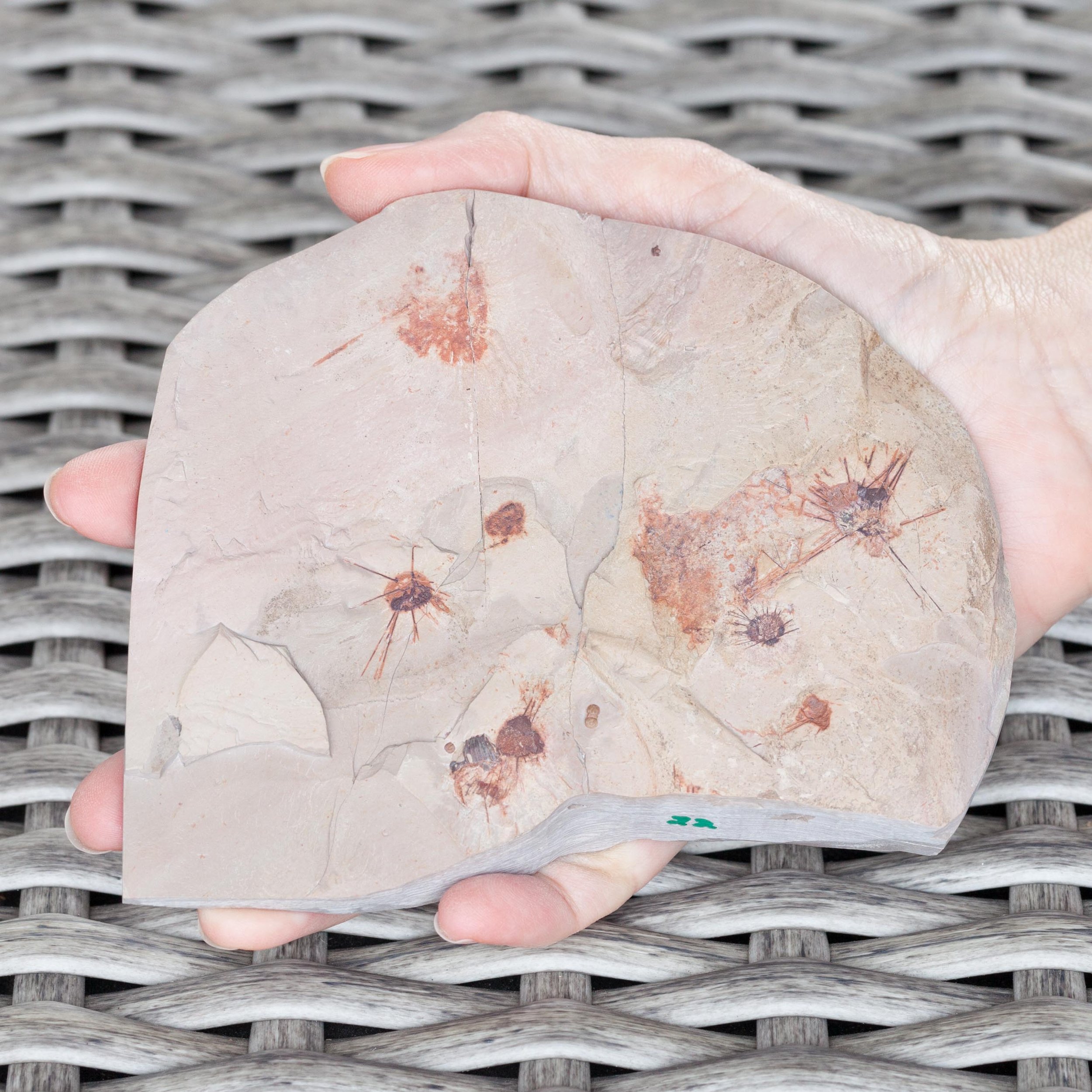
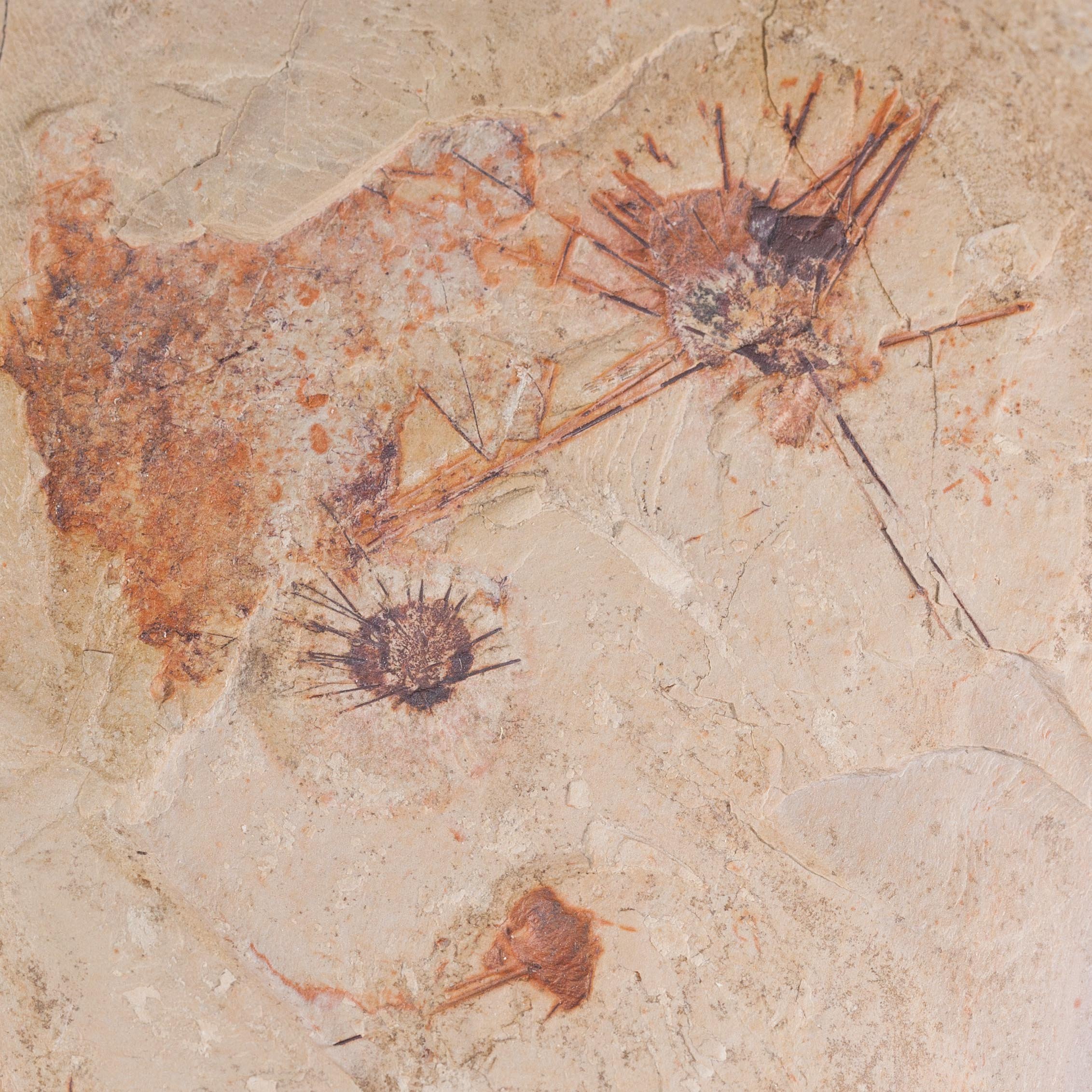
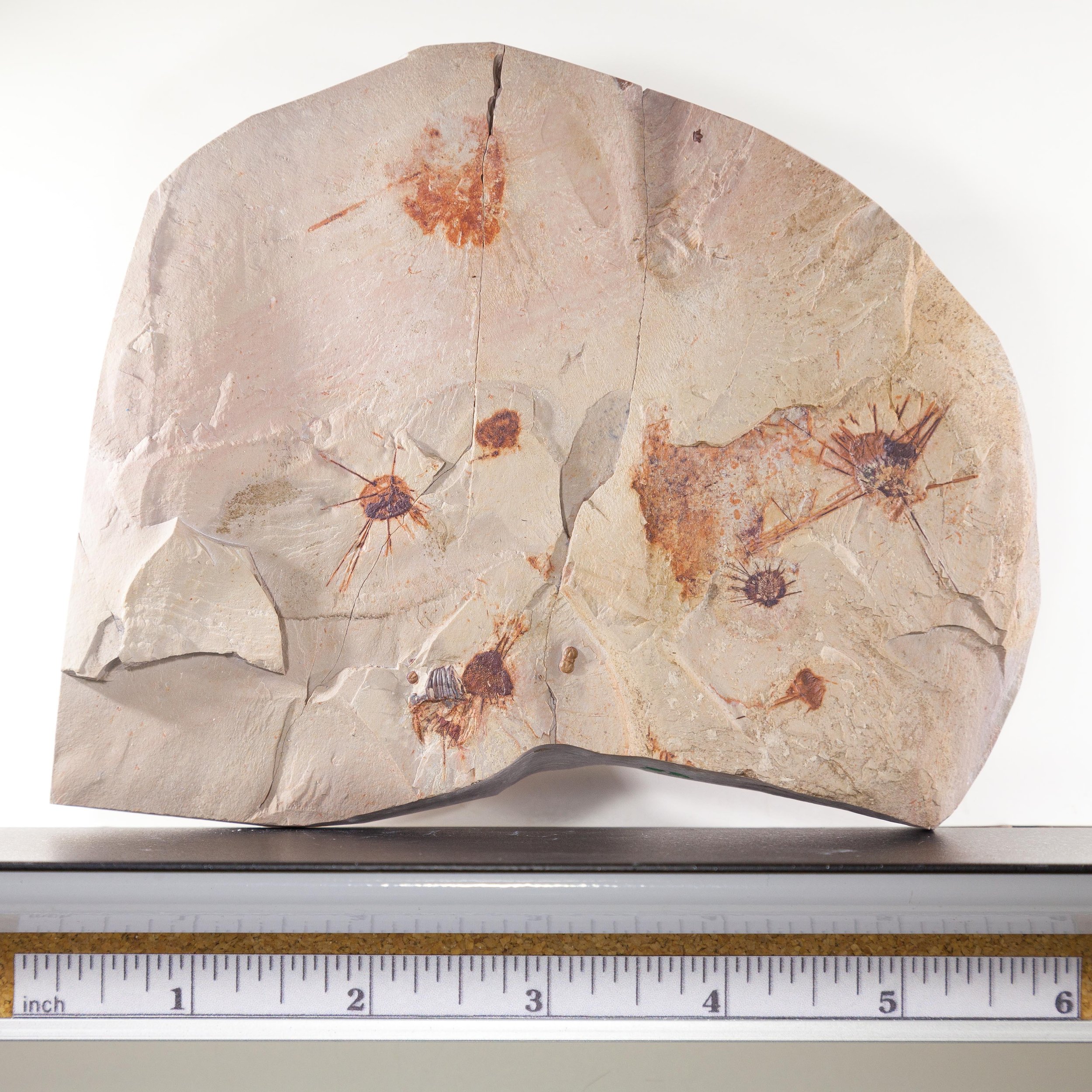
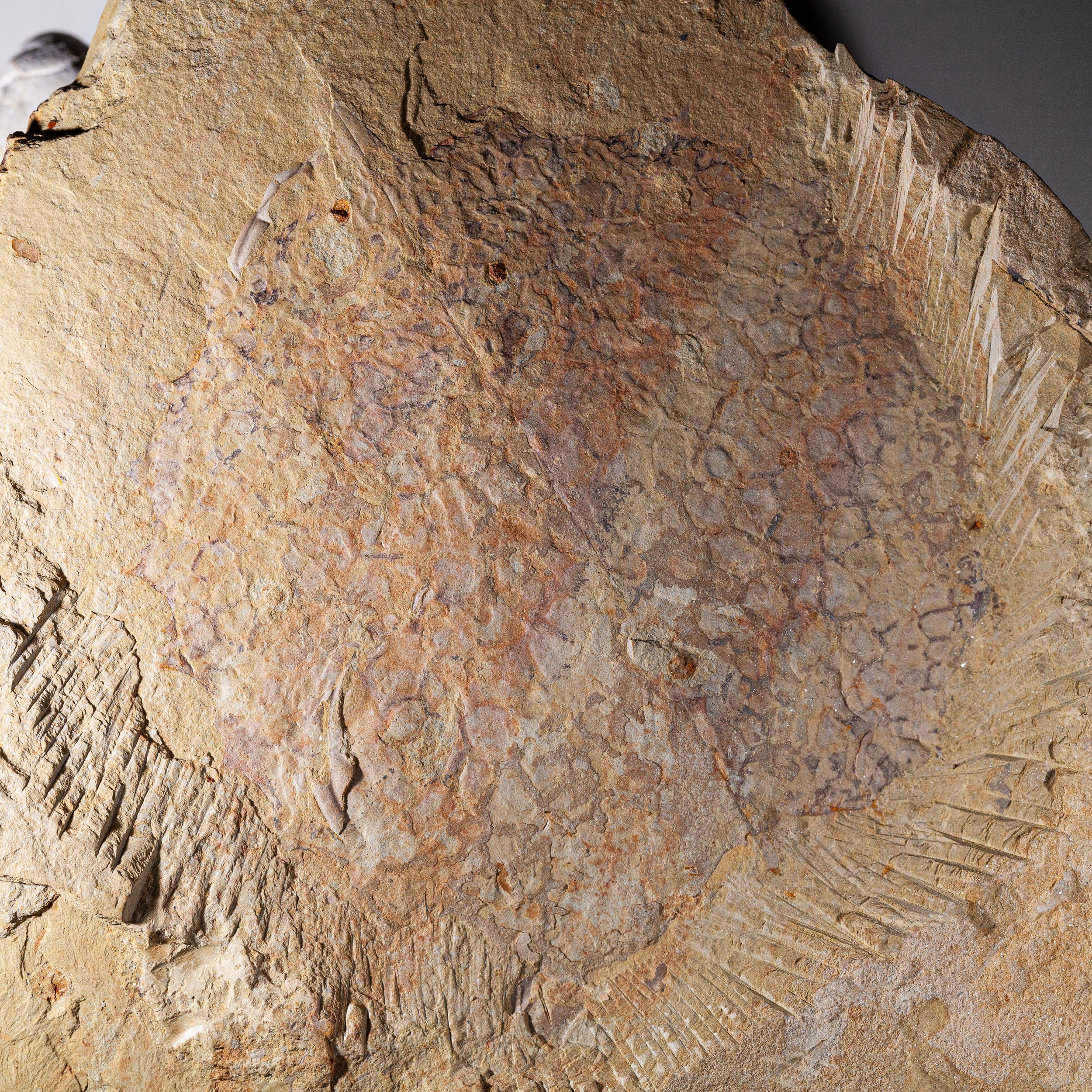
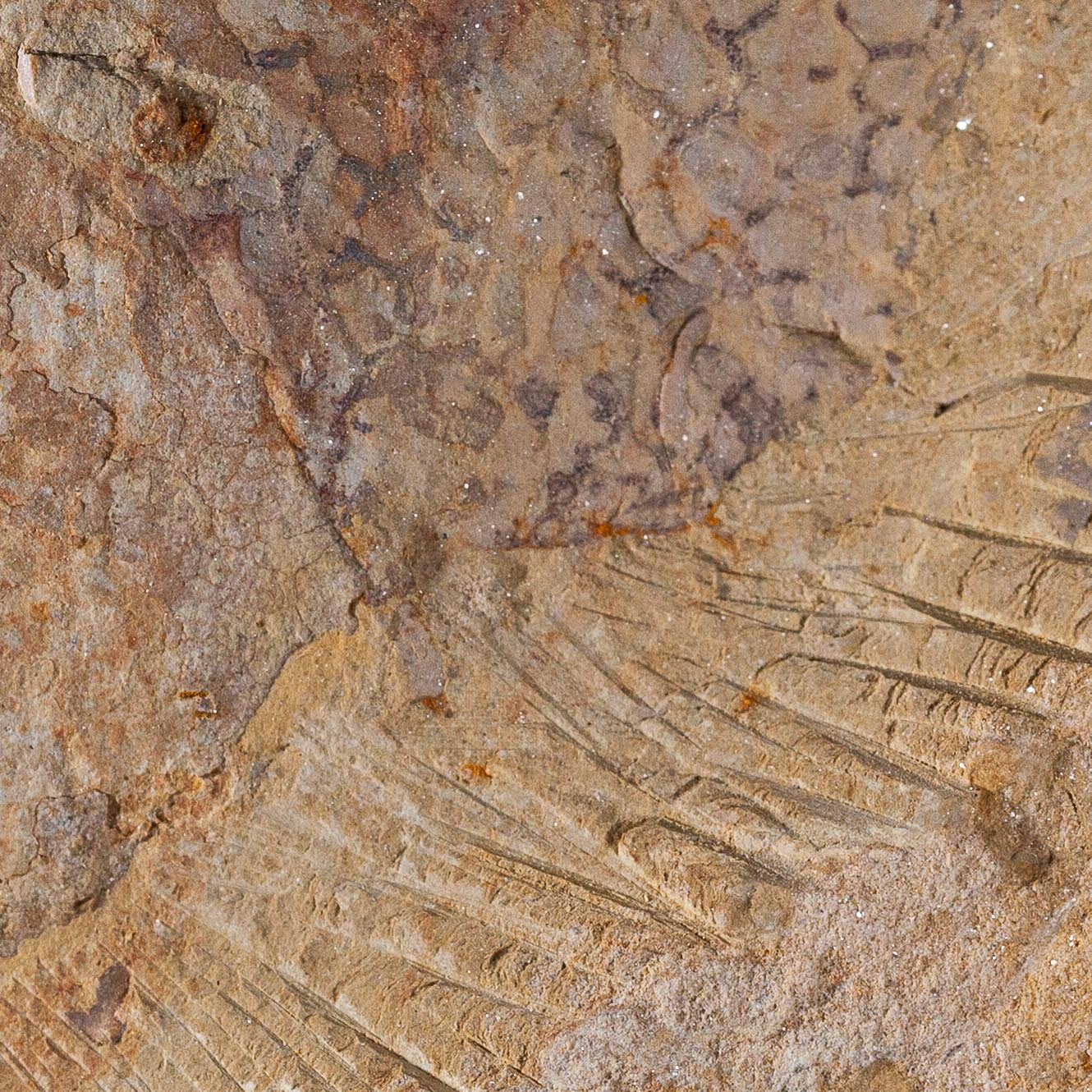
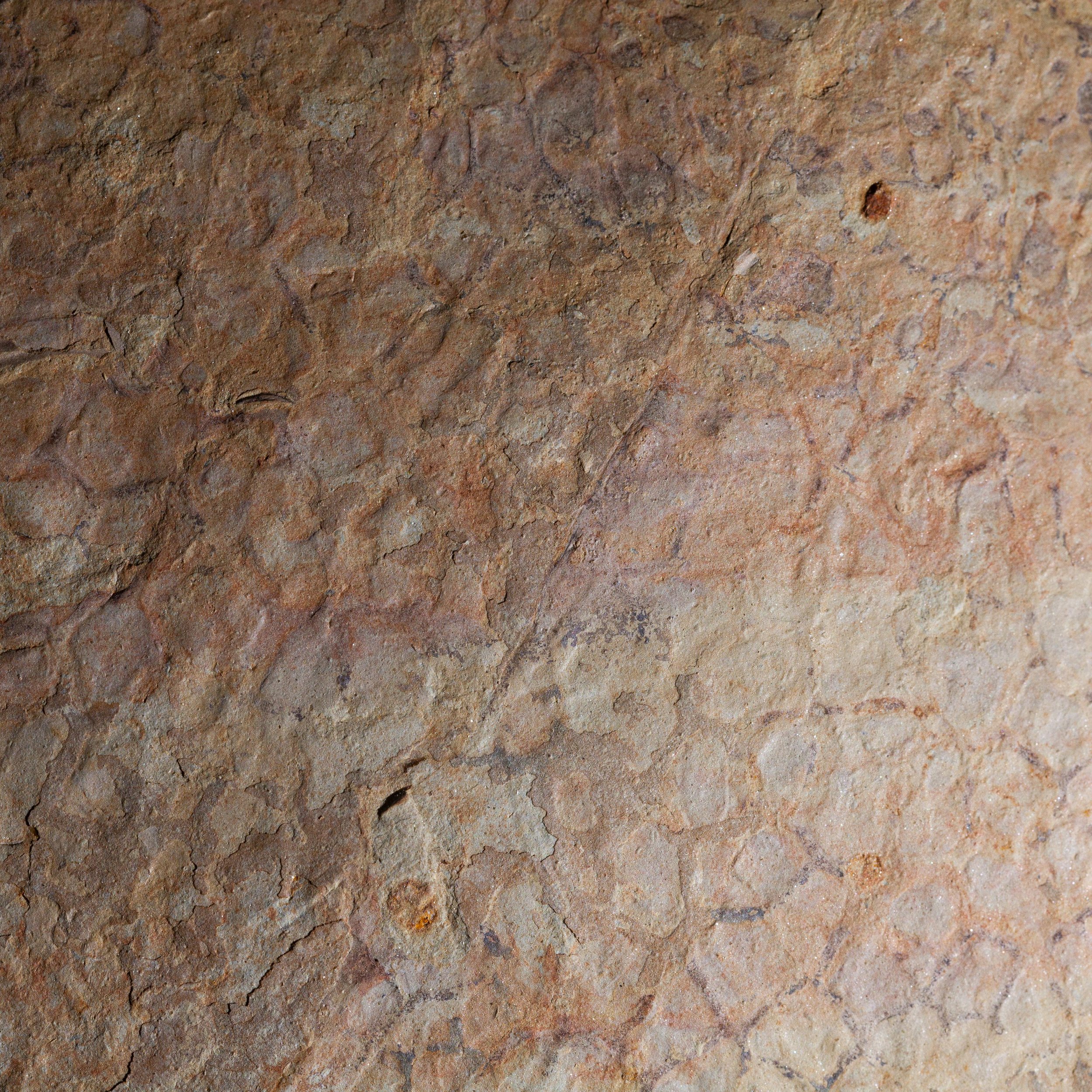
The famous Burgess Shale fauna preserves organisms with low preservation potential. Luckily, equivalent Middle Cambrian deposits are found in Utah as well. This cluster of rare Choia utahensis sponges represents a rare assemblage of Burgess Shale-type fauna from the “Red Beds” of the Wheeler Shale, Utah.
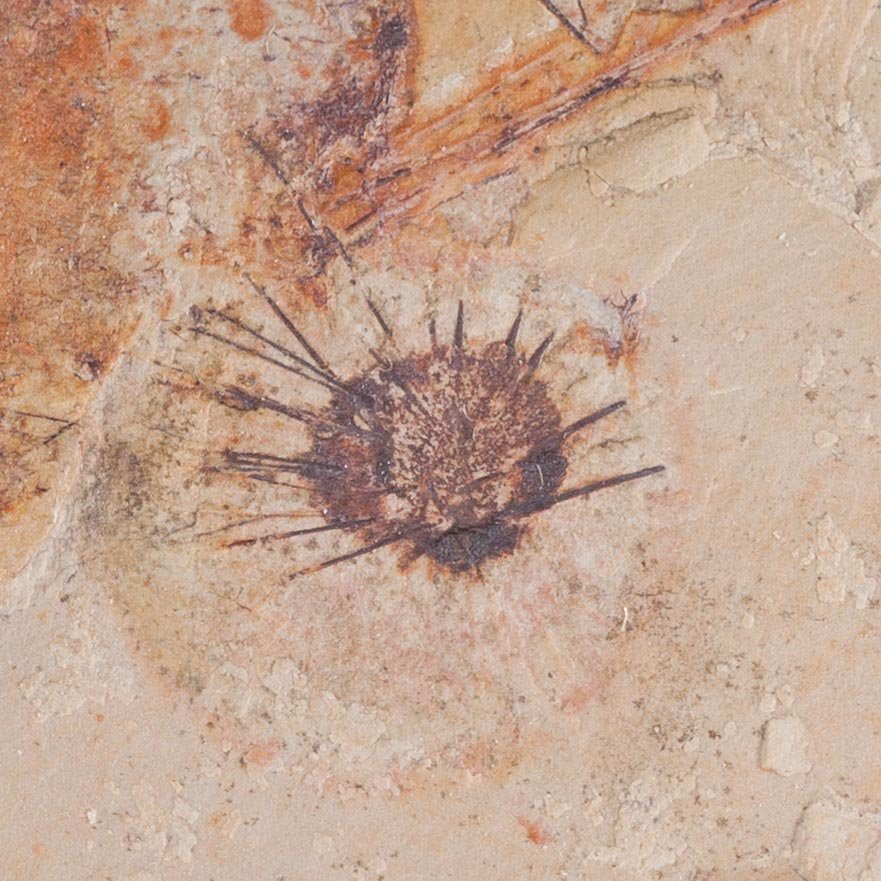
Choia are very rare at the Burgess Shale Locality. These sponges feature a round, central area with radiating spines, allowing the sponge to sit on stilts above the sea floor and filter the water. Also on the plate are examples of the agnostid trilobite Peronopsis interstrictus.
Full dimensions are listed below (dimensions given are for the largest sponge).
Vendor: Gold Bugs
SKU Number: SQ4242366
The famous Burgess Shale fauna preserves organisms with low preservation potential. Luckily, equivalent Middle Cambrian deposits are found in Utah as well. This cluster of rare Choia utahensis sponges represents a rare assemblage of Burgess Shale-type fauna from the “Red Beds” of the Wheeler Shale, Utah.
Choia are very rare at the Burgess Shale Locality. These sponges feature a round, central area with radiating spines, allowing the sponge to sit on stilts above the sea floor and filter the water. Also on the plate are examples of the agnostid trilobite Peronopsis interstrictus.
Full dimensions are listed below (dimensions given are for the largest sponge).
Additional Information
The sponges of the extinct genus Choia, are members of Class Desmospongia, Family Choiidae. Choia is a rarer genus of sponge (Phylum Profera) with radiating spines that lived suspended high above the seafloor, attached via stalk-like spines derived from spicules. Their evolutionary range is from the Cambrian until the Lower Ordovician periods. Fossils of Choia have been found in the Burgess Shale in British Columbia; the Maotianshan shales of China; the Wheeler Shale in Utah; and the Lower Ordovician Fezouata formation. It was first described in 1920 by Charles Doolittle Walcott.
The Wheeler Shale formation was named by Charles Doolittle Walcott. The Wheeler is a Konzentrat-Lagerstätte of soft tissued organisms preserved as carbonaceous film on calcareous shale, shaley limestone, mudstone and thin flaggy limestone.
References:
Vendor: FS-JS
SKU Number: SQ0372157
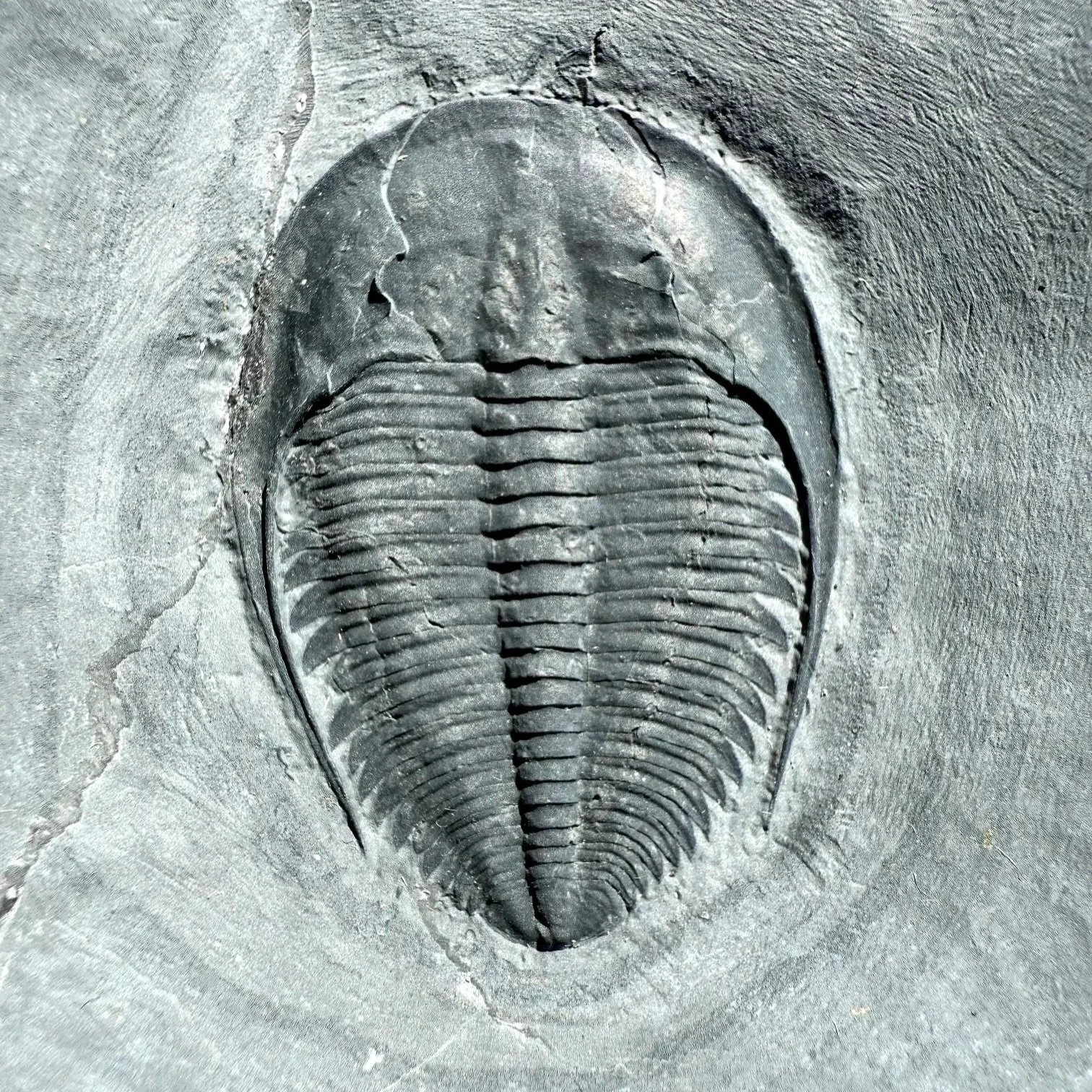
Glossopleura packi from the Middle Cambrian, Spence Shale, Wellsvilles Mtns, Box Elder Co., Utah.
A nice rare trilobite at a reasonable price.
Full dimensions are listed below.
Vendor: FS-JS
SKU Number: SQ4125048
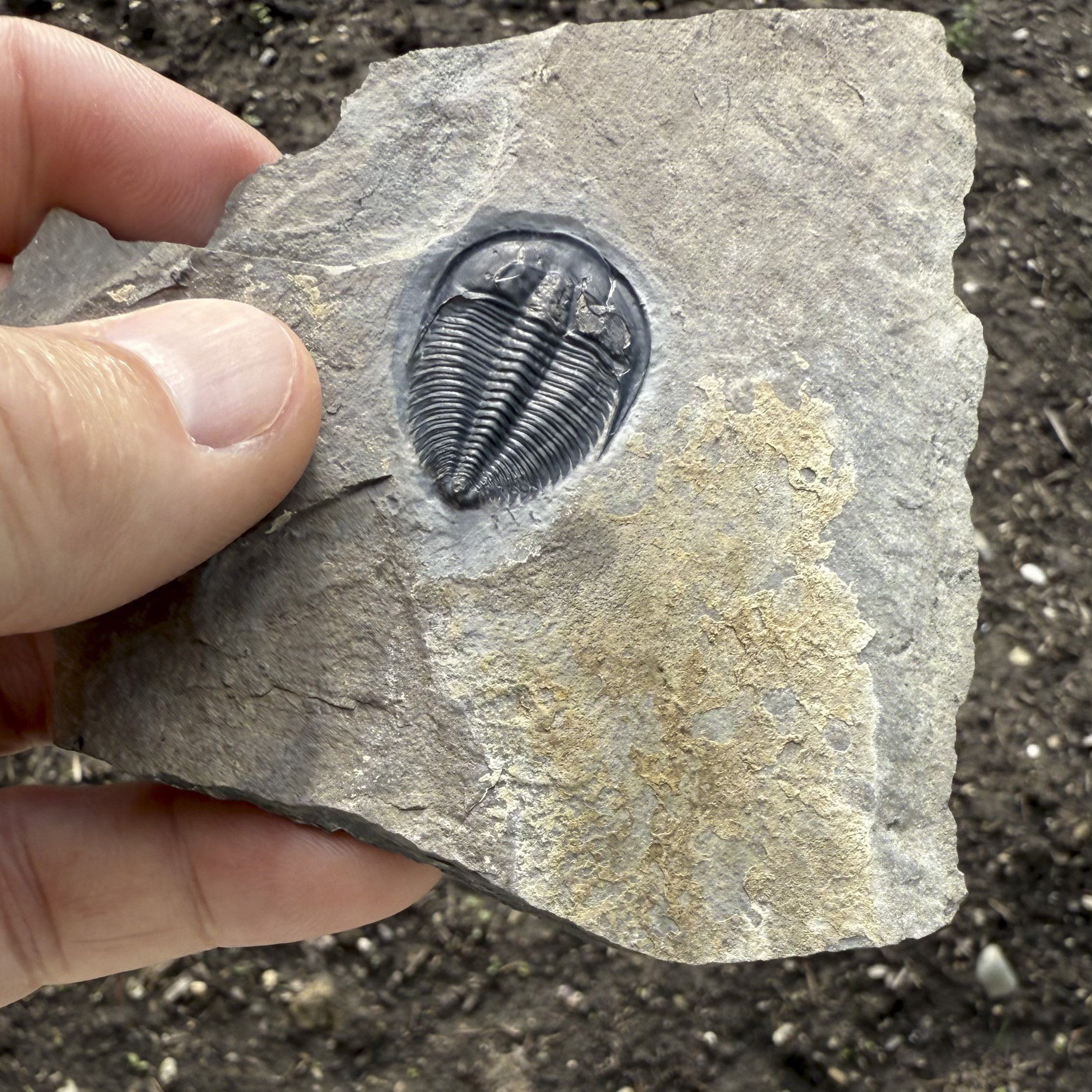
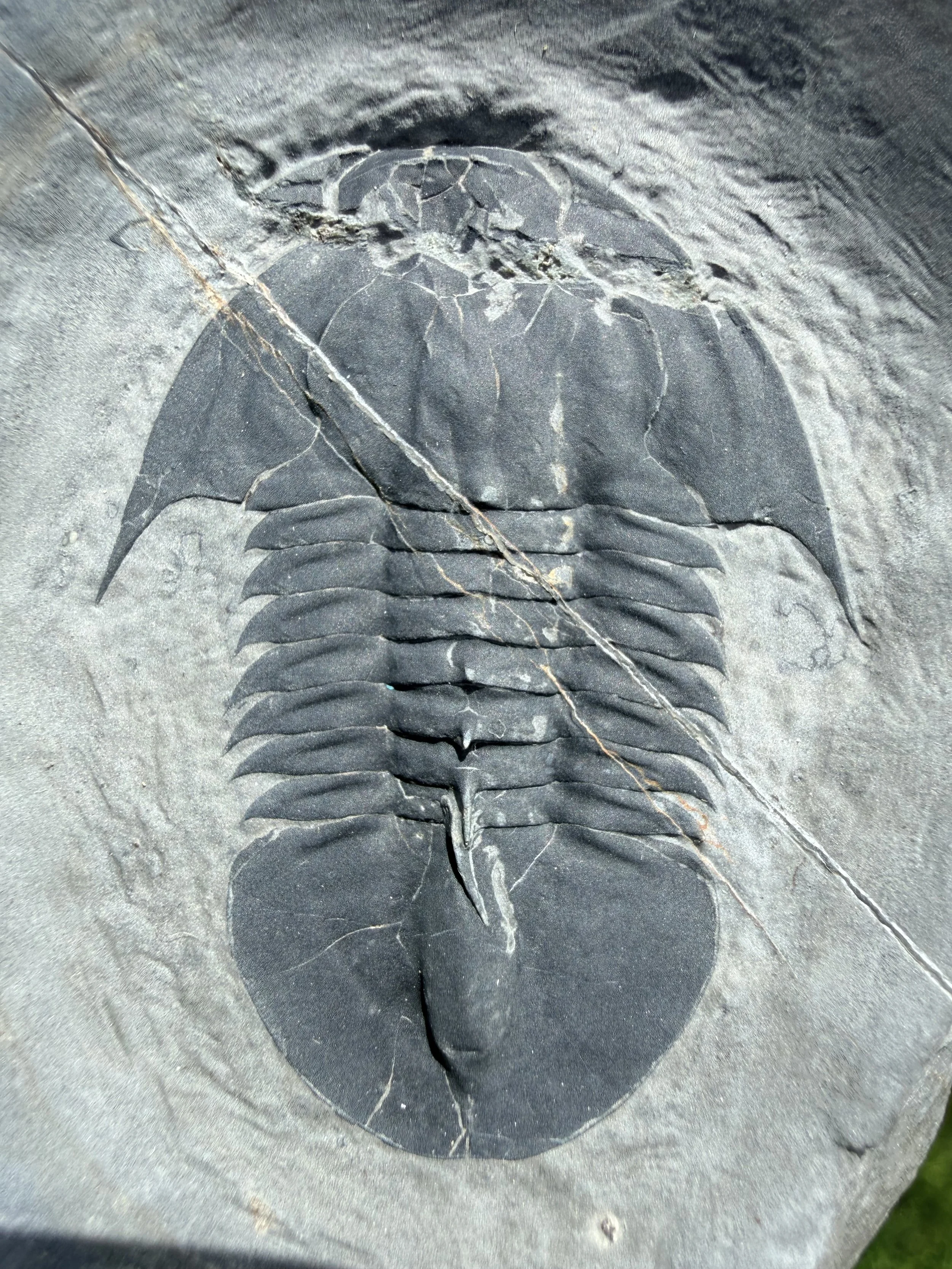
Amecephalus sp., from the Middle Cambrian, Spence Shale, Wellsvilles Mtns, Box Elder Co., Utah.
A very large rare and complete trilobite.
Full dimensions are listed below.
Vendor: FS-JS
SKU Number: SQ1164807
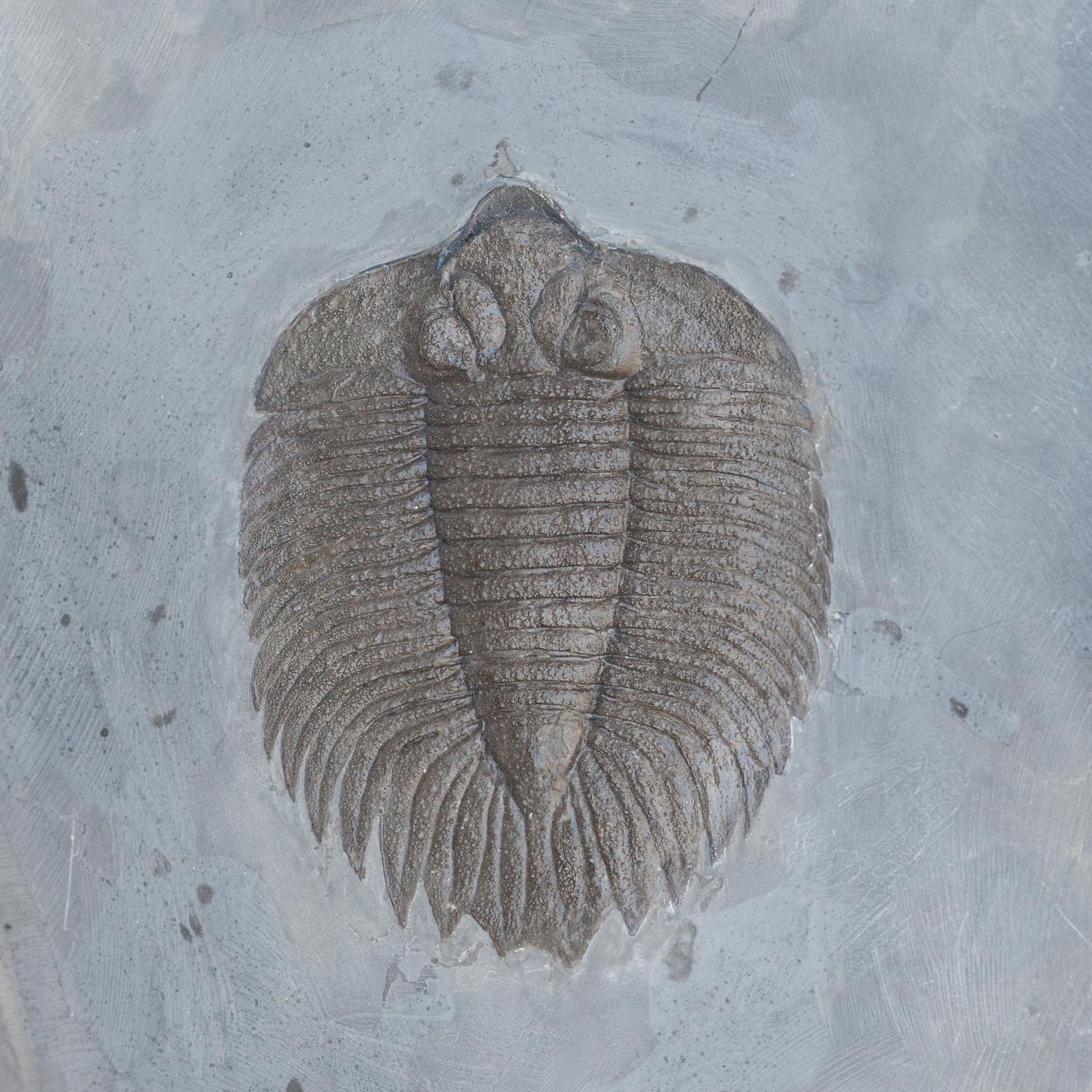
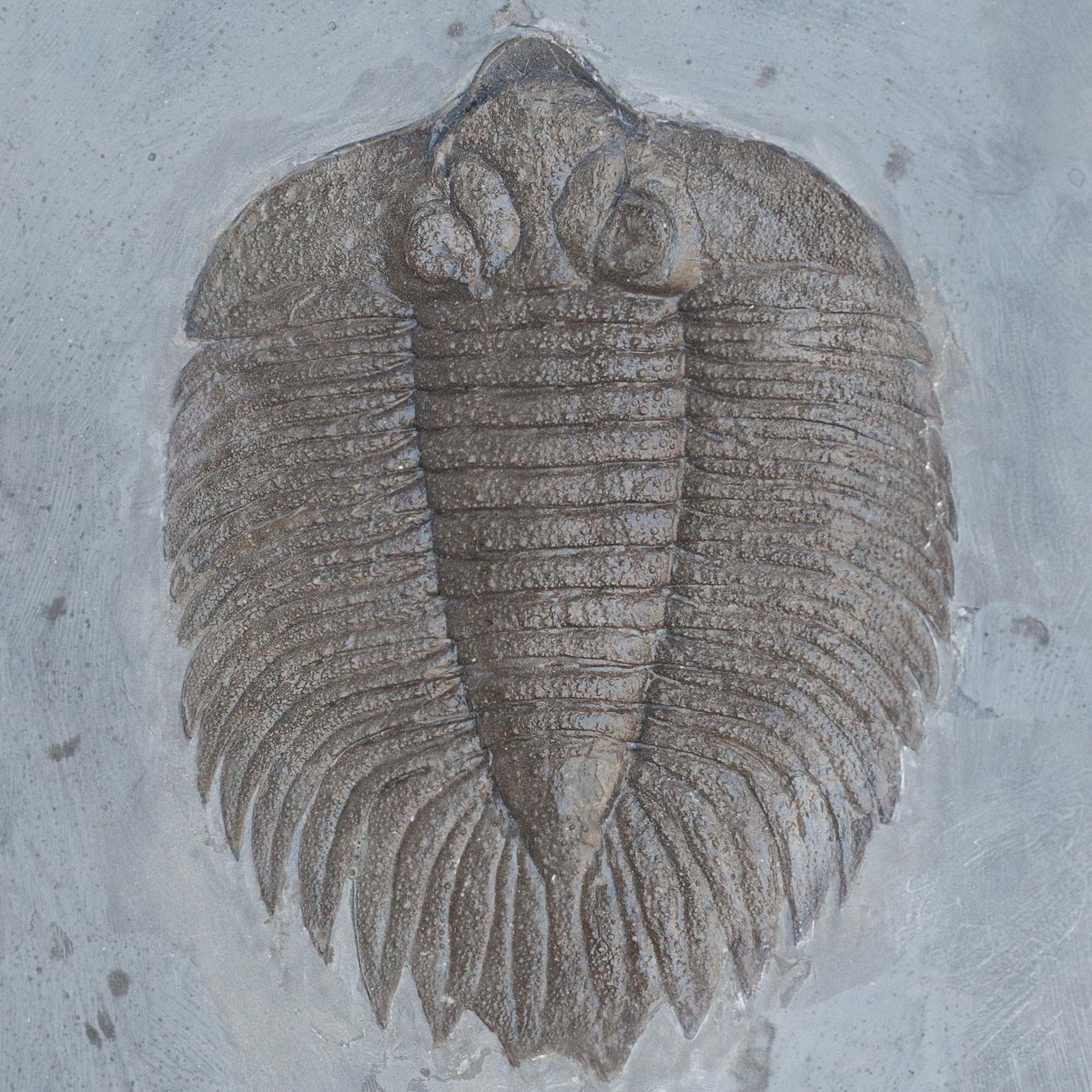
Kootenia spencei from the Middle Cambrian, Spence Shale, Wellsville Mtns, Box Elder Co., Utah.
A very rare and complete trilobite with free standing Occipital, thoracic spines.
Full dimensions are listed below.
Vendor: FS-JS
SKU Number: SQ1863833
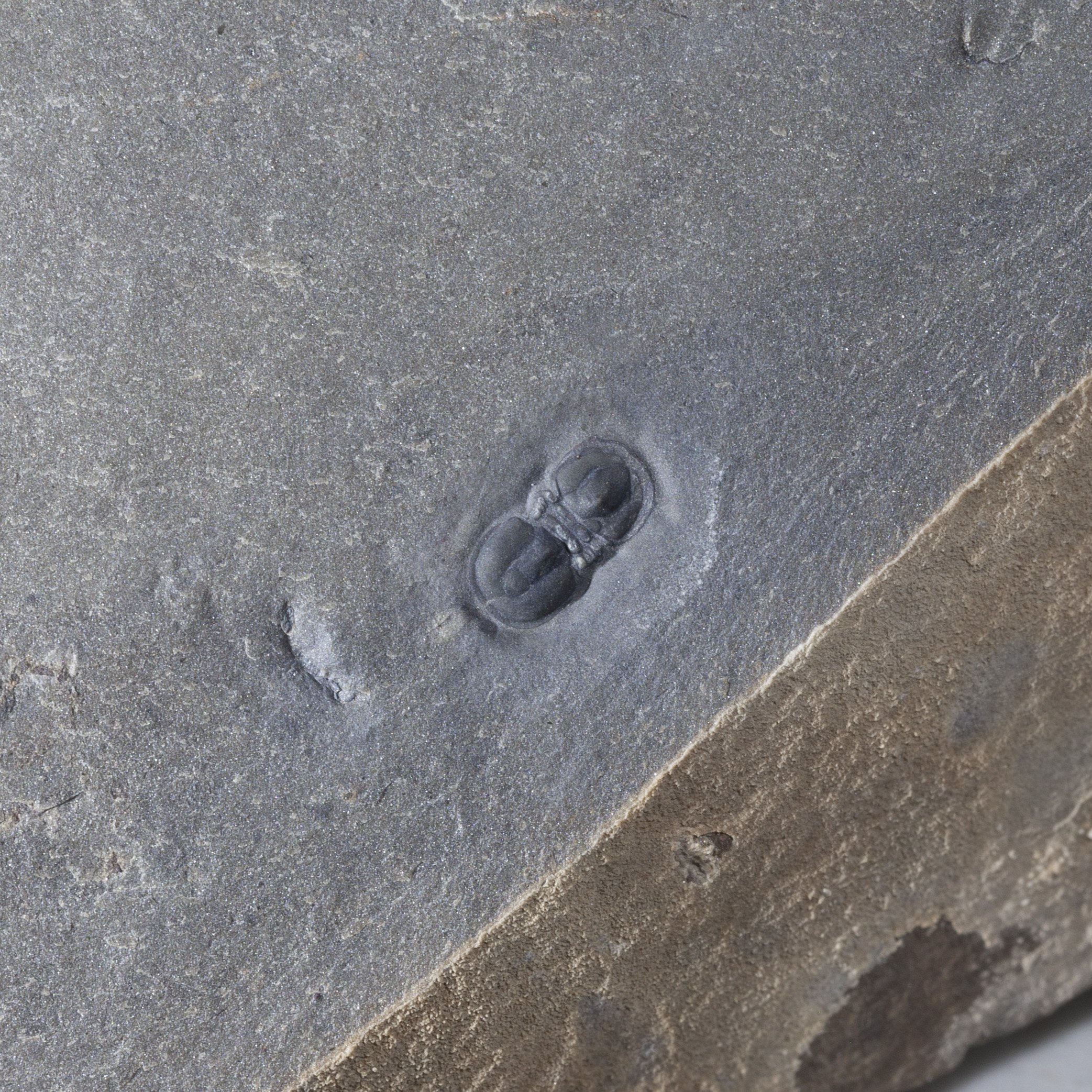
Perenopsis brighamensis, from the Middle Cambrian, Spence Shale, Wellsville Mtns, Box Elder Co., Utah.
A nice little trilobite.
Full dimensions are listed below.
Vendor: FS-JS
SKU Number: SQ7426041
Amecephalus sp., from the Middle Cambrian, Spence Shale, Wellsvilles Mtns, Box Elder Co., Utah.
A very rare and complete trilobite.
Full dimensions are listed below.
Vendor: FS-JS
SKU Number: SQ2503766
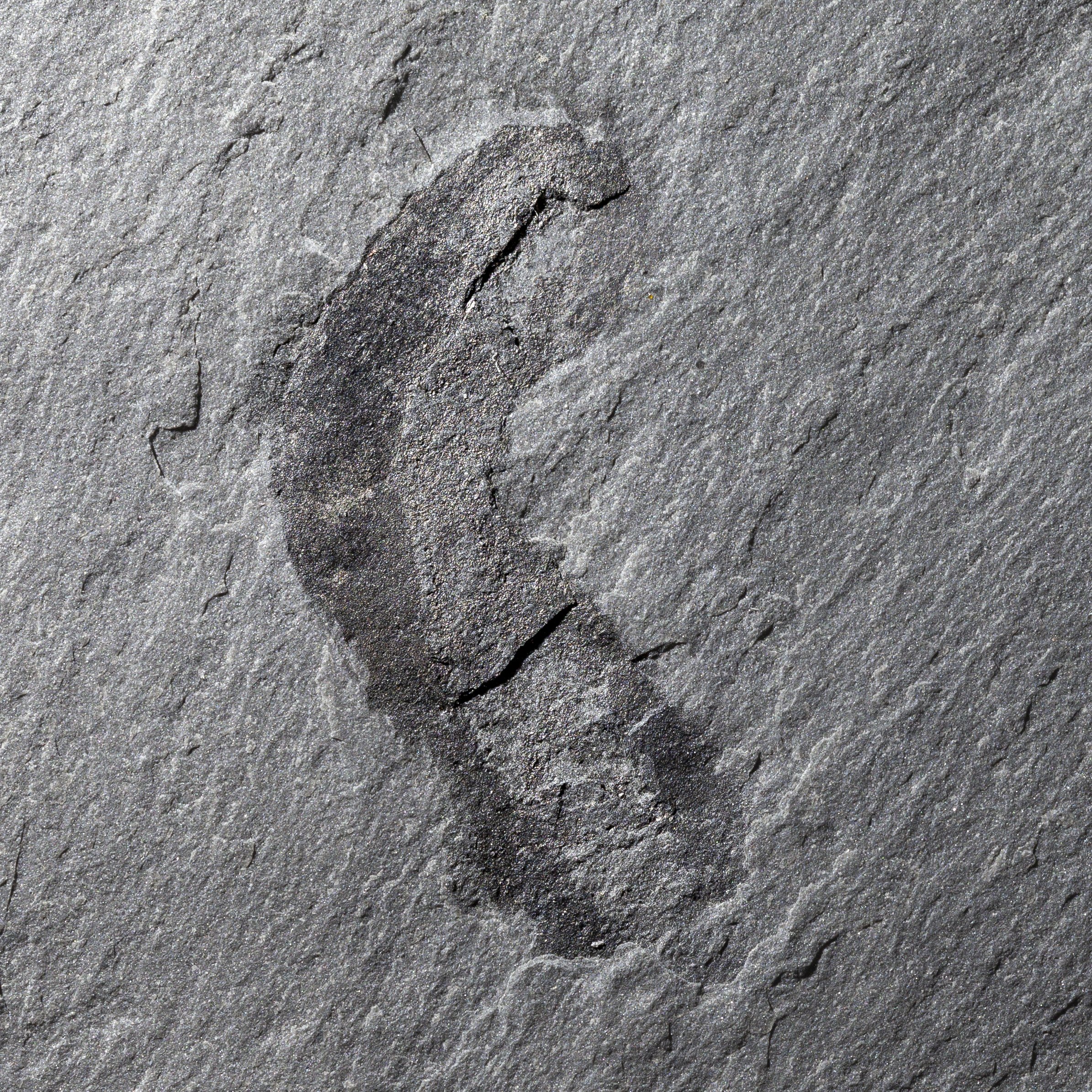
Armilimax pauljamisoni from the Middle Cambrian, Spence Shale, Wellsville Mtns, Box Elder Co., Utah.
Armilimax pauljamisoni is the first shell-bearing animal of its kind from the Great Basin and extends the diversity of body plans in the Spence Shale Fossil-Lagerstätte.
The morphology of Armilimax is ambiguous; it bears a seemingly U-shaped gut and, at the opposite end of its body, a shell without an apex. It has been tentatively interpreted as resembling Halkieria, but it does not contain sclerites. It is the first of its kind in the Great Basin. Only one species is known: Armilimax pauljamisoni.
Also on the piece of shale are Acrothele subsidua and Micromitra modesta, which are two genus of brachiopods. Thee are also impressions of Rusophycus, an ichnogenus of trace fossil.
Full dimensions are listed below.
Vendor: FS-JS
SKU Number: SQ8715284
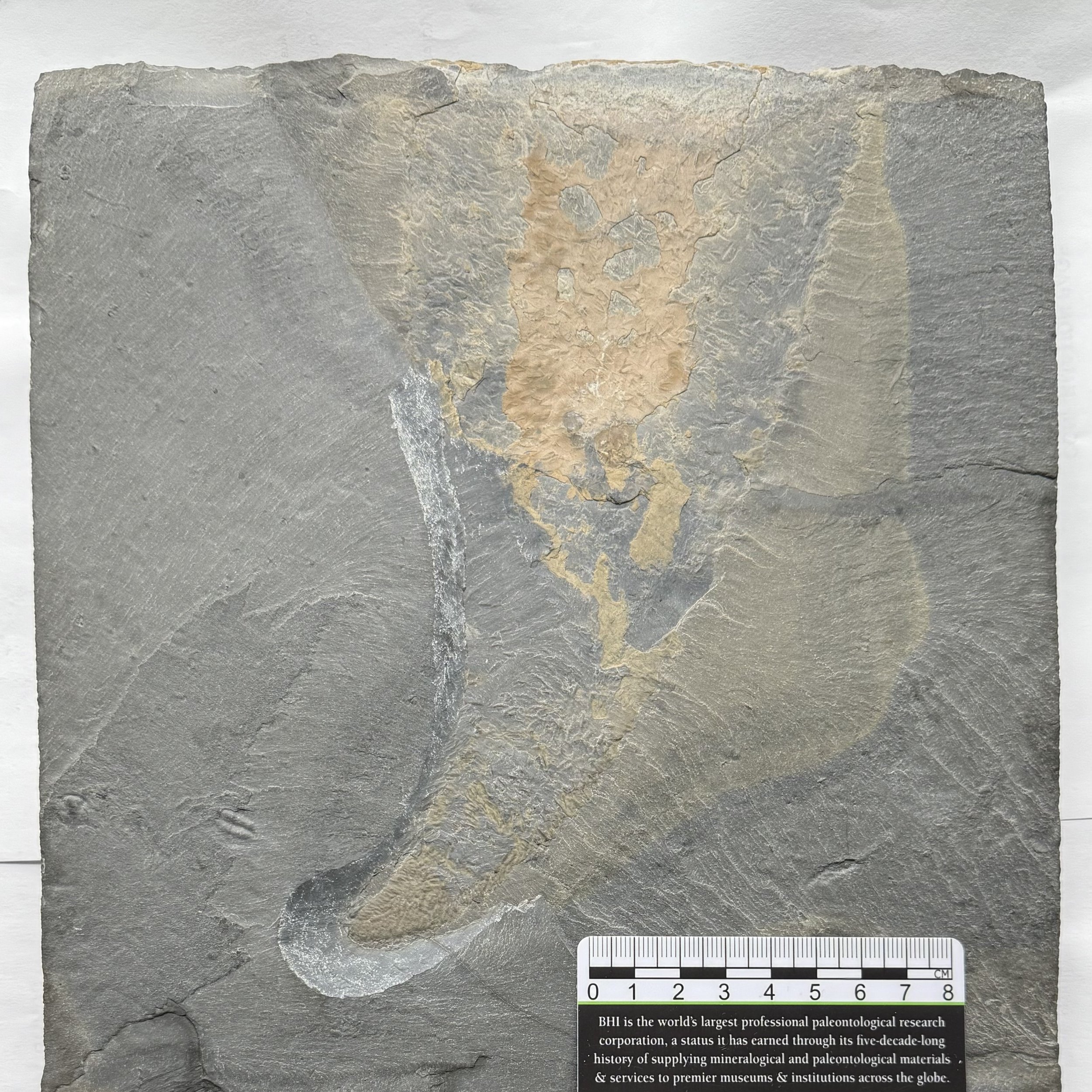
Giant Sponge from the Middle Cambrian, Spence Shale, Wellsvilles Mtns, Box Elder Co., Utah.
This is by far one of the largest sponges from the Cambrian we have seen. The detail is amazing.
Full dimensions are listed below.
Vendor: FS-JS
SKU Number: SQ4811601
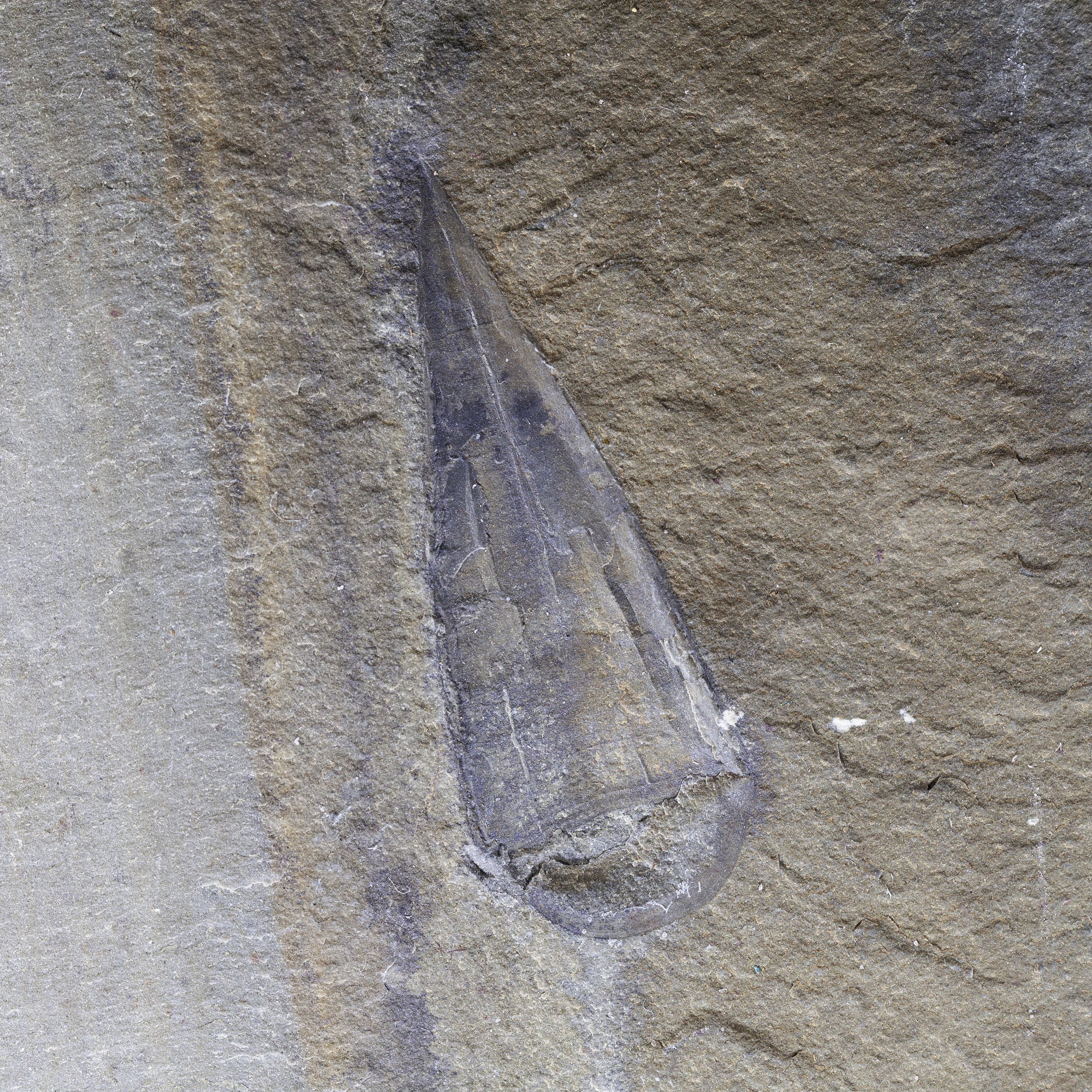
Haplophrentis reesei from the Middle Cambrian, Spence Shale, Wellsvilles Mtns, Box Elder Co., Utah.
A beautiful and large Haplophrentis reesei. Recent studies have suggested affinities to hyoliths, a group of extinct cone-shaped animals with a distinctive operculum covering the opening.
This specimen is in association with a Bythicheilus typicum trilobite - this specimen is ventrally repserved.
Full dimensions are listed below.
Vendor: FS-JS
SKU Number: SQ3310344
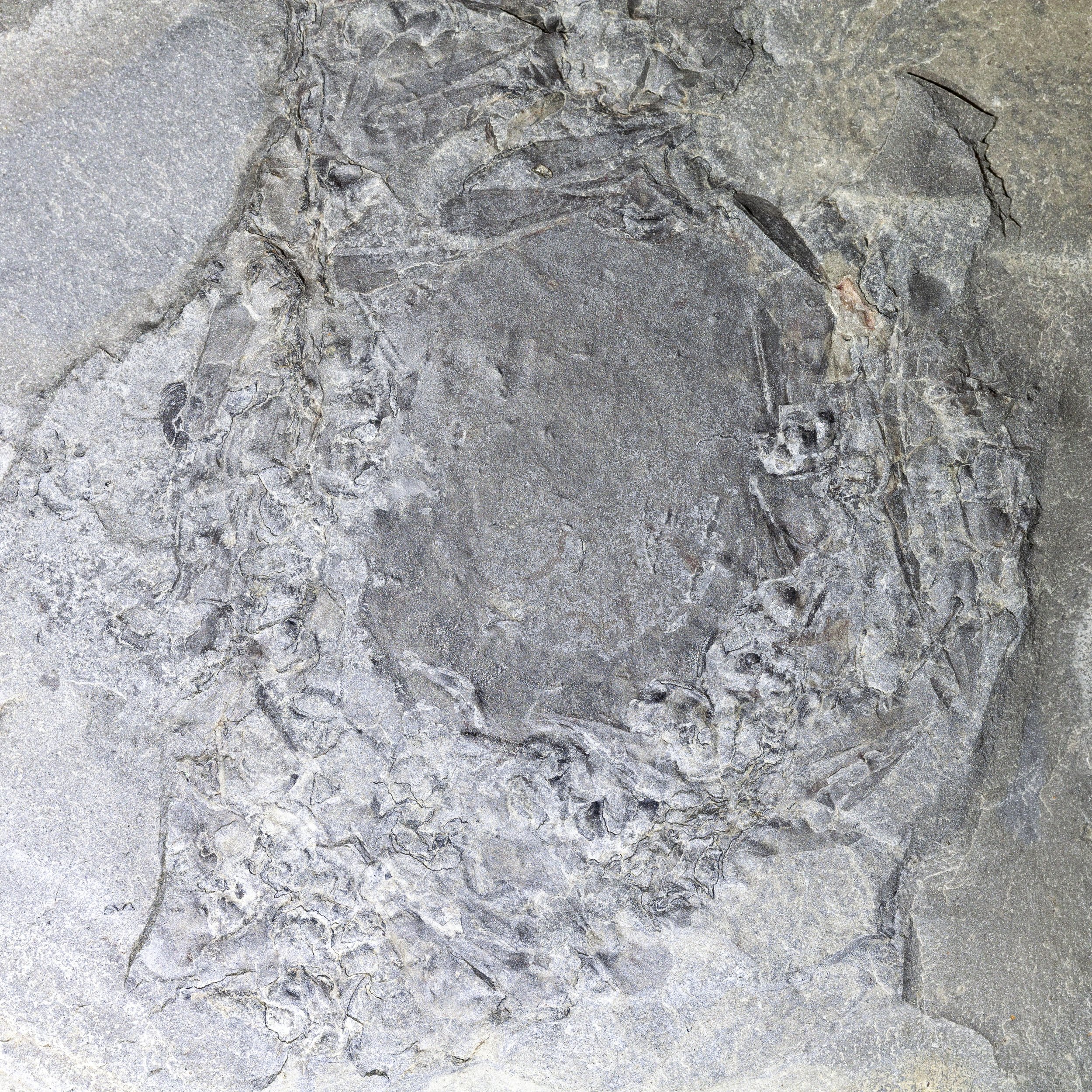
Eldonia ludwigi and a Zacanthoides serratus from the Middle Cambrian, Spence Shale, Wellsvilles Mtns., Box Elder Co., Utah.
Eldonia ludwigi is an enigmatic, disc-shaped fossil organism primarily known from the Middle Cambrian Burgess Shale of British Columbia. Its soft-bodied nature and unusual morphology, featuring a radiating pattern and a coiled gut, have made its classification challenging for paleontologists.
Full dimensions are listed below.
Vendor: FS-JS
SKU Number: SQ5615228
Amecephalus laticaudum from the Middle Cambrian, Spence Shale, Wellsvilles Mtns, Box Elder Co., Utah.
A very rare and complete trilobite.
Full dimensions are listed below.