
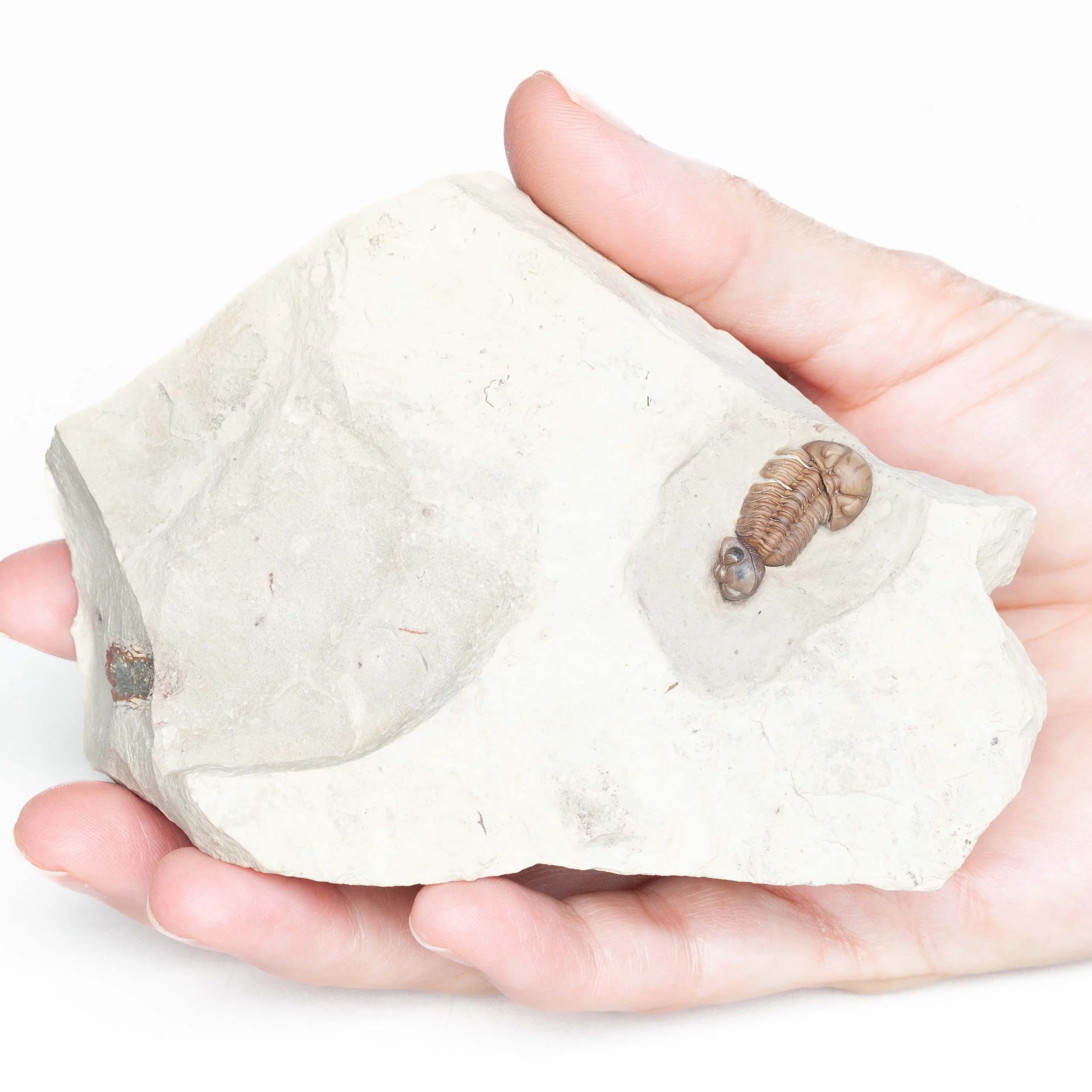
 Image 1 of 4
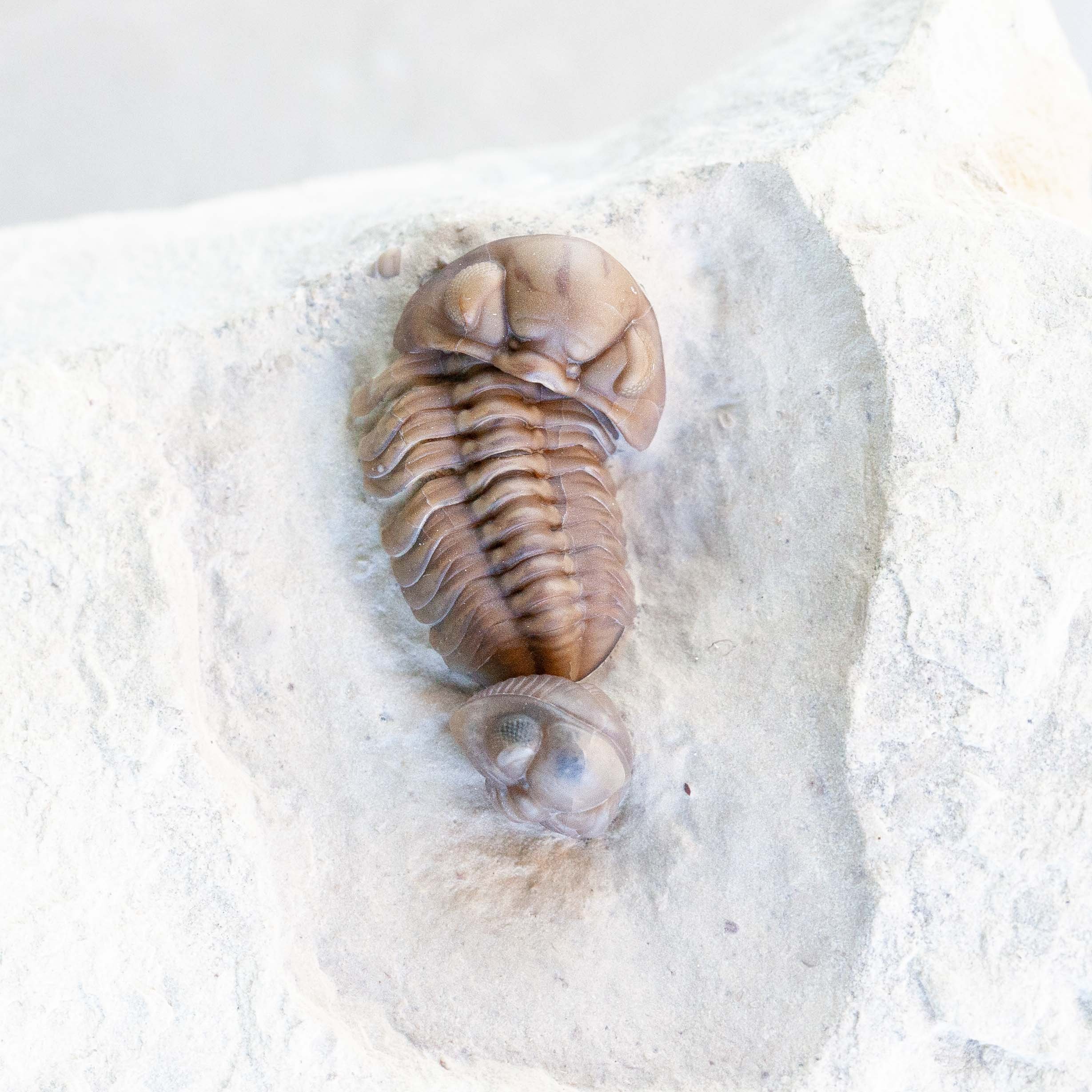 Image 2 of 4
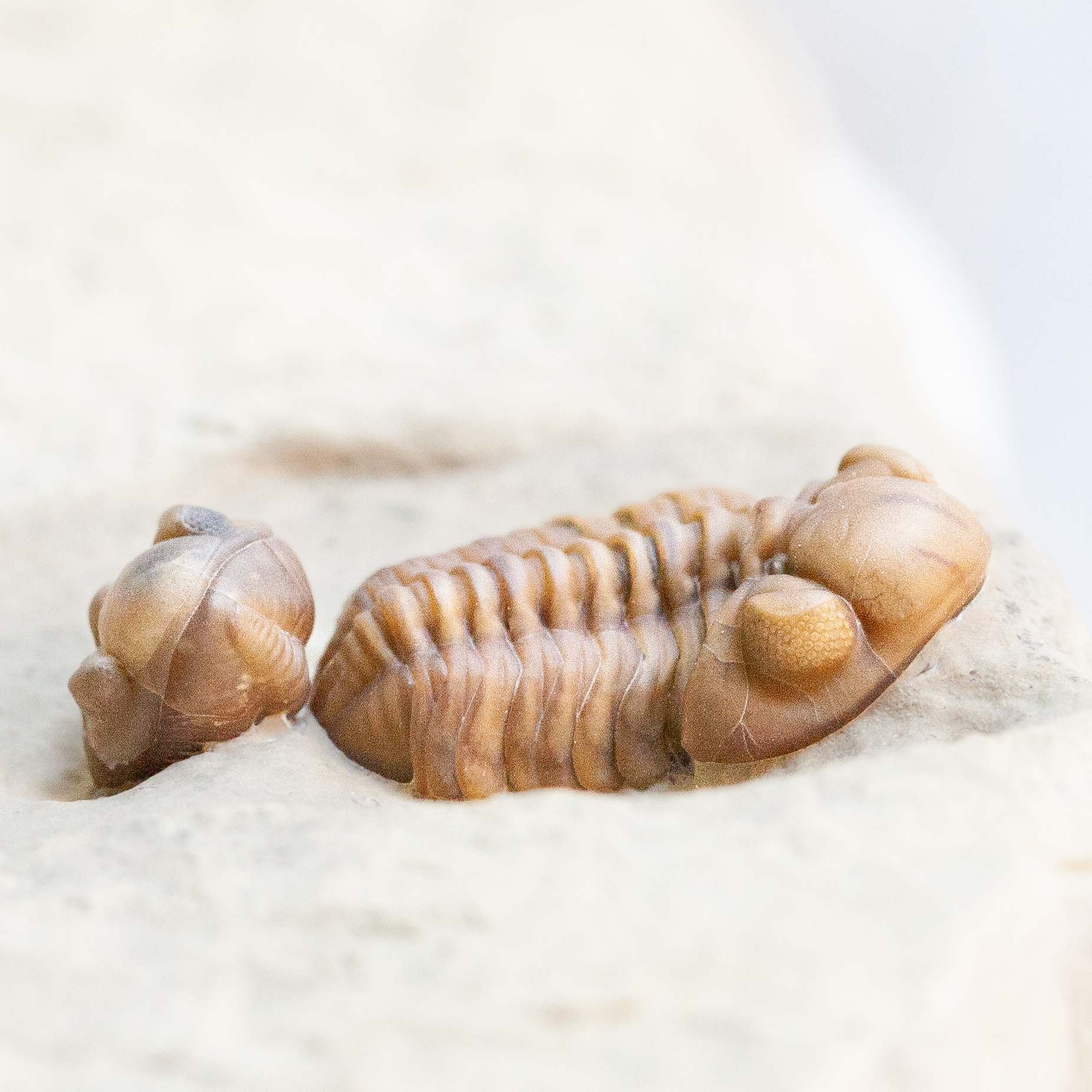 Image 3 of 4
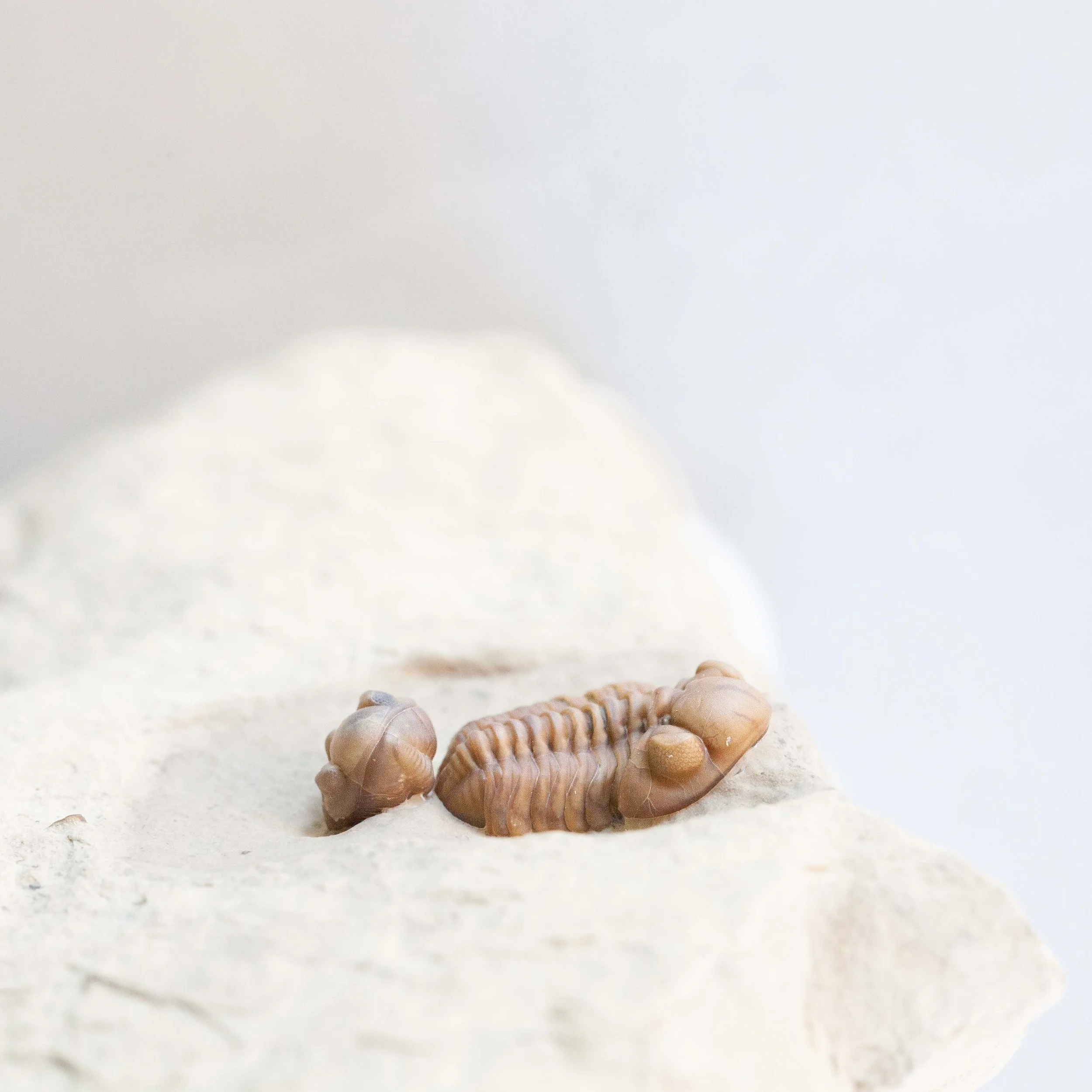 Image 4 of 4

Additional Information
“Early Silurian trilobites of Anticosti Island constitute something of a paleontological 'sleeper,'” said Dave Rudkin of Toronto's Royal Ontario Museum. “They're not nearly as widely known or appreciated as other Silurian trilobite faunas, like those of Dudley's famous Much Wenlock Limestone, New York's Rochester Shale or even the Henryhouse Formation in Oklahoma. And that's a pity, because in terms of diversity, preservation and occasionally size, these are damned amazing trilobites.”
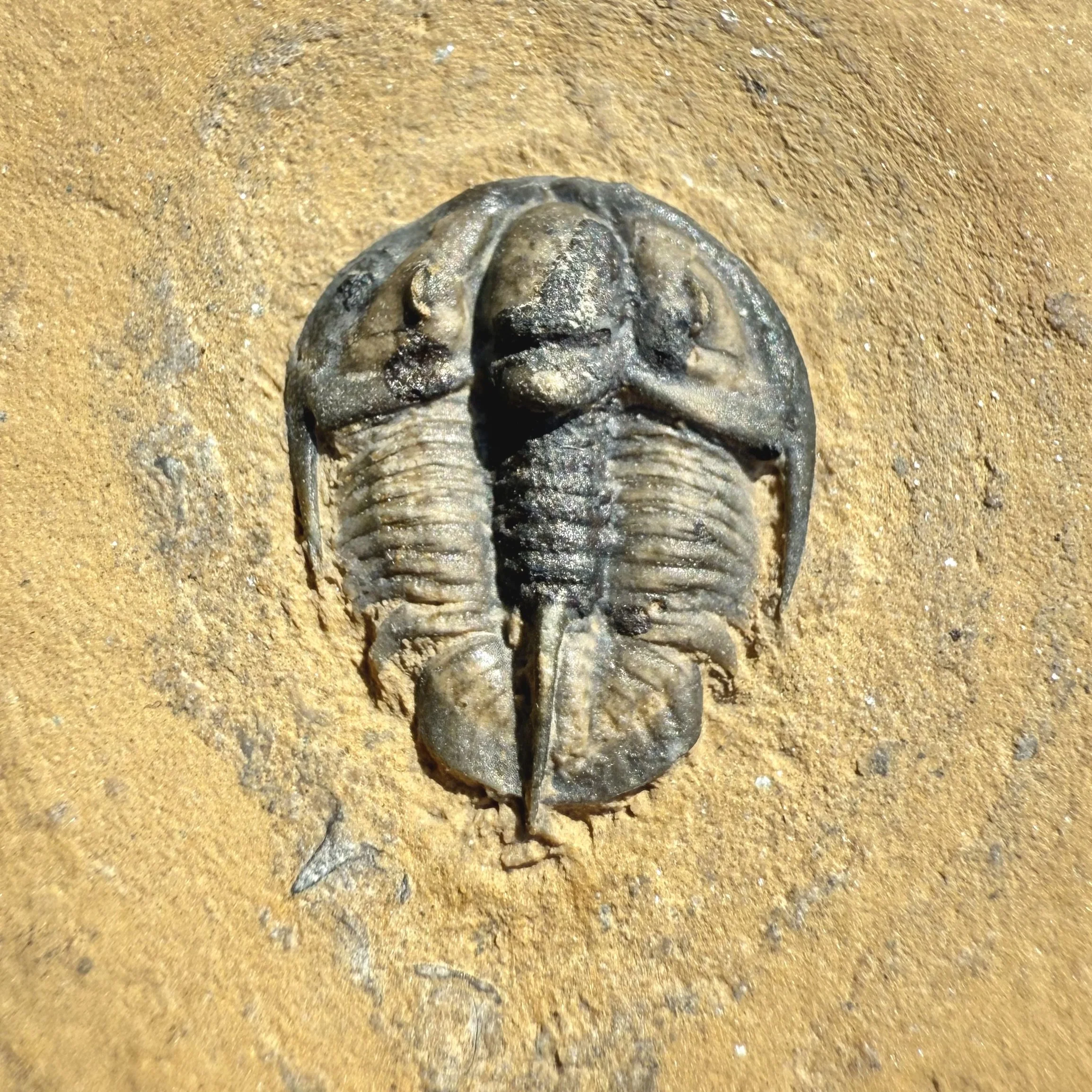
Phacopida had 8 to 19 thoracic segments and are distinguishable by the expanded glabella, short or absent preglabellar area, and schizochroal (Phacopina) or holochroal (Cheirurina and Calymenina) eyes. Schizochroal eyes are compound eyes with up to around 700 separate lenses. Each lens has an individual cornea which extended into a rather large sclera.
The development of schizochroal eyes in phacopid trilobites is an example of post-displacement paedomorphosis. The eyes of immature holochroal Cambrian trilobites were basically miniature schizochroal eyes. In Phacopida, these were retained, via delayed growth of these immature structures (post-displacement), into the adult form.
Eldredgeops rana and Dalmanites limulurus are two of the best-known members of this order. Other known phacopids include Cheirurus, Deiphon, Calymene, Flexicalymene and Ceraurinella.






Vendor: fossil soup - ZZ
SKU Number: SQ5388284
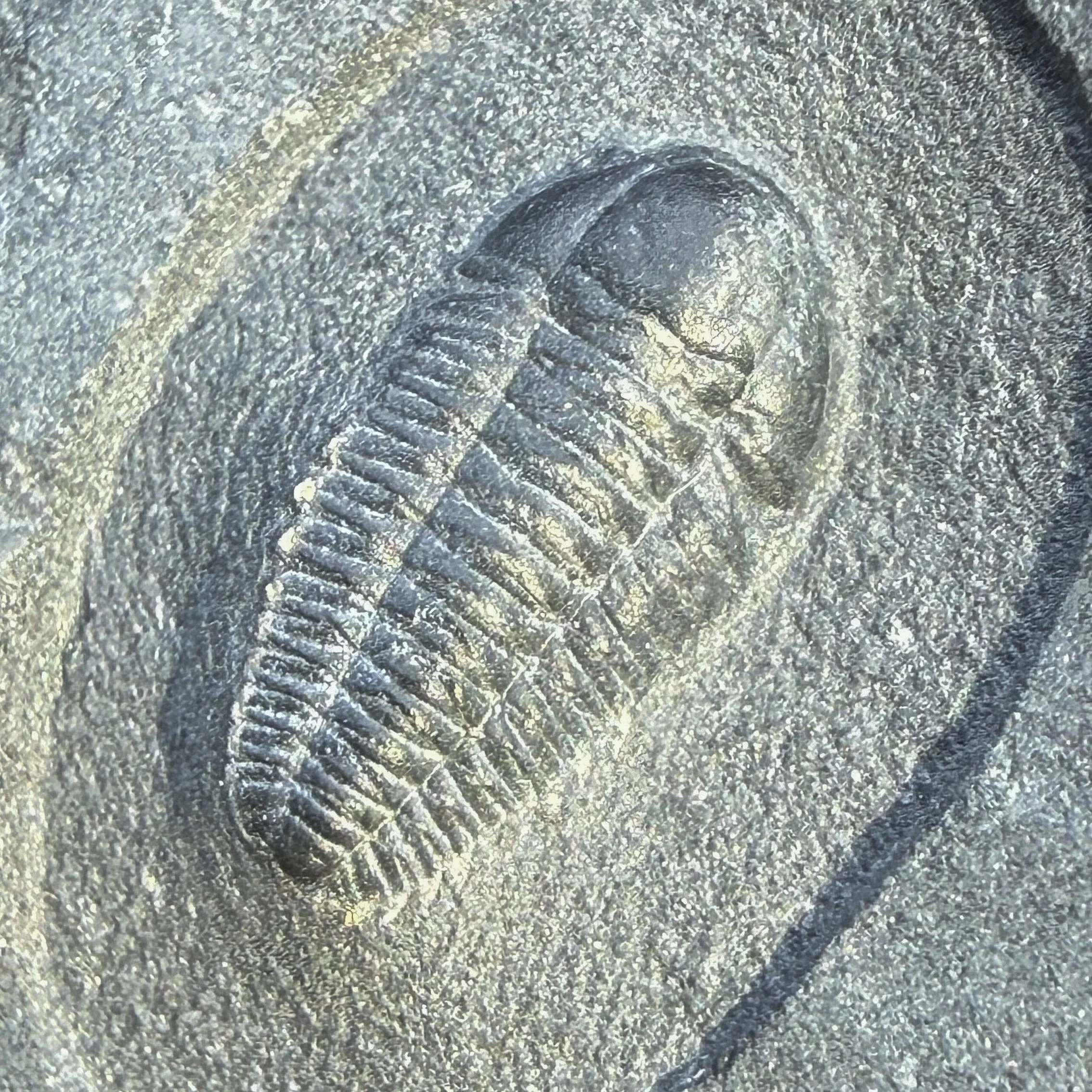
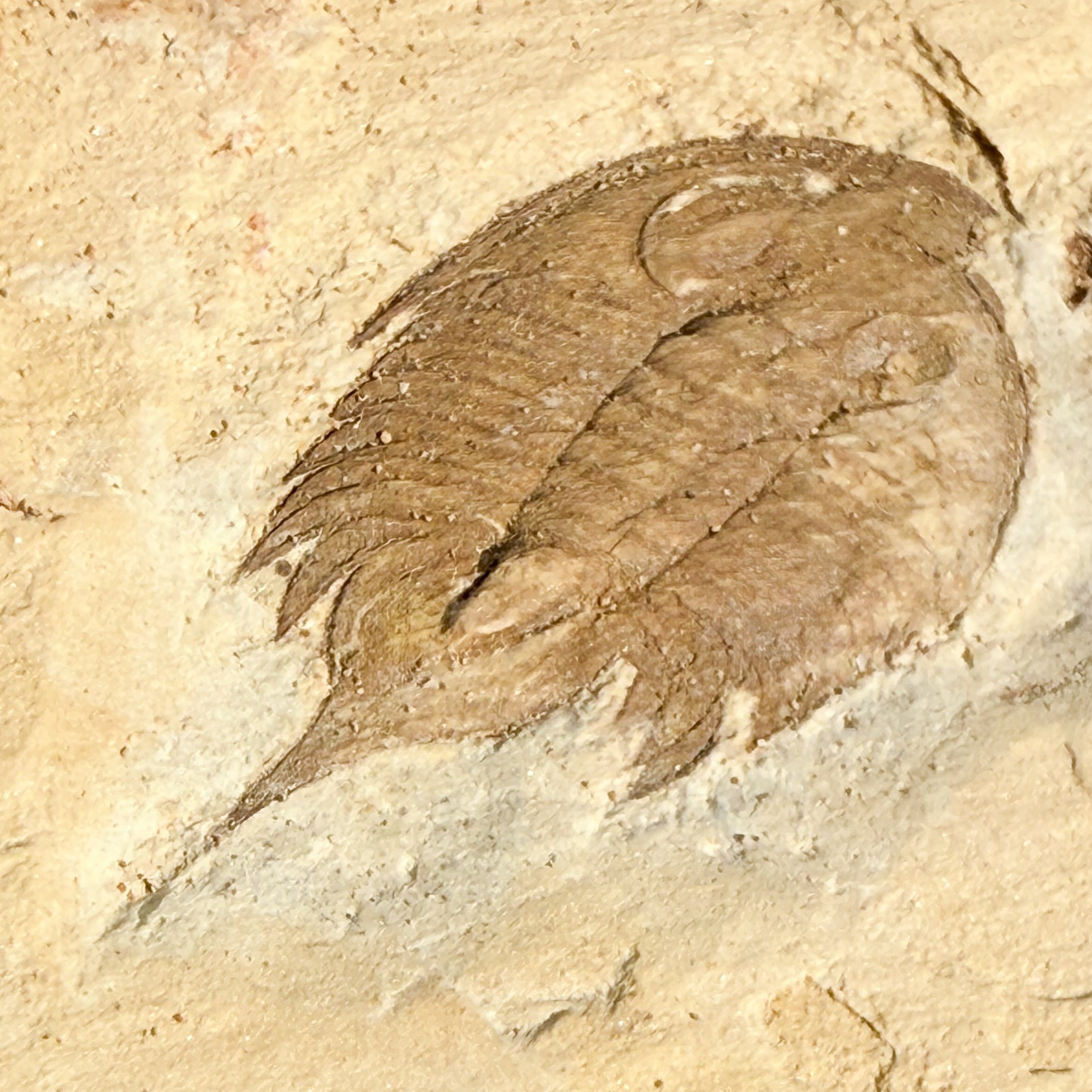
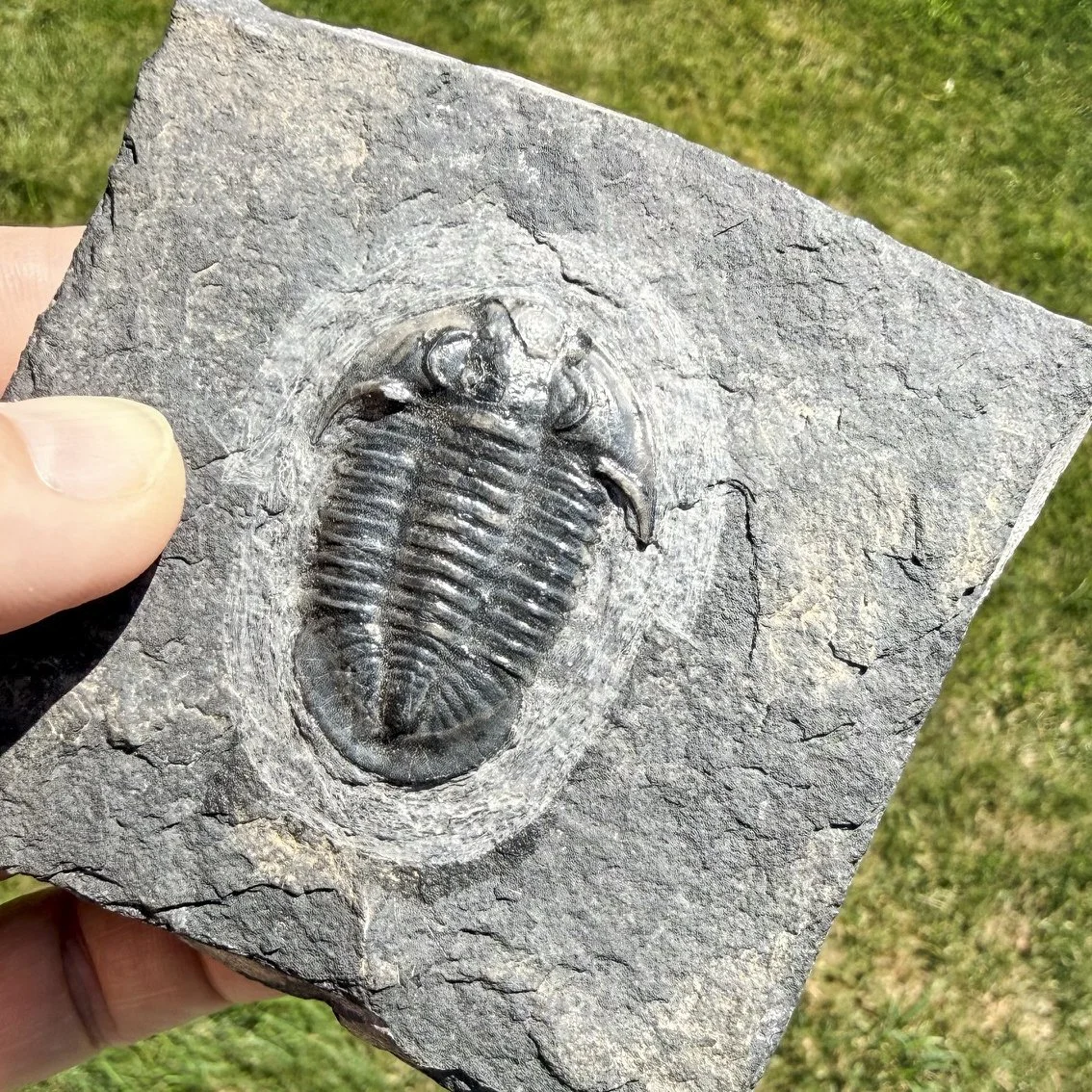
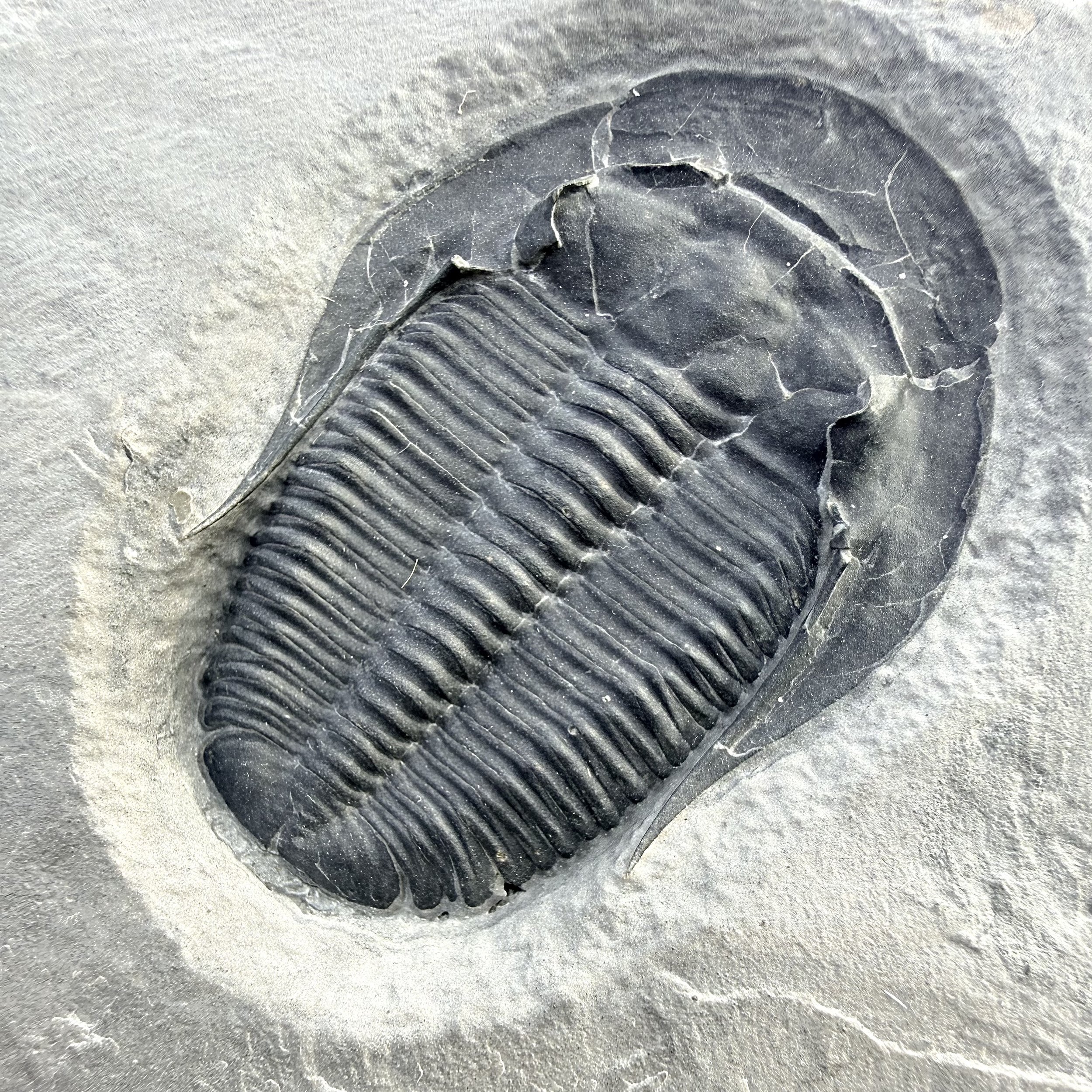
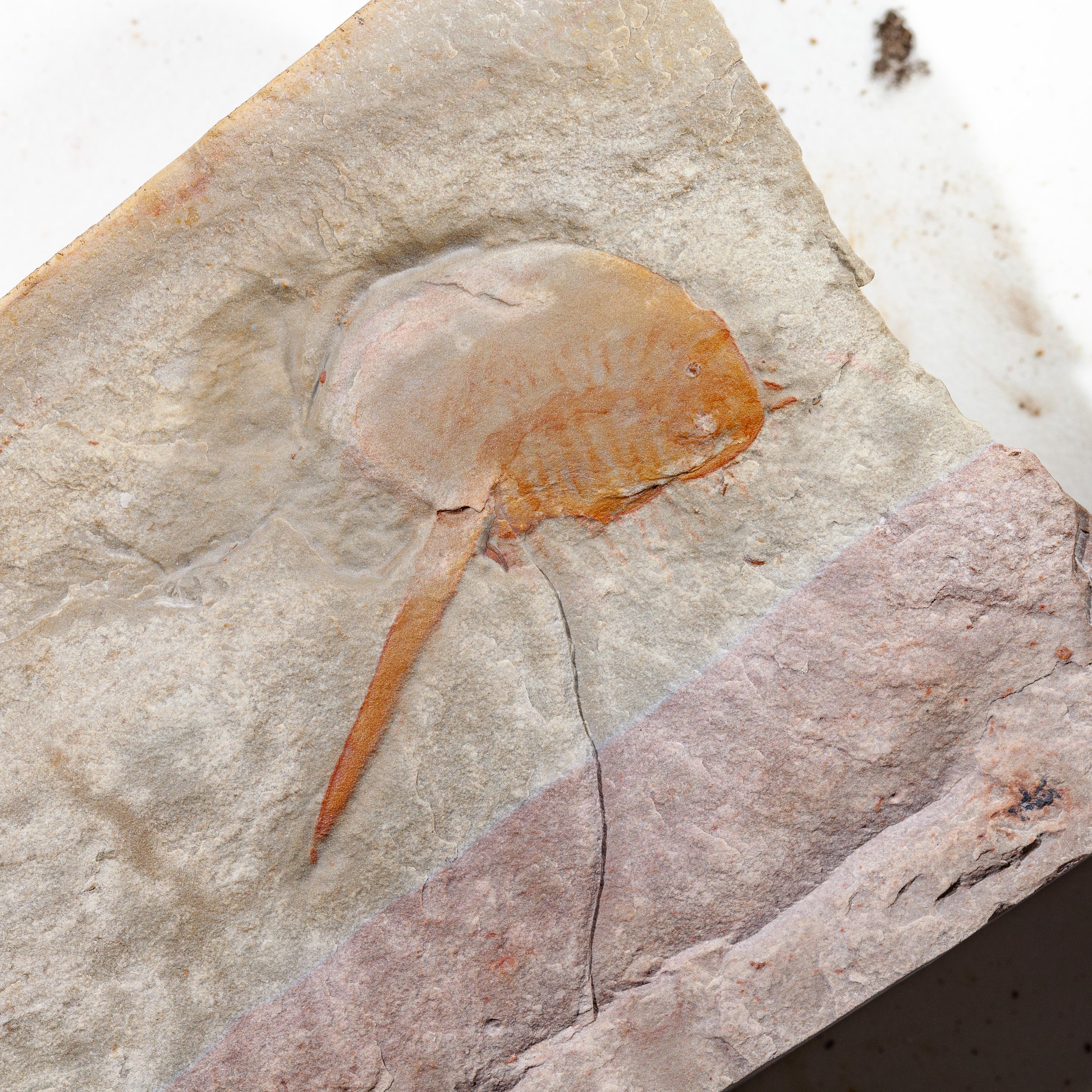
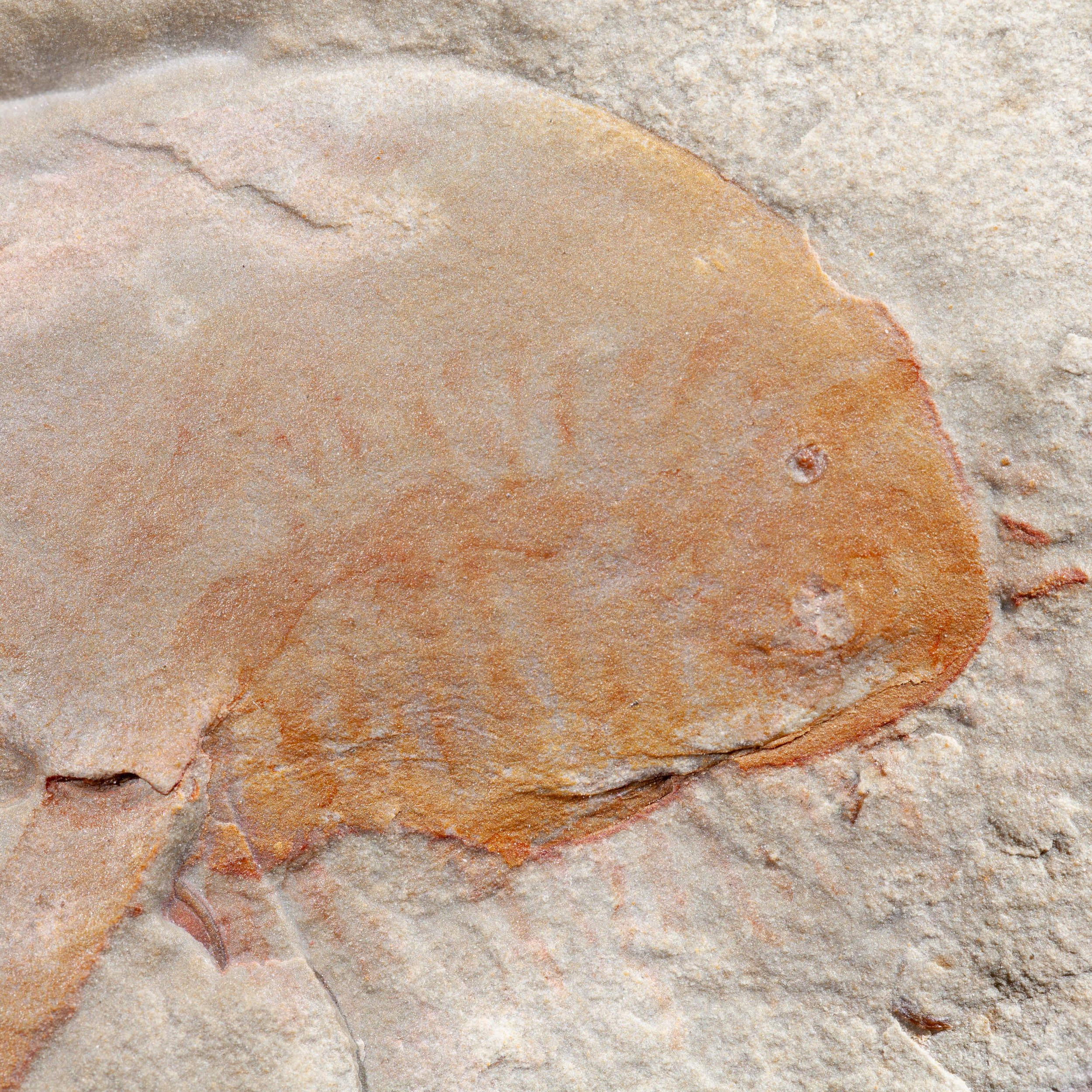
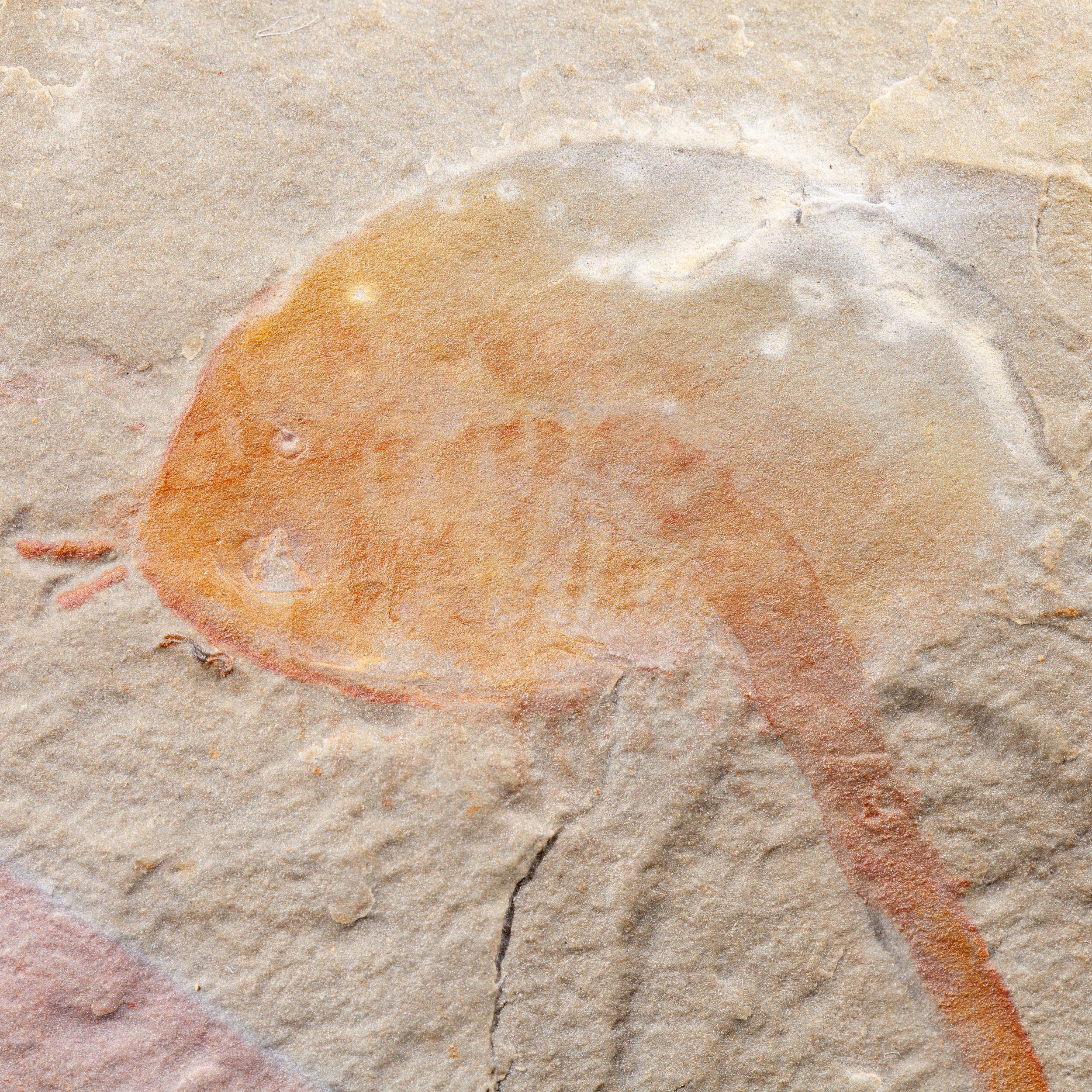
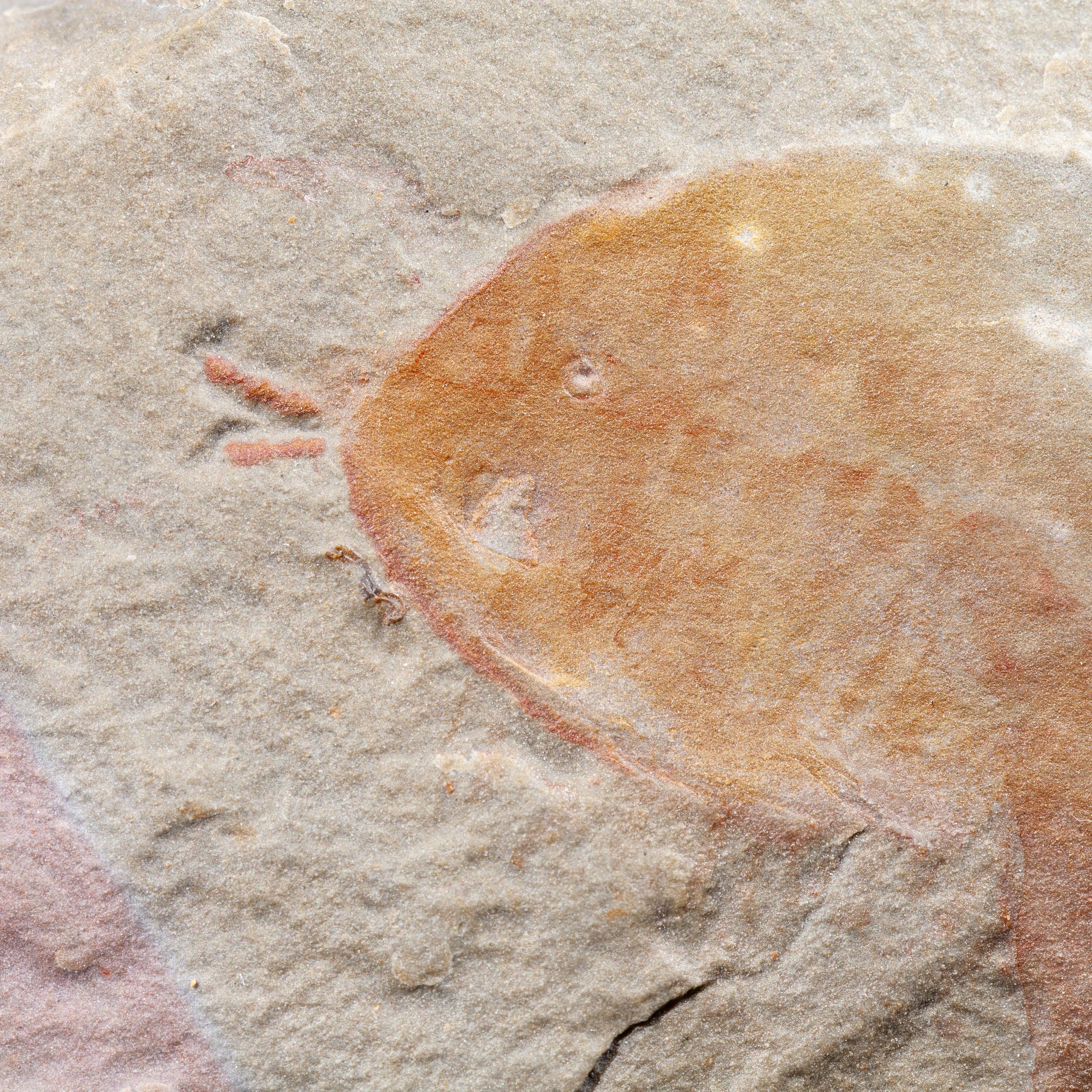
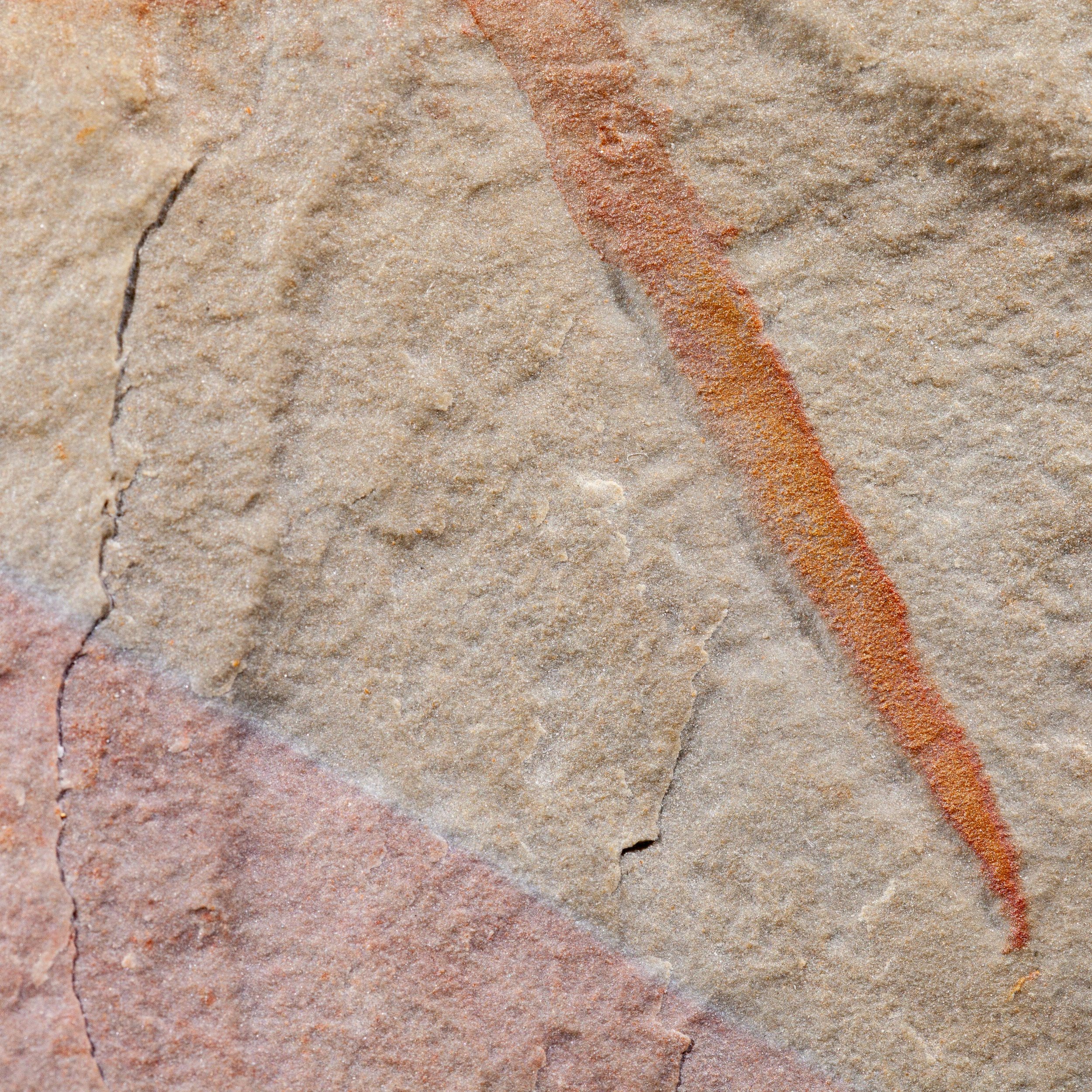
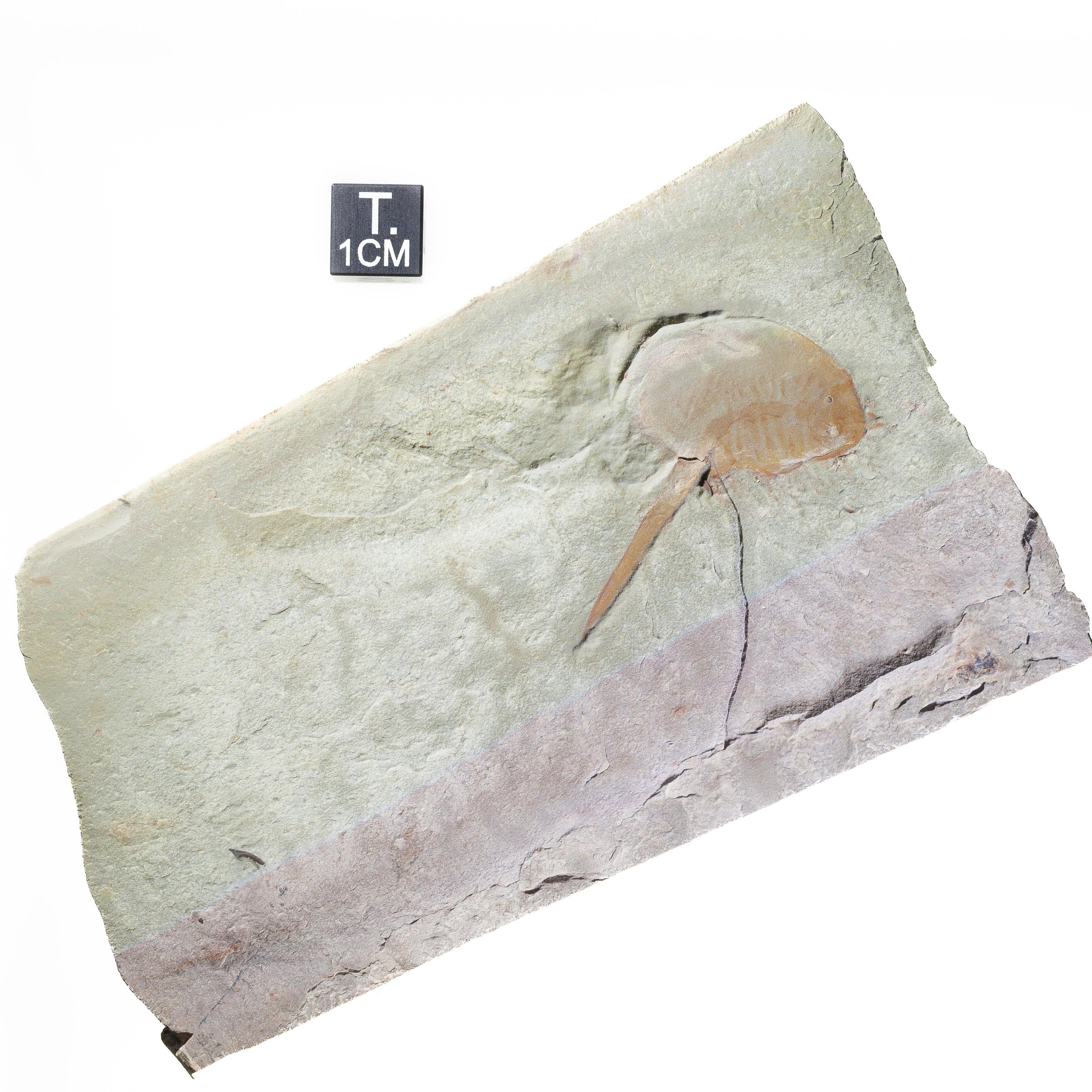
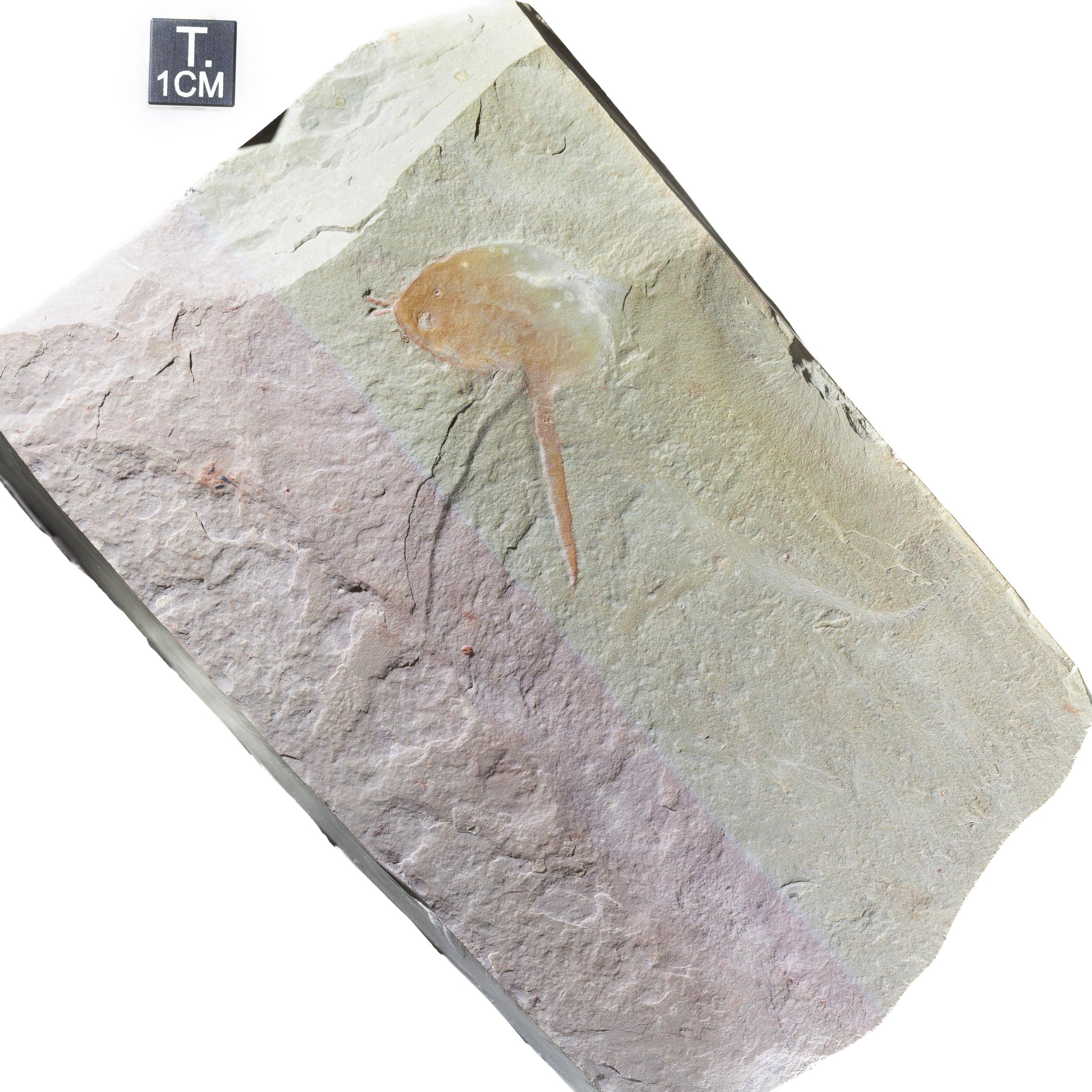
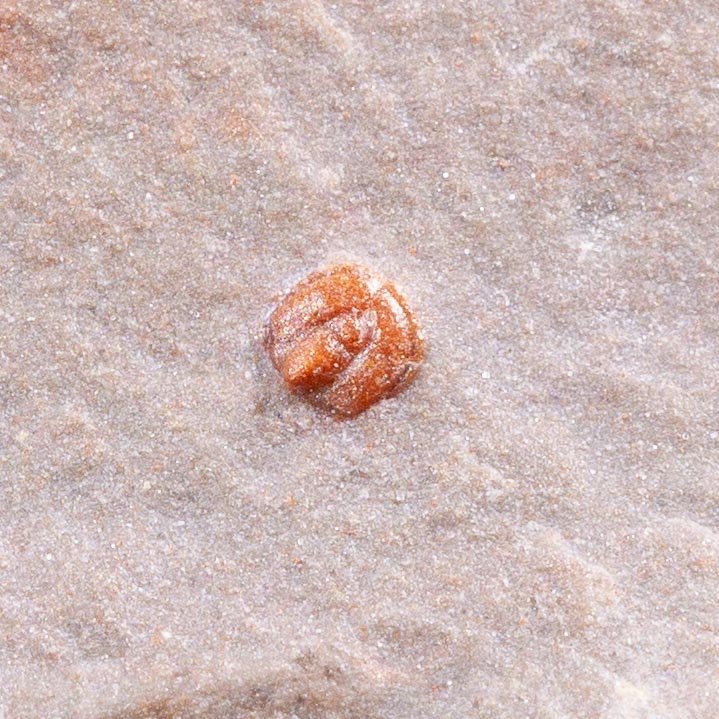
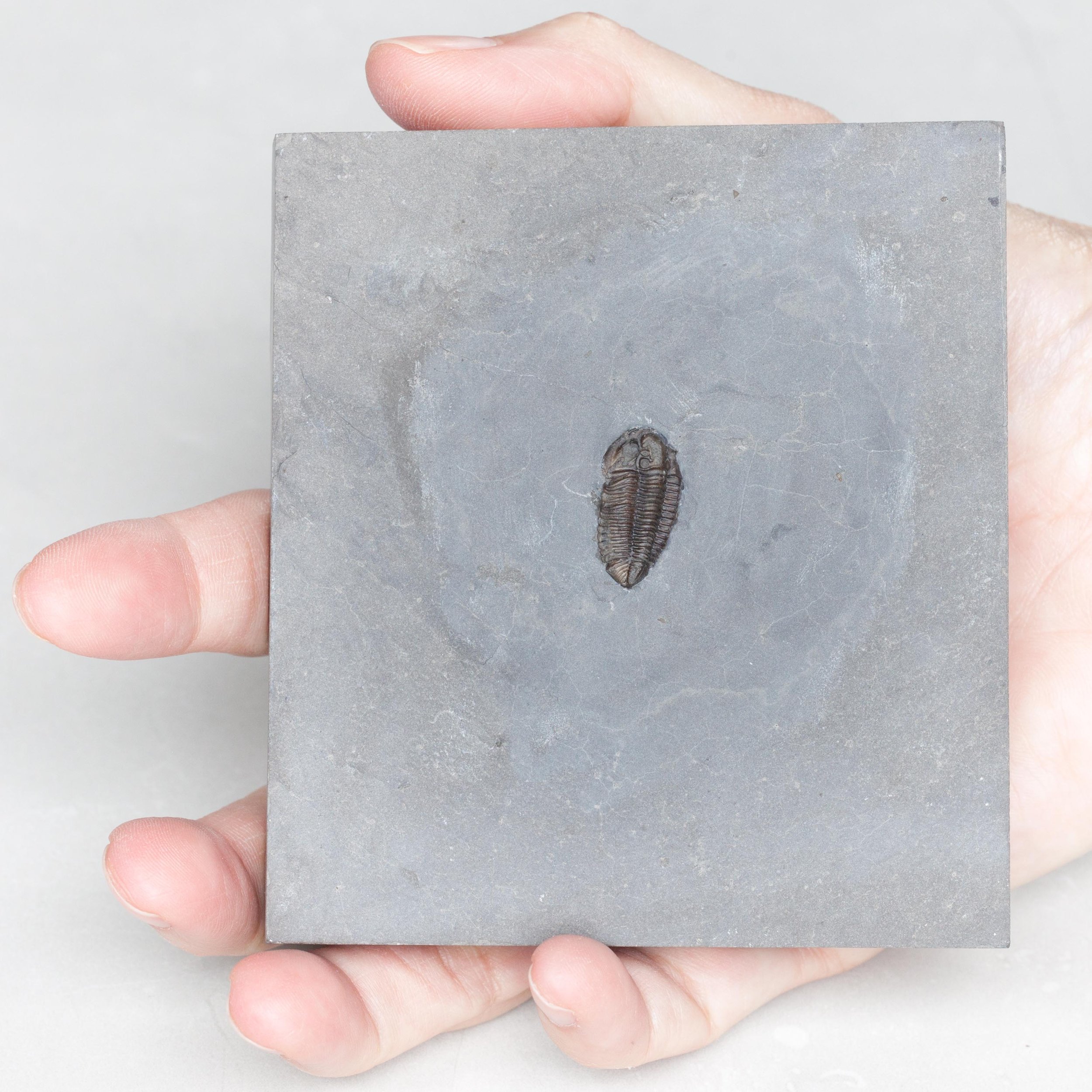
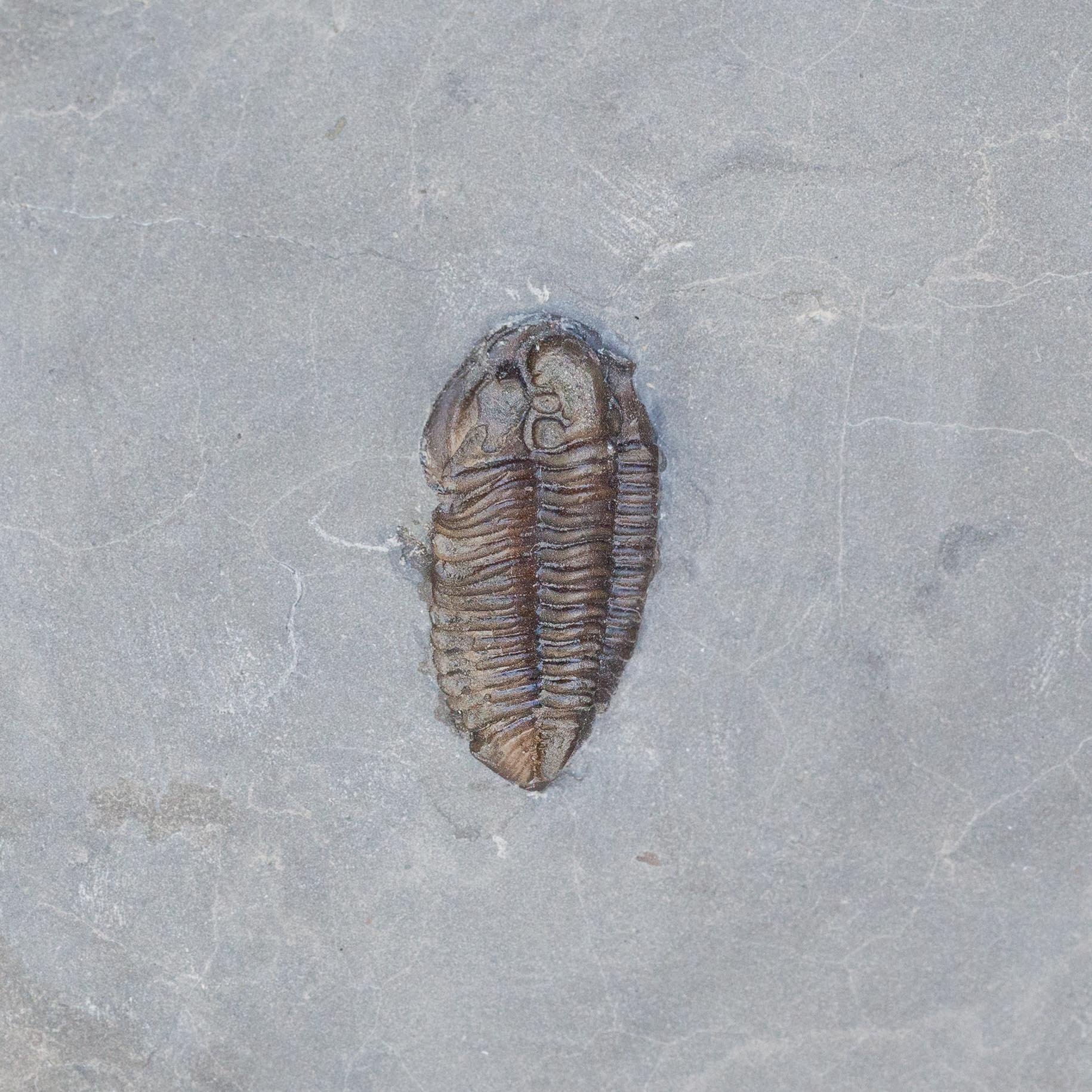
Rhombampyx yii trilobite from the Middle Ordovician, Meitan Formation, Zunyi, Guizhou, China.
The distinct oval/rhomboid dome where the anterior needle spine meets the head is the highly inflated glabella. It is slightly compressed but shows the distinctive bulbous shape unique to raphiophorids.
You can clearly see a thin, straight line pointing straight up from the top of the glabella. This is the base of the median snout spine.
The two elongated cheek spines can be seen on either side of the body. In life, these spines flared outward to stabilize the animal or deter predators, but post-mortem movement or burial compaction has curved it around the cephalon.
Full dimensions are listed below.