
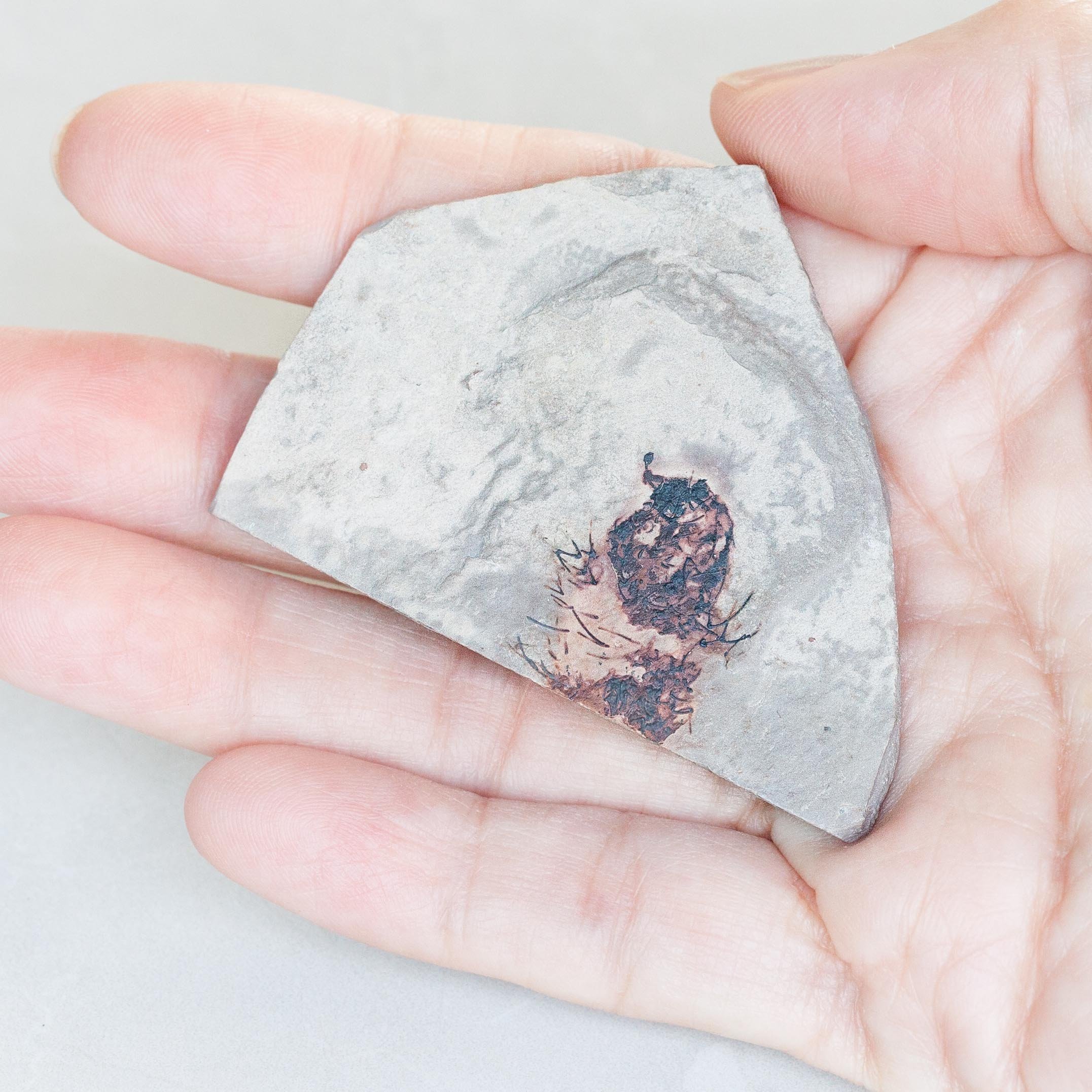
 Image 1 of 3
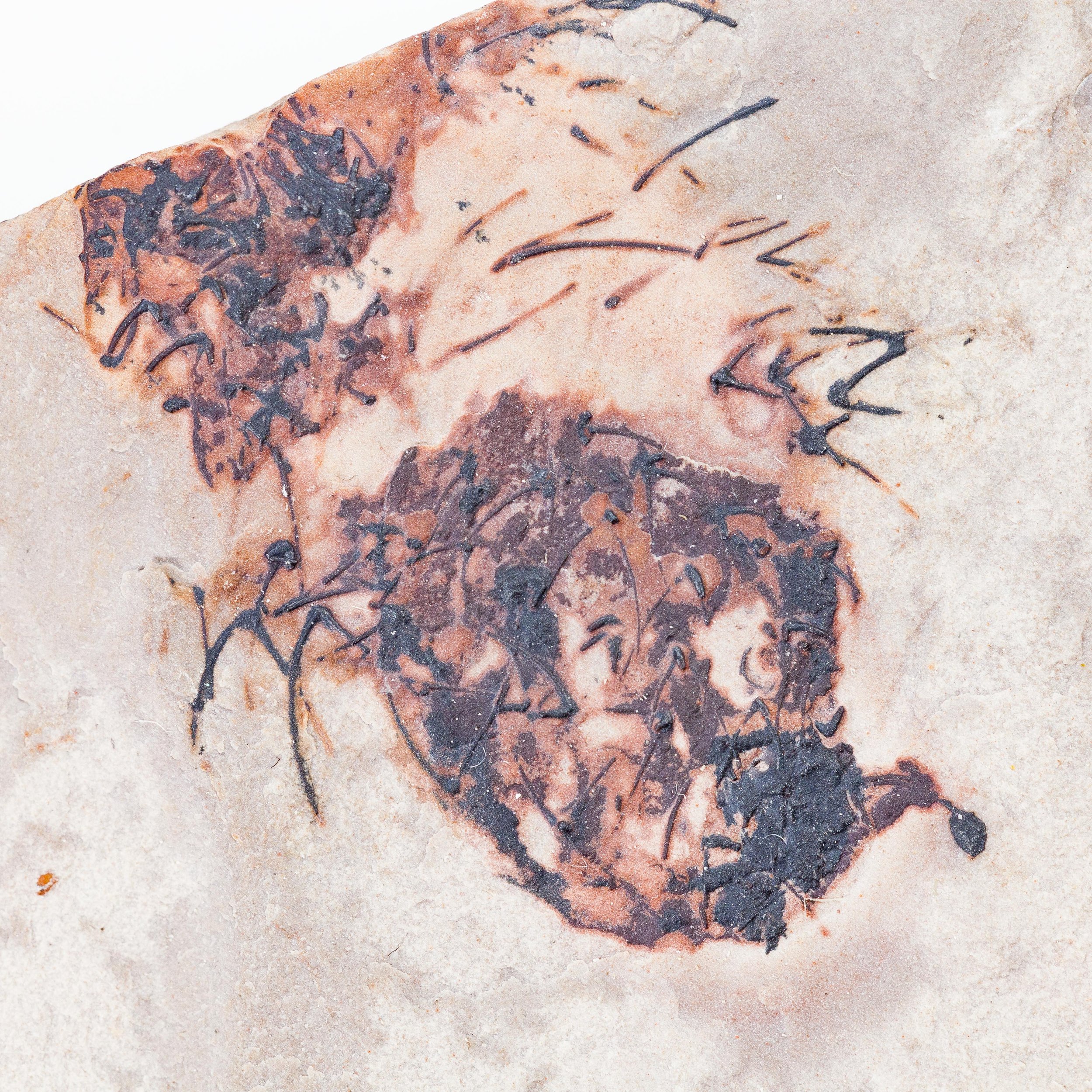 Image 2 of 3
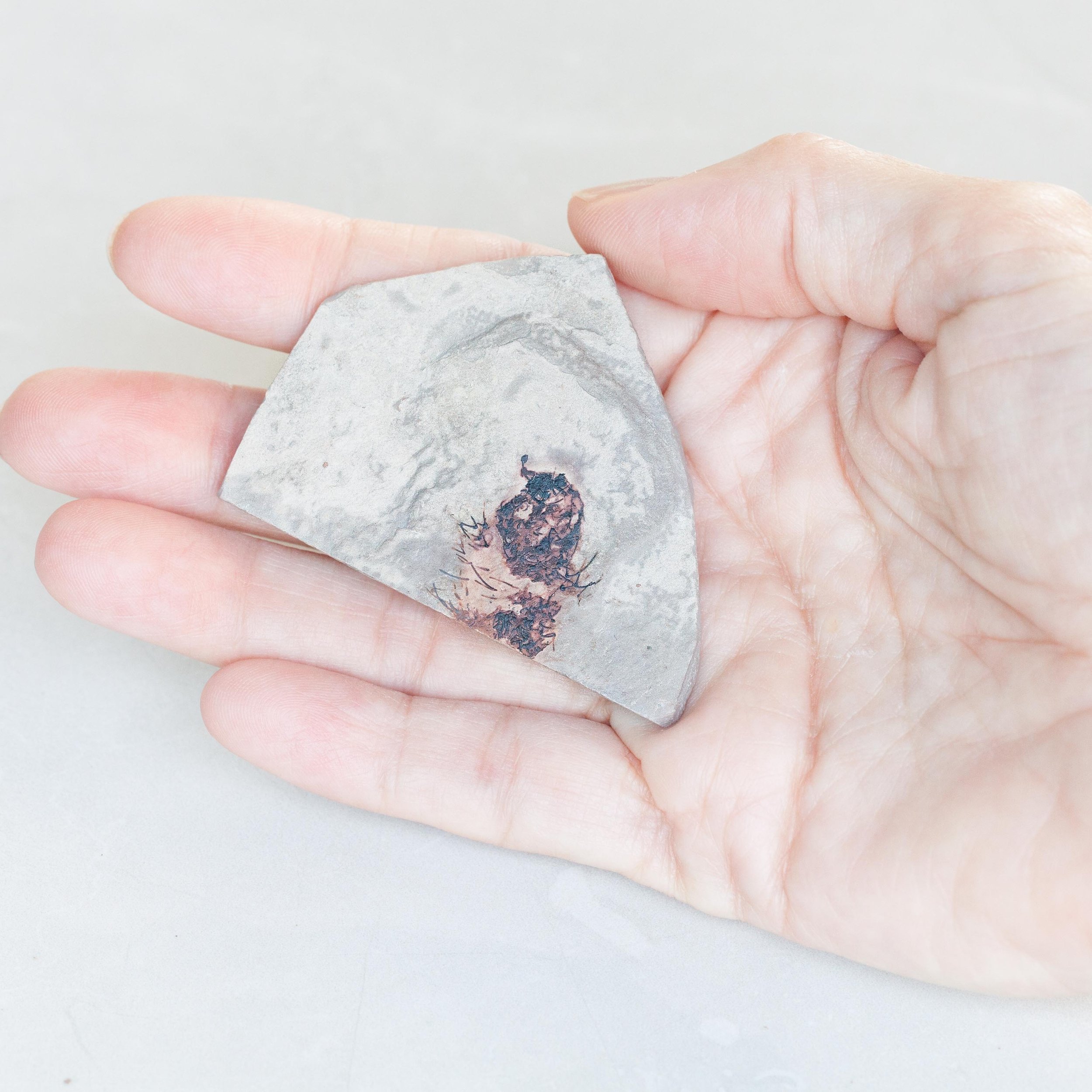 Image 3 of 3

Additional Information
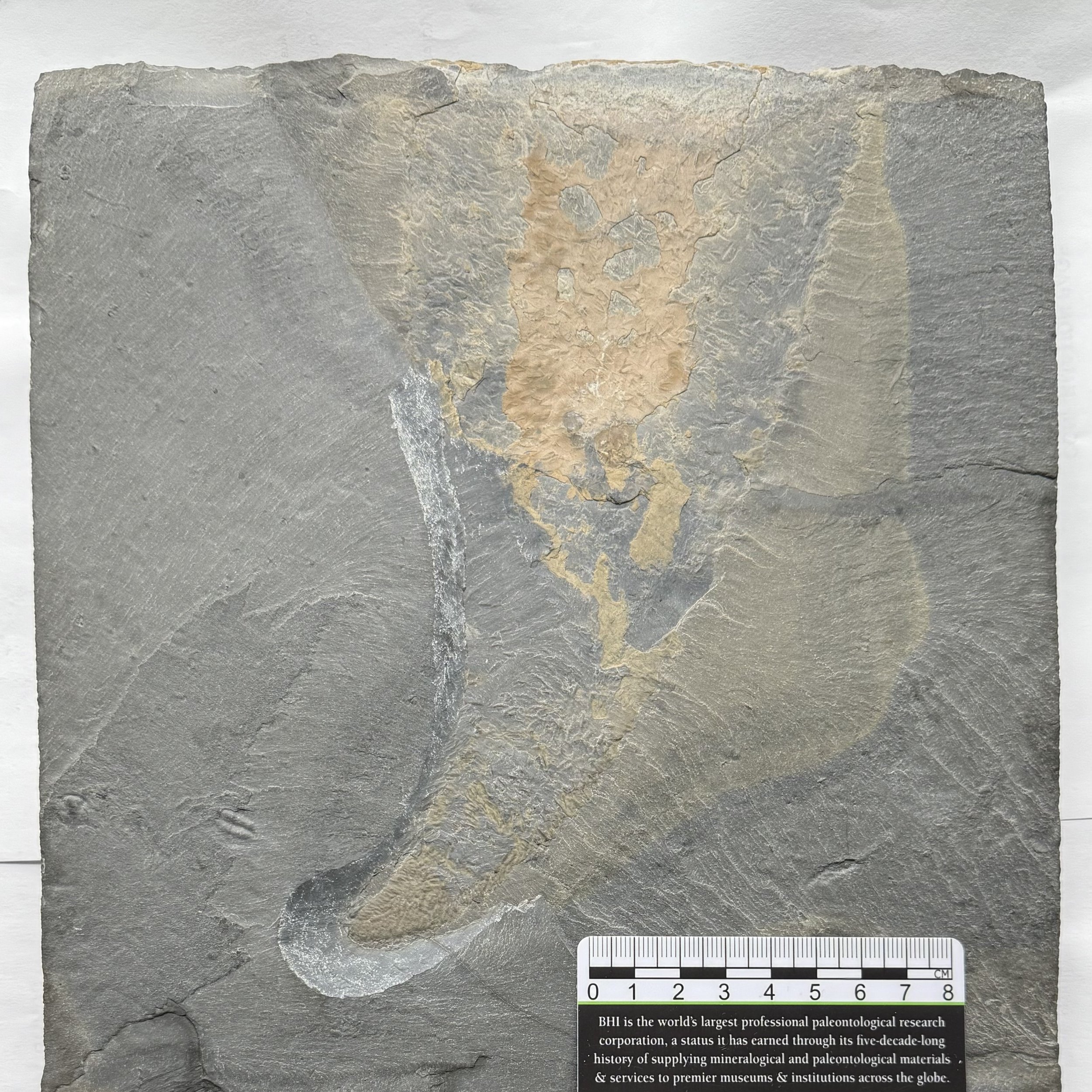
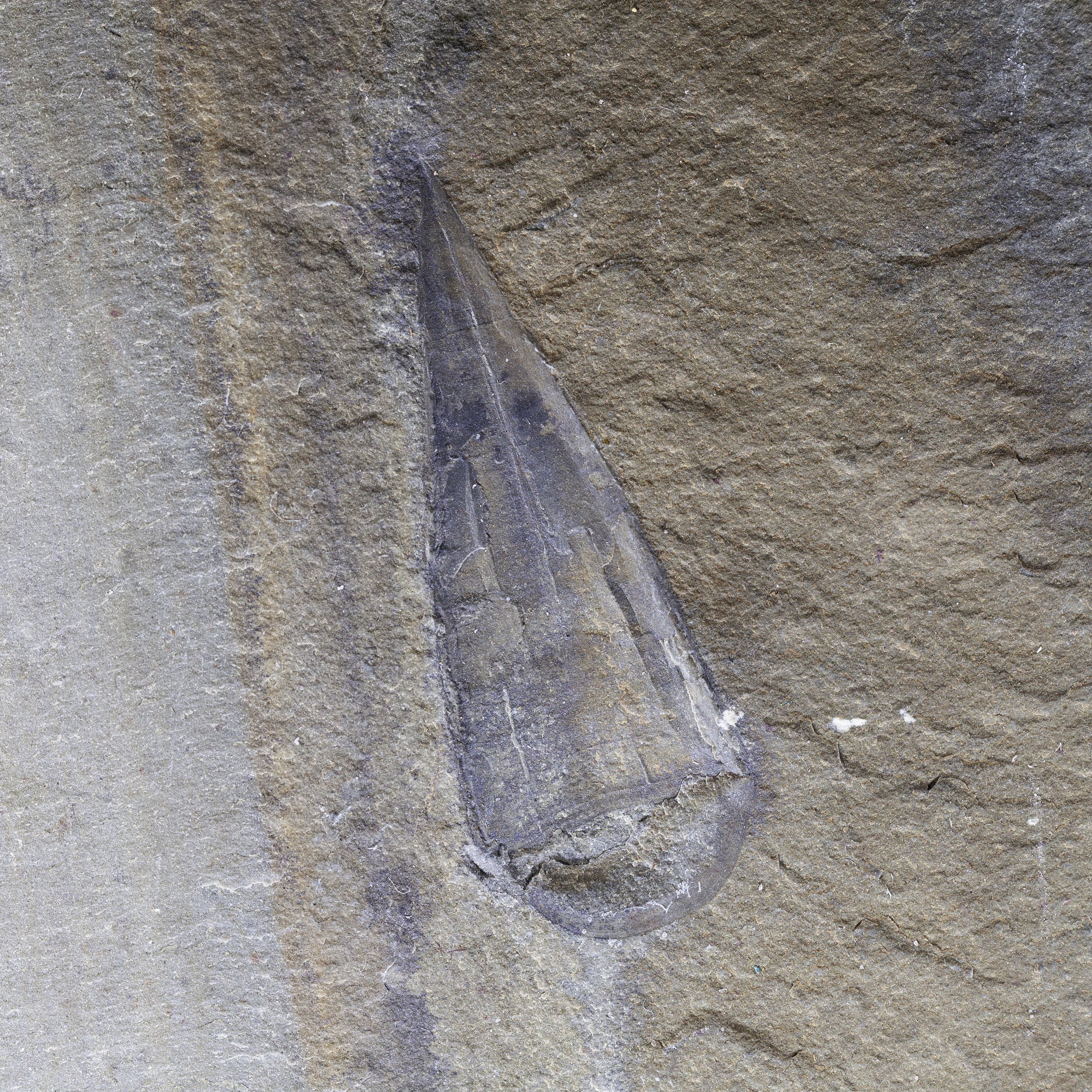
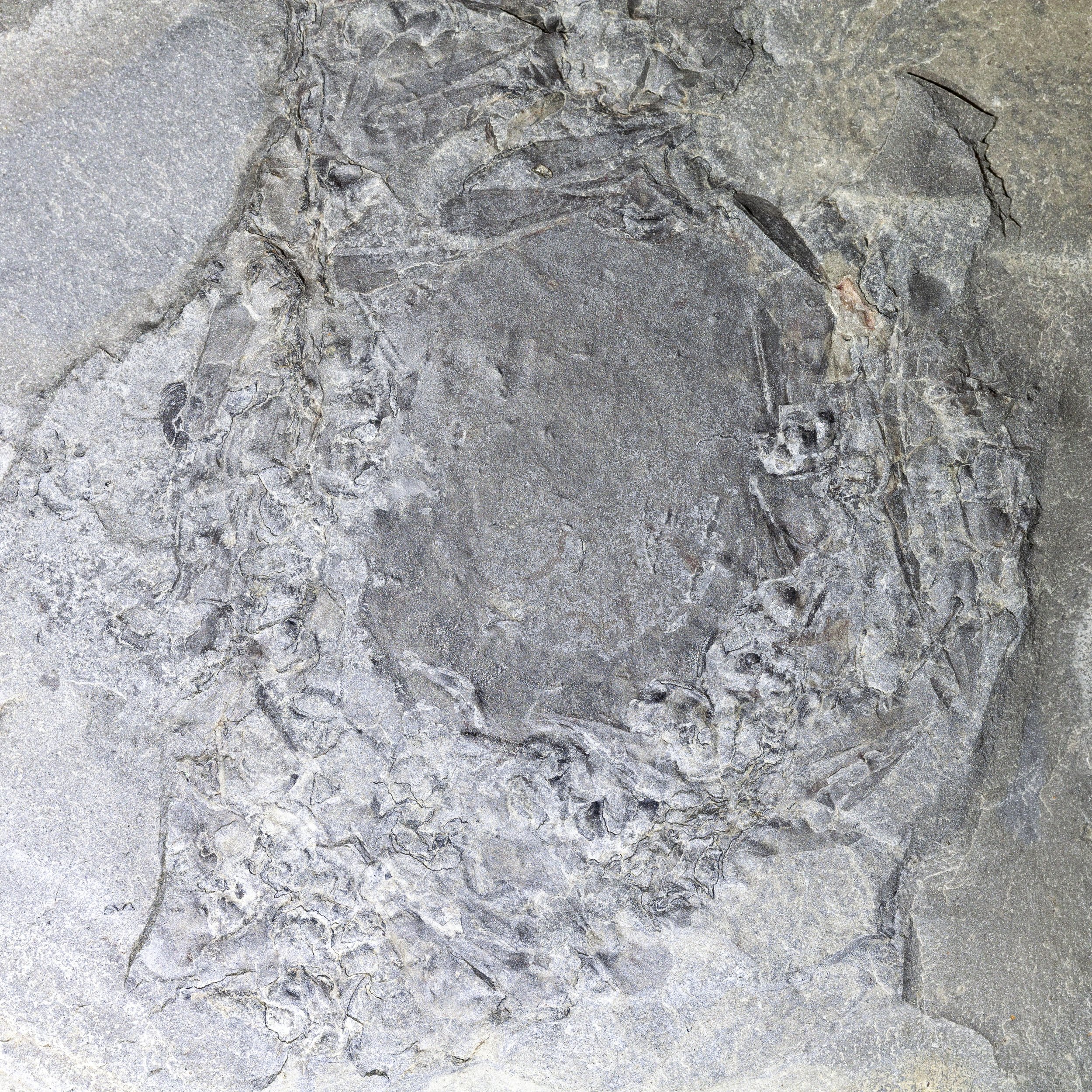
The classification of many organisms from the Burgess Shale continues to evolve. The Coelosclerithophorans are an assemblage of organisms grouped together based on shared characteristics that do not imply that they share a common ancestor. They are also thought to share a distinctive microstructure. They are invertebrates that exhibit hollow sharp, needle-like spicules found in organisms such as certain sponges and soft corals.
There are two groups within the coeloscleritophorans: the Sachitids, to which Halkieria and Wiwaxia belong, and the Chancellorids.
Classifying the chancelloriids is difficult. Some paleontologists classify them as sponges, an idea which chancelloriids' sessile lifestyle and simple structure make plausible. Other proposals suggest that they were more advanced, or at least originated from more advanced ancestors; for example chancelloriids' skins appear to be much more complex than those of any sponge. It has been suggested that chancelloriids were related to the "chain mail" armored slug-like halkieriids
The Chancelloriids are an extinct family of animal common in sediments from the Early Cambrian to the early Late Cambrian. Chancelloriids lived on muddy sea-floors, as their sclerites increase in size from the bottom to the top, and all had thickenings at the bases, which are regarded as anchors. They had bag-like bodies with an orifice at the top, and show no evidence of internal organs.







Vendor: FS-JS
SKU Number: SQ5615228
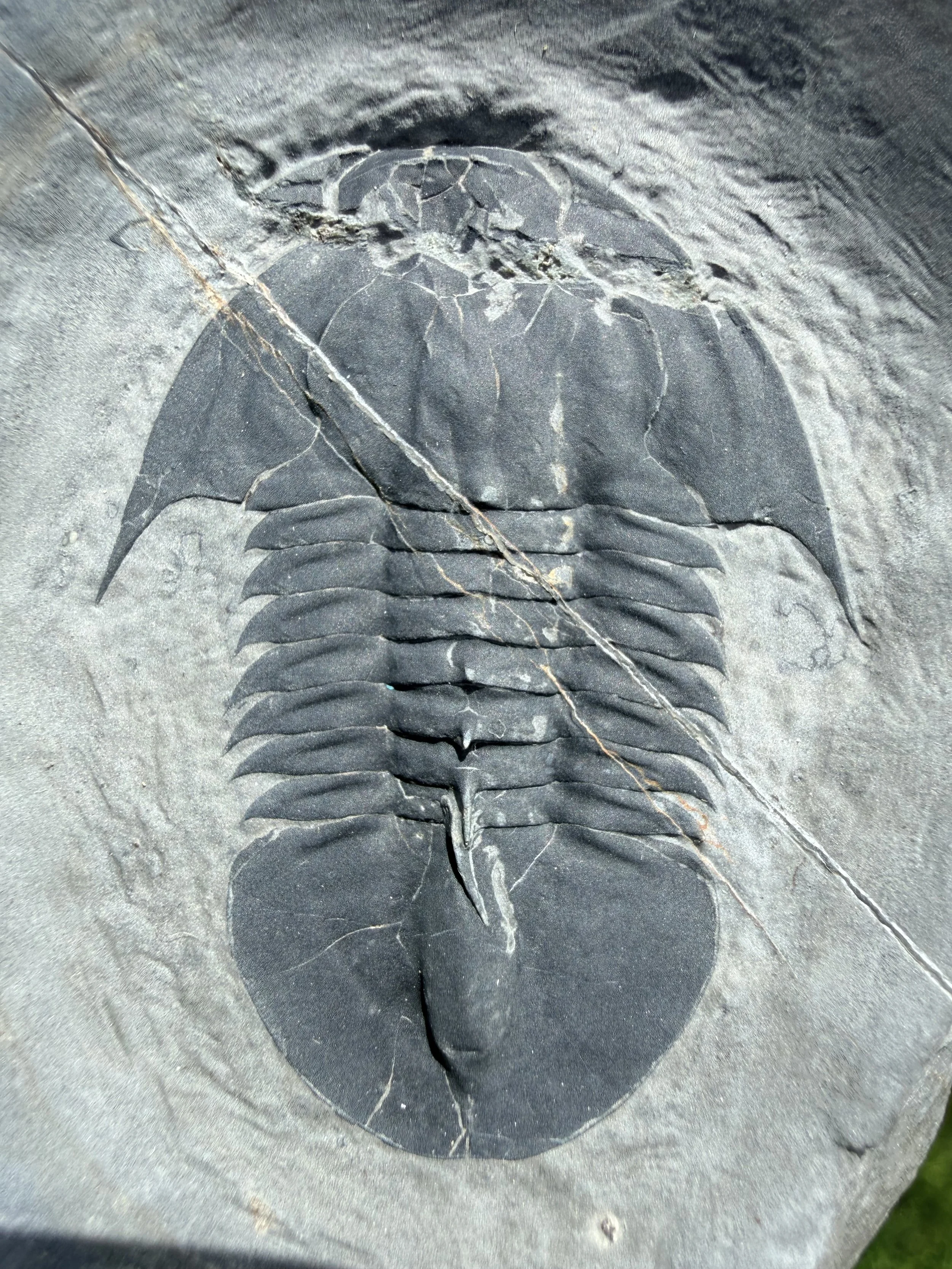
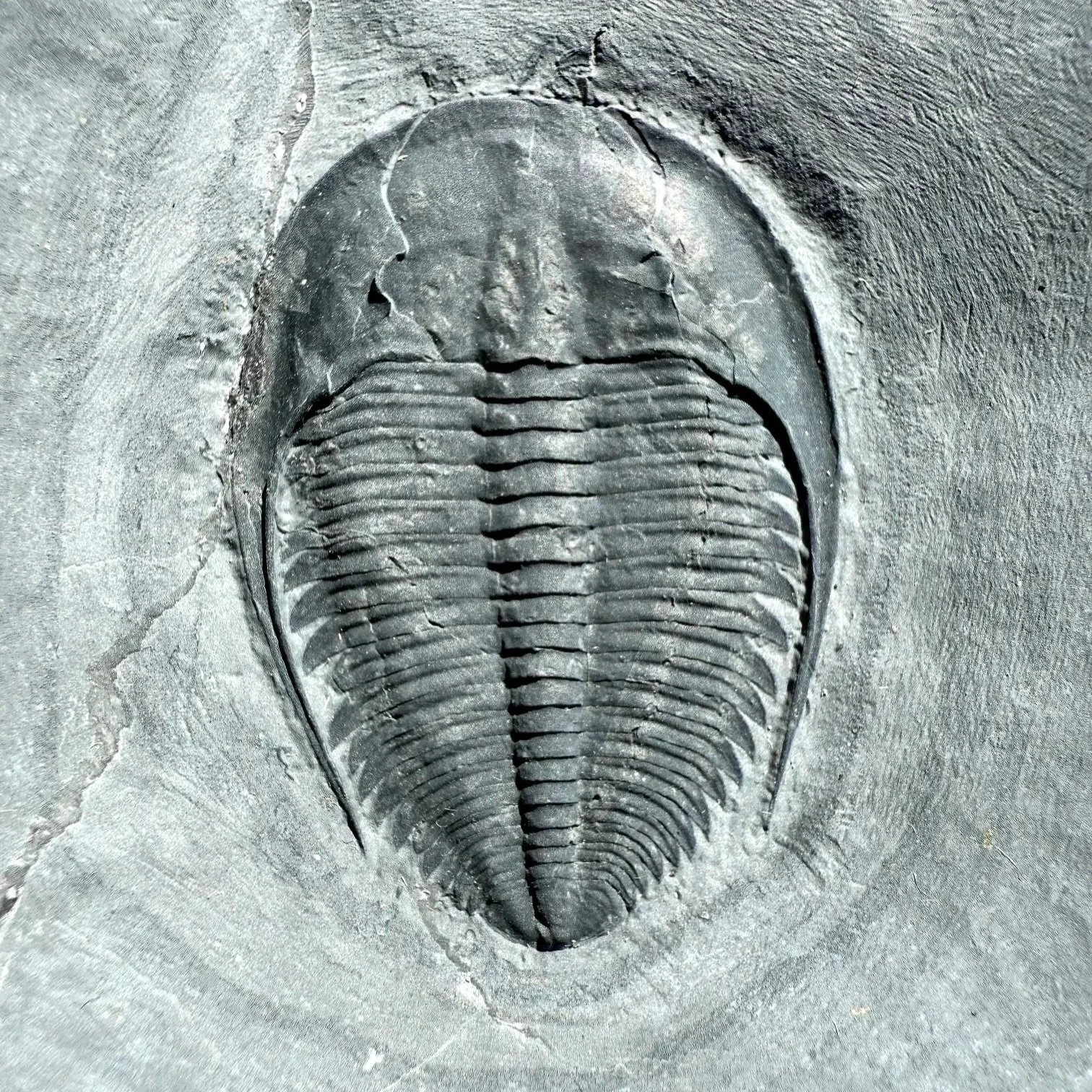
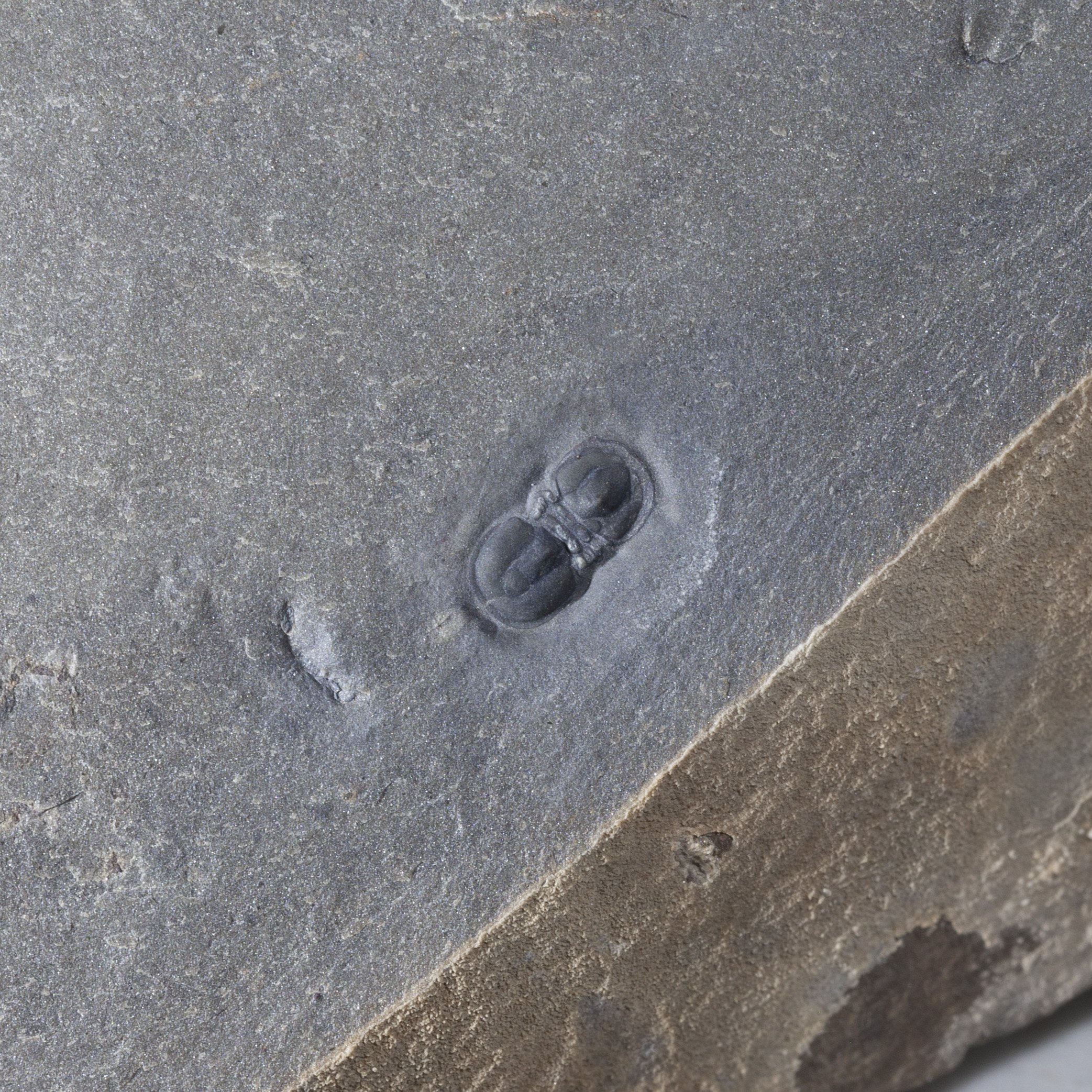
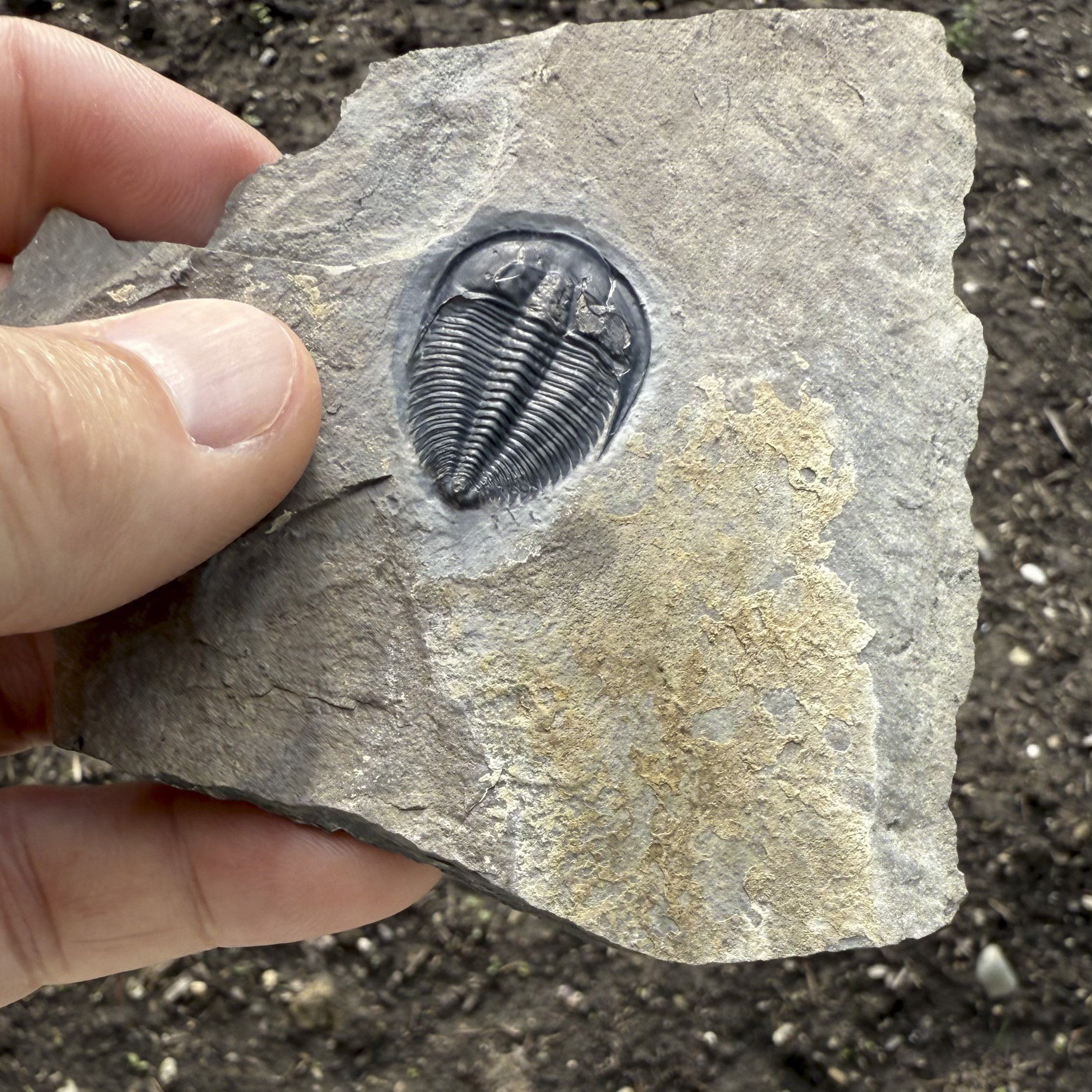
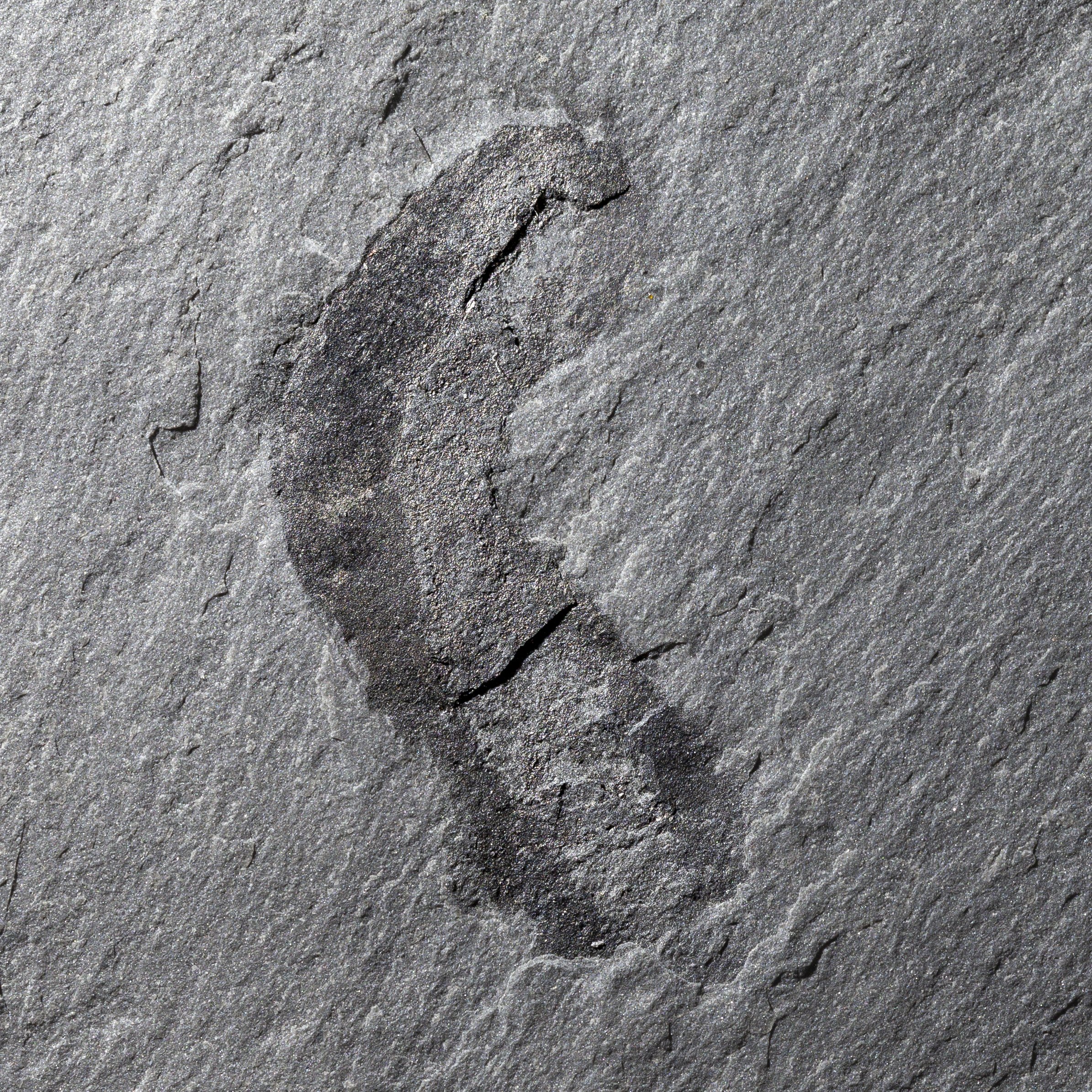
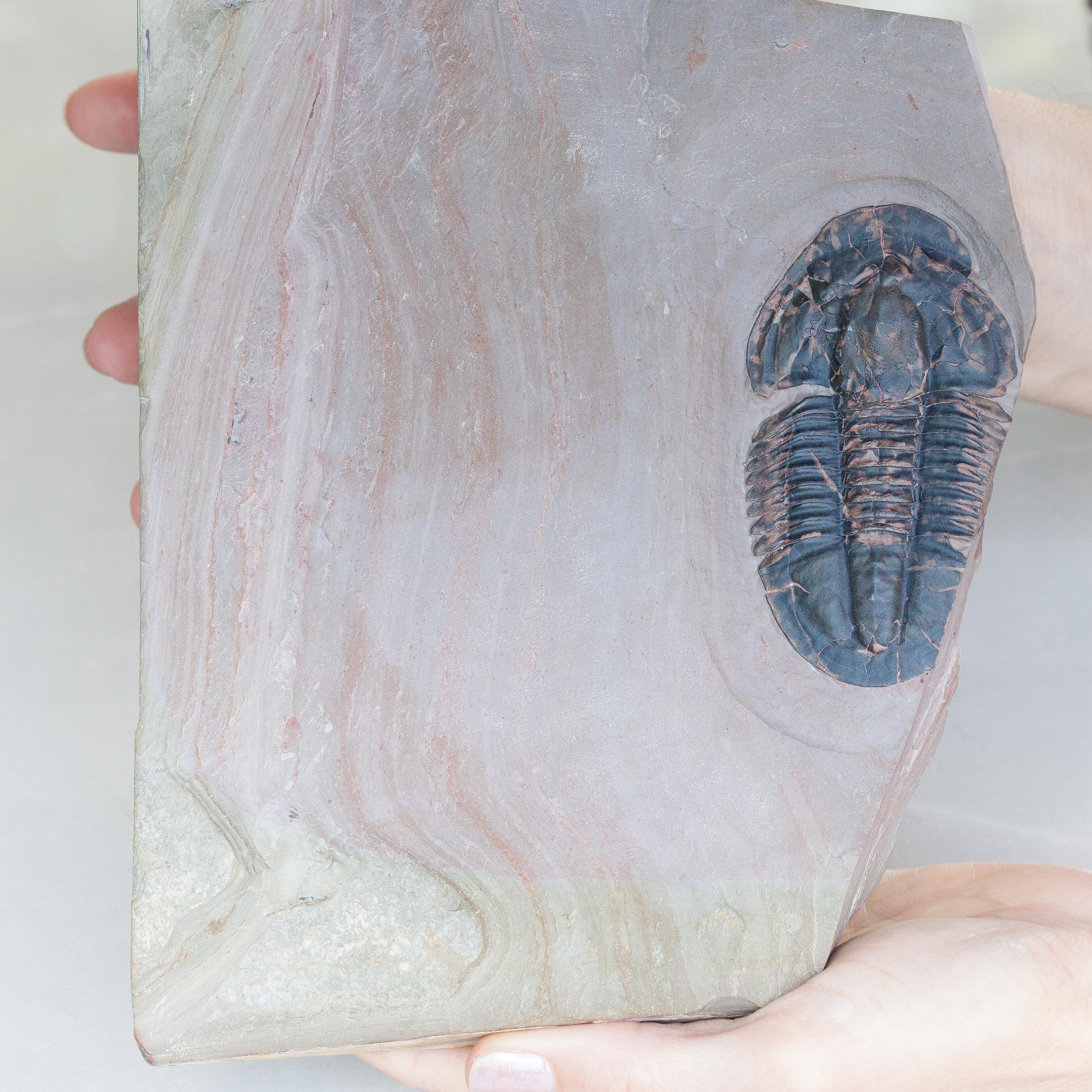
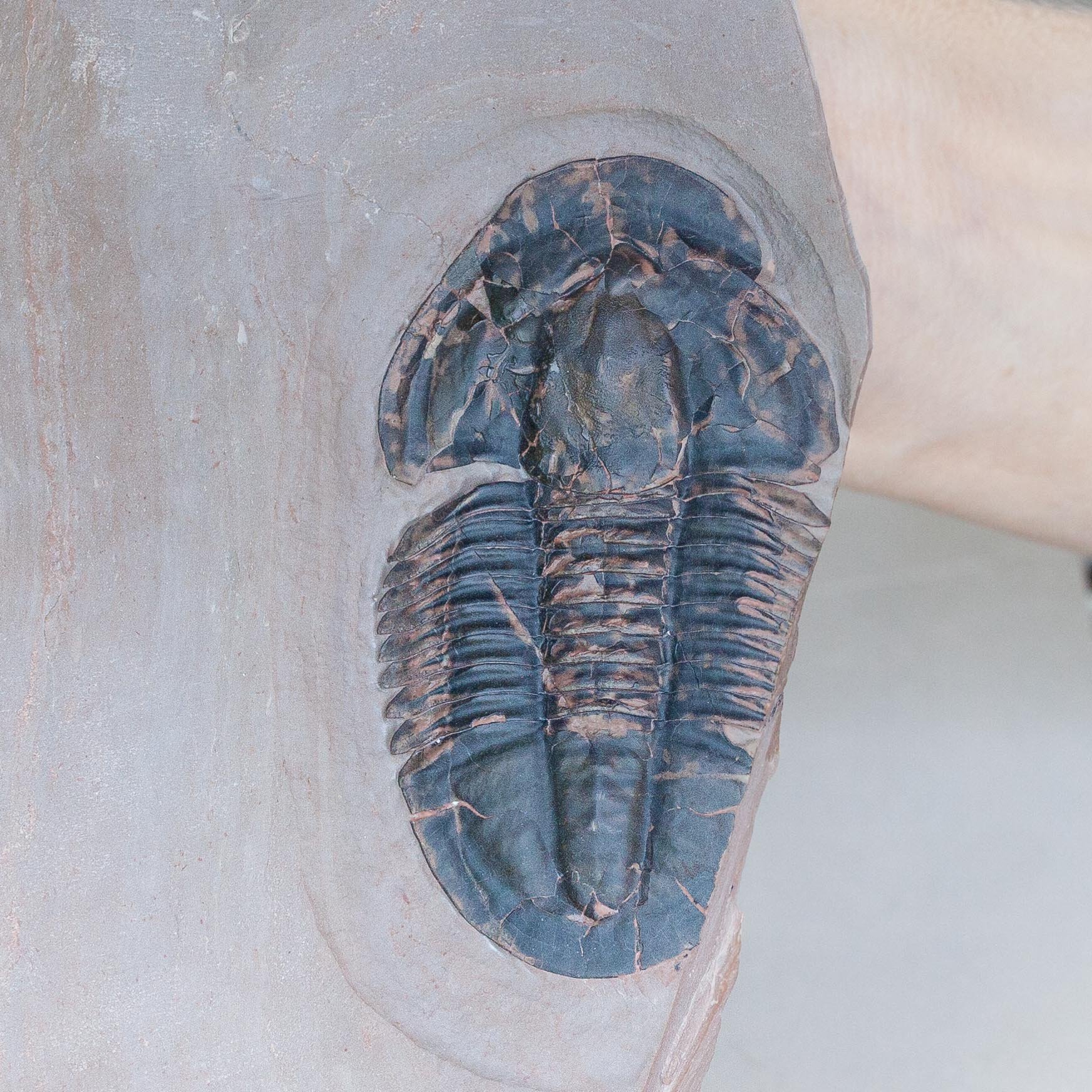
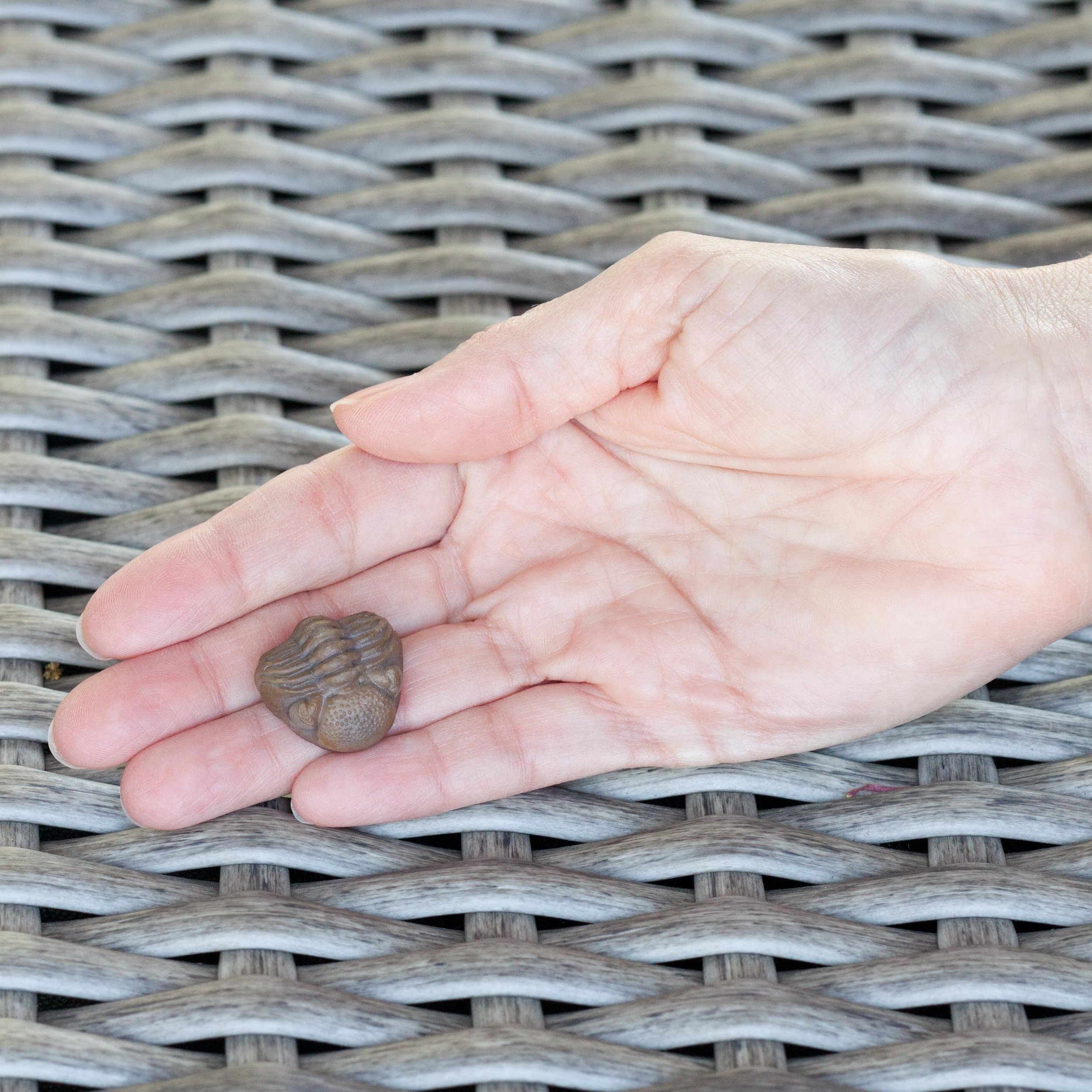
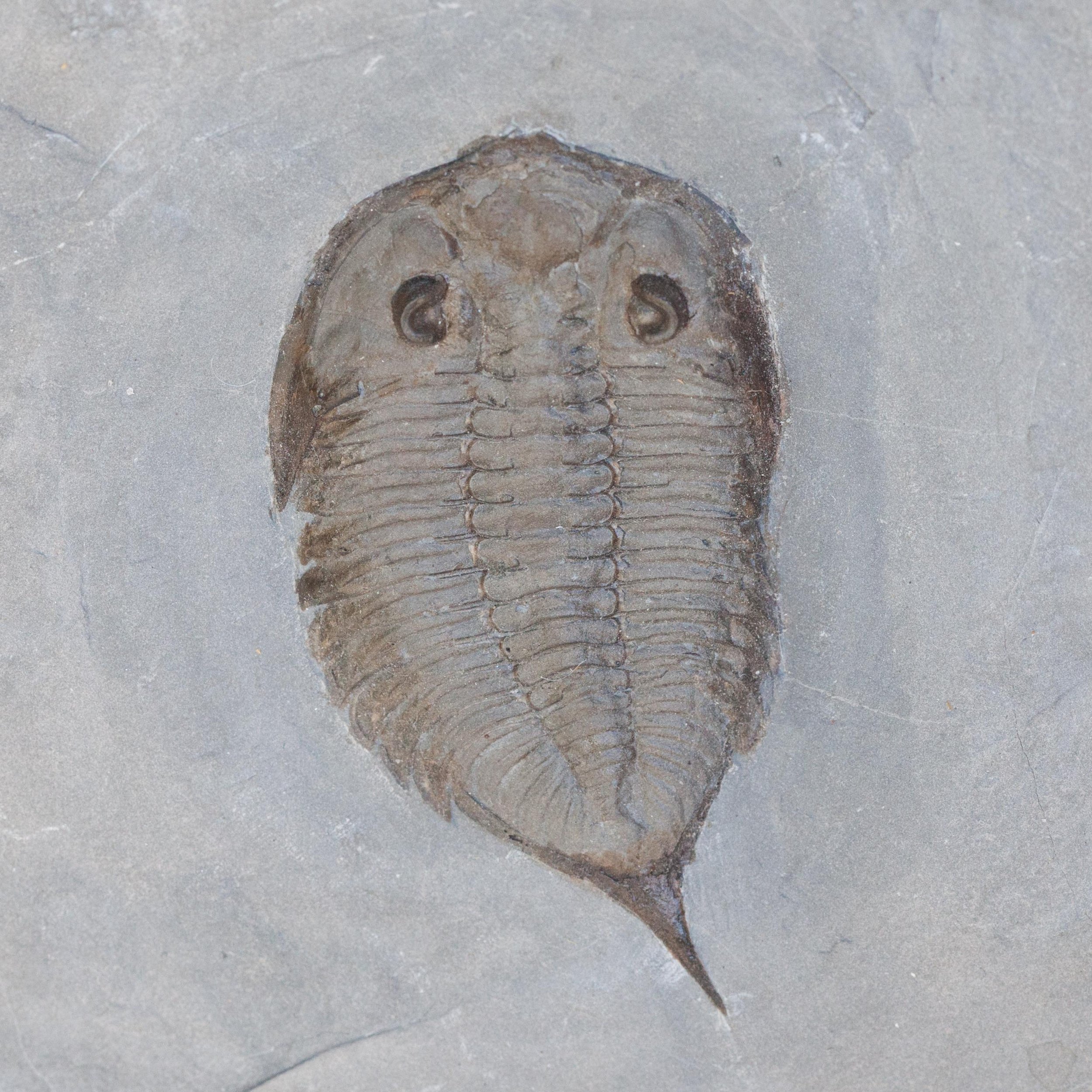
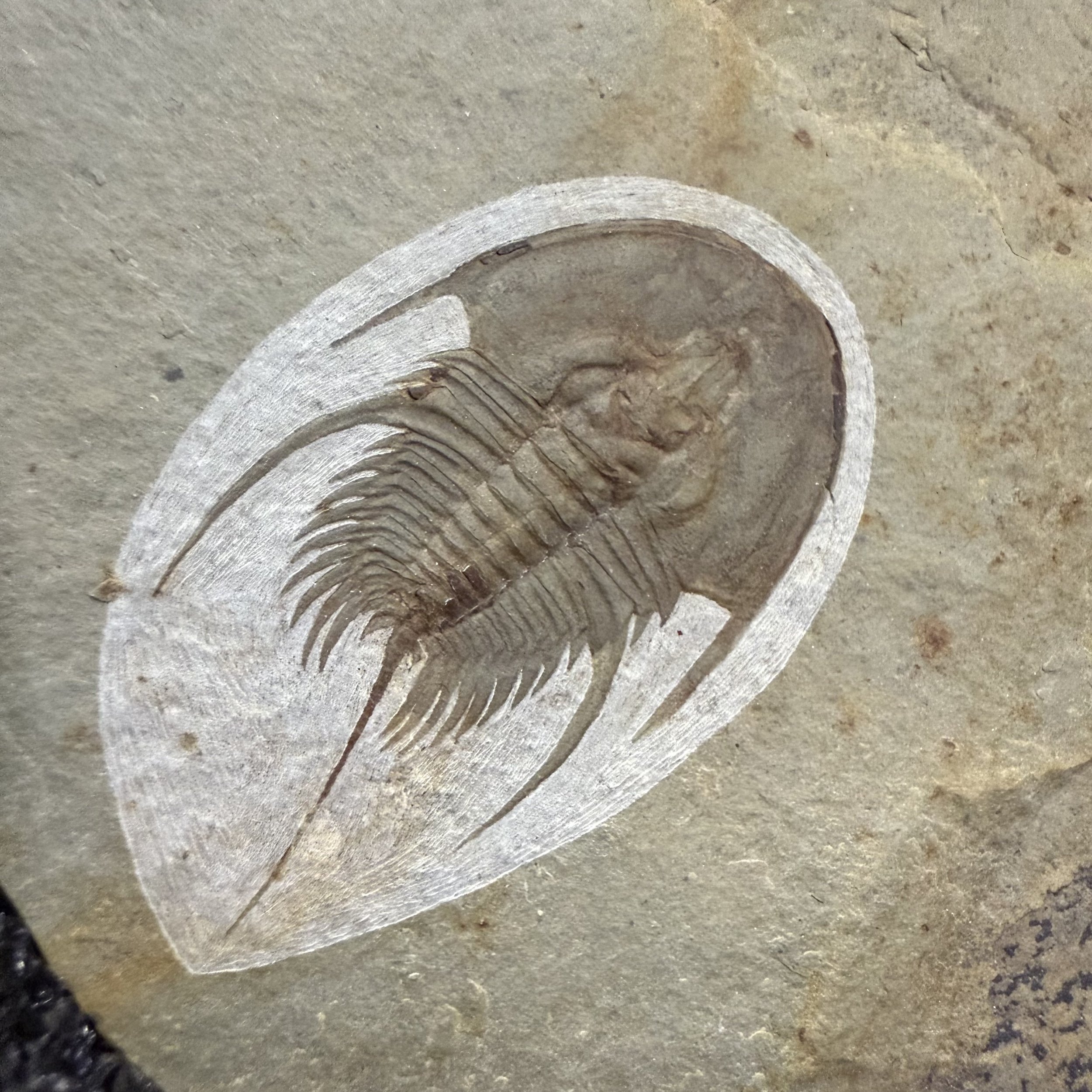
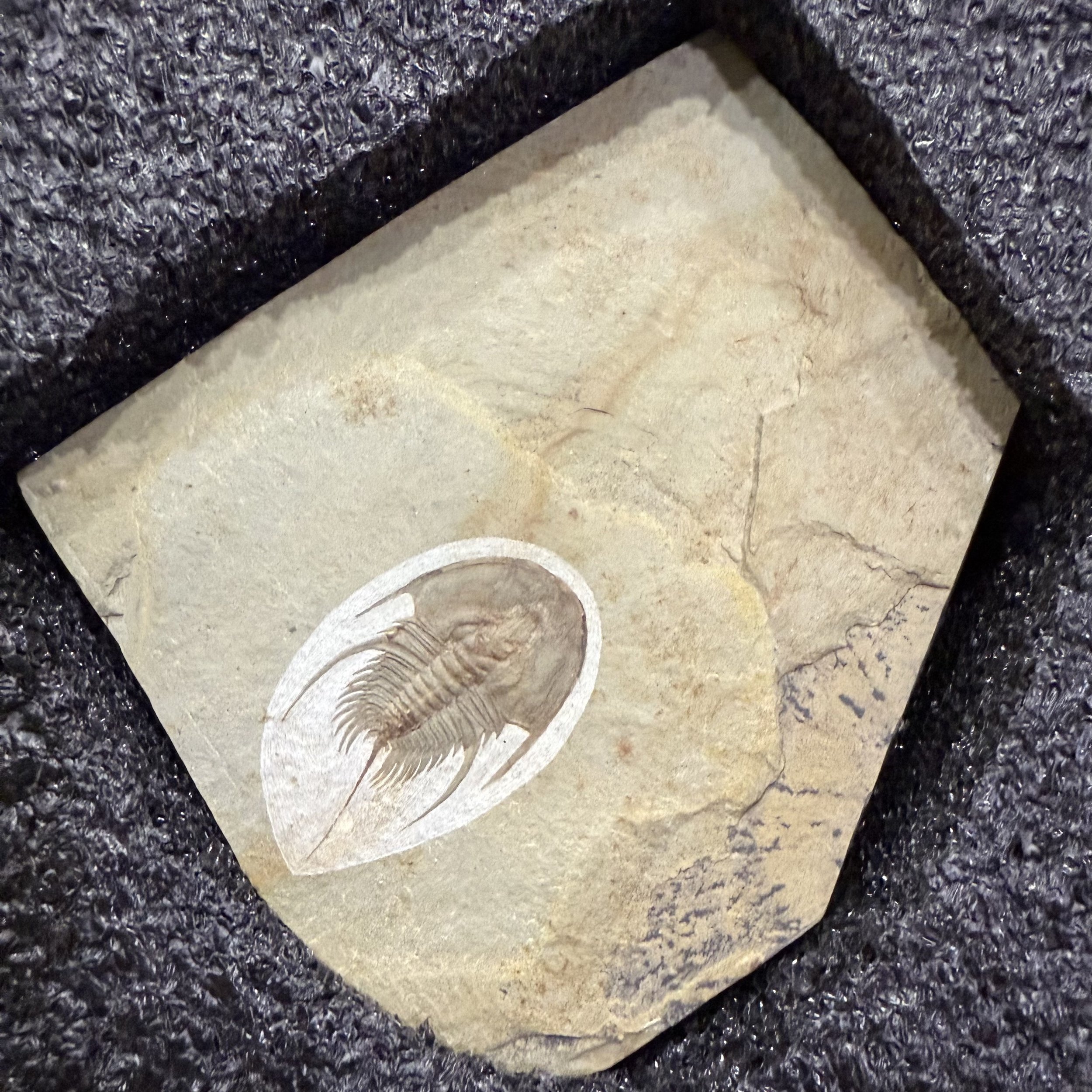
Amecephalus laticaudum from the Middle Cambrian, Spence Shale, Wellsvilles Mtns, Box Elder Co., Utah.
A very rare and complete trilobite.
Full dimensions are listed below.