Image 1 of 8
Image 2 of 8
Image 3 of 8
Image 4 of 8
Image 5 of 8
Image 6 of 8
Image 7 of 8
Image 8 of 8
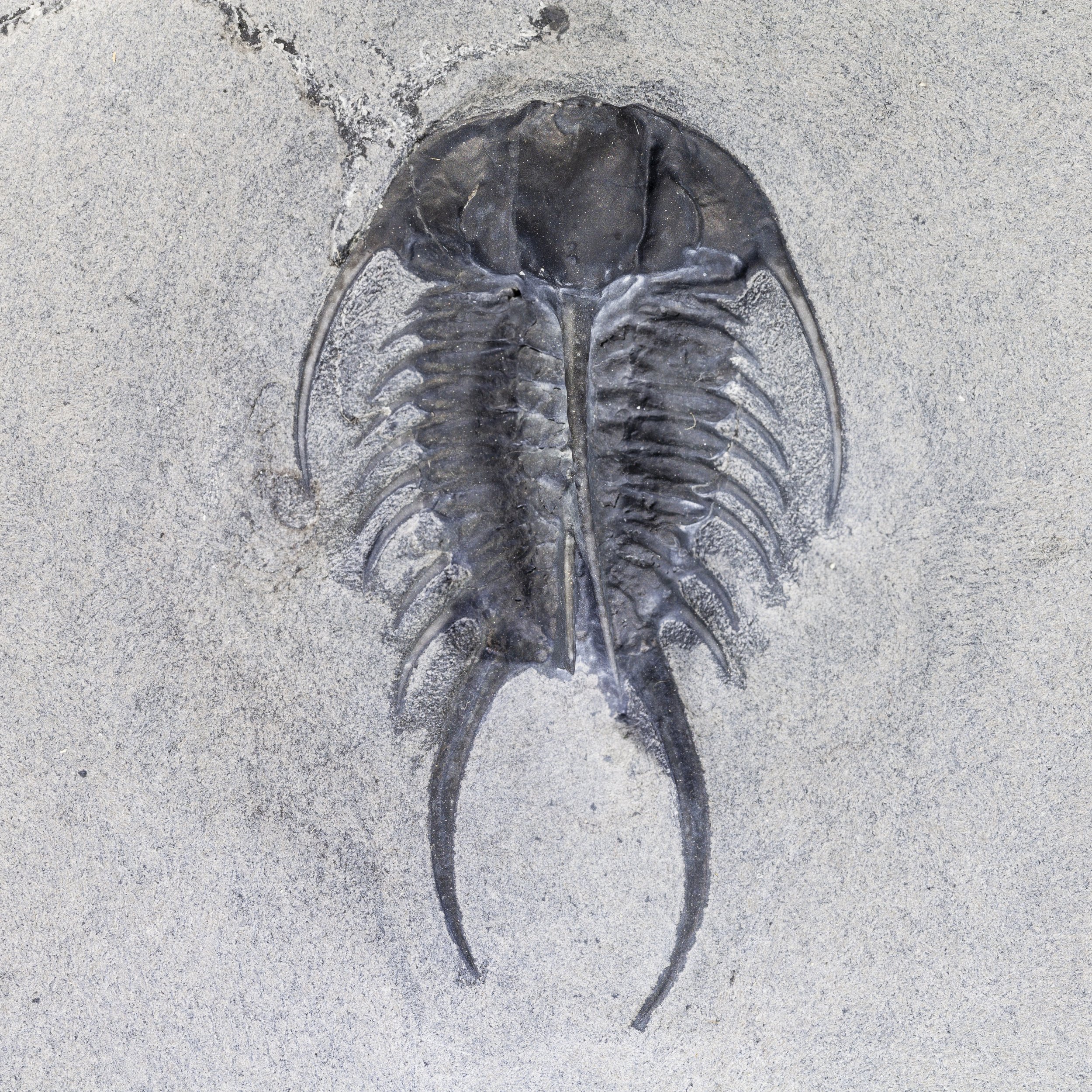
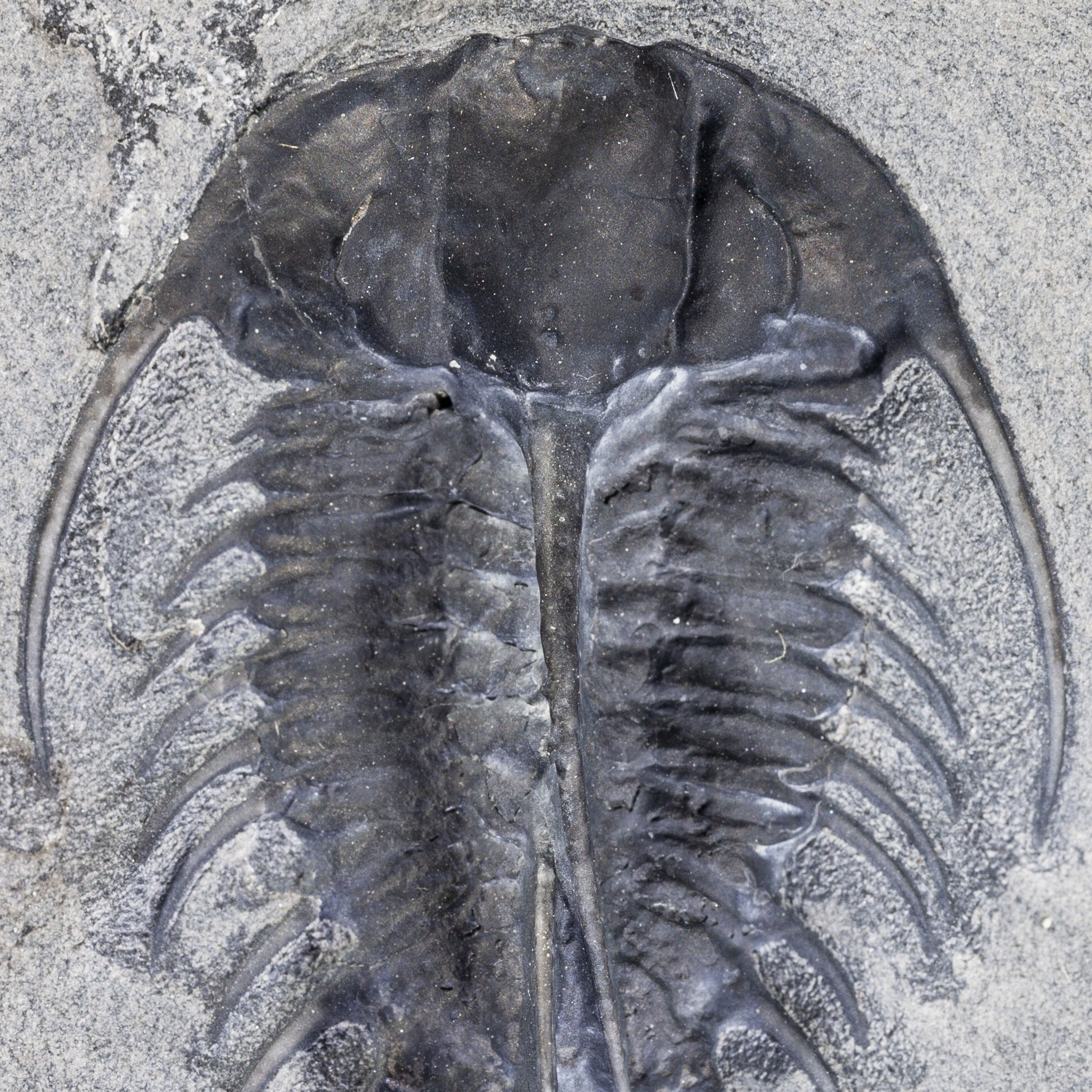
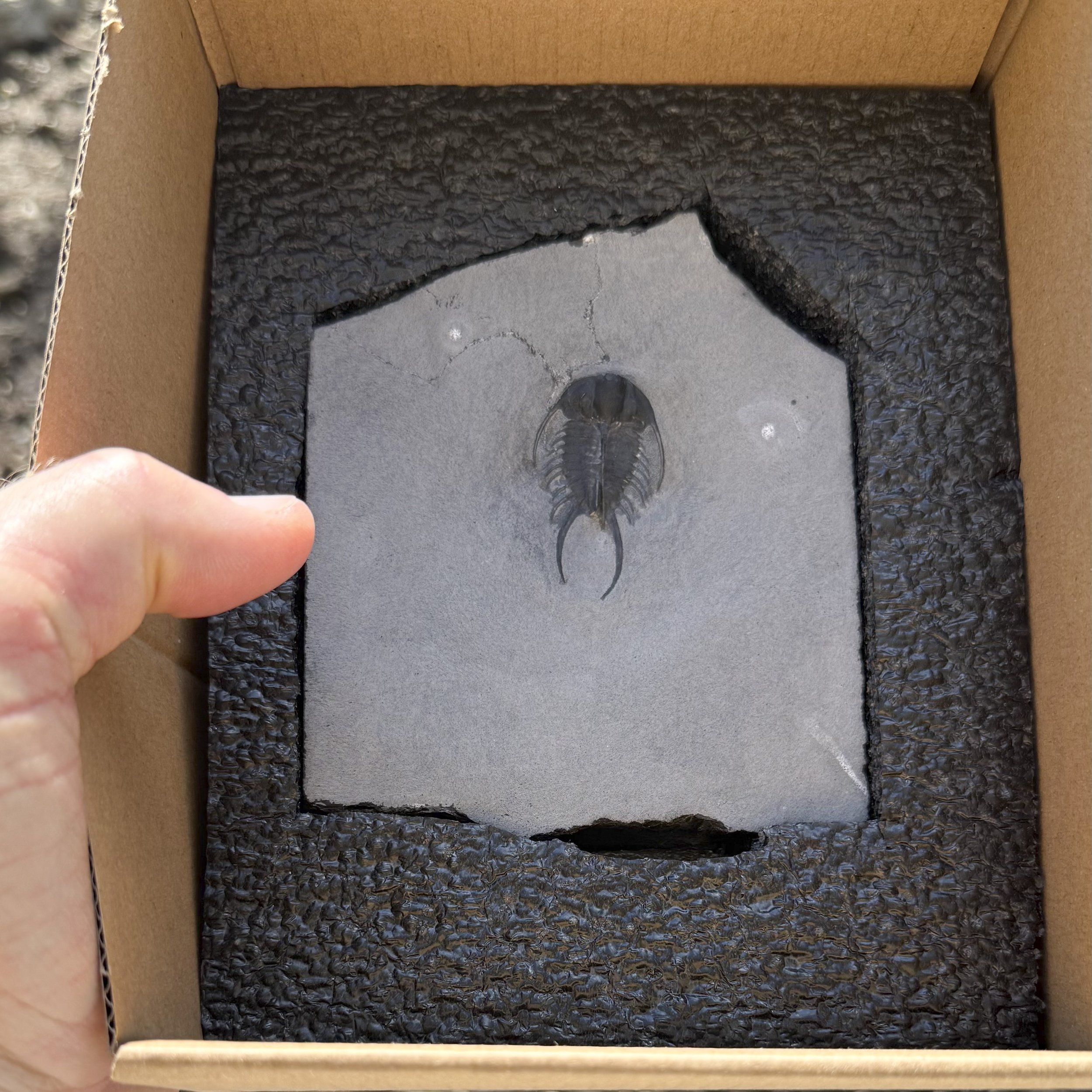
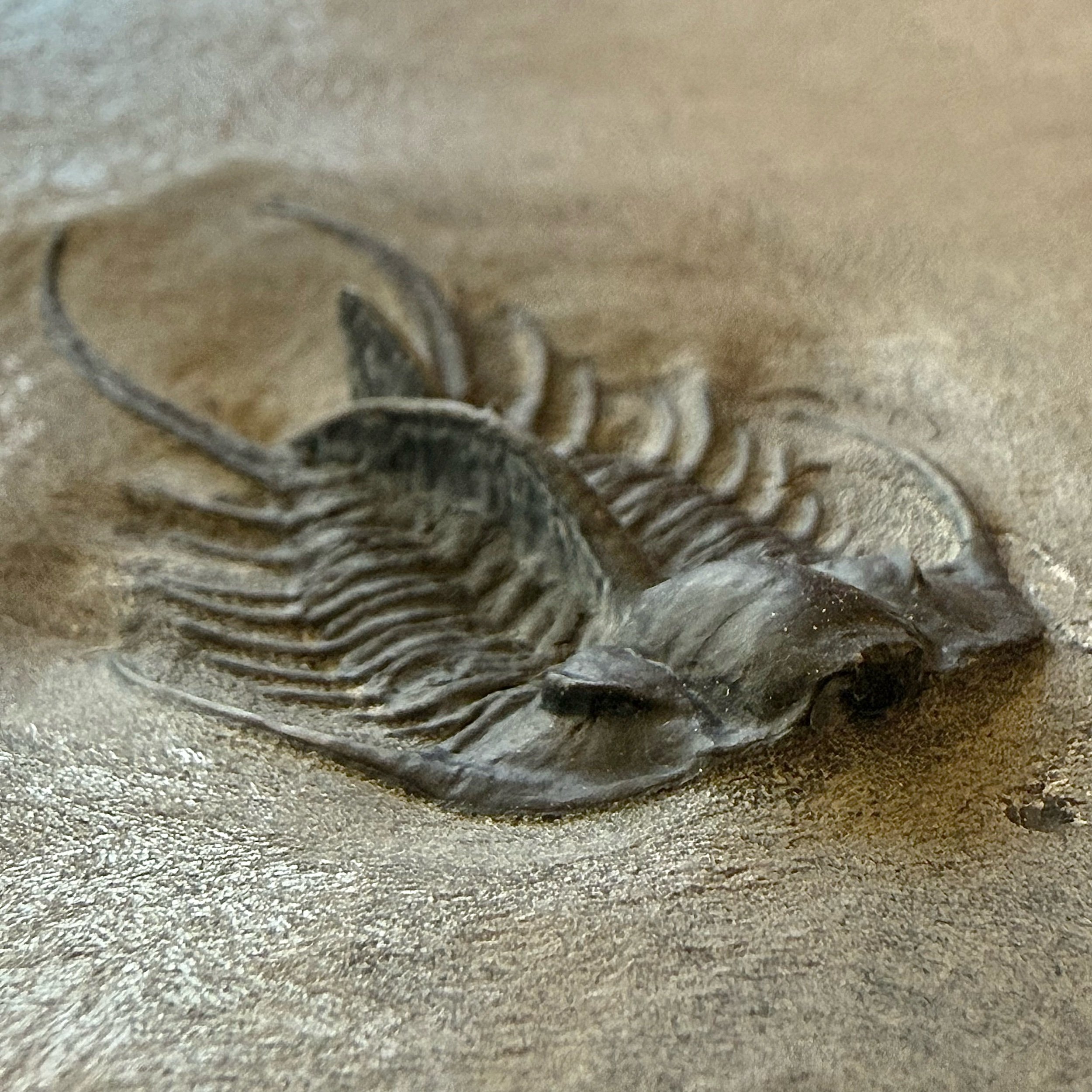
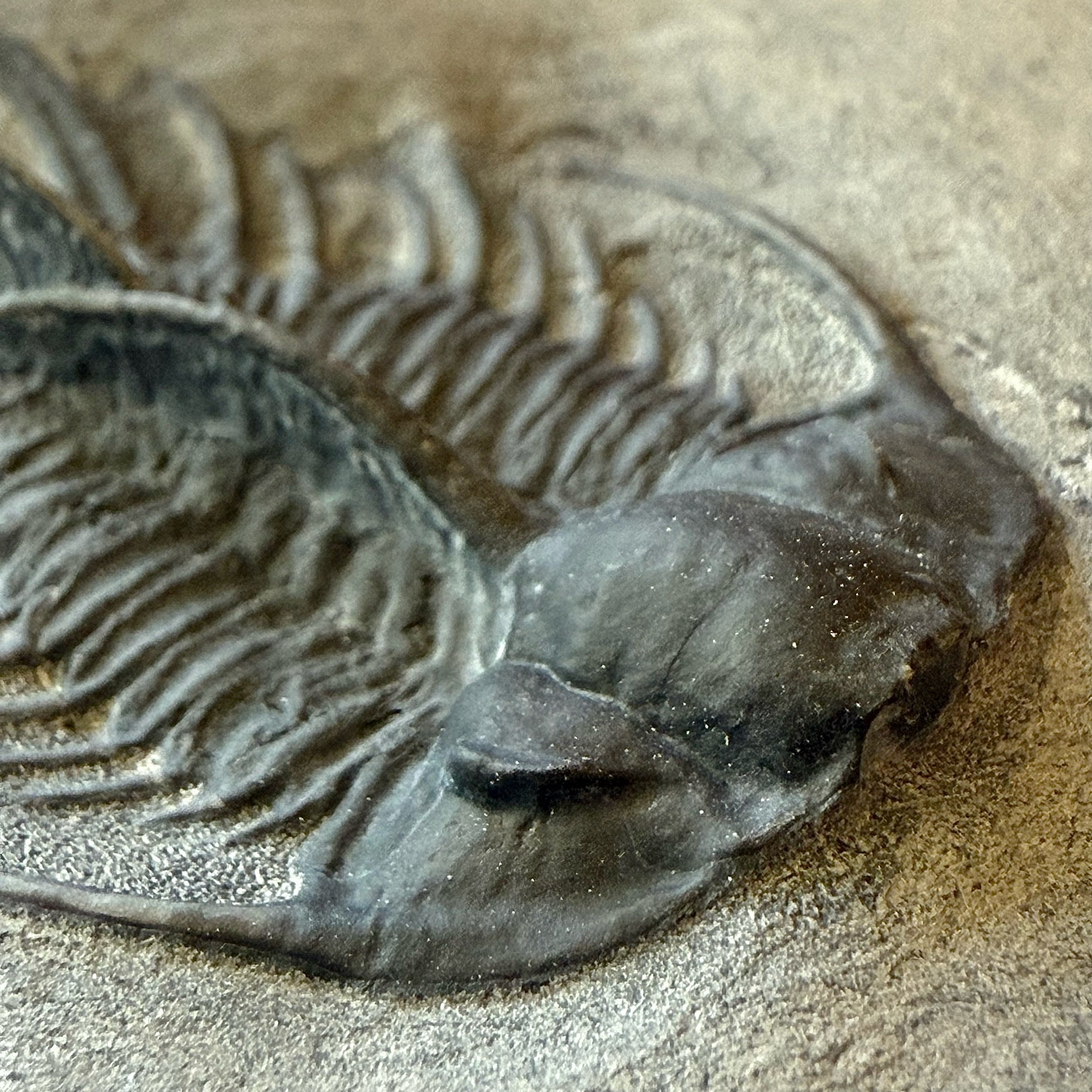
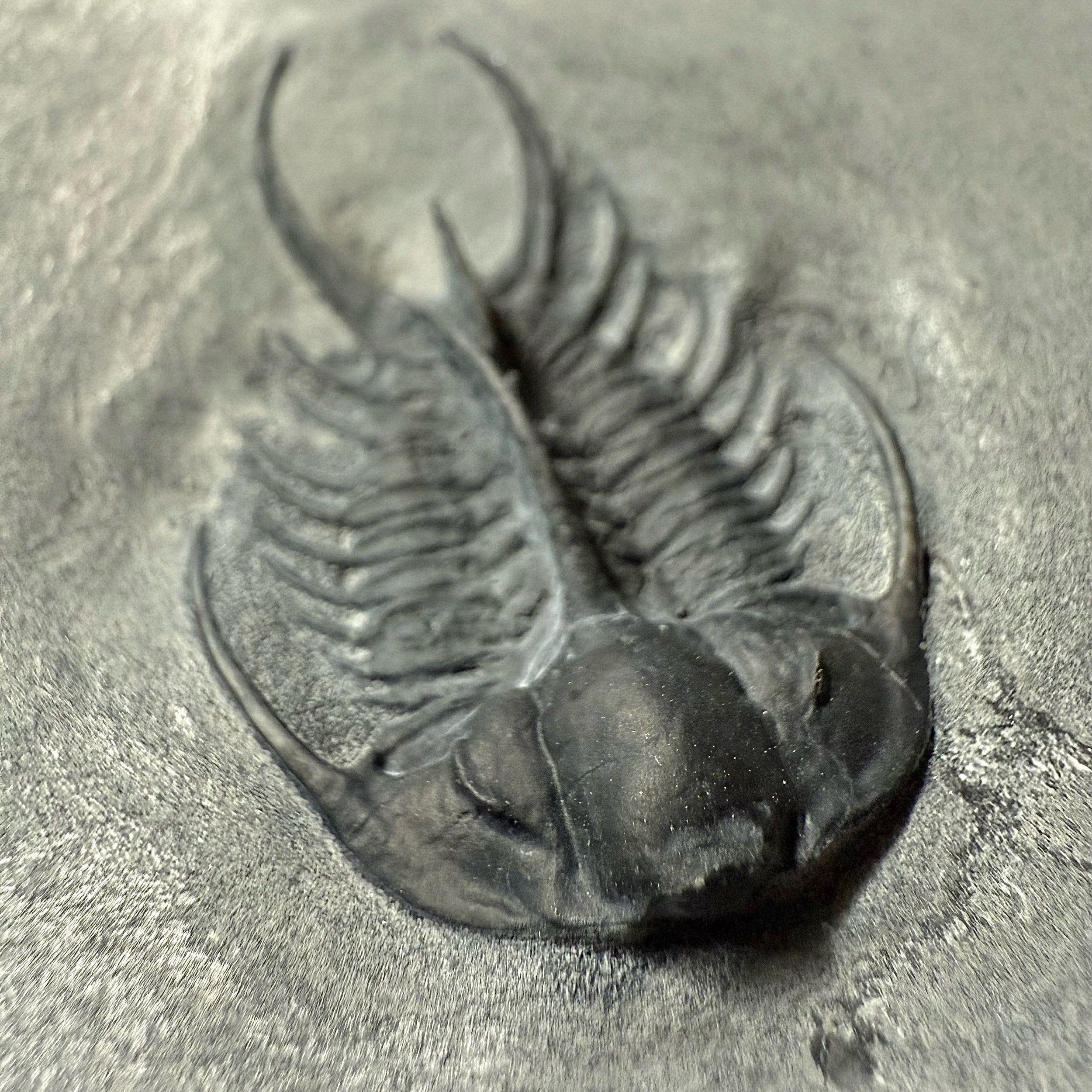
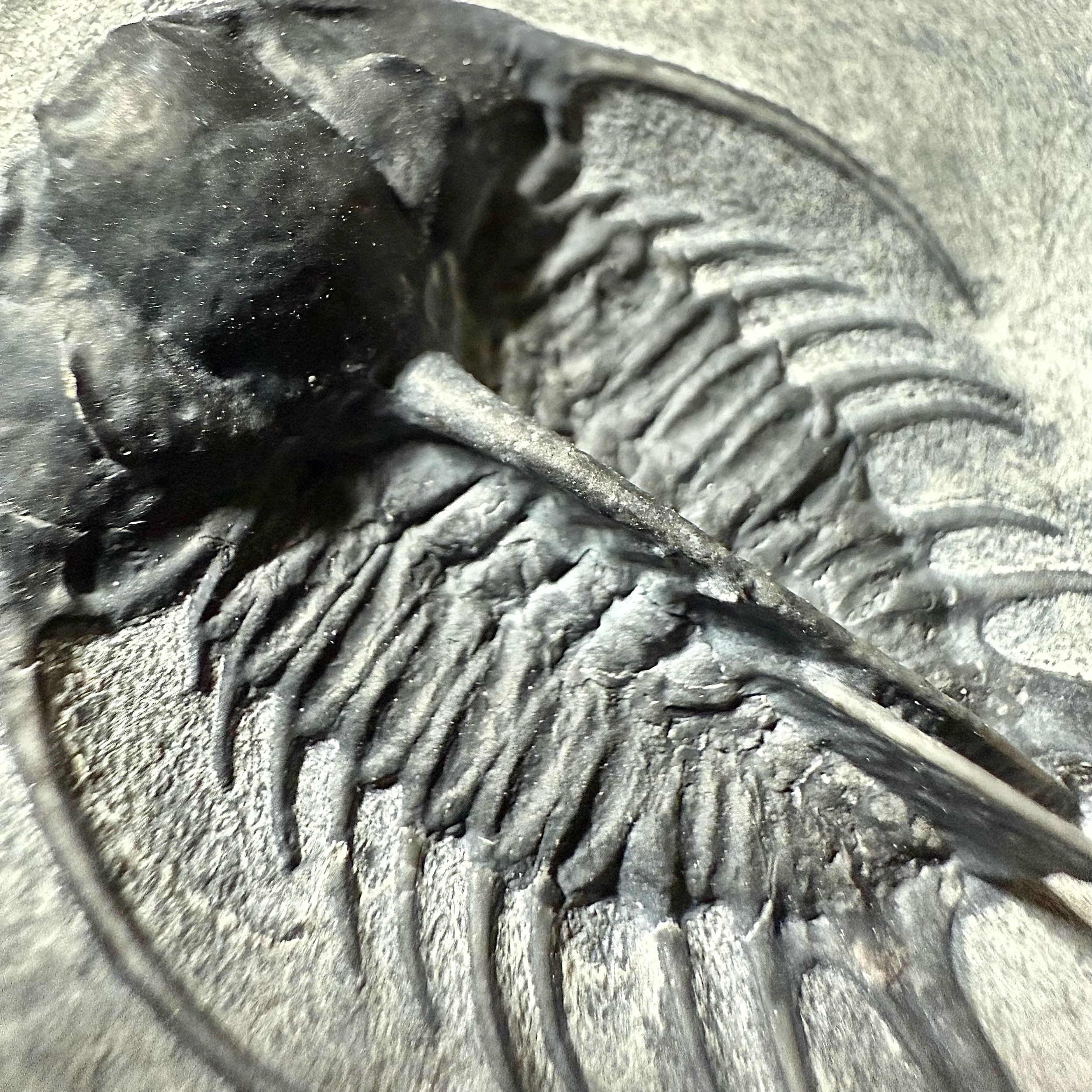
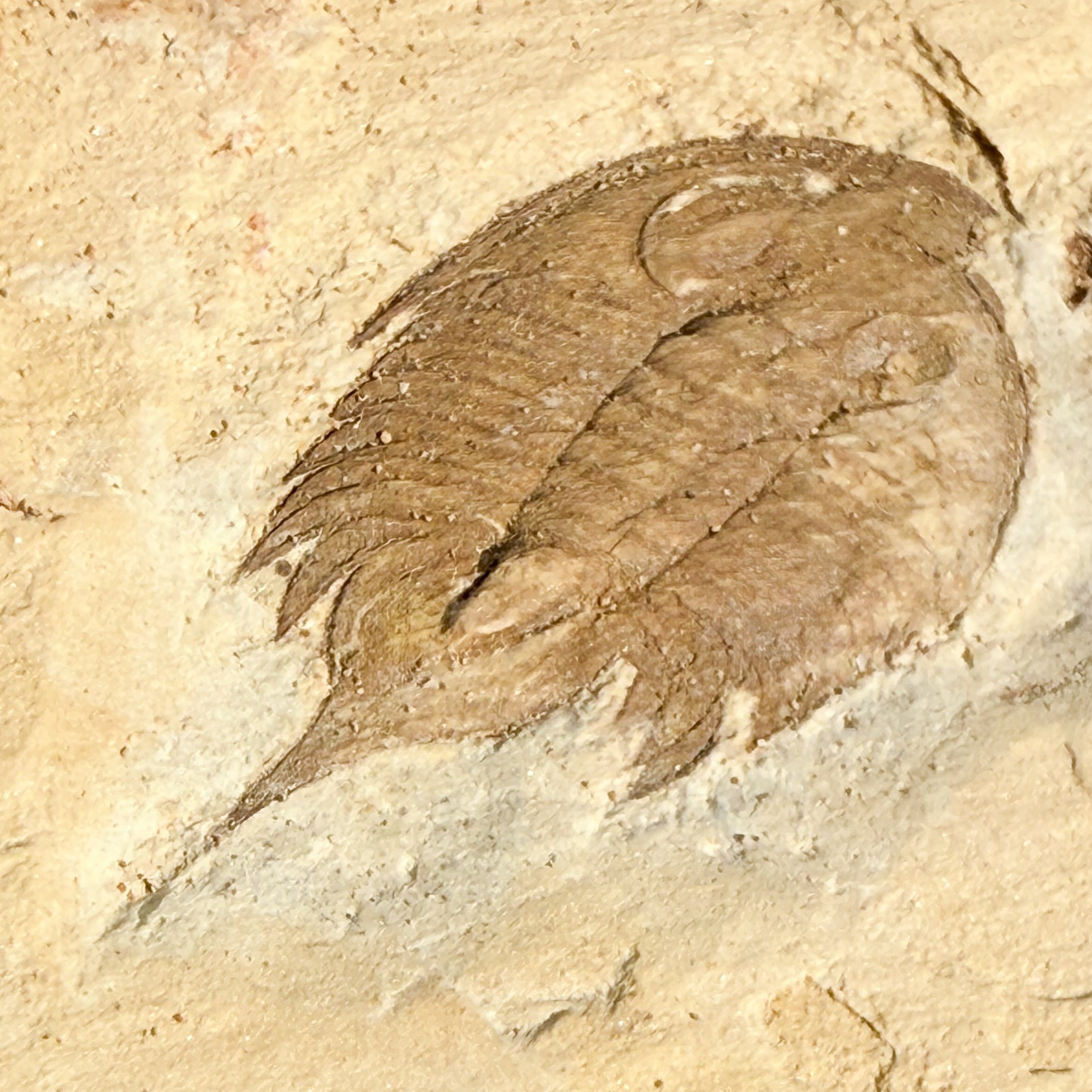
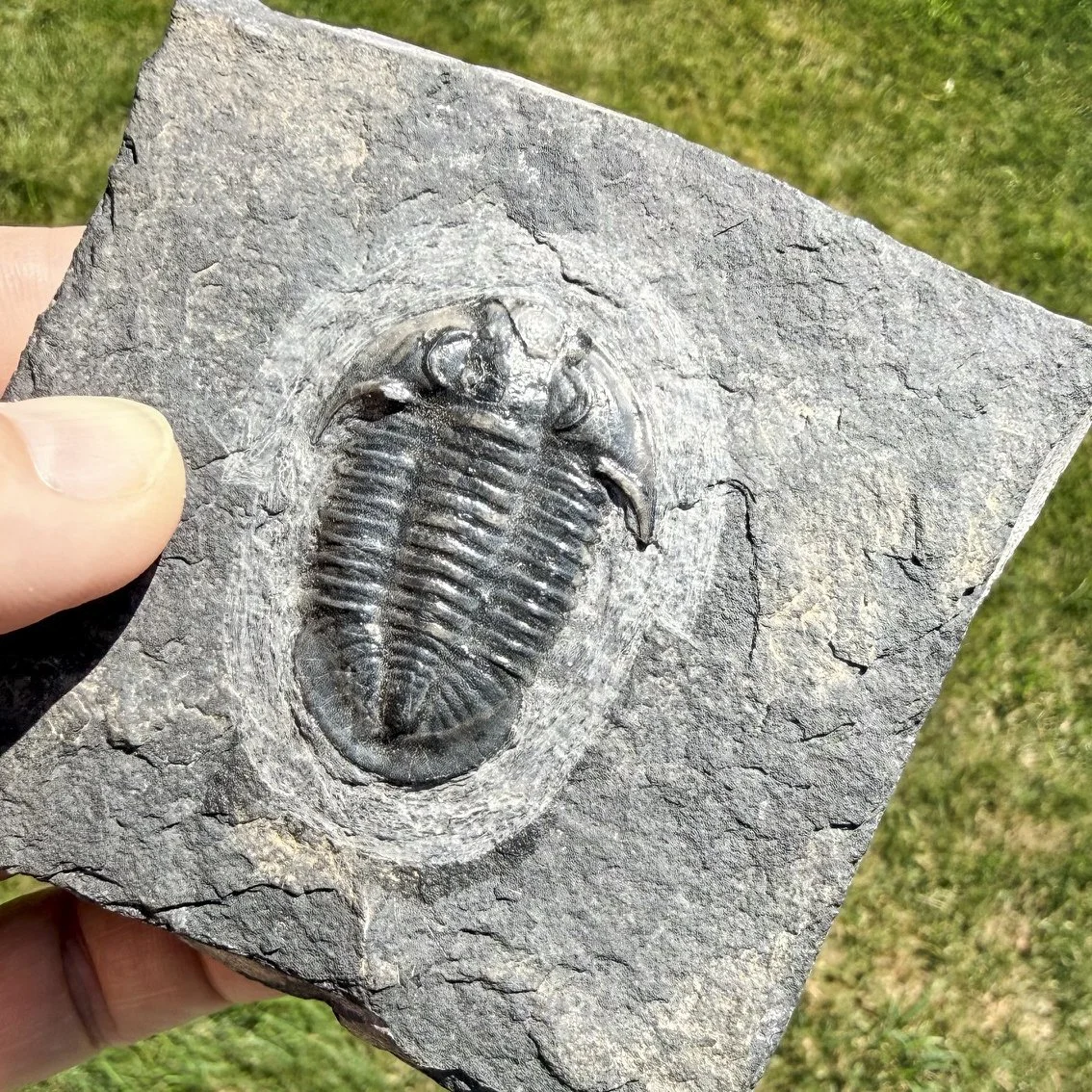
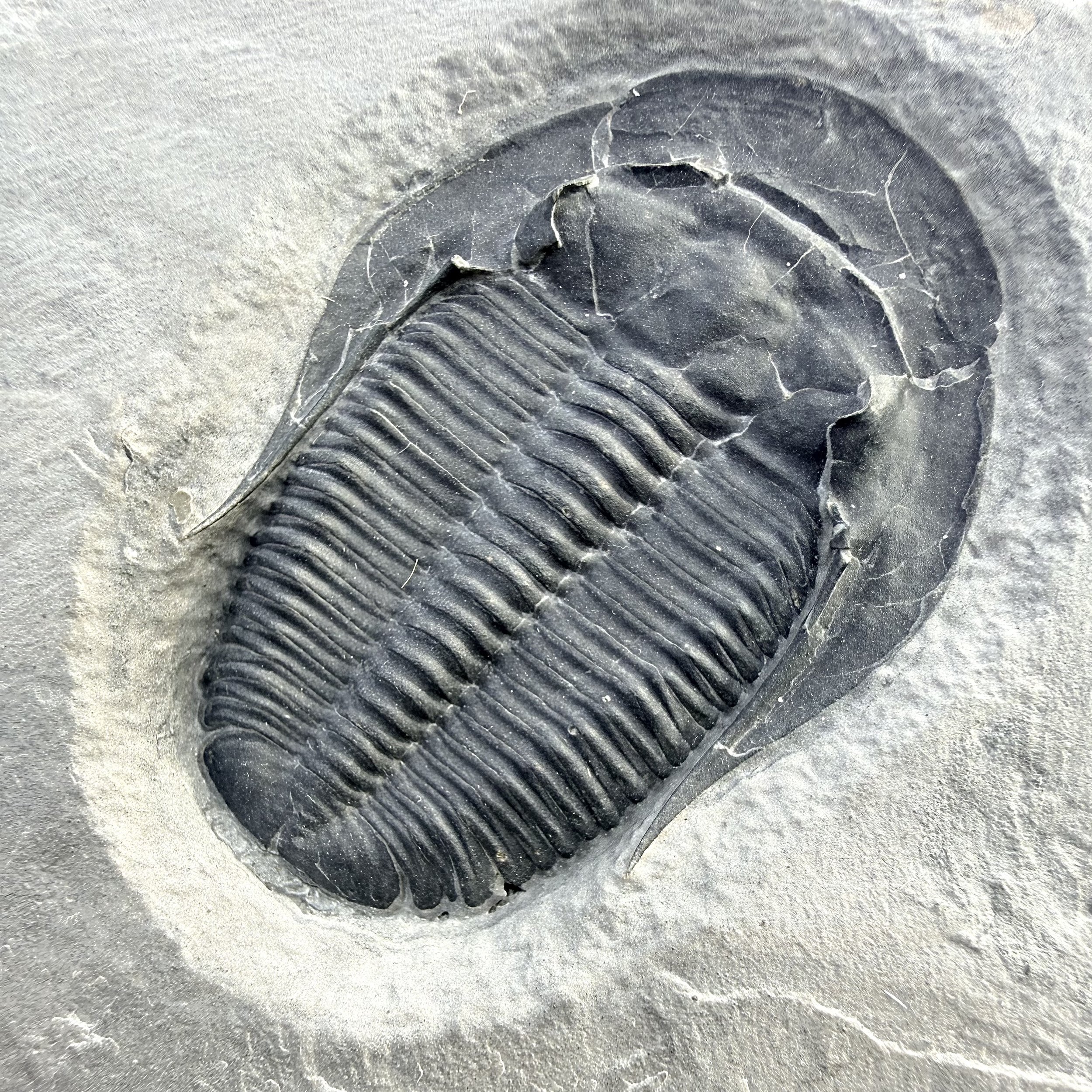
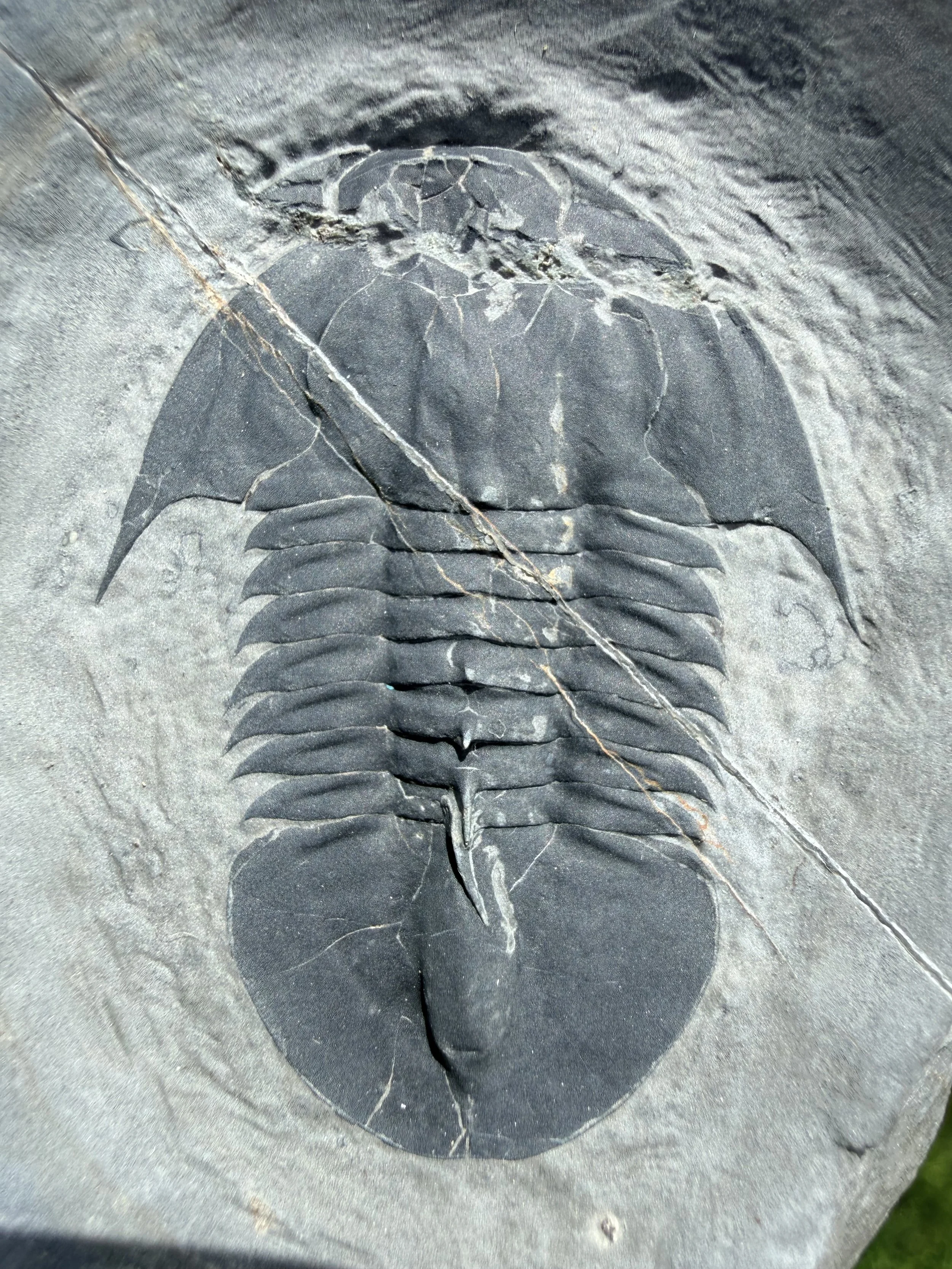
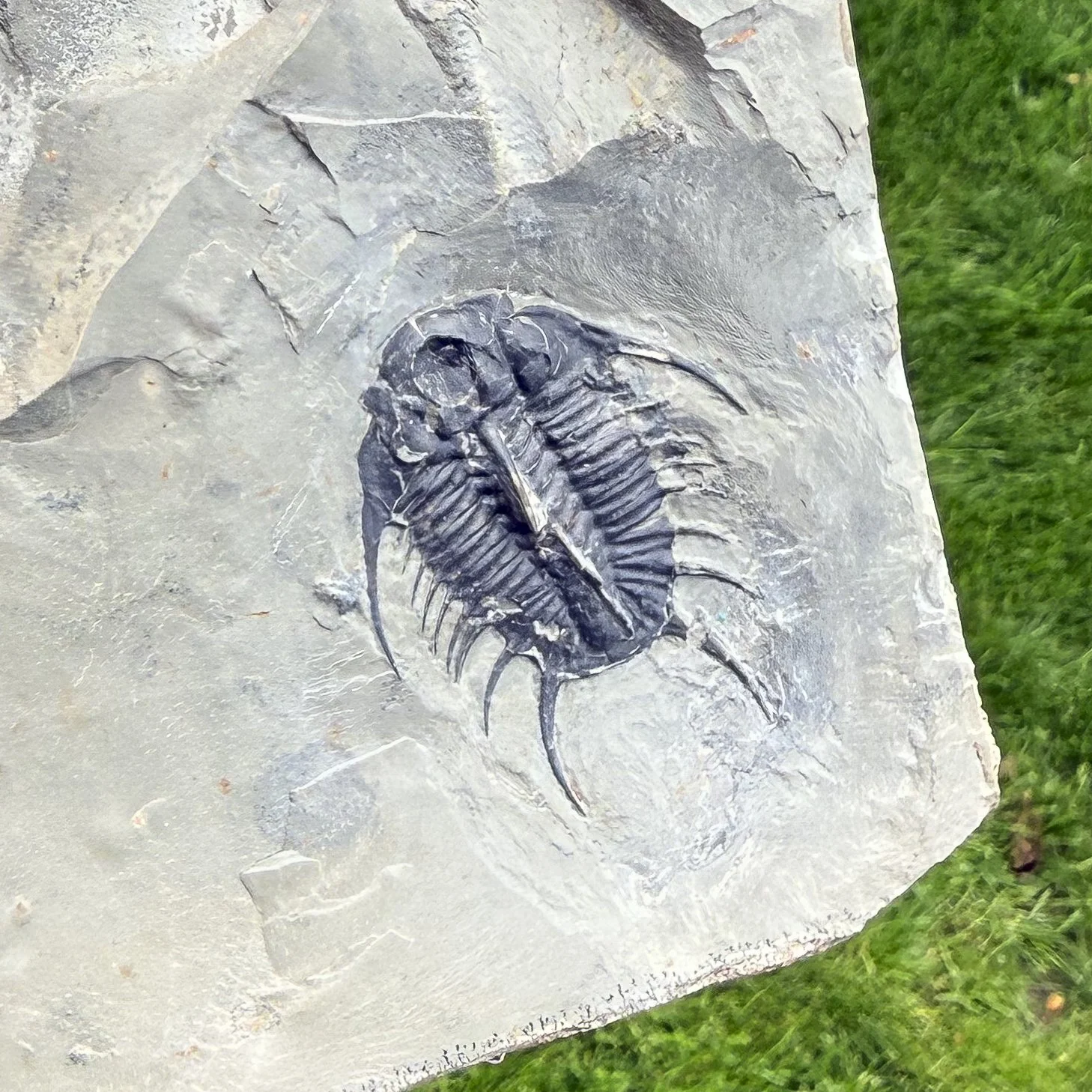
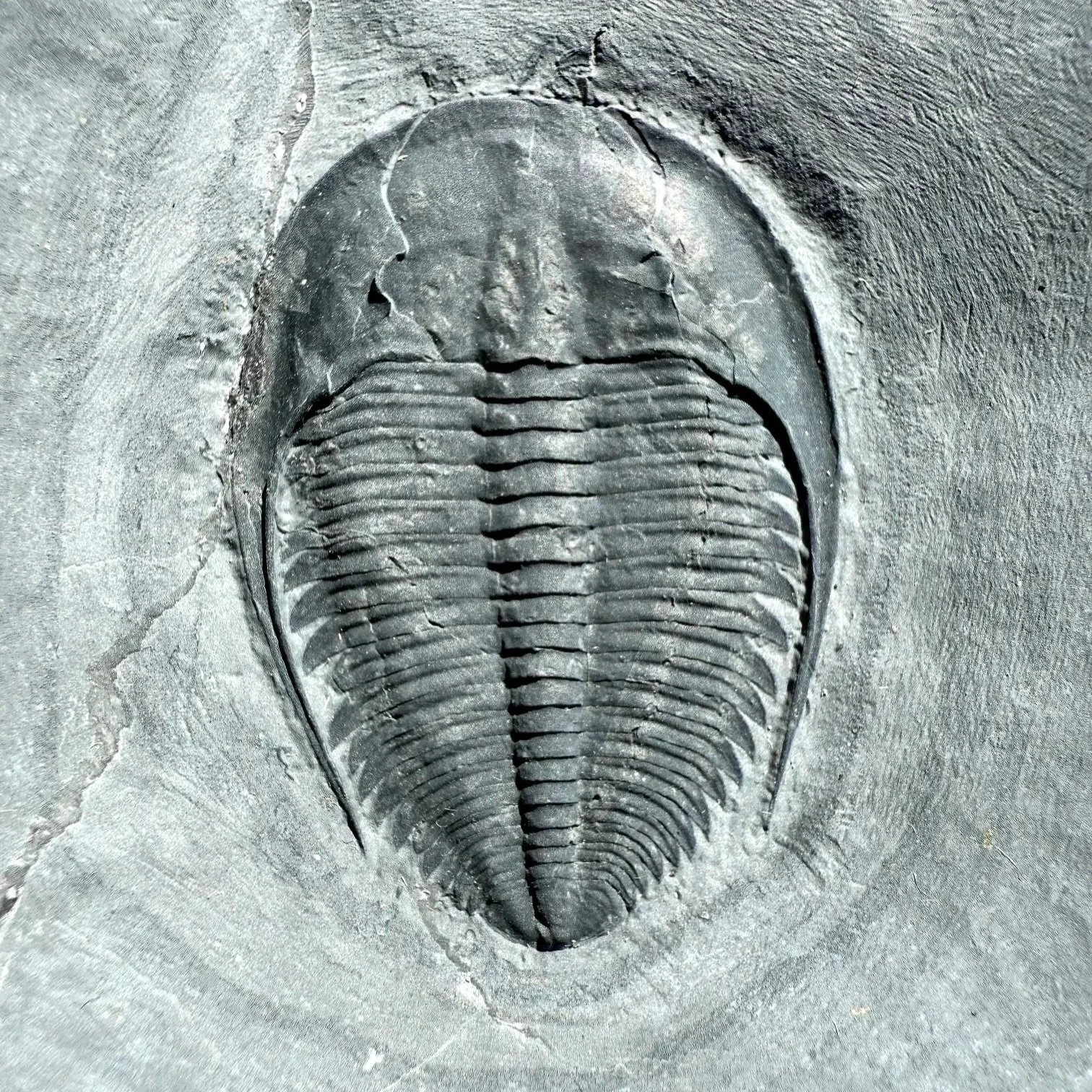
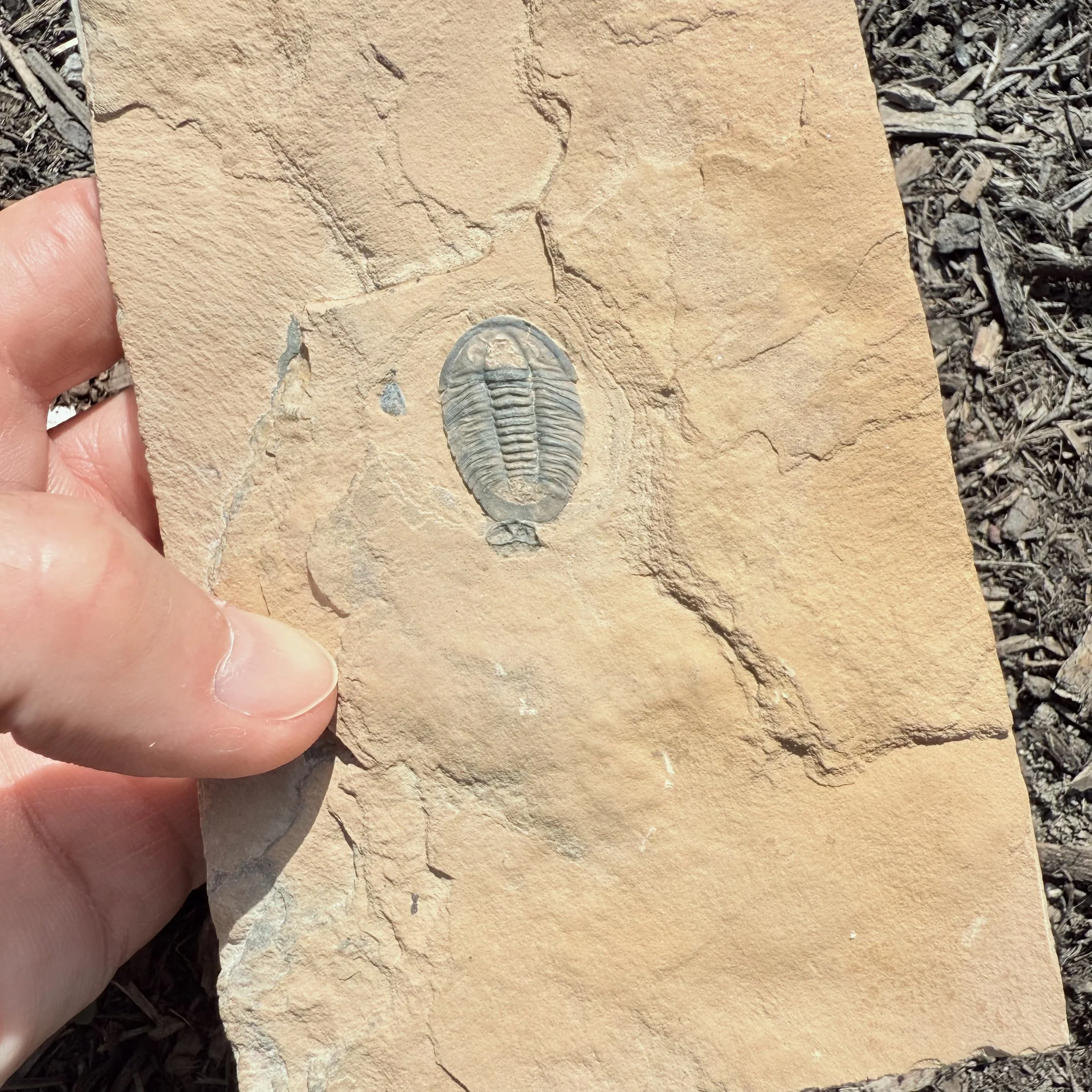
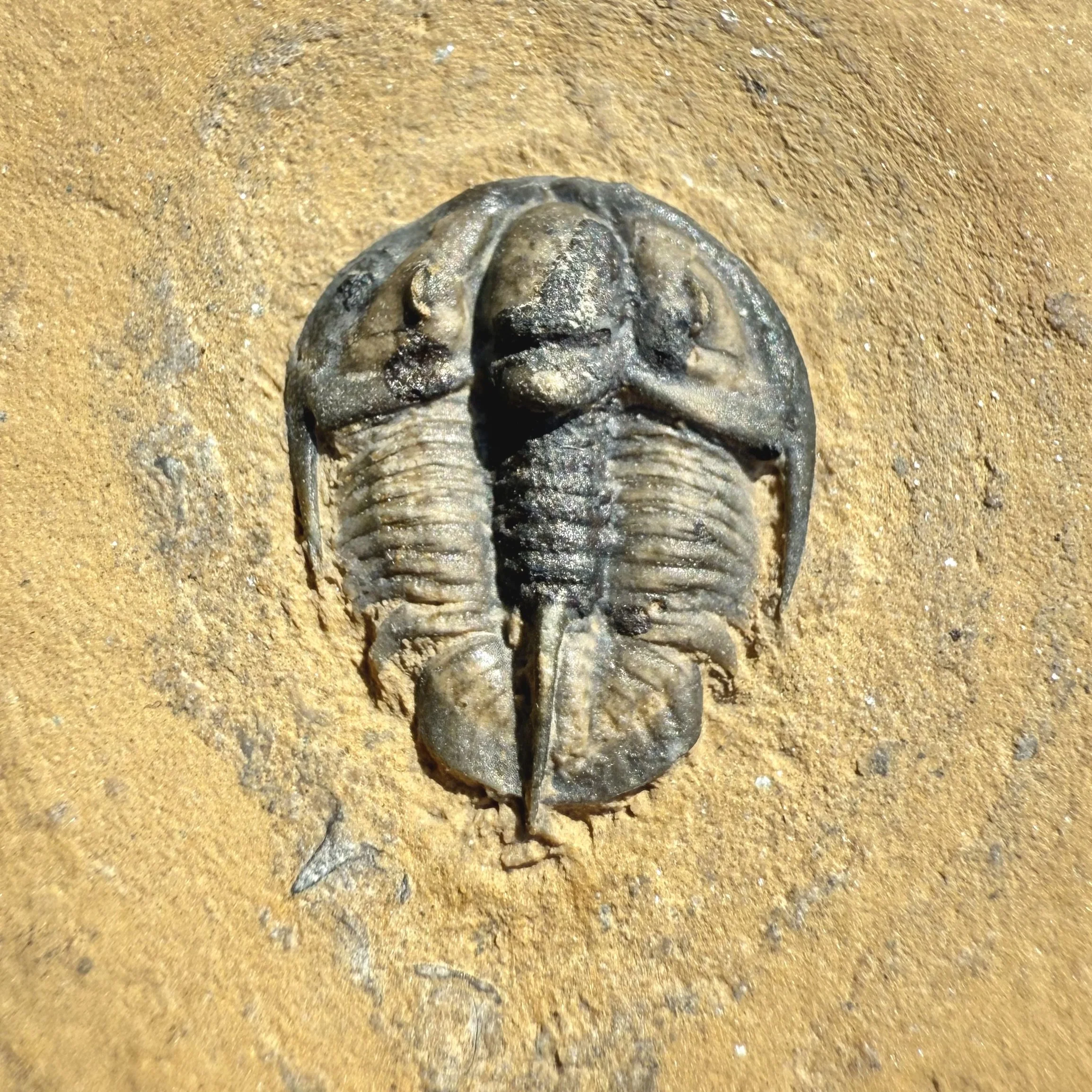
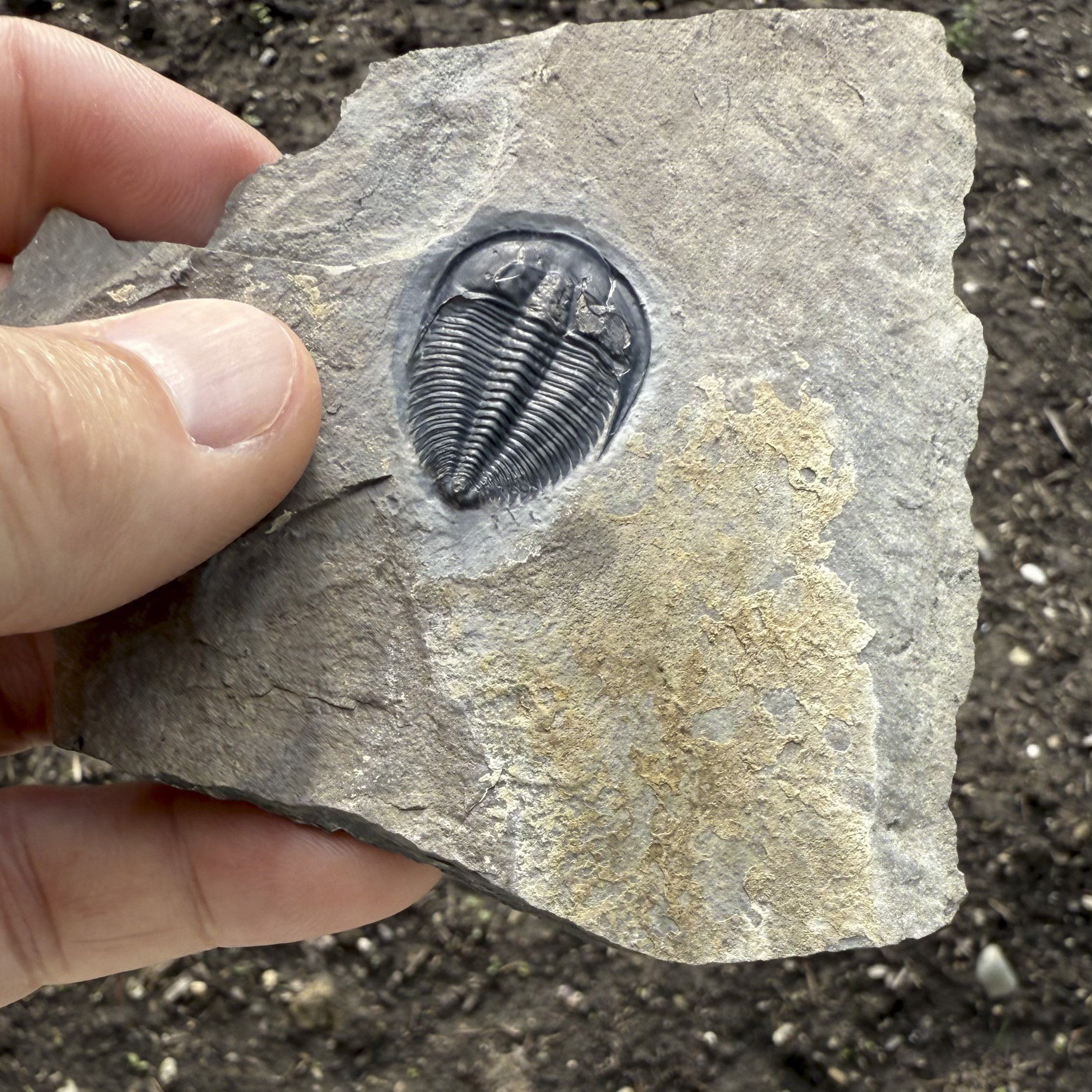
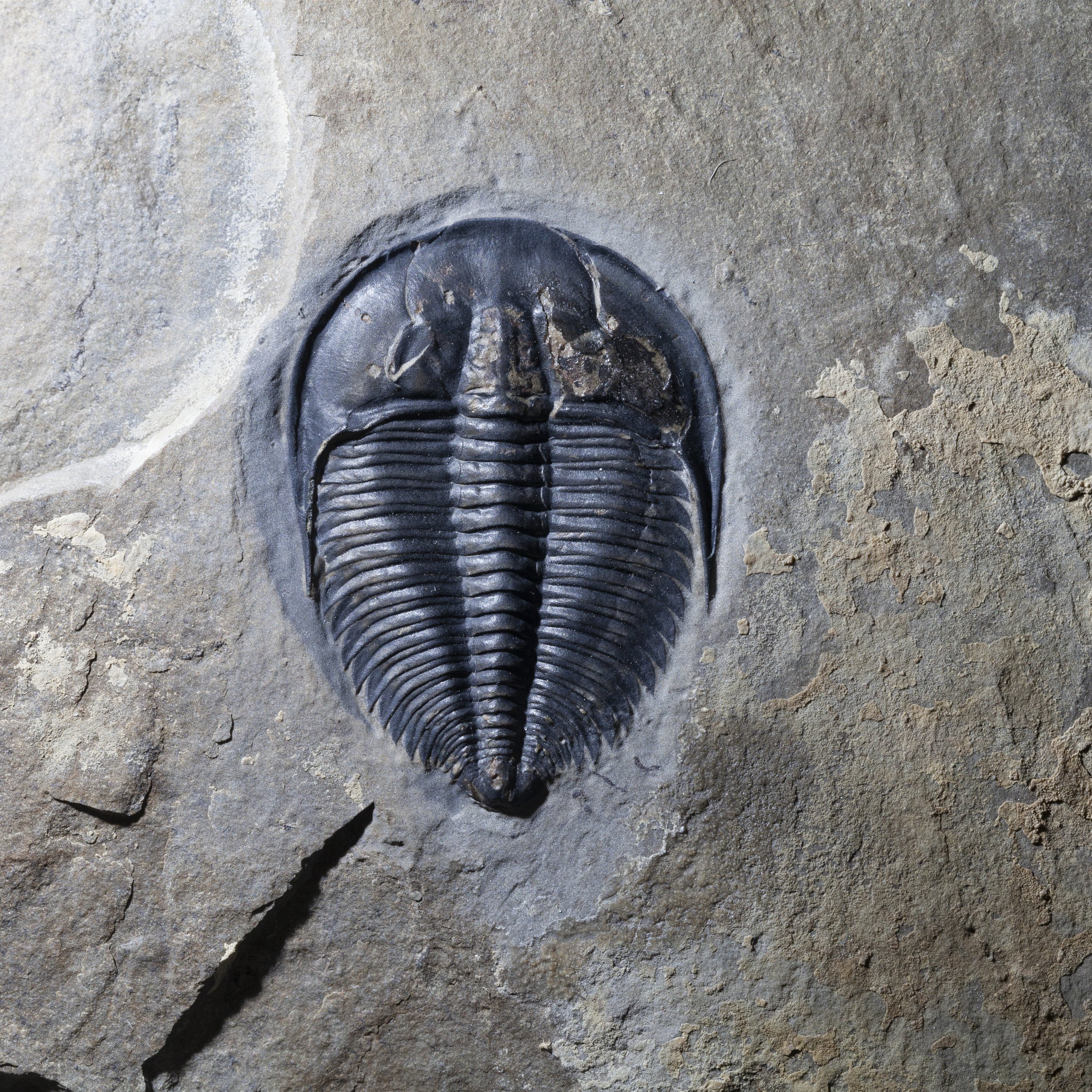
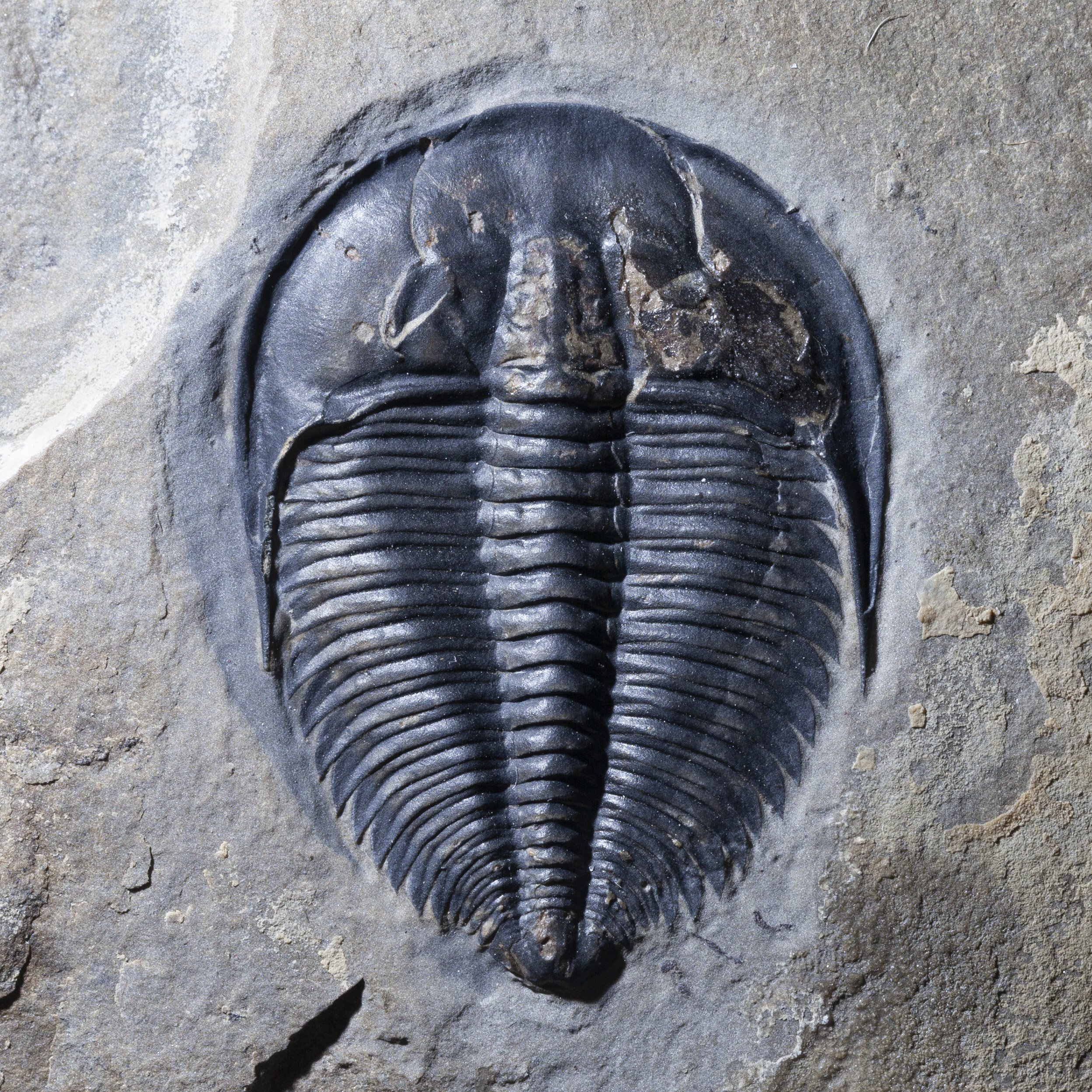
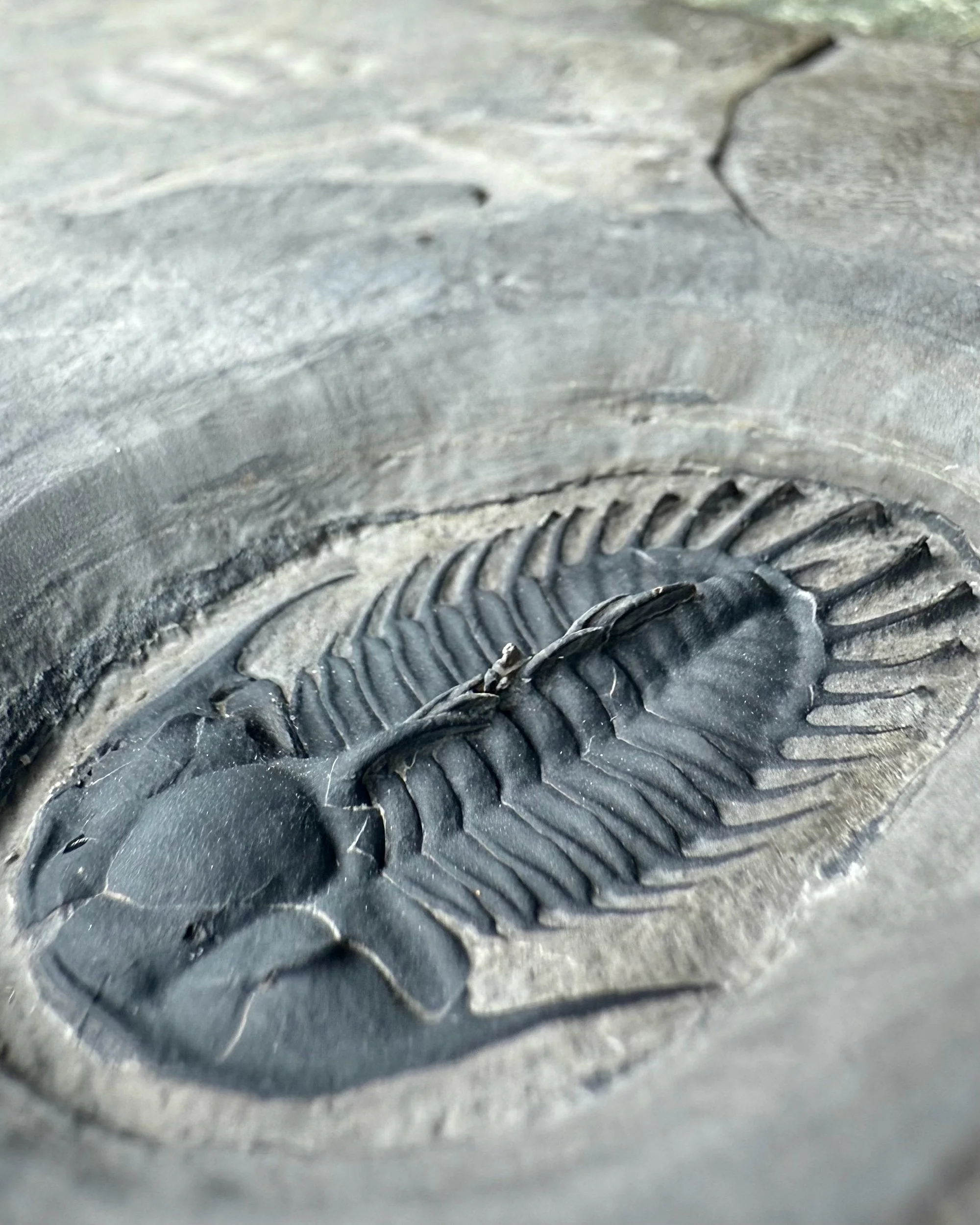
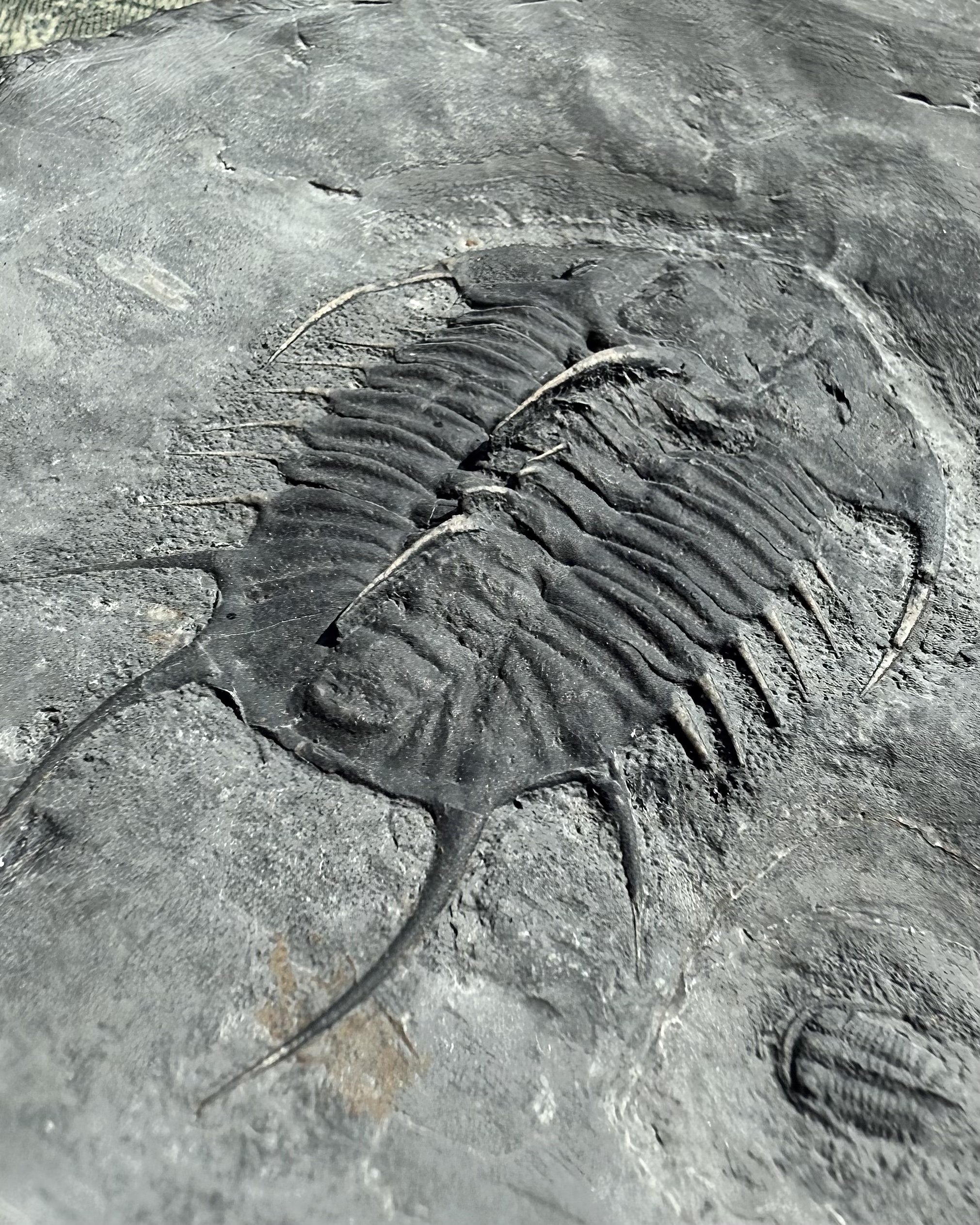
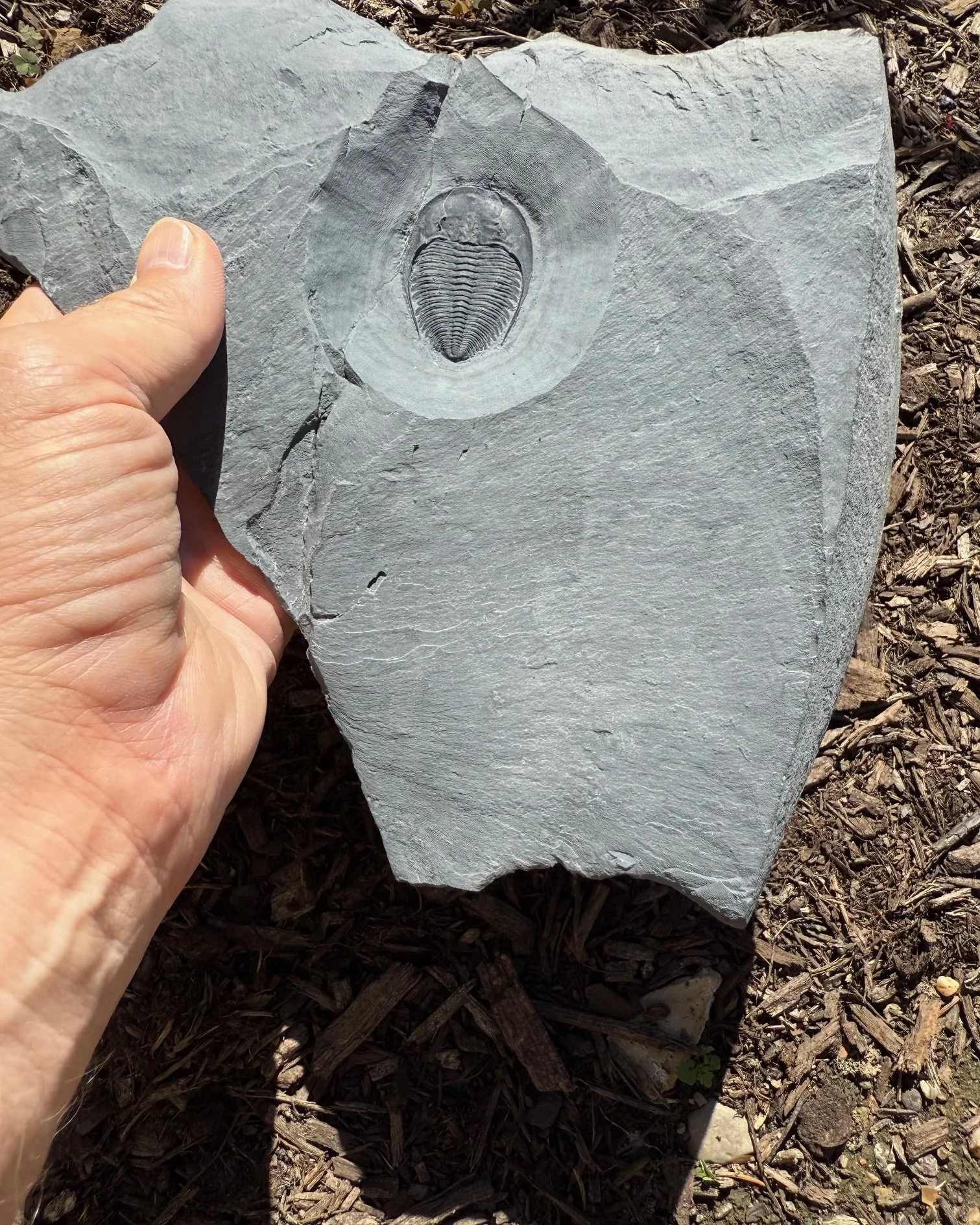
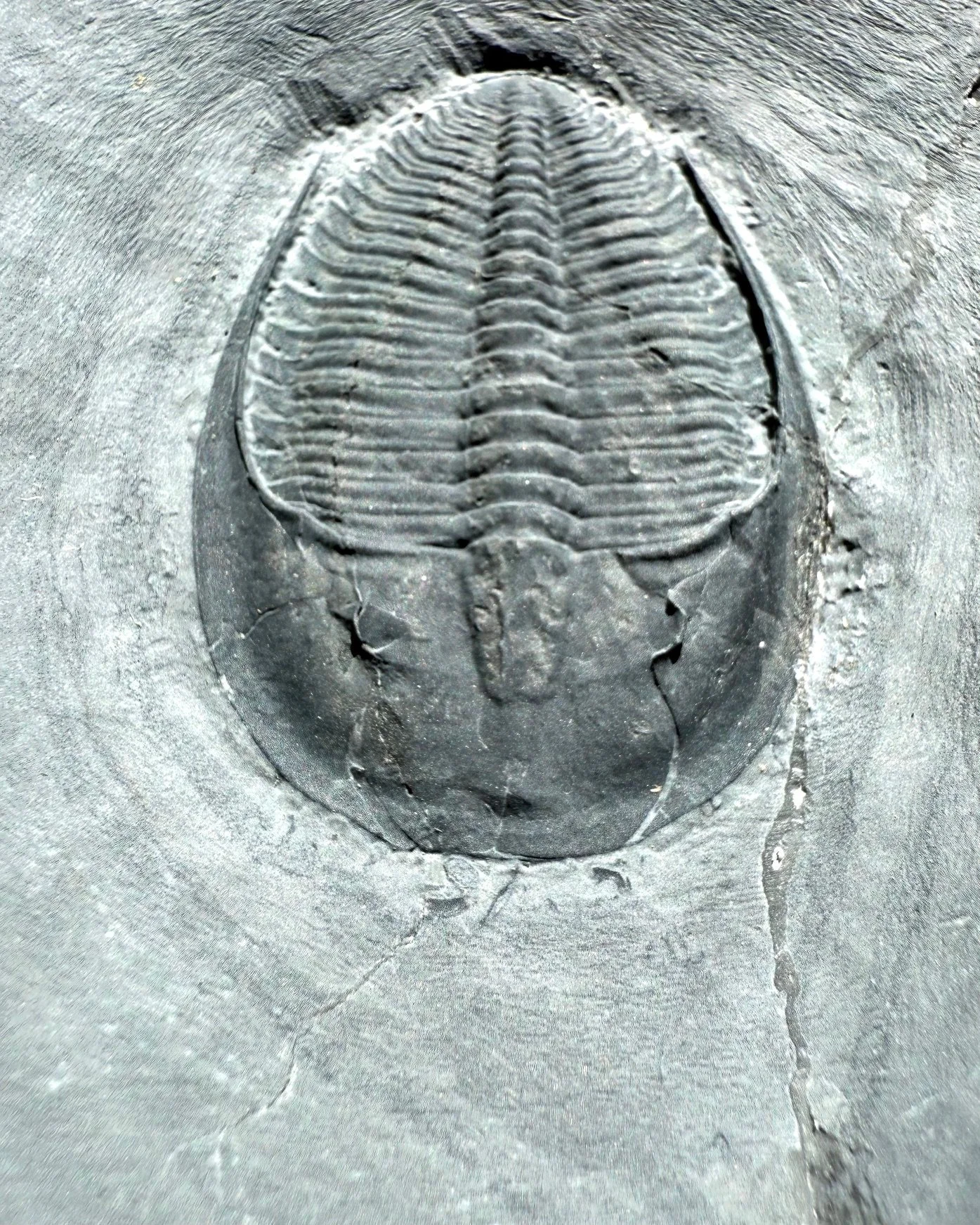
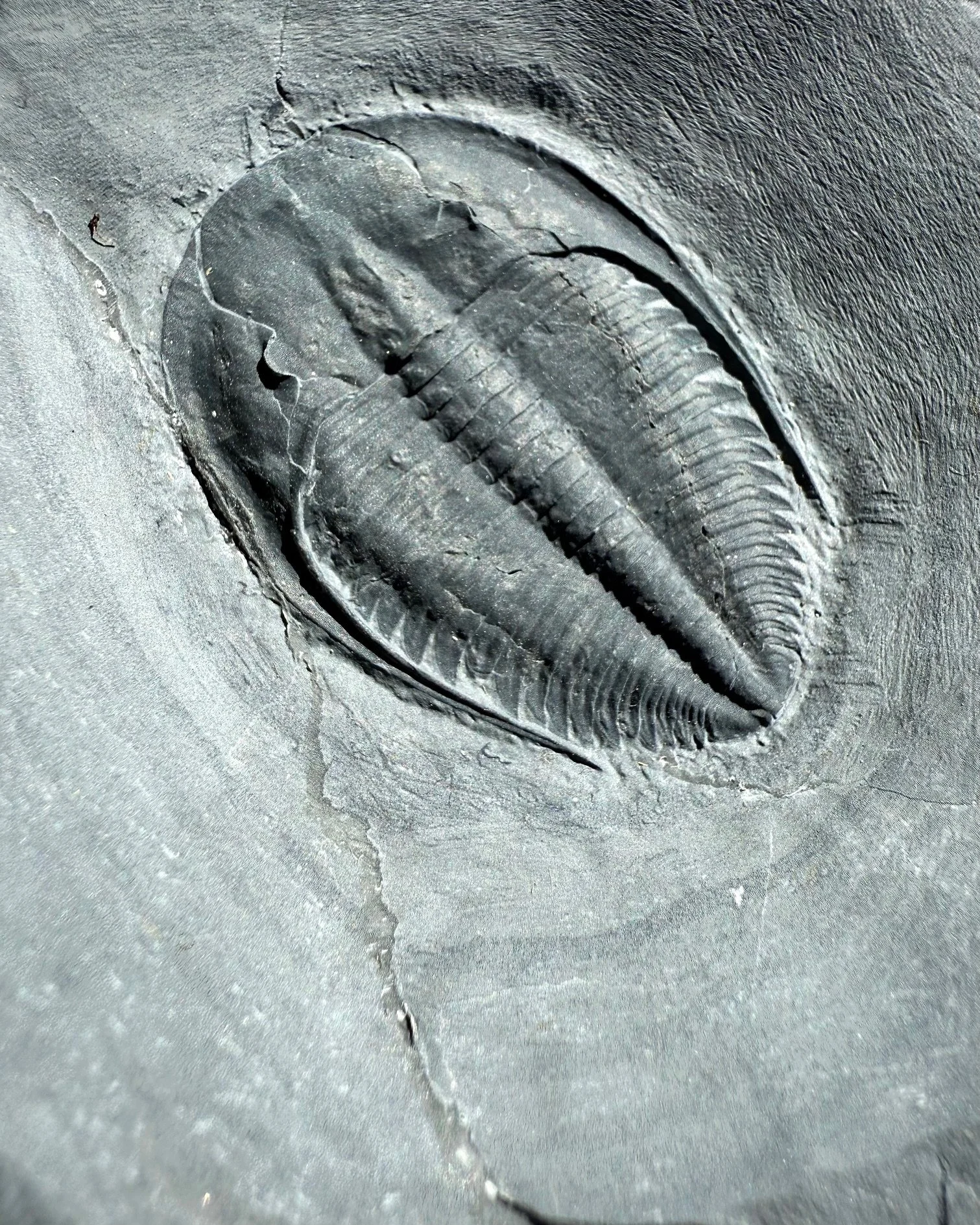
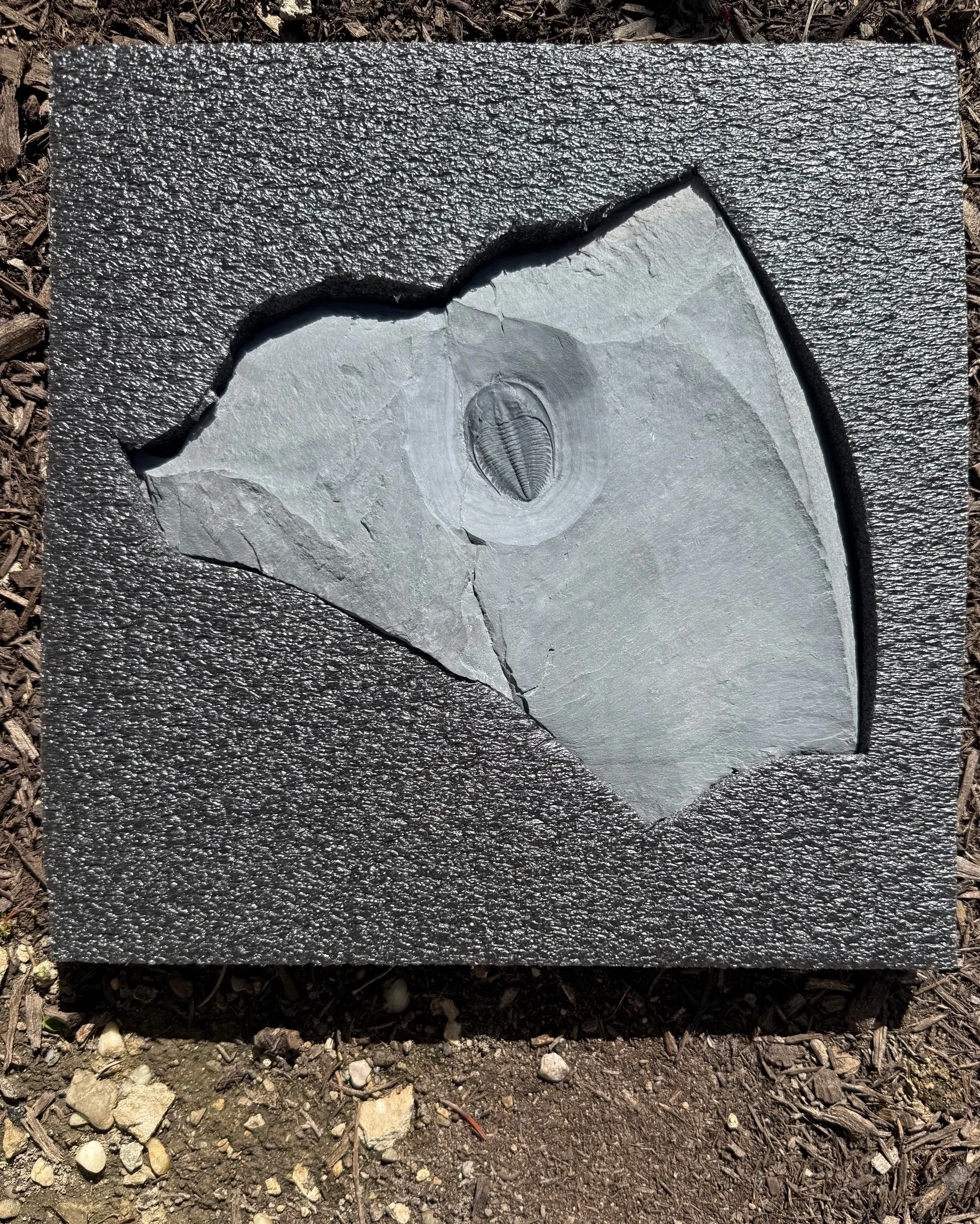
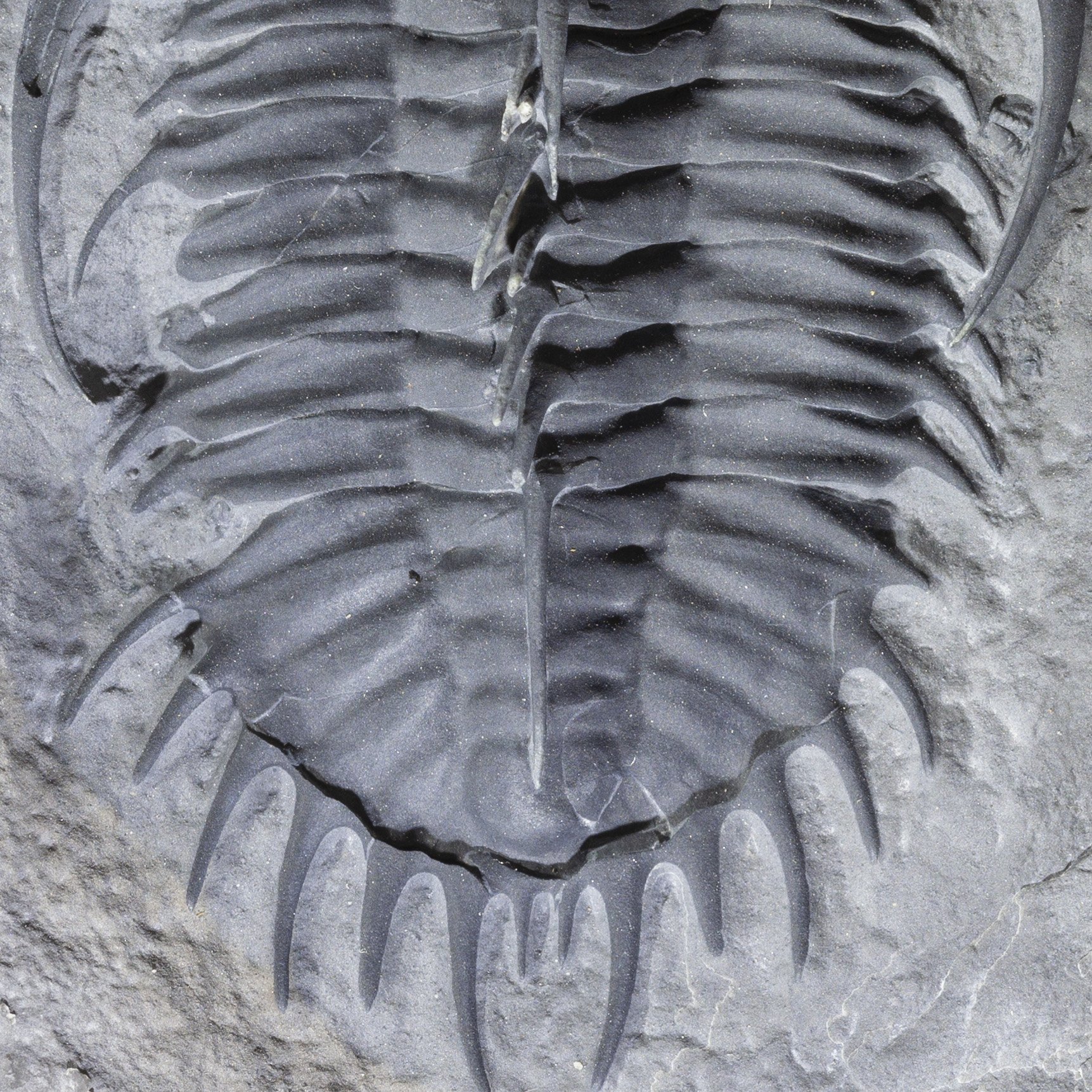
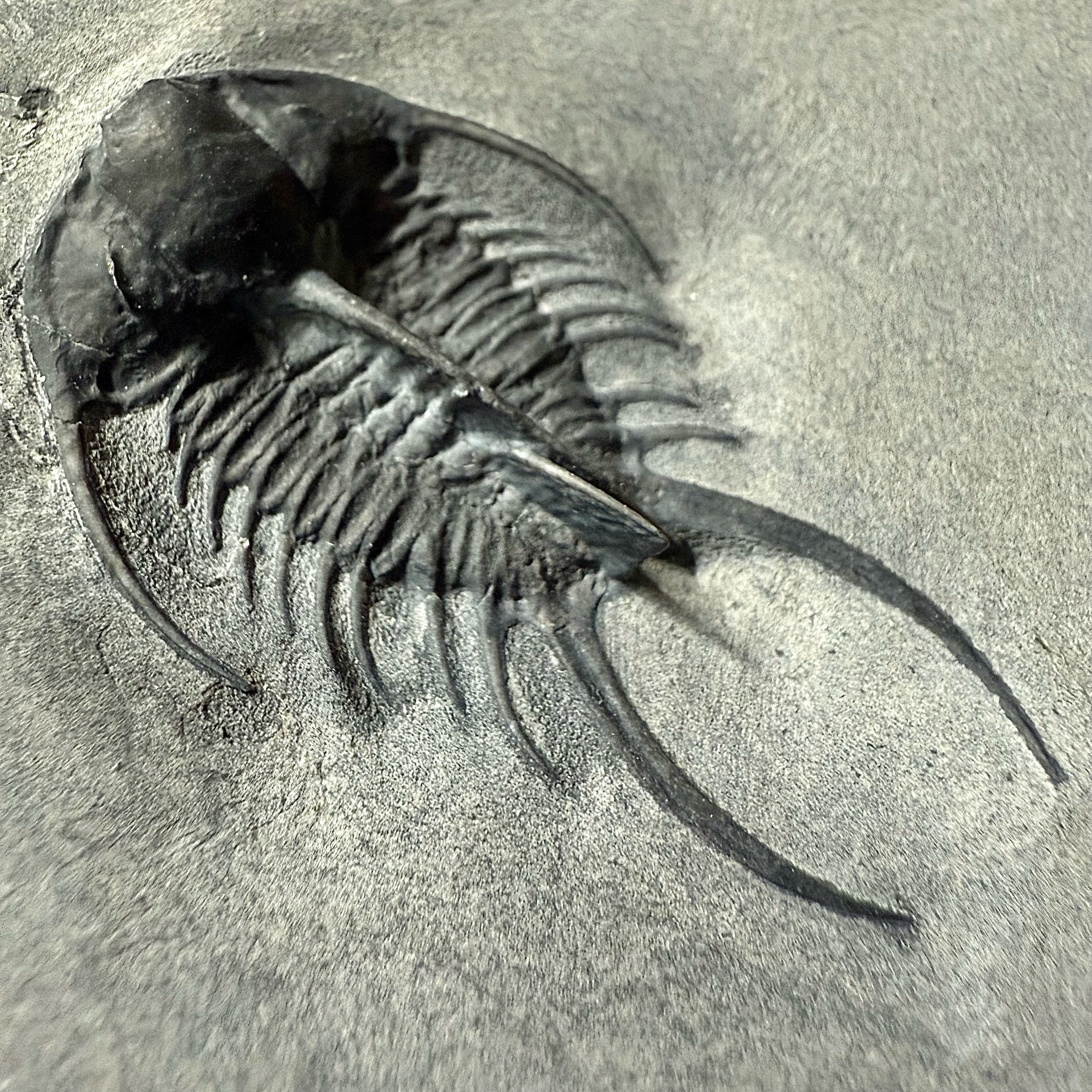
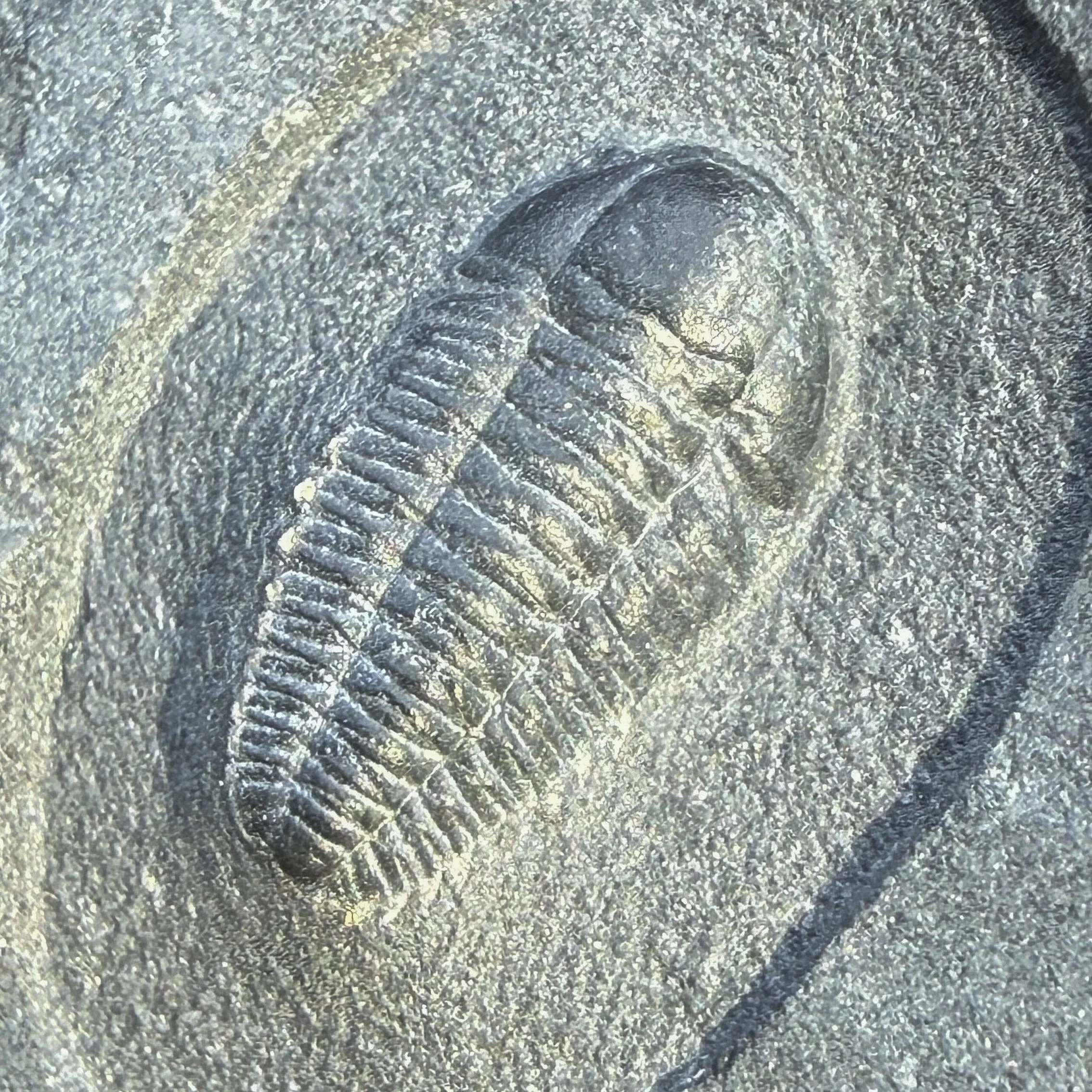
Olenoides rooksi
Vendor: Fossil Soup
SKU Number: SQ1033187
Olenoides rooksi Middle Cambrian, Marjum Formation, Millard County, Utah.
This is an extremely rare and spiny trilobite that is very rarely available on the market. The spines are large and free standing with the occipital spine curving back towards the axial lobe.
This is a very high-end trilobite for the very discerning collector. Very likely the only one currently being offered on the open market!!!
This example comes from the Marjum Formation that overlies the Wheeler Shale.
Full dimensions are listed below.
Vendor: Fossil Soup
SKU Number: SQ1033187
Olenoides rooksi Middle Cambrian, Marjum Formation, Millard County, Utah.
This is an extremely rare and spiny trilobite that is very rarely available on the market. The spines are large and free standing with the occipital spine curving back towards the axial lobe.
This is a very high-end trilobite for the very discerning collector. Very likely the only one currently being offered on the open market!!!
This example comes from the Marjum Formation that overlies the Wheeler Shale.
Full dimensions are listed below.
Additional Information
Western Utah is the home of one of the best-known Cambrian fossil localities in the world. The slopes of Swasey Peak in the House Range, seen above, are composed of a rock layer known as the Wheeler Shale, with the overlying Marjum Formation forming the top of the peak. The Wheeler Shale and Marjum Formation, strata of Middle Cambrian age, are exposed throughout the House Range and nearby mountain ranges west of the town of Delta, Utah. The Wheeler Shale is named for a great bowl-shaped feature in the House Range known as the Wheeler Amphitheater, while the Marjum Formation is named for its outcrops at Marjum Pass, also in the House Range. Much of the Wheeler Shale is quite unfossiliferous, but certain layers contain abundant trilobites and other shelly fossils. The Wheeler Shale and Marjum Formation also contain a diverse biota of soft-bodied fossils, including many of the same taxa found in the more famous Burgess Shale.
Olenoides is a member of the order: Corynexochida,
References:
Wheeler Shale Formation
Marjum_Formation
Charles Doolittle Walcott
Olenoides
Vendor: fossil soup - ZZ
SKU Number: SQ7345666
Peltura scarabaeoides trilobite from the Late Cambrian, Alum Shale Formation, Norway.
Peltura is a genus of trilobite of the order Ptychopariida, family Olenidae. This is a complete and beautiful example of the species.
Full dimensions are listed below.
Vendor: fossil soup - ZZ
SKU Number: SQ4605500
Macropyge (Promacropyge) sp. trilobite from the Late Cambrian - Early Ordovician, Guotang Formation, Luxi, Hunan, China.
Macropyge, subgenera: Promacropyge, are an extremely rare genus of trilobite of the Order: Asaphida, Family: Ceratopygidae
Full dimensions are listed below.
Vendor: Lagerstätte Land
SKU Number: SQ2135343
Annamitella liexiensis trilobite from the Lower Ordovician, Liexi biota, Xiangxi, Hunan, China.
A nice example of this genus. There is a small amount of damage to the front of the cephalon which is reflected in the price.
Full dimensions are listed below.
Vendor: FS-JS
SKU Number: SQ5615228
Amecephalus laticaudum from the Middle Cambrian, Spence Shale, Wellsvilles Mtns, Box Elder Co., Utah.
A very rare and complete trilobite.
Full dimensions are listed below.
Vendor: FS-JS
SKU Number: SQ0372157
Glossopleura packi from the Middle Cambrian, Spence Shale, Wellsvilles Mtns, Box Elder Co., Utah.
A nice rare trilobite at a reasonable price.
Full dimensions are listed below.
Vendor: Fossil Soup
SKU Number: SQ6474620
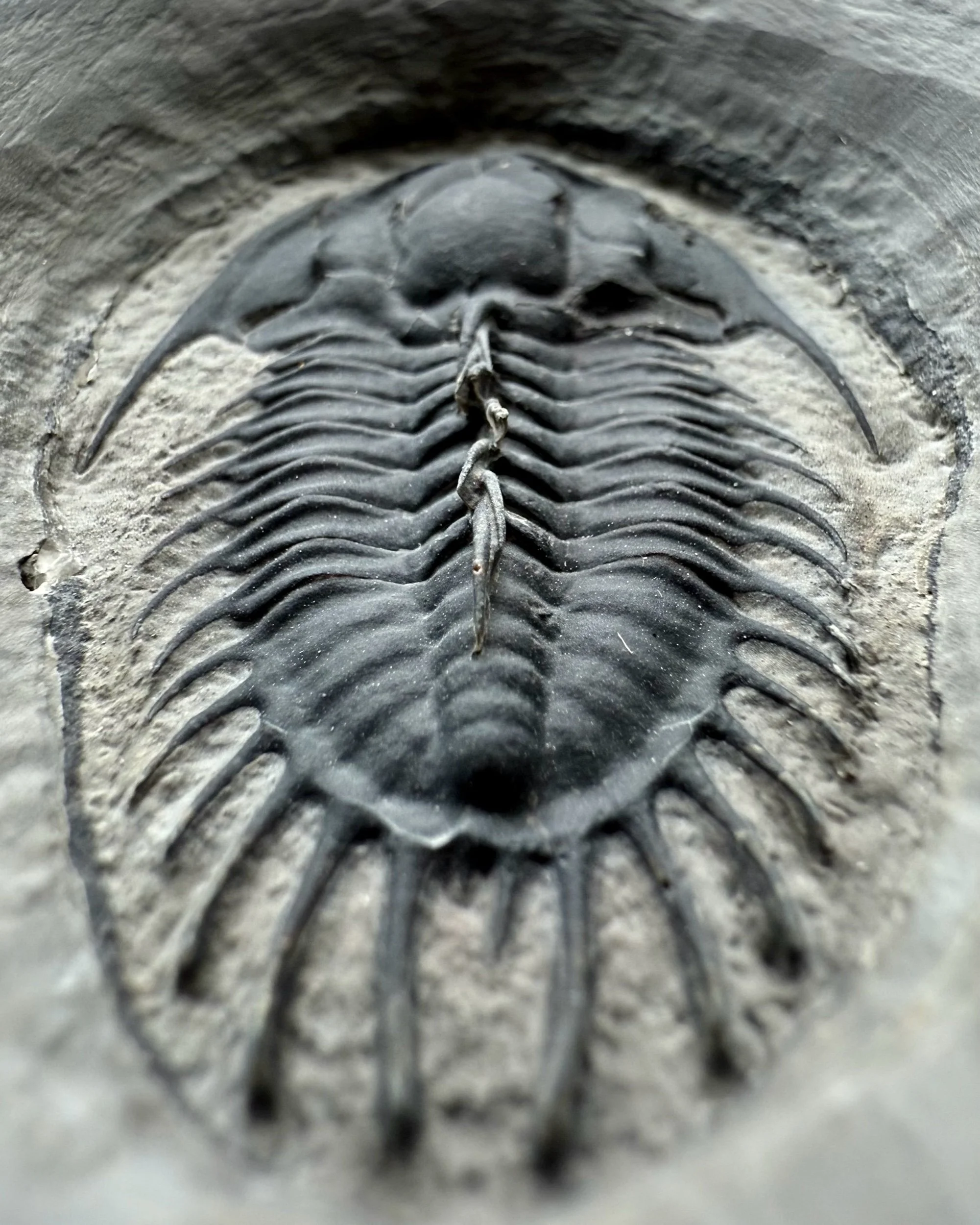
Olenoides vali Middle Cambrian, Wheeler Shale, Millard County, Utah.
This is an extremely rare and spiny trilobite that is very rarely available on the market. The spines are large and free standing with the occipital spine curving back towards the axial lobe.
This is a very high-end trilobite for the very discerning collector. Very likely the only one currently being offered on the open market!!!
Due to some damage, this trilobite is being offered at a very reasonable price. You won’t find another one available anywhere, or at a price anywhere close to this! Sure to go quickly!
Full dimensions are listed below.
5cm in length
4 cm wide (measured at each tip of the left and right genal spines)
Vendor: FS-JS
SKU Number: SQ4125048
Amecephalus sp., from the Middle Cambrian, Spence Shale, Wellsvilles Mtns, Box Elder Co., Utah.
A very large rare and complete trilobite.
Full dimensions are listed below.
Vendor: Fossil Soup
SKU Number: SQ5182164
Coosella rieri from the Middle Cambrian, Weeks Formation, House Range, Millard County, Utah.
Like many of the trilobites from the Weeks Formation, this is a rarely seen trilobite. This example is quite large at over 2 cm. Coosella trilobites are characterized by opisthoparian facial sutures, which is the most common suture type in trilobites. The suture runs from the front of the cephalon to the posterior margin.
Fossil size:
Length: 2.4 cm
Width: 1.5 cm
Height: 0.1 cm
Matrix size:
Length: 24.0 cm
Width: 15.0 cm
Height: 1.0 cm
Full dimensions are listed below.
Vendor: Fossil Soup
SKU Number: SQ3736217
Genevievella granulatus from the Middle Cambrian, Weeks Formation, House Range, Millard County, Utah.
This is a rare example that is not often found available on the open market. This is a very inflated trilobite with small slightly stalked eyes and a large cephalon with long genal spines.
Fossil size:
Length: 1.5 cm
Width: 1.2 cm
Height: 0.3 cm
Matrix size:
Length: 24.0 cm
Width: 15.0 cm
Height: 1.0 cm
This is a very high-end trilobite for the very discerning collector. Very likely the only one currently being offered!!!
Full dimensions are listed below.
Vendor: fossil soup - ZZ
SKU Number: SQ5388284
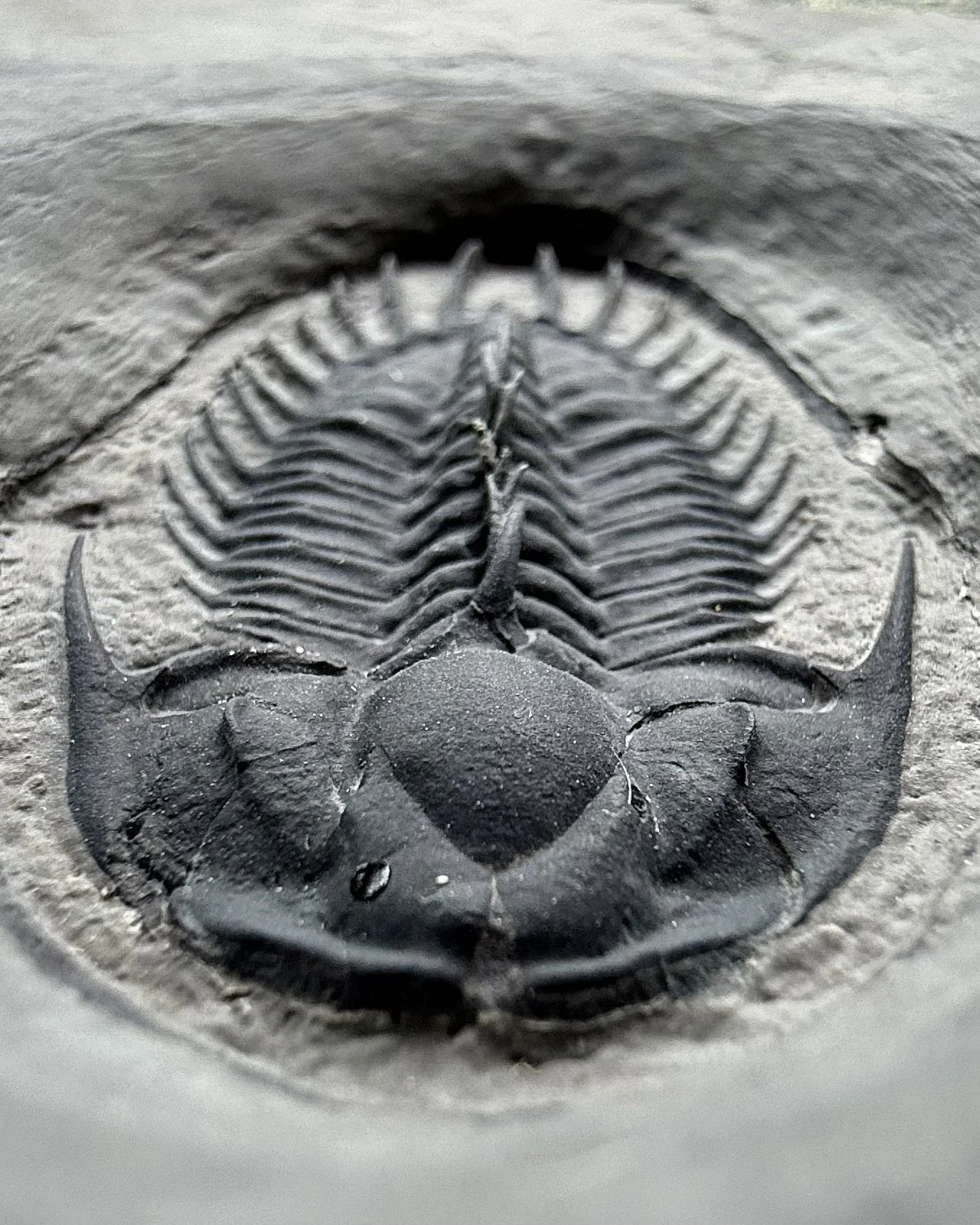
Rhombampyx yii trilobite from the Middle Ordovician, Meitan Formation, Zunyi, Guizhou, China.
The distinct oval/rhomboid dome where the anterior needle spine meets the head is the highly inflated glabella. It is slightly compressed but shows the distinctive bulbous shape unique to raphiophorids.
You can clearly see a thin, straight line pointing straight up from the top of the glabella. This is the base of the median snout spine.
The two elongated cheek spines can be seen on either side of the body. In life, these spines flared outward to stabilize the animal or deter predators, but post-mortem movement or burial compaction has curved it around the cephalon.
Full dimensions are listed below.