
 Image 1 of 6
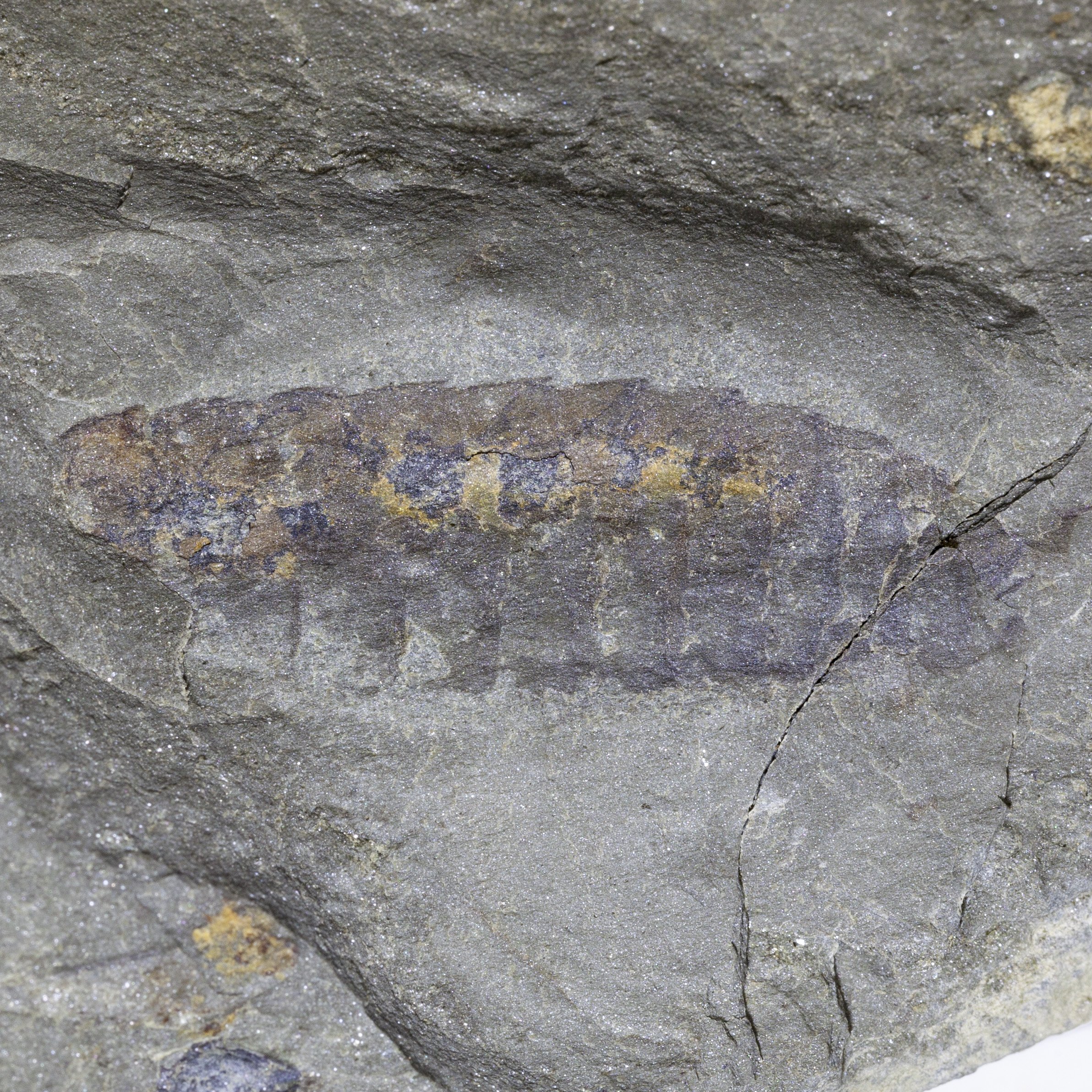 Image 2 of 6
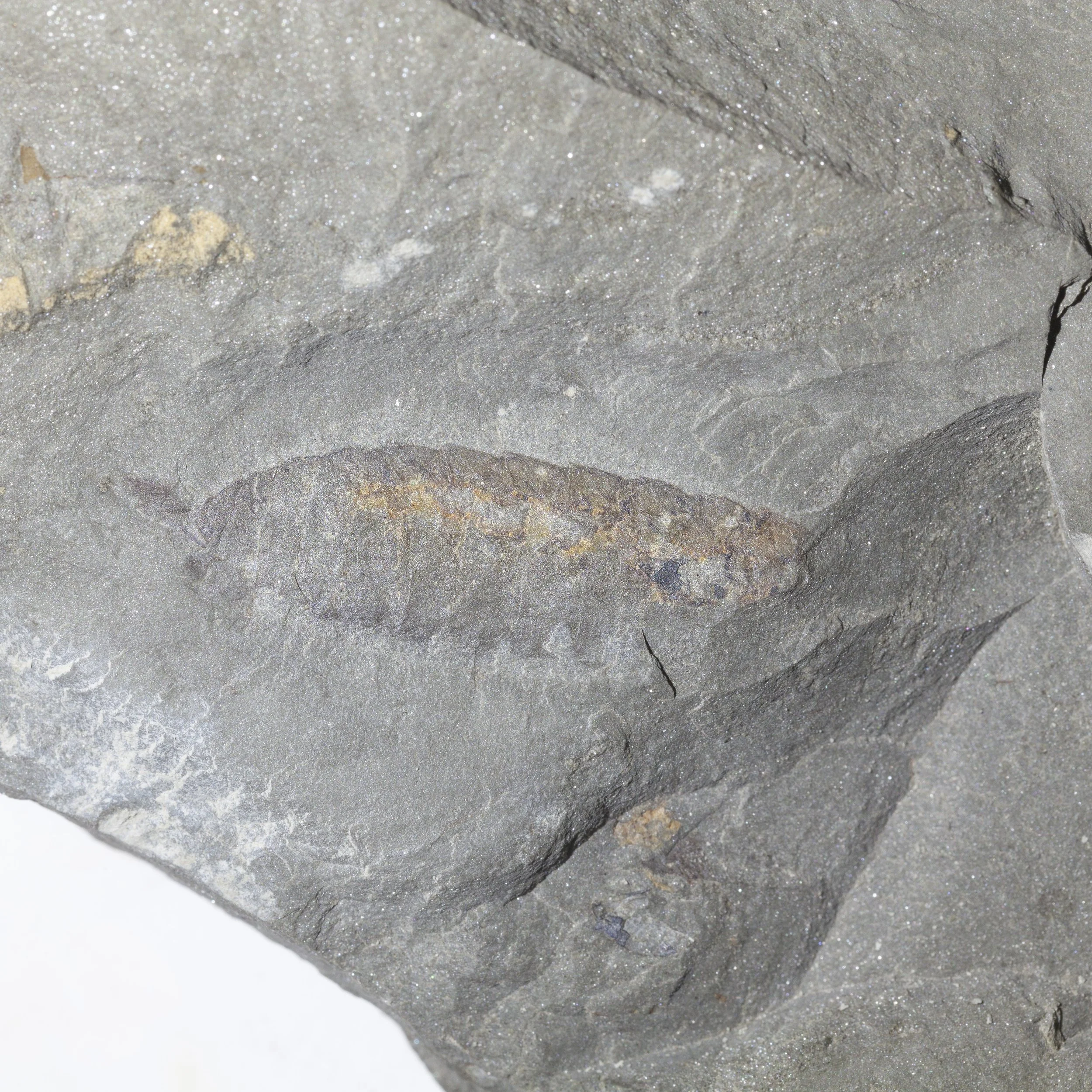 Image 3 of 6
 Image 4 of 6
 Image 5 of 6
 Image 6 of 6

Additional Information
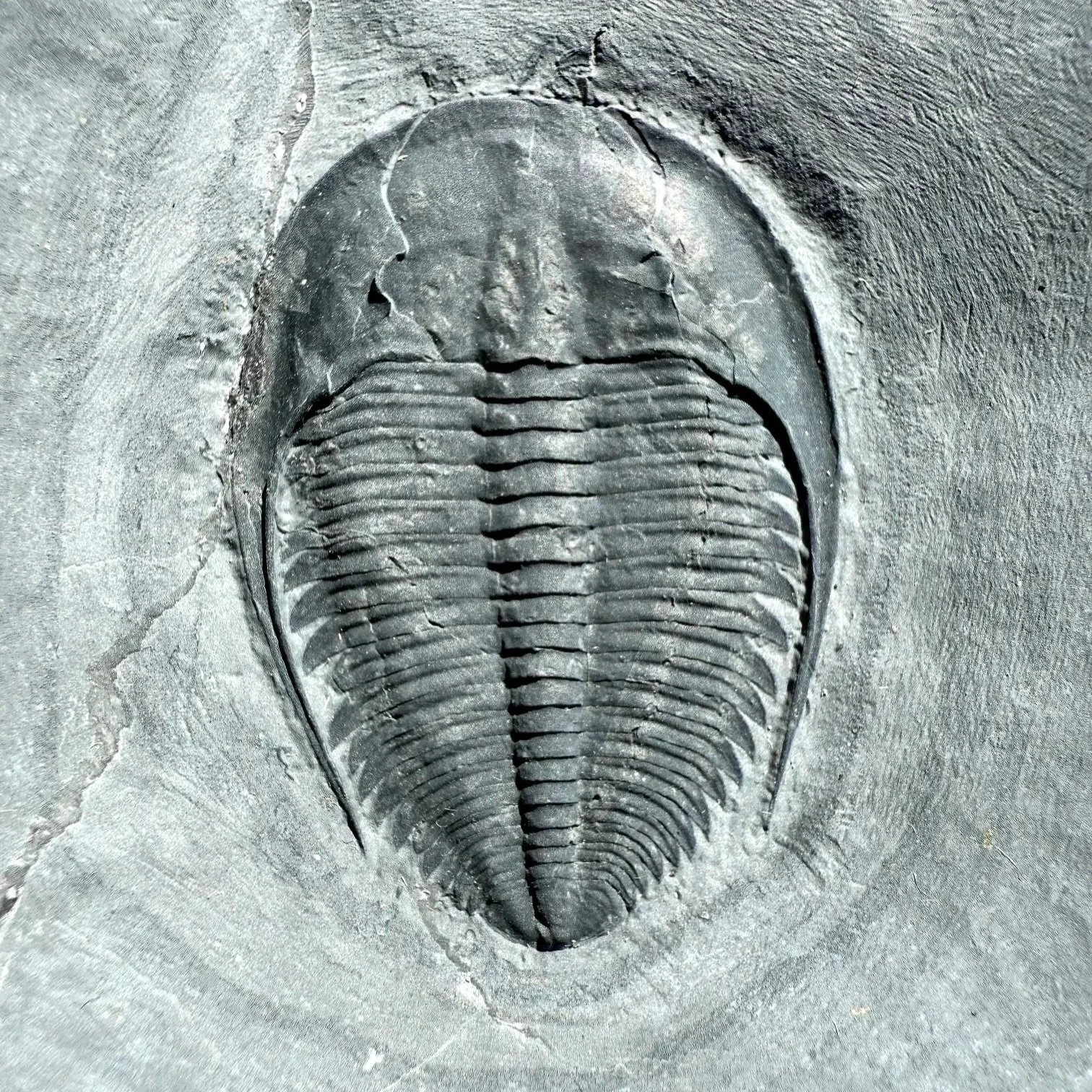
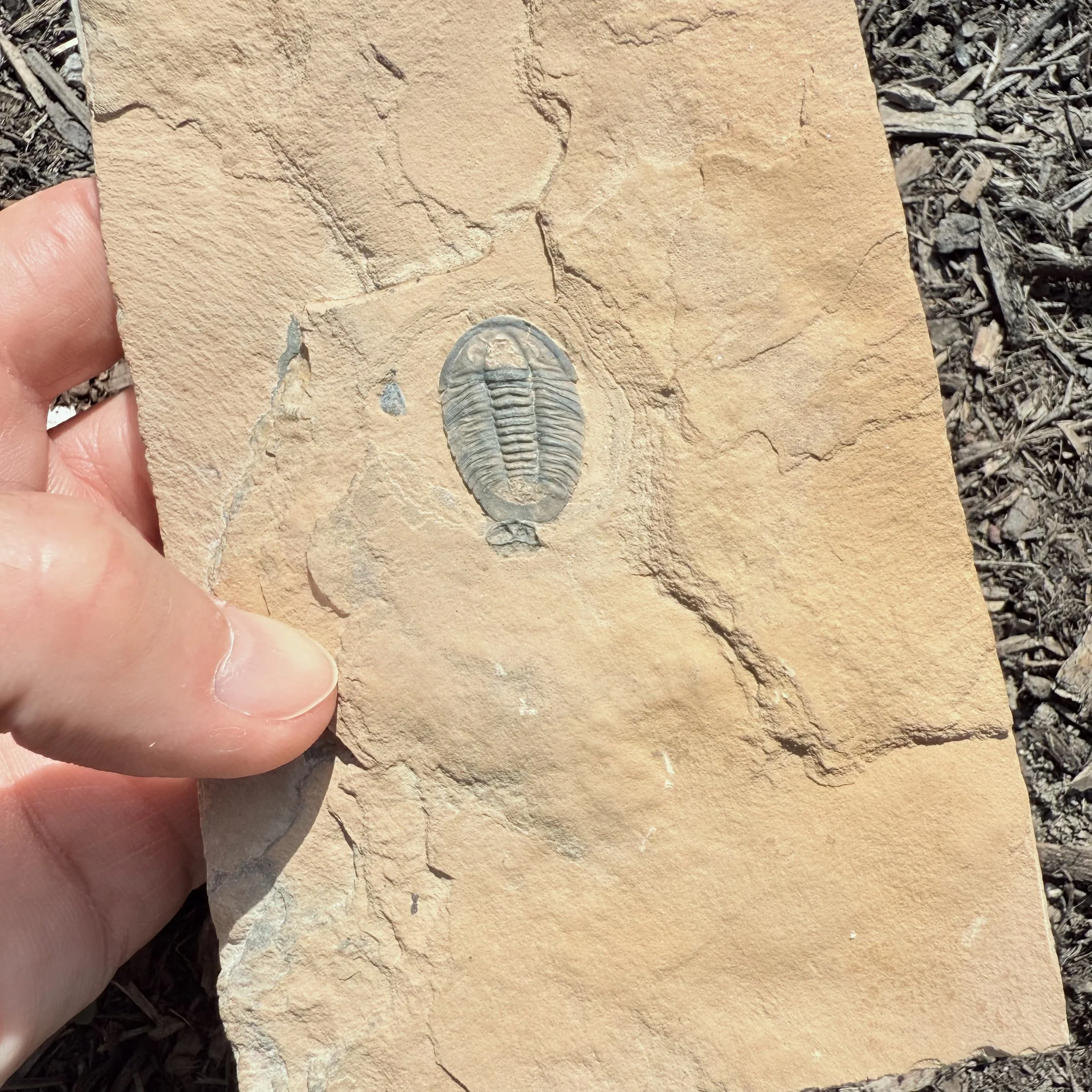
Description:
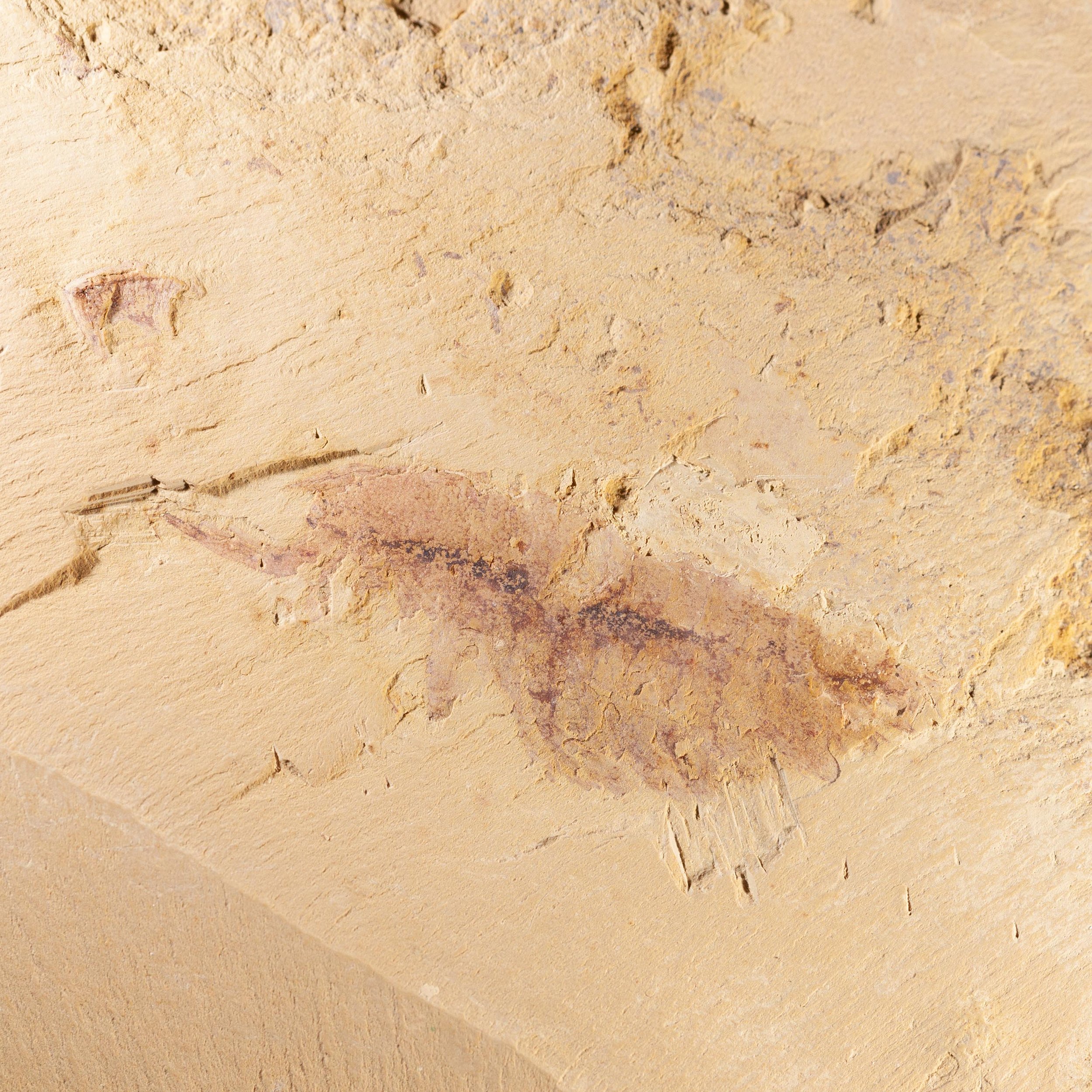
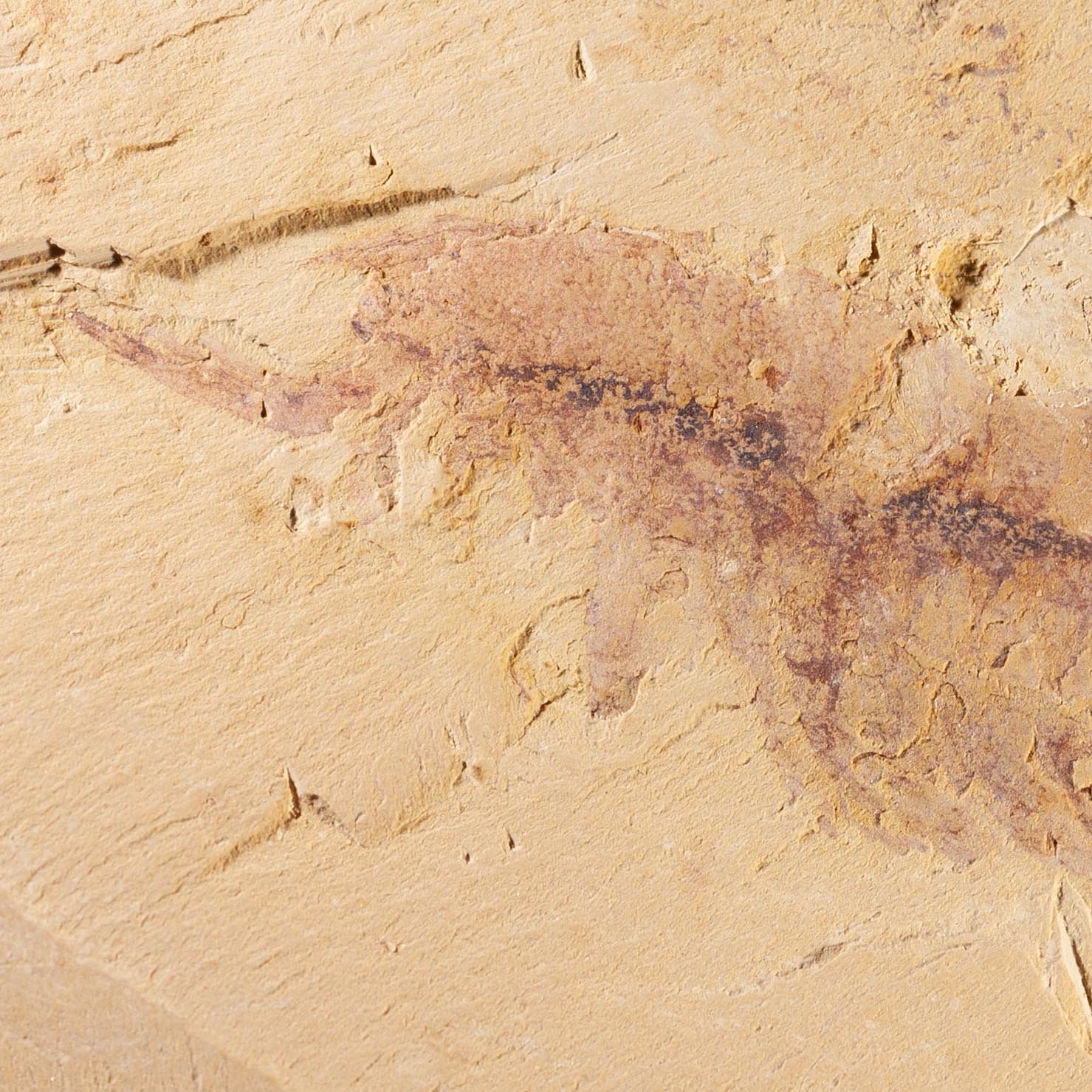
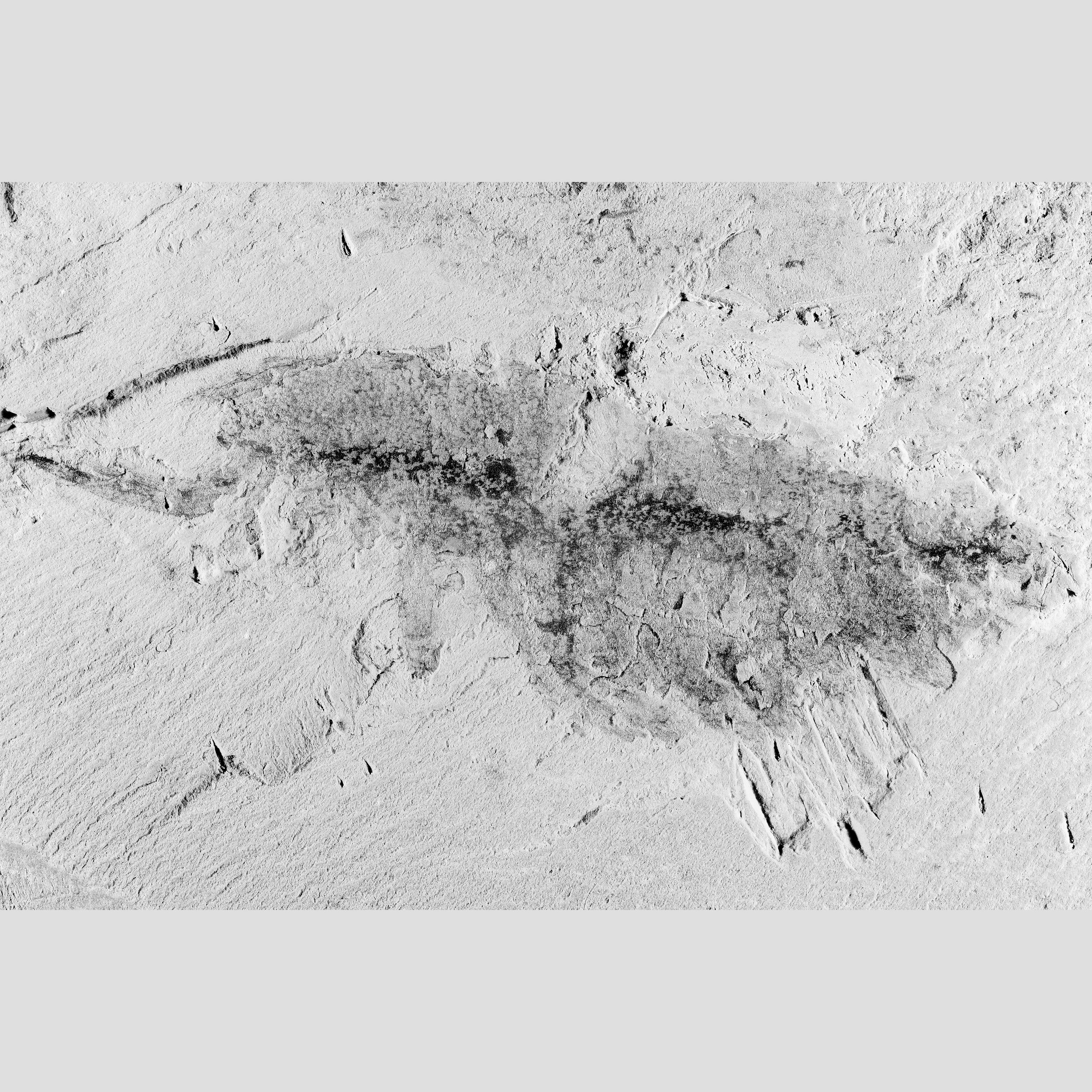
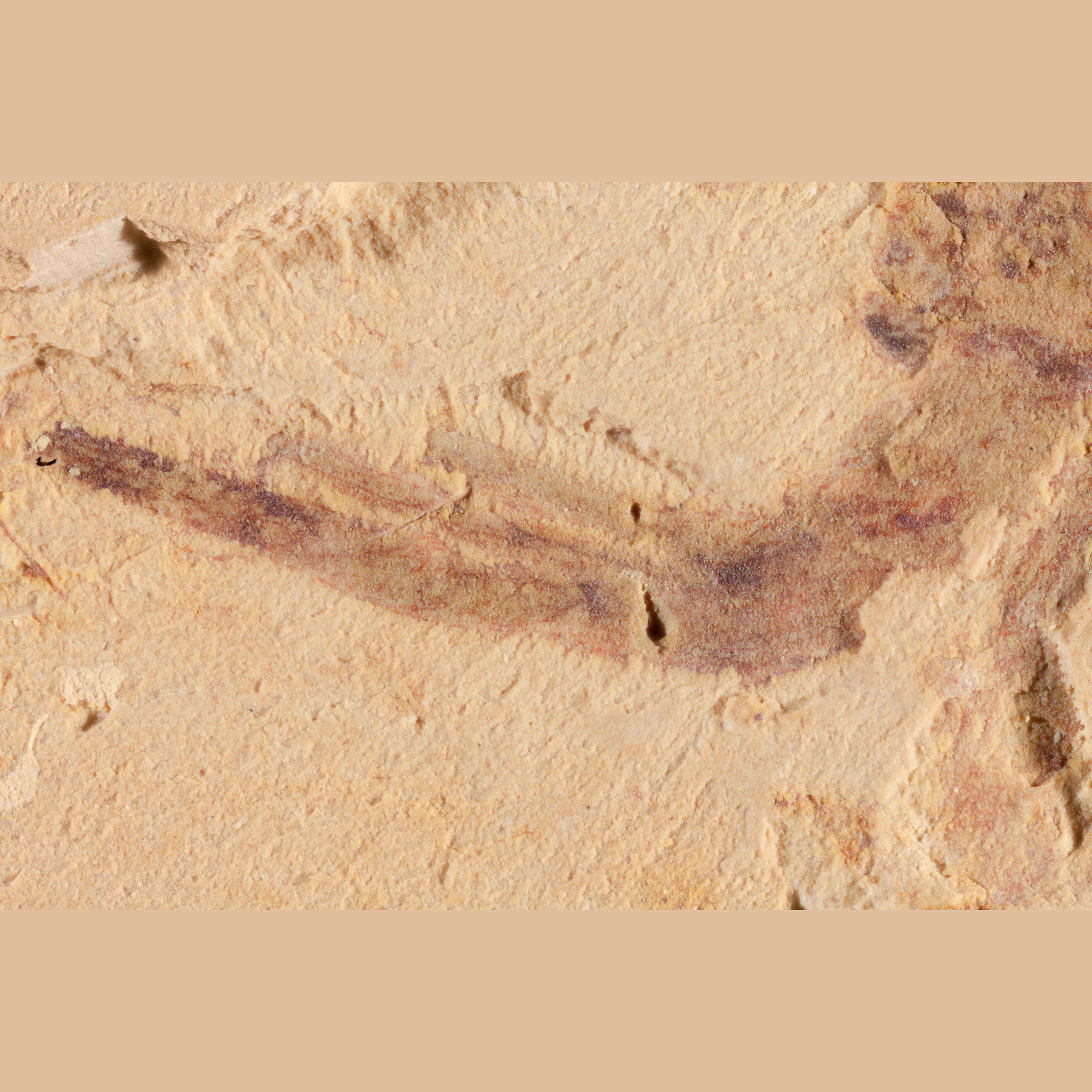
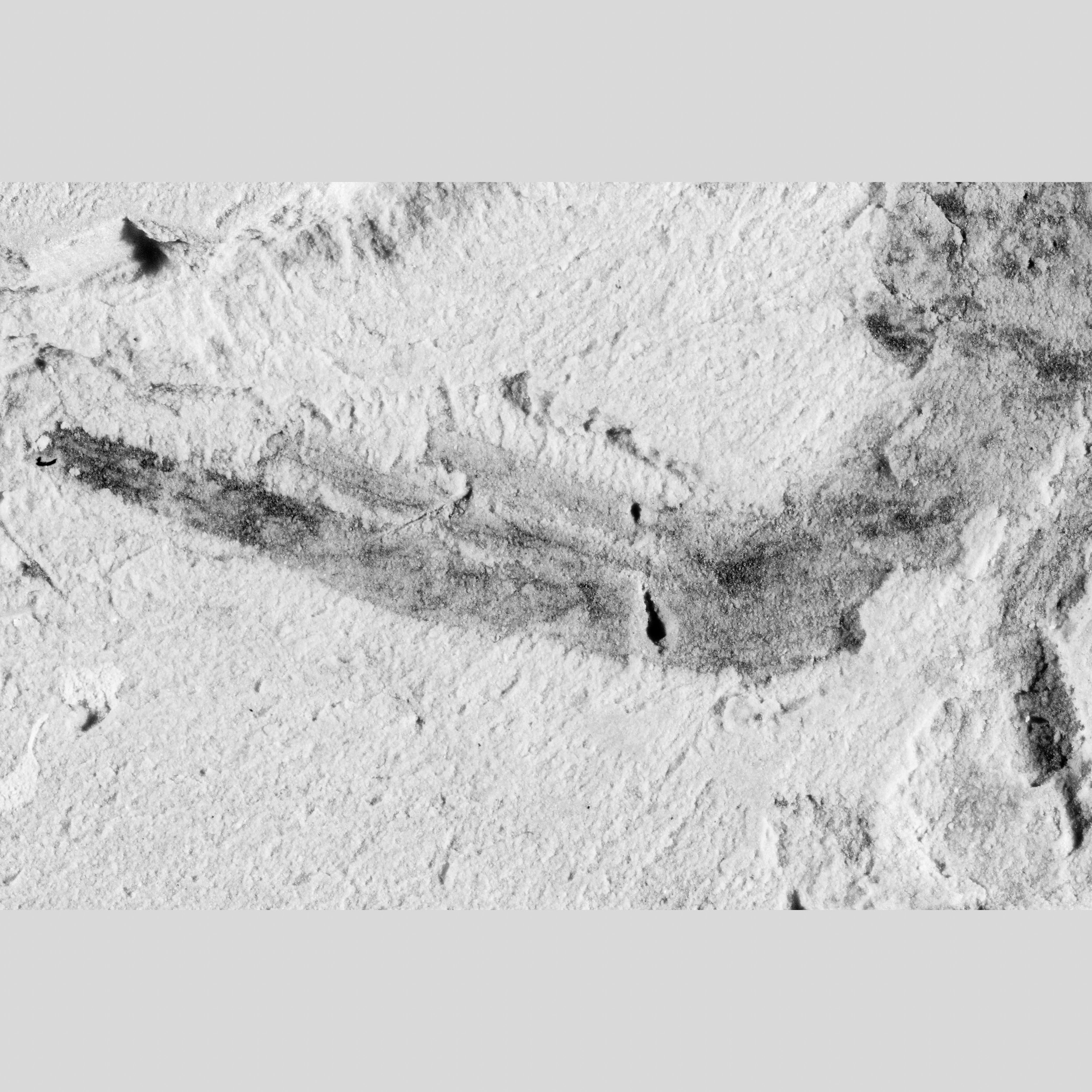
While no specific species designated as "Leanchoilia sp." has been formally described from the Middle Cambrian Tsingsutung Formation of China, the genus Leanchoilia is well-known from other Cambrian Burgess Shale-type deposits, including the slightly older Chengjiang Biota in China. If Leanchoilia-like arthropods were to be found in the Tsingsutung Formation, they would likely exhibit the characteristic features of this megacheiran genus: a distinct head with a pair of prominent "great appendages" often bearing long, whip-like filaments, a segmented body with biramous appendages, and a generally non-mineralized exoskeleton. Such a discovery in the Tsingsutung Formation would further enrich our understanding of the distribution and diversity of these early arthropods during the Cambrian explosion and provide additional insights into the paleoecology of this specific Konservat-Lagerstätte. The Tsingsutung Formation is known for its exceptional preservation of soft-bodied organisms, making it a promising location for potentially uncovering more information about the early evolution of arthropods like Leanchoilia.
Vendor: fossil soup - ZZ
SKU Number: SQ5388284
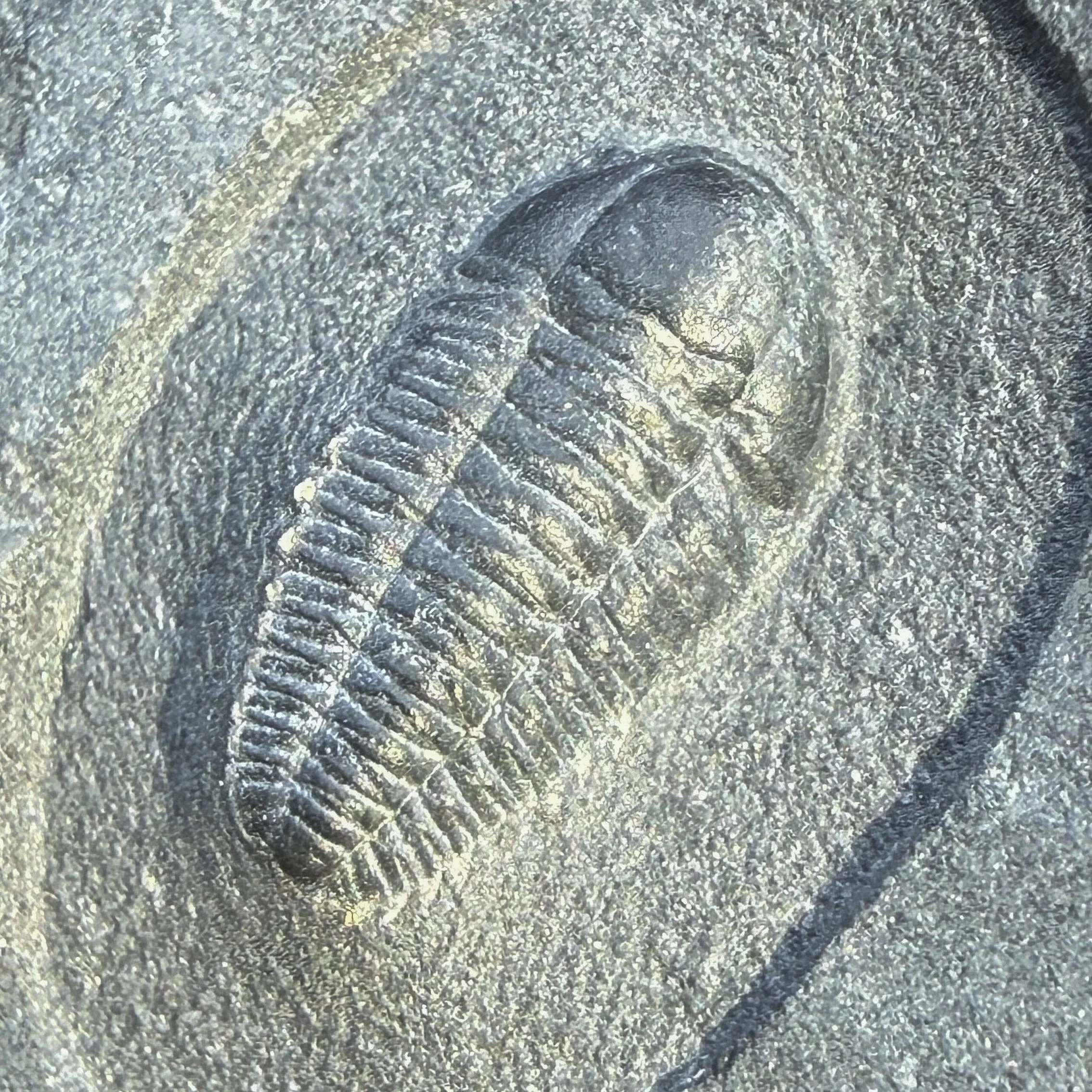
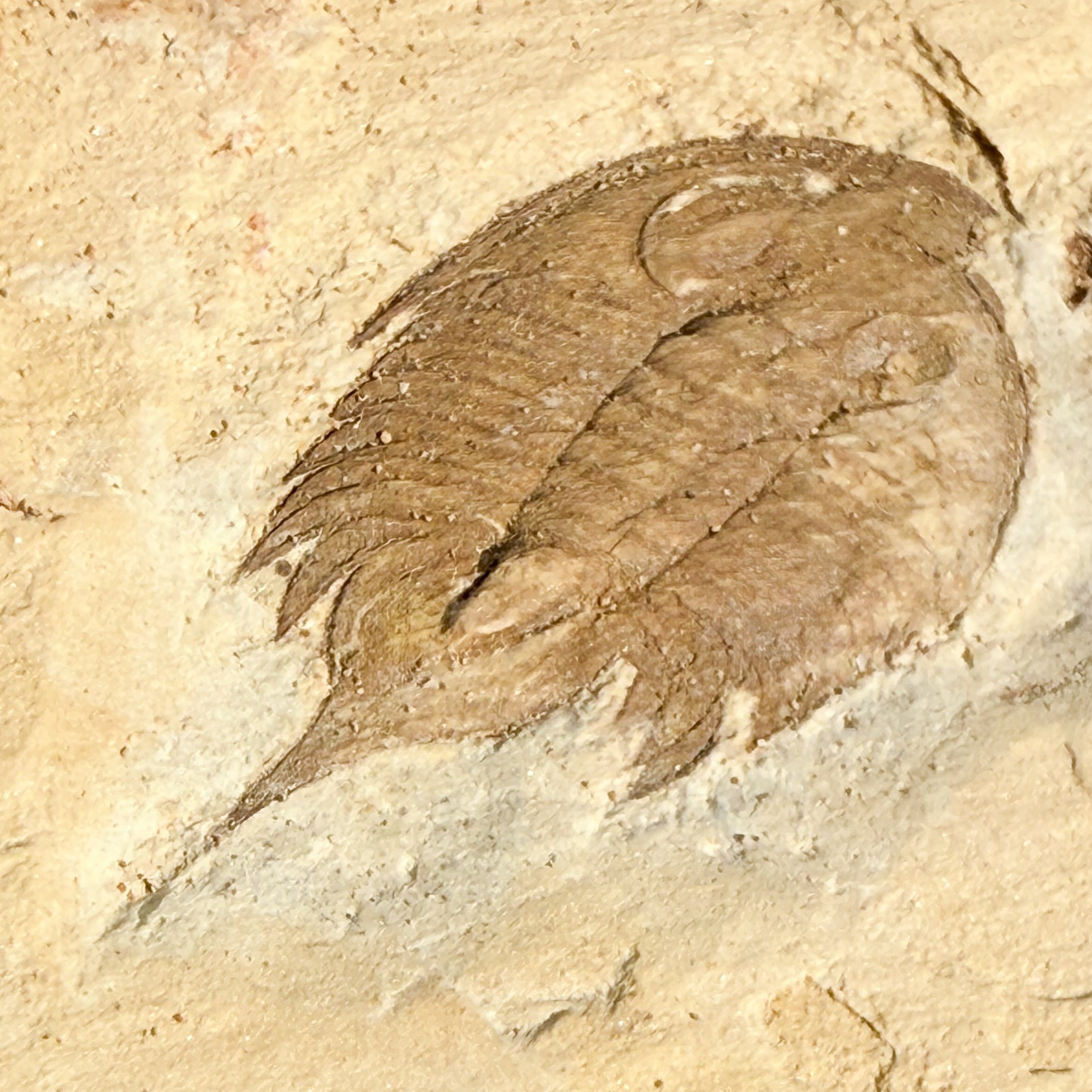
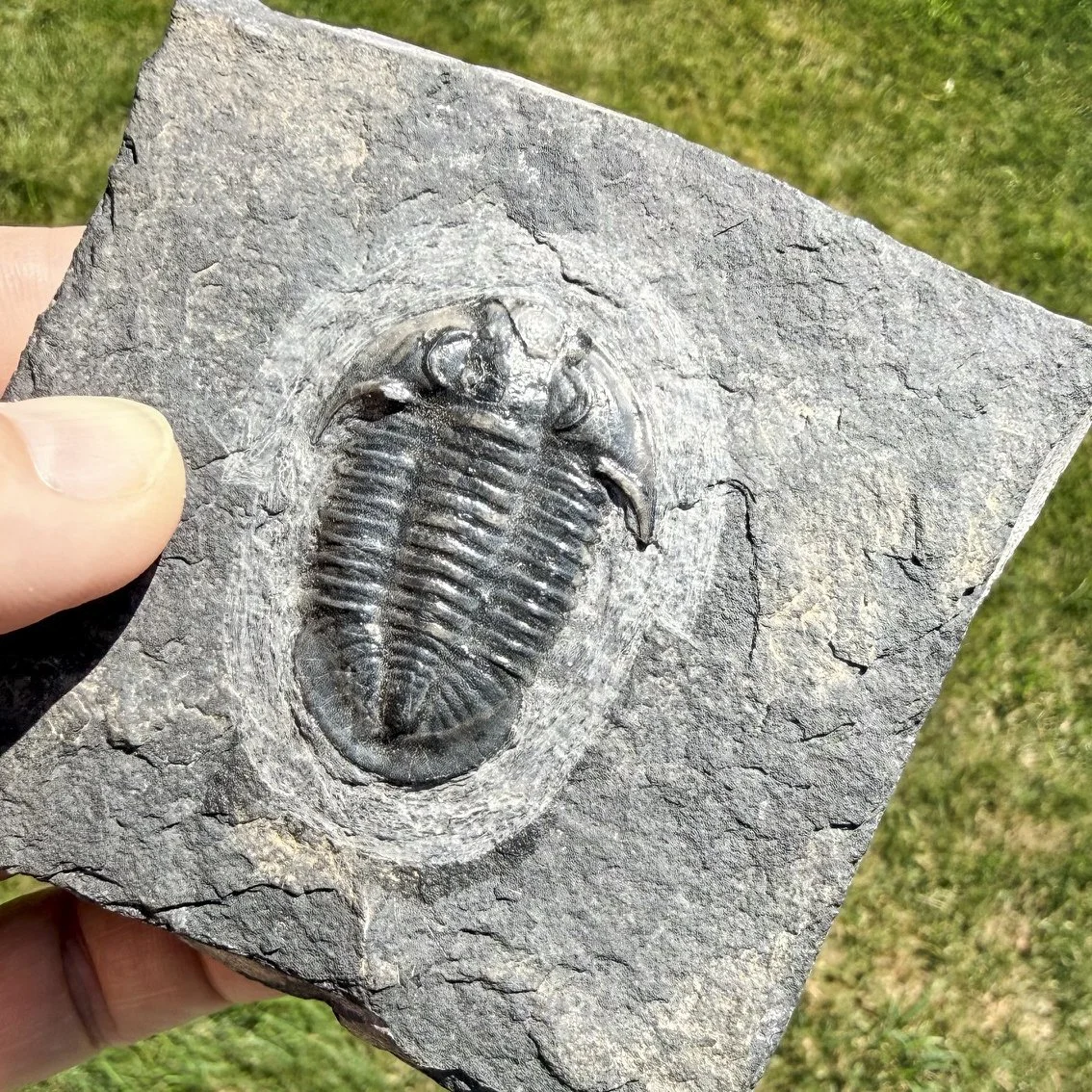
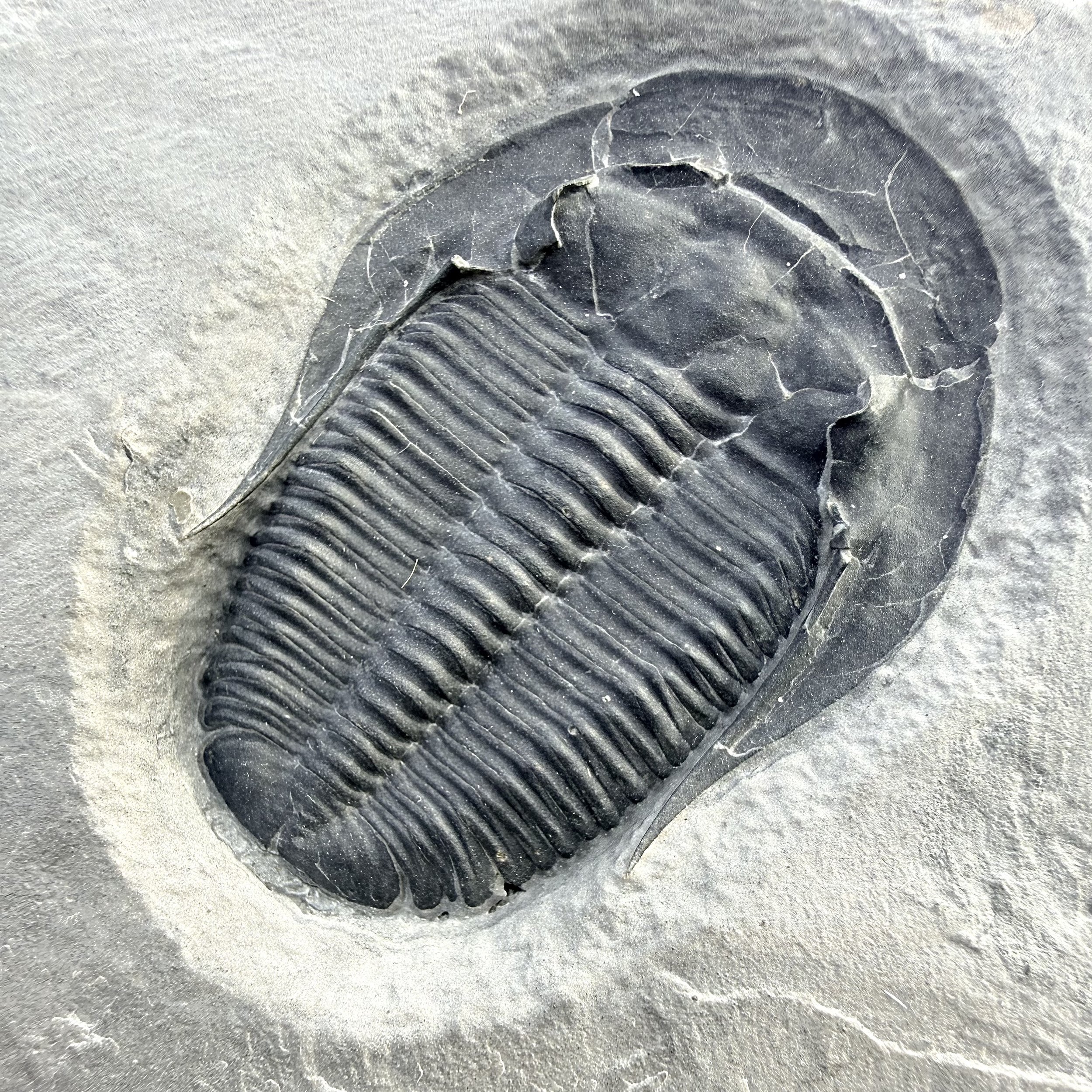
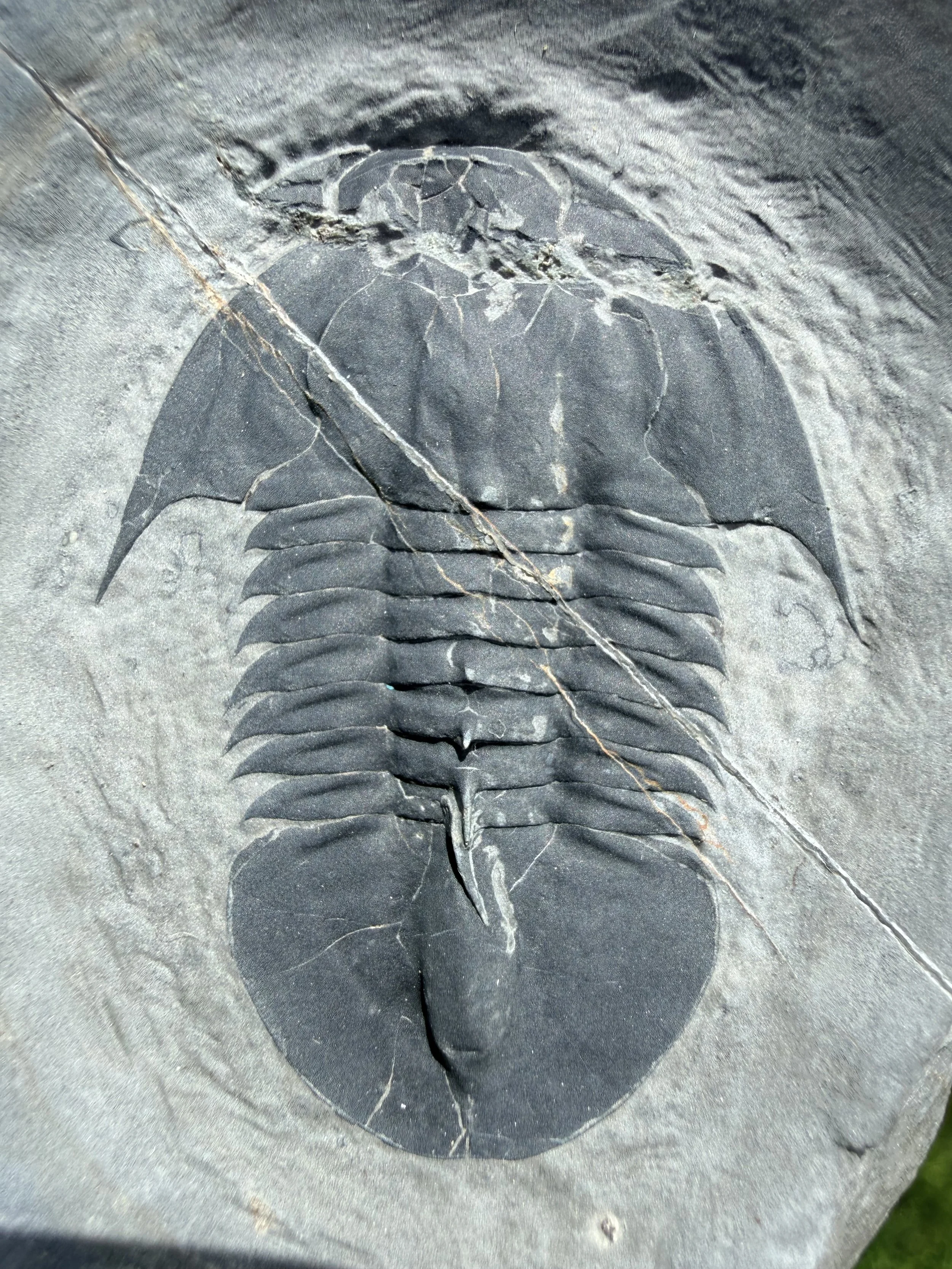
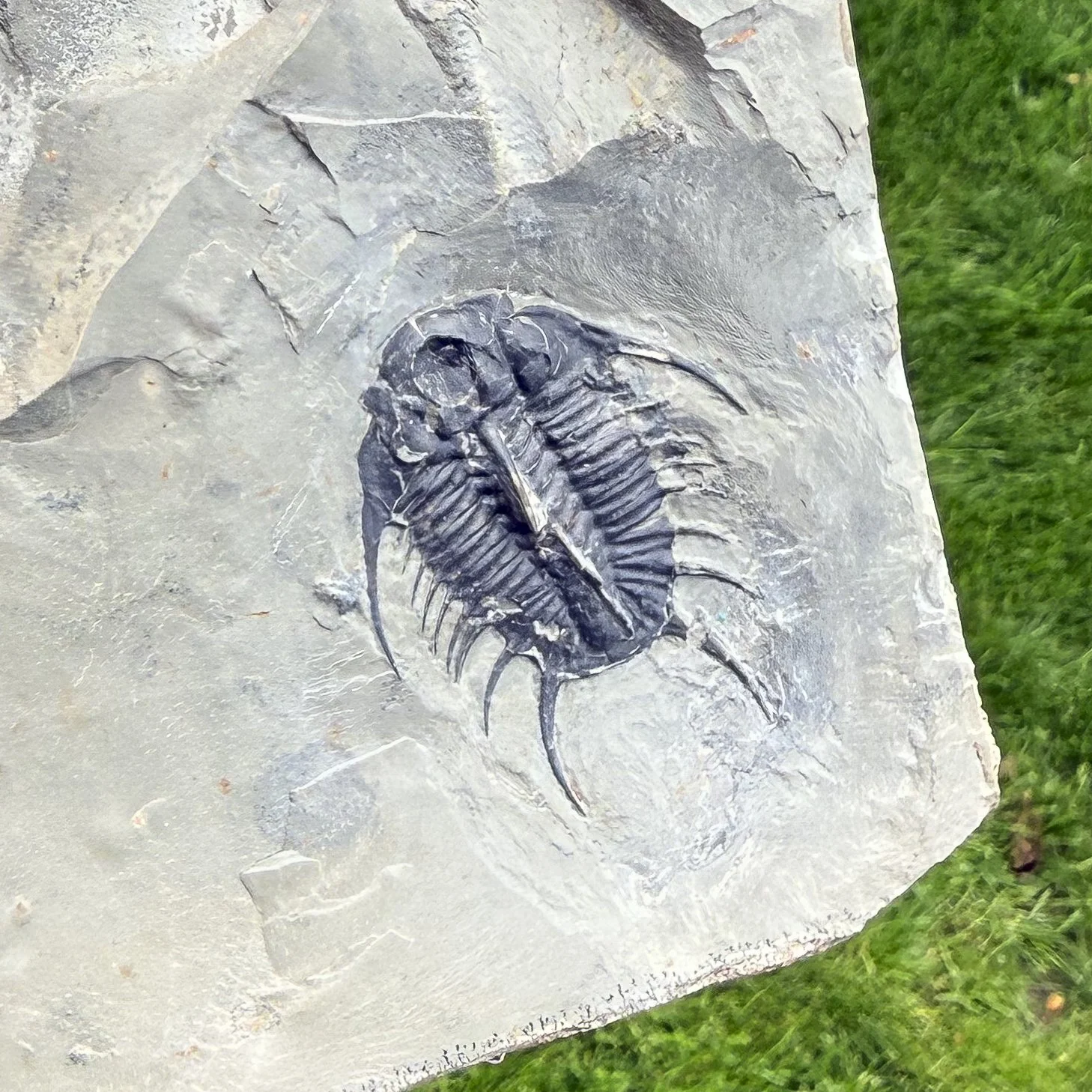
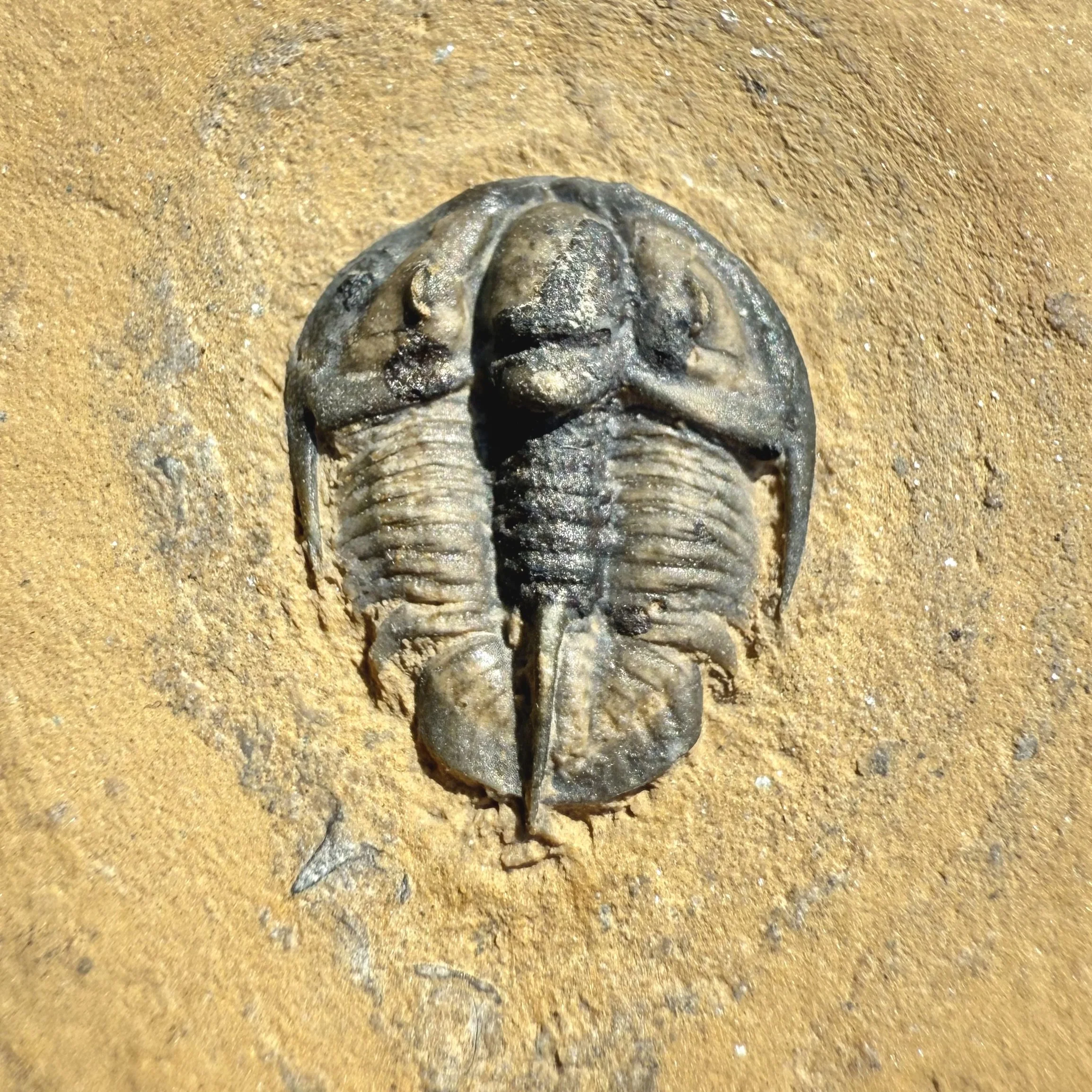
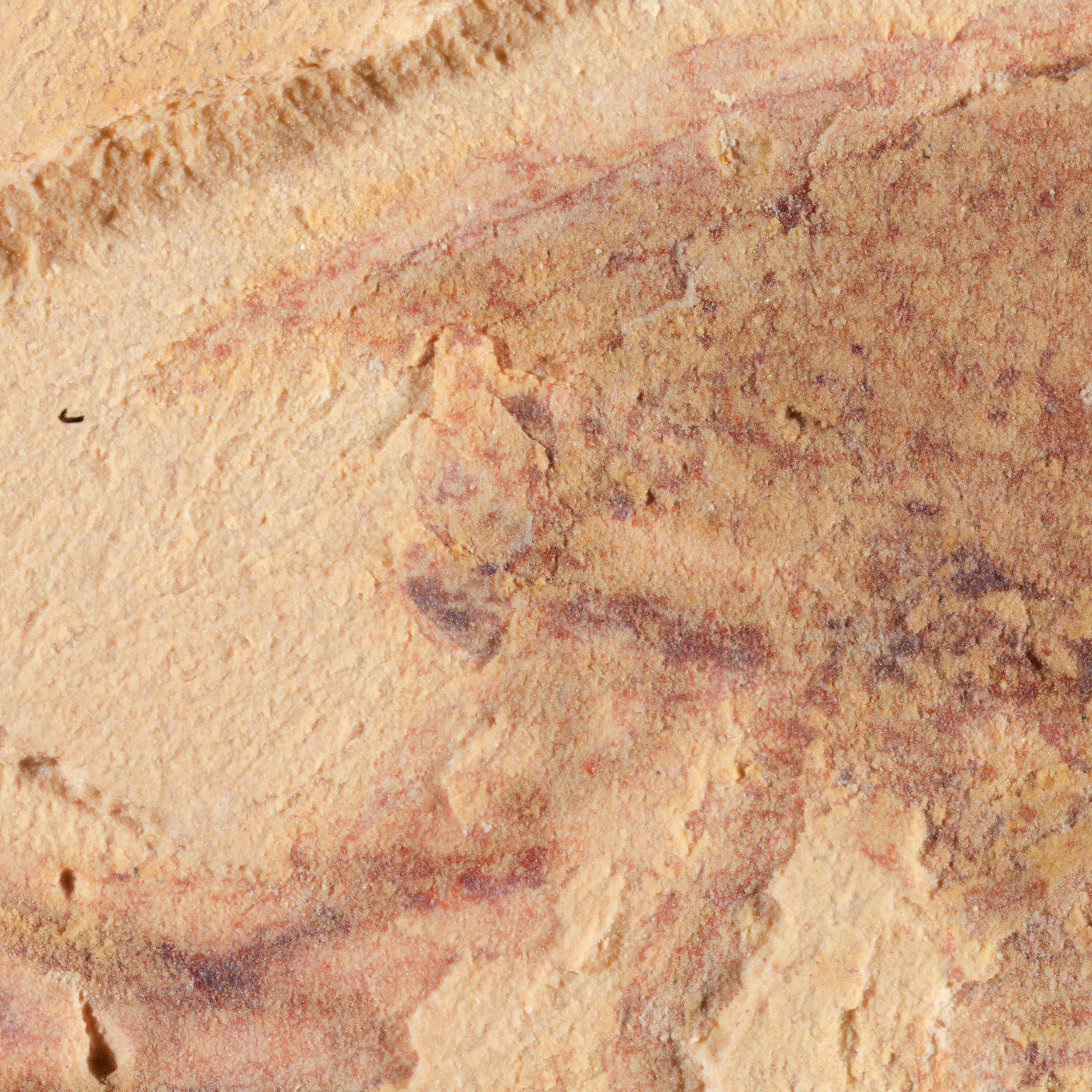
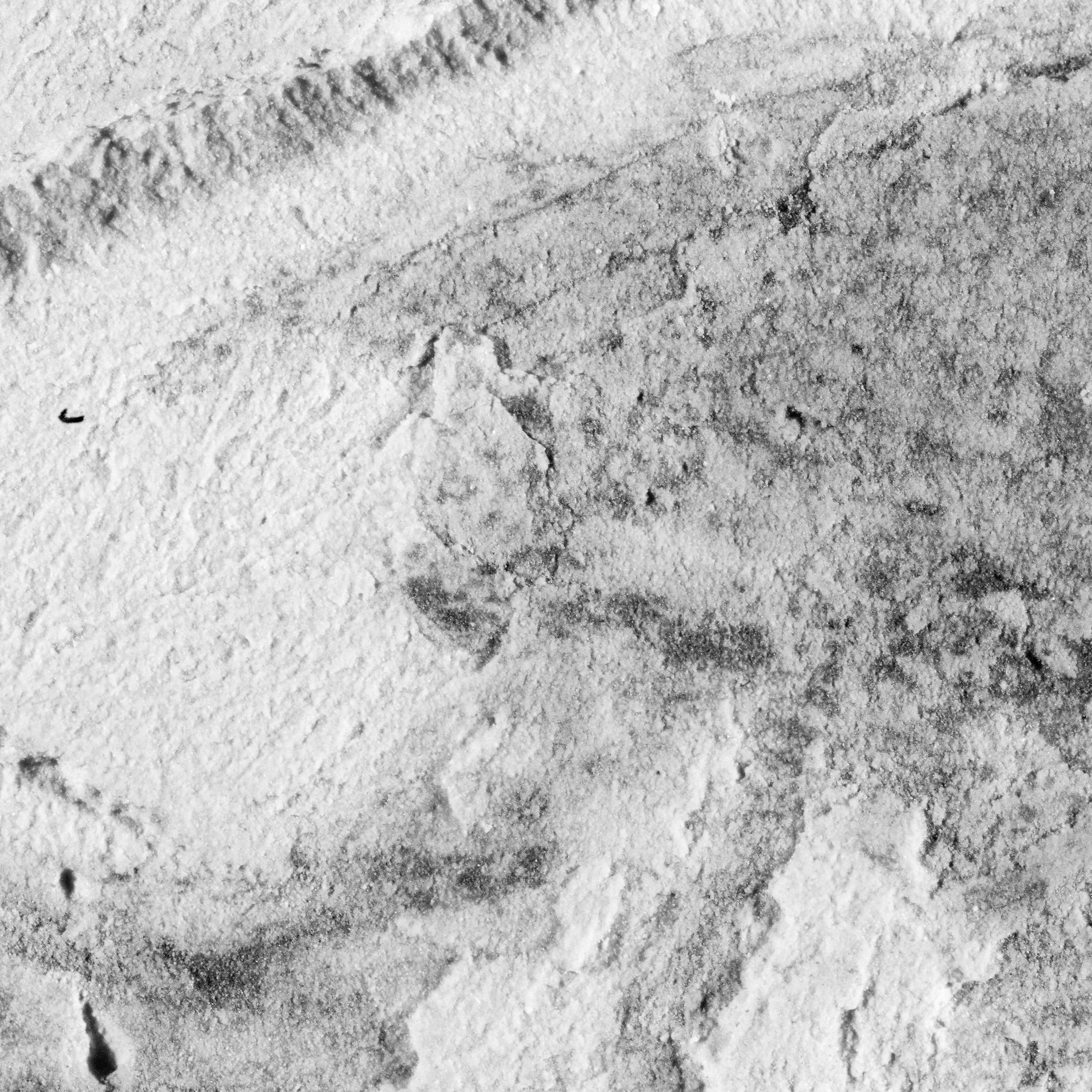
Rhombampyx yii trilobite from the Middle Ordovician, Meitan Formation, Zunyi, Guizhou, China.
The distinct oval/rhomboid dome where the anterior needle spine meets the head is the highly inflated glabella. It is slightly compressed but shows the distinctive bulbous shape unique to raphiophorids.
You can clearly see a thin, straight line pointing straight up from the top of the glabella. This is the base of the median snout spine.
The two elongated cheek spines can be seen on either side of the body. In life, these spines flared outward to stabilize the animal or deter predators, but post-mortem movement or burial compaction has curved it around the cephalon.
Full dimensions are listed below.