
 Image 1 of 5
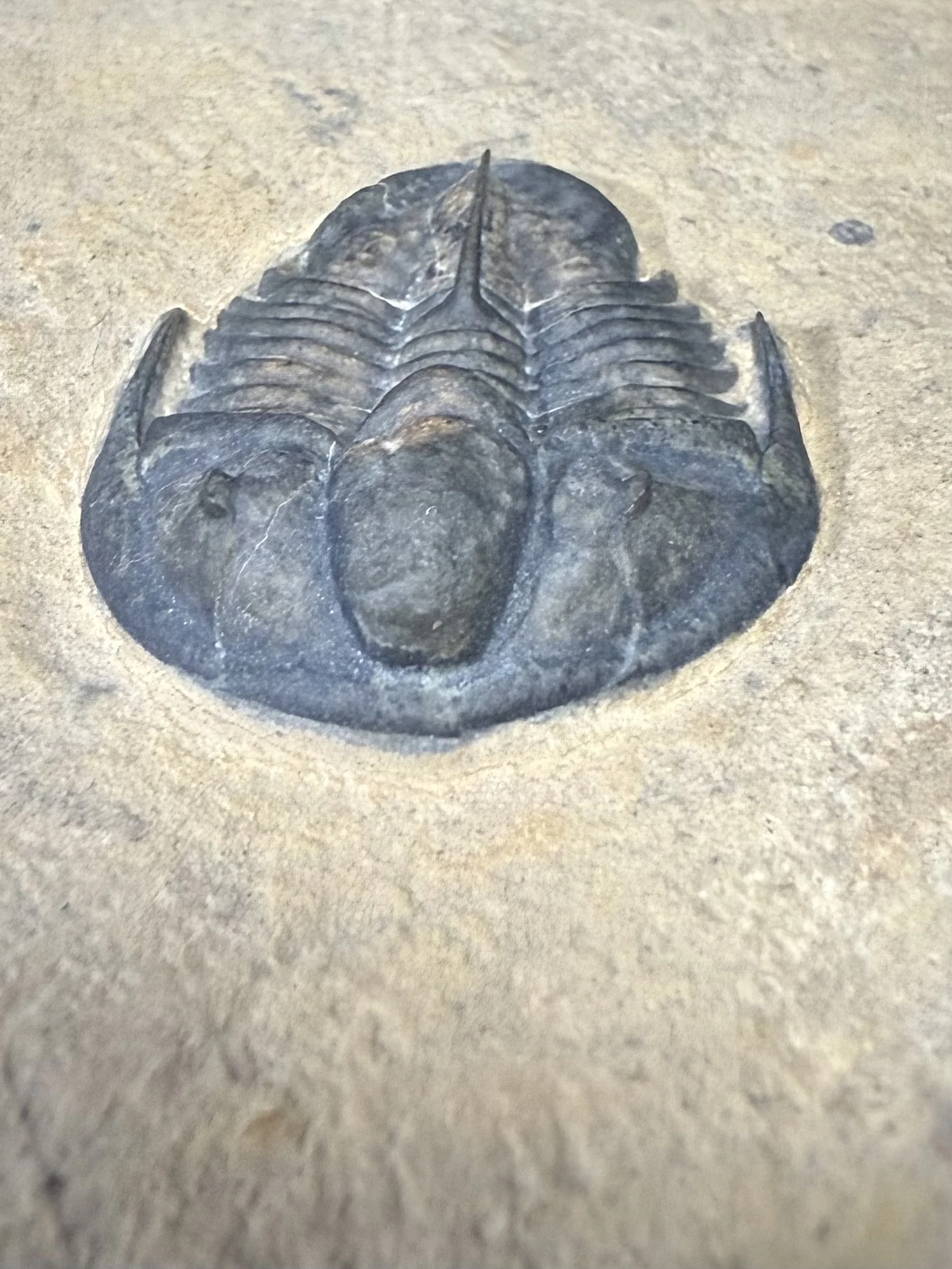 Image 2 of 5
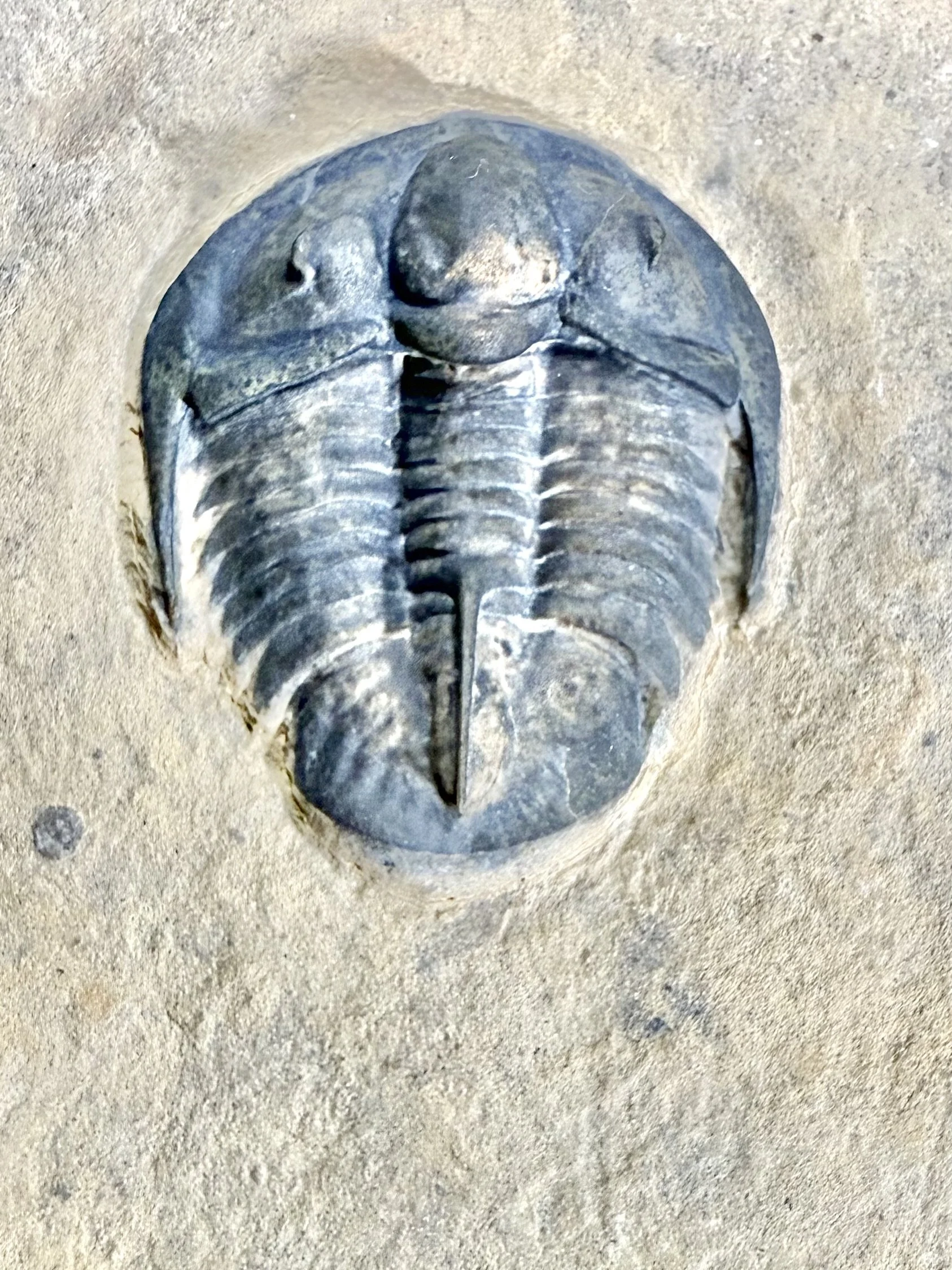 Image 3 of 5
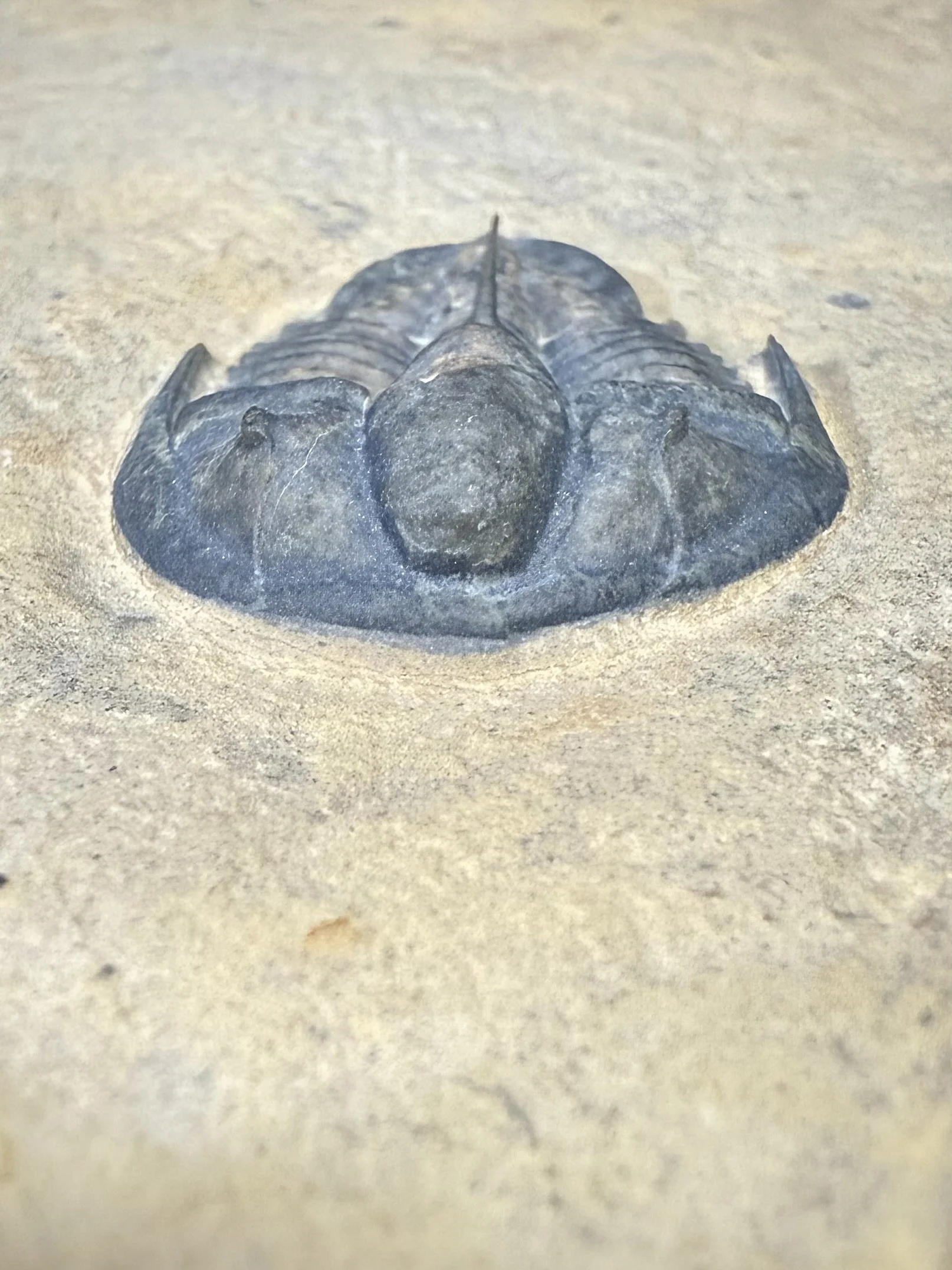 Image 4 of 5
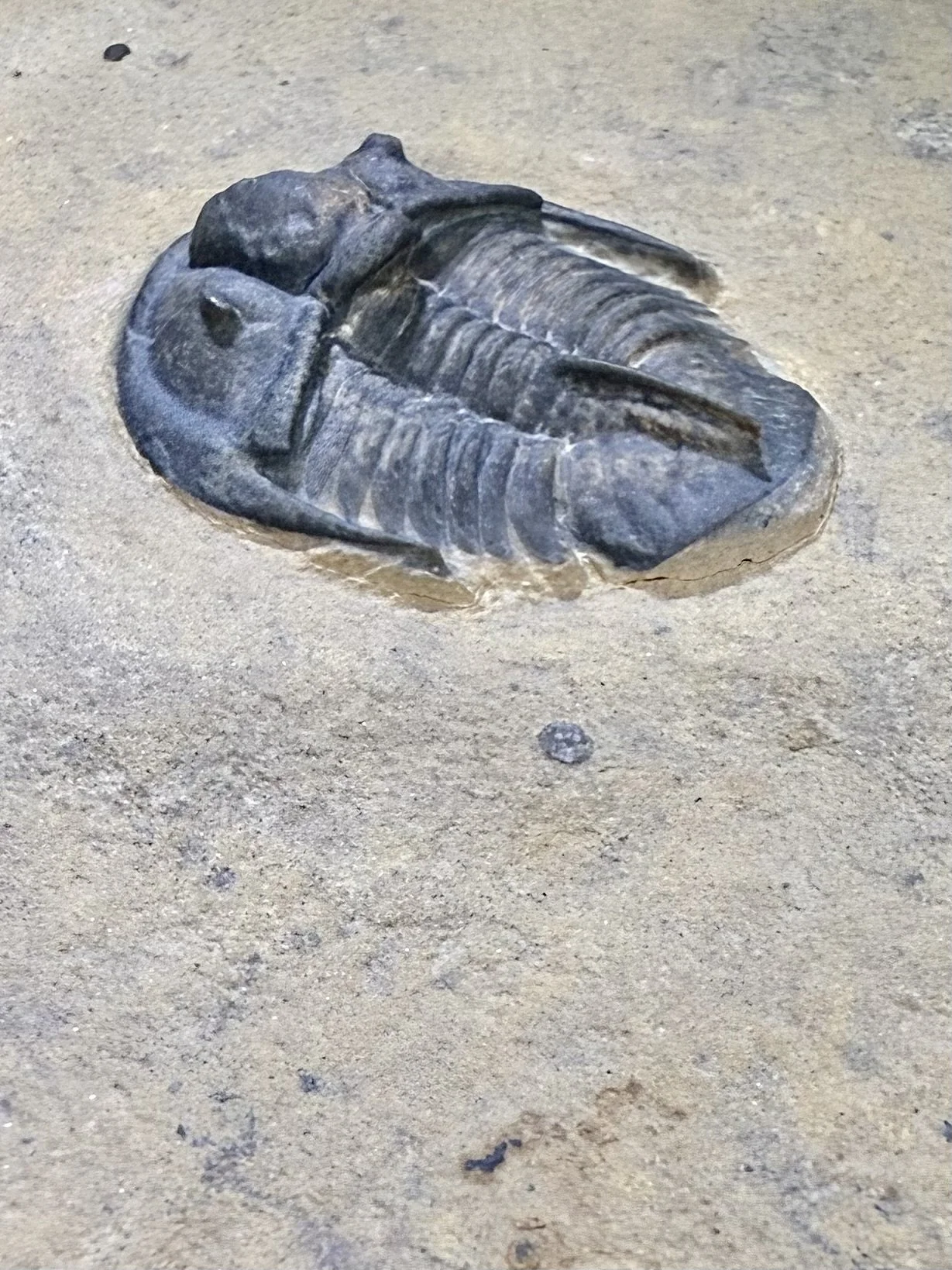 Image 5 of 5

Additional Information
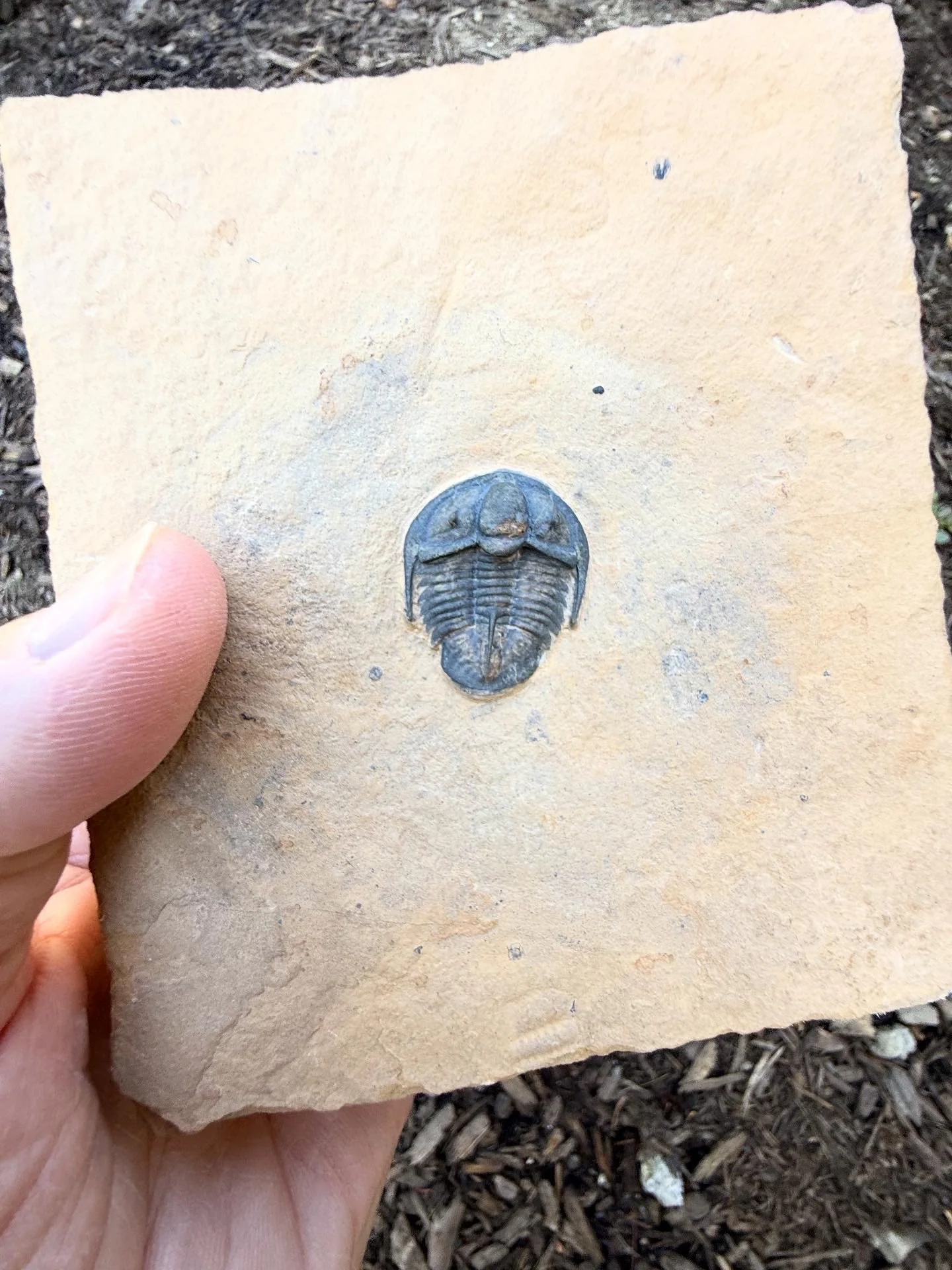
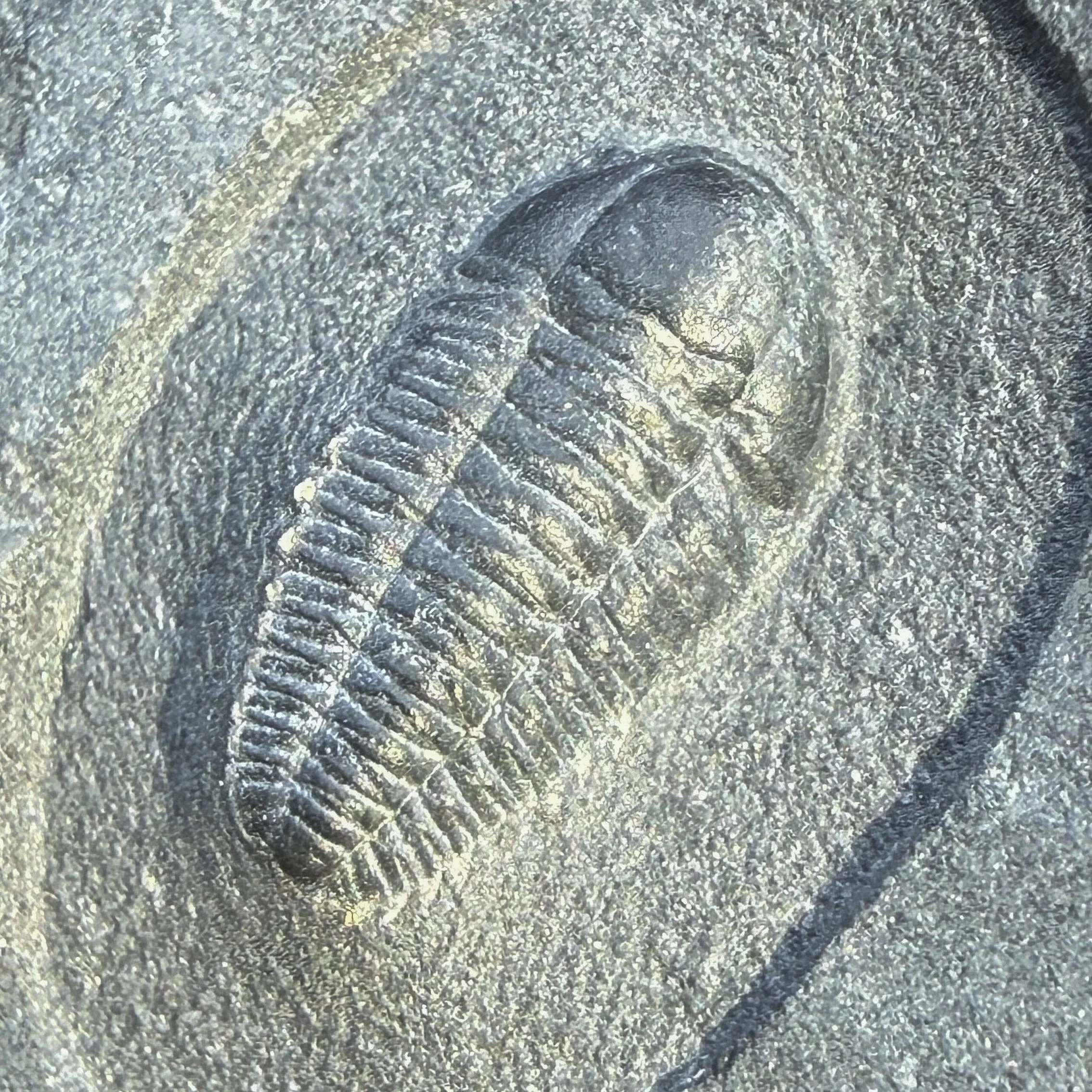
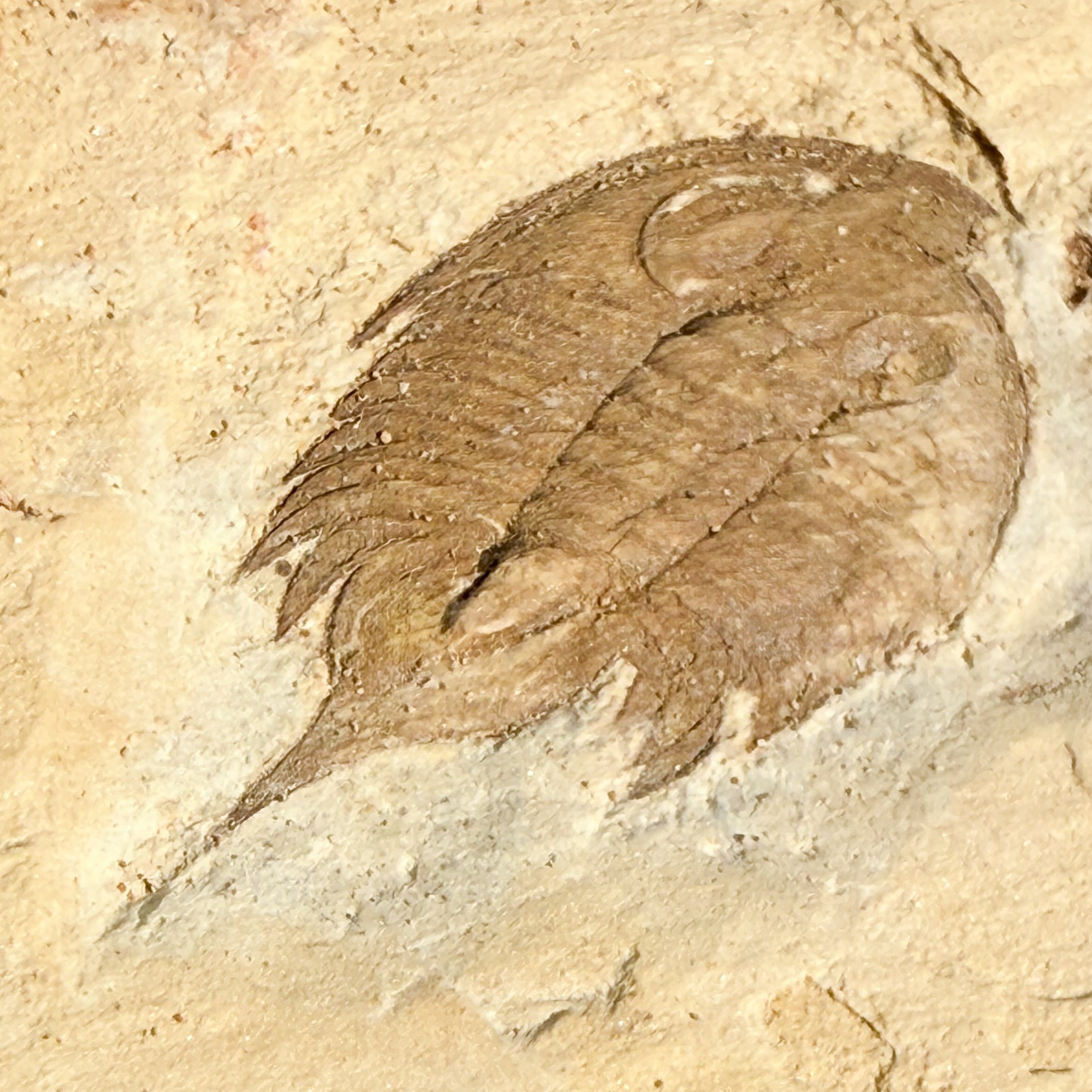
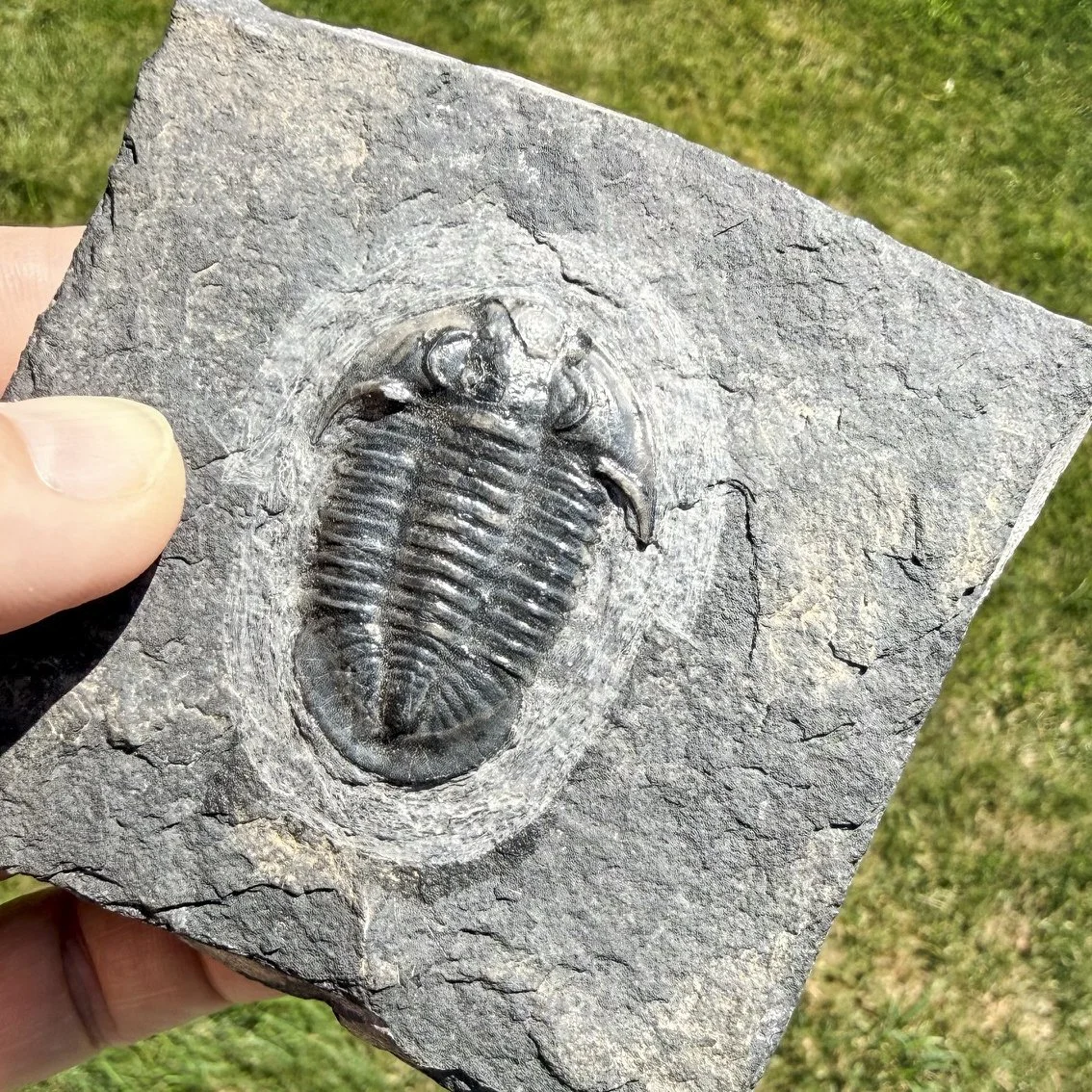
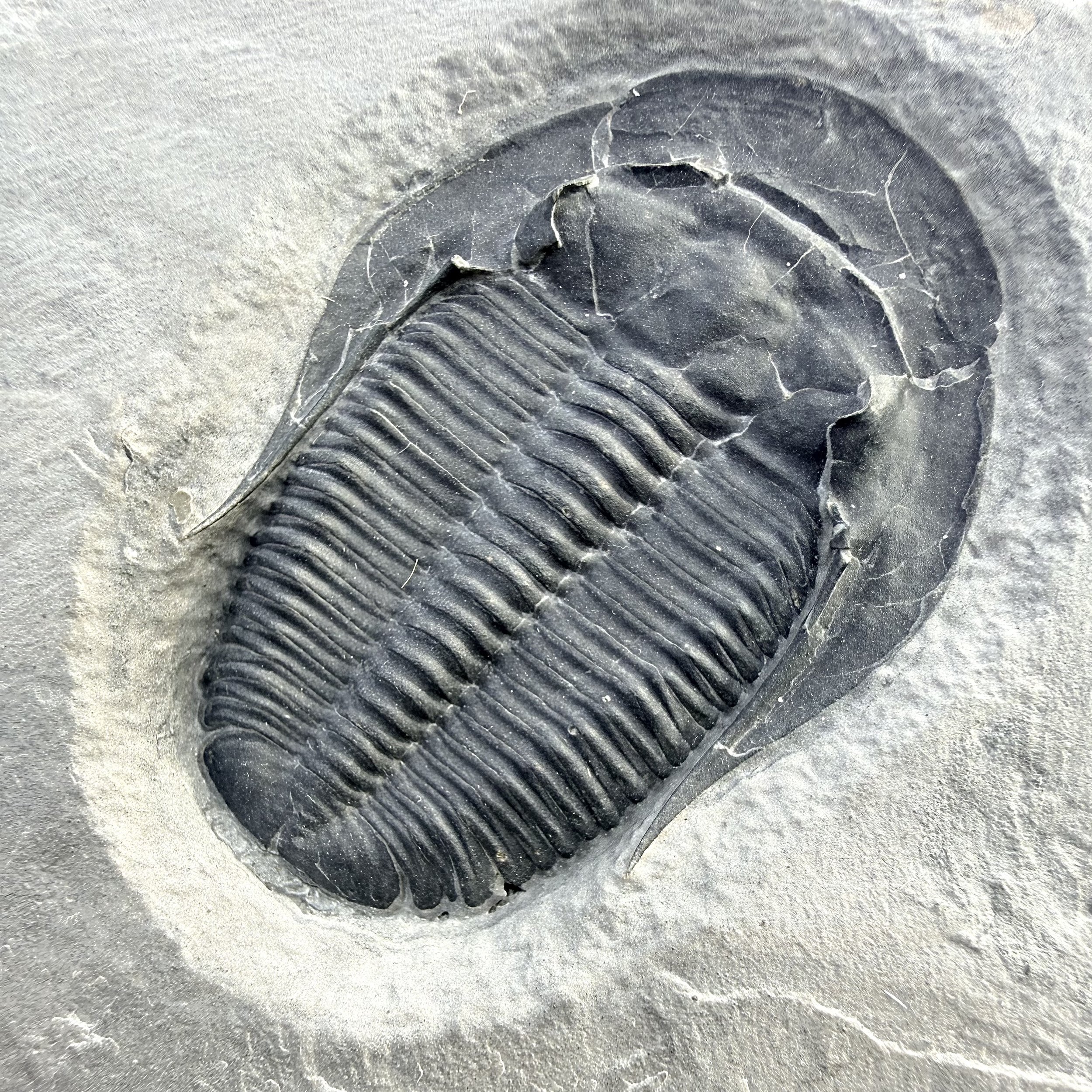
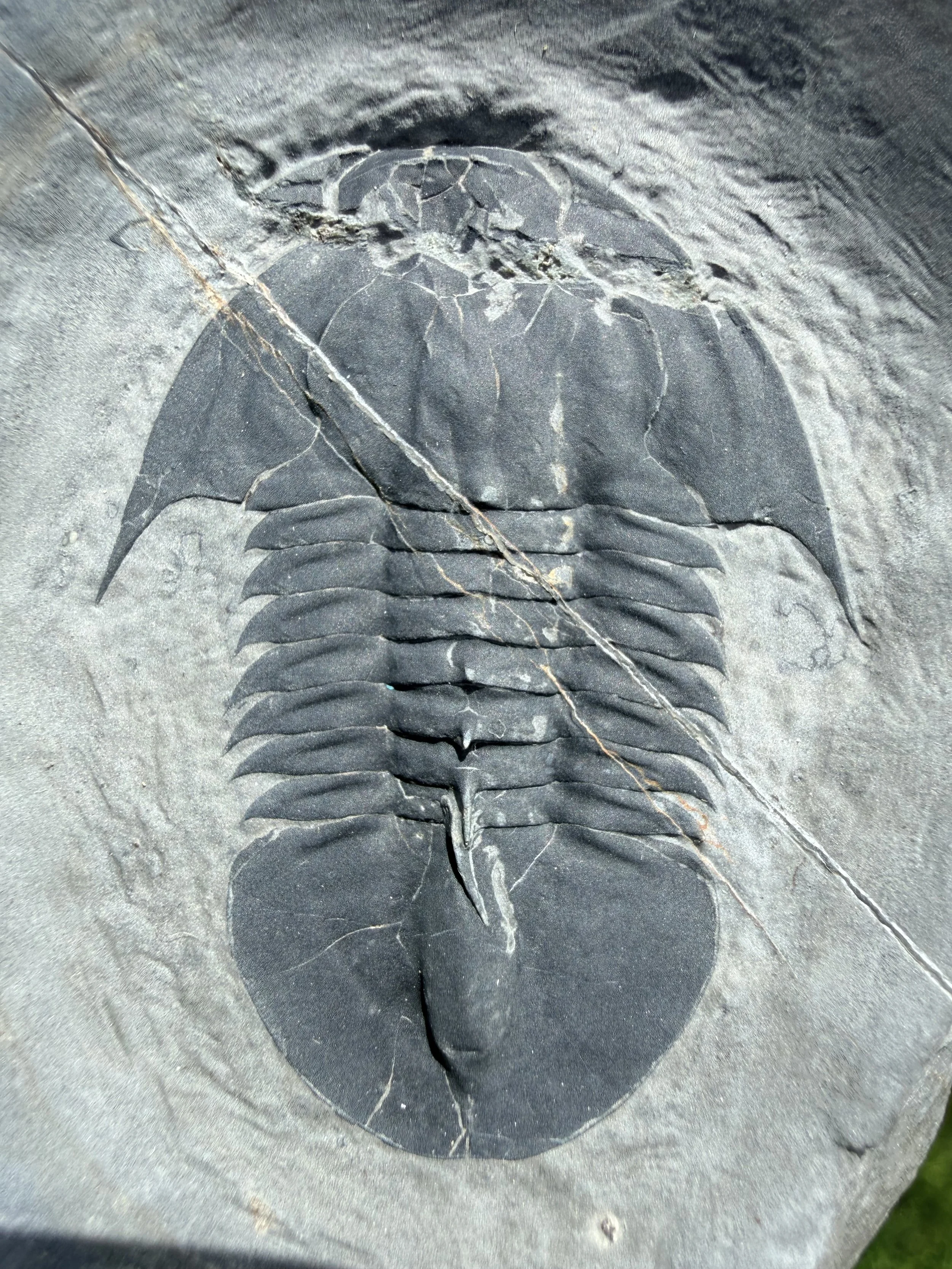
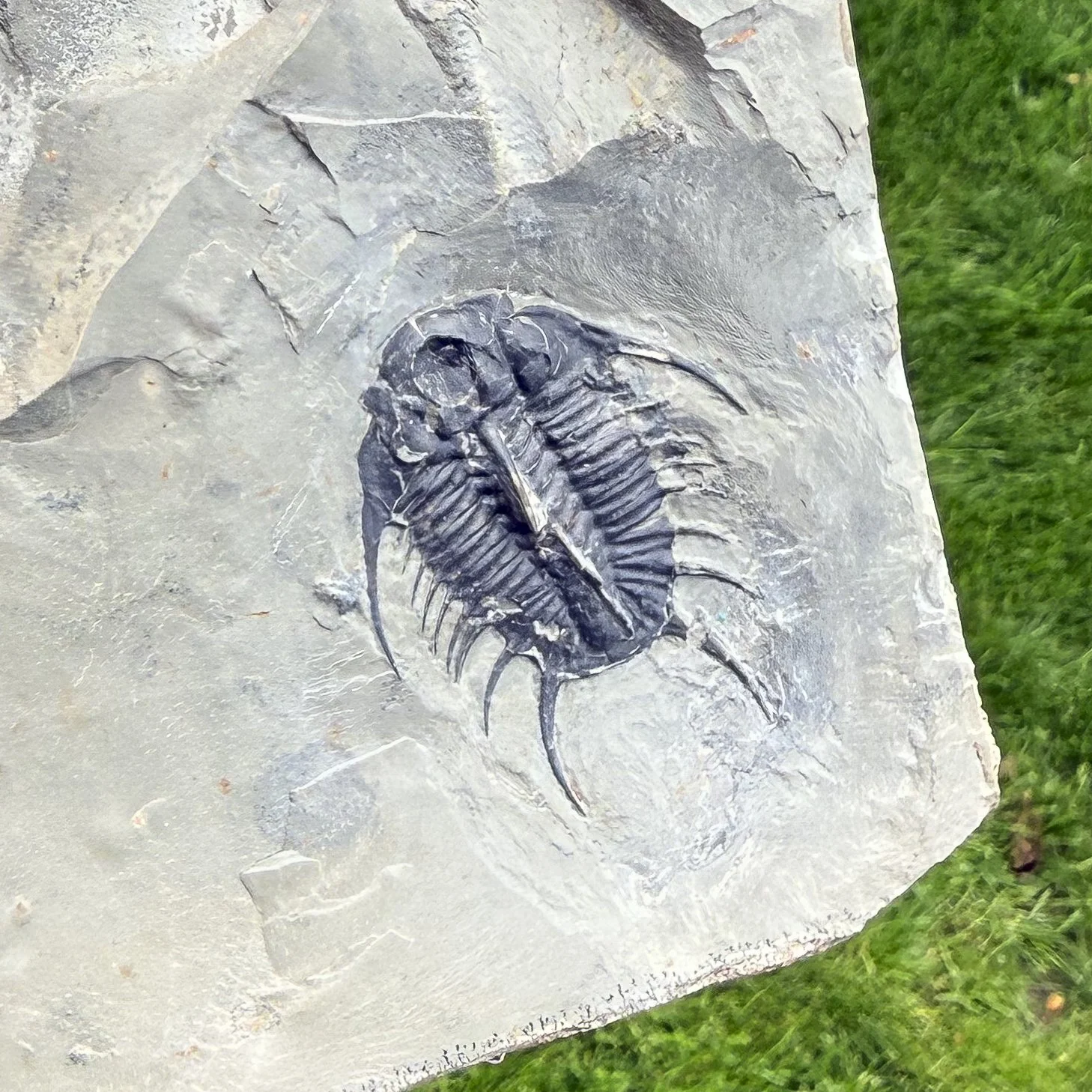
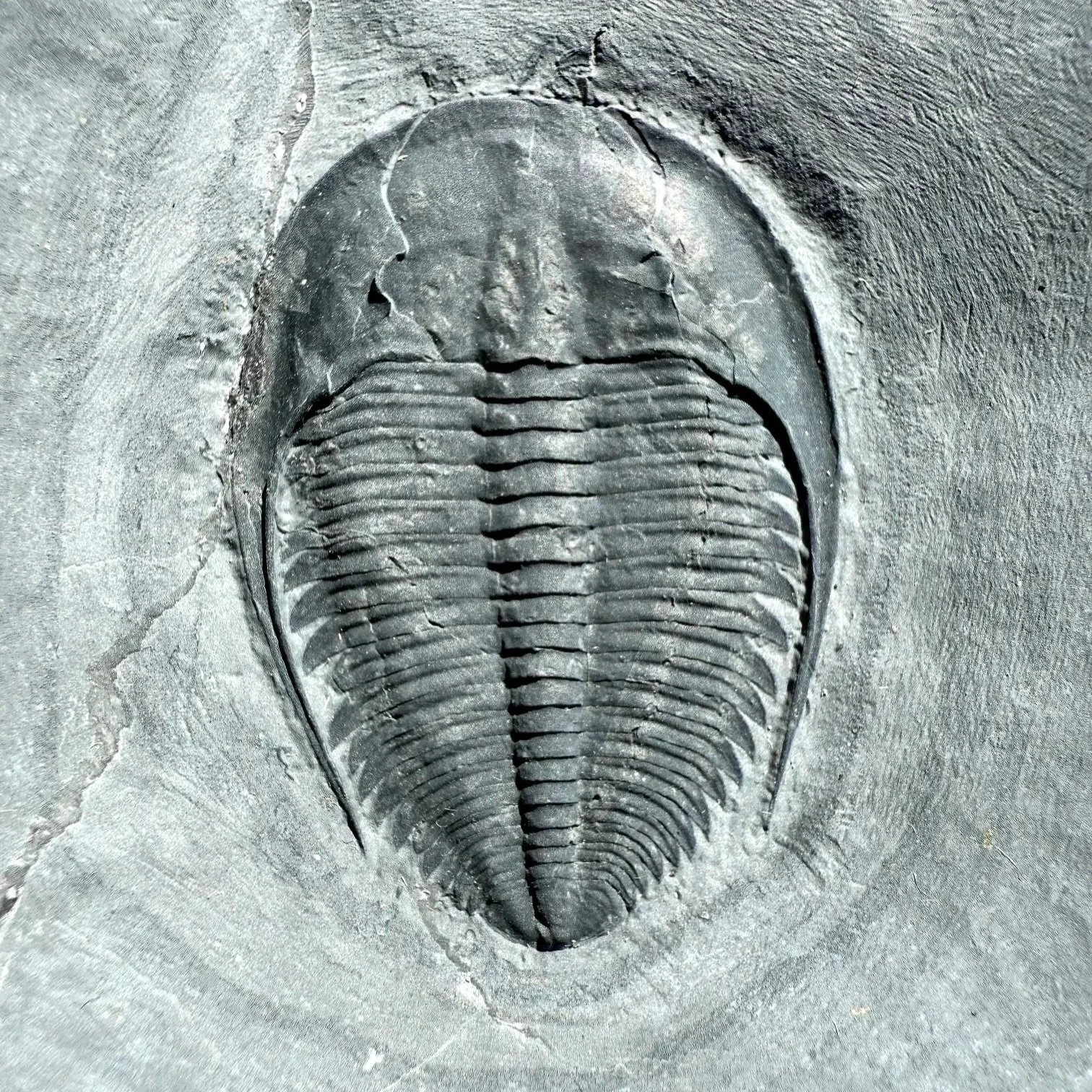
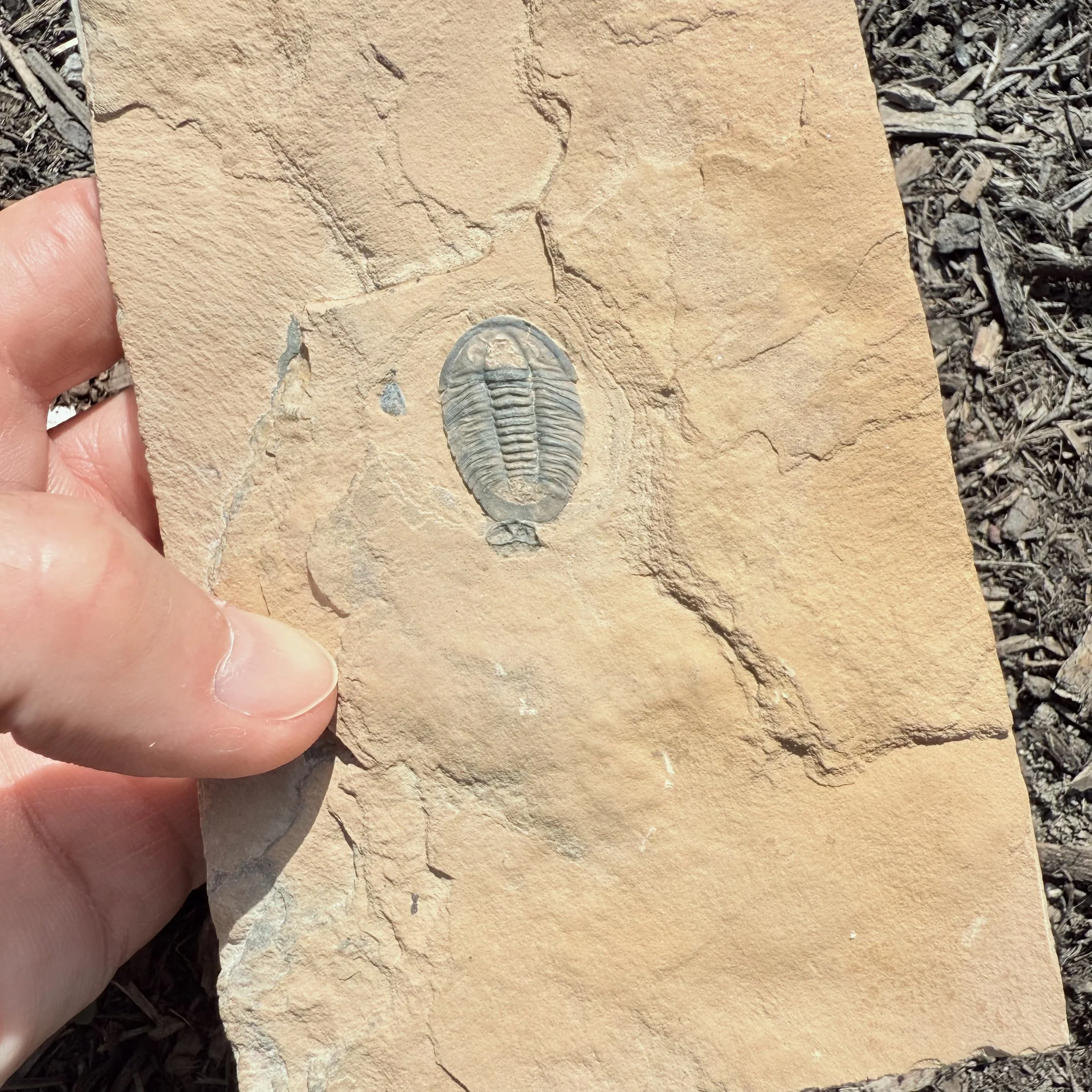
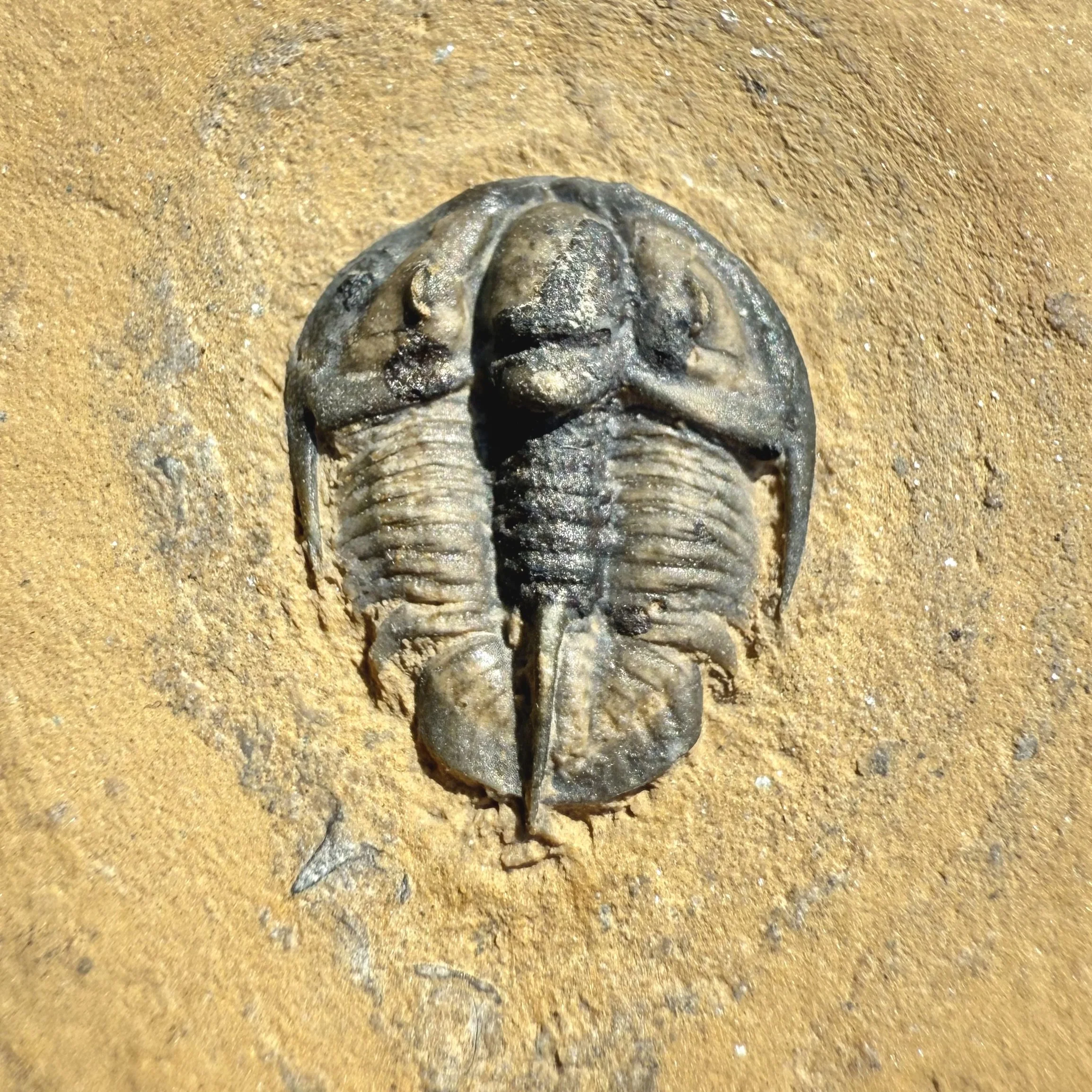
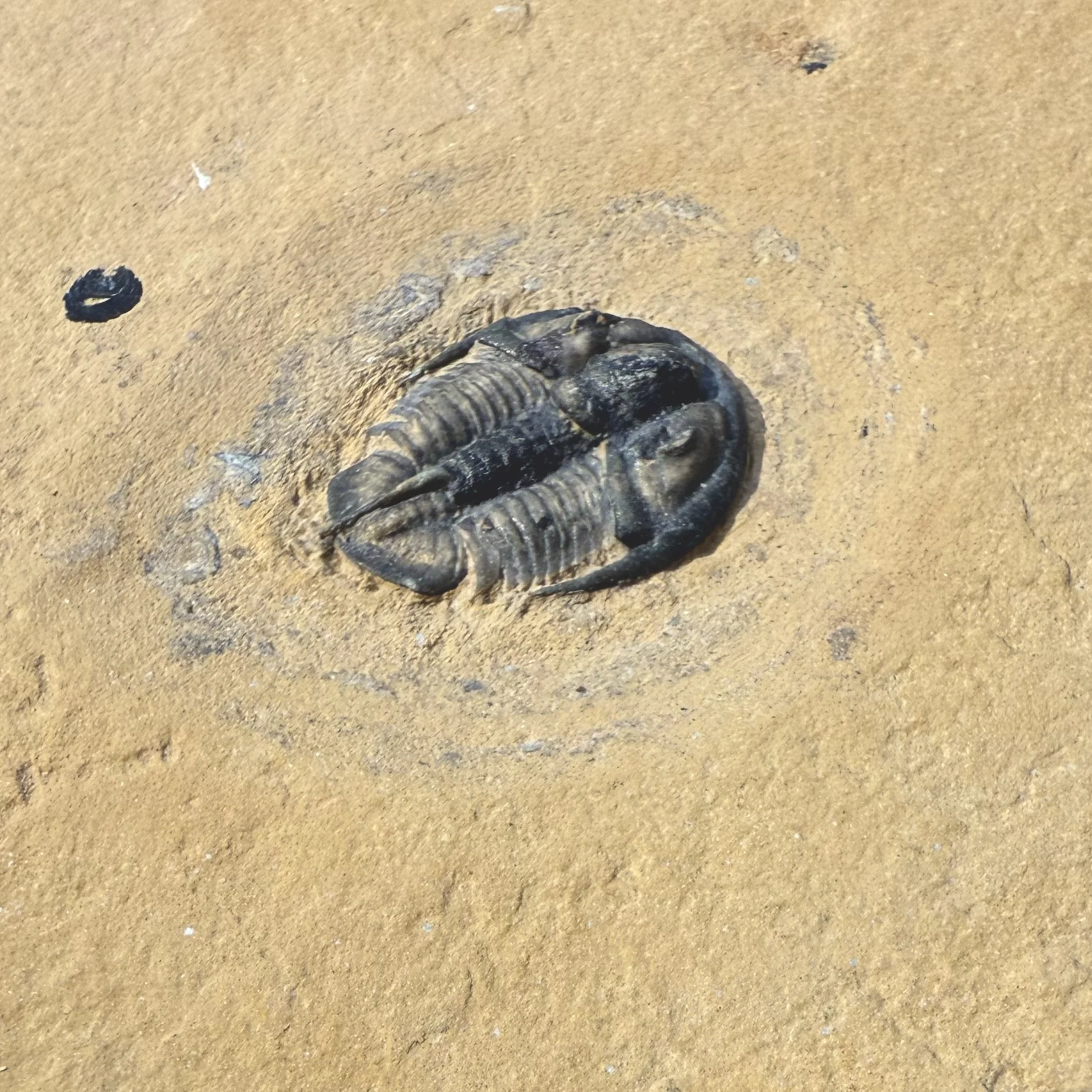
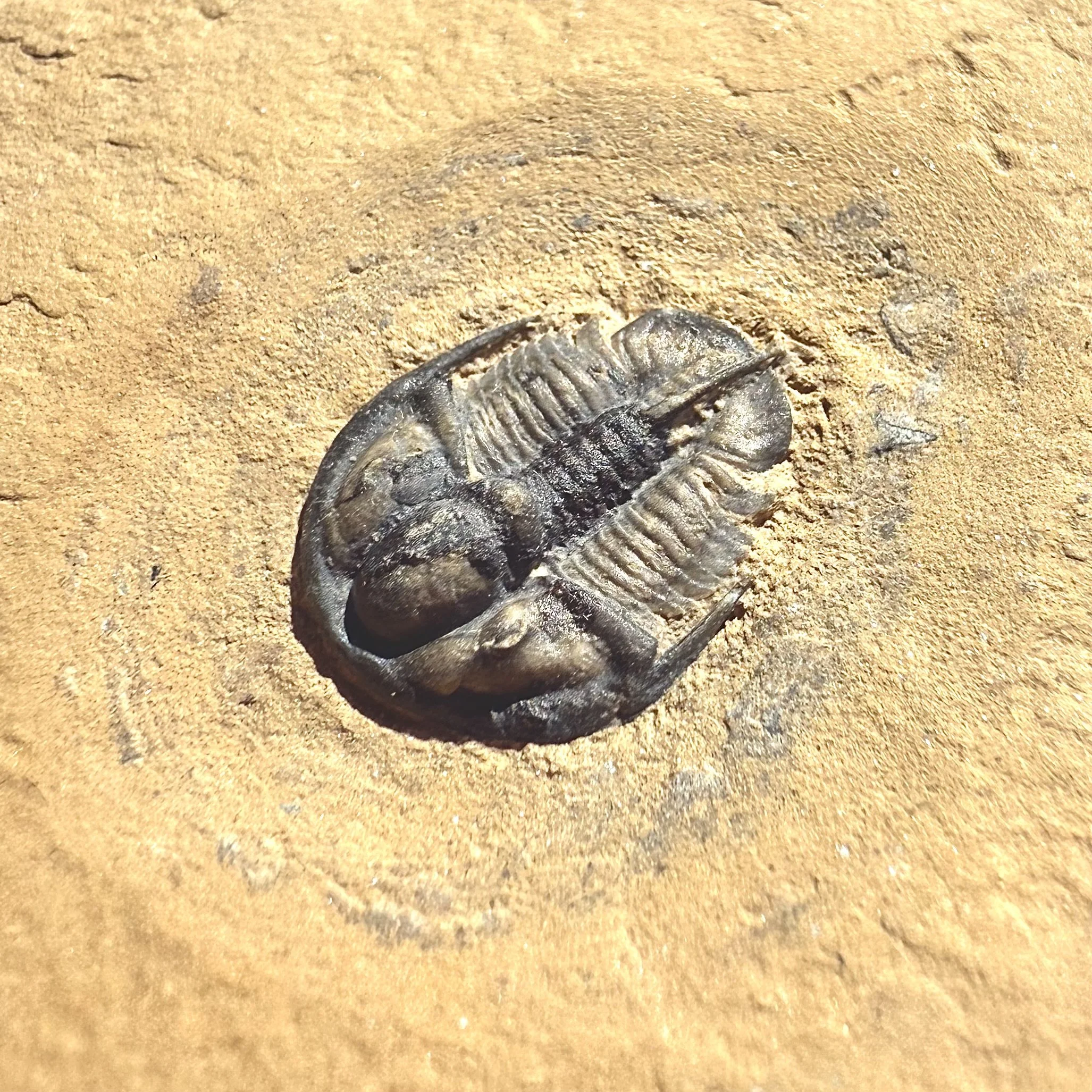
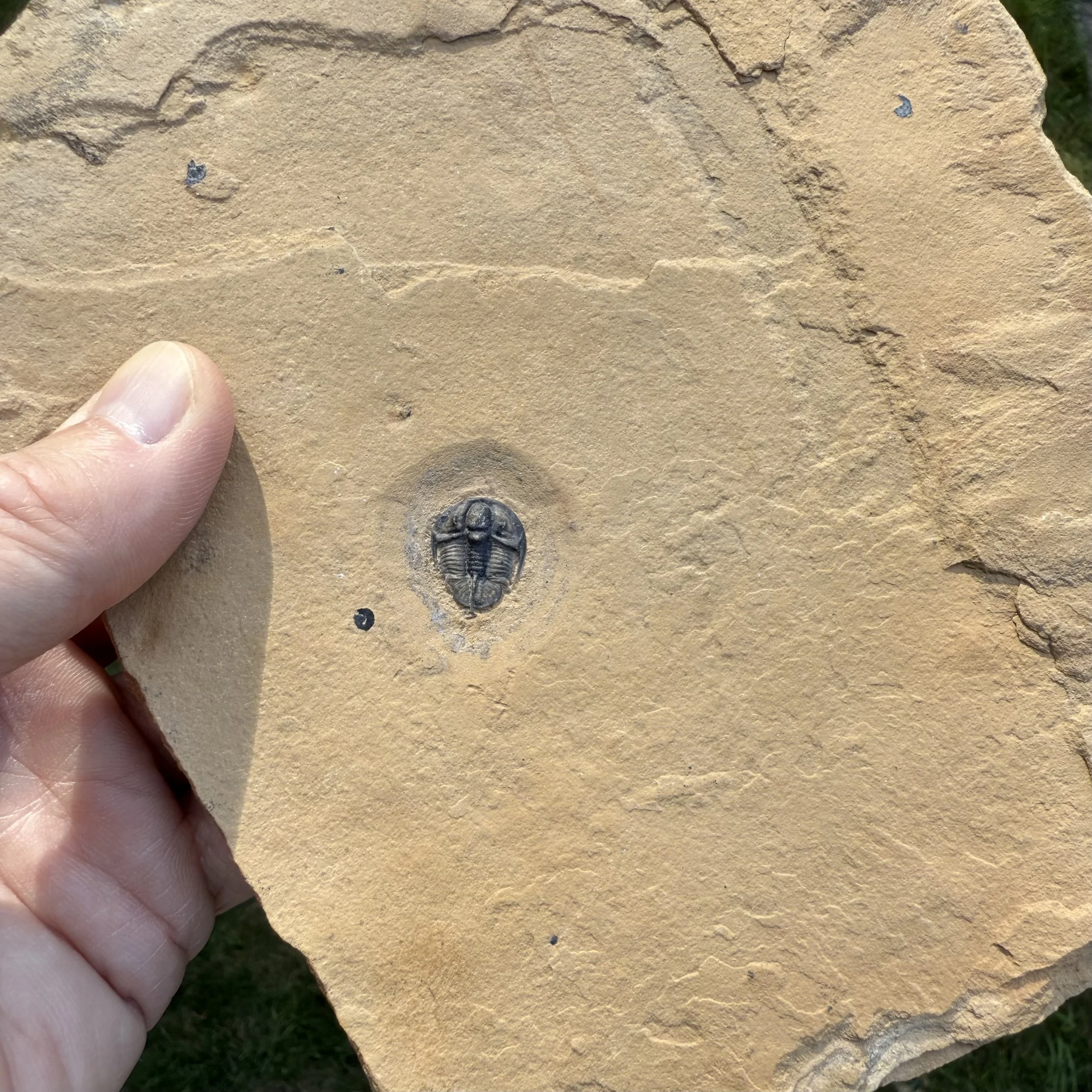
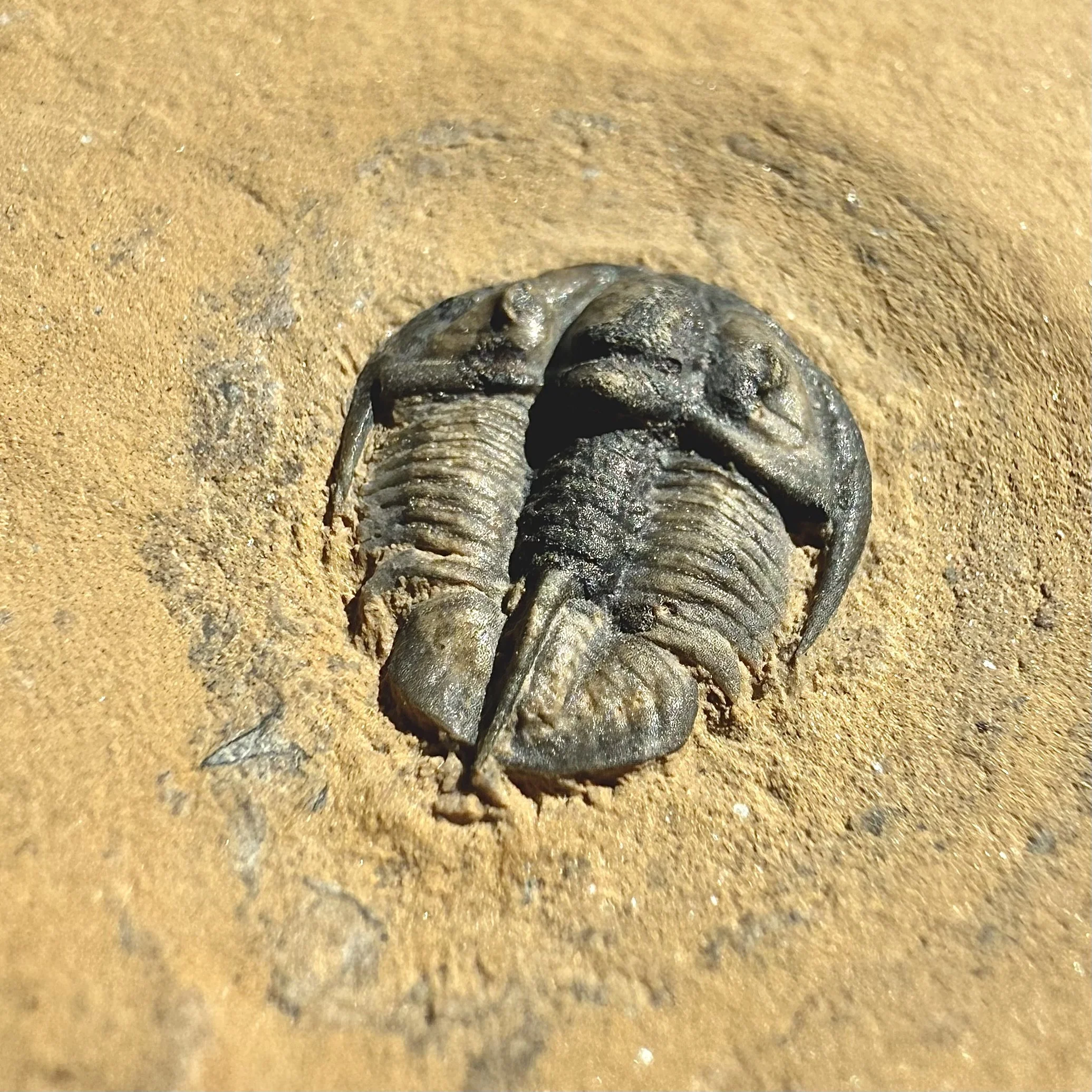
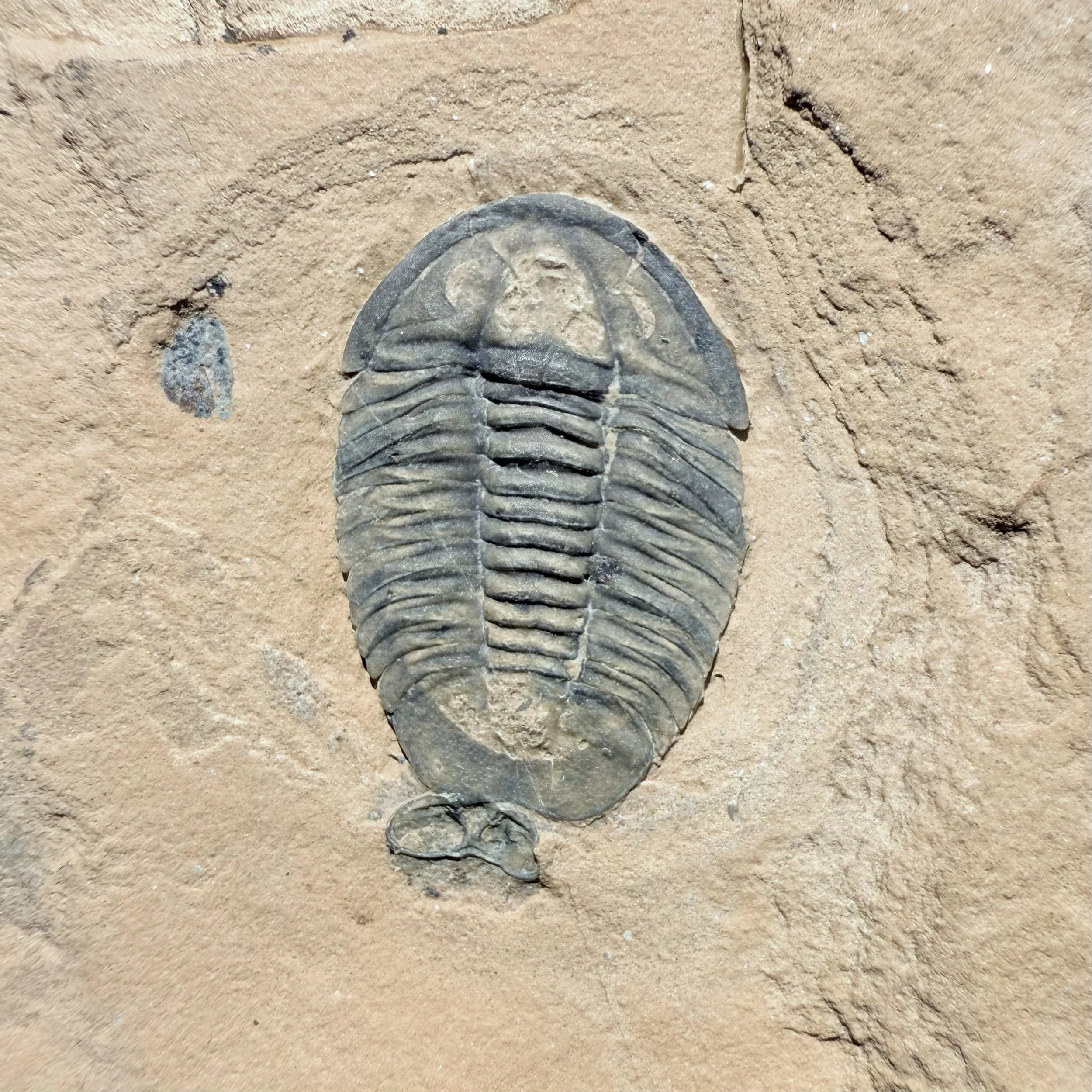
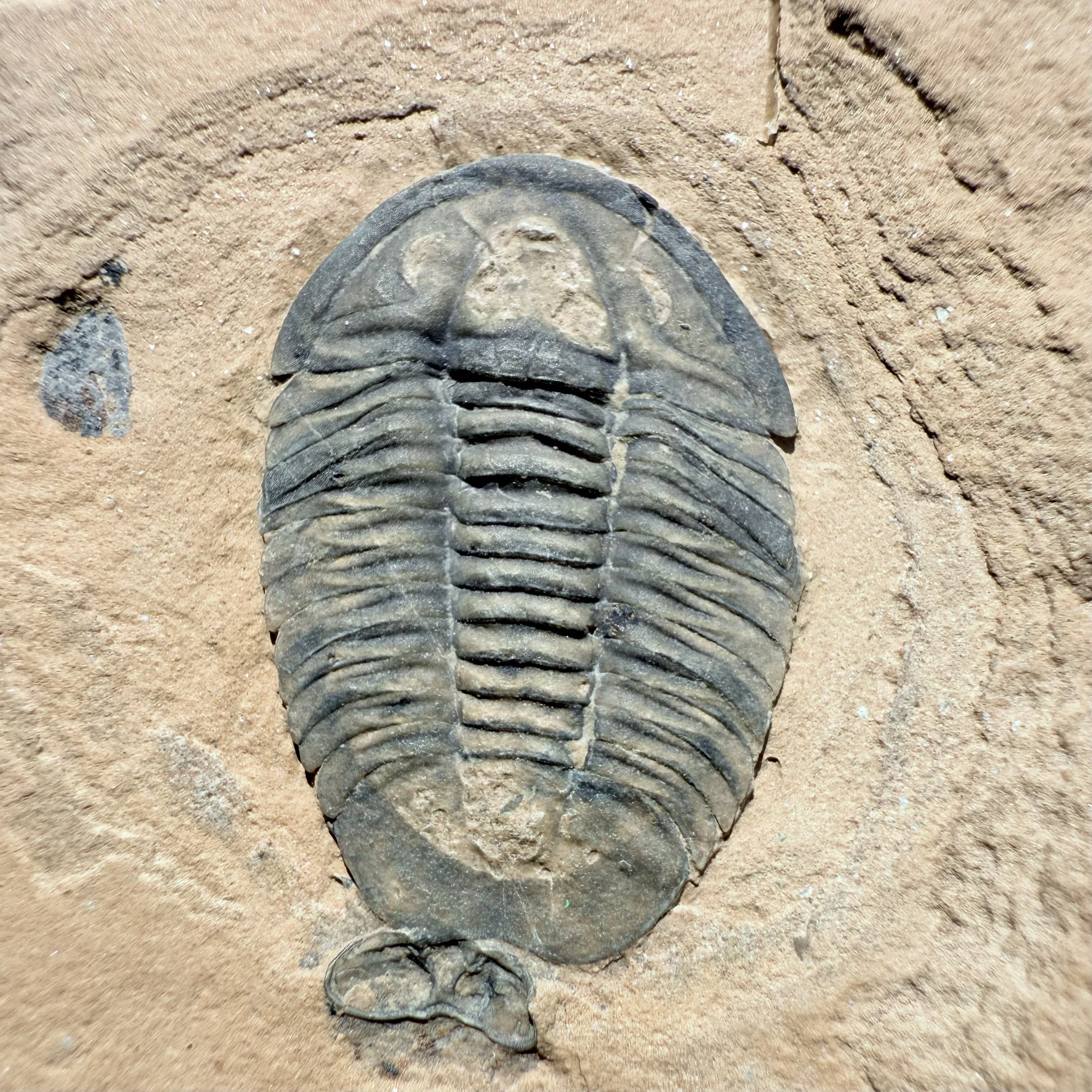
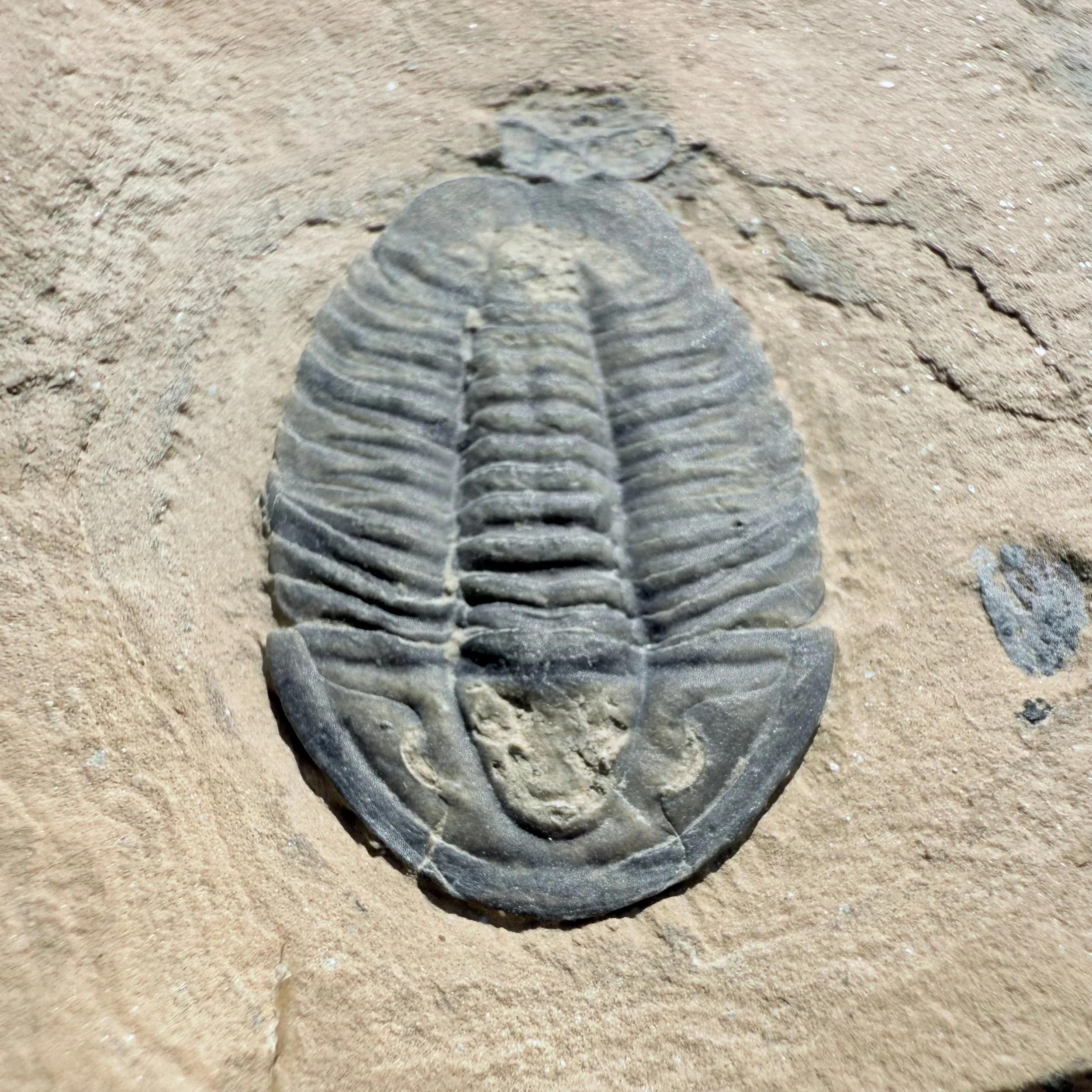
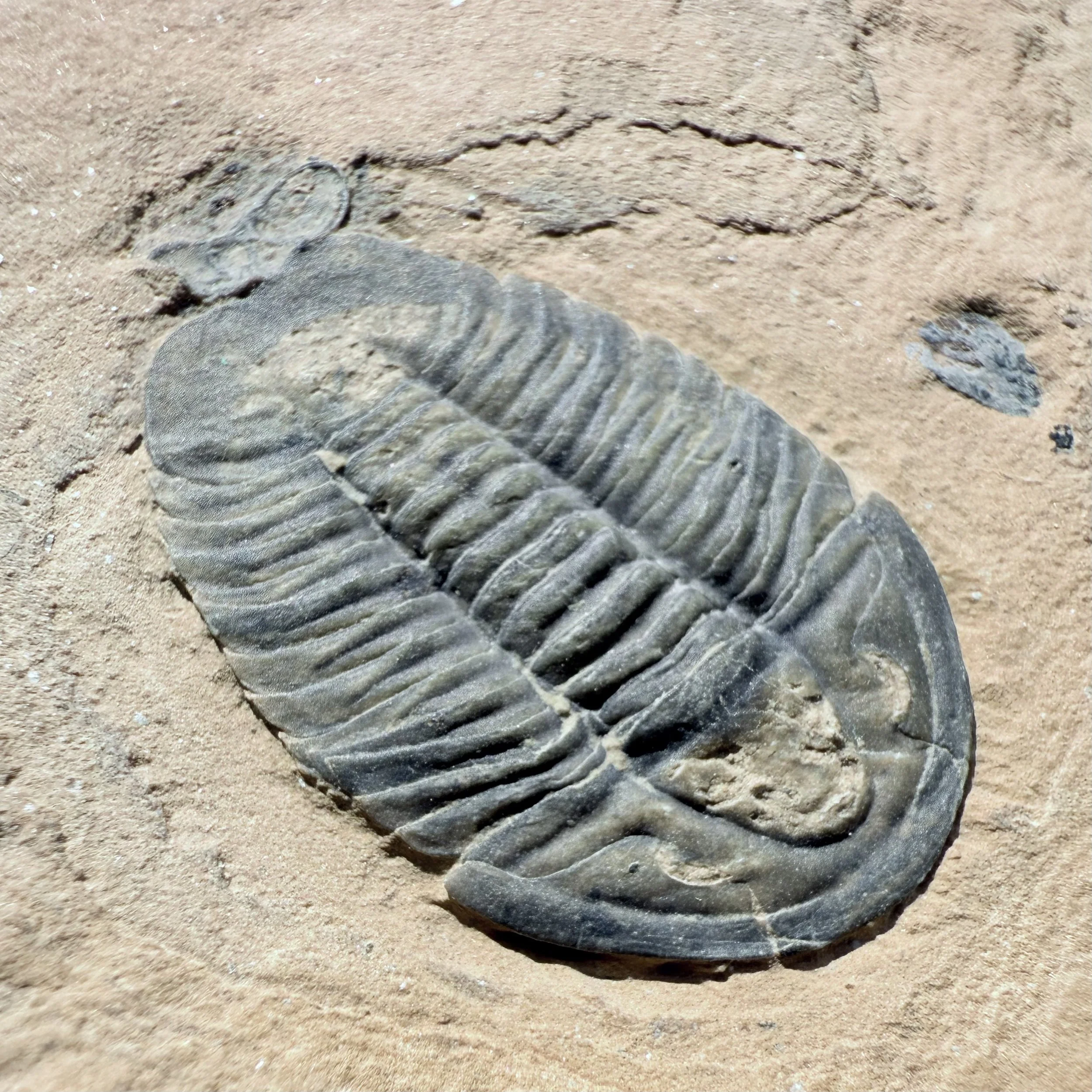
This ancient arthropod was a bottom-dweller, likely a deposit feeder that moved slowly across the seafloor, sifting through the mud and sediment to find organic particles to eat. The specimen in the post capture the stunning contrast of its dark, finely textured exoskeleton against the light, reddish-brown limestone matrix. This beautiful trilobite offers a rare glimpse into a moment in time over half a billion years ago. Found in Utah's Fossil-Rich Weeks Formation This location is a Konservat-Lagerstätte, a rare fossil site preserving both hard-shelled and delicate, soft-bodied organisms. The trilobites were likely buried rapidly by a storm or high-salinity event in a shallow sub-tidal environment, perfectly preserving them for us to find today.
The Weeks Formation is located in the central House Range of western Utah. Its stratigraphic position is:
- It conformably overlies the Marjum Formation
- It is conformably overlain by the Orr Formation

Vendor: fossil soup - ZZ
SKU Number: SQ5388284
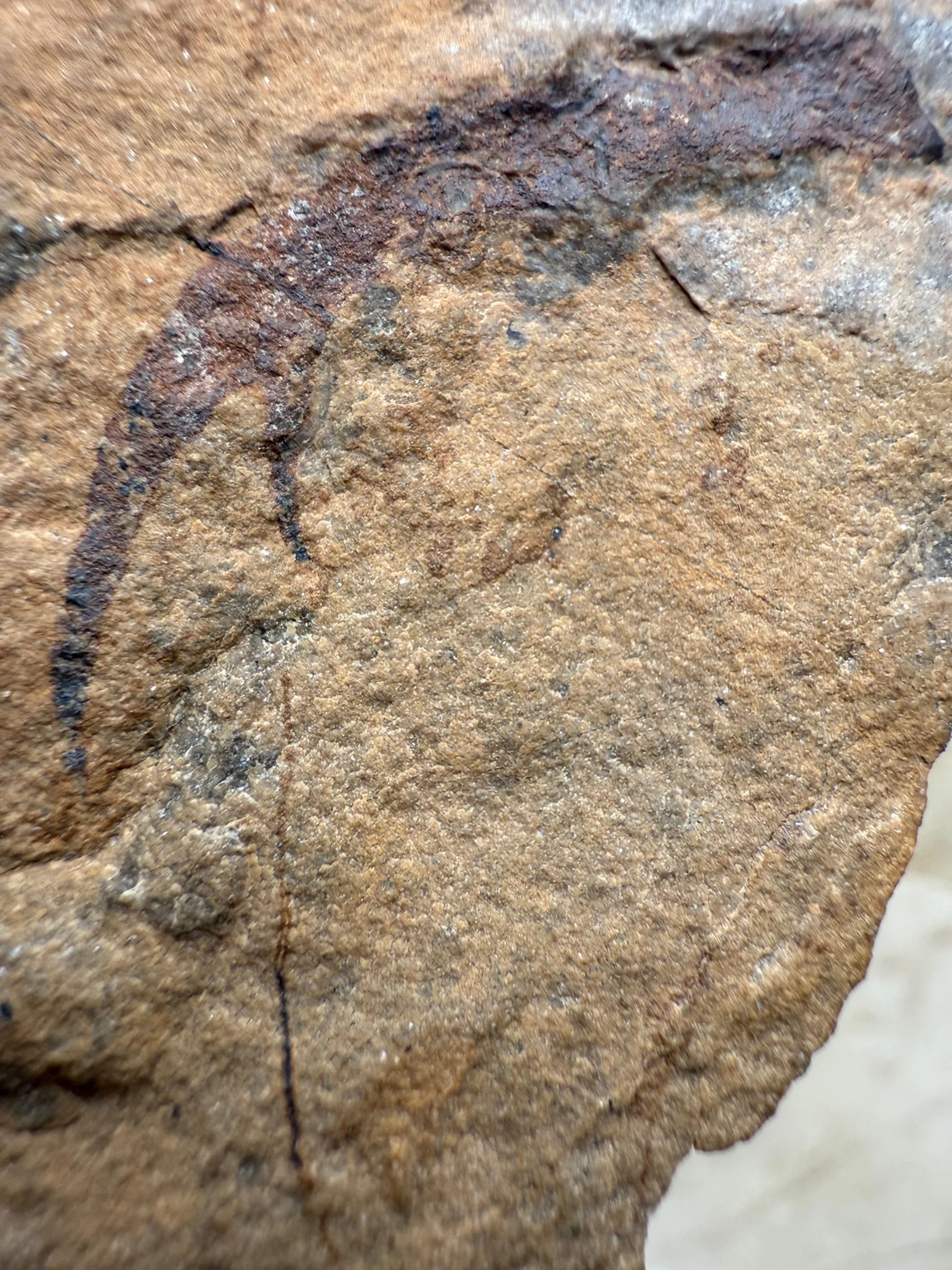
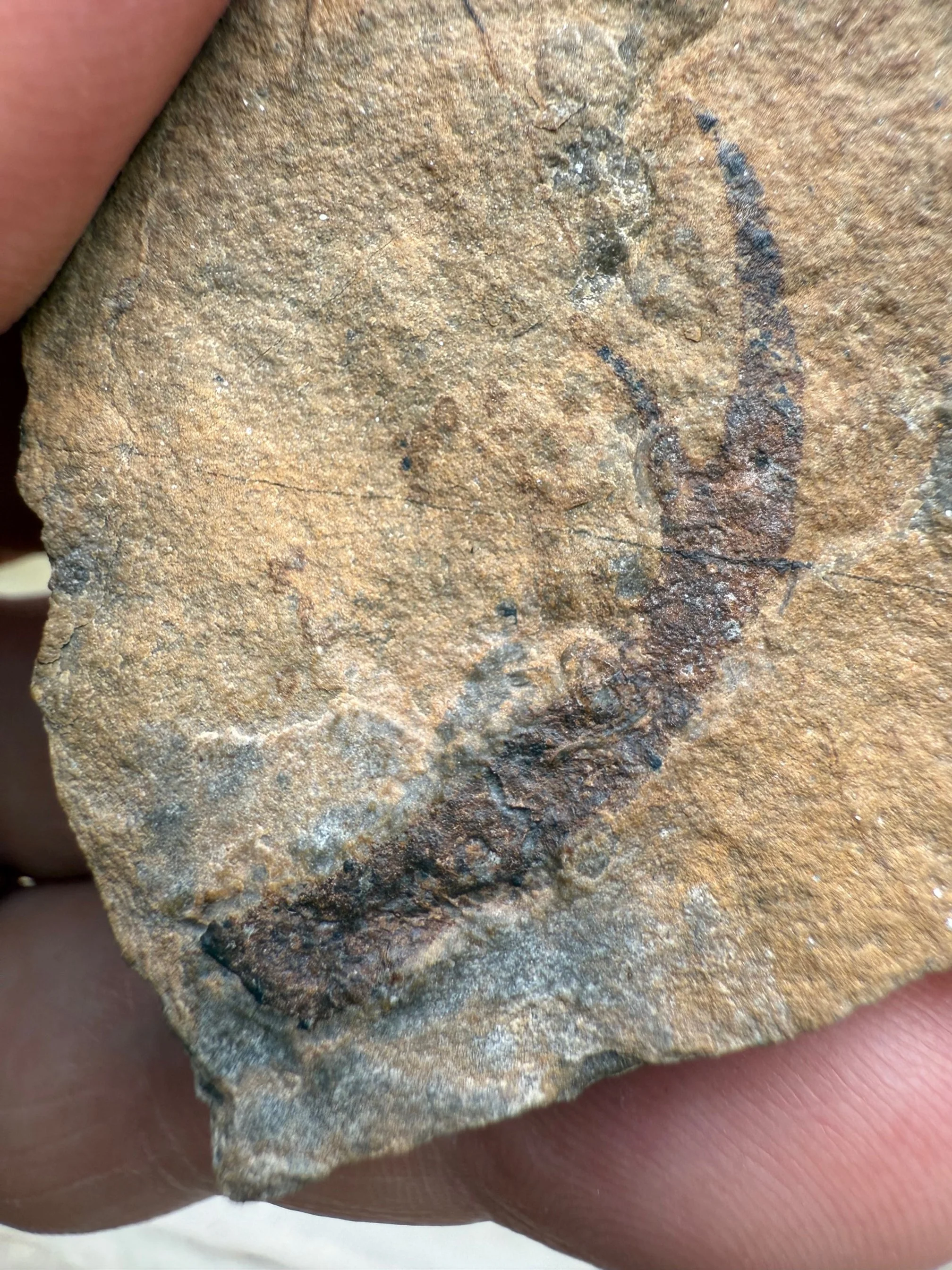
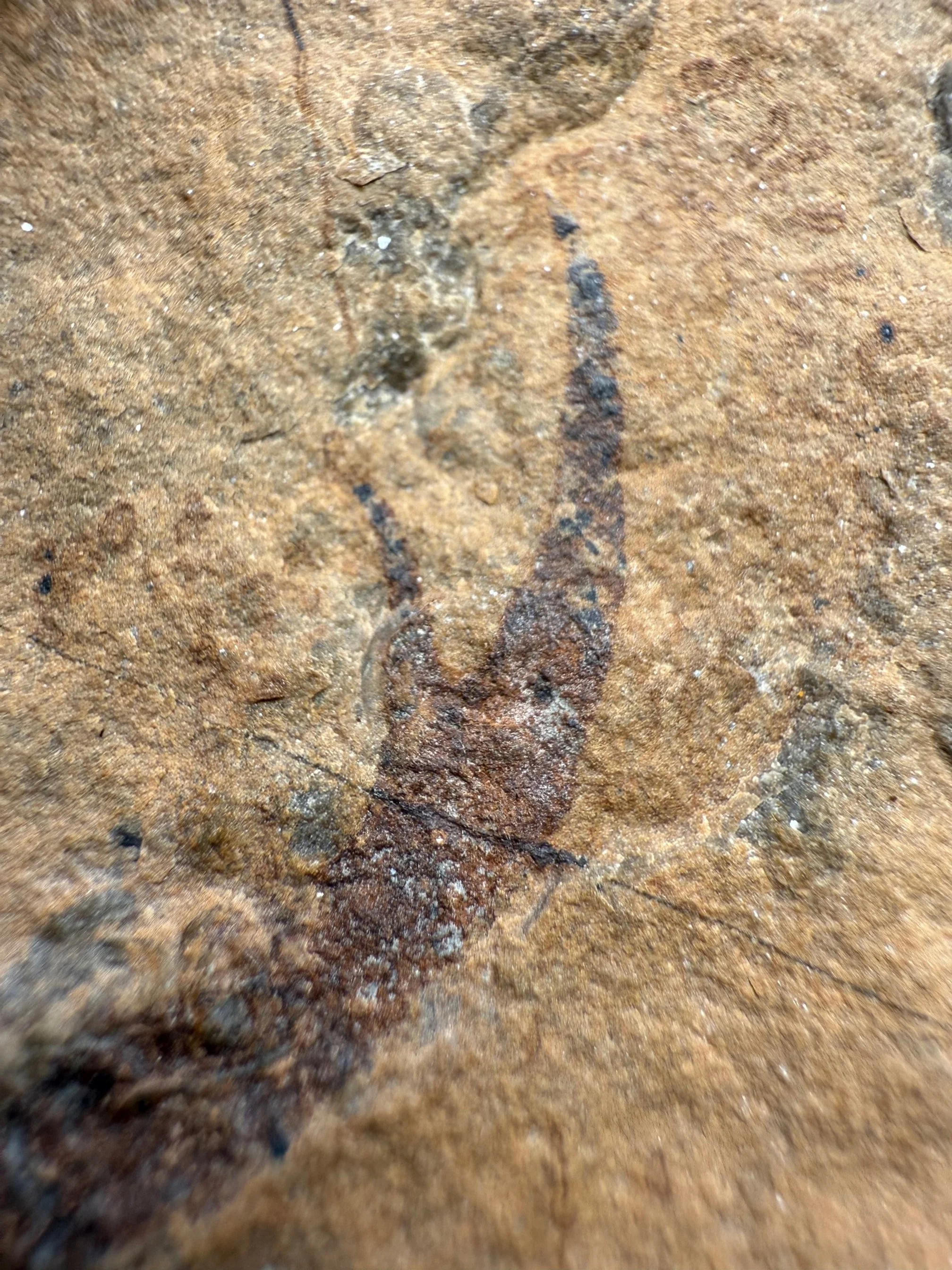
Rhombampyx yii trilobite from the Middle Ordovician, Meitan Formation, Zunyi, Guizhou, China.
The distinct oval/rhomboid dome where the anterior needle spine meets the head is the highly inflated glabella. It is slightly compressed but shows the distinctive bulbous shape unique to raphiophorids.
You can clearly see a thin, straight line pointing straight up from the top of the glabella. This is the base of the median snout spine.
The two elongated cheek spines can be seen on either side of the body. In life, these spines flared outward to stabilize the animal or deter predators, but post-mortem movement or burial compaction has curved it around the cephalon.
Full dimensions are listed below.