
 Image 1 of 5
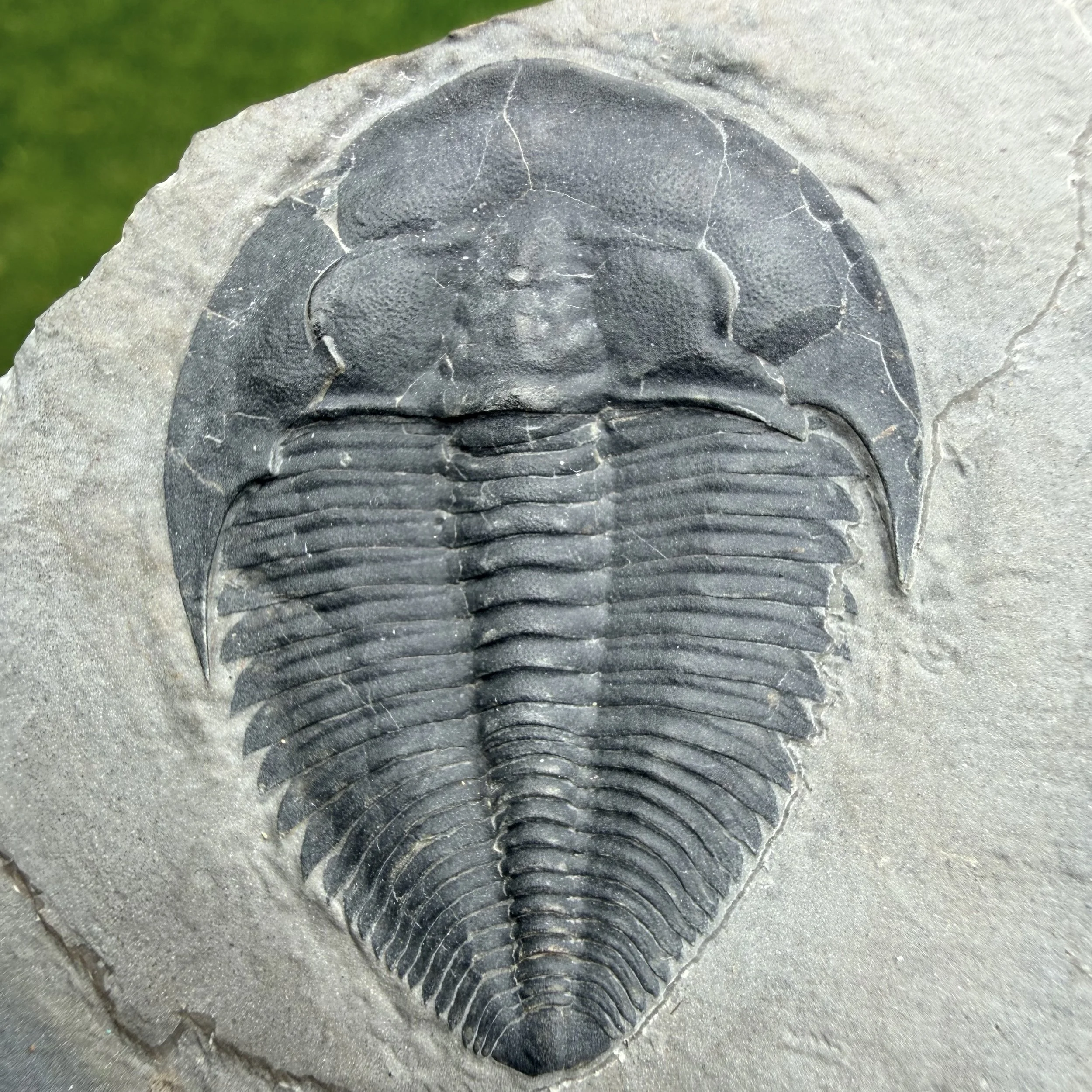 Image 2 of 5
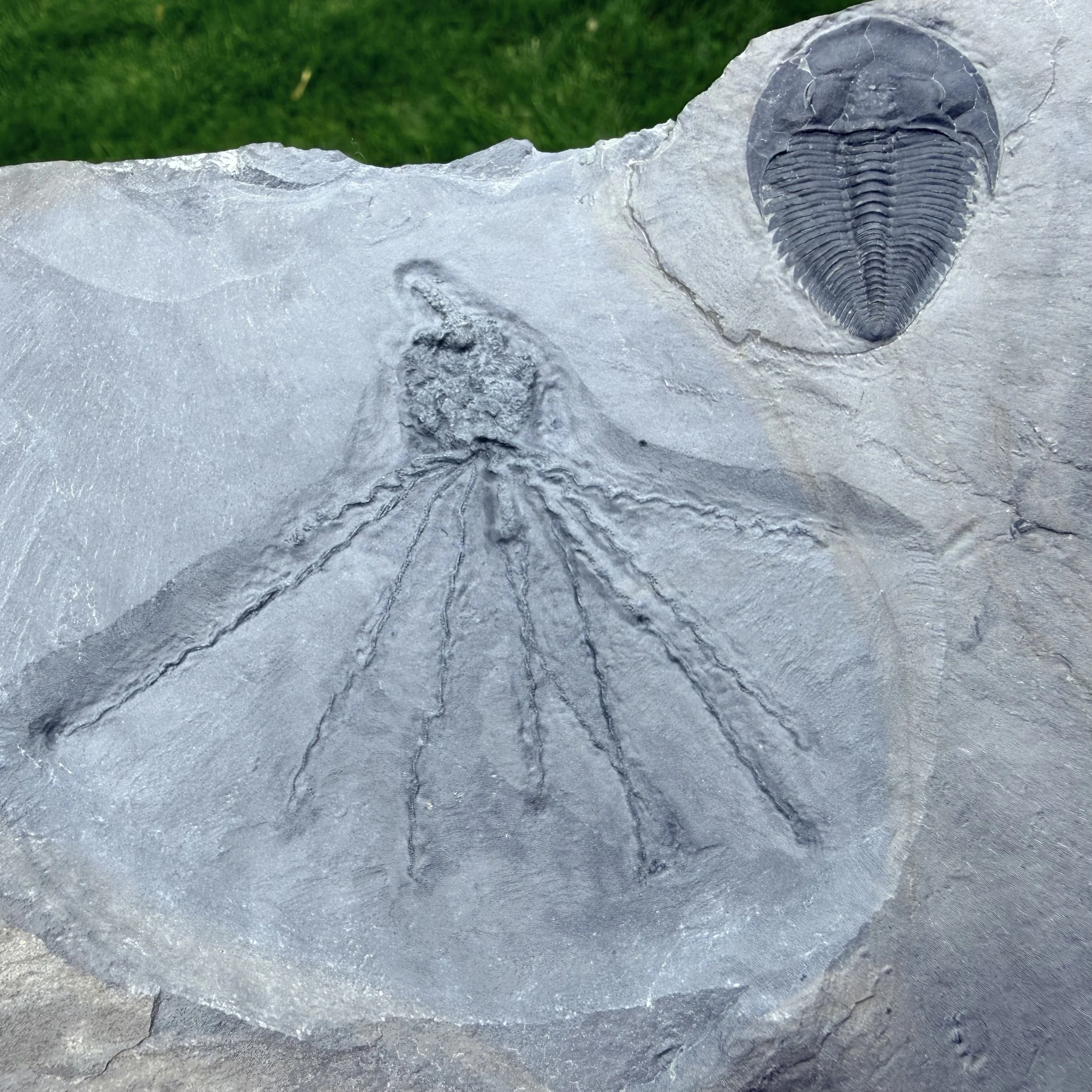 Image 3 of 5
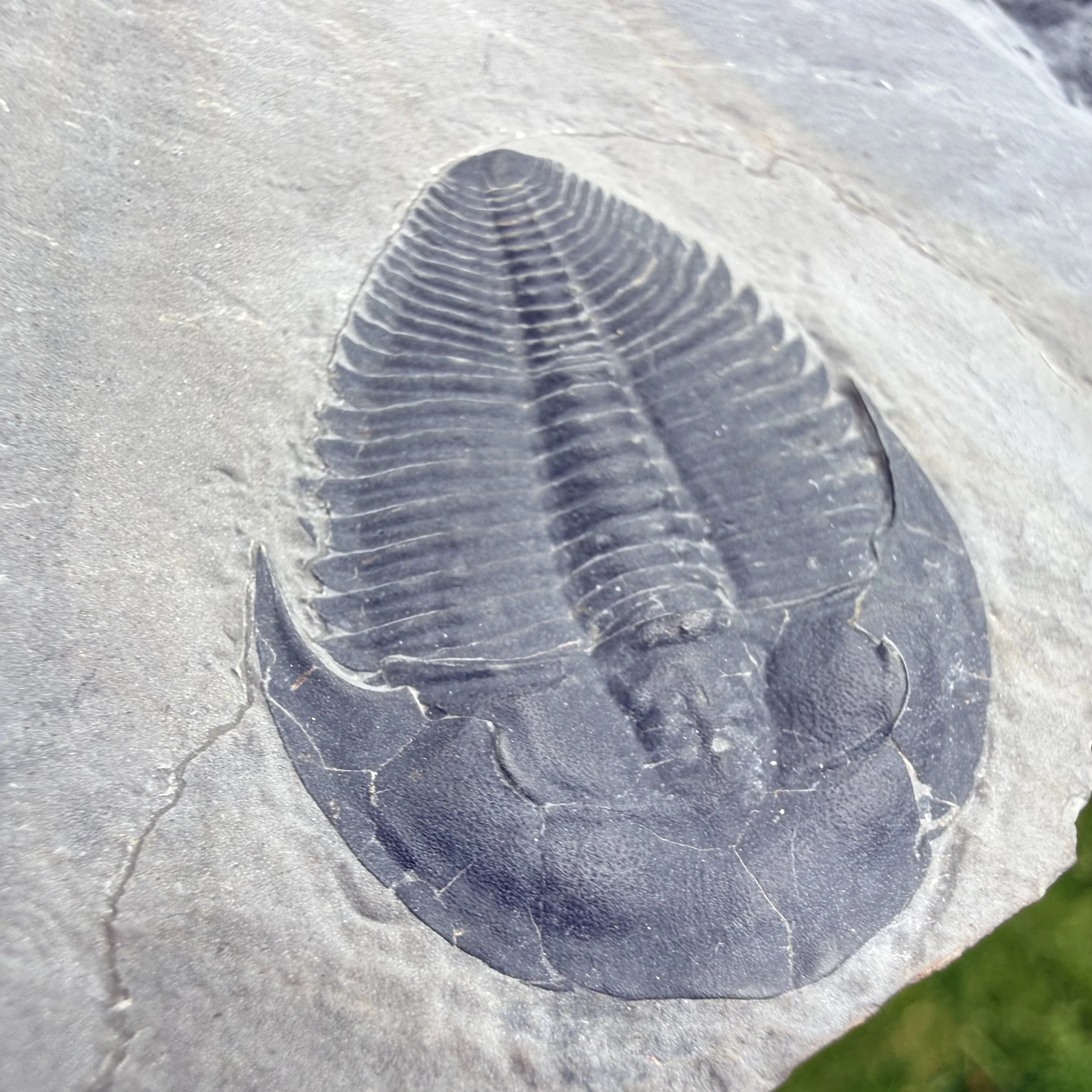 Image 4 of 5
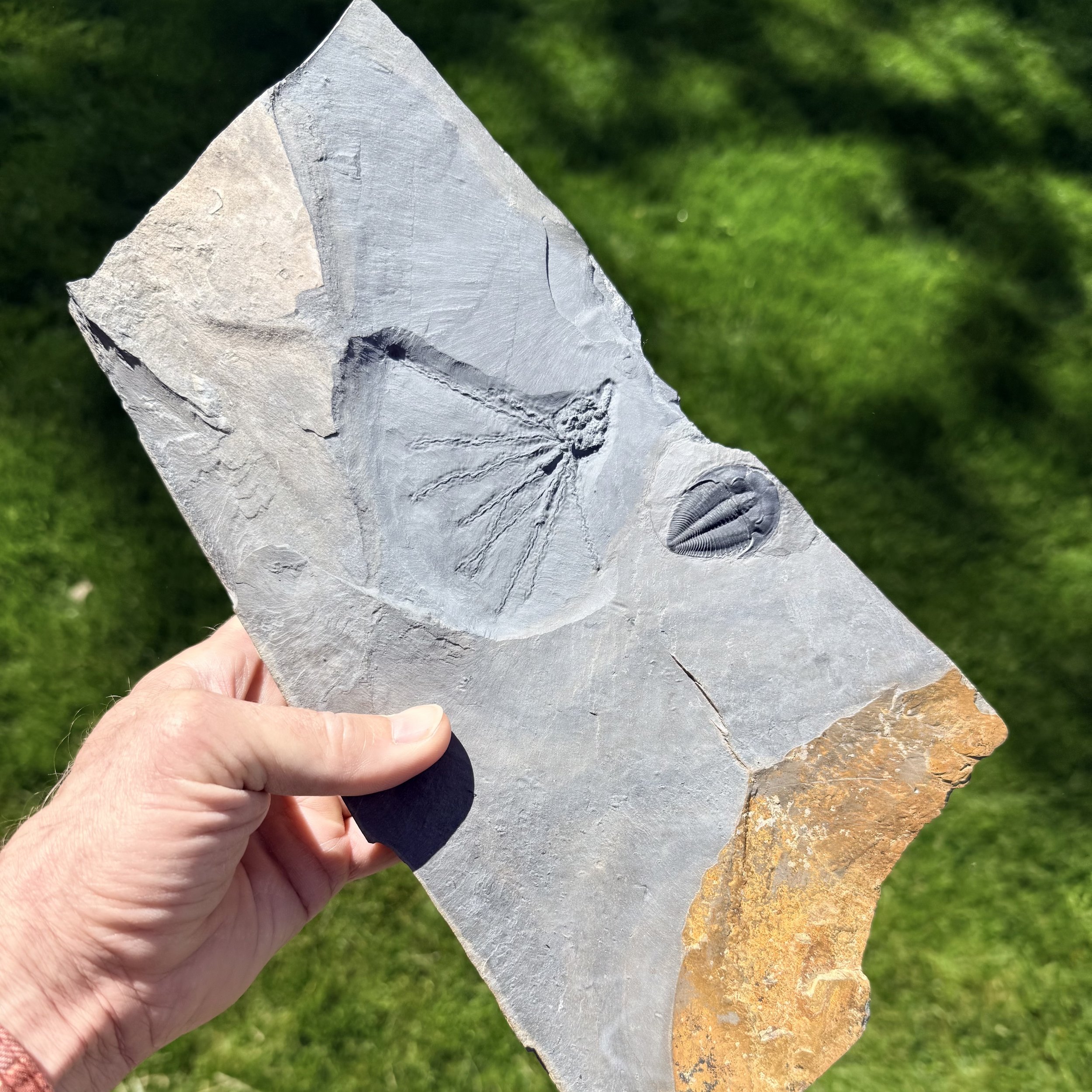 Image 5 of 5

Additional Information
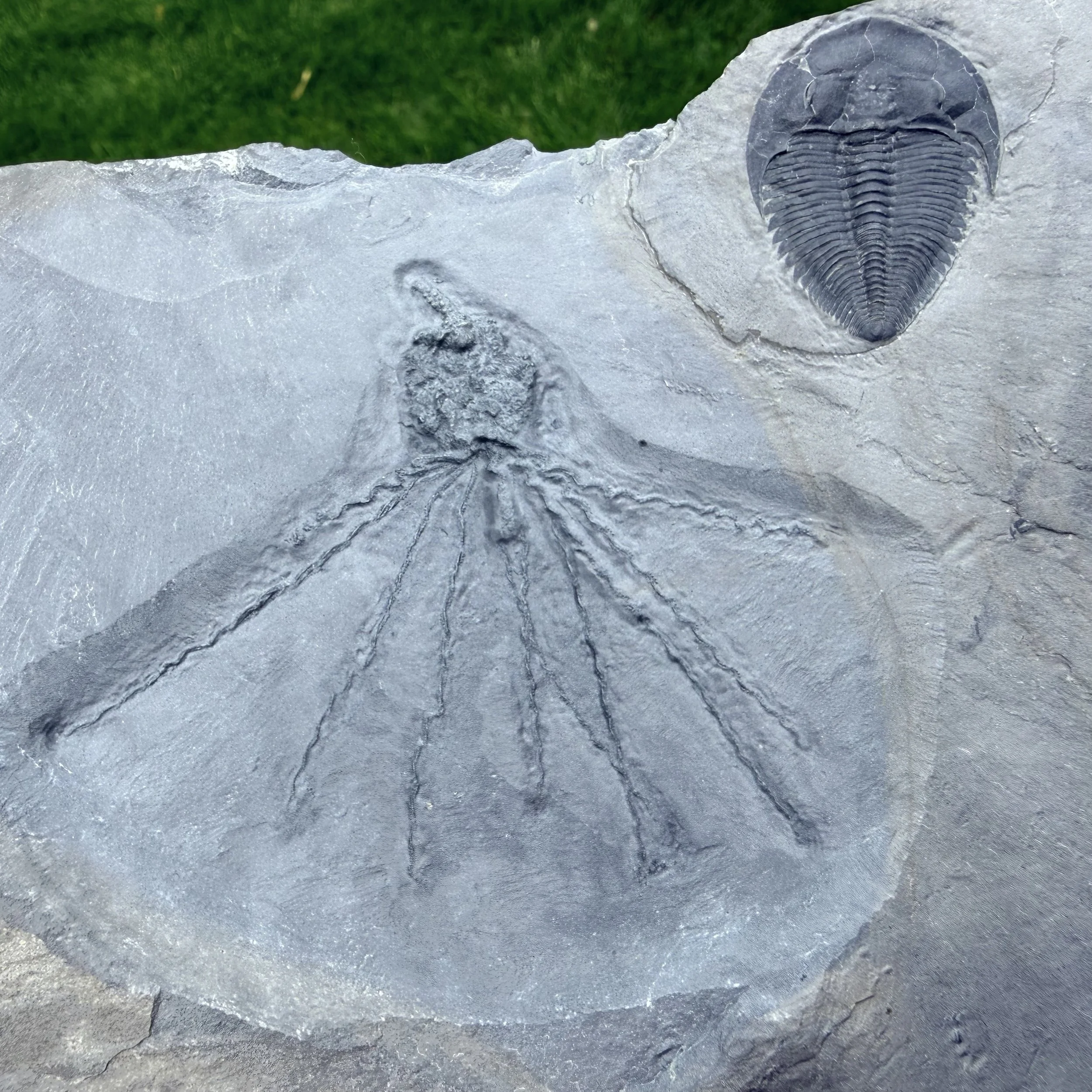
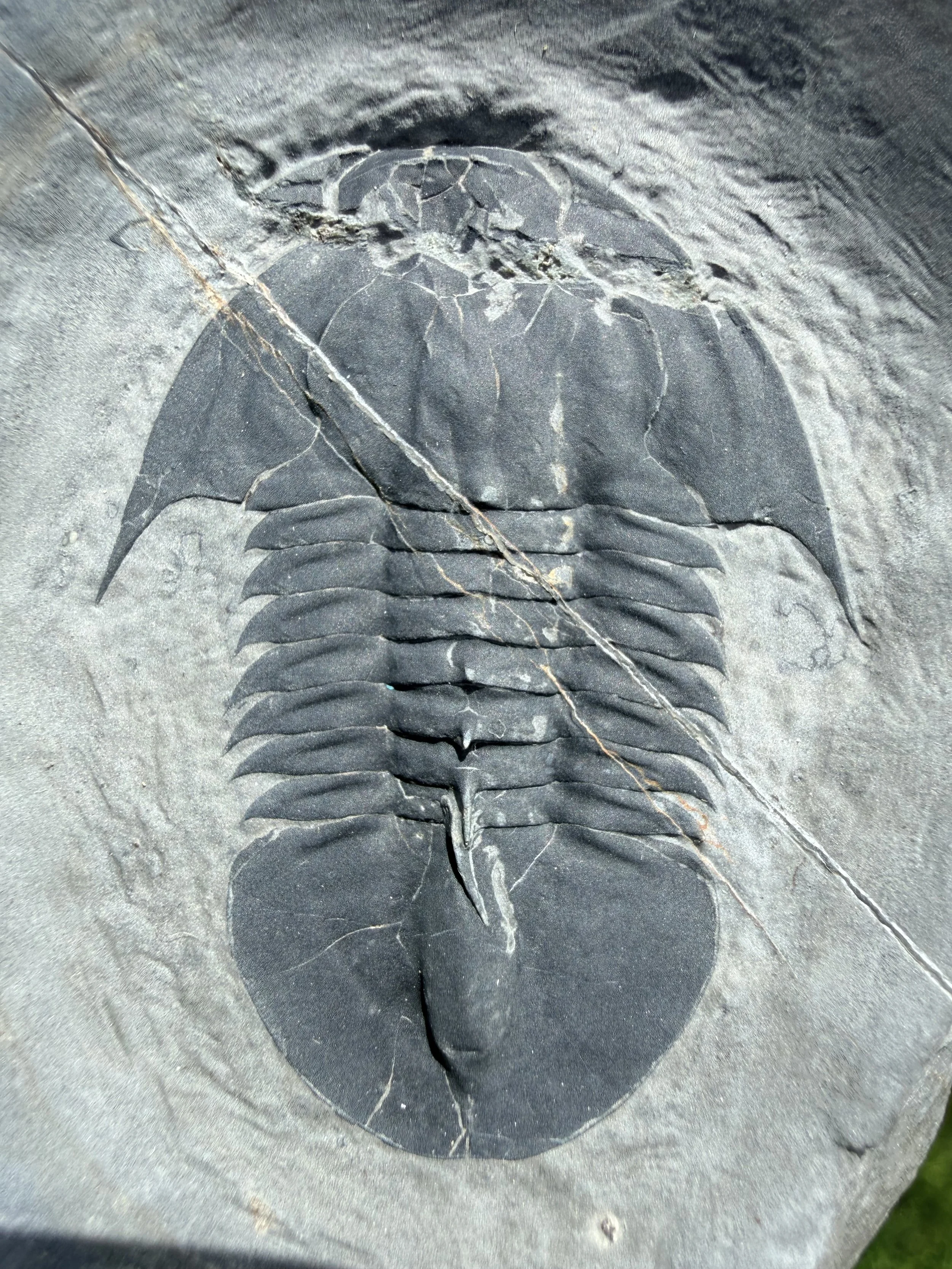
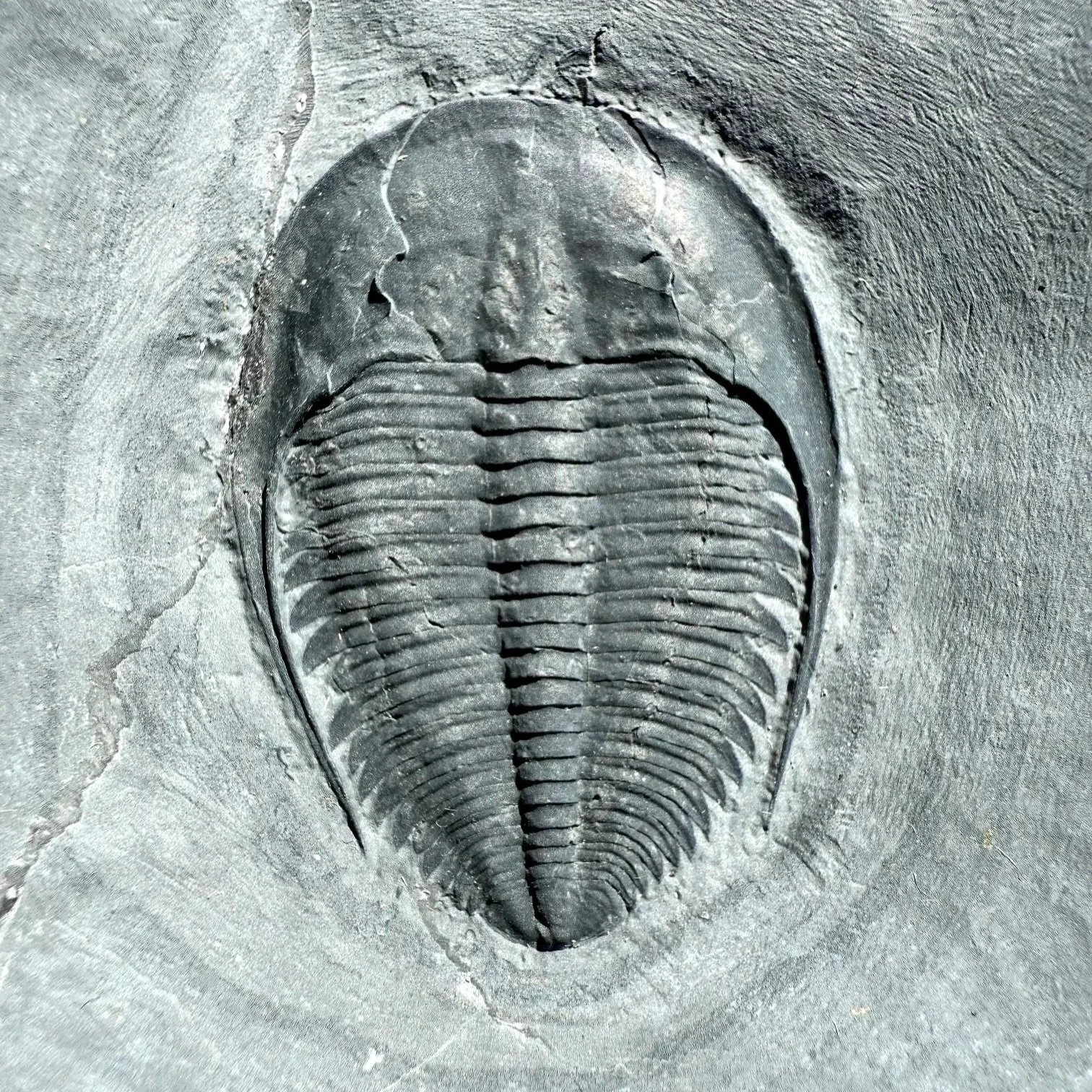
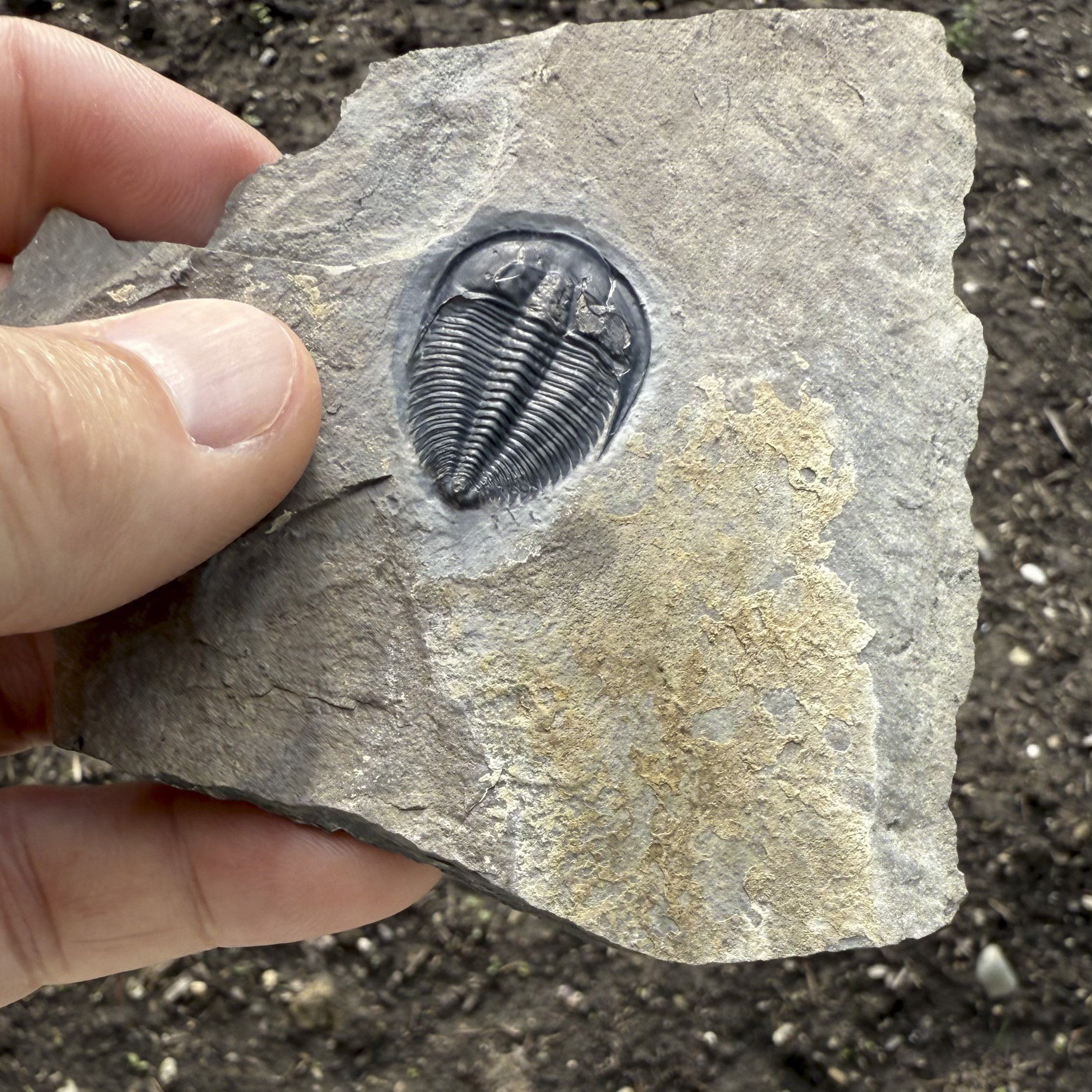
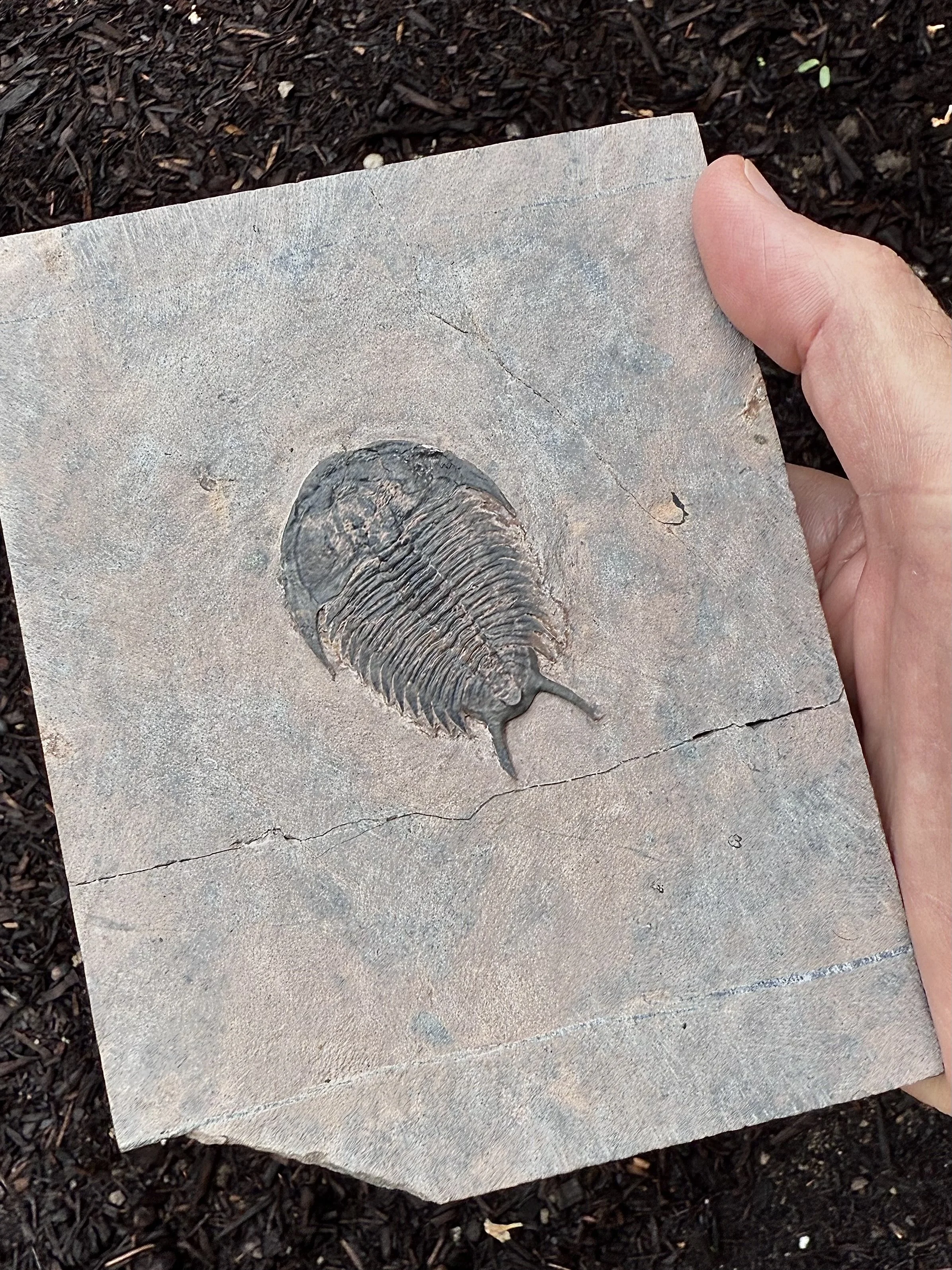
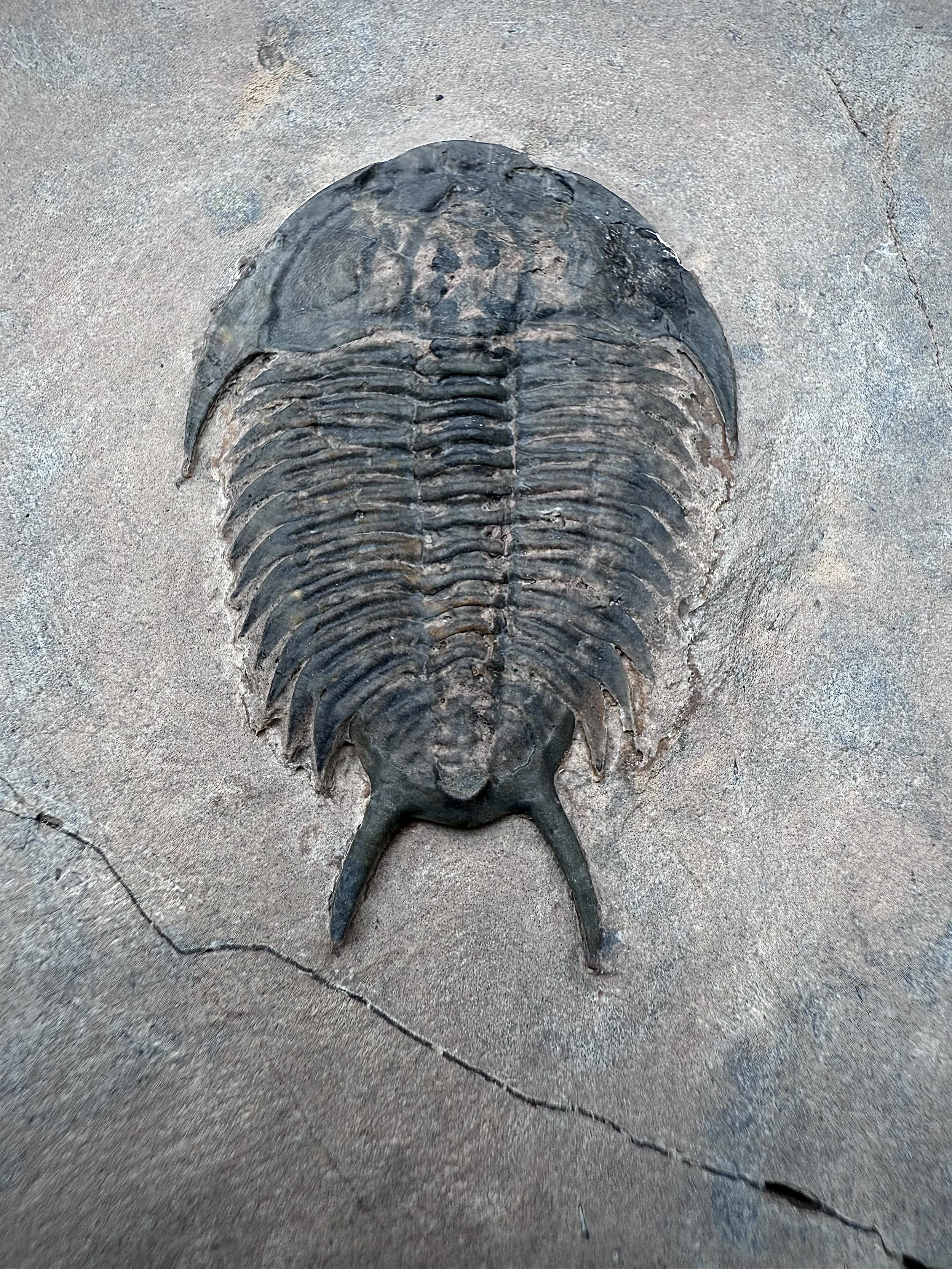
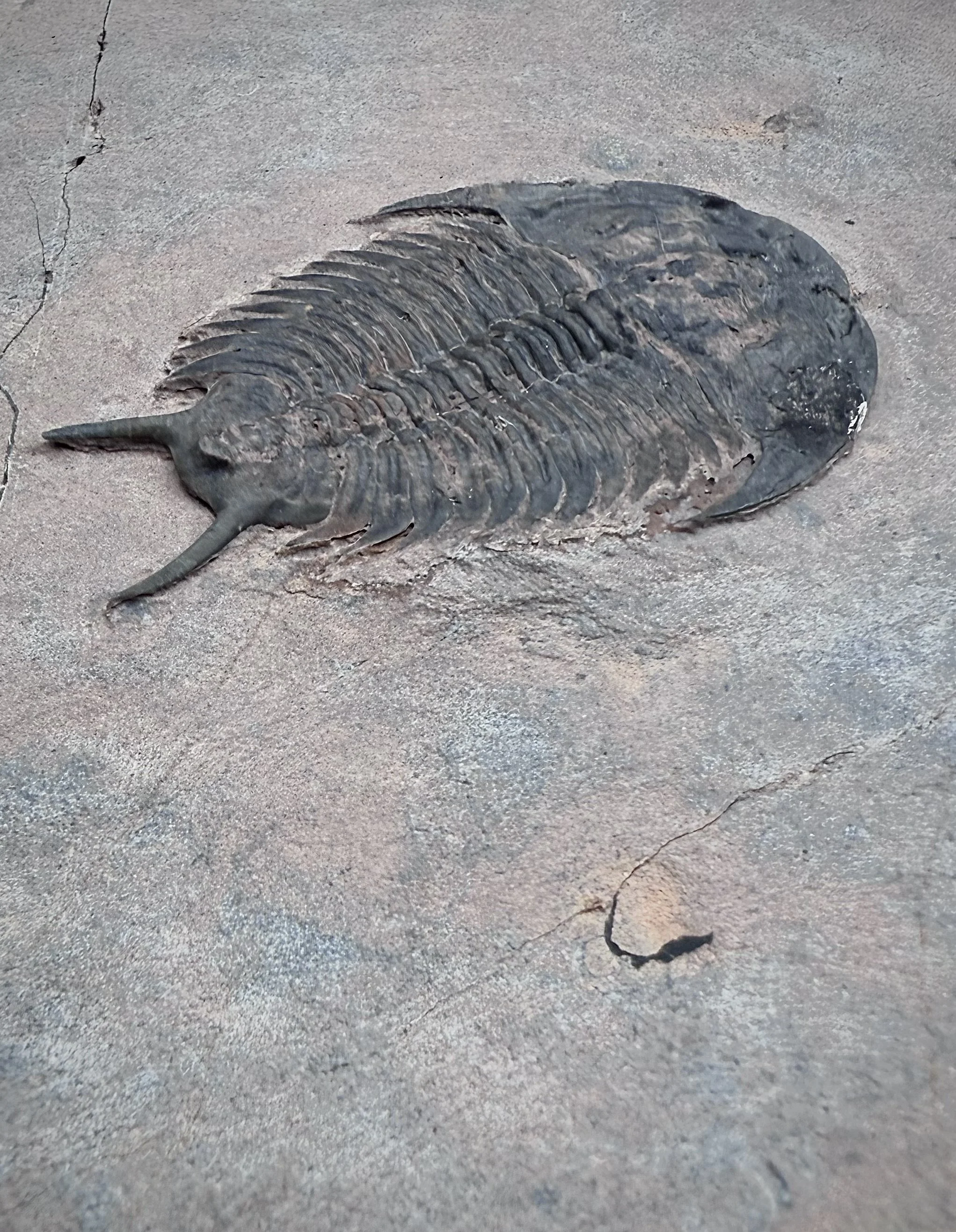
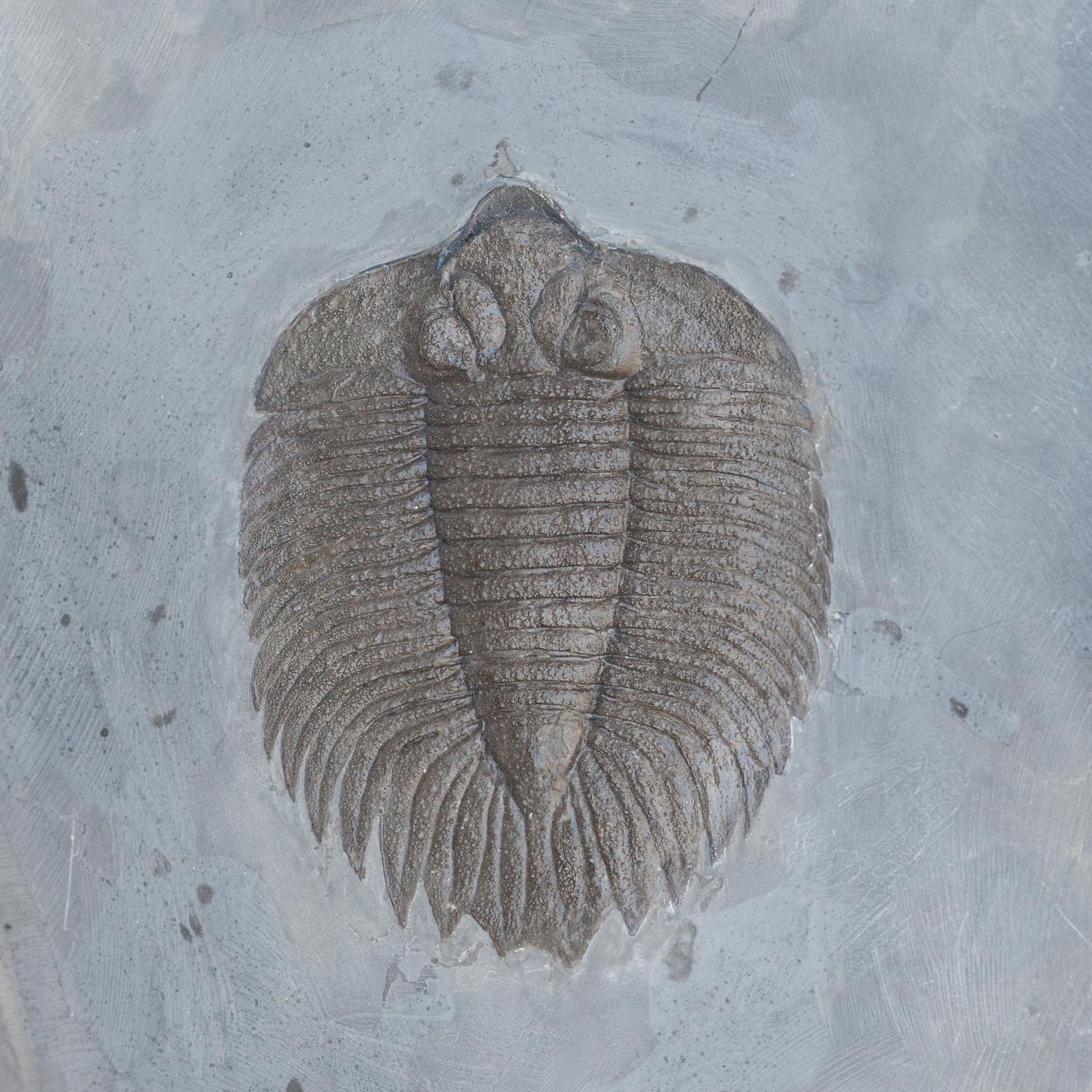
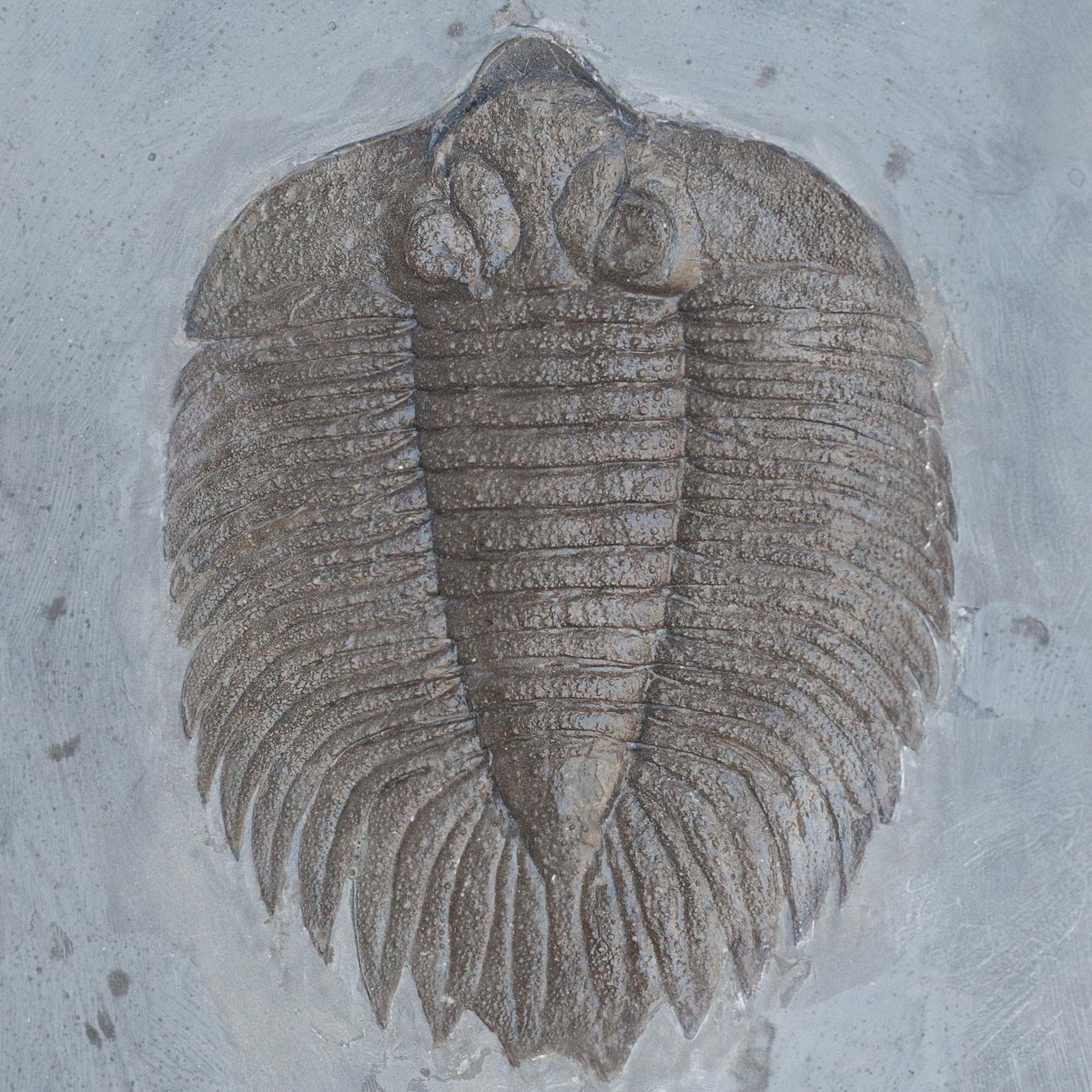
Amecephalus, was a distinctive trilobite characterized by its unusually wide and flattened pygidium (tail shield), which often exceeded the width of its cephalon (head shield). This feature, combined with its generally smooth exoskeleton and relatively small eyes, suggests a benthic (bottom-dwelling) lifestyle, likely in muddy or silty marine environments. Its name reflects these prominent features, with "amphicephalus" referring to the seemingly similar size of the head and tail in some specimens, and "laticaudum" directly translating to "wide tail." This trilobite provides valuable insights into the diversity of morphological adaptations within the Trilobita class during its geological range.
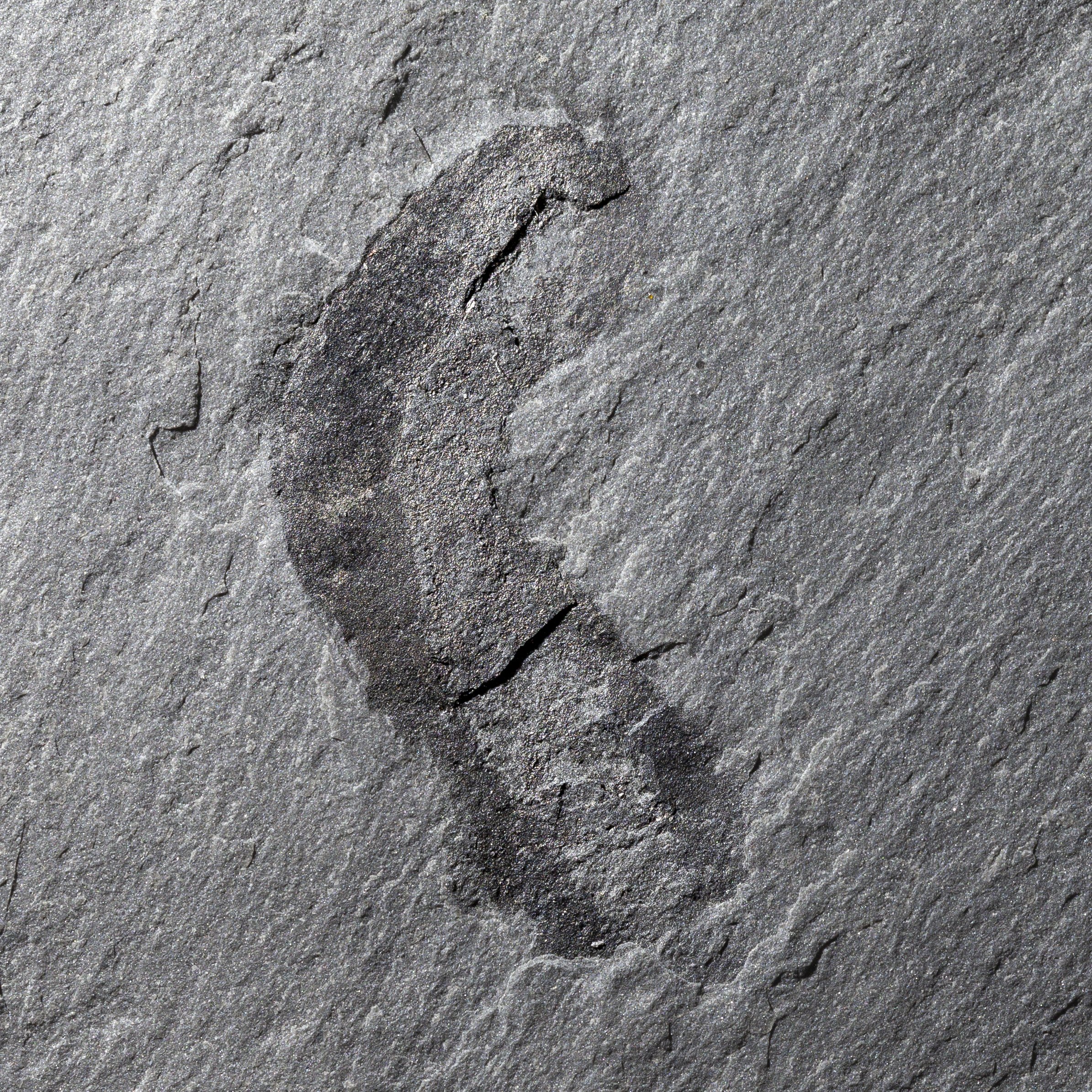
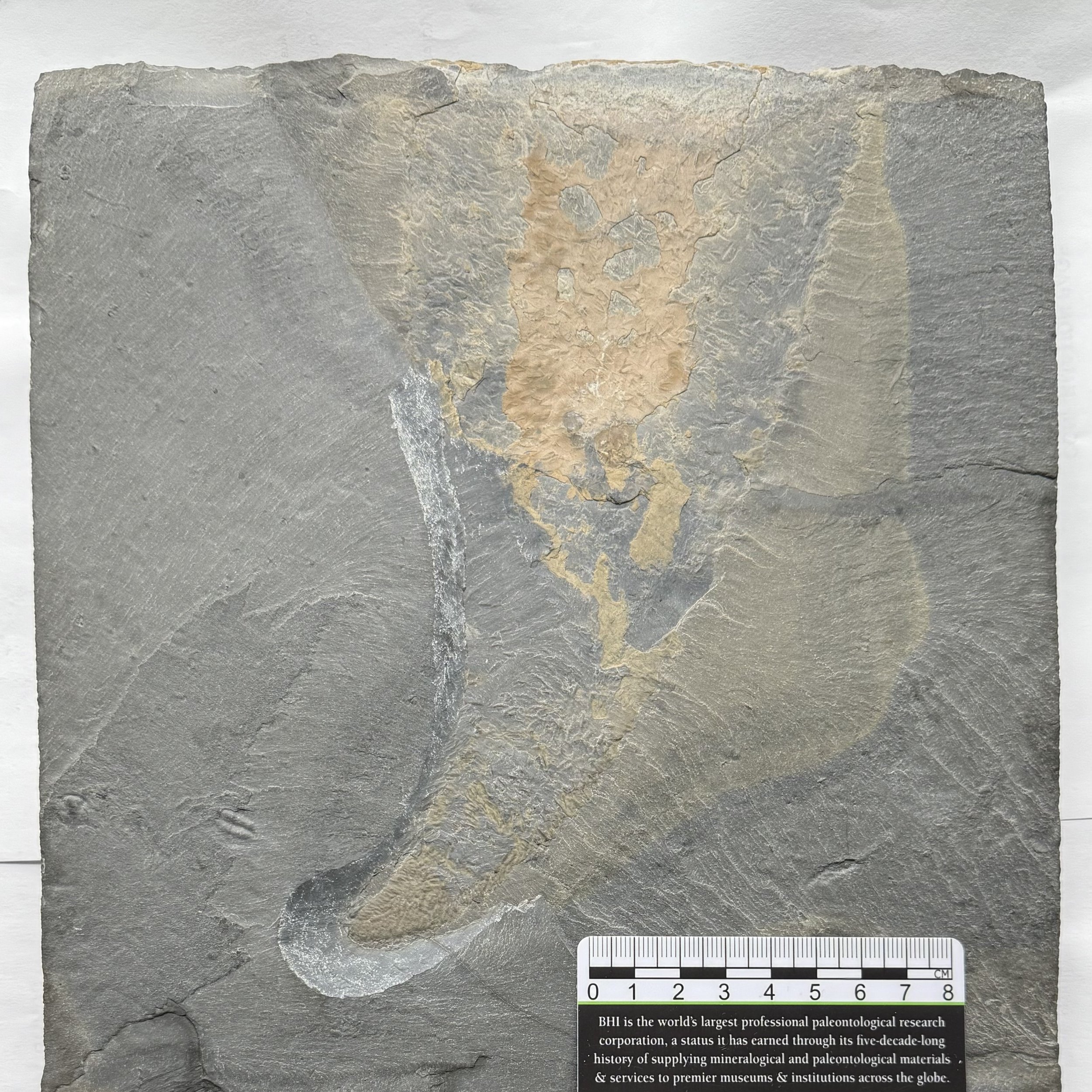
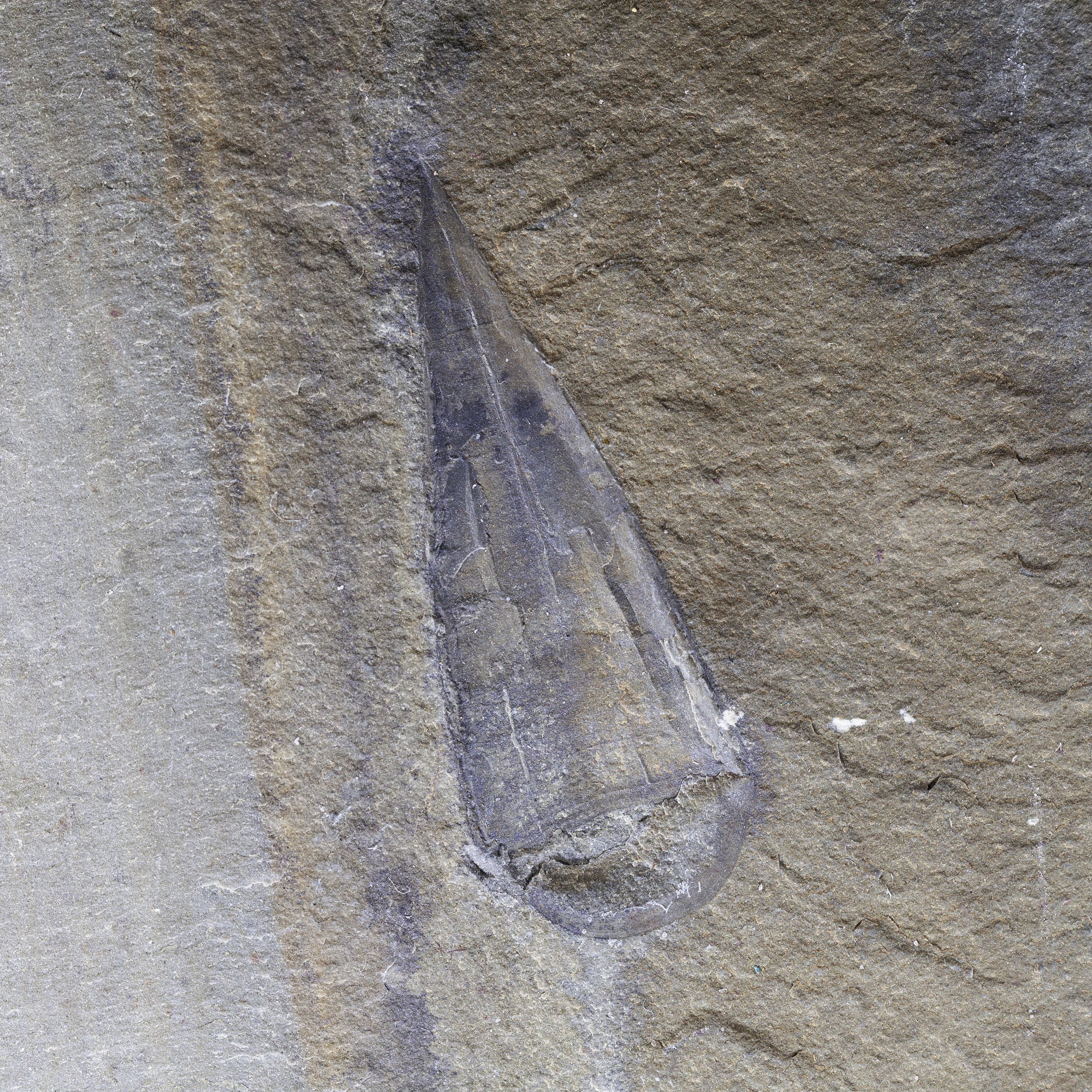
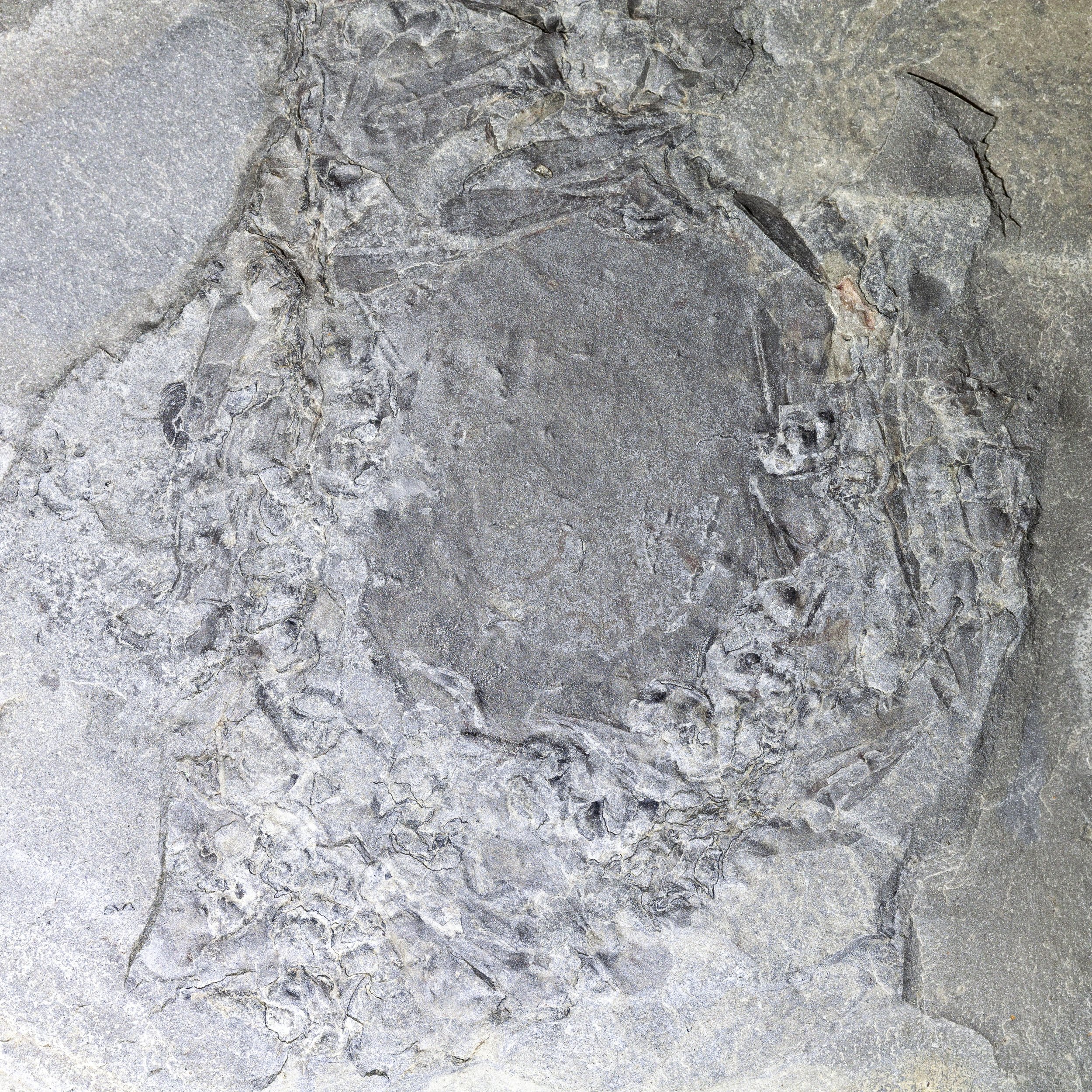
Gogia granulosa, was a primitive eocrinoid blastozoan that lived during the Early to Middle Cambrian period, primarily found in North America, including notable fossil sites like the Spence Shale of Utah. This extinct echinoderm possessed a distinctive vase-shaped or bowling pin-like theca (body) composed of numerous small, granular plates, giving the species its name "granulosa." Unlike true crinoids, Gogia was more closely related to blastoids and featured five ambulacra that were split into paired, coiled or straight, ribbon-like strands used for filter-feeding while attached to the substrate by a short stalk. Though relatively rare in some formations like the Burgess Shale, Gogia granulosa provides valuable insights into the early evolution and diversity of echinoderms during a crucial period in the history of life.
References:
Reference to Wikipedia: Alokistocaridae



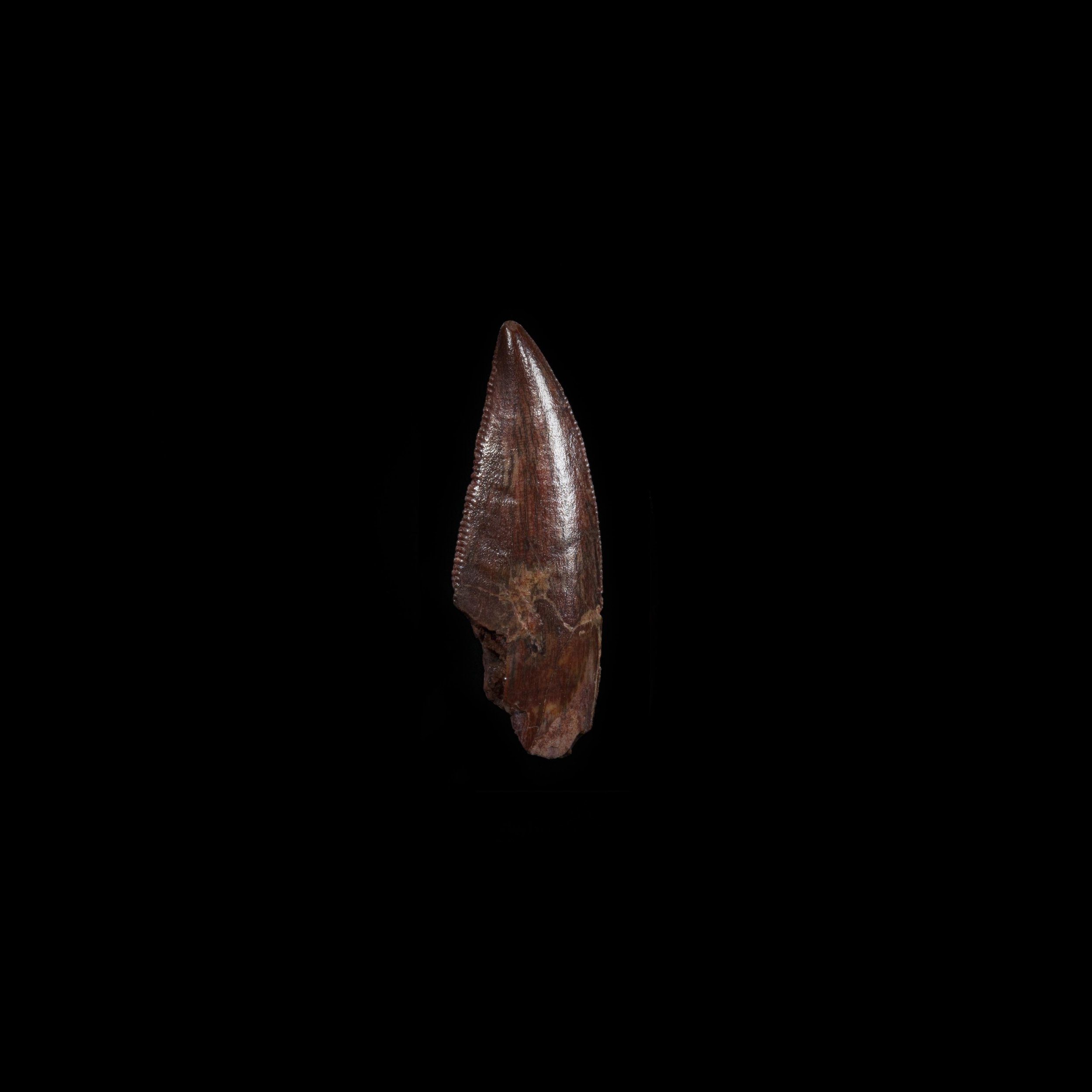
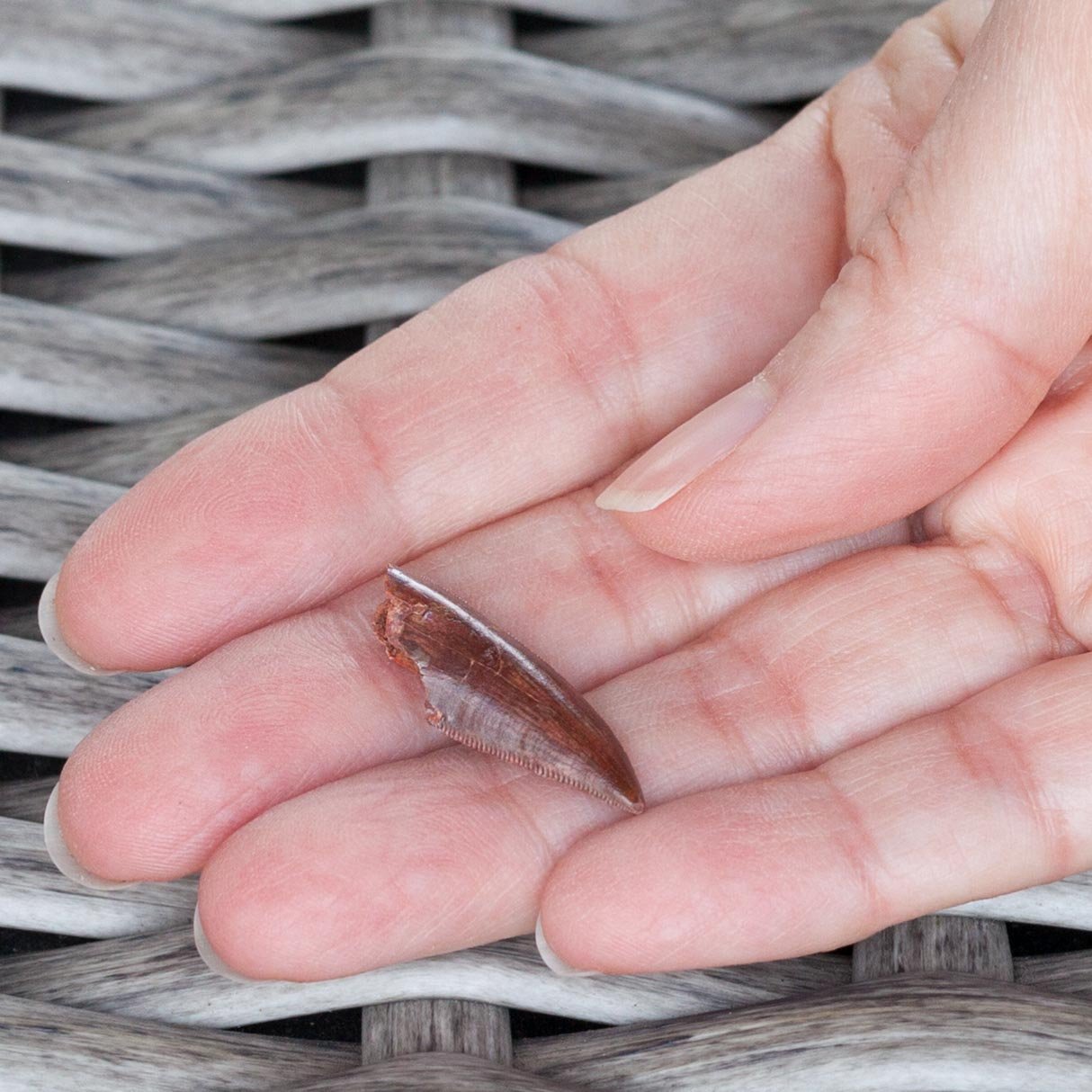

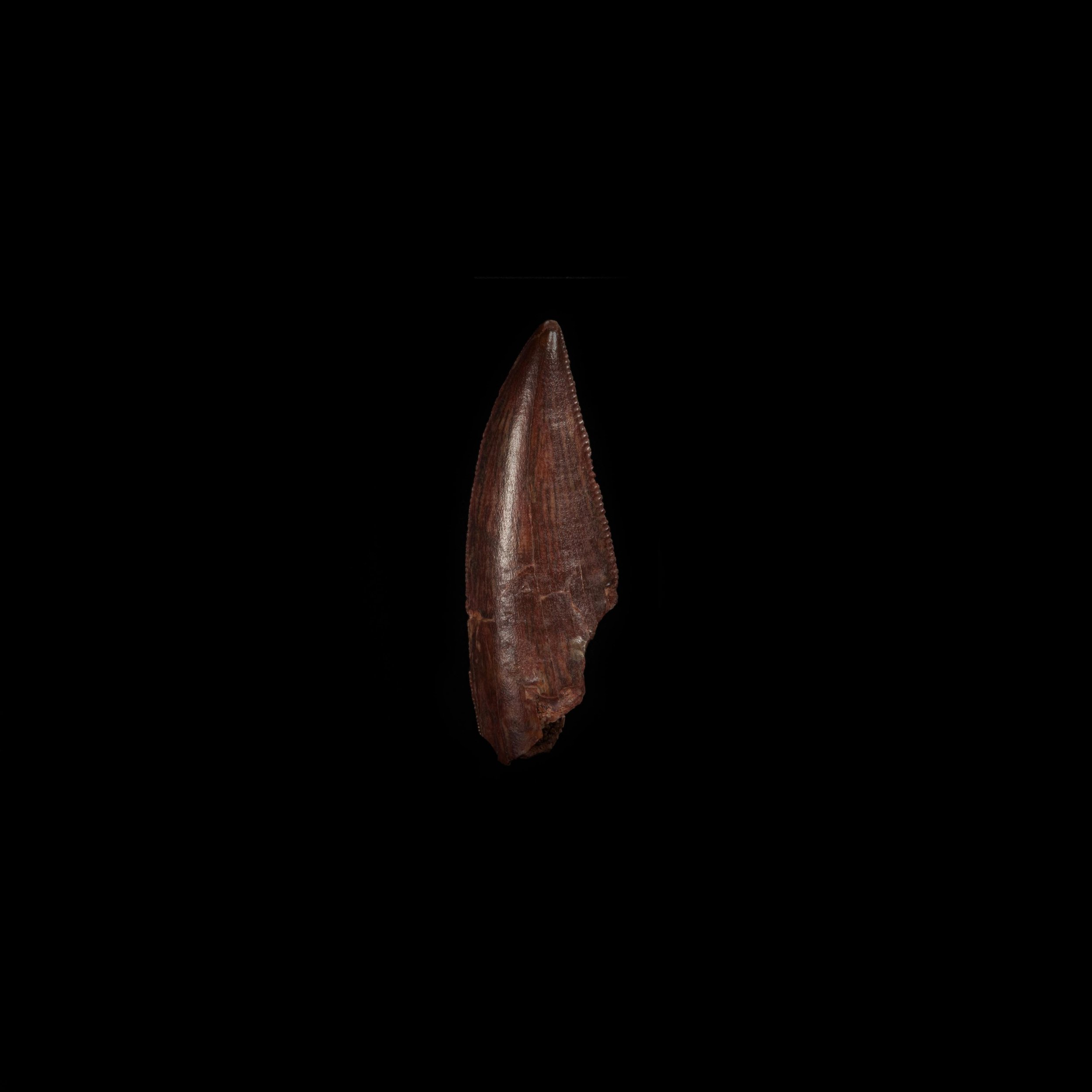
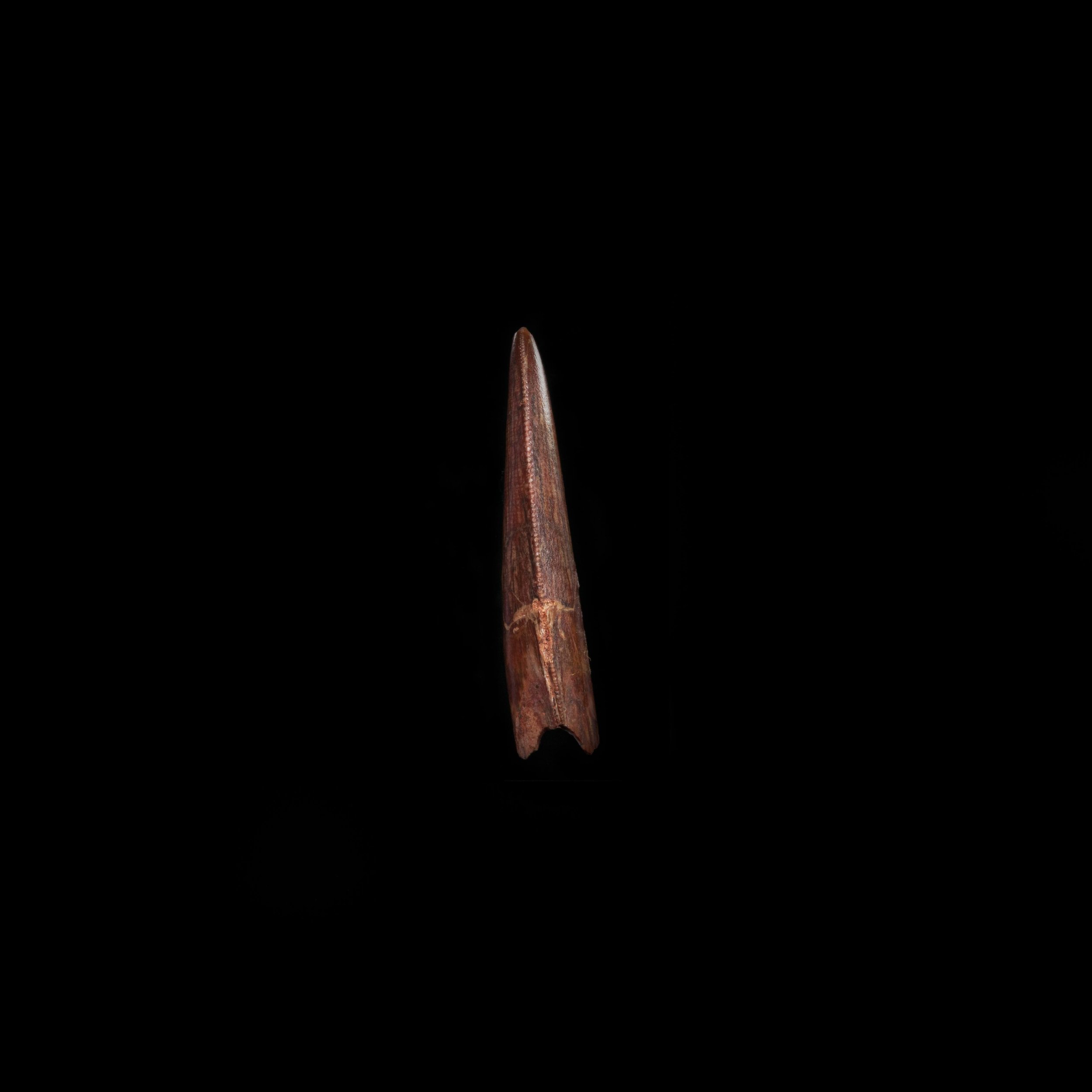

Vendor: FS-JS
SKU Number: SQ5615228
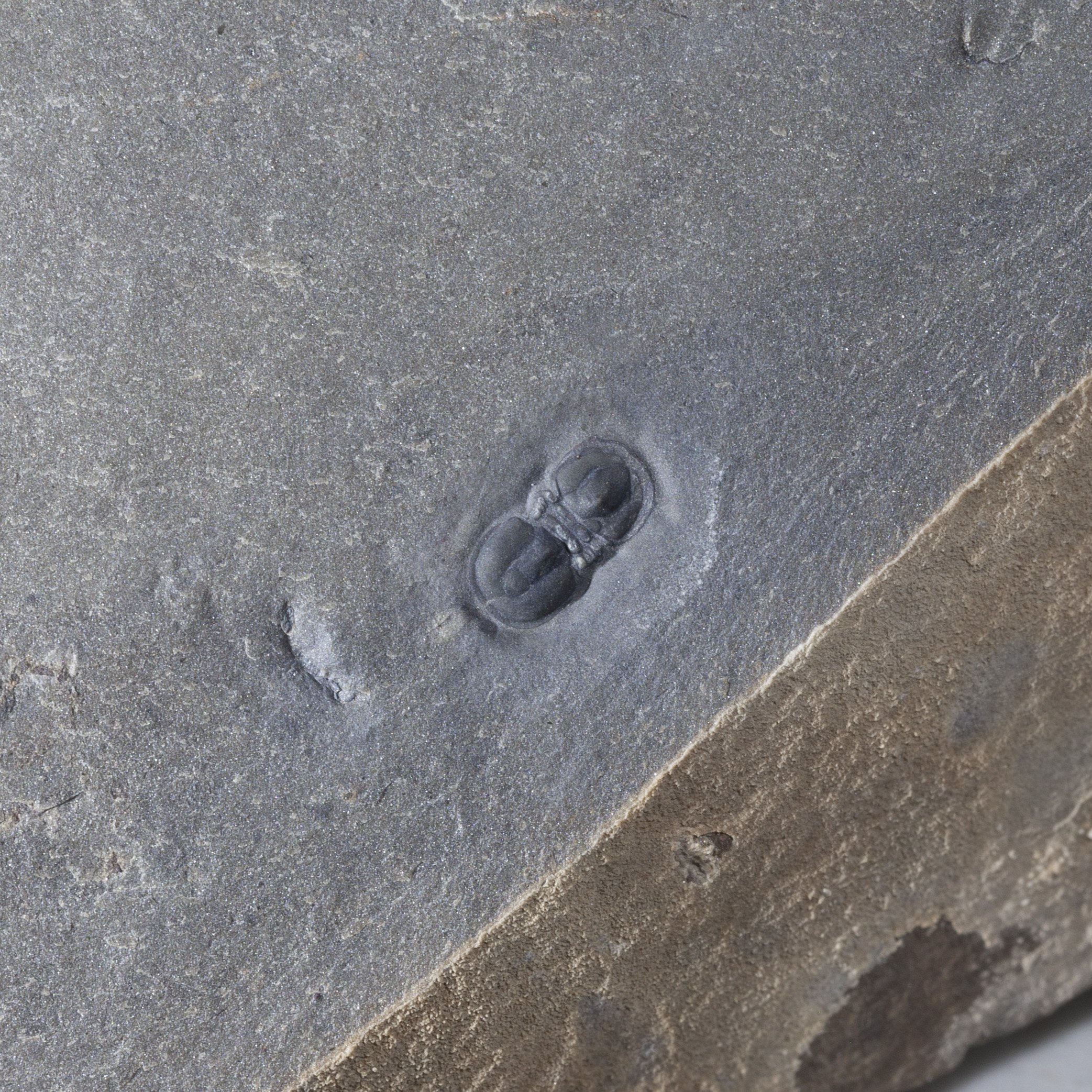
Amecephalus laticaudum from the Middle Cambrian, Spence Shale, Wellsvilles Mtns, Box Elder Co., Utah.
A very rare and complete trilobite.
Full dimensions are listed below.